2026 Best Piston Check Valve for Global Buyers?

Time:2026-10-23 Author:Oliver
0%

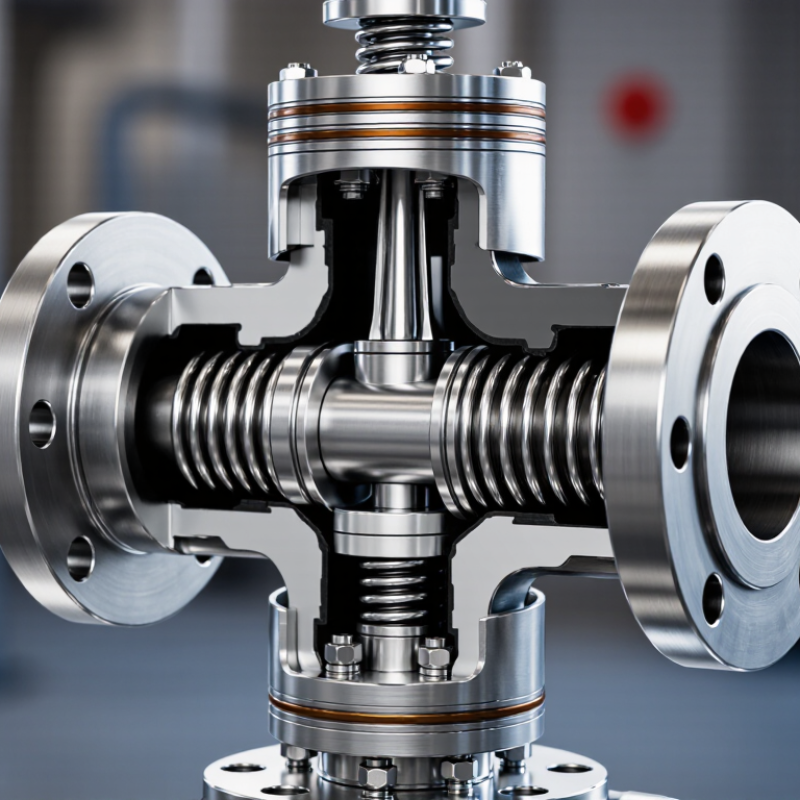
The 2026 Best Piston Check Valve for Global Buyers? This question deserves more than a supplier list. A reliable choice depends on pressure rating, fluid behavior, installation direction, maintenance access, and documented testing. The valve may look compact, yet its internal piston, seat, spring, and body materials control serious process risks.

Philip L. Skousen, author of the Valve Handbook, states, “Check valves are used to prevent reverse flow.” That simple sentence remains highly relevant. A Piston Check Valve must close quickly enough to protect pumps and compressors, but not so aggressively that it creates damaging water hammer. Buyers should examine shutoff performance, pressure drop, temperature limits, sealing materials, and compliance records. Traceable inspection matters.

Small details decide performance.

A practical evaluation should compare forged and cast bodies, threaded and flanged connections, horizontal and vertical installation limits, and service compatibility. Stainless steel may suit corrosive media, while carbon steel can offer better value in suitable conditions. However, material names alone prove little. The actual medium, concentration, temperature, and cycling frequency must be reviewed.

Global buyers also need realistic supplier evidence. Look for dimensional drawings, pressure-test reports, material certificates, and clear warranty terms. Some product pages promise universal performance. That claim deserves caution. No valve fits every pipeline.

This introduction will examine leading Piston Check Valve options for 2026, focusing on safety, durability, lifecycle cost, and purchasing reliability. The comparison will not treat the lowest price as the best answer. That would be convenient, but often incomplete.
2026 Best Piston Check Valve for Global Buyers?

Piston Check Valve Basics: Lift Design, Flow Direction, and Closing Response

2026 Best Piston Check Valve for Global Buyers?

A piston check valve is a lift-style valve, not a swing device. Fluid pressure raises the piston from its seat. Flow must enter below the seat and leave above it. Reversing the direction can damage the sealing surface.

Closing response matters during pump shutdowns. When pressure falls, the piston returns by gravity, backpressure, or spring force. A short travel distance can reduce reverse flow, but excessive spring force may increase pressure loss. Viscous fluids can slow movement. Small details matter.

The U.S. Department of Energy’s Improving Pumping System Performance sourcebook reports that pumping systems may consume more than one-quarter of industrial electricity. Correct valve sizing therefore affects both protection and operating cost. ISO 15761 also emphasizes pressure, temperature, and end-connection requirements for industrial steel valves.

In field inspections, I would check the arrow, mounting position, and seat condition first.

Then, I would compare the valve’s closing response with the pump’s shutdown curve. It is not always simple. A valve that closes quickly can still create water hammer in a long pipeline. Buyers should request flow coefficients, leakage data, materials, and tested pressure ratings. Generic catalog values are useful, but not enough for a reliable global specification.

Pressure Selection: ASME B16.34 Classes 150–2500 and Temperature Ratings

Selecting a piston check valve begins with pressure-temperature data, not the line-size label. ASME B16.34 covers Classes 150, 300, 400, 600, 900, 1500, and 2500. Each class changes with material group and temperature. A Class 600 valve is not automatically safe in every Class 600 service. Temperature changes everything. Check the table at the actual design temperature, not ambient conditions.

For steam, hot oil, or high-pressure gas, record design pressure, maximum temperature, minimum temperature, and pressure spikes. Then compare them with the material-specific ASME B16.34 rating. API 598 testing can verify shell integrity and closure performance, but it does not replace correct pressure selection. The IEA Oil 2024 report forecasts global oil demand near 105.4 million barrels per day by 2030. That demand may expand critical flow systems, yet market growth is no reason to overrate a valve without engineering evidence.

Piston checks also need a suitable cracking pressure and stable flow velocity. A low cracking pressure may reduce pump losses, while excessive velocity can accelerate wear and noise. Field reviews often find a simple mistake: buyers select the class from normal pressure only. They forget surge pressure. Do not guess. A practical specification should state class, body material, temperature range, test standard, allowable pressure drop, and installation orientation. The weak point is often the data sheet. Recheck it against the piping design, because even a technically correct class can fail when temperature, surge, and material compatibility are reviewed separately.

Material Choices: API 6D Service, Stainless Steel, and Alloy Compatibility

For global buyers, the best piston check valve starts with service conditions, not catalog size. API 6D service demands controlled design, documented testing, and materials suited to pressure, temperature, and fluid chemistry. A piston check valve must close steadily, without damaging the seat or creating excessive pressure loss. Small details matter. Body, piston, spring, and seat materials should be reviewed as one working system.

Stainless steel offers useful corrosion resistance and reliable cleaning performance. However, standard stainless grades may struggle in high-chloride or high-temperature environments. Pitting can begin where the fluid appears harmless. Duplex stainless steel may provide better strength and chloride resistance, but fabrication quality and heat treatment remain critical. Nickel-based alloys can support severe chemical service, though they raise cost and may complicate machining. Compatibility is not only about the valve body. The piston, spring, seals, and seat can fail at different rates.

During procurement, request material certificates, pressure-test records, and clear trim specifications. Confirm the valve’s temperature range and end-connection requirements. Match the alloy to the process fluid, including water content, particles, and possible contaminants. I have seen projects specify an excellent body alloy while overlooking a weaker spring. That assumption can fail. Laboratory compatibility data helps, but field history deserves equal attention. When uncertainty remains, a qualified materials engineer should review the complete assembly before purchase.

Leakage Testing: ISO 5208 Rates, Seat Tightness, and Factory Verification

2026 Best Piston Check Valve for Global Buyers?

Leakage testing should guide piston check valve selection. ISO 5208:2015 defines leakage rates from A through G. Rate A requires no visible leakage during the specified test period. However, acceptance depends on valve size, pressure, medium, direction, and test duration. Buyers should not request “zero leakage” without naming these conditions. That phrase sounds strong, but remains incomplete.

API 598 also provides practical procedures for shell and closure testing. A reliable factory should use calibrated gauges, clean test water, and documented test pressure. The test record should identify the valve size, material, pressure class, test direction, duration, and measured leakage. Reverse-flow testing matters. A piston check valve may seal correctly forward, yet perform poorly during backpressure. Factory verification should include several open-close cycles before the final seat test. Small details matter.

Tips: Ask for the standard and leakage rate in the purchase order. Request calibration dates, test charts, and the actual acceptance result. Confirm whether the stated rate applies to liquid or gas testing. Do not accept a generic certificate alone. An experienced inspector should compare the certificate with the nameplate and inspection photos. This step is often missed. Even ISO-based testing can become unreliable when operators skip stabilization time or record pressure too early.

Global Buyer Checklist: API 594, NACE MR0175, Certification, and Total Cost

For a 2026 piston check valve, global buyers should treat API 594 compliance as a design gate, not a marketing phrase. Confirm the exact edition, valve type, pressure class, size range, and test requirements. Request dimensional drawings before ordering. A piston valve may look suitable, yet its installation length can disrupt an existing line.

NACE MR0175, also known as ISO 15156, matters in hydrogen-sulfide service. It controls material selection and limits cracking risks under defined production conditions. Ask for body, piston, spring, and trim materials, plus hardness and heat-treatment records. MTRs, inspection reports, pressure-test certificates, and traceability should match the valve serial number. A certificate without traceability is weak evidence. It happens more often than buyers expect.

Cost comparisons should include inspection, coating, spare parts, freight, customs, and future downtime. NACE’s IMPACT study estimated global corrosion costs at about US$2.5 trillion annually, or 3.4% of global GDP. That figure supports stronger prevention, but it does not justify buying every premium option. Compare lifecycle cost against process severity. Include independent inspection when sour service or remote commissioning is involved. It may feel expensive. Unplanned replacement costs more. Sources: NACE IMPACT study; API 594; NACE MR0175/ISO 15156.

FAQS

How does a piston check valve control flow?

Fluid pressure lifts the piston from its seat. Flow enters below the seat and exits above it. Reverse installation can damage the sealing surface. Direction matters.

What happens when the pump stops?

Falling pressure lets the piston return to its seat. Gravity, backpressure, or a spring may provide closing force. Short piston travel can reduce reverse flow. Too much spring force may increase pressure loss.

Can a fast-closing valve prevent water hammer?

Not always. Fast closure may still create water hammer in a long pipeline. Check the pump shutdown curve and pipeline length together. The result can be less predictable than expected.

How should buyers choose valve materials?

Start with pressure, temperature, fluid chemistry, and particles. Review the body, piston, spring, seals, and seat as one system. A strong body alloy cannot protect a weak spring. That mistake happens.

Is stainless steel suitable for every process?

No. Stainless steel often supports corrosion resistance and easier cleaning. High chloride or high temperature can still cause pitting. Duplex or nickel-based alloys may suit harsher service, but they cost more.

Which documents should global buyers request?

Request material certificates, pressure-test records, trim details, and dimensional drawings. Ask for temperature limits and end-connection information. Testing records should match the valve’s serial number. Traceability matters.

What should buyers check during installation?

Confirm the flow arrow, mounting position, seat condition, and installation length. Compare the valve dimensions with the existing pipeline. A suitable catalog size may still disrupt the line. Measure carefully.

How should buyers compare total cost?

Include inspection, coatings, spare parts, freight, customs, and possible downtime. A lower purchase price may increase future maintenance. Premium materials are not always necessary. Match cost to process severity. Uncertainty deserves review.

Conclusion

Choosing the right Piston Check Valve for global service requires more than matching pipe size. Its lift design, flow direction, and closing response influence pressure loss, reverse-flow protection, and operating stability. Buyers should compare pressure classes from ASME B16.34 Class 150 to Class 2500, while confirming temperature limits for the intended process. Material selection is equally important: stainless steel and compatible alloys should be evaluated for API 6D service, corrosion resistance, fluid composition, and mechanical durability.

Reliable performance also depends on verified seat tightness and leakage testing in accordance with applicable ISO 5208 rates. Before purchasing, global buyers should review API 594 requirements, NACE MR0175 suitability where relevant, inspection records, certificates, and factory test documentation. A complete evaluation should include installation conditions, maintenance needs, delivery support, and lifecycle cost rather than purchase price alone. The best Piston Check Valve is one that combines dependable closing performance, suitable pressure and temperature capability, material compatibility, documented quality, and predictable total ownership cost.

Oliver

Oliver

Oliver is a seasoned marketing professional with a wealth of expertise in driving brand awareness and engagement. With a deep understanding of our company's product offerings, he consistently delivers high-quality content that enriches our professional blog. His insights not only shed light on......