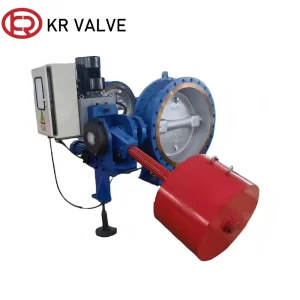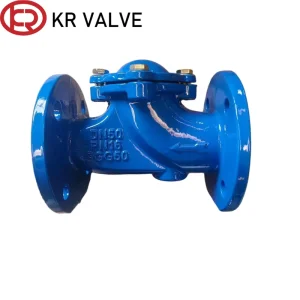
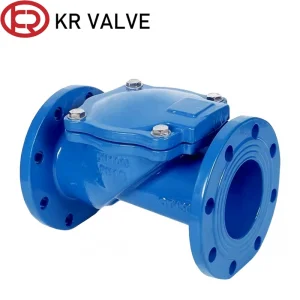
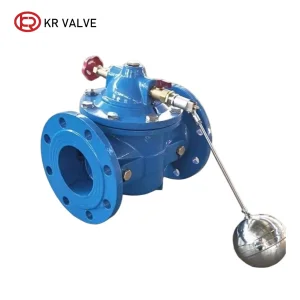
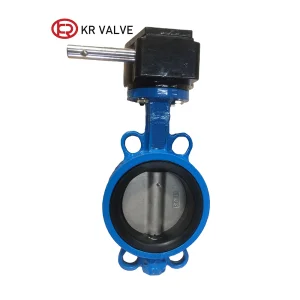
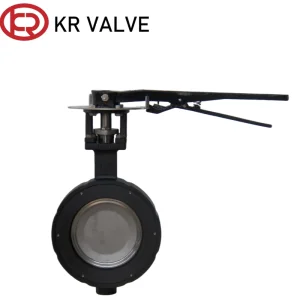
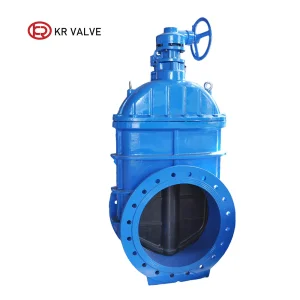
In modern hydraulic design, the prevention of reverse flow is critical to safeguarding municipal piping systems, waste disposal infrastructures, and complex chemical processes. Among check valve types, the Ball Type Check Valve represents one of the most reliable and self-cleaning engineering options. It operates through the action of a rolling ball that responds dynamically to changes in line pressure. As a key manufacturing industry leader, KR Valve delivers more than two decades of dedicated manufacturing experience, integrating customized fluid solution pipelines across municipal, commercial building, and energy sectors globally.
With an active database featuring over 500 valve varieties—encompassing high-tier butterfly valves, gate valves, specialized check valves, water control valves, and complementary system accessories—KR Valve addresses the rigorous technical standards demanded by contemporary process designers. Today, our advanced manufacturing output helps direct and secure fluid transmission structures in more than 50 nations across Europe, Asia, Africa, and Oceania, satisfying strict zero-leakage parameters for municipal pipelines and complex industrial projects alike.
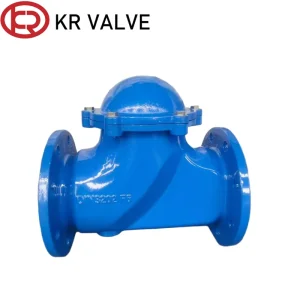
The core fluid mechanical feature of a ball type non-return valve is its simplicity. Inside the valve body, a spherical ball sits above a machined circular port. When forward flow begins, the incoming pressure pushes the ball out of the seating guide and moves it into an adjacent recess or chamber. This configuration yields a clear flow path with minimal turbulence. The fluid moves smoothly through the line, reducing friction losses. When the pump stops or flow reverses, gravity and backpressure force the ball back down onto the seat. This action forms a tight seal and prevents backflow instantly.
For engineering consultants and procurement leads, selecting the appropriate metallurgy and elastomer coating is essential for long-term valve durability. Our factories construct these valves with premium cast materials, featuring Ductile Iron (GGG40/50, ASTM A536) for high tensile strength, and Carbon Steel (WCB) or Stainless Steel (CF8/CF8M) for corrosive environments. The sealing ball typically consists of an aluminum or carbon steel core encapsulated in vulcanized rubber—most commonly Ethylene Propylene Diene Monomer (EPDM) or Nitrile Butadiene Rubber (NBR). This construction provides a resilient, soft-sealing surface that absorbs impact and seals tightly, even in lines carrying abrasive suspended solids.
The global industrial valve market is transitioning rapidly toward smart infrastructure and maintenance-free technologies. Traditional check valves are vulnerable to mechanical wear, water hammer, and clogging when handling raw sewage, slurry, or wastewater. Modern piping projects require self-cleaning check valves. These designs utilize helical guides to induce a spin on the ball. The rotation keeps the sealing seat clean by clearing away particulate deposits with every cycle, reducing the need for manual maintenance.
Additionally, forward-looking developers are seeking valves that support predictive maintenance. This involves integrating digital pressure transmitters and ultrasonic flow sensors around the valve chamber. These sensors track the ball's movement and seat-engagement speed. By analyzing pressure changes and seating times, system operators can predict when a valve's elastomer coating is nearing the end of its service life, allowing for scheduled maintenance before a system failure occurs.
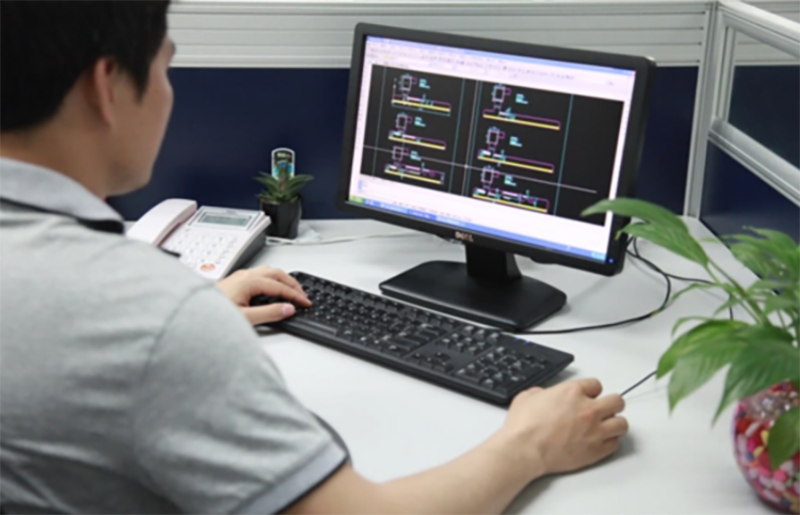
Our dedicated R&D team designs high-integrity valve models using advanced Finite Element Analysis (FEA) to minimize structural stress points and optimize fluid dynamics.
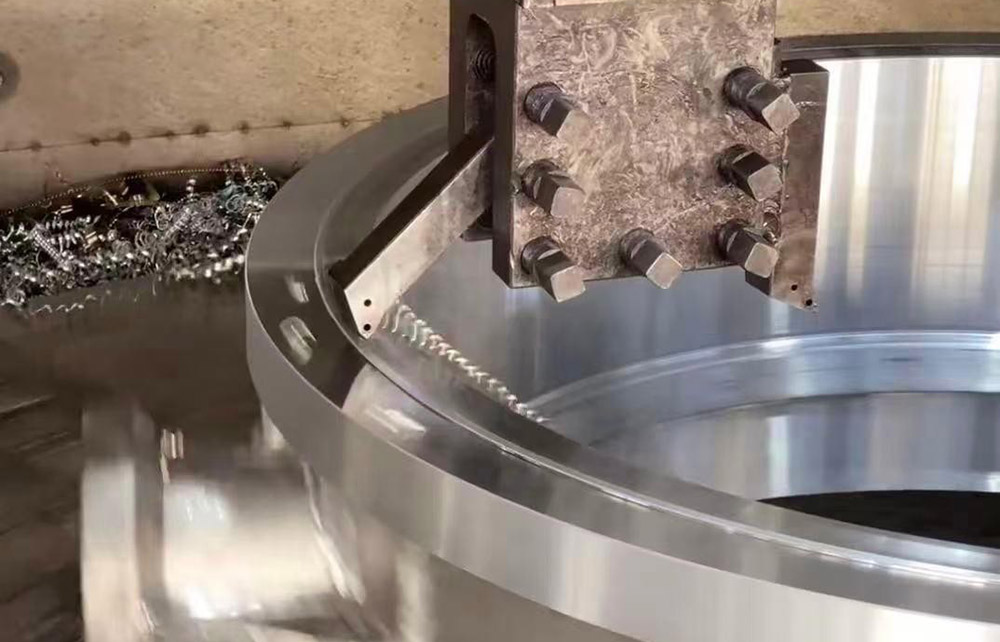
Utilizing 15 advanced CNC machining stations and automated assembly lines, we manufacture all components to strict tolerances under ISO-9001 quality management.
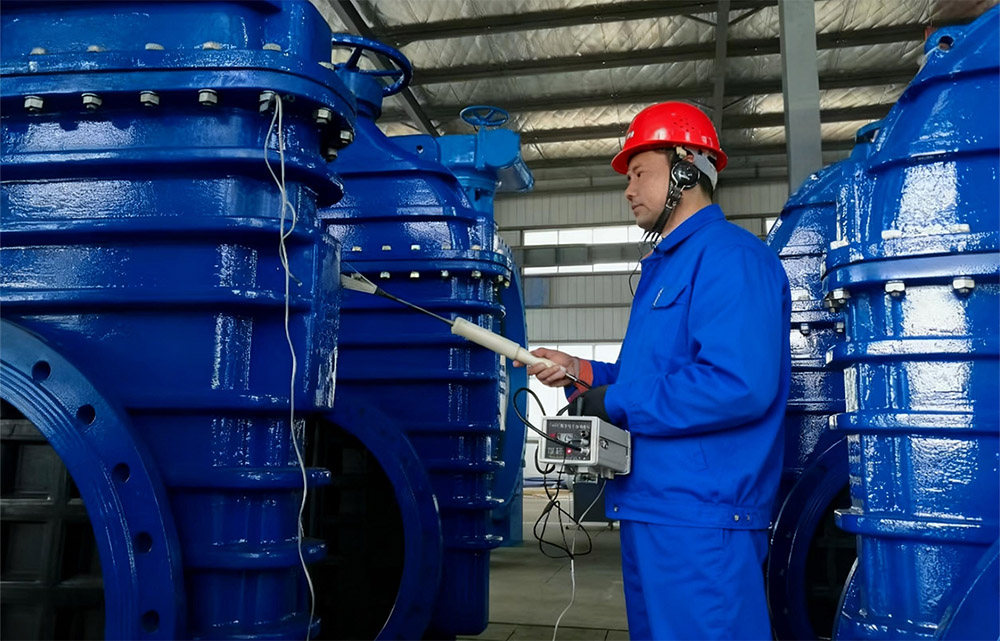
Every valve undergoes shell and seat pressure testing before shipping. Our zero-leakage target ensures long-term operational safety in demanding industrial setups.
Our engineering team designs custom valve systems tailored to diverse environmental and flow conditions. Across global installations, KR Valve systems support pipeline efficiency, backflow prevention, and pressure management under variable operating conditions.
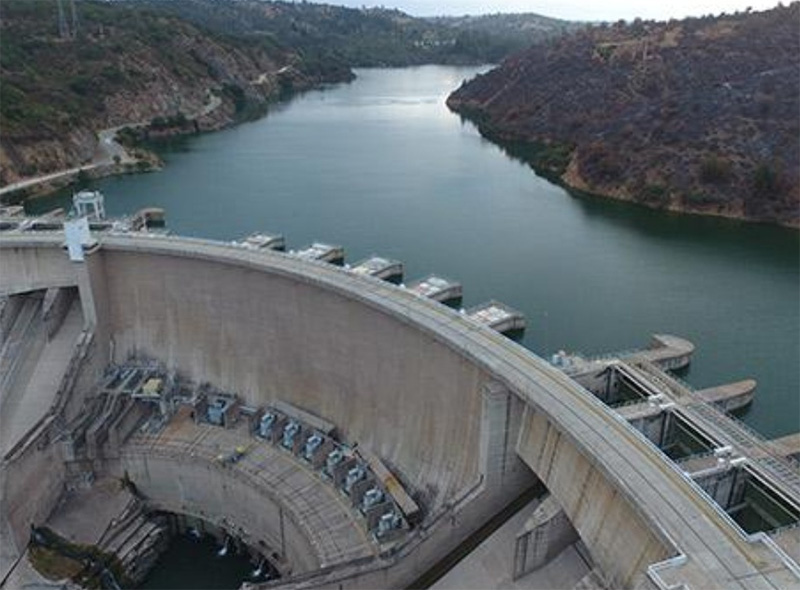
We supplied high-pressure water control valves engineered to manage surges and regulate downstream flow rates under varying reservoir pressures.
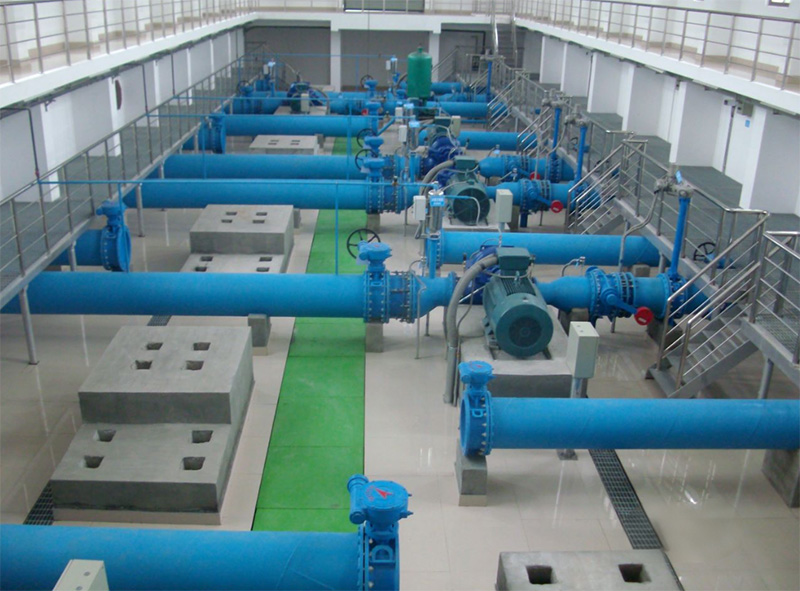
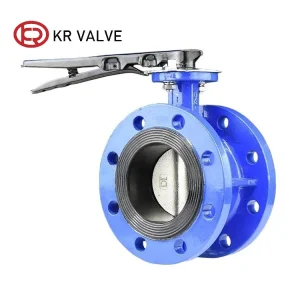
Delivered large-diameter butterfly and non-return ball valves to urban distribution lines, reducing line friction and pumping energy costs.
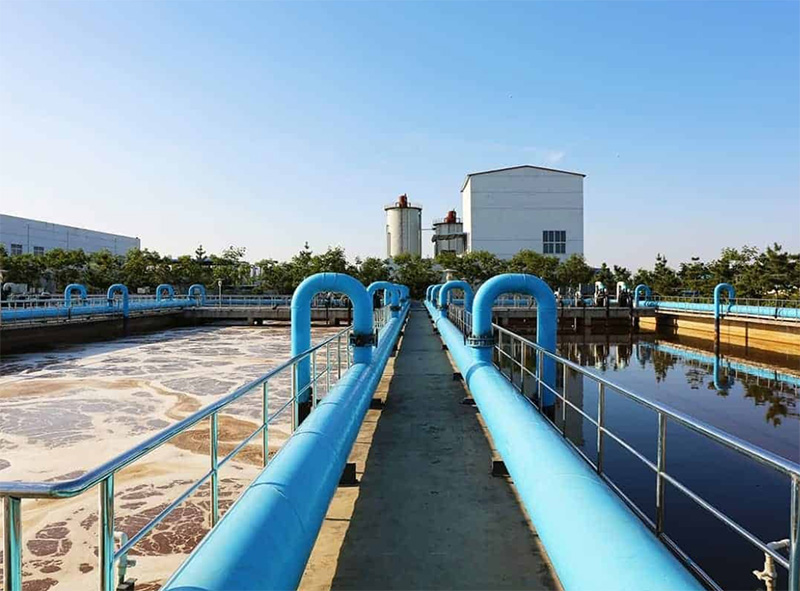
Our soft-seated ball check valves prevent backflow of high-solid sludge, operating reliably without clogging or mineral scaling.
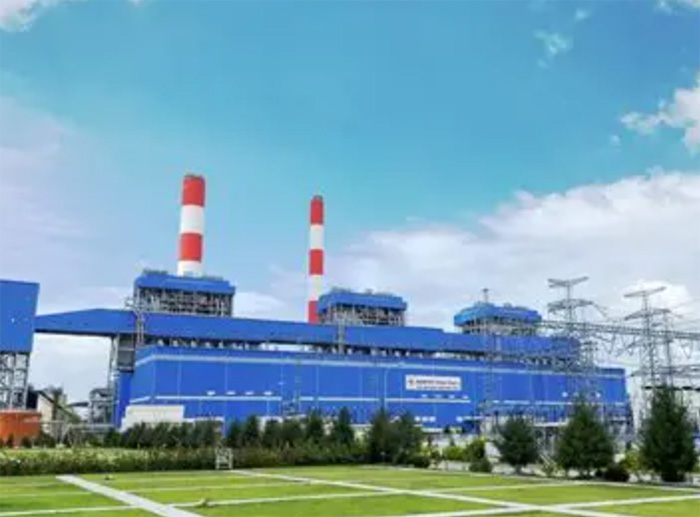
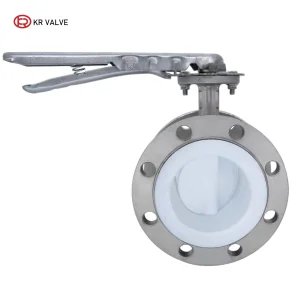
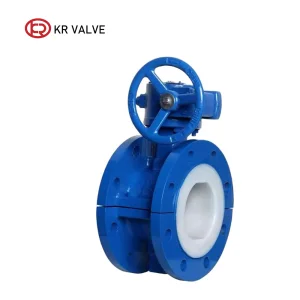
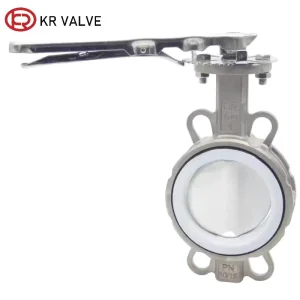
Supplied corrosion-resistant full PTFE lined butterfly valves to safely handle acidic wastewater and chemical processing media.
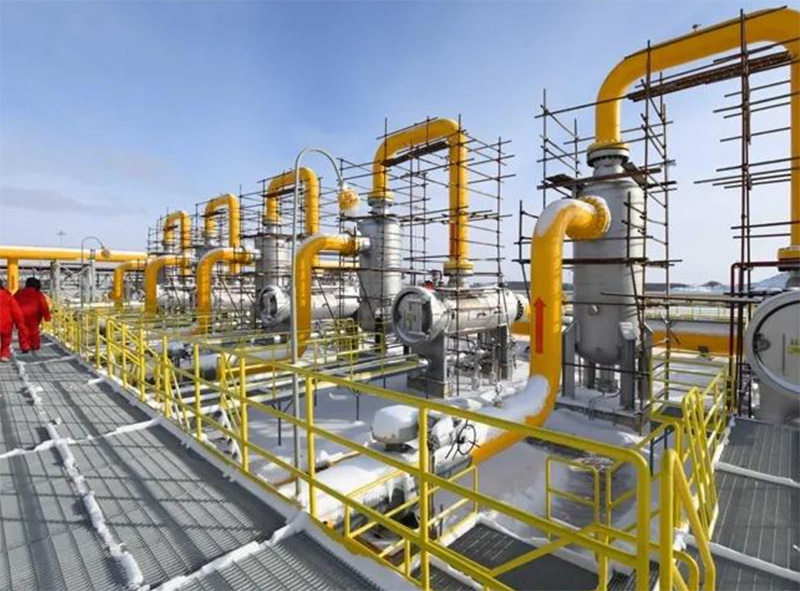
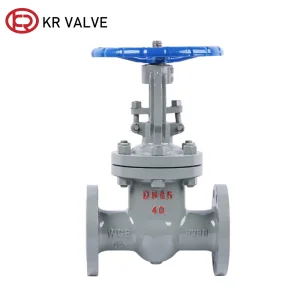
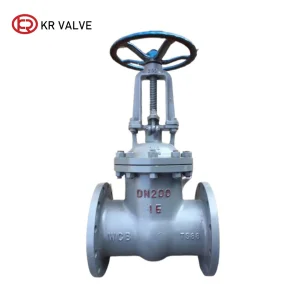
Engineered carbon-steel ball valves and gate valves built to maintain bubble-tight seals in low-temperature environments.
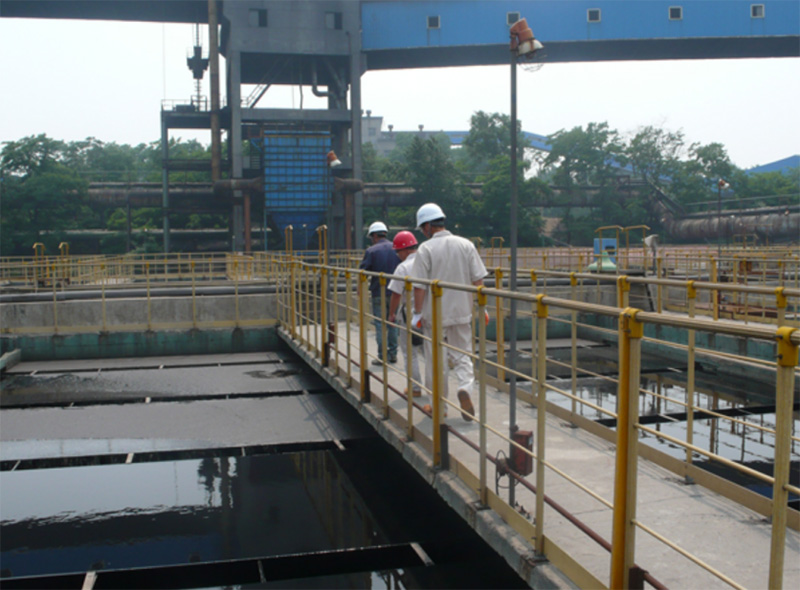
Installed a complete line of resilient-seated gate and check valves, ensuring backflow prevention across sewage treatment basins.
At KR Valve, we realize that off-the-shelf valves do not always meet the unique layout challenges of specialized projects. From customized flange drillings (matching ANSI, DIN, BS, or JIS specifications) to specific elastomer formulations, we work closely with procurement engineers to deliver custom-tailored valves.
We supply private-label valves for international brands, maintaining quality standards and ensuring design confidentiality.
Select from Cast Iron, GGG40/50, WCB, CF8, or CF8M body structures paired with specific EPDM, NBR, or Viton sealing components.
Our application engineers assist you from initial system design and material selection to installation and after-sales support.
 KR VAVLE