The Floating Ball Valve is a critical component in various industries, including oil and gas, chemical, and waterworks. According to a recent market analysis, the global valve market is projected to reach $109 billion by 2026, with floating ball valves holding a significant share, driven by their reliability and efficiency. These valves offer improved flow control and reduced leakage risk, making them essential in high-pressure applications.
The design of the floating ball valve allows the ball to float within the valve body, ensuring a tight seal when pressurized. This feature is particularly advantageous in applications where consistent flow is required. Reports indicate that the adoption of this technology has increased by 15% annually, highlighting its growing importance in modern industrial processes.
While floating ball valves present many advantages, buyers must consider factors such as material compatibility and operating conditions. Some generic valves may fall short in extreme environments, leading to performance issues. Evaluating these elements is crucial for optimal selection and long-term reliability of floating ball valves in diverse applications.
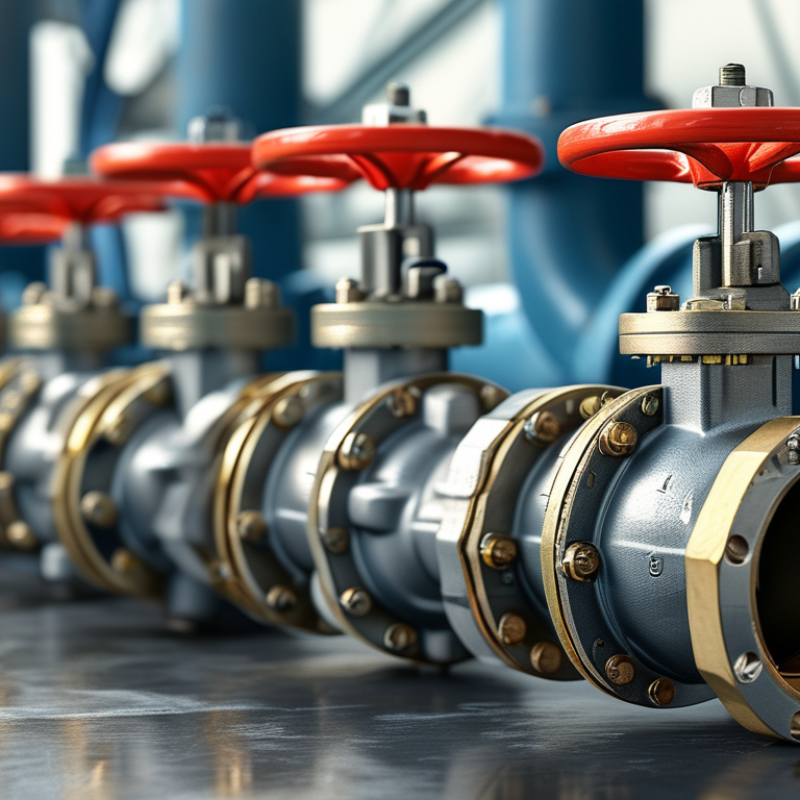
In recent years, floating ball valve technology has seen significant innovations. These valves are known for their simplicity and effectiveness in regulating flow. The design utilizes a floating ball that moves within the valve body. This ensures a tight seal in applications with varying pressures. As industries seek efficiency, the evolution of this technology has become crucial.
One notable advancement in 2026 is the improvement in materials used. Enhanced corrosion resistance is becoming standard, increasing their lifespan. New sealing materials are more durable, offering better resistance to temperature fluctuations. However, not all floating ball valves meet these expectations. Some still struggle under extreme conditions, which could lead to failures. Buyers should evaluate specifications carefully.
Another trend is the integration of smart technology. Many floating ball valves now feature digital monitoring systems. These systems provide real-time data on valve performance. Such innovations can help prevent leaks and enhance safety protocols. Still, the reliance on technology introduces potential vulnerabilities. A failure in the monitoring system could compromise performance unexpectedly. Buyers must balance the benefits of this technology with the need for reliability.
| Feature | Description | Benefits |
|---|---|---|
| Corrosion Resistance | Made from high-grade materials like stainless steel and special alloys. | Increased lifespan and reduced maintenance costs. |
| Low Torque Operation | Design allows for easy operation with minimal force required. | Improved efficiency and ease of use in high-pressure systems. |
| Compact Design | Smaller footprint compared to traditional valves. | Saves space and allows for flexible installation options. |
| Leak-Free Performance | Utilizes advanced sealing technology. | Ensures safety and reliability, reducing the risk of leaks. |
| Wide Size Range | Available in various sizes to fit different applications. | Versatility for a broad range of industries and projects. |
Floating ball valves are essential in various industries, such as oil and gas, water treatment, and chemical processing. Their design offers several key features that enhance fluid control. A floating ball valve utilizes a ball that is free to move vertically, allowing for a tight seal when the valve is closed. According to industry reports, these valves can achieve leak rates as low as 0.01% of the total flow, which is crucial for maintaining operational safety.
One notable benefit is their simplicity. Floating ball valves generally have fewer parts than other types, making them easier to assemble, maintain, and repair. Their compact design reduces the installation footprint, which is invaluable in tight spaces. A recent study highlighted that manufacturers favor floating ball valves due to their high durability and long service life, often exceeding 20 years under normal conditions. However, users should reflect on the potential risks associated with wear and tear, particularly in high-pressure applications.
Additional advantages include their capacity to handle high flow rates and resistance to corrosive substances. This feature is especially beneficial for industries handling aggressive media. Despite these benefits, buyers should not overlook potential limitations, such as temperature constraints and lower performance at extremely high pressures. Understanding these aspects can lead to more informed purchasing decisions.
Floating ball valves are pivotal in industrial settings due to their simplicity and efficiency. These valves operate on a straightforward mechanism, where a ball inside the valve moves to block or allow flow. According to recent industry studies, floating ball valves demonstrate a significant reduction in fluid leakage, often rated below 0.1% of total flow. This characteristic is essential for maintaining operational safety and environmental compliance.
In industries like oil and gas, the demand for reliable sealing solutions is critical. A floating ball valve can withstand pressures ranging from 150 psi to over 1,000 psi, depending on its design. Reports indicate that using these valves can lower energy costs by up to 15%, due to reduced friction losses. The lightweight design allows for easier installation, minimizing labor costs. Furthermore, the ease of maintenance and fewer required parts make it a cost-effective choice.
However, not all floating ball valves are created equal. Some models may not provide the same level of performance under extreme temperatures. Users must consider material compatibility and operating conditions to avoid potential failures. Such oversight can lead to operational inefficiencies and increased downtime. Hence, proper selection and due diligence in valve application are crucial for optimal performance in an industrial context.
Floating ball valves and traditional valves serve similar purposes but differ in design and function. The floating ball valve relies on a ball that rests on the seat, sealing the flow of fluids. This design allows for a tighter seal as the ball flexes slightly under pressure. In contrast, traditional valves, often gate or globe types, use a disc or wedge that moves to open and close the flow. This mechanism can be less effective in high-pressure applications.
Buyers should consider the pressure ratings and flow characteristics of both valve types. Floating ball valves typically offer lower torque requirements, making them easier to operate. They also provide better leakage control under fluctuating operational conditions. Traditional valves may struggle in this area, leading to potential inefficiencies. However, traditional designs can be more robust for extreme environments, which can be a point of concern for some applications.
Another detail to consider is maintenance. Floating ball valves often require less frequent attention due to fewer moving parts. In contrast, traditional valves may need regular inspection and adjustment. This difference can influence overall project costs and resource allocation. Choosing the right valve depends on specific use cases and environmental demands. Understanding these aspects can lead to better decision-making for buyers.
The floating ball valve market is witnessing significant trends shaping its future. According to a recent report, the global floating ball valve market is expected to grow at a compound annual growth rate (CAGR) of approximately 6.5% from 2023 to 2030. This growth is primarily driven by the rising demand across industries like oil and gas, water treatment, and HVAC. The shift towards automation and smart technology is also influencing design innovations, emphasizing the need for reliability and efficiency.
Floating ball valves are gaining traction due to their superior sealing capability and ease of maintenance. These valves are lightweight, making installation simpler in tight spaces. An industry study highlighted that nearly 75% of engineers prefer floating ball valves for their versatility in handling different pressure and temperature conditions. However, users report challenges with durability in extreme environments. Ensuring a balance between performance and material strength is an ongoing concern. As manufacturers refine their offerings, the focus remains on enhancing the longevity and functionality of these valves to meet demanding industrial standards.
: Floating ball valves are key components in industrial applications for controlling fluid flow effectively.
They operate by moving a ball inside the valve to either block or allow fluid flow.
These valves offer reduced fluid leakage and lower energy costs, making them efficient and cost-effective.
Yes, they can withstand pressures from 150 psi to over 1,000 psi, depending on their design.
Yes, they require less frequent maintenance due to fewer moving parts compared to traditional valves.
Some models may struggle under extreme temperatures, leading to potential performance issues.
Floating ball valves typically need less torque, allowing easier operation and better leakage control.
Material compatibility, operating conditions, and specific environmental demands are crucial for optimal performance.
The market is expected to grow at around 6.5% annually, driven by increased demand in various industries.
Users often report concerns about durability in extreme environments, which requires careful selection.
The article titled "2026 Top Floating Ball Valve Features and Benefits for Buyers" provides an insightful overview of the advancements in floating ball valve technology and its implications for industrial applications. It highlights key features that enhance fluid control, making floating ball valves increasingly preferable over traditional valve types. Their design allows for superior sealing and minimal leakage, which is critical in various sectors.
Furthermore, the article discusses the numerous benefits of using floating ball valves, such as their operational efficiency and reliability in managing fluid dynamics. A comparative analysis showcases how these valves outperform traditional alternatives, especially in terms of maintenance and performance longevity. Finally, it examines current market trends and forecasts a positive outlook for floating ball valve technology, indicating an ongoing evolution that will further meet the needs of industrial users.

KR VAVLE