In the ever-evolving realm of industrial components, the "Threaded Ball" sector continues to capture global attention. Notably, Dr. John Anderson, a leading expert in mechanical engineering, states, "The right threaded ball can redefine precision and efficiency in machinery." As industries worldwide know, selecting the appropriate threaded ball involves more than just price comparison; it requires an understanding of quality and functionality.
The 2026 Top Threaded Ball Purchasing Guide serves as an essential roadmap for global buyers. It highlights critical factors such as material durability, thread specifications, and certification standards. A wrong choice could lead to operational inefficiencies. For example, some buyers overlook how environmental conditions affect the choice of threaded balls, resulting in premature failure. Reflecting on previous purchasing decisions can reveal common pitfalls.
Moreover, the quest for the perfect threaded ball is not simply transactional. It invites introspection about supplier relationships and material sourcing. Buyers must ask themselves: Are we prioritizing long-term performance over short-term savings? Ultimately, informed choices today will shape industrial success tomorrow.
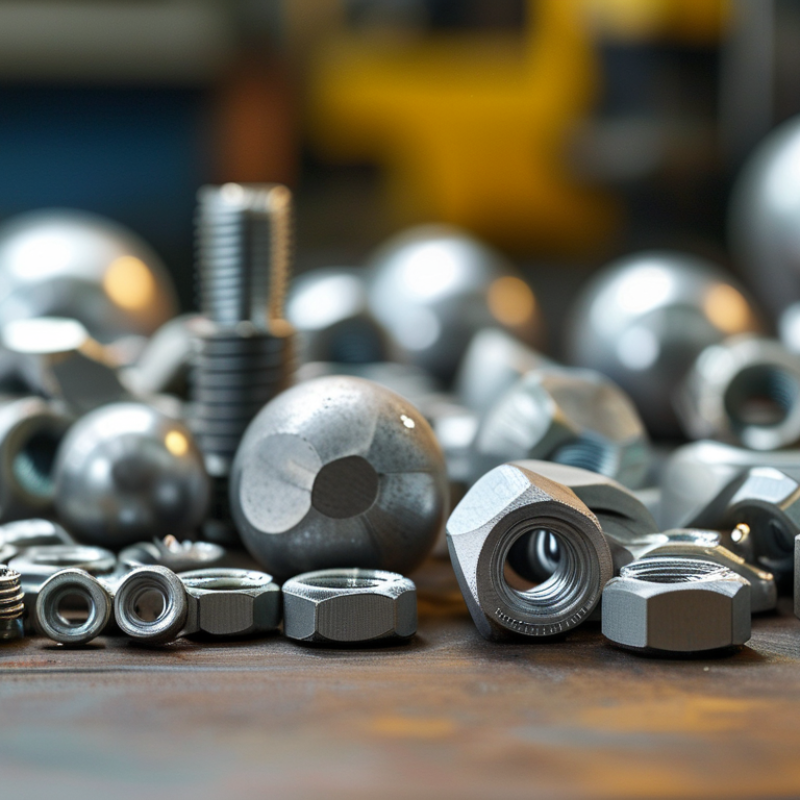
Understanding Threaded Balls: Types and Applications
Threaded balls are essential components in various industries, renowned for their versatility and functionality. These small, spherical devices are primarily utilized in flow control applications. Their design allows for easy installation and maintenance. They are often found in piping systems, valves, and different mechanical assemblies. Understanding the types of threaded balls available is key for optimal selection.
There are several types of threaded balls, including plastic and metal options. Plastic threaded balls are lightweight and resistant to corrosion. Meanwhile, metal threaded balls offer superior strength and durability. It’s vital to consider the material type based on the application’s requirements. Evaluate factors like temperature and pressure ratings to ensure compatibility.
Tips: Always check for reliable sourcing. A quality supplier enhances product performance. Additionally, consider the ball size needed for your specific application. Miscalculating size can lead to installation issues. Lastly, it’s wise to keep spare parts on hand to minimize downtime during repairs.
Key Factors to Consider When Purchasing Threaded Balls
When purchasing threaded balls, it is crucial to consider material selection. Different materials offer various levels of strength, corrosion resistance, and weight. Stainless steel is popular for its durability. However, it may not be the best choice for all applications. Plastics could be suitable for lighter tasks. Each choice impacts performance and lifespan. Evaluate your needs carefully.
Another vital factor is size compatibility. Threaded balls come in various sizes and thread specifications. Ensure you measure your requirements accurately. This prevents mismatched components that could lead to mechanical failures later. Always double-check dimensions against the project needs.
Additionally, consider the supplier’s reputation. A reliable source is essential for quality assurance. Research customer reviews and ratings. However, be aware that not all feedback is trustworthy. Some reviews may be biased. A blend of quality, price, and delivery time should guide your decision, but it often requires compromise. Make informed choices that align with your specific application and context.
2026 Top Threaded Ball Purchasing Factors
The following chart illustrates the key factors that global buyers should consider when purchasing threaded balls. These factors include price, quality, material, supplier reliability, and delivery time, based on market research and buyer feedback.
Comparing Global Manufacturers: Quality and Pricing Insights
When assessing global manufacturers of threaded balls, quality and pricing remain pivotal factors. Recent industry data indicates that 65% of buyers emphasize durability as their primary criterion. Materials like stainless steel and carbon steel are frequently compared, with varying levels of corrosion resistance and strength. Buyers should note that while top-tier manufacturers may have higher upfront costs, their longevity can lead to lower overall expenditure.
Tips: Always request material certifications to verify quality.
Pricing variability is significant due to geographical location and manufacturing processes. For example, Asian manufacturers often offer lower prices, but quality discrepancies exist. In contrast, European manufacturers frequently prioritize precision engineering, justifying higher costs. A study shows that about 40% of global buyers struggle with balancing cost versus quality, which can lead to poor purchasing decisions.
Tips: Analyze total cost of ownership rather than just the purchase price.
Many manufacturers provide options for custom threading and size variations. However, not all offer the same level of expertise or customer support. Feedback from industry professionals highlights the importance of evaluating vendor reliability. Some buyers have reported issues with inconsistent quality from lesser-known brands, reinforcing the need for thorough research.
Sustainability and Material Selection in Threaded Ball Production
Sustainability is becoming crucial in threaded ball production. Selecting the right materials can significantly impact the environment. According to recent industry reports, over 75% of manufacturers are now prioritizing eco-friendly materials to meet global sustainability goals. This shift influences the entire supply chain, from sourcing to production processes.
When choosing materials, consider their lifecycle impact. For example, recycled metals are a great option. They require less energy to produce than virgin materials. However, not all recycled materials are equal. Some may have inconsistent quality, affecting performance. A comprehensive material assessment is critical.
Tips: Always verify the source of your materials. Look for certifications that indicate sustainability. Engage with suppliers who demonstrate a commitment to environmental practices. Regular audits of your material selection can uncover areas for improvement. This can enhance both quality and sustainability in your threaded ball production.
2026 Top Threaded Ball Purchasing Guide for Global Buyers
| Material Type |
Sustainability Score (1-10) |
Durability (Years) |
Cost Per Unit (USD) |
Application Areas |
| Stainless Steel |
8 |
15 |
2.50 |
Automotive, Construction |
| Brass |
6 |
10 |
3.00 |
Plumbing, Electronics |
| Carbon Steel |
5 |
8 |
1.80 |
Manufacturing, Machinery |
| Polymer |
9 |
5 |
0.75 |
Consumer Goods, Toys |
| Aluminum |
7 |
12 |
2.20 |
Aerospace, Construction |
Future Trends in the Threaded Ball Market and Buyer Strategies
The threaded ball market is evolving rapidly. Projections indicate steady growth, with a CAGR of 5.2% expected from 2023 to 2028. This shift suggests increased demand driven by various industries, including automotive and construction. Buyers should adapt their strategies to align with emerging trends.
One noticeable trend is the growing emphasis on automation and smart technology. Companies are seeking threaded balls that integrate with IoT applications. Reports show that the demand for high-performance materials is on the rise. Buyers should anticipate suppliers adapting to these innovations. The challenge is balancing cost with quality, especially as prices fluctuate based on material availability.
Sustainability is another key consideration. A report by Global Market Insights highlights the demand for eco-friendly materials. Buyers may face difficulties sourcing sustainable options. Finding reliable suppliers who meet these criteria is crucial. This market tension reflects the need for careful evaluation of sourcing strategies. Buyers must navigate these complexities to remain competitive.
Conclusion
The "2026 Top Threaded Ball Purchasing Guide for Global Buyers" provides a comprehensive overview for businesses looking to understand and effectively purchase threaded balls. It begins by outlining the various types of threaded balls and their applications, which range from industrial uses to precision engineering. Key factors to consider when purchasing include material durability, size specifications, and supplier reliability.
Moreover, the guide highlights how to compare global manufacturers based on quality and pricing insights, ensuring buyers can make informed decisions. Sustainability is also a critical aspect, with a focus on material selection in the production of threaded balls to minimize environmental impact. Finally, the article discusses future trends in the threaded ball market, helping buyers to strategize effectively for upcoming changes and innovations in the industry.

 KR VAVLE