In today's plumbing industry, the importance of a Backflow Valve cannot be overstated. Expert John Smith, a renowned plumbing engineer, once said, "A Backflow Valve is crucial for preventing contamination in our water supply." Backflow valves protect our drinking water from pollutants. They ensure the integrity of our municipal systems.
When water flows in reverse, it poses significant risks. Contaminated water can enter clean systems, leading to serious health issues. Backflow Valves are designed to combat this problem. They work by allowing water to flow in one direction, effectively blocking contaminants.
Understanding how a Backflow Valve operates is vital for homeowners and businesses. Many believe installation is simple, but it requires expertise. Even a small error can lead to costly repairs. This emphasizes the need for professional input in installation and maintenance processes.
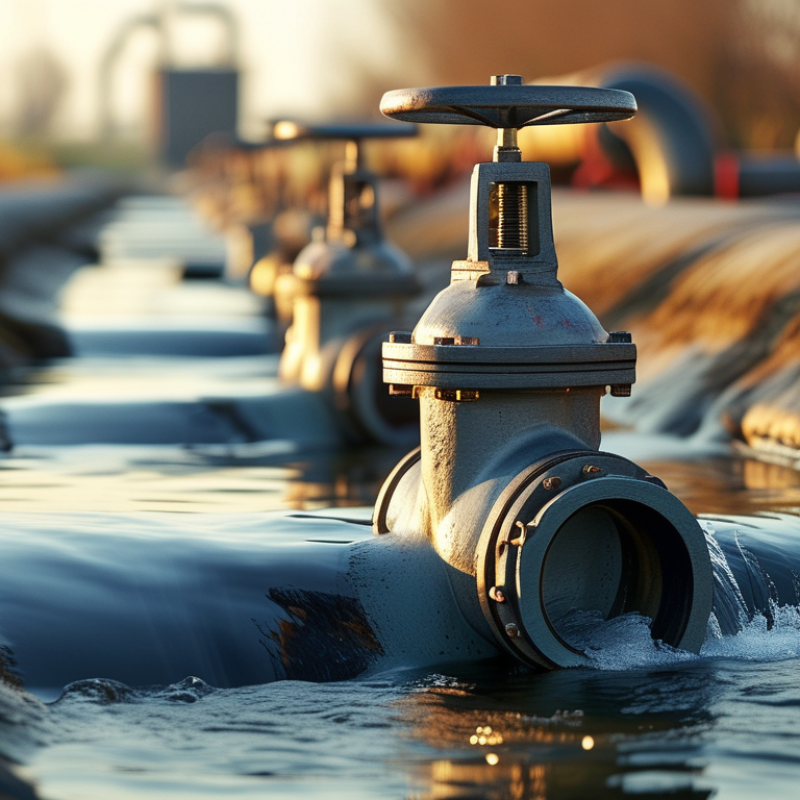
A backflow valve is a critical component in plumbing systems. Its primary purpose is to prevent the reverse flow of water. This phenomenon can occur due to pressure changes or disruptions in the supply line. Such backflow can introduce contaminants into safe water supplies. According to industry reports, nearly 20% of waterborne illnesses are linked to backflow incidents. This statistic underscores the importance of reliable backflow prevention.
Backflow valves operate using a simple mechanism. They allow water to flow in one direction but close if back pressure is detected. This design is crucial for maintaining water quality. A study from the American Water Works Association indicates that installing backflow prevention devices can reduce contamination risks by over 70%. Accurate installation and regular maintenance are vital. It is essential to ensure these valves are operational and meet local codes.
However, not every installation is perfect. Some systems may experience wear and tear leading to failures. Regular inspections are necessary but often overlooked. Reports indicate that 30% of cross-connection control programs lack sufficient oversight. These statistics suggest a need for improvements in education and enforcement regarding backflow prevention measures. Understanding the function and importance of backflow valves can ultimately safeguard public health and water quality.
Backflow valves are essential components in fluid systems. They prevent reverse flow, ensuring safety and system integrity. Different types of backflow valves serve various applications. Understanding these types is crucial for effective implementation.
The most common types include swing check valves, spring-loaded check valves, and pressure vacuum breakers. Swing check valves work efficiently for fluids with higher velocities. They open under pressure, allowing flow in one direction. Spring-loaded check valves, on the other hand, use a spring mechanism. This design can be beneficial for systems needing quick response times. Research indicates that proper valve selection can decrease system failures by up to 30%.
Pressure vacuum breakers are vital for irrigation systems. They prevent back siphonage, maintaining clean water supplies. Some studies highlight that failure in these devices could lead to serious contamination issues. Each type has specific applications and limitations. It is important to assess environment conditions carefully. The right choice enhances system reliability, but it requires expertise and careful consideration.
| Type of Backflow Valve | Description | Applications |
|---|---|---|
| Check Valve | Allows fluid to flow in one direction while preventing backflow. | Wastewater systems, water supply lines. |
| Gate Valve | A valve that opens by lifting a gate out of the path of the fluid. | Irrigation systems, fire protection systems. |
| Double Check Valve | Consists of two check valves to provide extra protection against backflow. | Chemical processing, water treatment facilities. |
| Pressure Vacuum Breaker | Prevents backflow due to siphonage, allowing air into the line. | Irrigation systems, sprinkler systems. |
| Reduced Pressure Zone Valve | Maintains a lower pressure in the system to prevent backflow. | Commercial water systems, fire protection systems. |
Backflow valves play a crucial role in plumbing systems. They prevent backflow, which is the unwanted reverse flow of water. This can occur due to pressure changes in the system. When the water flows in the wrong direction, it can contaminate the clean water supply. The valve automatically closes when backflow occurs. This mechanism relies on changes in pressure to function effectively.
In a typical residential setup, these valves are installed near the water source. They are designed to operate under specific conditions. If pressure drops too low, the valve isolates the contaminated water from the clean supply. It's important to install these valves correctly to ensure they function optimally. Some homeowners might neglect this detail, leading to potential health risks.
Despite their crucial function, backflow valves can fail. Material degradation or improper installation may lead to leaks. Regular maintenance checks are essential to identify issues early. Homeowners may overlook these checks, thinking everything is fine when it is not. Awareness and diligence can prevent major plumbing problems from arising. Understanding these valves enhances the reliability of your plumbing system.
Backflow valves are essential components in plumbing systems. They prevent contaminated water from flowing back into the clean water supply. However, they can face several common issues. One major problem is wear and tear over time. These valves can become less effective due to constant pressure and flow changes. Residents may notice backflow issues during a heavy rainstorm or after a plumbing repair.
Regular maintenance is crucial for the longevity of backflow valves. Inspecting the valve at least once a year is recommended. Look for signs of corrosion or damage. If the valve is not functioning properly, it may need cleaning or replacement. Ignoring these signs can lead to serious plumbing problems. Homeowners often overlook these details until they experience significant flooding or contamination.
Understanding how backflow valves operate can help owners address issues promptly. Valves rely on a one-way mechanism to ensure proper flow direction. If they are stuck or malfunctioning, this could result in health risks. Simple checks can make a big difference. Documenting any maintenance actions taken can also provide clarity on the valve's condition over time. Taking these proactive steps ensures safe and reliable water supply.
Backflow prevention is crucial for safeguarding public health. Contaminated water can enter clean water supplies through backflow. A backflow valve plays a key role in preventing this issue. It allows water to flow in one direction, blocking any reverse flow that could introduce harmful substances. Reports indicate that without proper backflow prevention, the risk of contamination increases significantly, potentially affecting thousands of people.
The Centers for Disease Control and Prevention (CDC) highlights that drinking water contamination can lead to various health issues. In the U.S., nearly 7 million people are affected by waterborne illnesses annually. Often, the causes are linked to faulty plumbing systems and inadequate backflow prevention measures. By implementing backflow valves, communities can reduce these risks. However, many systems are outdated or poorly maintained, raising questions about their effectiveness.
Investing in advanced backflow prevention technology is necessary, yet often overlooked. Regular inspections and maintenance are essential for any backflow system to function properly. Yet, failures still occur, indicating a need for improved training and awareness among plumbing professionals. Ultimately, understanding the importance of backflow prevention is vital for public safety and health outcomes.
: Backflow valves prevent unwanted reverse flow of fluids in a system, ensuring safety.
They block contaminated water from entering clean water supplies, protecting public health.
Water can flow in the wrong direction, potentially leading to contamination of clean water.
They open under pressure, allowing flow in one direction while preventing reverse flow.
Neglecting maintenance can lead to leaks and system failures, risking health and safety.
They prevent back siphonage in irrigation systems, maintaining clean water sources.
Yes, they can fail due to material degradation or improper installation, leading to potential risks.
Some homeowners overlook installation details and regular maintenance, exposing themselves to risks.
Outdated plumbing systems and inadequate maintenance raise serious health concerns for communities.
Changes in pressure trigger the valve to close, isolating contaminated water from the clean supply.
A Backflow Valve is a crucial component in plumbing systems designed to prevent the reverse flow of water, ensuring that contaminants do not enter clean water supplies. These valves come in various types, including check valves, relief valves, and pressure vacuum breakers, each serving specific applications based on the system's requirements.
Understanding how Backflow Valves function is essential for maintaining a safe water supply. They work by allowing water to flow in one direction while blocking it from flowing backward. Common issues with these valves include leaks, blockages, and wear over time, making regular maintenance vital. Preventing backflow is critical for public health and safety, as it safeguards drinking water from potential pollutants that could lead to serious health risks.

KR VAVLE