A flanged ball valve can look simple on a drawing: a round body, two end flanges, and a quarter-turn handle. On a busy pipeline, details matter. Buyers must compare pressure and temperature ratings, body and seat materials, bore design, fire-safe features, and applicable testing requirements. A mismatch may cause leakage, difficult operation, or costly maintenance. Small choices count.
Philip L. Skousen, author of Valve Handbook, provides a useful engineering lens: “Match the valve design to the service conditions, not just the connection size.” This is a concise paraphrase, not a verbatim quotation. The point is practical. A valve for clean water may not suit abrasive slurry, frequent cycling, or high-temperature service. Ask for clear datasheets, inspection records, traceable materials, and realistic delivery commitments. Then compare manufacturers against the same checklist.
This guide reviews ten flanged ball valve manufacturers for global buyers. It considers product range, manufacturing capability, quality controls, customization, and support after delivery. Regional availability and project needs can change the best choice. A familiar brand is not automatically the right fit. Nor does a polished catalogue prove performance. Verify the evidence. Check the fine print. The ranking is a starting point, not a substitute for engineering review. Buyers should confirm specifications with the manufacturer before placing an order, especially when operating conditions are severe or unusual.
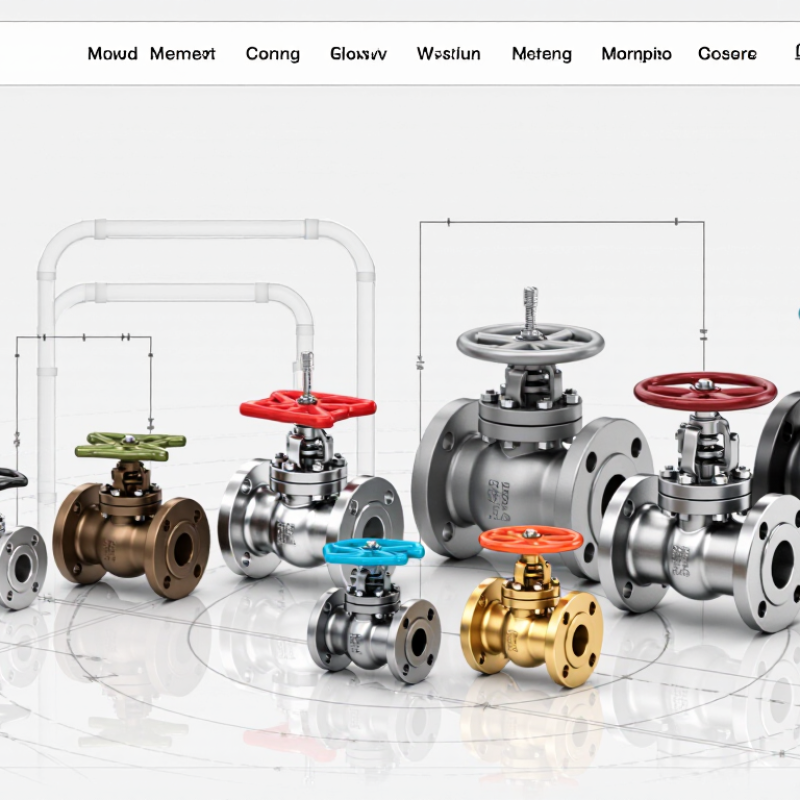
A flanged ball valve uses a drilled, bolted connection to join two pipe sections. Inside, a quarter-turn ball rotates a polished bore into alignment with the flow. A perpendicular turn closes the passage and creates a tight shutoff. This simple motion suits water, steam, chemicals, gas, and process fluids. But “simple” does not mean universal. The valve body, seat, and seal materials must match pressure, temperature, and fluid chemistry.
In plant maintenance, flanges make removal practical when space and tools are available. Technicians can isolate a pump, loosen the bolts, and inspect the valve without cutting pipe. That benefit matters on large lines where welded replacement would consume hours. However, flanged joints add weight and require correct gasket compression. Uneven tightening can cause leakage, even when the valve itself passes a pressure test. I have seen clean installations fail because alignment was forced with the bolts. Not every line does.
For corrosive service, buyers should review lining options, trim materials, and documented compatibility data. For high-cycle applications, the seat design and actuator torque deserve careful review. Manual handles work well on small valves, while actuators support remote or emergency operation. Installation standards, inspection records, and traceable testing improve purchasing confidence across borders. Yet paperwork cannot replace site judgment. A supplier may list impressive ratings, but actual service conditions remain decisive. Ask about emissions control, fire-safe construction, drainage, and maintenance access when the process requires them. Details matter here.
Flanged ball valves are available in a range of nominal pipe sizes. The chart shows selected NPS sizes and their corresponding DN designations; actual availability depends on the valve design and manufacturer.
Global buyers should assess flanged ball valve manufacturers beyond catalog prices. MarketsandMarkets valued the industrial valves market at approximately USD 79 billion in 2024, reflecting strong demand for reliable flow-control equipment. This scale increases supplier choice, but also increases quality variation. Ask for ISO 9001 certification, material traceability, pressure-test records, and documented inspection procedures. A credible manufacturer should identify the steel heat number on each valve body.
Design compliance matters in demanding pipelines. Check alignment with API 6D, ASME B16.5, ASME B16.34, and ISO 15848 when applicable. Review pressure-temperature charts, fire-safe test results, fugitive-emission data, and actuator compatibility. Bureau Veritas reported that industrial operators increasingly prioritize risk control and asset integrity in complex supply chains. That makes independent inspection more valuable than a polished brochure.
Test the details.
Request sample drawings before ordering. Confirm face-to-face dimensions, flange drilling, bore size, coating thickness, and gasket compatibility. Manufacturing experience also appears in practical service evidence, such as spare-part availability and response times across different time zones. The International Energy Agency projects continued investment in energy infrastructure, which may sustain demand for dependable valves. Yet forecast figures do not prove factory capability. Numbers can mislead. A supplier may hold certificates but lack consistent batch control. Buyers should audit production records, witness hydrostatic testing, and compare failure data from similar applications. This extra scrutiny often reveals the real difference between a low-cost valve and a dependable one.
10 Best Flanged Ball Valve Manufacturers for Global Buyers
Global buyers often compare ten manufacturer profiles before selecting a flanged ball valve supplier. One focuses on forged steel valves for high-pressure pipelines. Another specializes in stainless steel units for corrosive environments. A third serves water treatment projects with resilient sealing systems. The remaining manufacturers include an automation-focused producer, a custom machining workshop, an oil and gas supplier, a chemical-processing specialist, an OEM manufacturer, a regional exporter, and a large-scale foundry. Each profile should show material grades, pressure ratings, testing procedures, and production capacity.
Experienced purchasing teams inspect more than catalog prices. They review ISO-based quality systems, traceability records, hydrostatic test reports, and spare-part support. A reliable manufacturer should explain torque requirements, flange standards, temperature limits, and actuator compatibility. Clear drawings matter. So does honest communication about lead times. Some suppliers appear technically strong but provide weak after-sales documentation. That deserves attention.
Tips: Request sample certificates and dimensional drawings before ordering. Confirm whether the valve matches the project’s flange standard. Ask for independent inspection when the application is critical. Do not assume a polished website proves manufacturing depth. Factory audits can reveal limited testing equipment, inconsistent labeling, or outsourced machining. These findings may not disqualify a supplier, but they should change the risk assessment. Even experienced buyers can overlook small details, especially when delivery pressure is high.
For global buyers, a top-ten flanged ball valve shortlist should begin with documented product coverage. Reviewers should compare two-piece and three-piece designs, full-bore and reduced-bore options, pressure classes, and metal or soft seats. According to Grand View Research, the global industrial valves market was valued at approximately USD 78 billion in 2023. Its forecast indicates continued growth through 2030. That expansion increases supplier choice, but it also makes technical screening more important. Confirm compliance with API 6D, API 608, ASME B16.34, and ISO 5211 where applicable. Check certificates against serial numbers, not only brochures. Small detail. It matters.
Certification depth should match the operating environment. For sour-service projects, request evidence linked to ISO 15156 or NACE MR0175. For fire exposure, verify API 607 or API 6FA test coverage. EN 10204 3.1 material certificates can support traceability, but they do not replace inspection records. MarketsandMarkets reports that industrial valve demand is being supported by oil, gas, water, and chemical infrastructure investment. Still, forecasts are not guarantees. I would question any supplier claiming universal suitability across all media, temperatures, and pressures. Global support is equally practical: assess response times, local stock, multilingual drawings, commissioning guidance, and spare-seat availability. A valve may pass the factory test, yet delay an installation if replacement parts cross several borders. Evaluate packing quality, technical escalation, and after-sales evidence from comparable projects. A polished website is not proof of reliable support.
Selecting a flanged ball valve manufacturer requires more than comparing prices or polished websites. A reliable supplier should provide a complete technical file, including material certificates, pressure-test records, dimensional drawings, and traceability documents. Check whether the factory follows applicable standards such as API 6D, ASME B16.5, or ISO 5211. Confirm that the stated standards match the valve’s design and service conditions.
Request recent inspection samples, not only brochures. A serious manufacturer can explain body materials, seat selection, pressure ratings, coating systems, and fire-safe options in practical terms. Review test procedures carefully. Ask how serial numbers connect each valve to raw-material records and final inspection results. An on-site or video factory audit can reveal machining capacity, calibration practices, warehouse conditions, and actual production control.
Look for evidence.
Speak with comparable customers, when possible, and verify delivery performance rather than accepting selected testimonials. A small trial order can expose packaging weakness, unclear drawings, or slow technical responses before a larger commitment. I once assumed a lower quotation represented efficiency; later, missing test details created avoidable delays. That experience changed my evaluation process. Price still matters, but inconsistent documentation is often the more expensive warning. Allow engineers to review the supplier’s answers, because purchasing confidence alone cannot confirm valve suitability.
Request ISO 9001 certification, material certificates, pressure-test records, and inspection procedures. The valve body should show its steel heat number. Paperwork alone is not enough.
Check relevant requirements under API 6D, API 608, ASME B16.34, and ISO 5211. Confirm the selected standards match the pipeline service. One standard cannot cover everything.
Match each valve’s serial number with its material certificate and production records. Check the heat number stamped on the body. A certificate without batch control deserves questions.
Request drawings showing face-to-face dimensions, flange drilling, bore size, and actuator details. Also confirm coating thickness and gasket compatibility. A small mismatch can stop installation.
Review the manufacturer’s pressure-temperature charts for the exact valve design. Confirm pressure class, seat material, bore type, and operating temperature. Do not accept universal suitability claims.
Ask for hydrostatic test records, fire-safe results, and fugitive-emission data when applicable. Independent inspection can reveal weak batch control. Witness testing if the project risk justifies it.
Compare two-piece and three-piece designs, full-bore and reduced-bore options, and metal or soft seats. Check pressure classes and actuator compatibility. The cheapest option may create higher service costs.
Evaluate response times, spare-seat availability, local stock, and technical support across time zones. Review packing quality and commissioning guidance. A factory-approved valve may still delay a project without spare parts. That risk is easy to underestimate.
This guide explains how a Flanged Ball Valve works and why it is widely used in oil and gas, chemical processing, water treatment, power generation, and other industrial systems. It outlines the advantages of flanged connections, including secure installation, reliable sealing, and suitability for larger pipelines and demanding operating conditions. Readers will also learn which technical factors matter when evaluating manufacturers, such as valve materials, pressure and temperature ratings, design standards, quality control, testing procedures, customization capabilities, and after-sales service.
The article presents ten types of manufacturers that serve global buyers without focusing on brand names, allowing readers to compare product ranges, certifications, production capacity, delivery capabilities, and international support. It also provides practical methods for verifying suppliers, including reviewing technical documents, inspecting quality systems, confirming certifications, requesting samples or test reports, and assessing communication and warranty policies. By following these guidelines, buyers can identify dependable partners and select a Flanged Ball Valve manufacturer that matches their project requirements, budget, and long-term operational goals.

KR VAVLE