2026 Best Industrial Valve Options for Global Buyers?

Time:2026-08-05 Author:Charlotte
0%

In the rapidly evolving market of industrial components, the selection of the right industrial valve is crucial for efficiency and safety. Industry expert, Sarah Trent, noted, “Choosing the right industrial valve can significantly impact system performance and reliability.” This statement highlights the importance of informed choices in this specialized field.

As global demand grows, buyers face vast options. Each valve type has a unique purpose, making selection complicated. Factors such as materials, flow requirements, and pressure ratings need careful consideration. In this context, the need for expert insights becomes apparent.

While there are many industrial valve options in 2026, not all may meet specific needs. Buyers should be cautious and do thorough research. It’s essential to balance cost with performance. Learning from past missteps can lead to better decisions. Understanding the nuances of different valve technologies can aid in navigating this complex market.
2026 Best Industrial Valve Options for Global Buyers?

2026 Global Industrial Valve Market Overview and Trends

The global industrial valve market is expected to reach $80 billion by 2026, driven by the growth in process industries. This growth is largely influenced by automation and safety regulations. Data from recent industry reports indicate that the oil and gas sector will continue to lead the demand for valves. However, the water and wastewater segment is rapidly gaining traction, accounting for approximately 25% of the market share.

Emerging trends include the adoption of smart valves equipped with IoT technology. These innovations enhance efficiency and reduce maintenance costs. The need for sustainability is prompting manufacturers to develop eco-friendly valve solutions. Yet, there are challenges. The fluctuating prices of raw materials impact production costs. Companies must navigate supply chain complexities, particularly in sourcing materials.

Moreover, understanding regional market dynamics is crucial. North America and Europe currently dominate, but Asia-Pacific is witnessing a surge. Countries like India and China are accelerating infrastructure investments. However, there are concerns regarding quality standards and regulatory compliance in these regions. Stakeholders must remain vigilant to address these issues while capitalizing on growth opportunities.

2026 Best Industrial Valve Options for Global Buyers

Valve Type Material Size (inches) Pressure Rating (psi) Application Area Market Trend (2026)
Gate Valve Carbon Steel 2 - 12 300 - 1500 Oil & Gas Growing Demand
Ball Valve PVC 1 - 6 150 - 300 Water Treatment Stable Growth
Globe Valve Stainless Steel 1 - 10 600 - 2500 Chemical Processing Increasing Use
Check Valve Bronze 2 - 8 150 - 600 HVAC Systems Moderate Growth
Butterfly Valve Plastic 2 - 16 150 - 750 Pharmaceuticals Emerging Trend

Key Types of Industrial Valves: Gate, Globe, Ball, and Check Valves

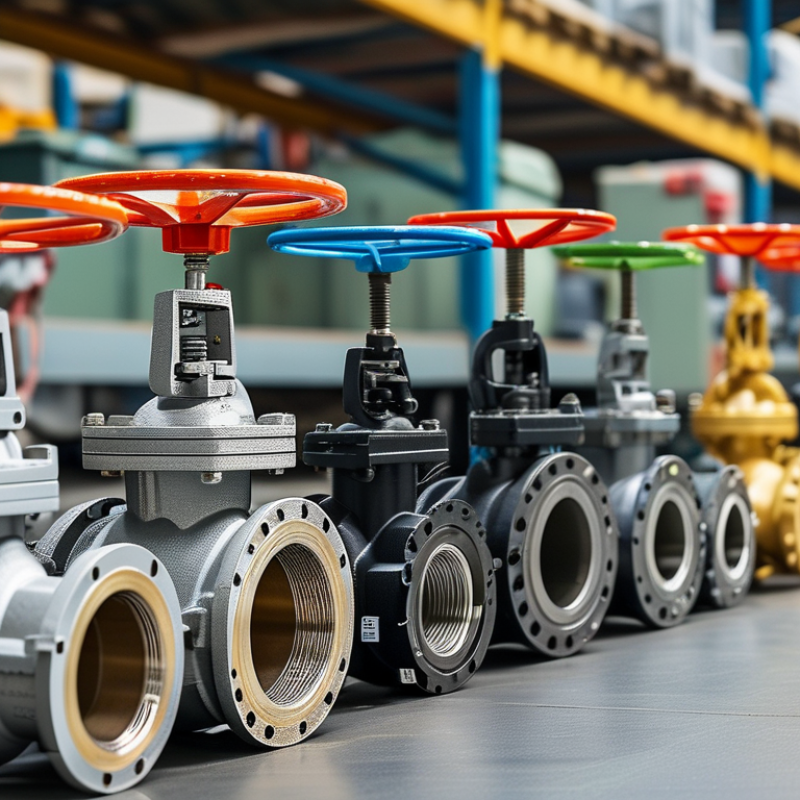
Industrial valves play a crucial role in various sectors. Understanding the key types can help buyers make informed decisions. Gate valves are often selected for on-off control. They offer low resistance to flow. However, they are not ideal for throttling applications. Over time, users may encounter maintenance challenges due to wear.

Globe valves are recognized for their throttling capabilities. They provide better flow regulation. This is essential in many processes. However, their design can lead to higher pressure drops. It's important to weigh these factors against your needs. Various industries may find globe valves more practical.

Ball valves are popular for their simplicity and speed. They allow quick shut-off, making them ideal for many applications. On the downside, they may not be suitable for fine flow control. Meanwhile, check valves prevent backflow, protecting systems from damage. Evaluating these different types is essential. It allows global buyers to choose the best valve based on specific requirements and applications.

Factors Influencing Buyer Decisions in Valve Selection

When selecting industrial valves, various factors come into play. Buyers must consider the application requirements first. Different industries have specific needs. For instance, oil and gas may require high-pressure valves, while food processing demands sanitary designs. Understanding these requirements helps narrow down options effectively.

Another essential factor is material selection. Valves can be made from various materials, each with unique properties. Corrosion resistance is crucial in chemical industries. On the other hand, thermal stability is vital for high-temperature operations. Therefore, assessing the operating environment is critical. Buyers should engage with experts to get detailed insights.

Maintenance and serviceability cannot be overlooked. Some valves require more frequent maintenance than others. This can lead to higher operational costs. Buyers should evaluate the total cost of ownership, including maintenance needs. Balancing initial costs with long-term reliability is a common challenge. The right choice impacts productivity and efficiency profoundly.

Significant Market Players: Who Leads the Industrial Valve Segment?

The industrial valve market is witnessing significant growth, driven by advancements in technology and rising demand across various sectors. Major players such as Emerson, Siemens, and Velan dominate this space, with a market share that reflects their influence. According to a recent market analysis, the global industrial valve market is projected to reach USD 85 billion by 2026, growing at a CAGR of 7% from 2021. Such numbers illustrate the importance of understanding key market players.

Competition is fierce among significant market players, all striving for innovation. These companies are investing heavily in research and development to enhance product performance and reduce costs. For instance, companies have focused on developing smart valves that leverage IoT technologies. However, there are still challenges. Many players struggle with integrating these technologies effectively. Quality control remains a concern, leading to discrepancies in product reliability across different regions.

The industry also faces regulatory complexities. Adherence to global standards can be daunting for companies looking to expand internationally. Some players might have robust strategies, but gaps in compliance can hinder their market growth. This environment demands a careful approach to both innovation and regulatory practices. Market players must navigate these challenges while capitalizing on growth opportunities. Ultimately, adaptability and continuous improvement are vital for long-term success.

Forecasting Growth: Industrial Valve Market Projections for 2026 and Beyond

The industrial valve market is poised for significant growth by 2026. Projections suggest that increasing demand across various sectors will drive advancements in valve technology. Innovations in materials and designs will improve efficiency and durability. These changes will reshape market dynamics and create new opportunities for manufacturers.

Choosing the right industrial valve is crucial. Buyers should consider factors such as application, media type, and environmental conditions. Understanding the specific needs of your operation can lead to better outcomes. Take time to evaluate your options thoroughly.

Tips for making informed choices: always check reliability ratings. Look for user feedback on different valve types. Consult industry experts when possible. Engaging with knowledgeable professionals can help clarify uncertainties. It’s important to address potential drawbacks before finalizing any purchase. Keep track of evolving standards and regulations as they may influence your choices in the coming years.

FAQS

: What is the projected size of the global industrial valve market by 2026?

: The market is expected to reach $80 billion, driven by growth in process industries.

Which sector will continue to lead the demand for industrial valves?

The oil and gas sector will maintain its position as the leading demand driver.

What emerging trend is influencing the industrial valve market?

The adoption of smart valves with IoT technology is enhancing efficiency and reducing costs.

What challenges do manufacturers face in the industrial valve market?

Fluctuating raw material prices and supply chain complexities can significantly impact production costs.

Why is understanding regional dynamics important for the industrial valve market?

Different regions have varying quality standards and regulatory compliance issues that must be addressed.

What are the key types of industrial valves?

Key types include gate, globe, ball, and check valves, each serving different functions.

How do gate valves differ from globe valves?

Gate valves are for on-off control, while globe valves excel in throttling applications.

What factors should buyers consider when choosing an industrial valve?

Buyers should evaluate application, media type, and environmental conditions for better outcomes.

How can users address potential drawbacks when selecting valves?

Checking reliability ratings and seeking user feedback can help clarify uncertainties.

What role do evolving standards play in the valve market?

Changing regulations may impact buyers’ choices, requiring them to stay informed.

Conclusion

The article "2026 Best Industrial Valve Options for Global Buyers" provides a comprehensive overview of the industrial valve market and its evolving trends. It highlights key types of industrial valves, including gate, globe, ball, and check valves, which are essential for various industrial applications. Buyer decisions in selecting the right valve are significantly influenced by factors such as performance, reliability, and cost-effectiveness.

Additionally, the article discusses significant market players who dominate the industrial valve segment, offering insights into the competitive landscape. Looking ahead, the report projects substantial growth in the industrial valve market through 2026 and beyond, driven by increasing industrial activities and advancements in technology. This in-depth analysis serves as a valuable resource for global buyers seeking optimal industrial valve solutions to meet their specific needs.

Charlotte

Charlotte

Charlotte is a seasoned marketing professional with a deep understanding of the company's portfolio and a passion for elevating its presence in the market. With a keen eye for detail and a commitment to excellence, she ensures that our professional blog is regularly updated with insightful articles......