Best Water Control Valve Solutions for Global Buyers?

Time:2026-08-25 Author:Mason
0%

In today's industrial landscape, the demand for effective Water Control Valve solutions is paramount. Experts emphasize the importance of reliable systems. John Smith, a leading authority in fluid dynamics, stated, "Water Control Valves are crucial for sustainable management." His insight resonates as industries navigate water resource challenges.

Water Control Valves play a significant role in various applications. From agriculture to municipal water systems, their efficiency can make a difference. However, choosing the right valves can be overwhelming. Global buyers often face difficulties in sourcing quality products. The variety of options can lead to confusion.

It's essential to prioritize both performance and reliability when selecting Water Control Valves. Not all solutions meet industry standards. Some manufacturers cut costs at the expense of quality. This creates potential risks for end users. A careful approach is needed to avoid pitfalls. By considering expert advice and product specifications, buyers can make informed decisions.
Best Water Control Valve Solutions for Global Buyers?

Overview of Water Control Valves and Their Importance

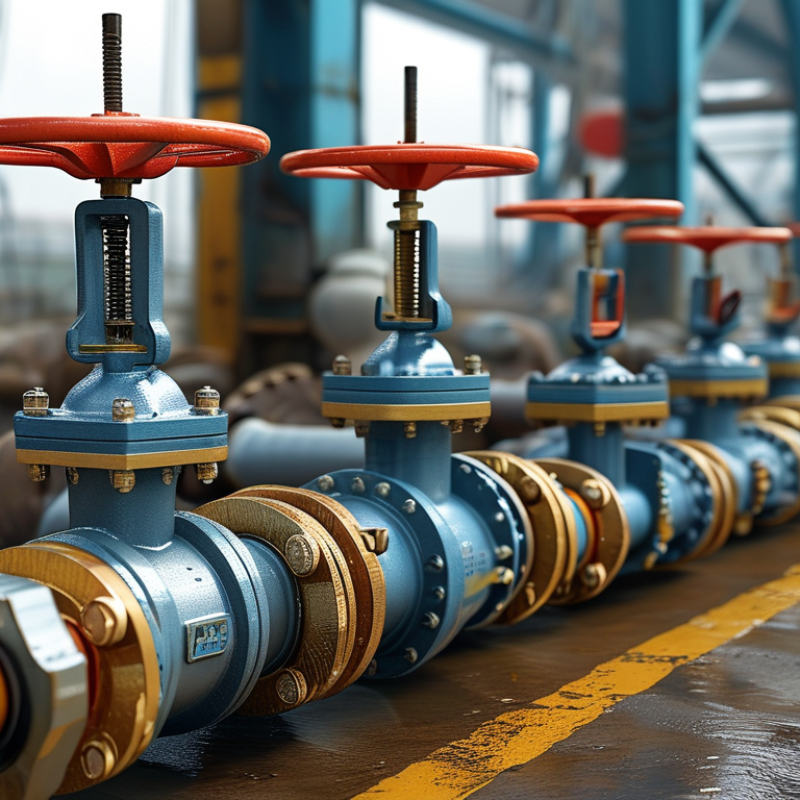
Water control valves are essential components in various industries. They regulate the flow and pressure of water in pipes and systems. Understanding their significance can enhance operational efficiency and reduce wastage. These valves play a crucial role in irrigation, municipal water supply, and industrial applications. Without proper control, systems can suffer from leaks and pressure fluctuations. This not only leads to water loss but can also damage infrastructure.

The construction of water control valves varies widely. Some are simple on-off devices, while others feature complex mechanisms for precise control. Each type serves different functions based on specific needs, such as pressure relief or flow regulation. Buyers must consider factors like material, size, and intended application. Many still overlook the importance of quality and reliability. This can lead to issues during operation, resulting in costly repairs and downtime. Reflecting on these aspects can guide buyers to make informed choices that align with their operational goals.

Best Water Control Valve Solutions for Global Buyers

Valve Type Material Size Range Pressure Rating Applications
Ball Valve Brass 1/2" - 4" 150 PSI Water & Gas Services
Gate Valve Cast Iron 2" - 12" 300 PSI Main Water Lines
Globe Valve Stainless Steel 1" - 8" 150 PSI Flow Regulation
Check Valve PVC 1" - 6" 150 PSI Prevent Backflow
Pressure Relief Valve Bronze 1/2" - 3" 200 PSI Pressure Control

Types of Water Control Valves Available on the Market

Water control valves play a crucial role in various industries. They regulate water flow, ensuring efficient operation. Various types of valves cater to unique needs, including globe, gate, and ball valves. According to a recent industry report, the global water control valve market is set to grow by 4.5% annually until 2027. This trend indicates rising demands for efficient water management solutions.

Globe valves are popular for throttling applications. They provide precise flow control, making them a preferred choice for sensitive processes. Gate valves, on the other hand, offer minimal pressure loss, suitable for on/off service. A study highlighted that about 40% of industrial applications lean towards gate valves due to their durability. Ball valves, known for quick operation, excel in high-pressure situations. Their efficiency has led to a significant increase in adoption rates across various sectors.

Interestingly, while many buyers focus on valve performance, sustainability is gaining traction. A survey found that 60% of buyers are concerned about the environmental impact of their valve choices. This shift prompts manufacturers to innovate. However, balancing performance with eco-friendliness is a challenge. The need for robust solutions continues to drive advancements in valve technology.

Water Control Valve Types and Their Market Share

Key Manufacturers and Suppliers of Water Control Valves

Finding reliable water control valve solutions is crucial for global buyers. When selecting suppliers, experience and expertise in the field are paramount. Key manufacturers often demonstrate a deep understanding of market demands. They provide a range of valve types, including gate, globe, and ball valves. Each type serves a unique purpose, ensuring operational efficiency in various applications.

Reputable suppliers prioritize quality in their products. They invest in advanced manufacturing techniques and quality control. This commitment reflects their authority in the industry. Parameters like material durability and pressure ratings matter significantly. However, not all manufacturers meet these standards consistently. Some may overlook quality for cost-cutting measures. It’s vital for buyers to identify trustworthy partners.

Engaging with experienced suppliers can lead to tailored solutions. Customization can address specific needs of different sectors, such as agriculture or construction. While many manufacturers claim to offer specialized products, buyer discretion remains essential. Checking references and client reviews can help in making informed decisions. The landscape is competitive, but informed choices will yield better outcomes in the long run.

Factors to Consider When Selecting Water Control Valves

When selecting water control valves, several key factors come into play. The type of fluid flowing through the system is critical. Different fluids can corrode valve materials or require specific sealing technologies. Understanding the fluid characteristics ensures longevity and efficient operation.

Pressure ratings also matter significantly. Make sure to know the maximum and minimum pressures your system will experience. An incorrect pressure rating can lead to failures or inefficiencies. Additionally, consider the size and compatibility with existing piping. Misalignment can cause leaks or operational issues, leading to costly repairs.

Lastly, the environment in which the valve operates should not be overlooked. Factors such as temperature fluctuations or exposure to chemicals can impact valve performance. Opt for valves that can withstand these conditions. It’s essential to reflect on past issues you might have encountered. Identifying gaps in previous solutions can lead to better selections moving forward.

Trends and Innovations in Water Control Valve Technology

The water control valve industry is undergoing significant transformation due to advancements in technology. Innovations like IoT integration and smart sensors are enhancing efficiency. According to a report by Global Market Insights, the market size for smart water control solutions is projected to reach $15 billion by 2025. These innovations not only streamline operations but also reduce waste.

However, challenges remain. Many systems still lack interoperability, leading to integration issues. Data from the Water Environment Federation highlights that nearly 30% of utility companies face difficulties in adopting new technologies. This highlights the need for continued research and development. A focus on user-friendly designs could facilitate wider acceptance of smart valves.

Sustainability is another key trend shaping the industry. The push for eco-friendly solutions is forcing manufacturers to rethink their designs. Reports suggest that water conservation initiatives could save billions in operational costs. Yet, study indicates that around 40% of companies have yet to adopt sustainable practices. This gap presents both a challenge and an opportunity for innovators in the field.

FAQS

: What are water control valves used for?

: They regulate the flow and pressure of water in various systems, like irrigation and industrial applications.

Why is material selection important for valves?

Different fluids can corrode valve materials, impacting their longevity and efficiency over time.

How do pressure ratings affect valve performance?

Incorrect pressure ratings can lead to failures, inefficiencies, and costly repairs in water systems.

What should I consider regarding valve size?

Ensure compatibility with existing piping. Misalignment may cause leaks or operational issues.

How can environmental factors impact valve performance?

Temperature changes or chemical exposure can affect how well a valve operates.

What recent trends are affecting water control valves?

Innovations like IoT and smart sensors are enhancing efficiency but face integration challenges.

Why is sustainability important in valve technology?

Eco-friendly solutions can save costs and improve operational practices by promoting water conservation.

What percentage of companies have adopted sustainable practices?

About 40% of companies remain behind in implementing eco-friendly solutions in valve technology.

How can reflecting on past issues help in valve selection?

Identifying gaps in past solutions can guide better choices for future applications.

What are the challenges in adopting new valve technologies?

Many systems suffer from a lack of interoperability, complicating adoption and integration.

Conclusion

Water control valves play a crucial role in managing the flow and pressure of water in various applications, making them essential components for both residential and industrial systems. These valves come in various types, including globe, gate, ball, and butterfly valves, each designed to serve specific functions depending on the operational requirements. When selecting a water control valve, key factors to consider include material durability, size, pressure rating, and compatibility with existing systems.

The market for water control valves is witnessing significant trends and innovations, driven by advancements in technology and an increasing focus on sustainability. Manufacturers are continuously developing smarter, more efficient products that enhance performance while reducing environmental impact. By understanding the landscape of available solutions and the importance of proper selection, global buyers can make informed decisions to ensure optimal water management in their applications.

Mason

Mason

Mason is a seasoned marketing professional with a deep expertise in the company's offerings and a passion for driving brand awareness. With a strong background in digital marketing strategies, he has an innate ability to connect with diverse audiences and effectively communicate product benefits.......