2026 How to Choose the Right Ball Valve for Your Needs?

Time:2026-06-17 Author:Madeline
0%

Choosing the right ball valve can be daunting. With various types and configurations, it is essential to find one that matches your specific needs. Industry expert John Smith, a recognized authority at Flow Control Inc., emphasizes, “Selecting the right ball valve can significantly impact the efficiency of your operations.” This quote reminds us of the critical role ball valves play in fluid control systems.

When assessing your options, consider factors like pressure, temperature, and fluid type. A ball valve suited for water may not perform well with chemicals or gases. Additionally, not all ball valves are created equal. Some may have features tailored for high precision, while others focus on durability.

Understanding these nuances can avoid costly mistakes. The balance between cost and quality is crucial. An overly cheap ball valve might lead to leaks or malfunctions. Each application demands unique solutions, revealing the complexity of the decision-making process. Careful consideration of these details ensures a better fit and long-term reliability.
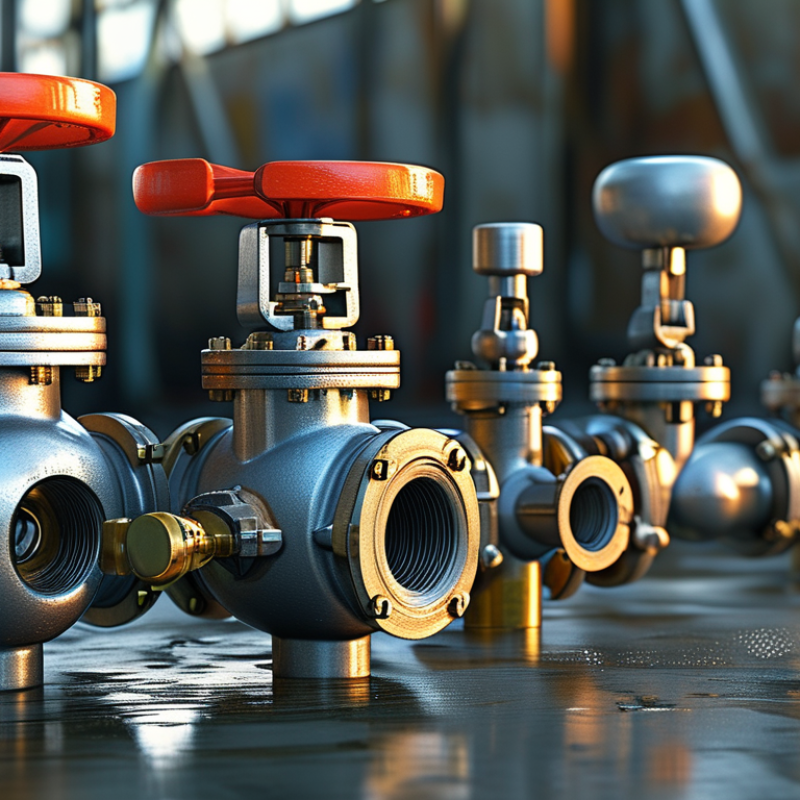
2026 How to Choose the Right Ball Valve for Your Needs?

Understanding Ball Valves: Types and Their Applications

Ball valves are essential components in various industries. They control flow and ensure safety. Understanding the types of ball valves is crucial for making the right choice. Common types include full port, reduced port, and V-port. Each type has unique applications, offering different flow rates and pressure capabilities.

Selecting the right ball valve depends on multiple factors. Size, material, and pressure rating matter greatly. For example, full port valves offer minimal resistance to flow. In contrast, reduced port valves save space but may restrict flow. Consider the fluid type and operating conditions as well.

Tips: Always check compatibility. Some materials react adversely with specific fluids. Assess the environment where the valve will be installed. Exposure to harsh conditions can affect performance. Regular maintenance is key. A well-maintained valve can last longer, ensuring efficiency.

Key Factors to Consider When Selecting a Ball Valve

When selecting a ball valve, several key factors come into play. Understanding these elements helps ensure you choose the right valve for your application. One crucial aspect is the valve's size. Size directly impacts flow rates. A valve that’s too small may restrict flow, while one that’s too large can lead to inefficiencies.

Material selection is another important consideration. Ball valves come in various materials like brass, stainless steel, and plastic. Each material has its strengths and weaknesses. For instance, stainless steel is durable and corrosion-resistant, making it suitable for harsh environments. On the other hand, plastic valves are lightweight and cost-effective but may not withstand high pressures.

Tips: Always consider the fluid type when choosing materials. Also, think about the temperature and pressure limits of your system. An overlooked detail can lead to costly failures. Evaluate the actuator options as well. Electric, pneumatic, or manual actuators come with different costs and operational needs. Balancing these factors can be challenging and requires careful reflection. Make an informed decision to enhance system performance and reliability.

Material Choices for Ball Valves: Pros and Cons

When choosing a ball valve, material selection is crucial. Different materials offer unique advantages and drawbacks. For example, stainless steel is highly durable and resistant to corrosion. However, it can be more expensive than other options. Plastic ball valves are lightweight and cost-effective. They work well in corrosive environments but may not handle high pressure well.

Bronze and brass are also common choices. They provide good thermal conductivity and are relatively affordable. Yet, they can corrode under certain conditions. It's essential to assess the specific requirements of your application. Consider factors like temperature, pressure, and fluid type.

Selecting the right material requires careful thought. Not every material suits every situation. For example, certain plastics may become brittle over time. Others may not tolerate the heat of specific processes. Weighing these pros and cons helps ensure reliable performance.

Sizing and Pressure Ratings: Ensuring Proper Fit

Choosing the right ball valve for specific applications requires careful consideration of sizing and pressure ratings. Proper sizing ensures that the valve fits seamlessly into your system, avoiding potential leaks or failures. It is crucial to measure the pipe diameter and the space available for installation. A valve that is too large or too small can disrupt flow and impact performance.

Pressure ratings are equally important. Each valve has a maximum pressure capacity, often indicated in pounds per square inch (psi). Understanding the working pressure of your system helps in selecting a valve that can withstand operational demands. Using a valve rated below your system's pressure can lead to catastrophic failures. Check for manufacturer specifications and industry standards to guarantee reliability.

It's easy to underestimate these factors. Many assume all valves behave similarly. This misconception can lead to costly mistakes or downtime. Regularly reviewing and reassessing your choices based on updated pressure ratings and application needs is vital. Don't rush this process. Waiting for the right fit is often better than a quick fix that may not hold up in the long run.

Maintenance and Longevity: Caring for Your Ball Valve

Choosing the right ball valve extends beyond selection. Maintenance is crucial for ensuring longevity. Regular inspections help identify wear and tear. According to industry reports, well-maintained valves can last up to 25 years. Neglecting them can lead to costly failures.

One essential maintenance step is to lubricate the valve seats. This reduces friction and prolongs its life. Reports suggest that proper lubrication cuts down leak rates by up to 30%. Inspecting seals and packing regularly is equally important. A worn seal can lead to leaks, affecting system pressure and efficiency.

Environmental factors also influence valve lifespan. Corrosive substances can degrade materials over time. Keeping valves clean from debris and contaminants is vital. Some facilities have seen 15% increases in valve longevity through regular cleaning processes. Ignoring these aspects leads to more frequent replacements and increased costs.

FAQS

: What is the importance of material selection for ball valves?

: Material selection affects durability, cost, and compatibility with fluids. Choosing the wrong material can lead to issues.

What are the advantages of stainless steel ball valves?

Stainless steel is durable and corrosion-resistant. However, it can be more costly compared to other materials.

Why might plastic ball valves not be suitable for high pressure?

Plastic valves are lightweight and cost-effective but may not withstand high-pressure situations.

What should I consider when selecting material for a ball valve?

Consider temperature, pressure, and fluid type. Not all materials suit every application.

How can I ensure the longevity of my ball valve?

Regular maintenance, including inspections and lubrication, is essential for prolonging valve life.

How often should I inspect my ball valve?

Regular inspections help catch wear and tear early. Neglect may lead to costly failures later.

What maintenance step can reduce leak rates?

Lubricating valve seats is crucial. Proper lubrication may cut down leak rates significantly.

How do environmental factors affect ball valves?

Corrosive substances can degrade materials. Keeping valves clean can enhance their lifespan.

What is the consequence of ignoring valve maintenance?

Neglect can lead to frequent replacements and increased operational costs down the line.

Can certain plastics become brittle over time?

Yes, some plastics lose flexibility with time, making them unsuitable for certain conditions.

Conclusion

The article "2026 How to Choose the Right Ball Valve for Your Needs?" provides a comprehensive overview of ball valves, including their various types and applications. It highlights key factors to consider when selecting a ball valve, such as the specific requirements of the application, including flow control and environment. The discussion on material choices outlines the advantages and disadvantages associated with different materials, emphasizing their impact on performance and durability.

Furthermore, the article underscores the importance of proper sizing and pressure ratings to ensure that the ball valve fits the system correctly and operates efficiently under expected conditions. Lastly, it offers insights into maintenance practices that can enhance the longevity of ball valves, ensuring reliability and performance over time. Overall, this guide equips readers with the necessary knowledge to make informed decisions when choosing ball valves for their unique needs.

Madeline

Madeline

Madeline is a dedicated marketing professional with a wealth of expertise in our company's core offerings. With a keen understanding of the industry, she brings a unique perspective to her role, consistently delivering high-quality content that highlights the superior aspects of our products. As......