When choosing the right Gate Valve, it can be overwhelming. The market offers numerous options, each with unique features. Expert John Smith, a seasoned engineer in valve technology, emphasizes that "selecting the correct Gate Valve is crucial for system efficiency."
Understanding which Gate Valve suits your needs requires careful consideration. Factors like pressure, temperature, and flow rate all play a role. A well-chosen Gate Valve can enhance performance. However, many overlook the implications of poor selection. It can lead to leaks, inefficiencies, or even system failure. Therefore, it's essential to evaluate your requirements thoroughly.
In an industry filled with technical jargon, simplification is key. Not everyone is an expert in fluid dynamics. A clearer understanding of Gate Valves will benefit industry newcomers. It can also spark reflection among seasoned professionals. Continuous learning about these valves is vital to adapt to evolving technologies.
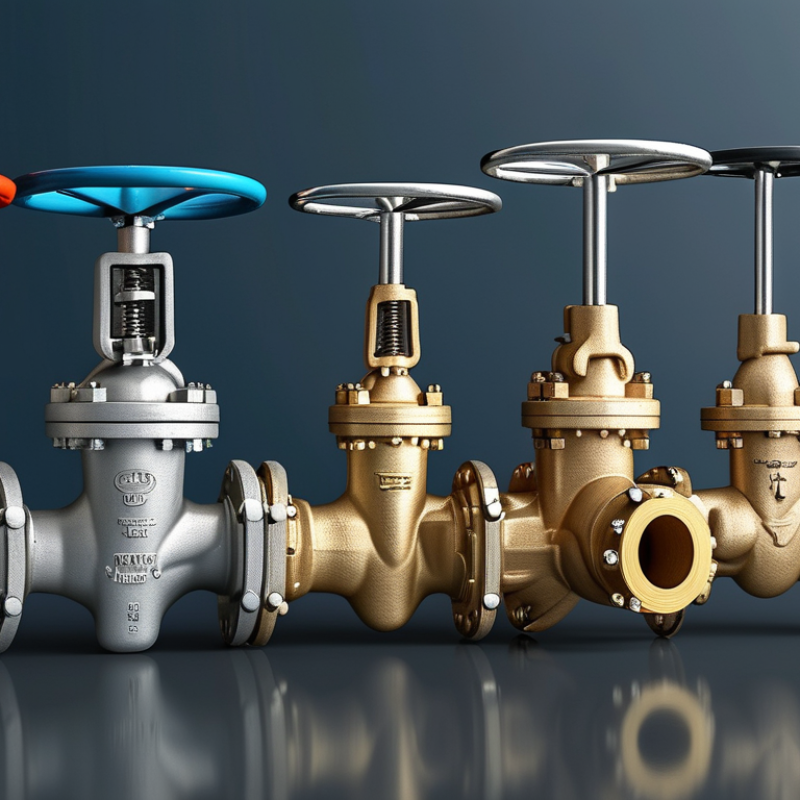
Understanding the Purpose of Gate Valves in Fluid Systems
Gate valves play a crucial role in various fluid systems. They are primarily used to start or stop the flow of fluids. Their design allows for minimal pressure drop across the valve, making them ideal for on/off control. When fully opened, gate valves offer a straight-through opening, ensuring efficient flow and reducing turbulence.
Selecting the right gate valve requires understanding your specific needs. Factors such as the type of fluid, pressure, and temperature are essential. For example, water systems may require different materials compared to oil or chemical applications. It's important to consider potential corrosive elements and choose appropriate materials for long-lasting performance.
Tips: Always check the valve's pressure rating before installation. Pay attention to the size of the piping when selecting a valve. A valve that is too small can restrict flow. Make sure to inspect the valve regularly for any signs of wear or leaks. These checks can prevent costly failures down the line. In conclusion, understanding the purpose of gate valves can simplify your selection process. Focus on the unique requirements of your system to make informed choices.
Key Factors to Consider When Selecting a Gate Valve
Selecting the right gate valve involves several crucial factors. Understanding the material is essential. Most gate valves use cast iron, stainless steel, or brass. Each material serves different needs. For instance, cast iron is excellent for water applications, while stainless steel suits corrosive environments. According to a 2022 industry report, over 40% of valve failures resulted from using inappropriate materials.
Another key factor is the valve size. Accurate sizing prevents leaks and ensures optimal flow rates. A valve that is too small can restrict flow. On the other hand, an oversized valve may cause turbulence. Industry data shows that up to 25% of operational issues stem from improper sizing.
Additionally, consider the pressure and temperature ratings. Choose a valve designed to handle the specific conditions of your system. High-pressure applications demand robust materials. A mismatch here can lead to premature failure. Research indicates that nearly 15% of gate valves fail due to inadequate pressure ratings. This highlights the importance of careful selection for durability and reliability.
Different Types of Gate Valves and Their Applications
When selecting a gate valve, understanding the types available is crucial. There are several common types: rising stem, non-rising stem, and wedge gate valves. Each has unique applications.
Rising stem valves are ideal for visibility when open or closed. Non-rising stem valves are better for limited spaces, while wedge gate valves excel in providing a tight seal.
Tips: Consider the fluid type. Ensure the valve material matches your system's needs. Corrosive fluids require special materials.
Another factor is the pressure rating. Different environments demand specific pressure tolerances. Check pressure ratings and temperature limits for safety.
Tips: Always consult with an expert when unsure about your choice. Gathering input can lead to better decisions. Remember, using the wrong valve can lead to leaks or failures.
Understanding these details will help you choose a gate valve effectively. Focus on your specific application to find what works best.
Materials Used in Gate Valve Construction and Their Impact
When selecting a gate valve, the material of construction is paramount. Common options include brass, stainless steel, and cast iron. Each material has unique characteristics that affect performance and durability. For example, according to industry reports, stainless steel gate valves are highly resistant to corrosion and suitable for harsh environments. They are often favored in chemical processing and marine applications.
Cast iron, on the other hand, is cost-effective and widely used in water supply systems. However, it is prone to rust and may not perform well in acidic conditions. A survey from the American Water Works Association states that approximately 30% of cast iron valves fail due to environmental factors. This highlights the importance of choosing the right material.
Brass offers a balance between price and performance. It stands out for its strength and resistance to corrosion, making it ideal for plumbing applications. However, it's crucial to consider the application environment. A misstep in material selection can lead to leaks or valve failure. Hence, understanding how material impacts valve performance is essential for reliable operation.
How to Choose the Right Gate Valve for Your Needs? - Materials Used in Gate Valve Construction and Their Impact
| Material |
Corrosion Resistance |
Temperature Range (°C) |
Applications |
Cost (USD) |
| Cast Iron |
Moderate |
-20 to 120 |
Water, Wastewater |
$50 - $100 |
| Stainless Steel |
Excellent |
-60 to 400 |
Food Processing, Pharmaceuticals |
$150 - $300 |
| Bronze |
Good |
-50 to 250 |
Marine, Oil and Gas |
$80 - $200 |
| PVC |
Poor |
0 to 60 |
Chemical Processing, Irrigation |
$20 - $50 |
| Carbon Steel |
Moderate |
-40 to 200 |
Oil, Gas, Water |
$70 - $150 |
Maintenance Tips for Ensuring Optimal Gate Valve Performance
Proper maintenance of gate valves is essential for optimal performance. According to a study by the American Society of Mechanical Engineers, regular inspections can improve valve lifespan by up to 20%. This statistic highlights the importance of routine checks. Most failures stem from inadequate maintenance, leading to unexpected downtimes.
One key maintenance tip is to regularly inspect the valve for signs of corrosion. Corrosion can weaken the valve, resulting in leaks. A study revealed that 30% of gate valve failures are due to corrosion-related issues. Therefore, it’s crucial to assess the valve condition periodically. Additionally, lubricating the valve’s stem can prevent seizing, ensuring smooth operation. Aim to lubricate twice a year.
Cleaning the valve is another important step. Dirt and debris can impede performance. Use a wire brush to remove build-up. Keeping the valve clean can enhance flow efficiency. It is recommended to document maintenance activities. This practice helps track the valve's history and identify potential issues early. Through diligent maintenance, gate valves can perform reliably over time.
FAQS
: Common types include rising stem, non-rising stem, and wedge gate valves. Each serves different purposes.
Rising stem valves offer clear visibility when open or closed. They are easy to operate and monitor.
Non-rising stem valves are suitable for tight spaces. They work well where vertical space is limited.
Common materials include brass, stainless steel, and cast iron. Each has different strengths and weaknesses.
Stainless steel is highly resistant to corrosion. It’s suitable for chemical processing and marine applications.
Cast iron valves can rust and may fail in acidic conditions. About 30% of them fail due to environmental factors.
Brass balances cost and performance, with good strength and corrosion resistance. Ideal for plumbing uses.
Consider fluid type, material compatibility, and pressure ratings. Each detail is critical to performance.
Using an incorrect valve may lead to leaks or failures. Such missteps can be costly and dangerous.
Experts can provide valuable insights for your selection. Their advice helps prevent potential mistakes.
Conclusion
In the selection of a gate valve for fluid systems, it's crucial to understand its primary function—controlling the flow of liquids and gases. Key factors to consider include the valve's size, pressure rating, and the nature of the fluid being regulated. Each type of gate valve, such as wedge, parallel slide, and flexible wedge, has unique advantages suited for specific applications, making it important to choose the right type based on operational needs.
The materials used in gate valve construction, such as stainless steel, bronze, or plastic, significantly affect durability and performance. Regular maintenance is essential for ensuring the optimal functionality of gate valves, which includes inspecting for leaks and ensuring proper operation. By evaluating these aspects, one can select a gate valve that ensures efficient operation and longevity in fluid systems.

 KR VAVLE