How to Choose the Right Weld Ball Valve in 2026?

Time:2026-10-09 Author:Henry
0%

Choosing the right Weld Ball Valve in 2026 requires more than matching pipe diameter and connection size. Industrial valve demand continues to expand with energy, water, chemical, and process manufacturing projects. Grand View Research estimates the global industrial valves market will grow steadily through 2030, supported by infrastructure upgrades and automation. However, market forecasts vary between research firms. That difference deserves attention.

A reliable selection begins with operating evidence. Record the fluid, pressure, temperature, flow direction, cycling frequency, and shutdown requirements. A valve installed on a hot glycol line faces different stresses than one handling abrasive slurry. Small details matter. Check body material, seat compatibility, weld-end dimensions, bore design, actuator torque, and inspection access. API 608 and ASME B16.34 provide important reference points for metallic ball valve design and pressure performance. For sour-service applications, NACE MR0175/ISO 15156 may also influence material selection.

Field experience shows that premature failures often start with overlooked conditions. Excessive welding heat can damage nearby seals or distort alignment. Poor pipe support can transfer stress into the valve body. A technically correct valve may still perform badly when installation is careless. The U.S. Department of Energy has repeatedly highlighted the value of reducing leakage and improving industrial system efficiency. Therefore, selection should include emissions control, maintenance access, traceability, and lifecycle cost—not only purchase price. Some specifications remain unclear until commissioning. That is a real limitation. A careful 2026 decision combines supplier documentation, applicable standards, test records, and lessons from comparable installations.
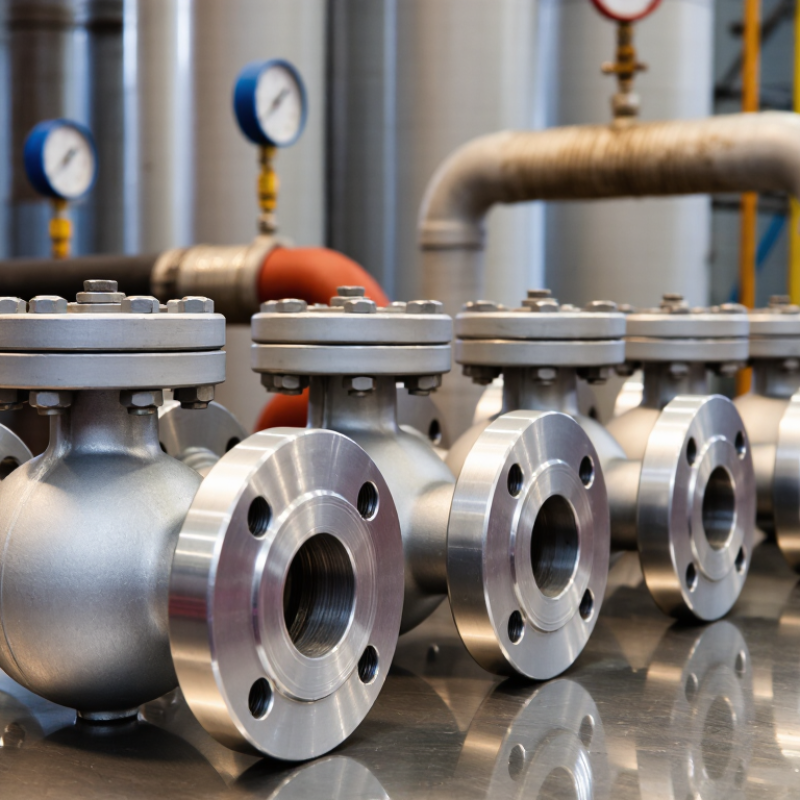
How to Choose the Right Weld Ball Valve in 2026?

What Is a Weld Ball Valve and How Does It Work?

A weld ball valve is an isolation valve with a drilled sphere inside its body. The sphere rotates through a quarter turn. When its bore aligns with the pipeline, fluid flows through. Turn the stem 90 degrees, and the solid side blocks the passage. Welded ends connect directly to the pipe. This removes flanges, bolts, and several possible leak paths. The connection is permanent. That detail matters during installation and maintenance planning.

The stem transfers handle or actuator movement to the ball. Seats press against the sphere and create the seal. Line pressure can improve sealing, but dirt may scratch the ball or damage the seats. Full-port designs usually preserve flow better. Reduced-port designs can suit tighter spaces or different flow requirements. However, a ball valve is generally intended for isolation, not constant throttling. Trapped liquid inside the cavity may also require a vent or drain arrangement.

Choosing the correct valve requires more than matching pipe size. Check pressure, temperature, fluid compatibility, port design, seat material, and welding requirements. A 2026 specification should also request material certificates, pressure-test records, and clear inspection procedures. In practical work, poor alignment can stress the welded joint before service begins. A perfect selection is rare. I have seen a technically strong valve fail because the installation space was ignored. Leave room for operation, inspection, and future removal.

How to Choose the Right Weld Ball Valve in 2026?

Standard Pipe Outside Diameter for Weld-End Valve Sizing

A weld ball valve is installed by welding its ends directly to the pipe, creating a compact and permanent connection with no threaded or flanged joint. When selecting one, first match the valve weld-end size to the pipe’s nominal size and outside diameter. The values shown are standard pipe outside diameters based on ASME B36.10M dimensions. Actual valve selection must also consider pipe wall thickness, material compatibility, pressure-temperature rating, media, bore design, and operating temperature.

Reference: ASME B36.10M, Welded and Seamless Wrought Steel Pipe. Dimensions shown in millimeters.

Which Materials and Valve Designs Suit Your Application?

Choosing the right weld ball valve in 2026 starts with the process media, not the purchase price. A valve carrying clean water may suit stainless steel with PTFE seats. Chloride-rich brine can demand duplex stainless steel and stronger resistance to pitting. Dry gas service may favor carbon steel, provided external corrosion protection is adequate. Material compatibility must include the body, ball, stem, seats, and seals.

Temperature and pressure change the design decision. PTFE seats work well across many moderate-temperature applications, while PEEK or reinforced materials may perform better under heat, pressure, or frequent cycling. Full-port valves reduce pressure loss and help pigging operations. Reduced-port designs can lower cost and weight, but they may restrict flow. Welded ends also reduce leak paths, although poor alignment can damage the valve during installation.

Field experience shows that the weld zone deserves careful attention. Keep heat away from sensitive seat materials, and follow qualified welding and inspection procedures. Consider cavity relief, drainability, actuator space, and future maintenance access before selecting a compact design. A common mistake is choosing the strongest alloy without checking seal compatibility. Strength alone is not enough. Review the actual pressure, temperature swings, fluid impurities, cycling frequency, and installation environment. Some selections look correct on paper, yet fail after repeated thermal movement. That possibility deserves honest review.

How to Match Pressure, Temperature, and Media Requirements?

How to Choose the Right Weld Ball Valve in 2026?

How to Match Pressure, Temperature, and Media Requirements?

Choosing a weld ball valve starts with the real operating conditions, not the pipeline size alone. Record normal pressure, maximum pressure, startup pressure, and possible pressure surges. A valve rated for routine service may fail during water hammer. Check the pressure rating at the actual operating temperature, because allowable pressure often decreases as temperature rises. Leave a practical safety margin.

Temperature affects more than the valve body. Seats, seals, stem packing, and weld materials must all tolerate the highest and lowest temperatures. A process line cycling between hot and cold conditions may need different materials than a steady service line. I have seen specifications focus on peak temperature while ignoring thermal cycling. That was an avoidable mistake.

Media compatibility requires careful detail. Identify whether the fluid is corrosive, abrasive, toxic, viscous, or filled with suspended particles. Match the body and trim materials to the fluid chemistry, including chlorides and cleaning agents. Do not assume stainless steel solves every corrosion problem. Seat material also matters, especially when particles can damage the sealing surface. For oxygen-rich or highly reactive media, request documented cleanliness and testing requirements. Confirm the weld-end dimensions, inspection method, and pressure test standard before installation. The valve must fit the system and remain serviceable. That last point is easy to overlook.

How to Evaluate Welding Methods and Installation Conditions?

Choosing a weld ball valve in 2026 starts with the joint, not the catalog photo. Match valve body and pipe materials, wall thickness, and service temperature before selecting a welding method. Butt welding suits continuous pipe runs and usually leaves a smoother internal passage. Socket welding can simplify alignment, but its crevice may retain residue in demanding services. I have learned this the hard way: a visually neat weld can still hide poor penetration. Fit-up matters. Check the valve’s weld-end dimensions against the actual pipe, not an outdated drawing.

Installation conditions often decide whether the valve survives. Clean bevels and remove oil, moisture, paint, and oxide layers. Keep the valve fully open during welding unless the manufacturer specifies another position. Heat travels. Protect seats and seals with controlled passes, suitable heat input, and cooling pauses when required. For stainless systems, use an internal purge to limit oxidation inside the bore. Do not guess. Record gas flow, interpass temperature, welder qualification, and consumable details for traceability. A cramped site may need a prefabricated spool, because forcing alignment beside the valve can stress the body and stem.

After welding, inspect the joint using methods suitable for the material and service risk. Check for undercut, cracks, spatter, and valve distortion. Pressure testing must follow the project procedure, with the valve operated slowly and safely. Flush the line before repeated cycling; weld debris can damage sealing surfaces. I would also recheck handle clearance and maintenance access. This step is easy to overlook. If conditions change, reassess support, expansion, and weld design instead of relying on routine habits.

How to Compare Safety, Standards, Maintenance, and Total Cost?

How to Choose the Right Weld Ball Valve in 2026?

Safety starts with the valve’s pressure class, materials, and installation environment. Check ASME B16.34 pressure-temperature ratings before comparing prices. For pipeline service, API 6D requirements may also matter. Fire-safe designs should meet API 607 or API 6FA testing. Fugitive-emission control deserves attention. ISO 15848 provides testing methods for stem and body leakage. A visible weld seam, accessible actuator, and clear flow direction can prevent costly mistakes during commissioning.

Corrosion changes the total-cost calculation. The AMPP IMPACT study estimated global corrosion costs at 2.5 trillion dollars annually, equal to about 3.4% of global GDP. A low-cost valve can become expensive after one difficult shutdown. Review alloy compatibility, coating quality, seat design, weld inspection, and spare-seal availability. The U.S. Department of Energy’s Operations and Maintenance Best Practices Guide reports that preventive maintenance can reduce costs by roughly 12–18% compared with reactive work. Still, these figures are not universal. Process conditions can weaken the business case.

Tips: Ask for material certificates, pressure-test records, and weld procedures. Confirm whether radiography, dye-penetrant testing, or ultrasonic testing is required. Calculate purchase price, installation hours, inspection access, energy loss, replacement parts, and disposal. A welded valve may reduce flange leakage points, but replacement becomes slower. That trade-off is easy to underestimate. Document the decision, then challenge it with an experienced maintenance engineer.

FAQS

How should I choose the valve material for my process fluid?

Start with the fluid, not the purchase price. Clean water may suit stainless steel with PTFE seats. Chloride-rich brine may require duplex stainless steel. Check the body, ball, stem, seats, and seals together. Strong metal alone is not enough.

How do pressure and temperature affect valve selection?

Record normal, maximum, startup, and surge pressures. Confirm the pressure rating at the actual operating temperature. Allowable pressure often decreases as temperature rises. Seats and seals must tolerate temperature swings, not only the highest reading. Thermal cycling is easy to underestimate.

When should I select full-port or reduced-port construction?

Full-port valves reduce pressure loss and support pigging operations. Reduced-port valves can lower weight and cost. They may restrict flow. Review flow requirements before accepting the smaller passage.

Which seat materials suit heat and frequent cycling?

PTFE seats suit many moderate-temperature services. PEEK or reinforced materials may perform better under heat, pressure, or repeated cycling. Check chemical compatibility as well. A high-temperature seat can still fail in the wrong fluid.

How should corrosive, abrasive, or contaminated media affect the design?

Identify chlorides, cleaning agents, particles, and other impurities. Abrasive particles can damage sealing surfaces. Viscous or particle-filled fluids may need careful cavity and drainability review. Do not assume stainless steel solves every corrosion problem.

What welding method and installation checks are important?

Match the valve body, pipe material, wall thickness, and service temperature. Butt welding usually provides a smoother internal passage. Socket welding can simplify alignment but may retain residue in its crevice. Check actual weld-end dimensions against the installed pipe. Fit-up matters.

How can welding heat damage the valve?

Keep heat away from seats and seals. Use controlled passes, suitable heat input, and cooling pauses when required. Stainless systems may need an internal purge to limit bore oxidation. Heat travels. Record gas flow, interpass temperature, and consumable details.

What inspections and tests should follow welding?

Inspect for undercut, cracks, spatter, and valve distortion. Use inspection methods suited to the material and service risk. Follow the project pressure-test procedure. Operate the valve slowly and safely. Flush weld debris before repeated cycling.

What installation details are often overlooked?

Confirm actuator or handle space, cavity relief, drainability, support, expansion, and maintenance access. A cramped site may require a prefabricated spool. Never force alignment beside the valve. On paper, one selection may look correct. Field conditions can prove otherwise.

Conclusion

Choosing the right Weld Ball Valve in 2026 requires more than selecting a valve by size or price. A weld ball valve uses a rotating ball with a drilled passage to control or isolate fluid flow, offering reliable shutoff and a compact, low-maintenance design. The best choice depends on the application’s media, pressure, temperature, and operating frequency. Materials should be compatible with the fluid and environment, while the valve design should match flow requirements, connection type, and space limitations.

Buyers should also evaluate welding methods, pipe preparation, heat exposure, and installation conditions to reduce the risk of distortion or leakage. Safety features, pressure ratings, testing procedures, and relevant industry standards are equally important. Finally, compare maintenance needs, service life, spare-part availability, energy impact, and installation expenses rather than focusing only on the initial purchase cost. A carefully selected Weld Ball Valve can improve system safety, operational reliability, and long-term value.

Henry

Henry

Henry is a dedicated marketing professional with a profound expertise in the company's offerings. With years of experience in the industry, he possesses an impressive understanding of the market dynamics and consumer behaviors that drive success. Henry is committed to sharing his insights through......