A Pneumatic Butterfly Valve is a crucial component in many industrial applications. Its design allows for efficient control of fluid movement, making it invaluable in sectors such as oil, gas, and water treatment. According to a recent market analysis by ResearchAndMarkets, the global butterfly valve market is projected to reach $7.35 billion by 2026, highlighting the growing reliance on this technology.
The operational principle of a Pneumatic Butterfly Valve relies on a simple yet effective mechanism. It features a rotating disc, which opens and closes the valve with minimal effort. This design ensures rapid response times and lowers energy consumption, a significant advantage in today's environmentally conscious industry. However, there are considerations regarding maintenance and potential wear over time that engineers must address.
Despite its effectiveness, there can be drawbacks. For instance, improper sizing or installation can lead to performance issues. Understanding these nuances is essential for maximizing the valve’s capabilities. Overall, the Pneumatic Butterfly Valve stands out as a reliable choice, yet it demands a thorough understanding of its operation and maintenance requirements.
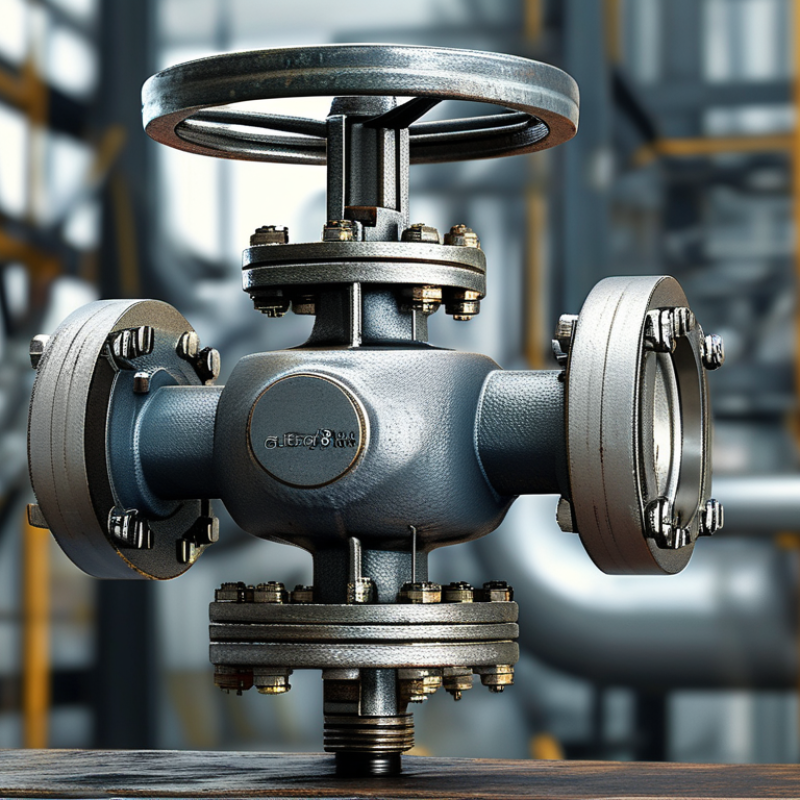
A pneumatic butterfly valve is a type of valve that regulates flow in pipes. It consists of a disc that pivots to control the flow of fluid. This design makes it efficient and compact. The valve operates under the principle of air pressure, which drives the actuator. When air is supplied, it moves the disc, allowing or blocking flow.
These valves are commonly used in various industries. They excel in controlling large volumes of fluids. Their design offers quick operation, which is essential in many applications. For example, they can rapidly open or close in response to changes in pressure. However, some users may encounter issues with leakage or wear over time. Regular maintenance is necessary to ensure reliability.
Understanding how a pneumatic butterfly valve works can help with effective system design. Many engineers appreciate their versatility and simplicity. Yet, the selection process can be daunting due to the various sizes and configurations available. Proper evaluation of expected flow rates and pressure conditions is crucial. This can help avoid common pitfalls and ensure optimal performance.
Pneumatic butterfly valves are crucial in controlling fluid flow. Understanding their key components can enhance operational knowledge. The valve itself consists of several essential parts. The disc is the primary element that opens or closes the flow. It rotates along a central axis. This rotation allows for quick and efficient control.
The actuator, typically pneumatic, converts air pressure into mechanical motion. This actuator provides precise control over the valve's position. Another important component is the body, which houses the disc and provides a sealing surface. The seals ensure that there is no leakage during operation, contributing to system efficiency.
Maintenance is vital for ensuring performance. Regularly check the actuator for wear and tear. Ensure that the seals are intact, as even small leaks can lead to inefficiencies. Understanding each component's role can assist in troubleshooting. Knowledge of these parts fosters better control over processes in fluid handling systems.
Pneumatic butterfly valves are essential in various industrial applications. They control fluid flow, using a simple yet effective design. These valves consist of a disk mounted on a rod. When the disk rotates, it either blocks or allows the flow.
The operation of pneumatic butterfly valves is driven by compressed air. A pneumatic actuator, connected to the valve, receives commands from a control system. When air enters the actuator, it pushes against a diaphragm. This movement causes the disk to turn, effectively regulating the flow. The speed and accuracy of these valves depend on the air pressure used.
Maintenance can sometimes be tricky. Regular checks are necessary to avoid leaks or malfunctions. If the diaphragm wears out, it can lead to inconsistent performance. Users must also consider the valve's position during operation. If not installed properly, it may not function as intended. Understanding these nuances is essential for reliable operation.
Pneumatic butterfly valves are widely used in various industries due to their efficiency and reliability. These valves control the flow of air and fluids. Their design allows for quick modulation, making them ideal for processes that require precise flow control. Common applications include the chemical, water treatment, and food processing industries.
In the chemical industry, pneumatic butterfly valves manage aggressive fluids under high pressure. Their ability to close tightly reduces leakage risks. In water treatment facilities, these valves regulate water flow effectively. They allow for swift adjustments during treatment processes, enhancing overall efficiency. The food industry benefits too, as these valves can maintain hygiene standards while managing food products.
Consider the size of the valve for your application. Oversized valves may cause instability in flow control. Regular maintenance is essential to prevent wear and ensure smooth operation. Pay attention to actuator selection, as it impacts response time. Understanding the specific needs of your system is crucial for optimal performance.
Pneumatic butterfly valves are widely recognized for their efficiency and ease of operation. Their design allows for quick opening and closing, which is critical in many industrial applications. One major advantage is their compact structure, which saves valuable installation space. They are suitable for various media, including liquids and gases, making them versatile.
Using pneumatic butterfly valves can enhance system responsiveness. They facilitate smooth flow control with minimal pressure drop. This characteristic is essential in energy conservation. These valves also exhibit excellent durability, often outlasting other types. Their reliable performance reduces maintenance needs, making them cost-effective in the long run.
When implementing pneumatic butterfly valves, consider regular maintenance checks. This will ensure optimal performance and longevity. Also, evaluate the application's pressure and temperature conditions, as they can affect valve efficiency. It’s crucial to stay informed about any operational changes that may impact valve functionality. Understanding these factors can lead to better performance and fewer unexpected issues.
: They control fluid flow in various industrial applications effectively.
Compressed air powers the actuator, controlling the valve's position.
The disc opens or closes the flow by rotating along a central axis.
Regular checks help prevent leaks and malfunctions, ensuring performance.
Check the actuator for wear and ensure seals are intact to avoid inefficiencies.
Their quick opening and closing contribute to smooth flow control with minimal pressure drop.
The application's pressure and temperature conditions can significantly impact performance.
They save valuable installation space, making them versatile for various setups.
It may cause inconsistent performance, highlighting the need for regular inspections.
Staying informed can lead to better performance and fewer unexpected issues.
A Pneumatic Butterfly Valve is a type of valve that utilizes compressed air to control the flow of fluids in various industrial applications. Its design includes key components such as the valve body, disc, and actuator, which work together to regulate fluid movement effectively. Pneumatic Butterfly Valves operate by using the actuator to rotate the disc within the pipe, allowing or blocking the flow as needed based on input signals.
These valves are widely used across different industries due to their lightweight construction, quick response times, and ease of operation. Applications range from water treatment to chemical processing, showcasing their versatility and efficiency. The advantages of using Pneumatic Butterfly Valves include reduced maintenance costs, reliable performance, and the ability to handle high flow rates, making them an essential choice for many industrial processes.

KR VAVLE