 KR VAVLE
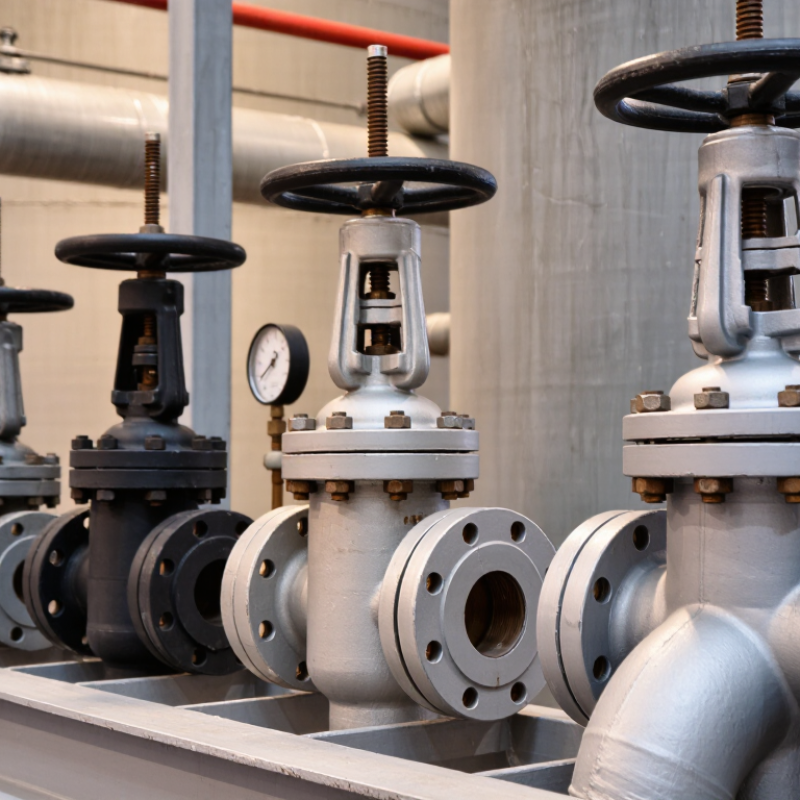
For global buyers, evaluating gate valve manufacturers requires more than comparing quotations. MarketsandMarkets’ 2024 Industrial Valves Market report projects growth from about USD 78 billion in 2024 to nearly USD 98 billion by 2029. That expansion increases supplier choice, but also raises quality risks. Evidence matters. Check compliance with API 600, API 6D, ASME B16.34, and ISO 9001. Request material certificates, heat-number traceability, pressure-test records, and documented inspection plans. A capable manufacturer should explain body materials, seat design, coating systems, and service-temperature limits without vague claims.
Manufacturing experience becomes visible during difficult projects. Ask for references involving sour service, cryogenic operation, high-cycle isolation, or buried pipelines. Review delivery performance, spare-parts availability, and technical response times across regions. ISO 15848-1 test results can help assess fugitive-emission control, especially in chemical and energy facilities. However, certificates alone are not enough. A factory audit should examine machining accuracy, welding controls, calibration records, and final testing equipment. Not just price.
I also compare failure data, warranty terms, and corrective-action reports. These details reveal whether a supplier learns from defects. A spreadsheet can mislead. Market forecasts, including those cited by Fortune Business Insights, differ because research methods and product definitions vary. Buyers should therefore validate report assumptions against operating conditions and total lifecycle cost. The strongest evaluation combines independent inspection, transparent documentation, realistic lead times, and conversations with engineers who have used the valves in the field.
No scorecard is perfect. Reflection remains necessary.
