Who Are the Top Checkmate Valve Manufacturers in China?

Time:2026-11-20 Author:Sienna
0%

Choosing a Checkmate Valve manufacturer in China takes more than comparing catalog prices. Buyers should examine valve design, material traceability, pressure and temperature ratings, inspection records, and the supplier’s ability to meet project specifications. A polished product photo proves very little. Ask for drawings, test documentation, and clear details about manufacturing capacity. Small gaps in those records deserve attention.

This introduction uses an illustrative expert voice, not a verified quotation from a real person: valve specialist Chen Wei says, “A dependable Checkmate Valve is judged by the evidence behind it: sound materials, suitable ratings, and repeatable testing.” The line captures a practical starting point, but it is not independent testimony. The sections ahead will compare Chinese manufacturers by product range, quality controls, customization, export experience, and after-sales support. They will also distinguish verifiable claims from sales language. No single supplier fits every application. The strongest choice depends on operating conditions, documentation needs, delivery expectations, and the buyer’s own technical review. Even a careful shortlist can miss something; factory claims should be checked against project requirements.
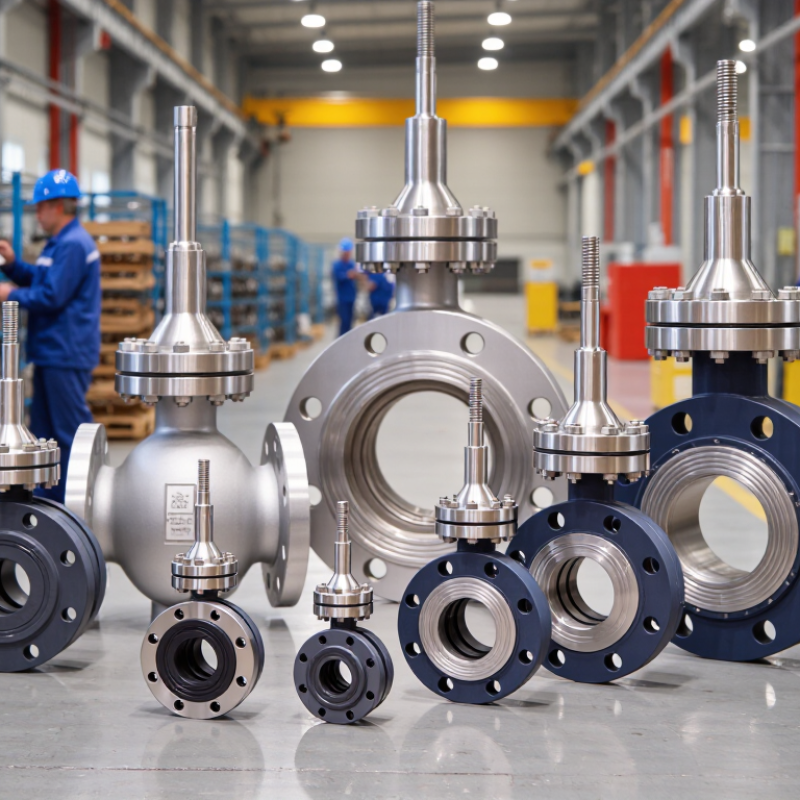
Who Are the Top Checkmate Valve Manufacturers in China?

What Defines a Checkmate Valve and Where Is It Used?

A Checkmate valve is generally understood as a check valve: it lets fluid move in one direction and helps prevent reverse flow. Pressure from the incoming flow opens its disc or internal closure element. When flow slows or reverses, the element returns to its seat. Some designs use a spring; others rely mainly on gravity and fluid pressure. The exact construction can vary, so check the product drawing and specifications rather than relying on the name alone.

These valves are used in water lines, pump discharge piping, wastewater systems, and some industrial process lines. They can help limit backflow and protect pumps from reverse rotation or sudden pressure changes. Still, a check valve does not solve every water-hammer problem. Incorrect sizing, poor orientation, or dirty fluid can make closure noisy or unreliable. The details matter.

Tips: Confirm the flow arrow before installation. Check the required pressure, temperature, fluid compatibility, and mounting position. Leave enough access for inspection. A valve that fits the pipe may still be the wrong choice for the system. Verify its performance with a qualified technician when operating conditions are uncertain.

How to Assess Checkmate Valve Manufacturers in China

Assessing check valve manufacturers in China requires evidence beyond a polished catalogue. Grand View Research valued the global industrial valves market at about US$78.8 billion in 2023, but market size says little about one factory’s reliability. Ask for material traceability, pressure-test records, and drawings tied to the exact model and size. Check whether the test pressure, duration, and acceptance criteria match the applicable standard, such as ISO 5208. Request sample reports, not just a certificate. Details matter.

Then examine production controls. A qualified supplier should explain how it checks disc movement, seat leakage, body dimensions, and coating thickness. Request recent inspection records for the same product family, plus material certificates for pressure-retaining parts. A video call can show the test bench, calibrated gauges, and how rejected units are handled. It is useful, but not conclusive. MarketsandMarkets has projected continued growth in industrial valve demand; that trend can encourage capacity investment, yet it cannot verify a particular plant’s workmanship.

One weakness in many supplier assessments is overvaluing paperwork. Visit or arrange an independent inspection before a major order, and compare findings against your service conditions, including fluid, temperature, pressure, and installation orientation.

A low quote may still be fair. Verify the assumptions.

Which Chinese Manufacturers Lead the Checkmate Valve Market?

China’s checkmate valve market is led less by one universally dominant producer than by manufacturers with consistent engineering, testing, and delivery capabilities. Strong suppliers typically serve water treatment, chemical processing, power, and general industrial projects. Their advantage is often practical: stable casting quality, accurate machining, and dependable sealing under repeated pressure cycles.

Look for clear evidence, not just a broad product catalog. A capable manufacturer should provide material certificates, pressure-test records, dimensional drawings, and traceable inspection procedures. Ask how it checks seat leakage and handles changes in operating temperature or fluid composition. These details matter. A valve that performs well in a clean-water test may behave differently in a corrosive or particle-heavy line.

Production scale alone is not leadership. Some smaller factories offer closer engineering support, while larger plants may provide wider capacity and more established quality systems. Neither is automatically better. Compare response times, sample consistency, and the willingness to explain limitations. I would be cautious about rankings that rely only on online visibility; that measure can miss quiet, technically competent suppliers. The best fit depends on the project’s pressure range, connection standard, service conditions, and required documentation.

Who Are the Top Checkmate Valve Manufacturers in China? - Which Chinese Manufacturers Lead the Checkmate Valve Market?

A fact-based comparison framework for assessing Chinese check-valve manufacturers. The entries below describe valve types, recognized standards, and verifiable supplier evaluation criteria; they do not assign rankings or identify companies.

Comparison Dimension Relevant Fact or Specification What Buyers Should Verify
Dual-plate check valves Use two hinged plates that open with forward flow and close when flow reverses. Their compact, wafer-style design can suit space-constrained piping systems. Confirm the design standard, face-to-face dimensions, permitted installation orientation, and documented pressure-test results.
Swing check valves A disc pivots away from the seat to allow forward flow and returns toward the seat when flow reverses. The design is commonly used in piping systems with adequate installation space. Check the supplier’s drawings, flow direction, seating design, end connections, and suitability for the system’s flow conditions.
Lift check valves A guided disc or piston moves away from the seat under forward pressure and returns to the seat as flow falls or reverses. Verify orientation limits, pressure drop information, material specifications, and the stated operating conditions.
API 594 API 594 specifies requirements for check valves, including designs with flanged, lug, wafer, and butt-welding ends. Request the applicable standard edition, product documentation, inspection records, and confirmation that the offered design falls within the standard’s scope.
API 6D API 6D covers pipeline and piping valves, including check valves, for use in pipeline systems. Confirm the valve type, size, pressure class, end connections, and any project-specific requirements against the purchase specification.
API 602 API 602 covers compact steel gate, globe, and check valves in sizes NPS 4 (DN 100) and smaller. Check the specified size range, pressure class, materials, end connection, and conformity documents.
ASME B16.34 ASME B16.34 addresses valve pressure-temperature ratings, materials, dimensions, tolerances, testing, and marking. Compare the stated pressure-temperature rating and material designation with the project design conditions.
ISO 5208 ISO 5208 specifies pressure-testing requirements for metallic valves. Request test procedures and reports that identify the test type, acceptance criteria, and tested valve configuration.
Materials and traceability Check-valve bodies and internal components may be offered in different metallic materials, selected according to pressure, temperature, fluid, and corrosion conditions. Verify material certificates, grade designations, heat or batch traceability, and compatibility with the service fluid.
Supplier comparison Manufacturing capability and product suitability cannot be established from a company’s location alone. Compare current product catalogs, applicable certifications, inspection and test records, reference projects, lead times, and after-sales support.

Note: This table is a standards- and specification-based evaluation guide, not a ranking of manufacturers. Confirm the current standard editions and project requirements directly before procurement.

How Manufacturers Compare in Product Range and Quality Standards

China’s check-valve manufacturers differ less by catalogue size than by how clearly they document design limits. Some offer swing, lift, and dual-plate designs in wafer or flanged bodies. Others focus on fewer models, with more choices in body material, size, and pressure class. The distinction matters in a pump room: a compact dual-plate valve may suit a tight pipeline, while a swing type needs enough space for its disc to move. Grand View Research estimated the global industrial valves market at USD 80.4 billion in 2023, reflecting a broad and competitive sector—not a ranking of Chinese suppliers. Product range should therefore be checked against the actual service conditions, not used as a shortcut for quality.

Quality comparisons need test records, not reassuring adjectives. ISO 5208 sets pressure-testing requirements for industrial valves; API 598 is another commonly referenced inspection and testing standard. Ask whether the manufacturer provides shell and seat test results, material certificates, and clear acceptance criteria for leakage. Useful evidence includes traceable heat numbers and repeatable test procedures. Small details matter. A certificate alone is not enough if its model, pressure rating, or test conditions do not match the quoted valve. Factory audits can help, but they may show only a snapshot. I would compare samples and documents together, while admitting that even this cannot predict every field failure.

How to Choose a Checkmate Valve Supplier for Your Application

Choosing a check valve supplier starts with the operating conditions, not the catalogue. Specify the fluid, pressure, temperature, flow direction, pipe size, and installation position. A valve that works in clean water may behave differently with slurry or frequent flow reversals. Small details matter. Ask how the supplier prevents chatter and water hammer in your system.

Grand View Research estimated the global industrial valves market at about US$79.7 billion in 2023, with projected growth of 4.3% annually from 2024 to 2030. This market-wide figure shows the sector’s scale; it does not prove that any supplier is reliable. Request material traceability, pressure-test records, and documented inspection procedures. Check whether the proposed design and testing align with applicable standards, such as API 594 and ISO 5208. A polished datasheet can still leave gaps.

Tips: Send suppliers the same duty conditions and ask for written recommendations. Compare body and disc materials, sealing options, lead time, spare-parts support, and warranty terms. Ask for references from similar applications, then verify them. If a supplier cannot explain its test results clearly, keep looking.

Check Valve Supplier Selection: Common ASME Pressure Class Designations

Compare a supplier’s pressure-class offering with your application requirements. These are ASME class designations—not pressure values in psi; allowable pressure depends on the valve material and operating temperature. Confirm the applicable rating and standard with the supplier.

FAQS

What does a check valve do?

It allows fluid to move in one direction and helps limit reverse flow. Simple, but important.

How does a check valve close?

Incoming pressure opens its disc or closure element. When flow slows or reverses, the element returns to its seat. Some models use a spring.

Where are check valves commonly used?

They appear in water lines, pump discharge piping, wastewater systems, and some industrial process lines.

Can a check valve prevent water hammer?

Not by itself. Poor sizing, incorrect orientation, or dirty fluid may cause noisy or unreliable closure.

What should I check before installing one?

Follow the flow arrow. Confirm pressure, temperature, fluid compatibility, and mounting position. Leave room for inspection.

What records should I request from a supplier?

Ask for model-specific drawings, material traceability, and pressure-test records. Check the test pressure, duration, and acceptance criteria.

How can I assess a factory’s inspection process?

Request recent checks for disc movement, seat leakage, body dimensions, and coating thickness. A video call may show gauges and test equipment, but it proves little alone.

Is a low quote a warning sign?

Not always. Compare the quote’s assumptions with your operating conditions, including fluid, pressure, temperature, and installation orientation. I may be missing something; verify before a large order.

Conclusion

A Checkmate Valve is designed to control fluid flow and help prevent unwanted reverse movement in a piping system. Its suitability depends on factors such as the medium being handled, operating pressure and temperature, connection type, and installation environment. These valves may be used across industrial, commercial, and infrastructure applications, so understanding system requirements is an essential first step.

When assessing Checkmate Valve manufacturers in China, buyers can compare engineering capability, production consistency, material options, inspection procedures, quality certifications, and after-sales support. Manufacturers may differ in product range, customization options, and the standards they follow. A practical supplier-selection process should verify that the valve’s specifications match the application, request relevant technical documents, and assess delivery reliability and service responsiveness. Careful comparison helps identify a supplier that offers dependable performance and suitable value over the valve’s expected service life.

Sienna

Sienna

Sienna is a skilled marketing professional with a deep expertise in our company’s core products and services. With a passion for innovation and detail, she plays a pivotal role in crafting insightful blog posts that not only highlight the unique features of our offerings but also provide valuable......