Choosing an Electric Gate Valve is not a simple catalogue exercise. It affects shutdown safety, flow isolation, maintenance time, and long-term operating costs. Global buyers must examine pressure ratings, temperature limits, body materials, sealing design, actuator torque, and electrical protection. A valve that performs well in clean water may fail quickly in abrasive slurry or corrosive chemical service.
Peter Smith, a respected valve engineering author, captures this practical concern: “Valve selection must begin with the process, not the product.” His point remains useful when comparing the Top 10 Electric Gate Valve Manufacturers for Global Buyers. Each manufacturer should be assessed through verifiable evidence, including factory quality systems, product testing, certifications, traceable materials, and documented field experience. Supplier support also matters. Clear drawings, spare-part availability, installation guidance, and responsive technical service can prevent expensive delays.
Look beyond polished websites. Request torque calculations, enclosure ratings, cycle-life data, and test records. Check whether the actuator matches the gate valve under real operating conditions, including voltage variation and emergency shutdown requirements. Small details matter.
Not every ranking can fit every project. That is the uncomfortable part. A manufacturer strong in municipal water systems may not suit high-temperature power applications. Some published specifications may also require closer verification. This guide therefore focuses on practical comparison rather than advertising claims. It considers reliability, engineering depth, customization, delivery capability, after-sales support, and value across international markets. The goal is a clearer shortlist, not a perfect answer.
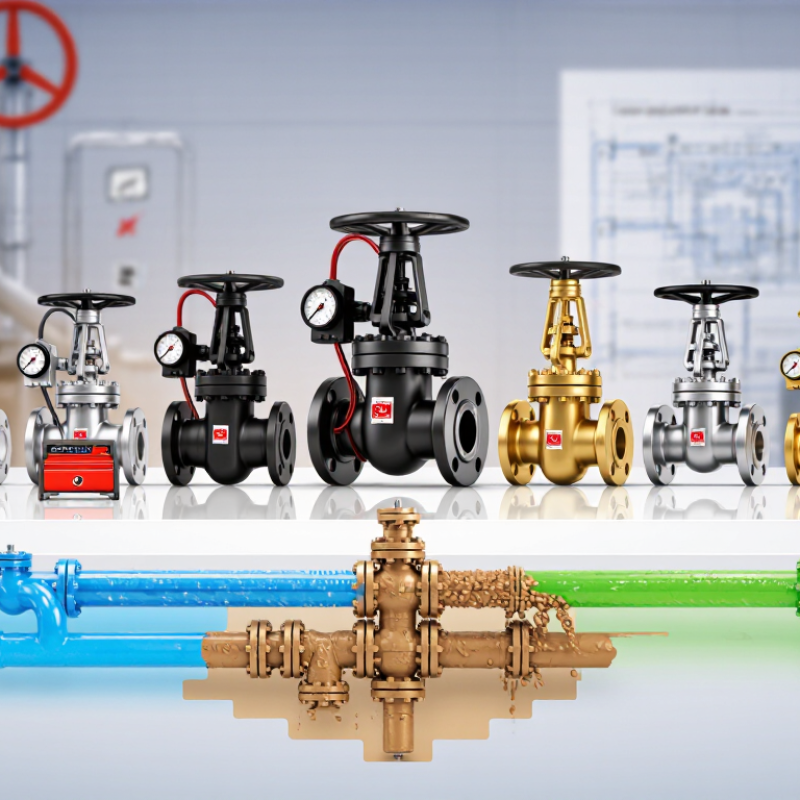
Electric gate valves are isolation devices used to start or stop fluid flow. A motorized actuator moves the gate through an electric signal. Unlike control valves, they usually operate fully open or fully closed. When fully open, the gate creates a nearly straight flow path. This design helps reduce pressure loss and supports pipeline maintenance. Simple, but important.
Global buyers use them where manual operation is slow, distant, or physically difficult. A remote operator can close a valve from a control room during a pump shutdown. In a water plant, this may protect a 300-millimeter pipeline from unnecessary flow changes. Electric actuation also improves repeatability across large facilities. However, automation is not automatically better. Poor wiring or incorrect actuator sizing can create delays.
Purchasing teams should check voltage, torque, enclosure protection, body material, and connection dimensions. Regional power standards can differ. So can environmental conditions. Stainless steel may suit corrosive service, while coated carbon steel may fit less aggressive water systems. Buyers should request pressure-test records, wiring diagrams, and maintenance instructions. One assumption often fails: a cheaper actuator may cost more after installation. Local technicians, spare parts, and clear documentation strongly influence dependable operation.
Comparing electric gate valve manufacturers requires more than checking price or catalog size. MarketsandMarkets’ 2024 industrial valves report estimates the market could reach about USD 94 billion by 2028. That growth increases supplier choices, but not necessarily product quality. Buyers should examine valve pressure ratings, body materials, actuator torque, cycle life, and operating temperature. Ask for test records, not attractive claims.
Control accuracy matters in water, energy, and process plants. Check whether the actuator supports local control, remote signals, position feedback, and common industrial communication protocols. An IP68 enclosure can protect against temporary immersion, but it does not guarantee reliable performance in corrosive atmospheres. Specify coating systems and cable-entry protection separately. Small details matter. The International Energy Agency’s energy efficiency analysis repeatedly highlights the value of monitoring and control in industrial systems, making diagnostic data a practical selection criterion.
Service capability often separates a dependable manufacturer from an acceptable one. Review spare-part availability, response times, commissioning support, and documented maintenance intervals. ISO 9001 certification indicates a quality-management system, but it does not prove every valve will perform well in your pipeline. I have seen comparisons focus heavily on purchase price while ignoring actuator replacement costs. That approach feels incomplete. Request sample inspection reports, torque calculations, material certificates, and failure-rate information where available. A realistic comparison also includes delivery consistency, customization limits, warranty terms, and verified references from similar operating conditions.
The top electric gate valve manufacturers compete through different market strengths, not identical product lists. Some focus on high-torque actuators for water networks and power plants. Others serve chemical facilities with corrosion-resistant bodies and sealed control cabinets. A strong manufacturer usually offers clear torque calculations, pressure ratings, wiring diagrams, and traceable test records.
One manufacturer may lead with short production times. Another may provide advanced modulating control, remote diagnostics, and position feedback. Several established producers support large infrastructure projects with forged steel valves, fire-safe designs, and international certifications. Regional manufacturers often compete through practical customization, faster field service, and better knowledge of local installation conditions. Their advantage can be significant. Documentation matters.
Global buyers should examine actuator duty cycles, ingress protection, temperature limits, and emergency operating requirements. A reliable supplier explains how the valve performs after repeated opening and closing, not only during a factory demonstration. Independent inspection, material certificates, and pressure-test reports add useful confidence. However, certificates alone do not prove long-term reliability. Installation quality still matters.
The strongest manufacturers also maintain spare-parts programs and responsive technical teams. This reduces downtime when a gearbox, limit switch, or control board fails. A low quotation can appear attractive, but weak after-sales support may increase total ownership costs. I would not rank suppliers by price alone. Market strength is easier to judge through verified project experience, transparent specifications, and realistic delivery commitments. Some manufacturers still provide vague claims. Buyers should question them.
Buyer-focused comparison of common electric gate valve manufacturer capability areas. These profiles describe product segments and technical strengths, not ranked or named companies; verify each supplier’s specifications, certifications, and delivery capabilities.
| No. | Manufacturer Capability Profile | Typical Market Strength | Relevant Technical Considerations | Buyer Fit |
|---|---|---|---|---|
| 1 | Pipeline gate valve capability | Experience with pipeline service configurations, larger nominal sizes, and project-specific end connections. | Check applicable pipeline-valve requirements, including API 6D where specified, pressure class, bore, and end preparation. | Pipeline projects and transmission or distribution systems. |
| 2 | Cast-steel gate valve capability | A broad range of conventional industrial sizes, pressure classes, and body configurations. | API 600 is a relevant specification for bolted-bonnet steel gate valves; confirm the exact design and scope required. | Oil and gas, power, and general process installations. |
| 3 | Forged-steel and compact valve capability | Compact designs for smaller-bore, higher-pressure process lines. | API 602 covers compact steel gate, globe, and check valves within its stated scope; verify size, pressure, and end-connection limits. | High-pressure utility and process piping with space constraints. |
| 4 | Electric actuator integration | A coordinated valve-and-actuator package can simplify installation and controls integration. | Confirm actuator torque and thrust, duty rating, power supply, control inputs, and mounting compatibility; ISO 5211 addresses actuator attachment interfaces. | Automated plants and remote or centralized operation. |
| 5 | Severe-service material selection | Ability to specify body, trim, and sealing materials to suit the process medium and environment. | Check material grades, corrosion compatibility, temperature limits, and pressure-temperature ratings against the project conditions. | Corrosive, hot, or otherwise demanding process services. |
| 6 | Water and wastewater valve capability | Product options suited to isolation duties in treatment, pumping, and distribution systems. | Verify lining and coating, sealing materials, pressure class, potable-water approvals where required, and actuator environmental protection. | Municipal water, wastewater, and utility infrastructure. |
| 7 | Power and steam service capability | Selection support for pressure, temperature, and operating-cycle requirements common in power facilities. | Review pressure-temperature ratings, materials, thermal conditions, and actuator sizing for the actual service. | Power generation and steam or utility systems. |
| 8 | Custom engineering and project documentation | Support for project-specific drawings, inspection plans, material records, and configuration requirements. | Agree on inspection and test plans, document deliverables, traceability, and any purchaser-specified requirements before ordering. | EPC, packaged-equipment, and engineered projects. |
| 9 | Environmental and enclosure protection | Options for actuator enclosures and electrical interfaces suited to site conditions. | IEC 60529 classifies enclosure protection by IP code; select the required rating based on exposure and installation conditions. | Outdoor, dusty, or wet installations, subject to project requirements. |
| 10 | Global service and supply support | Local technical assistance, spare-parts access, and clear delivery commitments can reduce lifecycle and procurement risk. | Assess service coverage, lead-time evidence, warranty terms, spare-parts availability, and support arrangements for the destination market. | International projects and buyers requiring ongoing service. |
For global buyers, quality begins with the valve’s intended service: medium, pressure, temperature, and operating frequency. Check body and trim materials against those conditions, not just the catalogue description. Ask for hydrostatic shell and seat-test records linked to the exact model and size. A polished certificate pack is useful, but it cannot replace checking that match. Small details matter.
Compliance should be verified against the destination market and project specification. Request traceable material certificates, inspection reports, and applicable conformity documents; confirm their scope and validity with the responsible project team. Electric actuation adds another layer. Verify supply voltage, torque margin, enclosure rating, duty cycle, and manual override. Then test how support works. Can engineers review drawings before production? Are spare parts identified, and are realistic lead times available? A quick pre-sale reply is reassuring, yet clear troubleshooting after installation matters more. No checklist catches everything; record open questions and confirm technical changes in writing.
How to Evaluate Quality, Compliance, and Technical Support
This chart presents an illustrative procurement weighting for comparing electric gate valve suppliers. Quality and reliability receive the highest priority, followed by regulatory compliance, technical support, and operating performance. The framework is intended for buyer evaluation and is not a manufacturer ranking.
Choosing among the top 10 electric gate valve manufacturers requires more than comparing prices. Start with the application. Record pipe size, pressure class, media temperature, cycle frequency, and installation environment. An actuator rated for indoor service may fail beside a washdown line. ISO 5211 compatibility simplifies mounting, while IEC 60529 enclosure ratings help verify protection against dust and water. Ask suppliers for test records, material certificates, wiring diagrams, and traceable serial numbers. Experience matters here. A supplier that explains failure modes usually understands field conditions better.
Energy performance also deserves attention. The International Energy Agency has reported that electric motor systems consume more than 40% of global electricity. The U.S. Department of Energy similarly identifies motor-driven equipment as a major industrial energy user. Efficient actuator selection can therefore reduce operating costs, especially on frequently cycled valves. Request standby power, running power, torque margins, and expected service life. A large safety margin is not always better. Oversizing can increase cost and reduce control sensitivity.
Tips: Compare at least three technical quotations, not only three prices. Require response-time data, spare-parts availability, warranty terms, and local service capability. Check whether factory testing matches your actual media and pressure conditions. A low quote may look clever, but it can become expensive after installation. No checklist is perfect. Revisit assumptions before approval, especially when operating conditions remain uncertain.
It starts or stops fluid flow in a pipeline. It usually operates fully open or fully closed. Simple, but important.
A motor moves the gate after receiving an electrical signal. Operators can close a valve from a control room during pump shutdowns. This helps manage distant or physically difficult locations.
The raised gate creates an almost straight flow path. Water can pass with fewer flow restrictions. Maintenance may become easier.
Check voltage, torque, enclosure protection, body material, and connection dimensions. Also confirm pressure rating, temperature, pipe size, and cycle frequency. Small details matter.
No. It mainly indicates strong protection against dust and temporary immersion. It does not guarantee resistance to corrosive atmospheres. Specify coatings and cable-entry protection separately.
Compare at least three technical quotations, not just three prices. Request test records, material certificates, wiring diagrams, and traceable serial numbers. Catalog size proves little.
The actuator needs enough torque for the valve and operating conditions. Oversizing can increase cost and reduce control sensitivity. A bigger margin is not always better.
Local technicians, spare parts, and clear instructions support dependable operation. Ask about response times, commissioning help, warranty terms, and maintenance intervals. Installation is only one part.
Efficient actuator selection may reduce energy use on frequently cycled valves. Request standby power, running power, torque margins, and expected service life. The estimate may still be imperfect.
The cheapest quotation may not be the lowest total cost. Wiring problems, poor sizing, and replacement delays can increase expenses later. Recheck uncertain assumptions before approval.
An Electric Gate Valve is a motor-operated valve designed to control the flow of liquids, gases, or other compatible media by moving a gate vertically within the valve body. Global buyers often choose this solution for its reliable shutoff performance, remote operation, precise control, and suitability for pipelines, water systems, power facilities, and industrial processes. When comparing manufacturers, buyers should examine valve materials, pressure and temperature ratings, actuator performance, sealing design, control options, service life, and ease of maintenance.
A strong supplier should demonstrate consistent manufacturing quality, clear product documentation, recognized compliance capabilities, dependable testing procedures, and responsive technical support. Buyers should also evaluate production capacity, delivery reliability, customization options, spare-parts availability, warranty terms, and after-sales service. By matching the valve’s specifications with the application, operating environment, project standards, and long-term maintenance requirements, global customers can select a dependable supplier that offers both technical value and stable lifecycle performance.

KR VAVLE