Water valves play a crucial role in various industries, from agriculture to manufacturing. According to a recent industry report by MarketsandMarkets, the global water valve market is projected to reach $23 billion by 2027, growing at a CAGR of 6.3%. This growth is driven by the increasing demand for efficient water management solutions. Understanding the importance of water valves is essential for businesses looking to optimize their sourcing strategies.
In efficient global sourcing, companies must consider multiple factors. For example, selecting the right suppliers requires knowledge of material quality and manufacturing standards. In many cases, businesses overlook the complexity of sourcing high-quality water valves. Various regions offer unique advantages, yet challenges can arise from quality control and logistics. These nuances highlight the need for a strategic approach to procurement.
Engaging with experienced manufacturers can enhance supply chain reliability. However, not all suppliers adhere to best practices. Therefore, thorough research and supplier evaluations become vital. Companies must remain vigilant about potential pitfalls. Implementing a robust vendor assessment process ensures that water valves meet industry standards. By focusing on these strategies, organizations can significantly improve operational efficiency and water management systems.
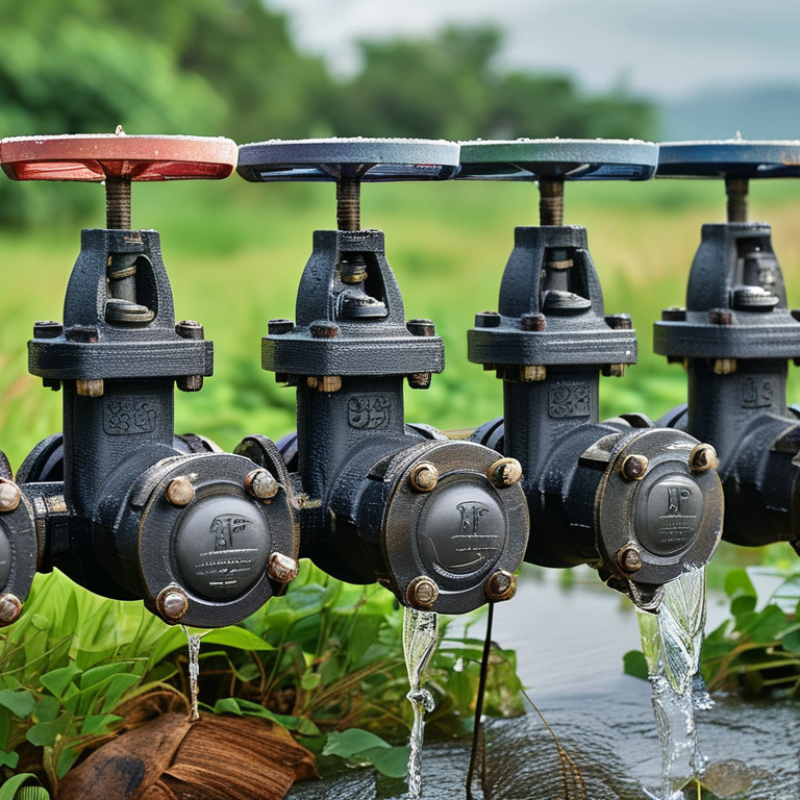
Water valves play a crucial role in various applications, from residential plumbing to industrial processes. Understanding the different types of water valves is essential for effective sourcing. Common types include gate, globe, and ball valves. Each type serves a unique purpose. For instance, gate valves are ideal for on/off control, while globe valves excel in regulating flow.
Selecting the right valve involves considering materials and specifications. For high-pressure environments, brass or stainless steel valves are preferable. Plastic valves might serve adequately in low-pressure scenarios. However, sourcing quality valves can be challenging. Variability in manufacturing standards can lead to issues in performance and durability.
Furthermore, not every supplier guarantees reliability. It is wise to investigate certifications and testing protocols. Reading reviews or seeking peer recommendations can provide valuable insights. Inconsistent sourcing practices can affect project outcomes. Addressing these gaps requires ongoing education about valve options and sourcing strategies.
When sourcing water valves globally, several factors significantly impact decision-making. Price, quality, and supplier reliability are critical. Companies often evaluate material strength and durability. The right materials can prolong a valve's lifespan, reducing replacement costs. Inconsistencies in quality can lead to failures in less-than-ideal conditions. This reality can deter sourcing from cheaper suppliers.
Cultural differences cannot be overlooked. Communication styles vary from region to region. Misunderstandings may arise, leading to delays or poor negotiations. Trust in a supplier stems from relationship-building. Yet, building that rapport takes time. Time is often a luxury, so quick decisions may seem tempting. However, it's crucial to weigh long-term benefits against short-term gains.
Shipping logistics add another layer of complexity. Different countries have varying regulations and import tariffs. These rules may cause unexpected delays. Furthermore, the environmental impact is increasingly becoming a priority. Sustainable sourcing practices might limit options but can yield better overall outcomes. Keeping a watchful eye on these factors ensures better sourcing decisions.
When considering suppliers for water valves, quality is paramount. A well-crafted product minimizes leaks and malfunctions. Many manufacturers boast about their quality, but how can you verify this? It helps to look at certifications and industry standards. Ask for samples and inspect them closely. This tangible evaluation is crucial for ensuring that the valves meet your specific needs.
Cost also plays a critical role in supplier evaluation. However, opting for the lowest price can be a mistake. It might reflect poor quality or unreliable service. A cheaper valve today can lead to expensive replacements tomorrow. Analyze the total cost of ownership, including maintenance and operational efficiency. Gathering quotes from multiple suppliers can provide a clearer picture of what’s reasonable.
Reliability is often overlooked but vital in the long run. A supplier’s track record can reveal much about their dependability. Customer reviews and case studies can offer insights into delivery timelines and service support. Engaging in discussions with previous clients can illuminate potential issues. Reflecting on your own experiences may highlight areas for improvement in your supplier evaluation process.
| Supplier Location | Quality Rating (1-10) | Cost per Unit ($) | Lead Time (Days) | Reliability Score (1-5) |
|---|---|---|---|---|
| USA | 8 | 15.00 | 30 | 4 |
| Germany | 9 | 20.00 | 25 | 5 |
| China | 7 | 10.00 | 40 | 3 |
| Italy | 8 | 18.00 | 20 | 4 |
| India | 9.00 | 35 | 3 |
Navigating global regulations for water valve import and export can be complex. Companies must understand varying standards across regions. Each country has its own rules for safety, quality, and environmental impact. Familiarity with these regulations is essential for smooth operations.
Businesses often face challenges in compliance. For instance, documentation may differ significantly. One country might require certifications that another does not. This inconsistency can lead to delays in shipping. It's crucial to stay informed about updates in regulations, as they can change frequently. Conducting regular audits of processes can help ensure compliance.
Engaging local experts can provide valuable insights. They understand the nuances of regulations that an outsider might miss. However, this comes with costs that small firms may find hard to bear. Continuous learning and adaptation are necessary for success. Balancing expertise with budget constraints remains a common struggle in global sourcing.
Effective communication is crucial when sourcing water valves. Clear communication helps in building strong relationships with suppliers. Use simple, straightforward language. This approach reduces misunderstandings. Be transparent about your needs and specifications. It is vital to share details about performance requirements and standards. This clarity leads to better product alignment.
Regular check-ins can enhance collaboration. Frequent updates can help track progress and address issues early. Don't hesitate to ask questions. If something seems unclear, clarify it right away. Listening is just as important as speaking. Pay attention to supplier feedback. This practice can reveal valuable insights about your sourcing process. It also fosters trust.
Consider using visual aids in your communication. Diagrams and charts can illustrate complex ideas effectively. They bridge the gap when words fall short. Still, be mindful of cultural differences in communication styles. Adapt your approach to suit your supplier’s preferences. Aim for mutual understanding, while being open to adapting your strategies. Sourcing water valves is a continuous learning experience. Each interaction presents an opportunity for improvement.
: Price, quality, and supplier reliability are crucial factors. Material strength significantly affects durability and lifespan.
Inconsistent quality from cheaper suppliers can lead to valve failures. This can result in higher long-term costs.
Cultural differences affect communication styles, which can lead to misunderstandings and delays in negotiations.
Trust comes from strong relationships. However, building rapport takes time, which companies often lack in urgent situations.
Different countries have varying shipping regulations and import tariffs. This can cause unexpected delays in delivery.
Sustainable sourcing might limit choices. However, it can lead to better long-term outcomes for the company.
Each country has unique safety and quality rules. Knowledge of these regulations ensures smoother import/export operations.
Documentation requirements often differ by region. This inconsistency can create delays in the shipping process.
Local experts offer insights into regulations that outsiders may overlook. However, their services can be expensive for small firms.
Continuous learning about regulations is vital. Balancing expertise with budget constraints is a common struggle.
The article "Top Water Valve Tips for Efficient Global Sourcing" provides a comprehensive overview of the essential factors influencing the sourcing of water valves. It begins by outlining the various types of water valves and their specific applications, helping readers understand which valve meets their needs. The discussion then shifts to critical decision-making factors such as cost, quality, and supplier reliability, which are vital for selecting the right partners in the global market.
Additionally, the article covers the complexities of navigating international regulations related to the import and export of water valves, ensuring compliance and avoiding potential disruptions. Finally, it emphasizes best practices for effective communication throughout the sourcing process, which is essential for establishing strong supplier relationships and ensuring successful outcomes. This holistic approach equips sourcing managers with the insights needed to optimize their procurement strategies for water valves in a global context.

KR VAVLE