Why Are Stainless Steel Valves Best for Global Buyers?

Time:2026-09-19 Author:Madeline
0%

Why are Stainless Steel Valves increasingly chosen by global buyers? The answer is more practical than fashionable. In chemical plants, water-treatment skids, food-processing lines, and marine systems, valves face moisture, chlorides, pressure, and repeated cleaning. Stainless alloys can provide corrosion resistance, hygienic surfaces, and longer service potential. The International Stainless Steel Forum’s Stainless Steel in Figures 2024 reports global crude stainless steel production at roughly 58 million tonnes in 2023. That scale indicates broad industrial reliance, although production volume alone cannot prove valve quality.

Professional purchasing requires more than comparing prices or polished surfaces. ISO 5208 establishes pressure-testing principles for industrial valves, while ASME B16.34 addresses pressure-temperature ratings, materials, and design requirements. EN 10204 type 3.1 inspection documents can connect a delivered valve with heat numbers, chemical composition, and test results. These records help buyers assess whether a valve matches the intended medium, temperature, and pressure. They also support clearer supplier audits across international supply chains.

Stainless Steel Valves are not automatically the right answer. A 304 valve may perform well in clean water but struggle in chloride-rich service. A 316L valve may offer better resistance, yet still fail under poor welding, contamination, or incorrect installation. Small details matter. Buyers should review body grade, trim material, seat design, pressure class, test records, and maintenance access. The World Bank’s global infrastructure research repeatedly highlights the cost of unreliable systems and deferred maintenance. That lesson applies here. Durable material helps, but engineering judgment, traceability, and honest application review remain essential. Perhaps that is the uncomfortable point: the cheapest valve is rarely the cheapest decision.
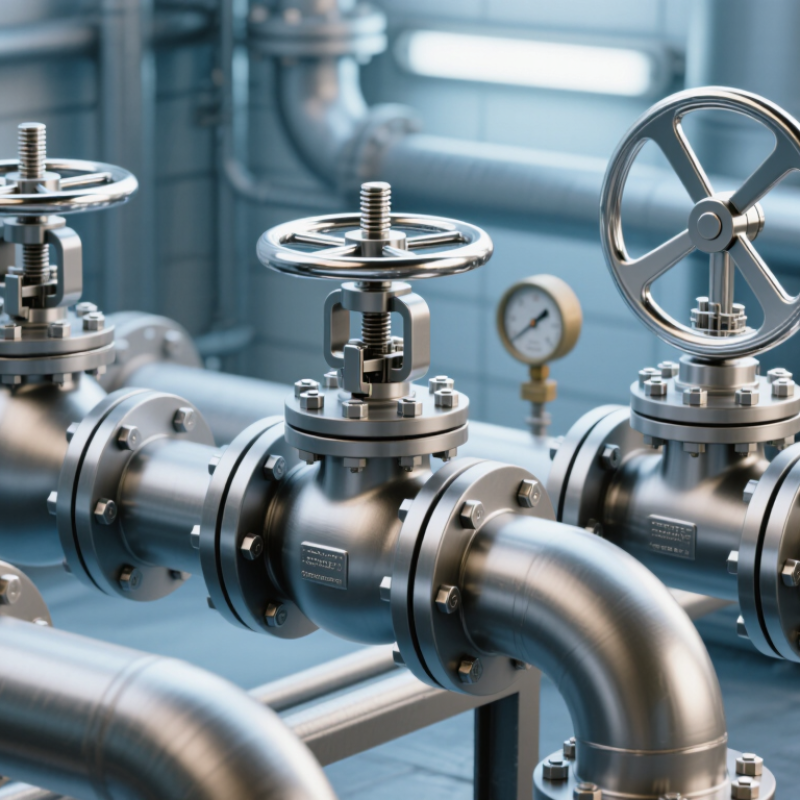
Why Are Stainless Steel Valves Best for Global Buyers?

What Are Stainless Steel Valves and How Do They Work?

Stainless steel valves control, stop, or redirect fluids inside a piping system. Their bodies usually contain iron, chromium, and other alloying elements. Chromium forms a thin protective oxide layer when exposed to air. This layer helps resist rust and many industrial chemicals.

Inside a valve, a moving component changes the flow path. A ball valve uses a drilled sphere that turns inside the body. A gate valve lifts a solid gate away from the passage. A globe valve moves a disc toward a seat for more precise regulation. Check valves work differently. Fluid pressure opens them, while reverse pressure closes them. Simple, but not foolproof.

In field inspections, technicians often check the stem, seats, bolts, and flange faces for leakage. The handle should move smoothly without forcing. An actuator can operate larger valves using air, electricity, or hydraulic power. Correct sizing matters because excessive velocity can damage seats and create noise. Temperature and pressure ratings must match the service conditions. Stainless steel may perform well in wet environments, but it is not immune to pitting or chloride attack. Choosing the wrong grade remains a common mistake. Installation quality matters too. Dirty pipe interiors, poor alignment, or over-tightened connections can shorten valve life. Global buyers should review material certificates, pressure tests, thread standards, and maintenance access before ordering. Availability is useful, but traceable documentation is more important.

Why Stainless Steel Valves Resist Corrosion and Harsh Environments

Why Are Stainless Steel Valves Best for Global Buyers?

Stainless steel valves perform well where moisture, chemicals, and temperature changes challenge ordinary metals. Their chromium content forms a thin passive oxide layer on the surface. This layer repairs itself when exposed to oxygen. That protection helps resist rust in water systems, food processing areas, coastal facilities, and outdoor pipelines.

Chloride-rich environments require closer attention. Salt spray can cause pitting, especially in narrow gaps or damaged surfaces. Grades containing molybdenum usually offer stronger resistance to chloride attack. However, stainless steel is not magic. Poor welding, trapped moisture, or contact with dissimilar metals can still create corrosion. Experienced buyers should review fluid chemistry, pressure, temperature, and cleaning methods before choosing a valve. Surface finish matters too. Rough areas collect deposits.

Tips: Ask for material certificates, pressure-test records, and corrosion data. Inspect welds and sealing surfaces. Keep valves clean and dry when possible. Do not select by price alone. A cheaper valve may demand earlier replacement. Regular inspection also helps reveal staining, pitting, or leakage before failure occurs. Small details matter. Even a reliable alloy can underperform when installation practices are rushed.

How Stainless Steel Valve Designs Support Global Industry Standards

Stainless steel valve designs help manufacturers meet varied global industry standards without rebuilding the entire system. Their corrosion resistance supports demanding water, chemical, food, and energy applications. However, material selection must match the process fluid, temperature, pressure, and cleaning method. “Stainless steel” is not one universal solution.

A compliant design usually begins with controlled dimensions and documented materials. Valve bodies may follow pressure and face-to-face requirements from recognized standards, such as ASME or EN specifications. Connection options can include flanges, threaded ends, or hygienic fittings. Welds also need careful inspection. Smooth internal surfaces reduce residue, while polished finishes support sanitation in sensitive processing areas. Small details matter.

Traceability builds buyer confidence.

Material certificates, heat numbers, pressure-test records, and inspection reports support reliable international purchasing. Actuator interfaces and mounting patterns should also match accepted industry standards. This reduces installation changes across different markets. Still, paperwork alone cannot prove performance. A poorly aligned stem or uneven seat can cause leakage after installation. We have seen this overlooked during fast procurement. Better designs allow maintenance access, clear flow direction, and replaceable sealing parts. These practical choices make valves easier to verify, operate, and service across global facilities.

Why Are Stainless Steel Valves Best for Global Buyers? - How Stainless Steel Valve Designs Support Global Industry Standards
Design Dimension Typical Stainless Steel Valve Design Applicable International Reference Value for Global Buyers
Material Selection Common grades include 304/304L and 316/316L stainless steel. Grade 316/316L contains molybdenum and is often selected for more demanding chloride or chemical environments. ASTM A351 for cast stainless steel pressure-retaining components; ASTM A182 for forged stainless steel components. Recognized material designations simplify technical review, substitution control, and procurement across different countries.
Corrosion Resistance A passive chromium-oxide surface film helps stainless steel resist general atmospheric corrosion. Alloy selection, temperature, chloride concentration, and operating conditions still require evaluation. Material compatibility is assessed according to the process specification and, where applicable, NACE MR0175/ISO 15156 for sour-service environments. Longer service life and reduced coating dependence can support maintenance planning in water, chemical, food, and energy applications.
Pressure Rating Flanged valves may be specified using ASME pressure classes such as Class 150, 300, or 600. The allowable pressure depends on material, temperature, valve type, and applicable design tables. ASME B16.5 for many flanged end dimensions and pressure-temperature ratings; EN 1092-1 for commonly used European flange systems. Standardized ratings help buyers compare pressure requirements and coordinate valves with piping systems in different markets.
Temperature Capability Stainless steel supports a broad operating-temperature range, while seat, seal, packing, and lubricant materials often determine the practical service limit. Pressure-temperature limits are established from the applicable valve, material, and piping standards rather than from the metal grade alone. A complete material and seal specification reduces the risk of selecting a valve that is suitable for pressure but unsuitable for temperature.
End Connections Available configurations commonly include flanged, threaded, socket-weld, and butt-weld ends, depending on valve size, pressure class, and piping design. ASME B16.5, ASME B16.25, ASME B16.11, and EN 1092-1 are commonly referenced for different connection types. Connection standardization improves dimensional compatibility and reduces modification work during installation or replacement.
Pressure Testing Body, seat, and shell tests are performed according to the selected inspection and testing specification. Test medium and acceptance criteria must be defined in the purchase documents. API 598 and ISO 5208 are widely used references for industrial valve inspection and pressure testing. Documented testing provides a common basis for quality verification, incoming inspection, and project acceptance.
Leakage Control Soft-seated valves can provide tight shutoff when the seat and operating conditions are correctly selected. Metal-seated designs may be chosen for abrasive, high-temperature, or severe-service duties. The required leakage rate should be stated according to the applicable valve test standard and project specification. Clear leakage requirements help buyers compare quotations on equivalent technical terms rather than on valve price alone.
Actuation and Automation Manual gear operators, pneumatic actuators, electric actuators, and position feedback devices can be integrated according to torque, control, and safety requirements. ISO 5211 provides commonly used mounting dimensions for part-turn actuators and valve interfaces. Standard actuator interfaces support easier automation upgrades and reduce dependence on a single local configuration.
Traceability and Documentation Typical documentation may include material certificates, heat or batch identification, pressure-test records, dimensional inspection, and conformity statements. Documentation requirements are defined by the purchase specification, applicable product standard, and project quality plan. Traceable records make cross-border quality audits, customs documentation, and lifecycle maintenance more efficient.
Hygienic and Clean-Service Design When required, valves can use electropolished or suitably finished wetted surfaces, reduced dead space, and cleanable internal geometries. The required surface finish, cleanability, and sanitary design criteria should be specified by the relevant food, pharmaceutical, or process standard. A clearly defined internal finish and cleanability requirement supports consistent evaluation for hygienic applications worldwide.
Note: Final valve selection should be based on the actual fluid, pressure, temperature, corrosion conditions, connection standard, leakage requirement, and applicable local regulations.

What Factors Should Global Buyers Consider Before Purchasing?

Global buyers should judge stainless steel valves beyond their polished surfaces. Material grade matters. Austenitic stainless steel suits many water, food, and chemical applications, but not every fluid. Chlorides can cause pitting, even when the valve looks flawless. Check temperature, pressure, flow direction, and media concentration before choosing a design. A valve rated for ordinary water may fail in a hot, salty process. That detail is easy to miss.

Ask for traceable material certificates, pressure-test records, and dimensional drawings. Reliable suppliers should explain test methods, not only send attractive certificates. Confirm compliance with the standards required in the destination market. Thread type, flange dimensions, actuator voltage, and end connections must match existing equipment. Small mismatches create expensive delays. I have seen projects lose weeks because one drawing used millimetres and another used inches. Clear approval documents prevent this.

Total cost includes shipping, customs paperwork, installation, maintenance, and replacement parts. Compare expected service life, not just the purchase price. Inspect sealing materials carefully; they must tolerate process temperatures and chemicals. Ask how spare parts are identified and whether technical support is available across time zones. Supplier capacity also matters during urgent orders. Still, no checklist is perfect. Real operating conditions can differ from specifications. A practical buyer leaves room for inspection, testing, and honest review after delivery.

Why Are Stainless Steel Valves Best for Global Buyers?

Key alloying elements help buyers evaluate corrosion resistance, chemical compatibility, service life, and application suitability before purchasing.

The chart shows approximate midpoint values from commonly specified chemical-composition ranges for stainless steel grades 304, 316, and 410, expressed as weight percentages. Grade 316 contains molybdenum, which generally improves resistance to chlorides and marine environments, while grade 410 provides a harder martensitic option for applications requiring wear resistance. Global buyers should also verify pressure class, temperature range, end connection, applicable standards, and local corrosion conditions.

How to Compare Quality, Cost, Maintenance, and Supplier Reliability

For global buyers, stainless steel valves are valuable only when their quality is measurable. Compare the body grade, pressure rating, sealing material, and surface finish. A 316 stainless body may suit chloride exposure, but the gasket can still fail early. Ask for heat numbers, dimensional drawings, pressure-test records, and material certificates. These documents connect the shipped valve to its stated specification. Look closely.

Cost comparison should include more than the purchase price. A low-cost valve may require extra inspection, replacement seals, or frequent production stops. Estimate installation labor, spare parts, freight, and expected service life. Stainless steel often resists corrosion, reducing maintenance in humid plants and outdoor pipelines. Yet it is not maintenance-free. Poor water quality, abrasive media, or incorrect tightening can damage it. A realistic comparison uses total cost over several years, not a tempting first invoice.

Supplier reliability is tested before the order becomes urgent. Review response times, factory capacity, inspection procedures, export experience, and after-sales handling. Request a sample or independent inspection when the application is critical. Reliable suppliers explain tolerances instead of promising perfection. That matters. Delivery consistency can change during busy seasons. Confirm production schedules, packing details, replacement policies, and communication contacts in writing. Good sourcing is evidence-based, but buyers should still question their assumptions.

FAQS

What material factors should global buyers check before purchasing stainless steel valves?

Check the body grade, sealing material, pressure rating, and surface finish. Austenitic stainless steel suits many applications, but not every fluid. Chlorides may cause pitting beneath a flawless surface. Look deeper.

Can a valve rated for ordinary water handle hot, salty process media?

Not necessarily. Confirm temperature, pressure, flow direction, and media concentration. Hot, salty fluids can exceed the valve’s real limits. Do not trust appearance alone.

Which documents should buyers request from a supplier?

Request traceable material certificates, heat numbers, pressure-test records, and dimensional drawings. Ask how each test was performed. Attractive paperwork proves little without clear methods.

Why must buyers verify dimensions and connections carefully?

Thread types, flange sizes, actuator voltage, and end connections must match existing equipment. A millimetre-to-inch mistake can delay installation for weeks. Small errors become expensive.

How should buyers compare valve costs?

Include purchase price, freight, customs paperwork, installation, maintenance, spare parts, and replacement costs. Compare expected service life over several years. The cheapest invoice may not be cheapest overall.

What sealing details deserve special attention?

Check whether the gasket and seals tolerate the process temperature and chemicals. A strong stainless body cannot protect a weak gasket. Seals fail quietly.

How can buyers evaluate supplier reliability before ordering?

Review response times, production capacity, inspection procedures, export experience, and after-sales support. Confirm schedules, packing details, contacts, and replacement policies in writing. Promises need evidence.

When should buyers request samples or independent inspections?

Request them for critical applications or unfamiliar suppliers. Inspection can reveal dimensional, material, or testing problems before installation. It adds cost, but delays cost more.

Is stainless steel valve maintenance-free?

No. Poor water quality, abrasive media, and incorrect tightening can cause damage. Plan inspections and spare seals. I might underestimate unusual operating conditions, so review performance after delivery.

Conclusion

Stainless Steel Valves are flow-control devices designed to start, stop, regulate, or redirect liquids and gases in industrial piping systems. Their internal components operate through mechanisms such as discs, balls, gates, or plugs, allowing users to control media safely and efficiently. Stainless steel provides strong resistance to rust, oxidation, moisture, chemicals, temperature changes, and demanding operating environments, making these valves suitable for water treatment, food processing, energy, chemical handling, and other global industries.

For international buyers, selecting the right valve requires attention to pressure and temperature ratings, connection types, material grade, sealing performance, and compliance with applicable industry standards. Buyers should also compare manufacturing quality, total cost, expected service life, maintenance requirements, spare-part availability, and supplier reliability rather than focusing only on the purchase price. A dependable supplier should offer consistent production, clear technical documentation, quality inspection, responsive communication, and stable delivery. Evaluating these factors together helps global buyers achieve safe operation, lower long-term expenses, and reliable performance across different applications.


Madeline

Madeline

Madeline is a dedicated marketing professional with a wealth of expertise in our company's core offerings. With a keen understanding of the industry, she brings a unique perspective to her role, consistently delivering high-quality content that highlights the superior aspects of our products. As......