A pump can stop in seconds, but the liquid in a long discharge line keeps moving. Without a suitable Check Valve, that flow may reverse, spin a pump backward, drain a line, or create pressure surges. The U.S. Department of Energy’s Improving Pumping System Performance: A Sourcebook for Industry reports that pumping systems use nearly 20% of global electricity and can represent 25–50% of energy use in some industrial facilities. Those figures describe pumping systems, not savings from valves. Still, they show why dependable flow control matters.
A check valve allows flow in one direction and closes when flow reverses. In a real installation, that simple action can help protect pumps, preserve line contents, and limit unwanted reverse flow. Imagine a pump stopping while a column of water drops back through the discharge pipe. The valve’s location, closing speed, pressure rating, and compatibility with the fluid all influence what happens next. Small component. Big consequence.
A check valve is not a cure-all. Poor sizing or unsuitable selection can cause chatter, pressure loss, or damaging closure impacts. The U.S. Department of Energy’s sourcebook emphasizes evaluating the whole pumping system, rather than treating one component as an isolated fix. That is sound advice here, too. Engineers and operators should consider operating conditions, maintenance access, and manufacturer data before choosing a design. A valve may reduce a specific risk, but it cannot compensate for every system flaw. The details deserve a second look.
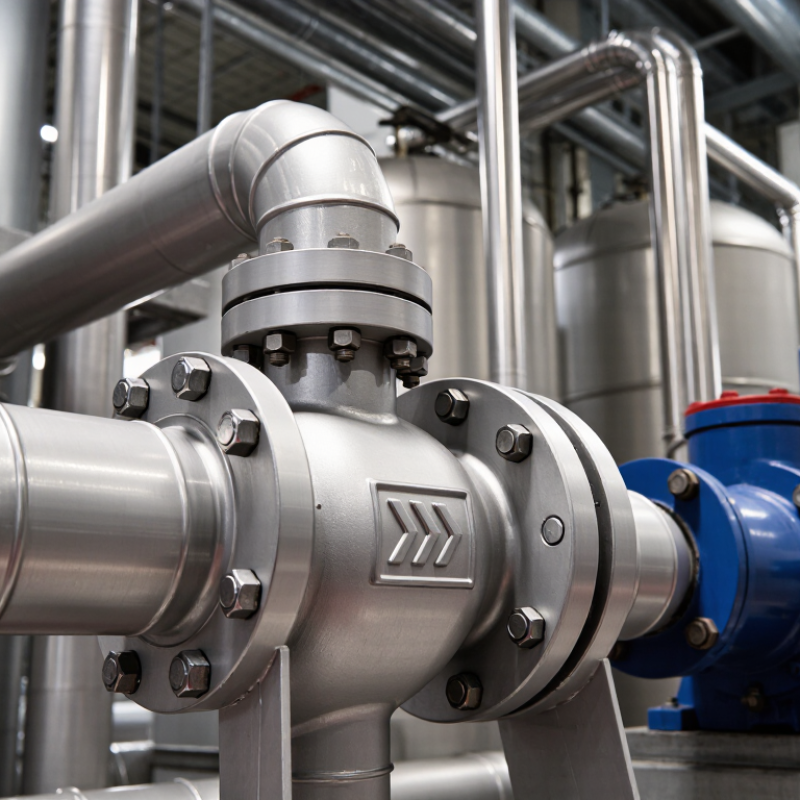
A check valve is a one-way valve that allows fluid to move through a pipe in one direction and resists flow in the opposite direction. Inside, a disc, flap, or spring-loaded poppet responds to pressure. When upstream pressure is strong enough, the moving part lifts or shifts, opening a path. When flow slows or reverses, it returns to its seat and helps block backflow. No handwheel is needed. That is the basic cycle.
Check valves are commonly installed near pumps, where reverse flow could spin equipment backward or drain a line after shutdown. The exact design matters: a swinging flap may behave differently from a spring-loaded model, especially when flow changes quickly. It is easy to assume any check valve will stop water hammer, but some closures can contribute to pressure surges. Selection should match the fluid, flow rate, pipe size, and operating conditions.
Tips: Look for the flow-direction arrow on the valve body before installation. Follow the manufacturer’s orientation guidance, and check that the valve can be accessed for inspection. If a pump cycles noisily or flow seems restricted, the valve may be sticking—or may simply be the wrong type. Diagnosis takes a closer look.
A check valve lets fluid travel in one direction and closes when flow tries to reverse. When a pump stops, pressure on the downstream side can push water back through the line. That can drain a pipe, spin a pump backward, or disturb connected equipment. Then flow turns backward. The U.S. Department of Energy’s Improving Pumping System Performance: A Sourcebook for Industry reports that pumping systems account for nearly 20% of global electricity demand. This figure describes pumping systems overall, not savings from check valves. It does show why controlling unwanted flow deserves attention.
Closure depends on valve type, installation position, fluid, and pressure. A spring-assisted valve may close faster than a swing-style valve, but its added resistance can increase pressure drop. Check the flow arrow before installation. Details matter. A valve that closes abruptly can also contribute to water hammer, heard as a sharp knock in the pipe. Compare the valve’s pressure rating and cracking pressure with equipment requirements, then verify operation under normal conditions. A check valve is not a cure-all; poor placement or a worn seat can leave reverse flow untouched.
A check valve allows flow in the intended direction and closes when the pressure reverses.
Conceptual operating states, not measured performance data. Forward flow can open the valve when the pressure difference exceeds its cracking pressure; reverse pressure pushes the closure element against the seat. A closed valve may still have some leakage, depending on its design and condition.
Check valves appear wherever fluid should move in one direction. In building plumbing, they help prevent water from flowing back into supply lines when pressure changes. Around a pump, a check valve can keep the discharge line full after the pump stops. This reduces reverse flow and may limit sudden pressure changes. Small details matter: a valve installed backward can stop flow entirely.
They are also common in irrigation systems, where they help keep water from draining back through a pump or contaminating upstream lines. In heating and cooling systems, check valves guide water through selected branches and help prevent unwanted circulation. Air compressors and wastewater equipment use them to control reverse flow, too. Different jobs call for different materials, opening pressures, and installation positions. A valve suited to clean water may not tolerate grit or hot fluid well. That is easy to overlook. Check the flow direction marking, operating conditions, and maintenance access before choosing one. A check valve is not a cure-all; debris, wear, or poor sizing can make it stick or restrict flow.
In a pump line, a check valve keeps fluid moving in one direction. Without it, water can flow backward when the pump stops. That reverse flow may send water back into a sump basin or spin some pumps backward. The pump may then restart sooner than expected. Small detail. Real consequence.
Repeated starts can add wear to a pump and use more electricity. In a potable-water system, reverse flow may also carry unwanted water into clean piping if other safeguards are absent. The exact risk depends on the system. It is tempting to assume every missing valve causes immediate failure, but that is not always true. Some effects build gradually.
A long discharge line can bring its water back toward the pump after shutdown. That movement may cause noise, pressure changes, or extra cycling. Check valves can also stick or leak when poorly matched, so simply adding one is not a complete fix. The valve’s type, size, and installation direction matter. A brief inspection of the piping layout can reveal whether backflow is actually occurring.
A check valve prevents reverse flow, but choosing one by pipe diameter alone can create problems. Match the valve’s rated flow capacity to the system’s operating range, then check its pressure and temperature limits. The fluid matters, too: water, air, and mildly corrosive liquids may require different body and seal materials. Small details matter. A seal that suits one fluid may swell, harden, or leak with another.
Consider how the valve will be installed. Some designs work best in a horizontal line; others allow vertical flow only in a specified direction. Check the arrow on the body and confirm the installation instructions. Also compare cracking pressure—the pressure needed to open the valve—with available system pressure. Too high, and flow may be restricted; too low, and the valve may not close reliably. Not always obvious. A fast-closing valve can reduce reverse flow, but an unsuitable choice may contribute to water hammer. Review the system’s flow rate, pressure changes, and shutdown behavior, then verify those conditions against technical data sheets. Pipe size is a useful starting point, not a complete selection method.
It lets fluid move one way and closes when flow reverses. Simple, but useful.
Downstream pressure may push water backward, drain a pipe, or spin the pump backward.
They appear near pumps, in plumbing, irrigation, heating systems, air compressors, and wastewater equipment.
Check the flow arrow on the valve body before installation. One small mark matters.
No. Check flow capacity, pressure, temperature, fluid, and available system pressure.
It is the pressure needed to open the valve. Too high may restrict flow; too low may prevent reliable closure.
Yes. Abrupt closure may create a sharp knock in the pipe. The sound deserves attention.
No. Materials and installation needs vary. Grit, heat, or a poor seal can cause trouble.
No. Debris, wear, or poor sizing may leave reverse flow untouched. Check its operation under normal conditions.
A Check Valve is a one-way flow control device that allows liquid or gas to move in the intended direction and closes when flow reverses. It typically works automatically: forward pressure opens an internal disc, flap, or other closure, while reverse pressure pushes it against a seat to block backflow. This simple action helps protect pumps and equipment, maintain system pressure, and keep fluids moving as designed.
Check Valves are commonly used in water, plumbing, heating, and industrial piping systems. Without one, reverse flow could drain lines, cause contamination, damage equipment, or disrupt operation. Choosing the right valve involves considering the fluid, operating pressure and temperature, flow rate, installation direction, available space, and the type of closure that best suits the system. A properly selected and installed Check Valve supports reliable flow control and helps prevent avoidable maintenance problems.

KR VAVLE