Explore our leading pneumatic actuators, heavy-duty gate valves, and high-performance pipeline equipment engineered for standard and non-standard severe-service settings.
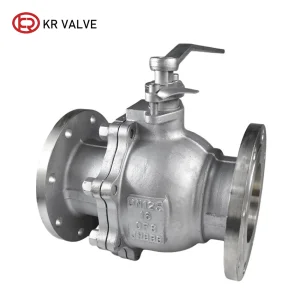
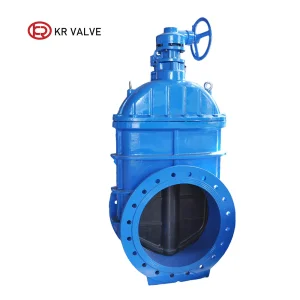
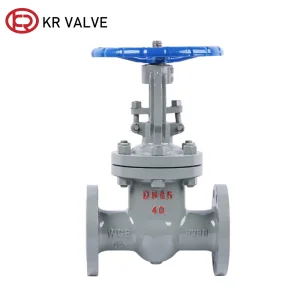
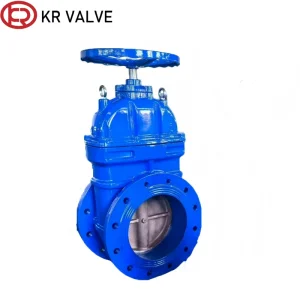
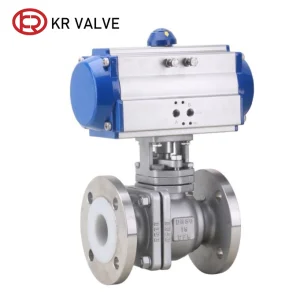
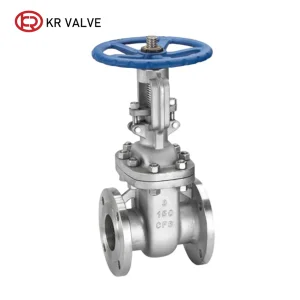
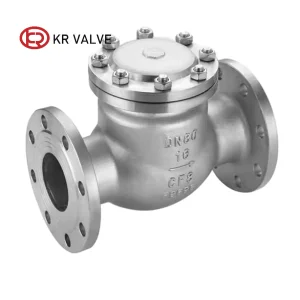
Within modern process manufacturing and heavy industrial automation, physical flow-control systems dictate plant security, reliability, and thermodynamic efficiency. The pneumatic gate valve stands out as a critical assembly for isolation services. Characterized by high-speed cycle times, high thrust outputs, and intrinsically safe failure modes, these valves are standard across industries like wastewater treatment, chemical refining, energy recovery, and bulk solids handling.
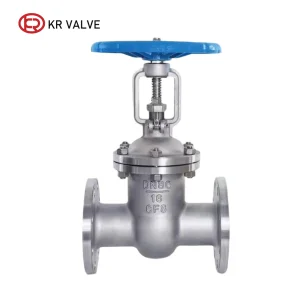
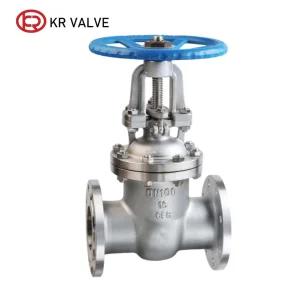
As a leading custom gate valve pneumatic manufacturer, KR Valve is committed to bridging the gap between standard fluid dynamics design and customized high-pressure automation. For over 20 years, we have analyzed linear torque characteristics, actuator cylinder sizing ratios, and elastomeric compound wear cycles to produce high-performance industrial valves. This whitepaper details the design methodologies, material selection criteria, international regulatory landscapes, and engineering parameters defining today's industrial valve technology.
Custom pneumatic gate valves are critical systems deployed to solve multi-variable process complications. Below is an analytical breakdown of sector-specific engineering solutions.
Wastewater treatment plants, municipal sludge facilities, and mining operations deal with high concentrations of suspended solids and abrasive particles. Standard valves often fail due to solid accumulation in the seat cavity. Our custom pneumatic gate valves feature beveled, solid-wedge or knife-edge designs that cut through thick media. Reinforced by EPDM resilient seating or hard-faced metal-to-metal seating, they maintain absolute zero-leakage sealing in both forward and reverse pressure directions.
In chemical engineering facilities processing acid, alkaline, or chloride compounds, structural integrity cannot be compromised. As a specialized manufacturer, KR offers valves in ASTM A351 CF8, CF8M, and CF3M stainless steel, lined with virgin PTFE or PFA. Our double-acting pneumatic actuators respond quickly to control signals, separating personnel from hazardous process environments.
Thermal power generation, district heating networks, and high-pressure steam distribution require components that resist thermal expansion and cycling fatigue. Using materials like ASTM A216 WCB cast steel and high-tensile stainless steel stems, our custom rising-stem and non-rising stem gate valves operate reliably at temperatures above 425°C, providing safe isolation under high pressure drop conditions.
The valve manufacturing sector has shifted from generic off-the-shelf catalog products to project-specific engineering. This transition is driven by international environmental regulations, plant automation requirements, and global supply chain challenges. Different regions prioritize distinct standards, pressure ratings, and functional designs:
Modern engineering projects demand strict compliance with regional standards. In North America, AWWA C509/C515 resilient-seated gate valves and ASME B16.34 pressure ratings are standard. European markets require conformity with EN 1171 and flange drillings to EN 1092-2 (PN10/PN16/PN25). At KR, our manufacturing setup is configured to accommodate multiple standards. This allows us to supply global EPC (Engineering, Procurement, and Construction) companies with valves certified for projects in Europe, Asia, Latin America, and Africa.
Unplanned downtime in process industries can cost tens of thousands of dollars per hour. As a manufacturer controlling our foundry, machining, assembly, and testing lines, KR mitigates typical supply chain vulnerabilities. We maintain large raw material reserves of ductile iron (GGG40/GGG50), carbon steel (WCB), and stainless steel (CF8/CF8M), keeping lead times short and ensuring project deadlines are met for custom-actuated assemblies.
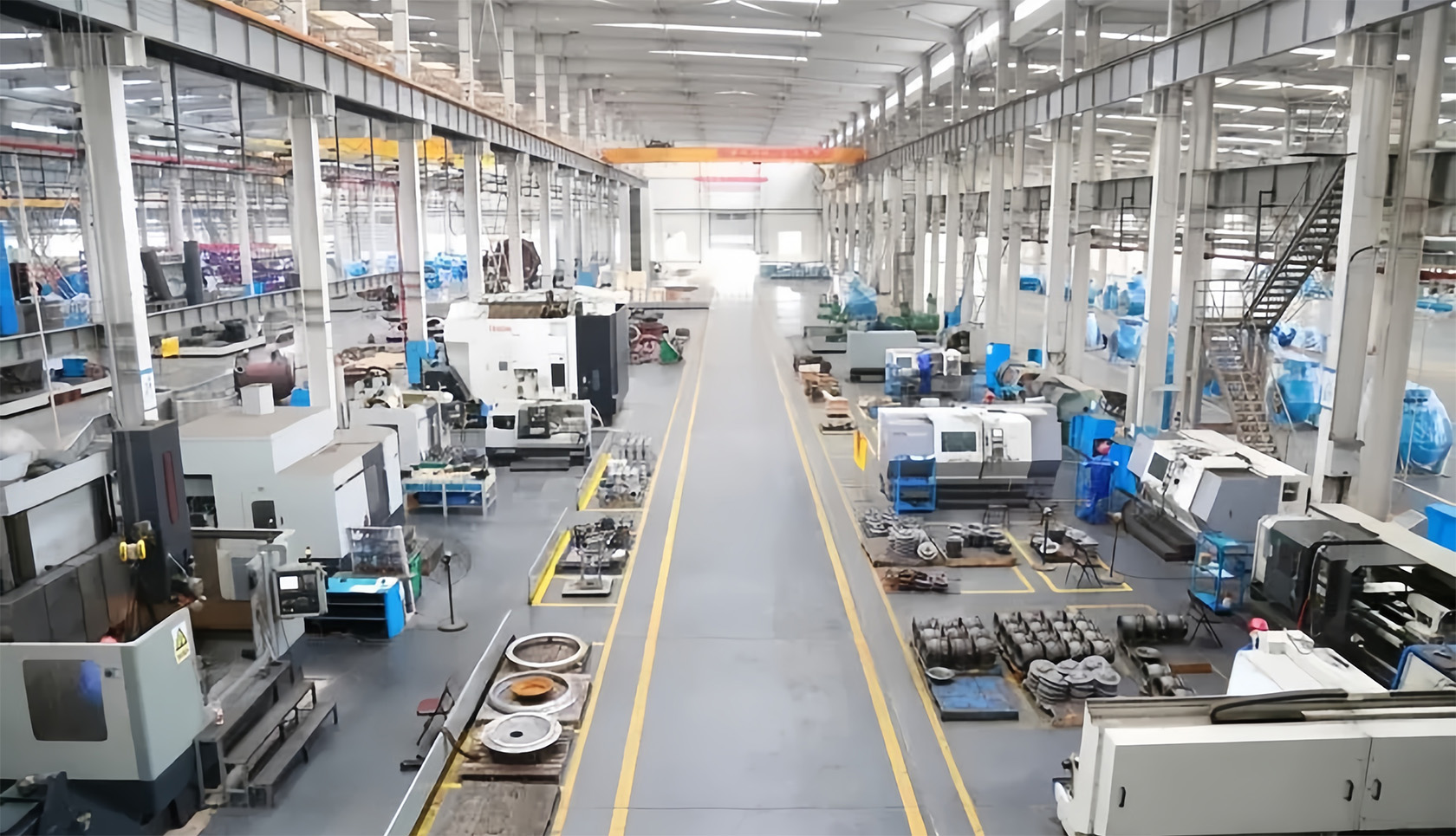
Our quality control philosophy is simple: Zero leakage is our principle. Achieving this standard across high-volume custom production requires continuous, end-to-end quality control integrated into the manufacturing process.
Our specialized R&D department uses Finite Element Analysis (FEA) and Computational Fluid Dynamics (CFD) to model fluid behavior, turbulence, and stress distribution. This modeling optimizes valve body geometries, minimizes pressure drop coefficients, and extends seat wear life.
With 15 modern machining stations and dedicated assembly lines, we hold tight tolerances on stem threads, wedge guides, and seating surfaces. Precision machining directly minimizes operating torque, allowing for smaller, more cost-effective pneumatic actuators.
Every single valve undergoes rigorous testing prior to dispatch. Following international standards (including API 598 and EN 12266-1), we perform shell hydrostatic tests at 1.5 times the design working pressure and seat seal tightness tests using pressurized air and water. Our quality inspectors issue detailed verification reports for every shipment, providing complete traceability and quality documentation.
Our commitment to engineering quality is demonstrated in challenging environments worldwide. Explore our recent project case studies below.
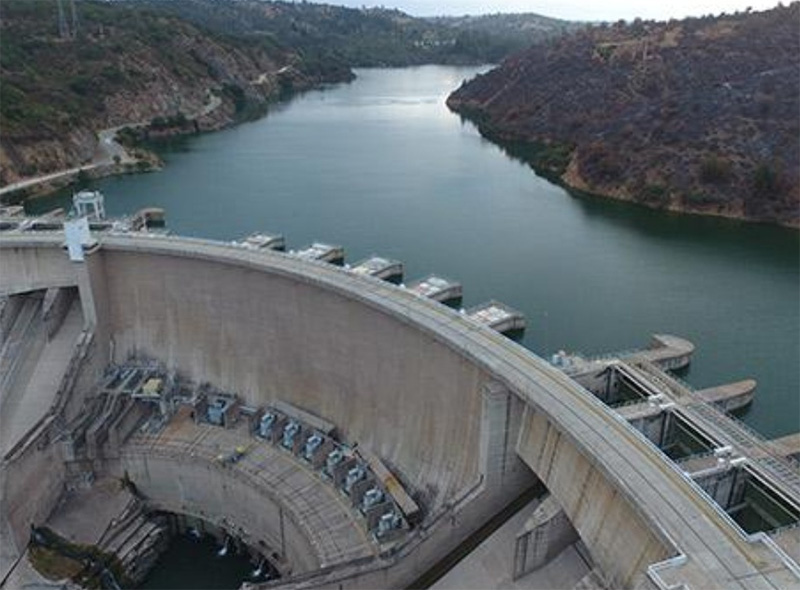
We supplied water control and isolation valves configured for high head pressures and environmental cycling, ensuring stable flow control and protection against water hammer.
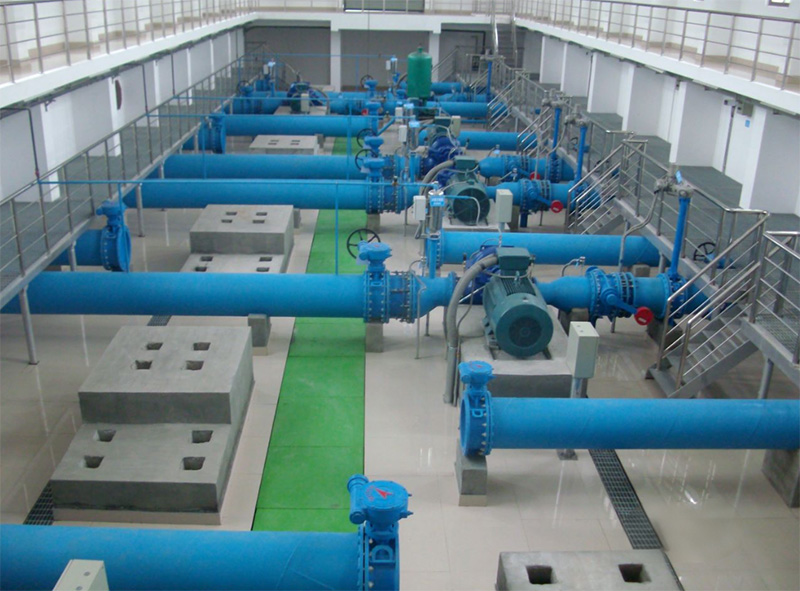
We manufactured and supplied large-diameter double-eccentric butterfly valves and check valves, satisfying EU drinking water standards and ensuring low pressure drop operation.
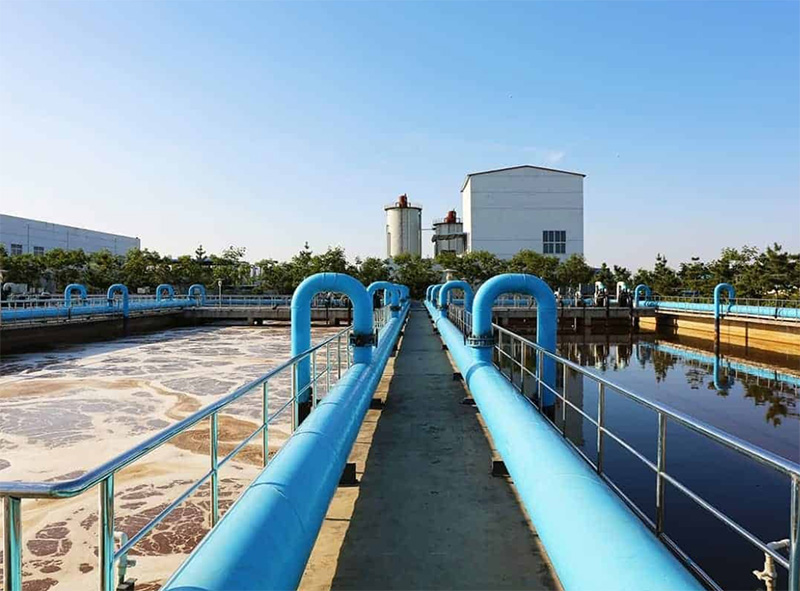
Our resilient-seated gate valves and double-acting butterfly valves were selected for abrasive sewage sludge isolation, extending maintenance cycles by 40%.
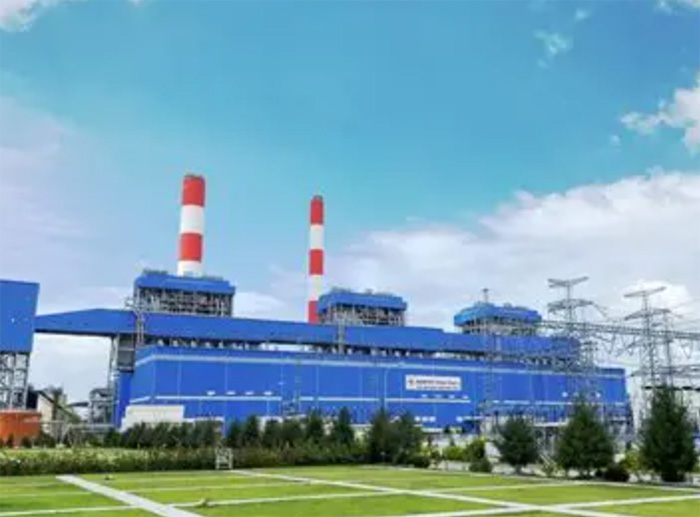
We supplied CF8M stainless steel valves with PTFE lining for an aggressive chemical process line, providing chemical resistance and zero-leakage performance.
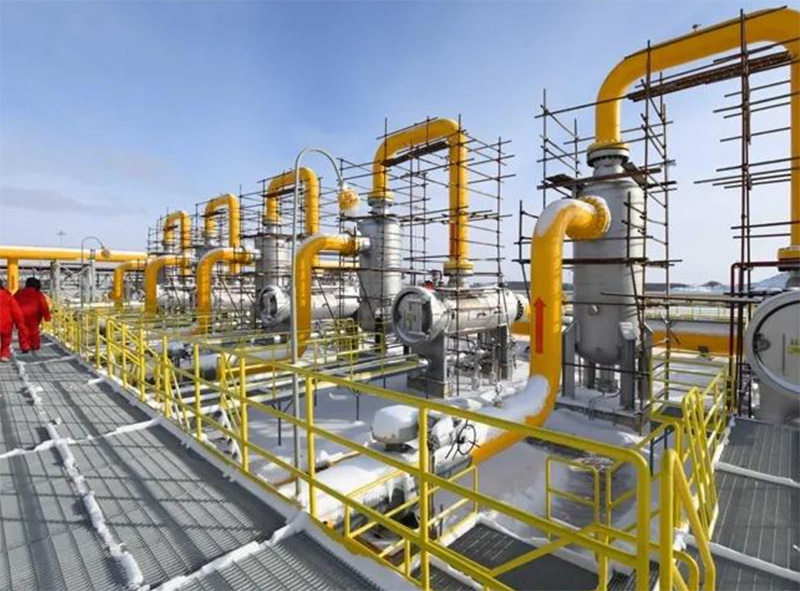
Specially heat-treated carbon steel and low-temperature alloy valves were engineered to withstand sub-zero ambient temperatures down to -40°C in natural gas transport systems.
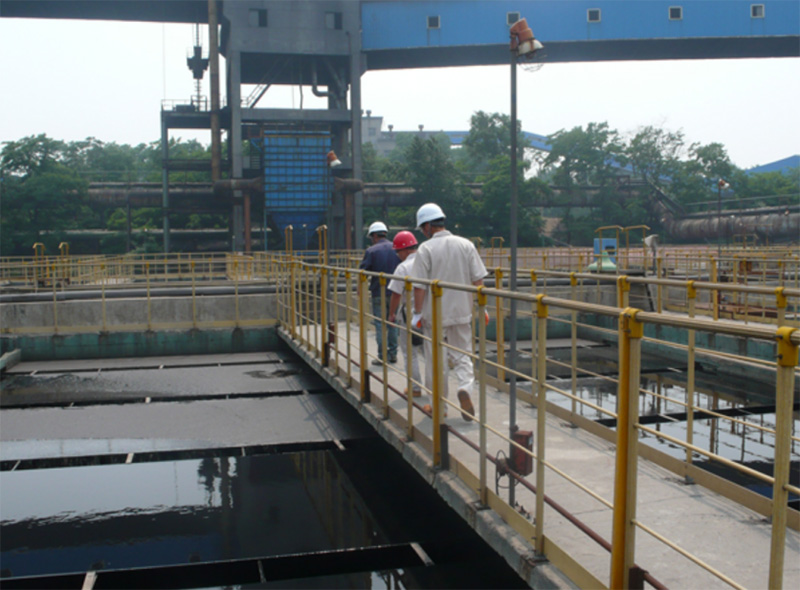
We designed and supplied PN16 and PN25 flanged water control valves to support municipal wastewater management systems in major metropolitan areas.
The valve industry is transforming with the rise of digitalization and smart manufacturing. At KR, we are driving this development by integrating advanced technologies into our pneumatic and mechanical platforms:
Standard pneumatic actuators can operate in a binary "open/closed" mode without providing feedback on internal component wear. Our upcoming product lines feature intelligent pneumatic positioners and digital limit switch boxes with HART, Profibus, or Foundation Fieldbus protocols. These systems monitor travel times, supply air pressure drops, and seat seal wear, enabling predictive maintenance that reduces unexpected plant shutdowns.
Stricter global environmental rules require chemical and energy plants to limit fugitive gas emissions from valve stems. Our engineering team has redesigned our stem sealing systems to incorporate live-loaded PTFE chevron V-rings and Belleville spring systems. This ensures a constant load on the packing, keeping emissions low even during high-cycle pneumatic operations.
Review professional insights on configuration options, material choices, and system installation questions.
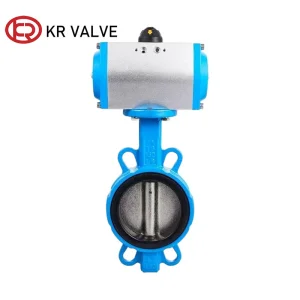
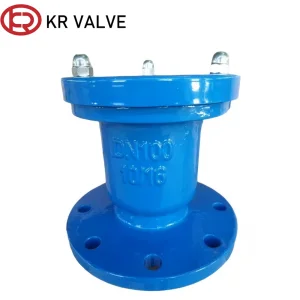
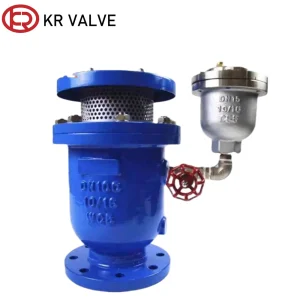
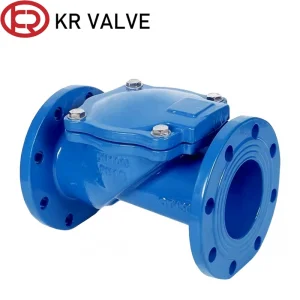
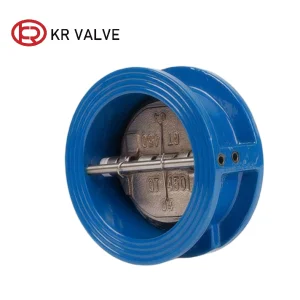
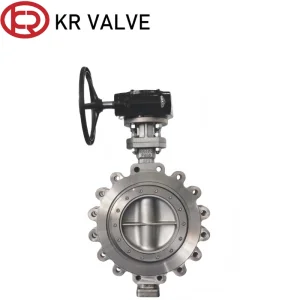
Discover our specialized check, exhaust, and butterfly valves designed for reliable performance in complex piping layouts.
Leverage our twenty-year manufacturing history, advanced testing facilities, and global project engineering experience. Let our technical team size and construct your complete pneumatic flow-control systems.
 KR VAVLE