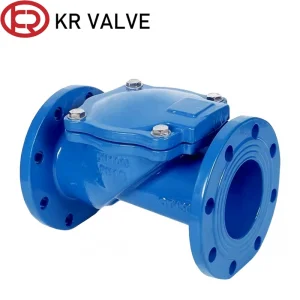
In the architecture of modern industrial piping systems, flow control efficiency and safety are paramount parameters. The Ductile Iron (DI) Swing Type Check Valve occupies a critical position as a mechanical barrier preventing reverse media flow. Also commonly referred to as a non-return valve (NRV), this equipment relies on the pressure energy of the fluid within the pipeline to automatically open and close. When fluid flows in the intended direction, the kinetic pressure forces the internal swing disc to swing upward, exposing a full-bore pathway for minimal friction loss. Upon system deceleration or pumps shutting down, the backpressure and the gravitational pull of the disc act collaboratively to close the valve disc against the valve seat, preventing destructive medium backflow and protecting downstream machinery such as pumps, turbines, and primary control valves.
As premier OEM Di Swing Type Check Valve Manufacturers, KR Valve Group integrates more than two decades of metallurgy, mechanical engineering, and fluid dynamics research. Leveraging Ductile Iron (specifically GGG40/50 and ASTM A536 grades), we fabricate non-return valves that exhibit outstanding mechanical robustness, pressure endurance, and superior corrosion resistance. This whitepaper explores the deep technical nuances, global supply footprints, future IoT-oriented engineering routes, and local regulatory matrices that govern this safety-critical flow equipment.
The shift from standard Cast Iron (GG25) to Ductile Iron (GGG40/50, ASTM A536 65-45-12) has revolutionized pressure vessel design. Cast iron contains graphite flakes, which generate sharp stress concentration points, making the material brittle under high hydrodynamic impact. In contrast, Ductile Iron is processed with magnesium inoculants, causing the graphite to crystallize in spherical nodules. This nodular structure inhibits crack propagation, yielding tensile strengths exceeding 400 MPa and elongation rates over 12%. When a check valve shuts abruptly, the water hammer effect induces heavy kinetic shock. DI swing check valves absorb this energy without structural fracture, ensuring continuous pipeline integrity.
Modern swing check valves must balance pressure drop (head loss) with swift closing speeds. When the disc swings up, it aligns closely with the body cavity to minimize obstruction, leading to a high flow coefficient (Kv). We offer two primary sealing variations:
Below is the standard engineering layout for KR Valve Group's OEM Ductile Iron Swing Type Check Valves. Standard configurations are fully customizable to meet regional flanged parameters and process environments.
| Parameter / Specification | EN 12334 (European Standard) | AWWA C508 (American Standard) |
|---|---|---|
| Nominal Diameter (DN) | DN50 - DN1000 | 2" - 40" |
| Pressure Class Rating | PN10, PN16, PN25 | Class 125, Class 150, Class 250 |
| Body & Bonnet Material | Ductile Iron GGG40 / GGG50 (EN-GJS-400-15) | Ductile Iron ASTM A536 65-45-12 / 70-50-05 |
| Flange Geometry Standards | EN1092-2, ISO 7005-2 | ASME B16.1 Class 125, ASME B16.42 Class 150 |
| Disc Material Option | GGG40 + EPDM/NBR encapsulation / CF8 Stainless | DI + EPDM encapsulation / Bronze ASTM B62 |
| Coating Specification | Fusion Bonded Epoxy (FBE) ≥ 250 μm (WRAS certified) | Fusion Bonded Epoxy (FBE) compliant to AWWA C550 |
| Testing Protocols | EN 12266-1 Shell (24 Bar) & Seat (17.6 Bar) | API 598 / AWWA C508 seat-tightness checks |
The global demand for industrial fluid valves is undergoing a deep structural transformation. Governments are modernizing decaying municipal pipelines while heavily investing in sustainable water infrastructure, desalination facilities, and large-scale wastewater recovery units. According to global valve industry analyses, the market for ductile iron valves is projected to expand at a CAGR of 5.8% over the next decade.
This massive volume growth is accompanied by strict regulatory compliance frameworks. The European Green Deal and the EPA's Lead-Free mandate in the United States force system integrators to purchase products from verified OEM suppliers whose raw materials, epoxy coatings, and elastomers comply with global health and environmental certifications. These include **WRAS (Water Regulations Approval Scheme)** in the UK, **DVGW** in Germany, and **NSF/ANSI 61 & 372** in North America. By utilizing certified lead-free materials and high-durability coatings, KR Valve Group assists system contractors in fast-tracking local municipal inspections and avoiding costly project litigation.
Operating across 50+ countries, KR Valve Group has engineered localized configurations to address diverse climatic, chemical, and pressure environments:
In seawater reverse osmosis desalination plants (e.g., in the Middle East and coastal Chile), standard DI valves run the risk of rapid crevice corrosion. KR supplies specialty check valves with super-duplex stainless steel hinges, Monel internals, and high-build, salt-water-resistant epoxy linings.
For municipal heating and cold-water pipelines across Northern Europe and Russia, cast materials must withstand sub-zero ductile-to-brittle transition thresholds. Our GGG40 check valves are impact-tested down to -20°C, and custom heat jackets are integrated to keep media viscosity stable.
In high-solids urban sewage environments (e.g., in Brazil and Indonesia), standard swing discs suffer from severe ragging and solid build-up. KR Valve's full-port swing check valves clear solids smoothly, reducing maintenance interventions by 70% compared to standard dual-plate models.
The valve manufacturing sector is moving beyond basic structural casting towards intelligent system integration. KR Valve Group is actively spearheading three core technological fronts:
Embedding non-intrusive flow rate, pressure, and acoustic sensor pods directly within the valve bonnet. These sensors monitor real-time flow velocities and detect early cavitation anomalies. Data is transmitted via LoRaWAN to SCADA platforms, letting operations plan predictive maintenance before a complete system shutdown occurs.
We are working closely with industrial chemistry labs to develop graphene-infused epoxy matrices. These advanced coatings offer double the chemical resistance of standard Fusion Bonded Epoxy (FBE), keeping the interior surfaces of our valves smooth to prevent bio-fouling and mineral scaling over long operational lifespans.
Using Computational Fluid Dynamics (CFD) modeling, our engineers analyze and refine the curves of our swing discs and valve bodies. Minimizing micro-vortices and flow separation reduces head loss by 12–15%, yielding tangible energy savings for pump stations operating around the clock.
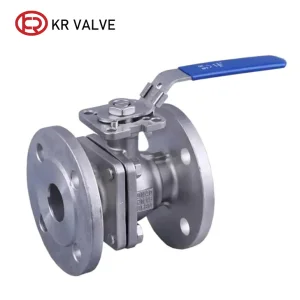
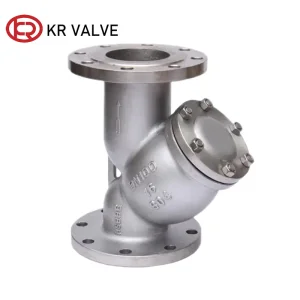
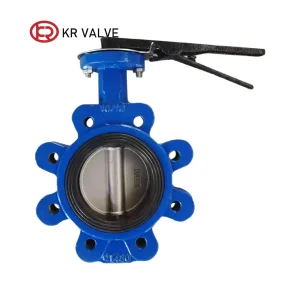
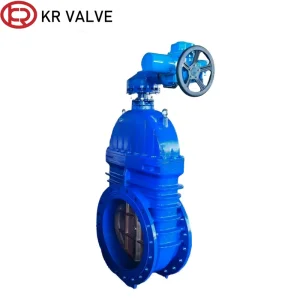
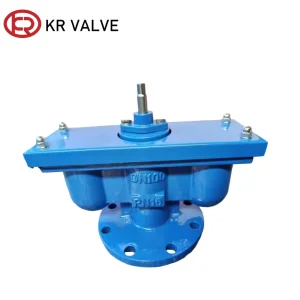
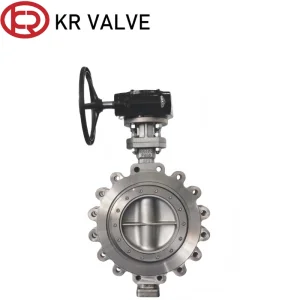
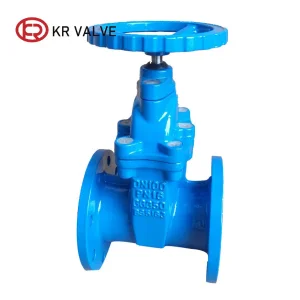
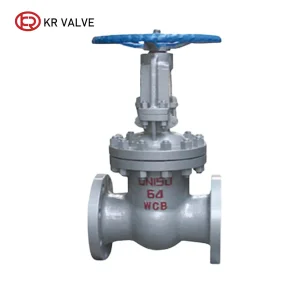
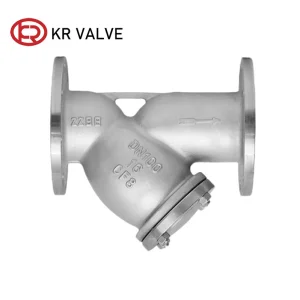
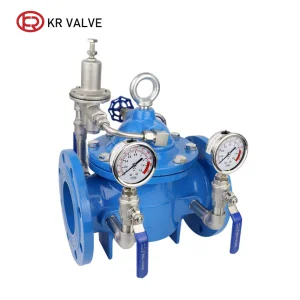
While the DI swing check valve is highly effective at preventing reverse flow, it works best when paired with complementary equipment within a unified flow system. KR Valve Group offers comprehensive solutions that streamline pipeline performance, enhance safety, and lower operational overhead.
Our dedicated R&D team continuously innovates to meet evolving customer and market requirements. Equipped with modern testing laboratories, we evaluate and enhance valve performance under diverse conditions. Currently, our portfolio boasts 20 distinct series and over 500 product variations.
All products are manufactured under strict supervision in accordance with the ISO-9001 quality management system. With more than 30 advanced production machines and a monthly inventory tracking system, we consistently meet and exceed client expectations for lead times and delivery.
Our quality assurance team enforces a strict testing protocol. Zero leakage is our core manufacturing standard. Guided by international inspection standards, we conduct comprehensive testing on valve aesthetics, dimension tolerances, shell pressure endurance, and seal seat integrity.
Alongside our independent brand "KR", we offer comprehensive OEM and ODM support for municipal planners, commercial brands, and regional distributors. We build long-term manufacturing agreements with established global brands, ensuring components conform strictly to client drawings and specifications.
We manage the entire production chain internally—from initial casting quality checks and machining to assembly and pressure testing. This localized, vertically integrated approach lets us maintain competitive pricing without compromising on quality. We also provide responsive, 24/7 technical support both pre- and post-sale.
Our valve systems deliver high performance and long-term reliability in water treatment plants, municipal networks, chemical facilities, and gas pipelines worldwide.
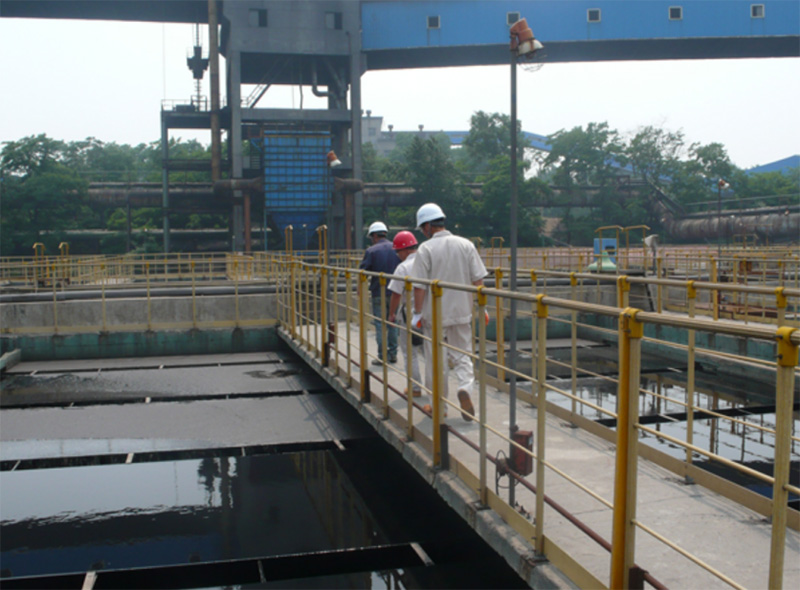
KR supplied various water control valves to support large-scale sewage treatment infrastructure in Brazil.
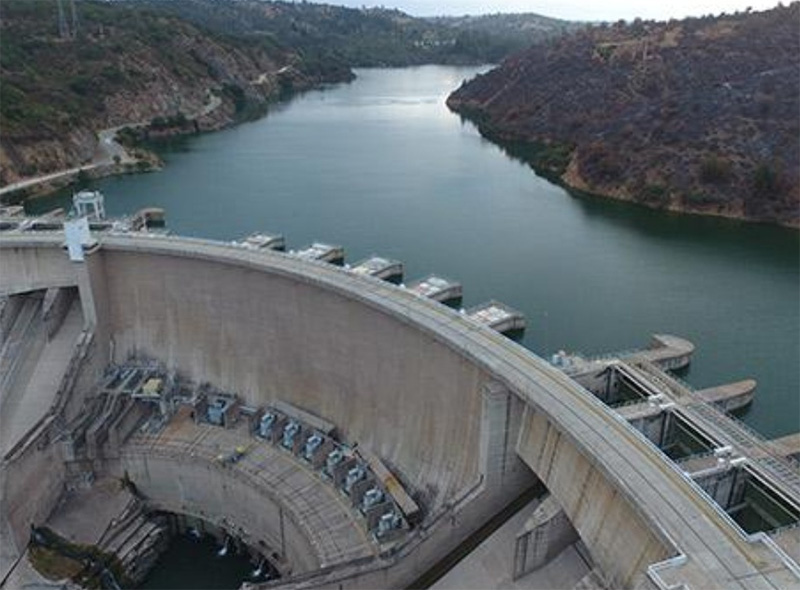
KR supplied various heavy-duty water control valves designed for high-head dam installations in Chile.
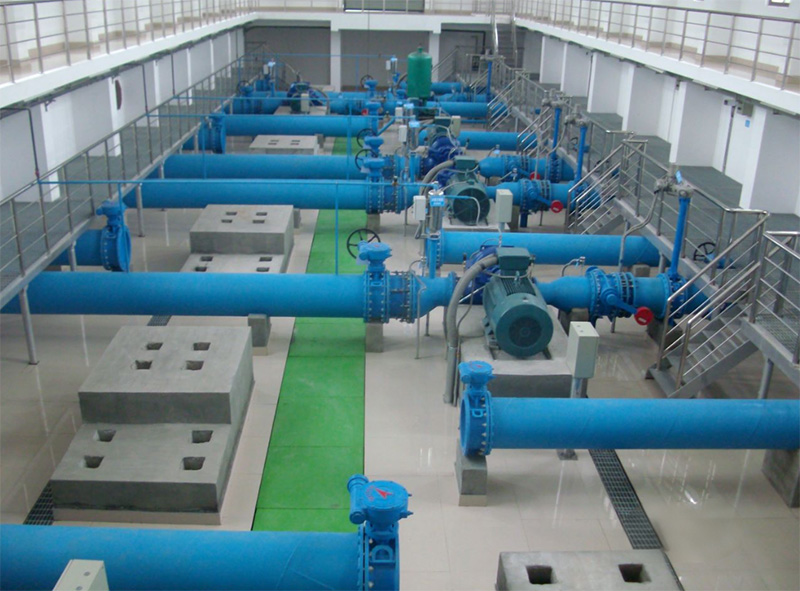
KR supplied large-diameter butterfly valves and non-return swing check valves for municipal distribution networks in Italy.
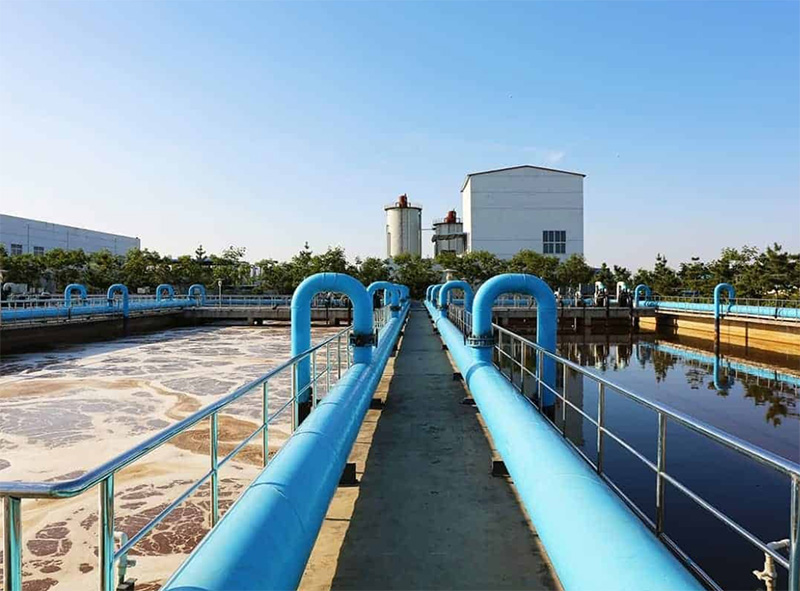
KR supplied high-durability butterfly and gate valves to handle abrasive media at an Indonesian sludge processing plant.
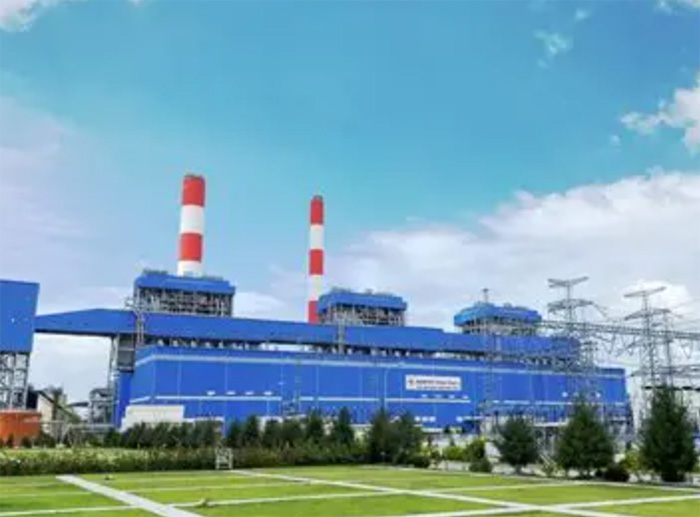
KR supplied a wide range of corrosion-resistant valves engineered for chemical processing systems in Vietnam.
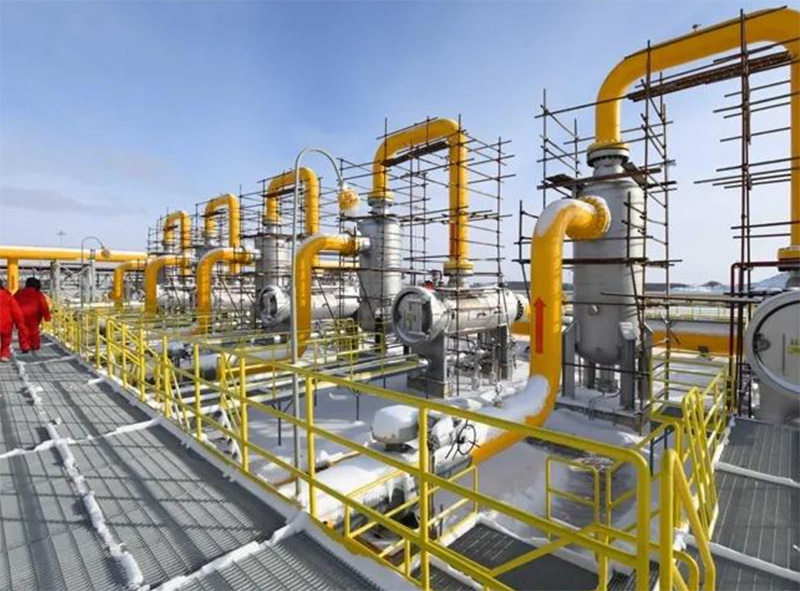
KR supplied high-pressure ball and gate valves to support gas transportation infrastructure in Russia.
 KR VAVLE