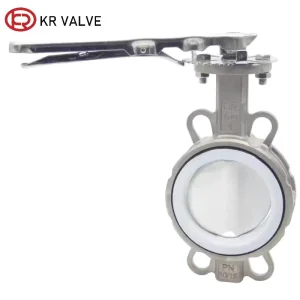
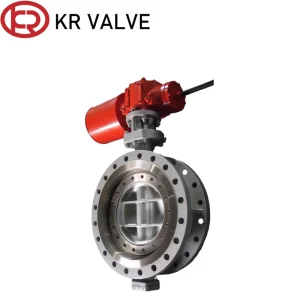
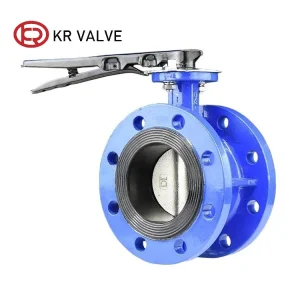
OEM Floater Ball Valve Suppliers & Manufacturers

High-Precision Industrial Flow Solutions Engineered for Maximum Reliability, Zero Leakage, and Advanced Process Control Systems Globally.

Advanced Floater Ball Valve Engineering & Global Procurement

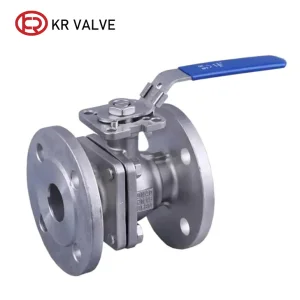
In modern industrial process engineering, the selection of flow control systems determines the overall efficiency, safety, and lifespan of municipal infrastructure and industrial plants. The floating ball valve (or floater ball valve) stands out as a core piping component designed for reliable shutoff in low to medium-pressure services. Unlike trunnion-mounted designs, a floating ball valve features a ball that is not anchored by pivots. Instead, the ball is suspended in the flowing fluid and is pushed by downstream pressure against the elastomeric seat, creating an exceptionally tight seal.

As standard piping requirements grow more stringent with API 6D, ASME B16.34, and ISO 15848-1 environmental requirements, plant operators rely on specialized OEM manufacturers to deliver valves that withstand severe cycling, corrosive media, and extreme thermal conditions. This comprehensive industrial white paper analyzes current market trends, factory manufacturing standards, and the operational advantages of partnering with reliable Chinese OEM valve manufacturers.
Key Takeaway: The floating ball design utilizes upstream line pressure to force the ball against the downstream seat, ensuring a bubble-tight shutoff that matches strict zero-leakage standards.
KR Valve Production Overview

Our Technical Competencies & Core Strengths

R&D and Continuous Design Innovation

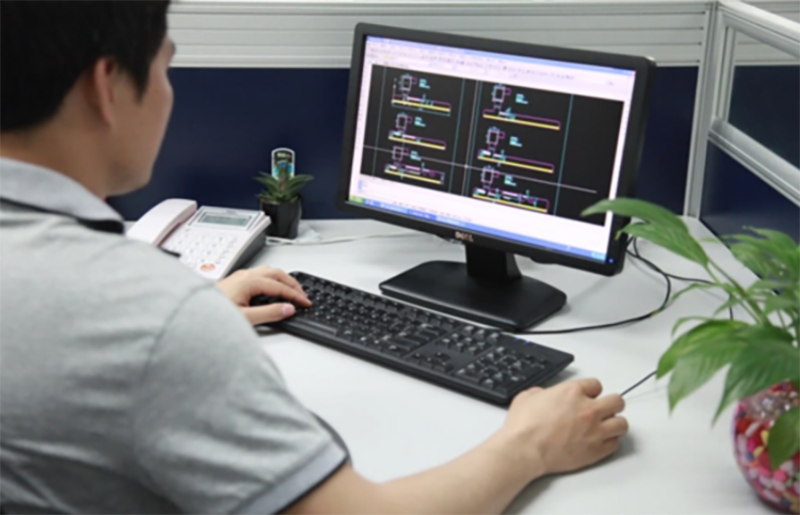
Our dedicated R&D department leverages computer-aided fluid analysis (FEA & CFD) to refine valve trim geometries, preventing cavitation and reducing torque requirements. Our in-house testing laboratory ensures materials perform reliably at extreme temperature ratings.

ISO-9001 Supervised Production

We manage more than 30 advanced production machines. Machining, assembly, and alignment are executed under strict quality management processes to achieve the tightest dimensional tolerances required for automated valve operation.

100% Zero-Leakage Quality Testing

Zero-leakage is the defining design standard of our facility. Every valve goes through rigorous hydrostatic and pneumatic testing under API 598 standards before packaging, certifying performance integrity for pipeline isolation.

20+
Years of Industry Experience
500+
Valve Product Configurations
50+
Exporting Countries & Regions
100%
Pressure Inspection Guarantee

Floating Ball Valve Global Industry Development & Trends

The industrial landscape for floating ball valves has transitioned from standard manual utility components to high-performance automated assemblies. Key regulatory updates and materials sciences are currently driving the market forward:

1. Fugitive Emissions Compliance (ISO 15848-1 & API 641)

Environmental standards globally have limited volatile organic compound (VOC) emissions down to parts per million. As a result, floating ball valve stem seals must incorporate specialized chevron packing, live-loaded spring mechanisms, and O-ring configurations. Modern OEM factories must supply valves tested under gas-tight conditions to guarantee environmental compliance for chemicals, gas grids, and refining applications.

2. Advanced Polymer & Metal-to-Metal Seat Solutions

Traditionally, PTFE was the universal choice for seat inserts. However, chemical process plants today demand materials that handle higher temperatures and mechanical loads. Options now include Devlon, PEEK, and reinforced PTFE (RPTFE). For highly abrasive or slurry-laden services, manufacturers employ tungsten carbide (TCC) or chromium carbide (CCC) thermal spray coatings over metal seats, extending valve operational life cycles by up to 300%.

3. Integration with Electric and Pneumatic Actuators

With the expansion of automated control rooms and IoT infrastructure, floater ball valves are increasingly fitted with ISO 5211 mounting pads. This configuration permits direct mounting of high-cycle pneumatic actuators or modulating electric actuators. This feature transforms basic mechanical block valves into vital links in automated industrial processes, providing safety shutdowns and precise automated routing.

Global Procurement Dynamics: Mitigating Risks and Aligning Quality

International procurement departments in regions like Europe, North America, and Southeast Asia look for specific manufacturing capabilities to balance cost and operational safety. Key criteria include:
  • Material Traceability: Every structural pressure-containing cast or forged component must be accompanied by Certified Material Test Reports (MTR) according to EN 10204 3.1, confirming chemical composition and mechanical strength.
  • Design Compliance: Sourcing managers ensure valves conform with ASME B16.34 (wall thickness and pressure-temperature ratings), API 607 (fire test certification), and API 598 (testing and inspection).
  • Total Cost of Ownership (TCO): Sourcing low-cost valves often backfires due to premature stem packing leaks or seat erosion. Sourcing directly from certified OEM factories with proven validation programs reduces plant downtime and maintenance overhead.
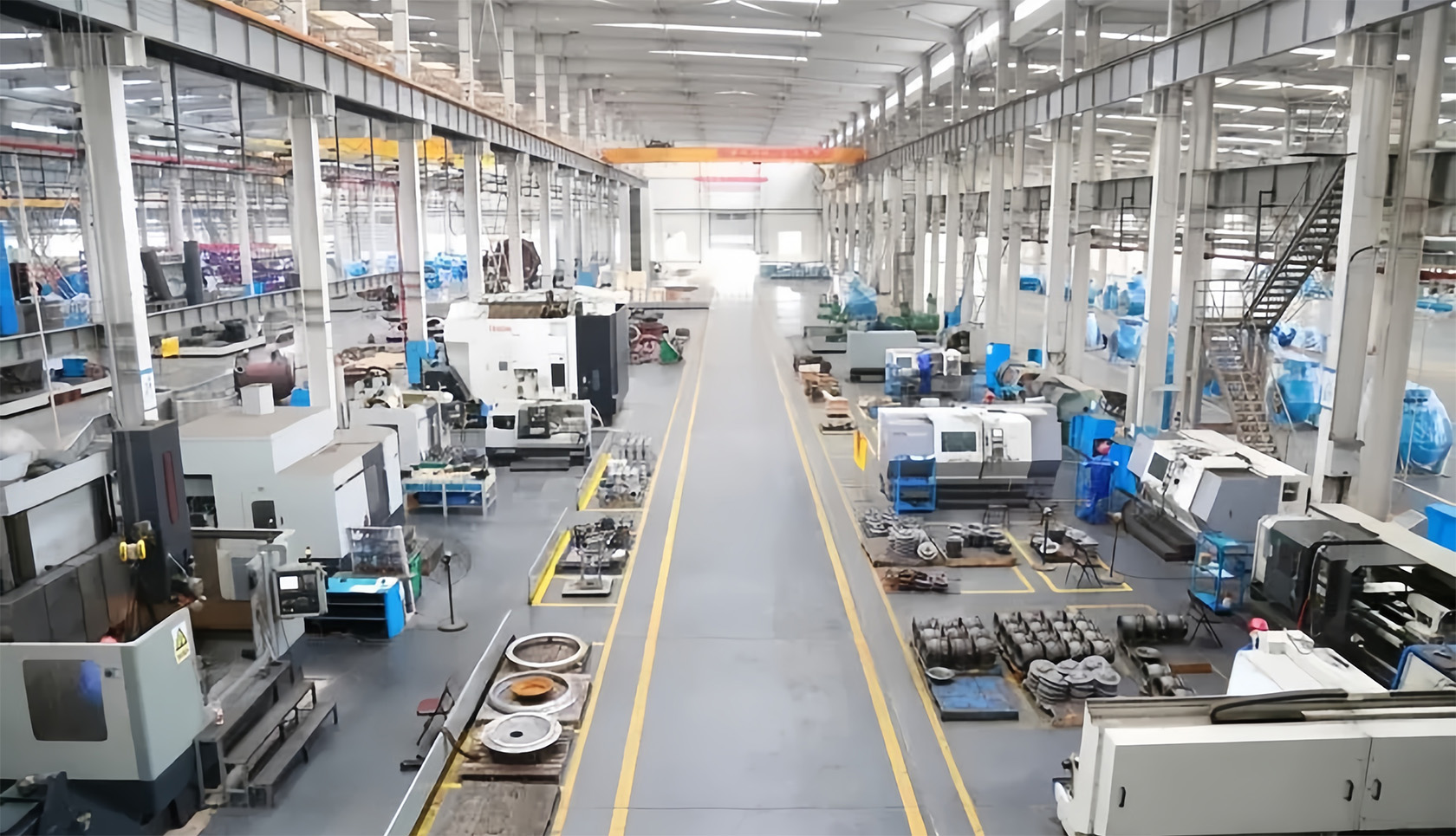
Smart Valve Manufacturing Production Assembly Line

China Factory 4.0: Supply Chain Resilience & OEM Flexibility

The global fluid equipment market depends heavily on China's industrial manufacturing ecosystem. Chinese factories have shifted from low-cost manual labor to automated Smart Factories (Industry 4.0). This evolution enables manufacturers to offer high precision at competitive costs while meeting urgent delivery demands.

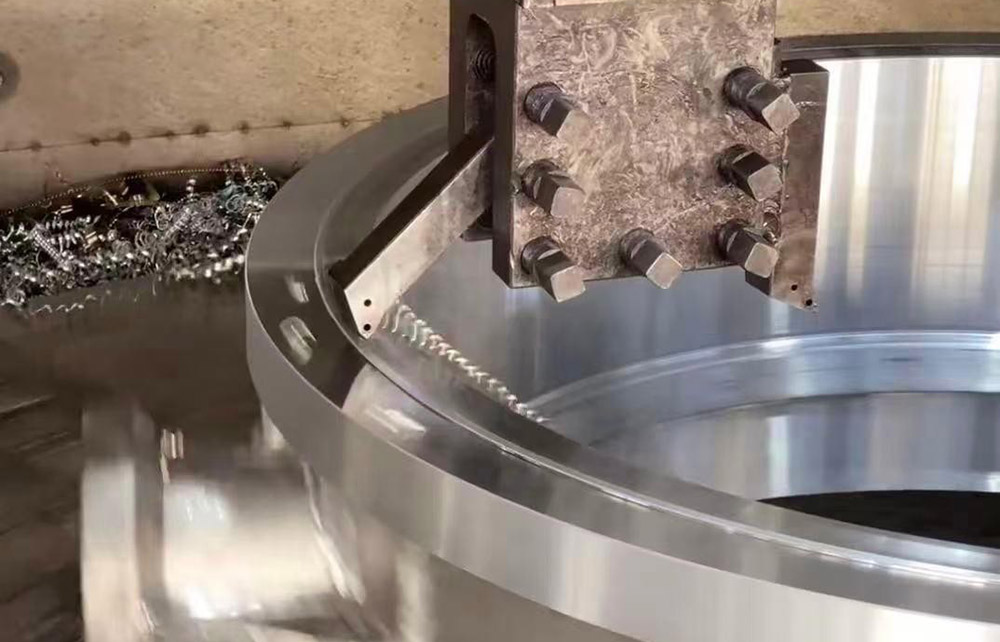
Through automated CNC machining centers, robotic welding for valve hardfacing, and digital testing rigs, KR Valve maintains structural consistency across batch runs. This precision minimizes torque fluctuations, improving valve reliability when paired with high-performance actuators.

Why Choose KR Valve as Your OEM Partner?

  • 15 Machining Centers & Assembly Lines: Our production line ensures high-capacity throughput, matching the lead times of major construction and pipeline infrastructure projects.
  • Customized Material Options: From common WCB carbon steels and CF8/CF8M stainless steels to high-grade Duplex steels, Hastelloy, and bronze, we source and machine materials optimized for specific process conditions.
  • Optimized Delivery Times: With active inventory control and modular component manufacturing, we shorten lead times compared to domestic western manufacturers, accelerating overall project completion schedules.

Explore Our Broader Product Ecosystem

With over 20 years of experience, we manufacture over 20 series and 500 varieties of standard and custom industrial valves.
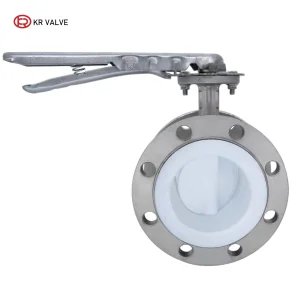
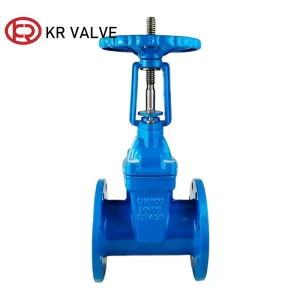
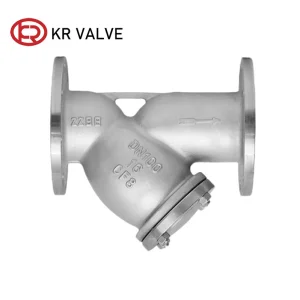
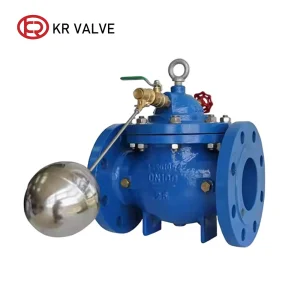
Butterfly Valves Gate Valves Check Valves Y-Type Strainers Water Control Valves
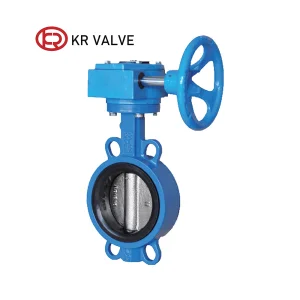
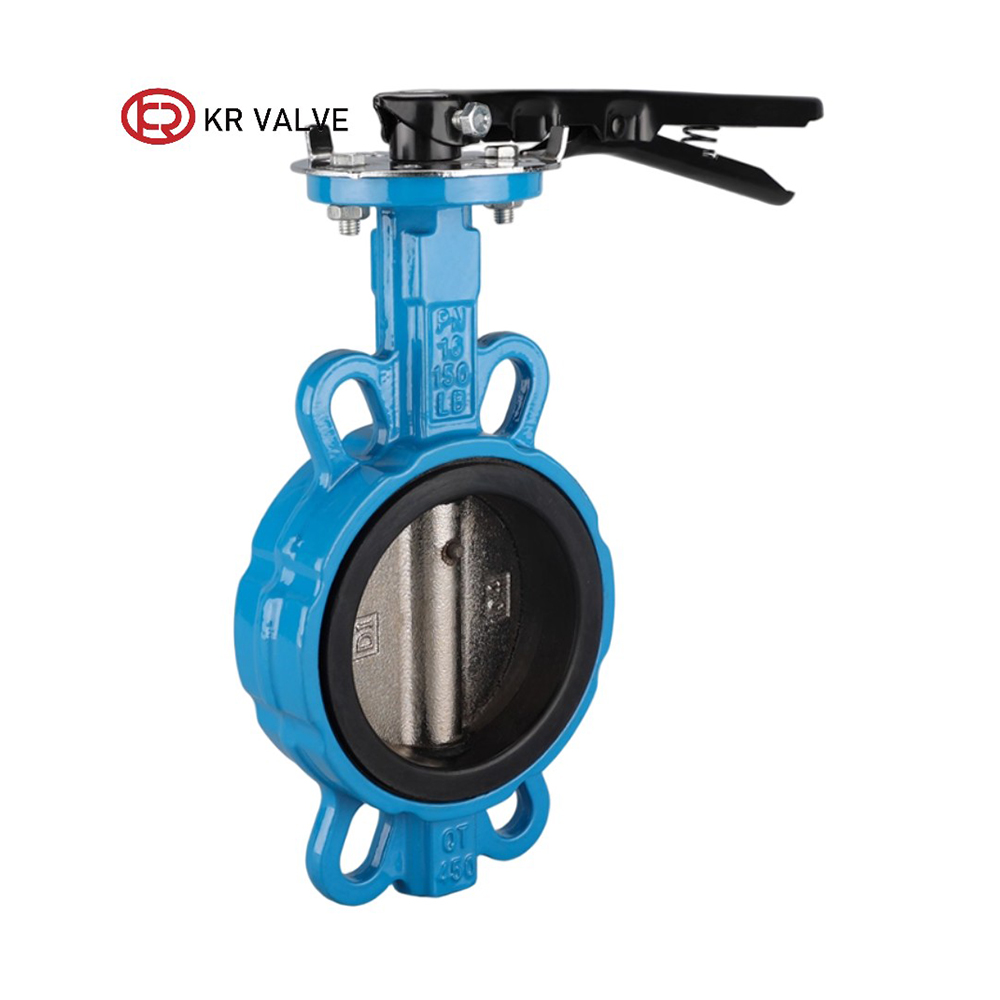
Wafer Butterfly Valve

Wafer Butterfly Valve Manual Malleable Cast Iron Handle DN100

Compact face-to-face dimensions, fast operation, and high-efficiency water and HVAC flow control.
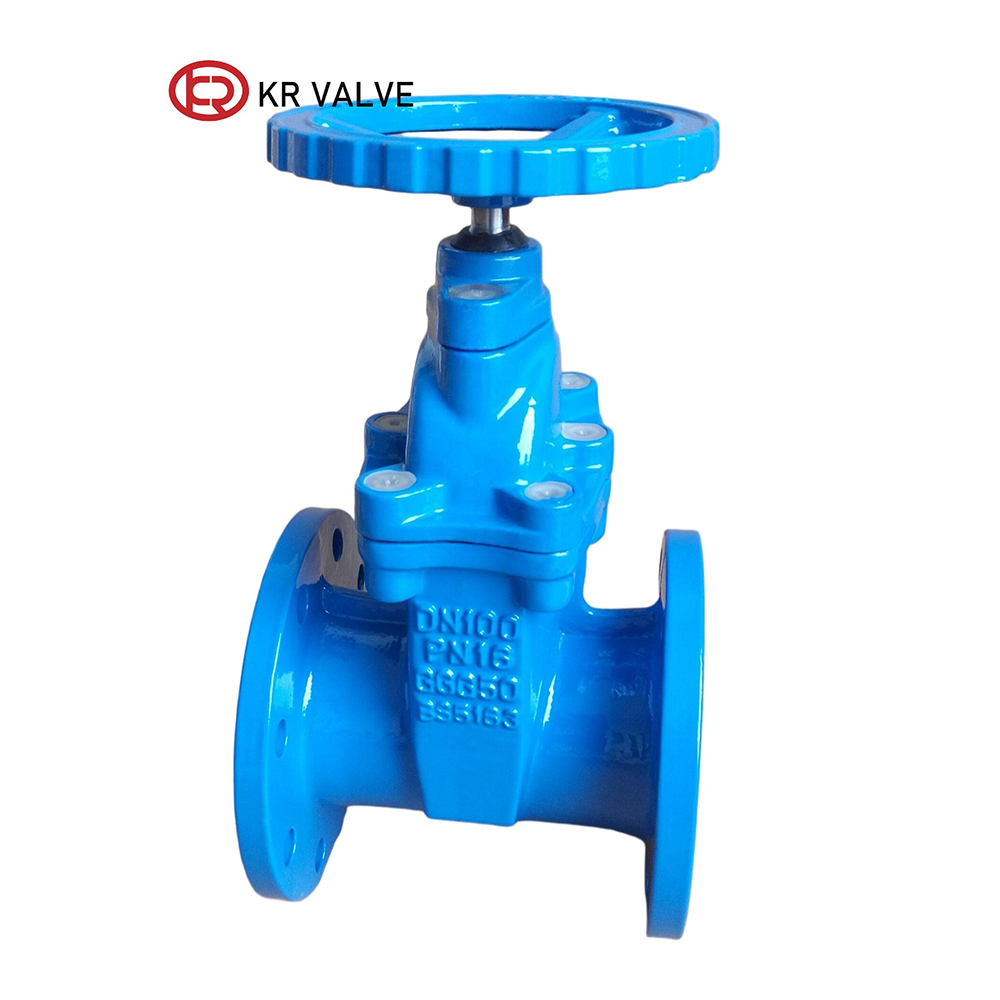
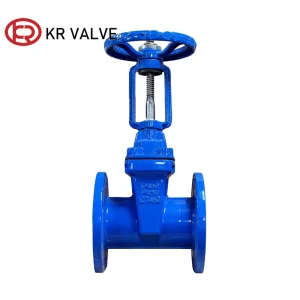
Non Rising Stem Gate Valve

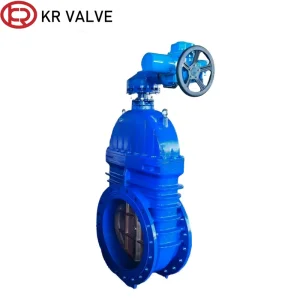
Non Rising Stem EPDM Soft Seal Gate Valve DIN F5 Standard

Resilient seated gate design ensuring complete isolating closure for drinking water grids.
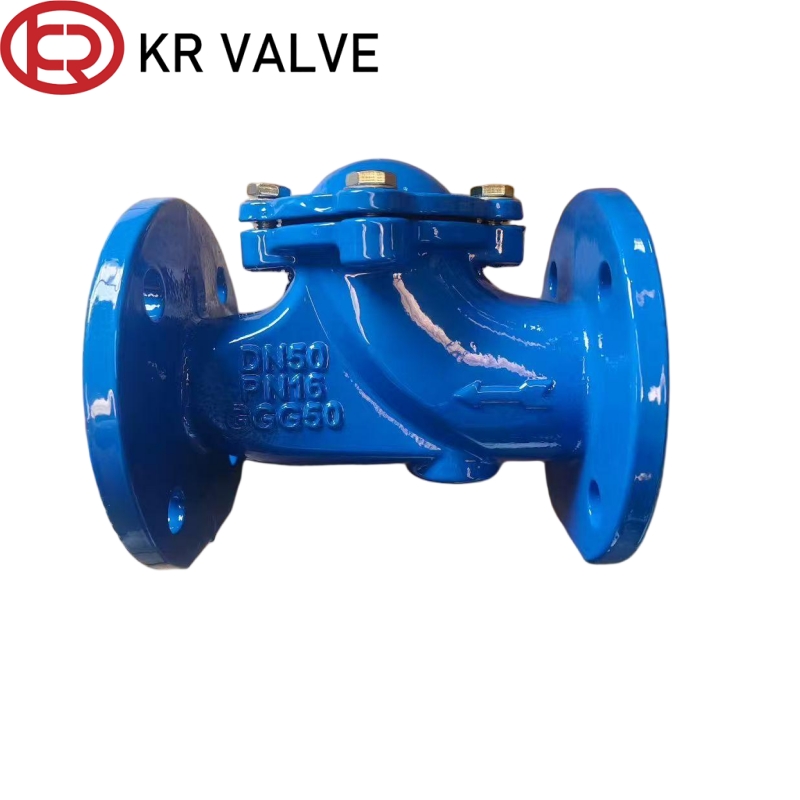
Ball Check Valve

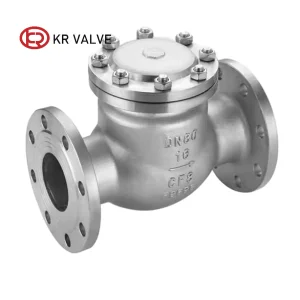
Ball check valve flange connection EPDM ball non return valve

Specifically designed for wastewater and high-viscosity media to prevent backflow and hammer.
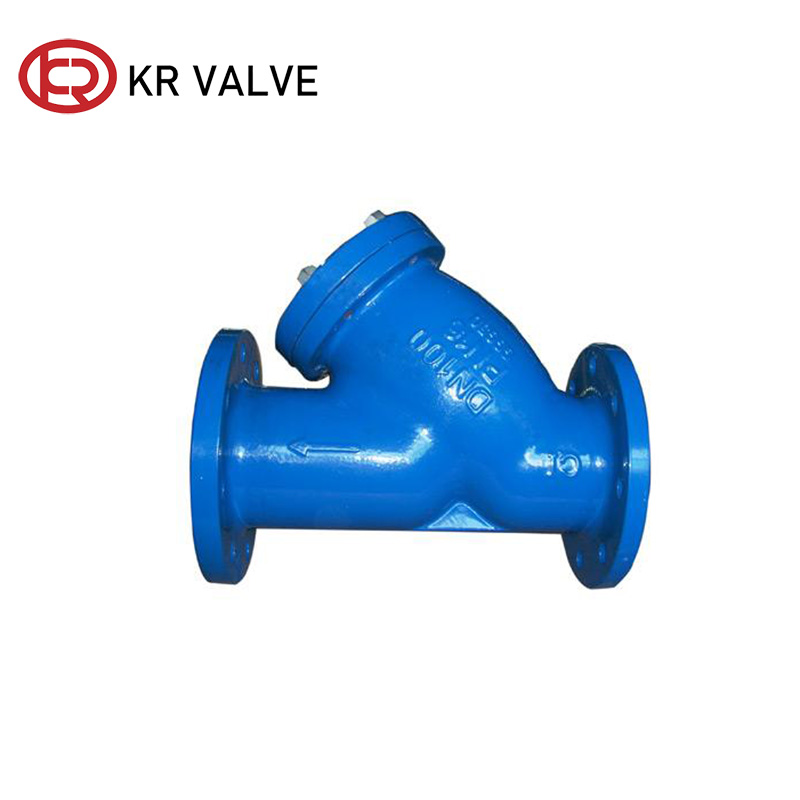
Y Type Strainer

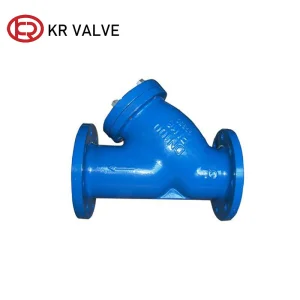
Ductile iron GGG40 Y type strainer with SS304 filter

Reliable debris and particulate separation to safeguard downline instrumentation and control valves.

Localized Application Scenarios & Proven Global Case Studies

Industrial flow control demands vary based on project scale, geographical challenges, and specific fluid chemistry. Below are key applications where our valves manage complex industrial processes:

1. Municipal Wastewater & Water Treatment Infrastructure

In municipal filtration plants and desalination facilities, corrosion represents a constant operational challenge. Our EPDM-lined gate valves and PTFE-lined wafer butterfly valves are designed to resist chloride-rich water, chemical dosing agents, and organic residues. This ensures municipal water systems operate continuously without fluid contamination or pressure drops.

2. Large-Scale Hydropower Dams & Reservoirs

Dam infrastructure requires heavy-duty control valves to handle high volumetric flow rates and dynamic pressure fluctuations. We supply large-diameter butterfly valves and remote control float ball valves configured to withstand hydraulic shock, preventing water hammer issues during emergency shutoffs.

3. Chemical Processing and Petrochemical Plants

Handling acids, caustic solutions, and hydrocarbons requires strict material integrity. Our wholesale stainless steel CF8M (SS316) ball valves provide chemical resistance, preventing systemic leaks and hazardous emissions in chemical lines.

Case Studies: Real-World Valve Performance

  • Chile Dam Hydroelectric Project: Supplied custom hydraulic water control valves designed for high pressure drop, managing structural flow control under severe operational loads.
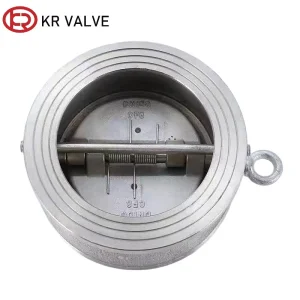
  • Italy Municipal Waterworks: Delivered large-diameter flanged butterfly valves and dual-plate wafer check valves, improving system flow rates and system energy efficiency.
  • Indonesia Sewage Treatment Plant: Supplied resilient seat gate valves and EPDM-sealed non-return valves, proving resistance to sludge abrasion and volatile chemical compounds.
  • Vietnam Chemical Refinery: Maintained stable process control using custom PTFE-lined corrosion-resistant valves under acidic environments.

Our Factory & Testing Demonstration Videos

Take a look inside our modern manufacturing facility, showing our precision assembly lines, automated machinery, and pressure testing rigs.
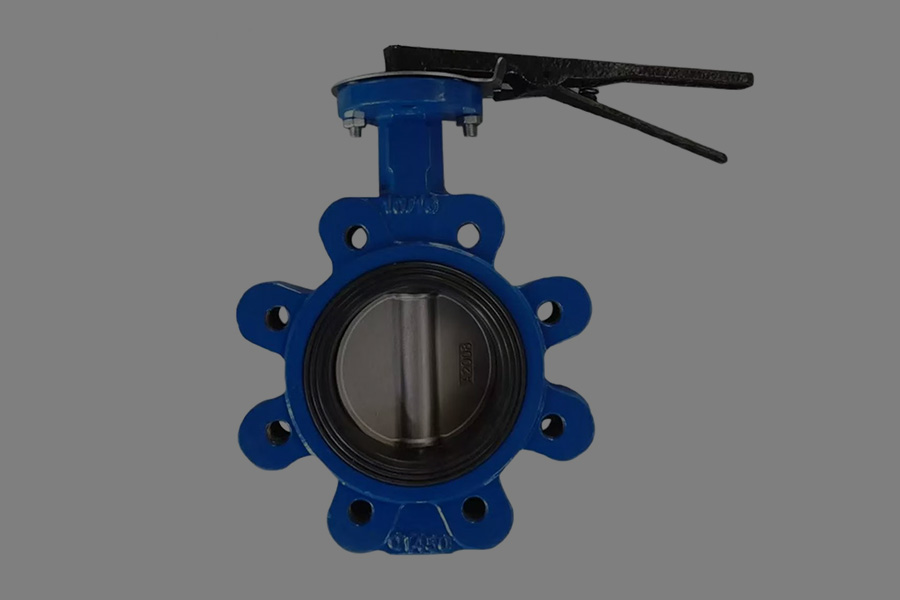
Valve Manufacturing Process Video Preview

Valve Precision Machining & Assembly Walkthrough
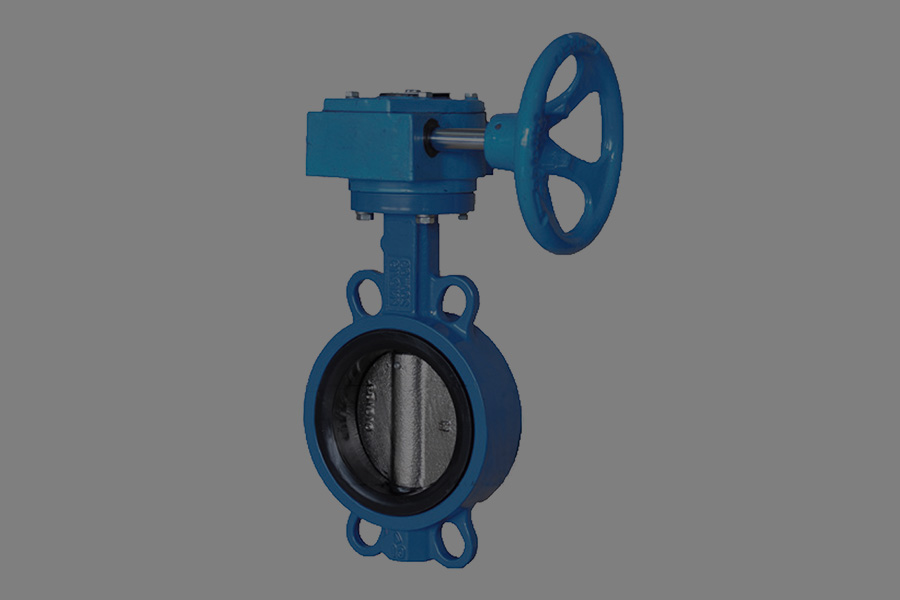
100% Leakage Inspection Test Video Preview

Hydrostatic & Pneumatic Quality Testing Procedures

Industrial FAQ: Floater Ball Valve Selection & Procurement

Answering technical and procurement questions for engineering and sourcing professionals.

Q1: What is the main design difference between a floating ball valve and a trunnion ball valve?
A1: In a floating ball valve, the ball is suspended in the fluid and moves slightly downstream under pressure, pressing against the downstream seat to create a seal. In a trunnion-mounted ball valve, the ball is fixed on pivots (trunnions), and the seats are spring-loaded to press against the ball. Floating designs are common for low to medium-pressure applications, while trunnion designs are used for larger sizes and high-pressure services.
Q2: How do you guarantee the seat material suits high-temperature processes?
A2: Standard PTFE is limited to roughly 180°C. For higher temperatures, we offer reinforced PTFE (RPTFE) up to 220°C, and PEEK or Devlon for high-pressure applications up to 260°C. For applications exceeding 260°C, we supply metal-seated ball valves with hardfaced coatings like tungsten carbide.
Q3: Do your floating ball valves meet Fire Safe standards?
A3: Yes, our OEM valves can be supplied with fire-safe certifications according to API 607 / ISO 10497. These valves feature auxiliary metal-to-metal seating designed to maintain isolation even if the primary soft elastomer seats decompose during a fire.
Q4: What testing standards are performed on every production batch?
A4: Every single valve is subjected to hydrostatic and pneumatic seat/shell leakage tests in compliance with API 598 or EN 12266-1. Material chemistry is verified using spectrometer testing to match relevant ASTM or DIN standards.
Q5: Can you provide custom valve dimensions and materials (OEM/ODM)?
A5: Yes. We customize valve designs to match non-standard face-to-face dimensions, specific media-compatible alloys (e.g., CF3M, Duplex Stainless, Monel), and custom mounting flanges for actuator integration.
Q6: What is the average lead time for wholesale global orders?
A6: Lead times vary based on the order size and material specifications. Standard cast steel or ductile iron valves are normally delivered in 25 to 40 days, while custom-engineered alloy valves typically require 45 to 60 days.
Q7: How do you prevent fugitive stem emissions in industrial gas pipelines?
A7: We utilize advanced live-loaded stem packing configurations using Belleville springs, chevron-style V-ring packing, and O-ring seals, ensuring compliance with fugitive emission standards like ISO 15848-1.
Q8: Do you provide design consulting for actuator sizing?
A8: Yes, our technical team calculates operating torques based on your differential pressure and medium conditions. We supply valves pre-configured with ISO 5211 mounting pads for pneumatic, electric, or hydraulic actuators.

Ready to Optimize Your Piping Project's Efficiency?

Get in touch with our engineering team today to request a quote, schedule a technical consultation, or discuss custom OEM specifications.

Request Technical Quote