Precision-engineered valves designed to match strict United States industrial standards and operational requirements.
The United States industrial sector is witnessing a sweeping infrastructure renaissance. Driven by federal funding mandates such as the Infrastructure Investment and Jobs Act (IIJA) and the Inflation Reduction Act (IRA), municipal authorities, commercial developers, and industrial operators are undertaking historic upgrades of water systems, pipeline infrastructure, and chemical plants. Amid this resurgence, the role of highly specialized fluid control mechanisms—most notably high-performance industrial valves—has never been more prominent.
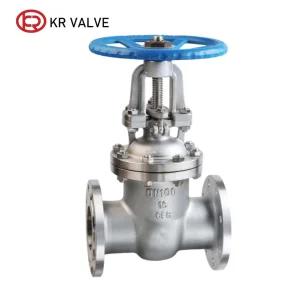
Modern applications in the United States require compliance with strict regulatory regimes. For potable water systems, compliance with NSF/ANSI 61 and NSF/ANSI 372 is mandatory to eliminate lead exposure risks. For commercial and municipal wastewater, operators seek resilient-seated gate valves that resist scale buildup and ensure zero bubble-tight leakage. In the chemical heartlands of the Gulf Coast, petrochemical and processing facilities demand chemical-resistant PTFE-lined ball valves and severe-service metal-seated gate valves that can withstand corrosive hydrocarbons at extreme temperatures.
Industrial procurement departments are no longer looking simply for low unit-costs. They seek partners that understand ASME B16.34 wall thickness compliance, API 598 inspection standards, and AWWA C515 thin-walled resilient-seated gate valve specifications. Disruptions in the global logistics network over the last few years have reshaped inventory policies; US distributors now prioritize suppliers with robust supply chains, consistent casting quality, and rapid custom engineering turnarounds.
For decades, China's valve manufacturing industry focused on high-volume production. Today, the sector has transitioned to **China Factory 4.0**—a paradigm defined by automated robotic foundries, multi-axis CNC machining centers, computerized dimensional checking, and strict zero-leakage pressure test benches.
This digital evolution directly benefits United States procurement. Automated machining guarantees precise tolerances for valve seats, disc geometry, and stem alignment, eliminating the variability common in manual casting operations. Furthermore, modern material analysis, including Optical Emission Spectrometry (OES), ensures that ductile iron (GGG40/50), carbon steel (WCB), and stainless steel (CF8/CF8M) meet international metallurgical standards.
Supply chain resilience is maintained through computerized resource planning. Advanced production scheduling links raw material procurement directly with casting and machining, enabling manufacturers to adjust schedules dynamically to changing global shipping deadlines. This ensures stable production timelines even during periods of heavy international demand.
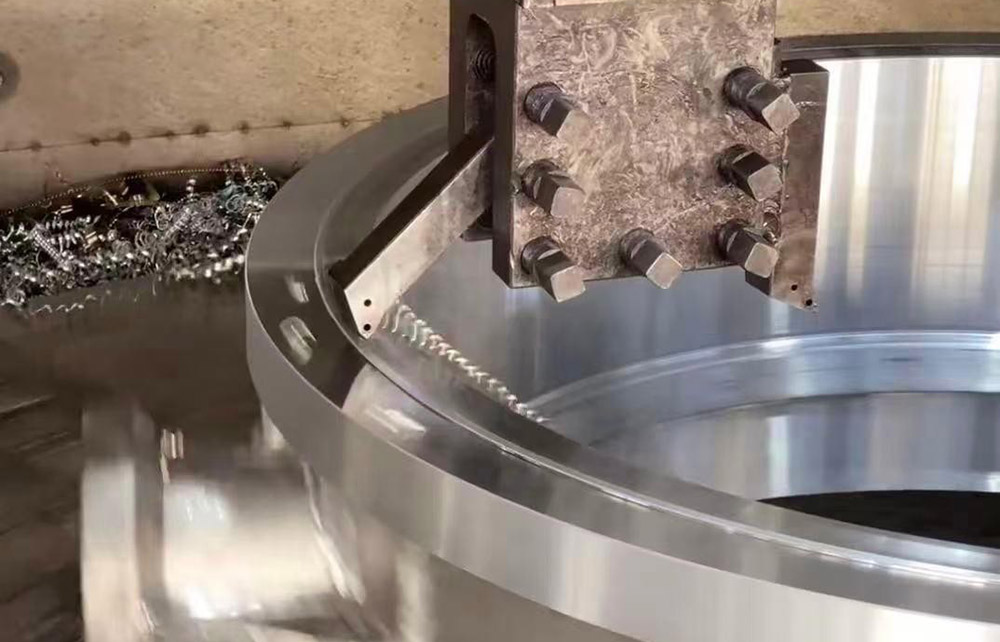
Multi-axis CNC centers guarantee mechanical tolerances down to the micrometer, ensuring reliable seat seals and lower wear over thousands of cycles.
Every single valve undergoes rigorous hydrostatic shell and seat pressure testing in accordance with ISO 5208 and API 598 prior to shipping.
Full conformance documentation to international standards (ANSI, DIN, BS, AWWA, ISO) is provided for municipal and industrial verification.
Fluid dynamics solutions are inherently tied to regional topography, industrial activities, and local regulations. Selecting the right valve configuration requires mapping product capabilities directly to these localized operating environments:
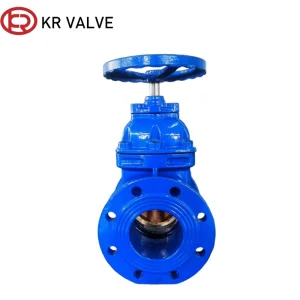
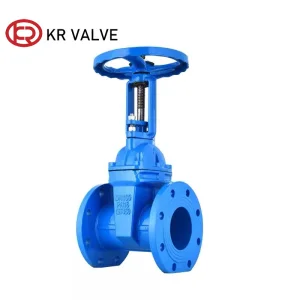
Water networks in cities like Chicago and Philadelphia feature deep, complex configurations. Resilient-seated gate valves conformant to **AWWA C509/C515** and **BS5163** standards are widely utilized. Resilient seats protect against scale buildup and microbial accumulation, while robust exterior coatings prevent structural corrosion from wet environments.
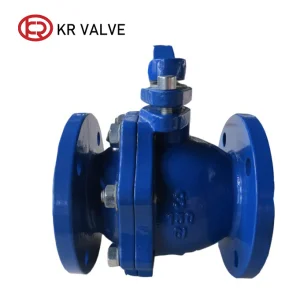
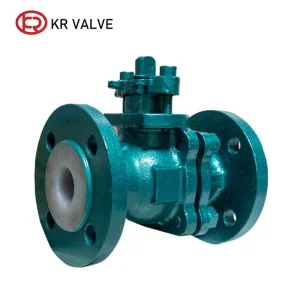
Chemical processing operations along the Texas and Louisiana coasts rely on chemical-resistant, tight-shutoff designs. For these highly corrosive applications, **OEM Full PTFE Lined Ball Valves** with durable cast steel bodies provide reliable, long-term performance. The low friction and chemical inertness of the fluoropolymer lining protect against stress corrosion cracking and prevent aggressive media from degrading structural valve components.
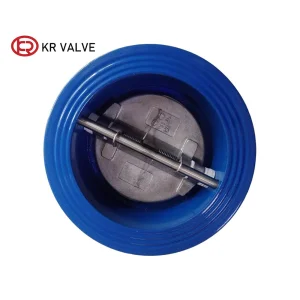
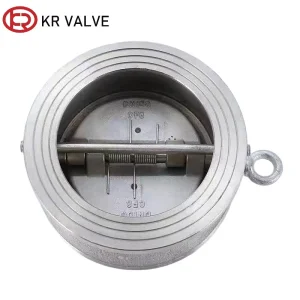
Commercial building high-rises in New York, Seattle, and Atlanta demand efficient flow distribution and space-saving profiles. Concentric resilient seated wafer and lug butterfly valves, alongside **Dual Plate Wafer Spring Check Valves**, minimize pipeline weight while preventing water-hammer related backflows in tall cooling tower risers.
Supporting complex industrial projects with reliable quality, structured manufacturing processes, and comprehensive post-sales engineering support.
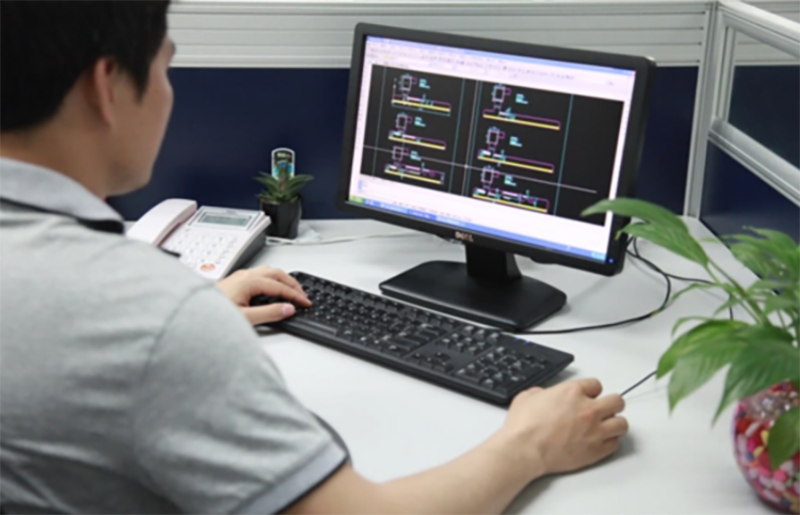
Our engineering department develops continuous design innovations and custom flow control profiles using modern CFD simulation and testing laboratories.
Equipped with 15 advanced machining centers and organized assembly lines, our ISO 9001 facility ensures consistent quality and dependable delivery schedules.
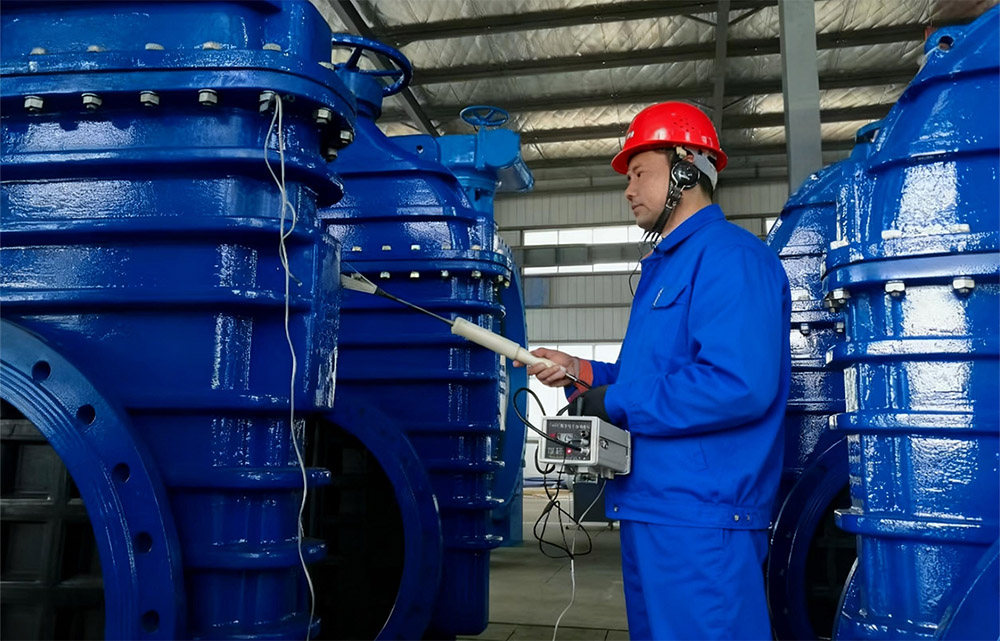
We perform full hydrostatic and physical measurements on every production batch, ensuring zero-leakage performance before shipment.
Providing reliable performance in critical municipal and industrial engineering projects worldwide.
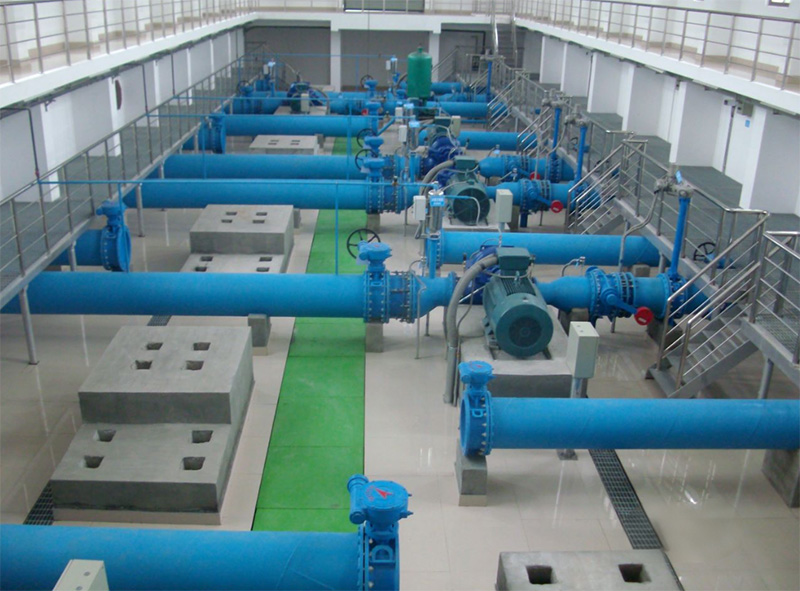
Supplied high-diameter Concentric Butterfly Valves and Dual Plate Check Valves to municipal municipal water treatment loops, achieving complete system reliability.
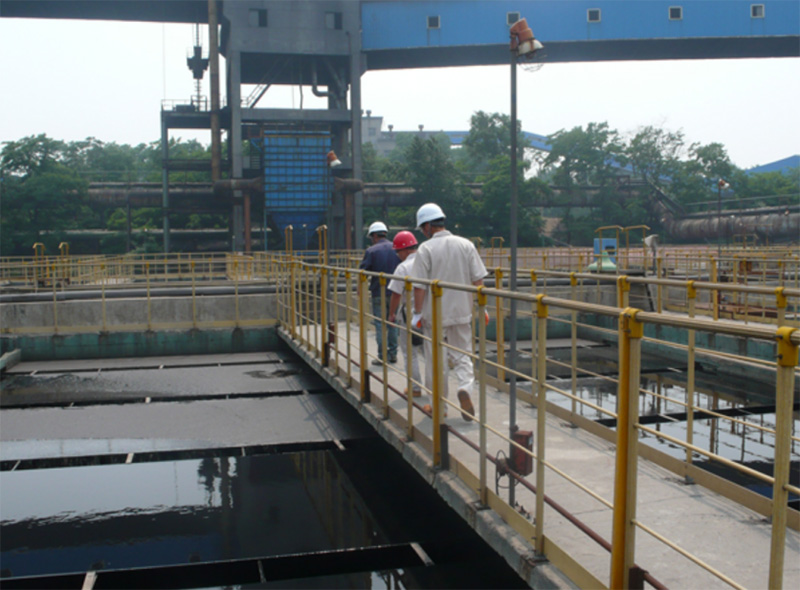
Delivered customized corrosion-resistant resilient seated gate valves and water control systems for biological wastewater filtration basins.
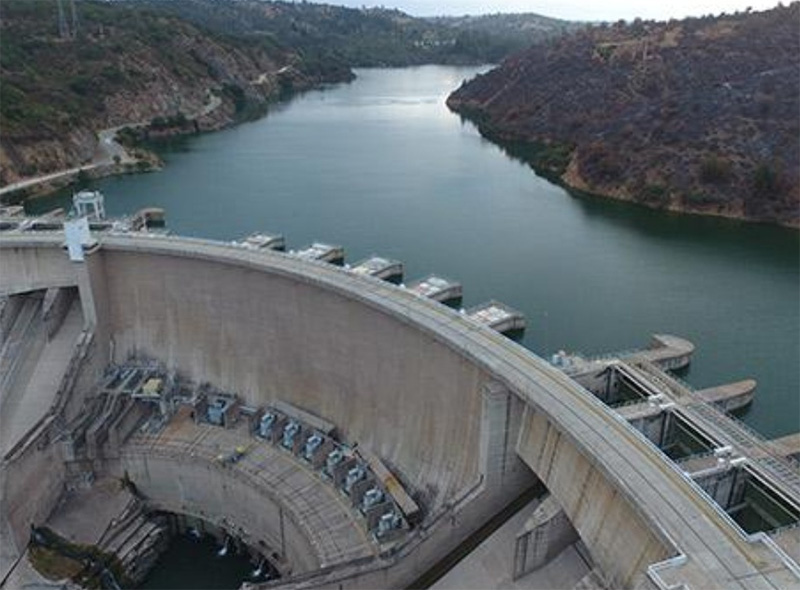
Engineered and supplied robust Hydraulic Control Valves and high-pressure Gate Valves built to withstand variable hydraulic pressure cycles.
Essential technical guidance for engineering, procurement, and site management professionals.
Browse our extended product selection, featuring specialized designs for diverse flow control applications.
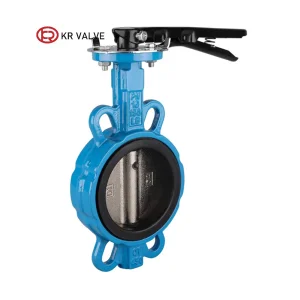
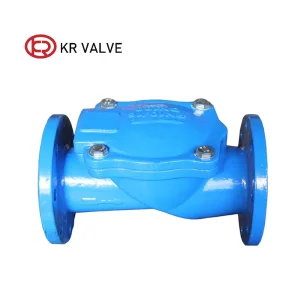
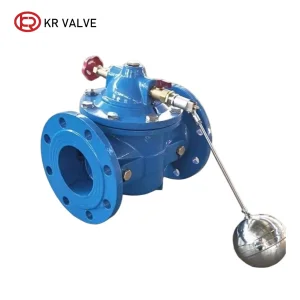
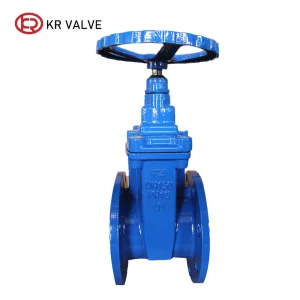
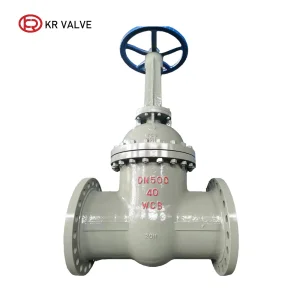
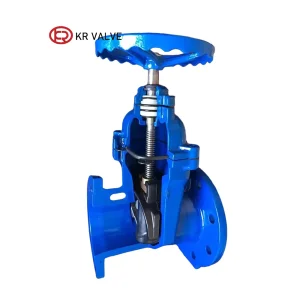
Specialized control mechanisms engineered for demanding pressure thresholds and chemical applications.
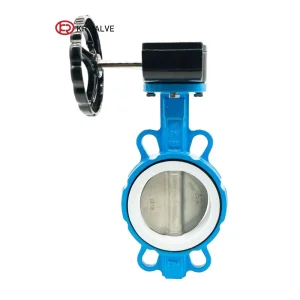
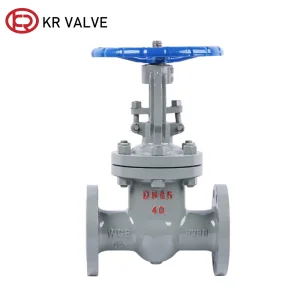
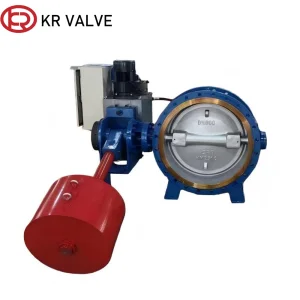
Connect with our engineering specialists to coordinate custom dimensional designs, compliance documentations, and competitive shipping plans to the United States.
Send Inquiry Now KR VAVLE