 KR VAVLE
1 / 2
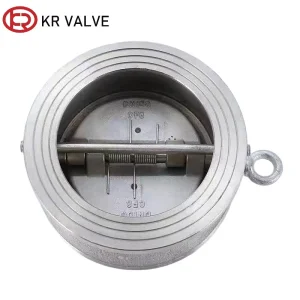
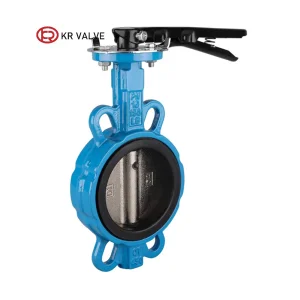
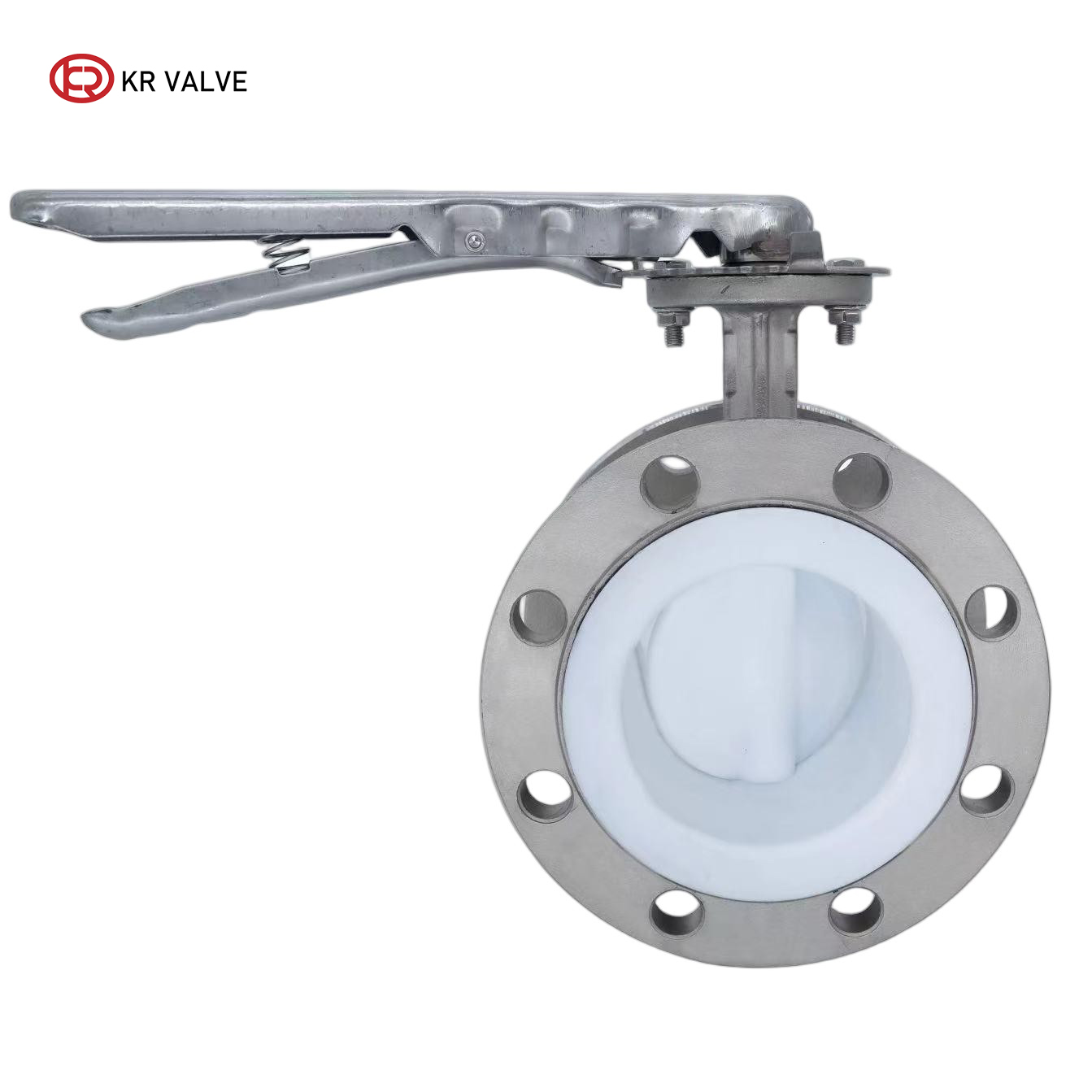
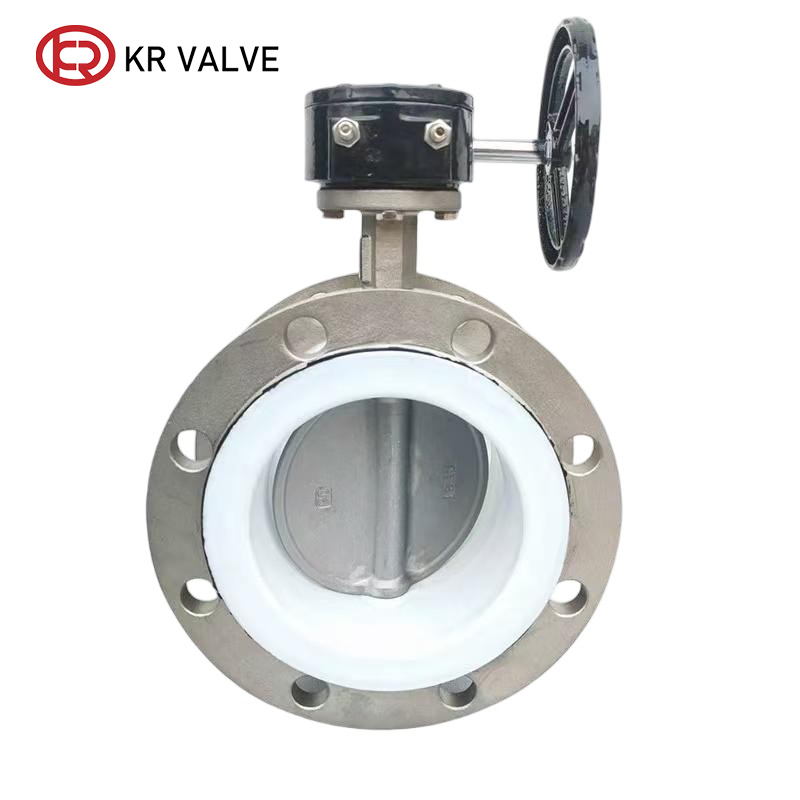
| Valve Type: | Flange butterfly valve | Structure: | Concentric |
| Standard: | EN593 | Workmanship: | Investment casting |
| Sealing Direction: | Bidirectional | Sealing Grade: | Zero leakage |
| Temperature: | -20°C < T < 120°C | Operation: | Handle / Lever |
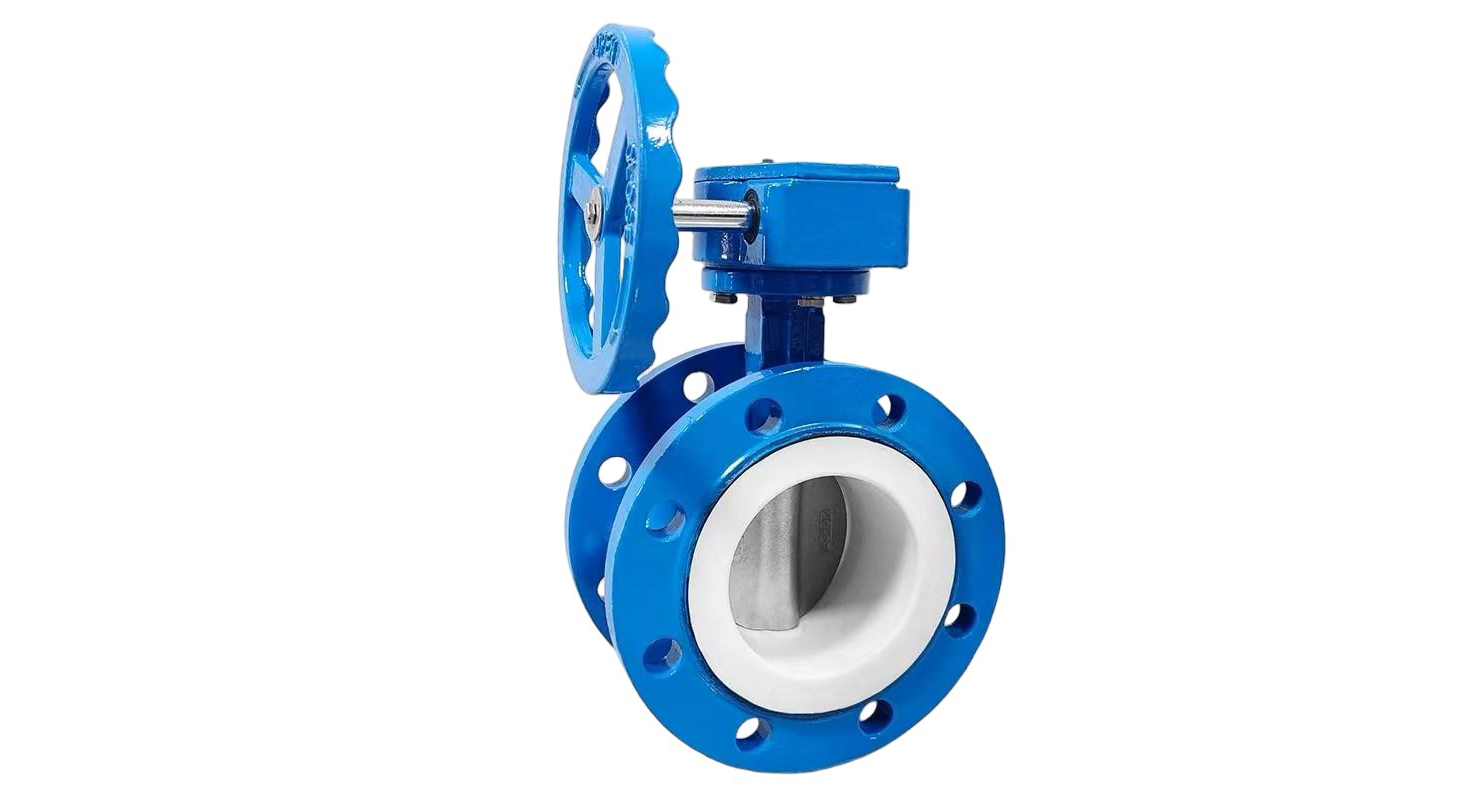
The valve seat is made of PTFE material, which has extremely low friction coefficient, excellent chemical stability, and good self-lubricating properties, and can effectively resist corrosion from various strong acids, strong bases, and organic solvents.
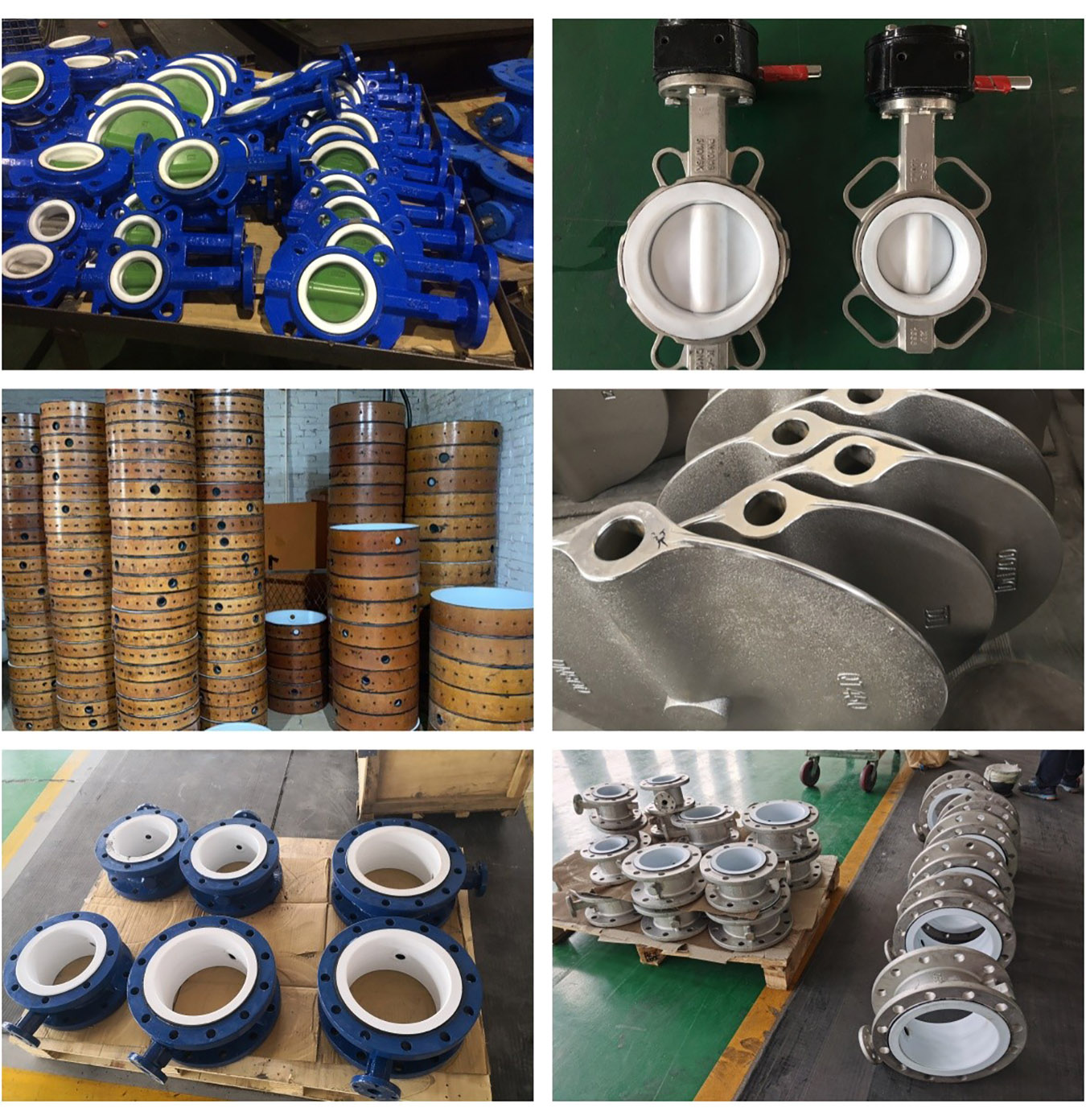
The midline structure allows the butterfly plate to be concentric with the valve seat throughout the entire process, and with the excellent fit of the PTFE valve seat, it can achieve bi-directional pressure sealing without distinguishing the flow direction of the medium, making installation more flexible. The low friction coefficient and elastic compensation ability of PTFE can effectively counteract the small deformation of the butterfly plate, easily achieve zero leakage sealing level, and meet the high requirements for medium leakage prevention in industries such as chemical and pharmaceutical.
The valve body and butterfly plate are made of 304/316 stainless steel material, which is resistant to oxidation, acid and alkali. PTFE valve seats have extremely strong chemical stability and do not react with the vast majority of strong acids, strong bases, and organic solvents. The combination of the two can withstand the erosion of corrosive media (such as acid and alkali solutions, salt spray, organic solvents) and high-purity media (such as food and beverage, pharmaceutical raw materials), and is suitable for working conditions far beyond ordinary carbon steel or rubber valve seat butterfly valves.
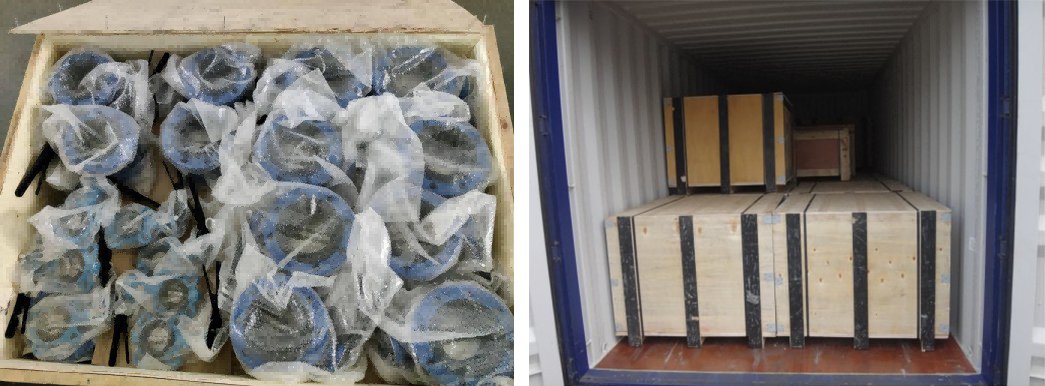
Widely used in pipeline systems in industries such as chemical, petroleum, pharmaceutical, food, and environmental protection, especially suitable for handling highly corrosive and high-purity fluid media, such as various acid-base solutions, organic solvents, food and beverages, etc.