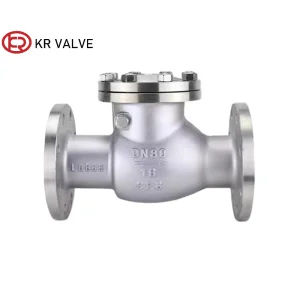
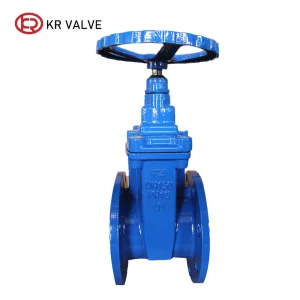
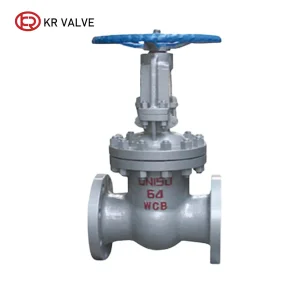
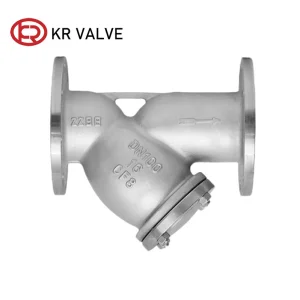
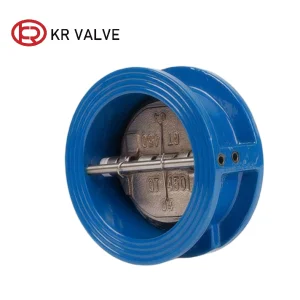
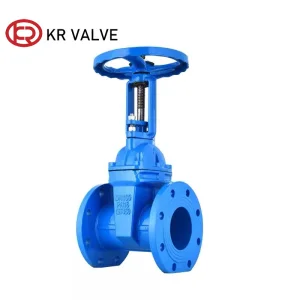
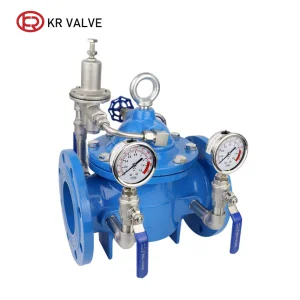
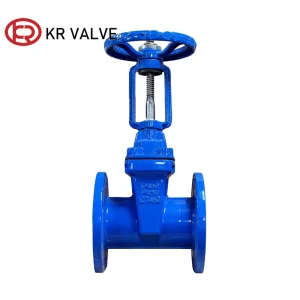
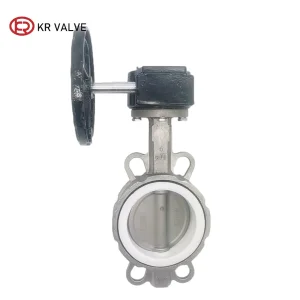
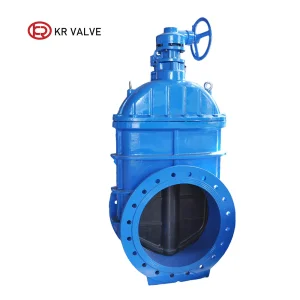
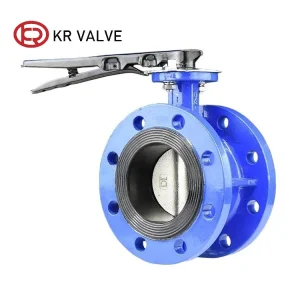
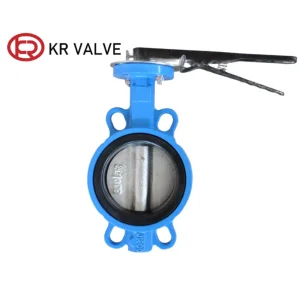
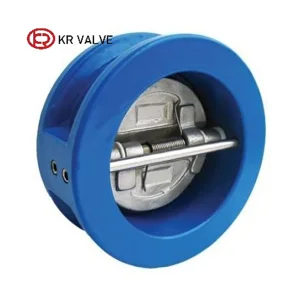
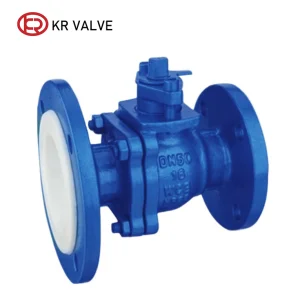
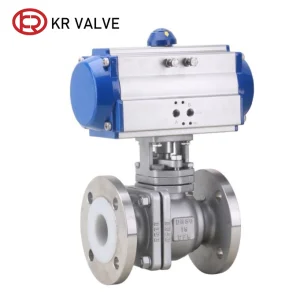
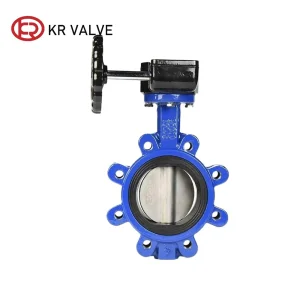
Premium customizable concentric resilient lug butterfly valves, high-pressure check valves, and resilient seated gate valves built for heavy industrial, water purification, and commercial installations.
KR possesses over 20 years of experience in engineering, manufacturing, and supplying high-performance standard and non-standard industrial valves. We specialize in configuring flow solutions tailored to the critical parameters of chemical processing plants, commercial infrastructure, municipal water distribution, dam constructions, and regional energy grids.
Our expansive product portfolio spans across 20 distinct series and encompasses more than 500 varieties of flow equipment including concentric and eccentric butterfly valves, metal-to-metal gate valves, dual-plate check valves, and intelligent water control regulators. With design customization at our core, we maintain an outstanding repeat purchase rate, establishing reliable partner alignments in over 50 countries globally.
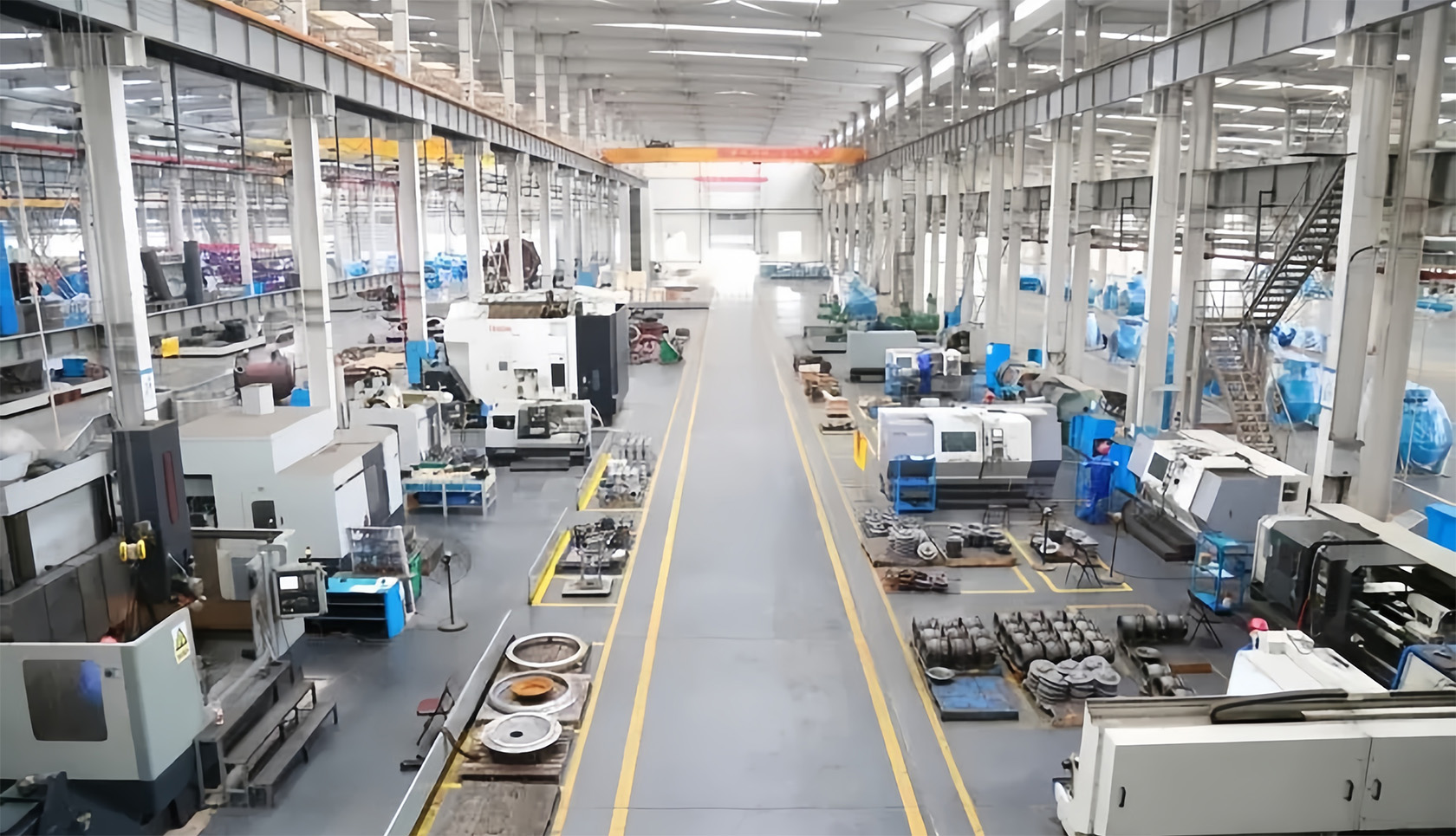
From custom blueprints to computer-controlled machining and ultimate testing, our operations prioritize zero leakage and high operational integrity.
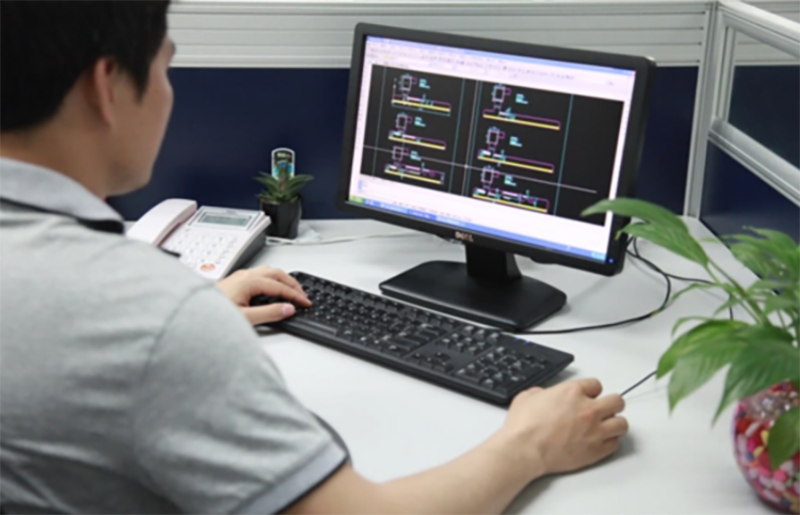
Our specialized R&D division continuously innovates to meet extreme pressure and temperature demands. Backed by modern fluid analysis labs, we simulate dynamic hydraulic forces to refine disc profiles, lower torque coefficients, and elevate cycle endurance.
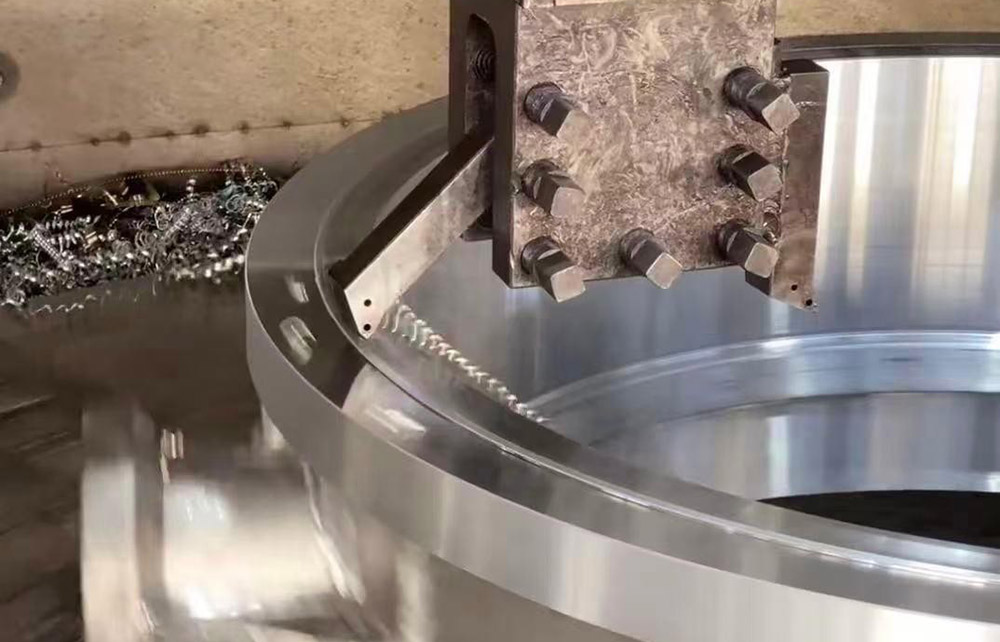
Operating under strict ISO-9001 quality guidelines, our shop is equipped with over 30 modern machining stations and dedicated assembly systems. We program flexible batch processes to fulfill custom requests on time, adjusting inventory monthly to optimize logistics.
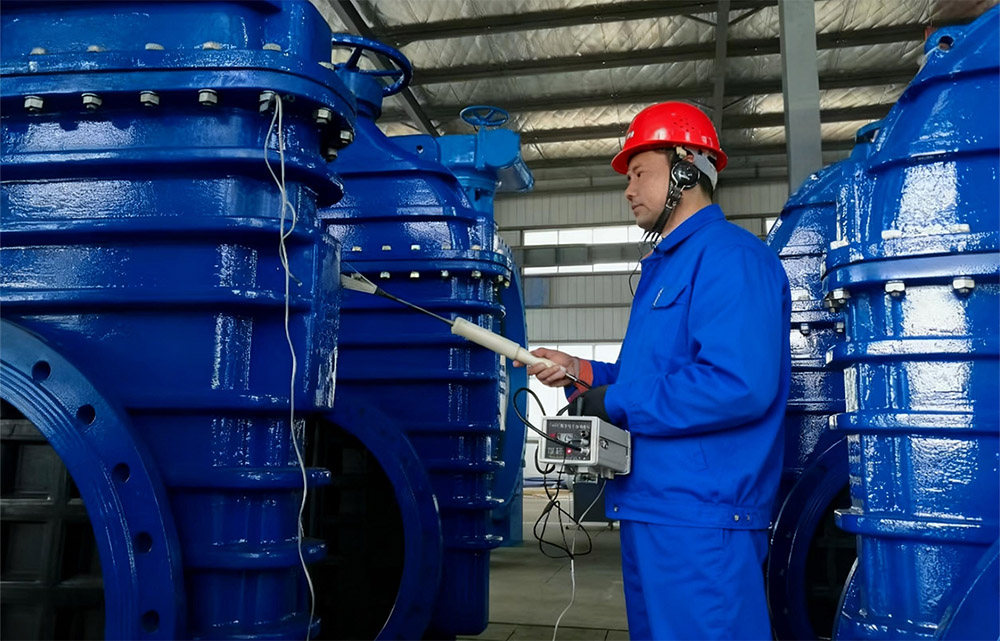
Every single valve undergoes rigorous dimensional, aesthetic, and structural seat/shell pressure test phases following API 598 or EN 12266-1 guidelines. We target absolute zero leakage and supply certified chemical and physical reports for complete trace documentation.
Providing custom OEMs, distributors, and EPC contractors with professional sourcing pathways, quality control, and technical support.
We supply products under our own independent 'KR' trademark and offer custom OEM layout patterns, casting nameplates, and specialized paint colors for global valve distributors.
Our machining facility operates 15 precision lathes, vertical machining centers, and automated sub-assembly paths manned by a highly skilled team of mechanical technicians.
We build to major international standards (ANSI, BS, DIN, JIS, AWWA) and offer unique customized dimension extensions, specialized lining setups, and actuation adaptations.
From the raw castings to final testing, we check chemical compositions, perform tensile tests, verify coating thicknesses, and perform cycle tests under high pressure.
We control costs through in-house machining, assembly, and testing. This efficient production chain allows us to offer competitive rates without compromising raw material quality.
Our engineering support team is available 24/7. We help select materials, analyze dynamic flow parameters, calculate actuator torques, and assist with remote site installation.

Every valve component undergoes rigorous quality control to ensure zero leakage and long operational life, helping you avoid costly downtime.
The 8-inch (DN200) butterfly valve is a critical size in industrial piping systems, balancing high volume capacity with a compact footprint. Globally, municipal wastewater processing, marine cargo systems, chemical transportation, and heavy cooling networks rely on 8" valves for reliable isolation and basic throttling control. When sourcing DN200 butterfly valves, procurement teams must analyze operational life costs, sealing fatigue, pressure drop coefficients (Cv values), and actuator torque requirements.
Modern procurement strategies are shifting from buying standard valves to sourcing custom configurations. Factors such as chemical composition, corrosive cleaning cycles, and abrasive slurries require custom body castings (e.g., GGG40, WCB, CF8M) and tailored elastomer liners (EPDM, PTFE, Viton). Investing in the correct customized liner and disc material prevents early seal failure, reduces downtime, and lowers long-term maintenance costs.
The performance of a butterfly valve depends heavily on the compatibility of its seat material with the fluid, pressure, and temperature of the system. Choosing the wrong elastomeric compound can lead to seat swelling, tearing, or chemical degradation, resulting in internal leakage or stuck discs. We offer custom materials engineered for specific applications:
| Seat Liner Material | Optimal Temperature Limits | Chemical Resistance & Fluid Suitability | Typical Industrial Applications |
|---|---|---|---|
| EPDM (Food Grade / Standard) | -20°C to +120°C | Excellent resistance to water, dilute acids, alkalis, and saline solutions. Unsuitable for petroleum-based fluids. | Municipal water grids, HVAC systems, wastewater treatment, aquaculture. |
| PTFE (Virgin / Reinforced) | -30°C to +200°C | Excellent chemical resistance. Inert to nearly all acids, solvents, and reactive chemicals. | Chemical manufacturing, food and beverage processing, pharmaceutical production. |
| NBR (Nitrile) | -10°C to +90°C | Excellent resistance to oils, hydrocarbons, hydraulic fluids, and grease. Moderate wear resistance. | Petrochemical pipelines, fuel transport systems, lubrication lines. |
| Metal-to-Metal / Stellite | -196°C to +600°C | High wear resistance for extreme temperature cycles and abrasive fluids. Requires eccentric mechanics. | Steam lines, power generation, refining, and mineral processing slurries. |
Industrial piping systems are increasingly adopting digital control and automation. As automated processes require precise feedback, custom 8" butterfly valves are designed with ISO 5211 direct mounting pads to easily integrate with pneumatic, electric, and electro-hydraulic actuators. Aligning torque specifications is a key engineering challenge. Operating torque is affected by differential pressure, fluid viscosity, and the friction coefficient of the seat liner. Over-sizing an actuator increases initial costs, while under-sizing can lead to incomplete closures or operational failures.
Our custom valves operate reliably across diverse environments, from South American municipal grids to European water distribution networks.
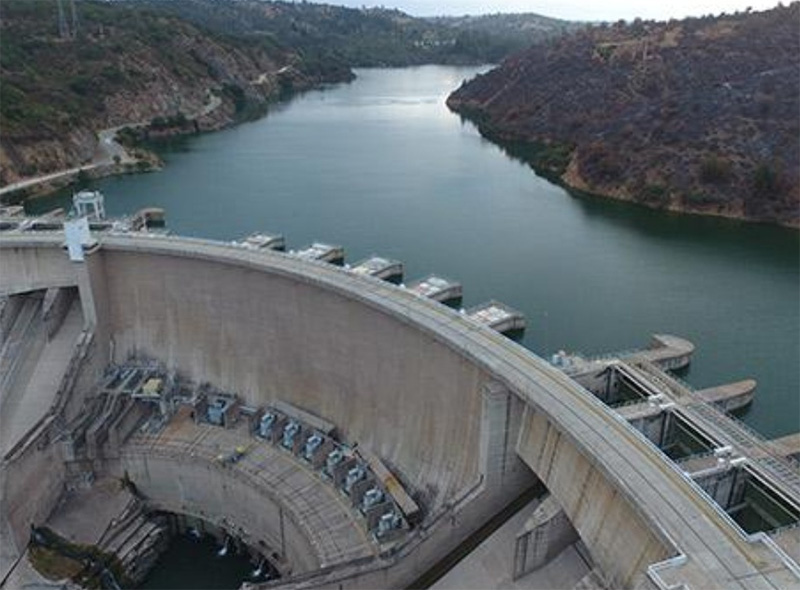
KR supplied custom hydraulic water control valves designed for high pressure and rapid shut-off to manage high-volume flows and protect downstream installations.
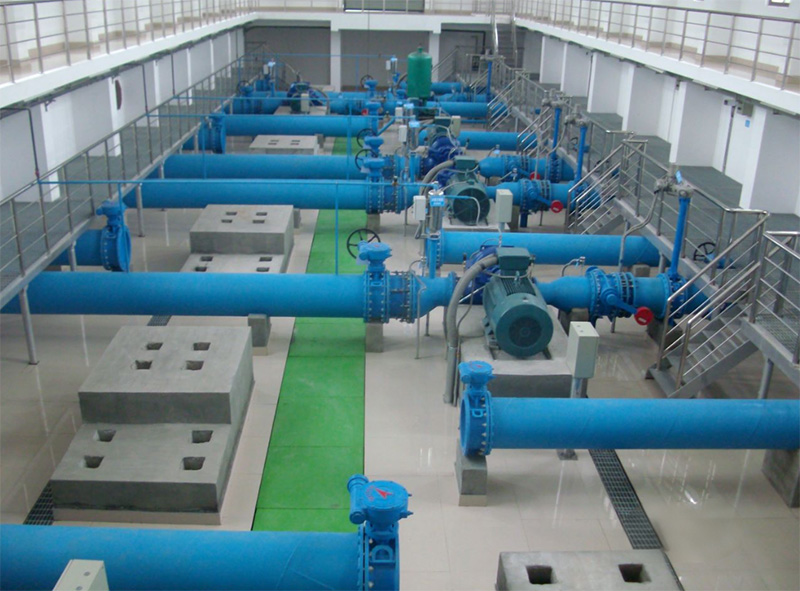
Sourced and delivered large-diameter 8" and 12" resilient seated butterfly valves and check valves, minimizing pressure loss and ensuring long-term municipal reliability.
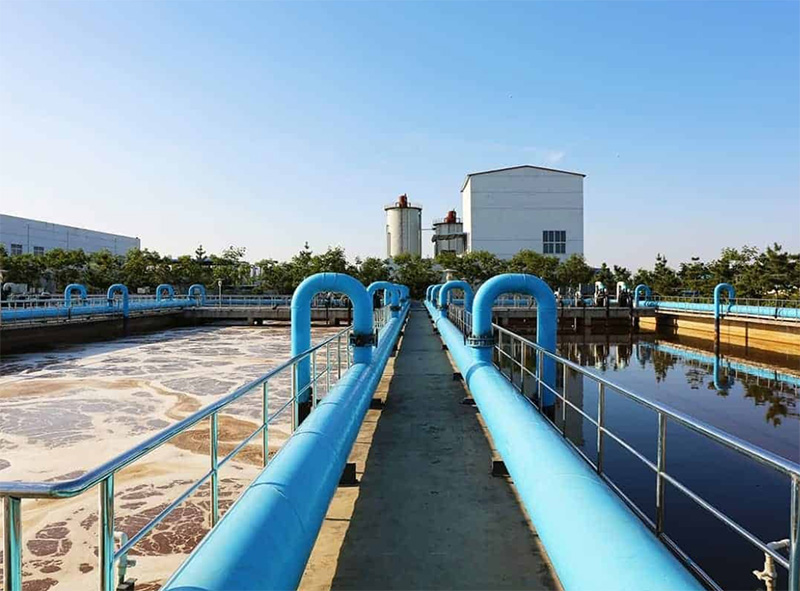
Supplied robust butterfly and gate valves with anti-abrasive polyurethane coating and reinforced discs to handle thick sludge with minimal wear.
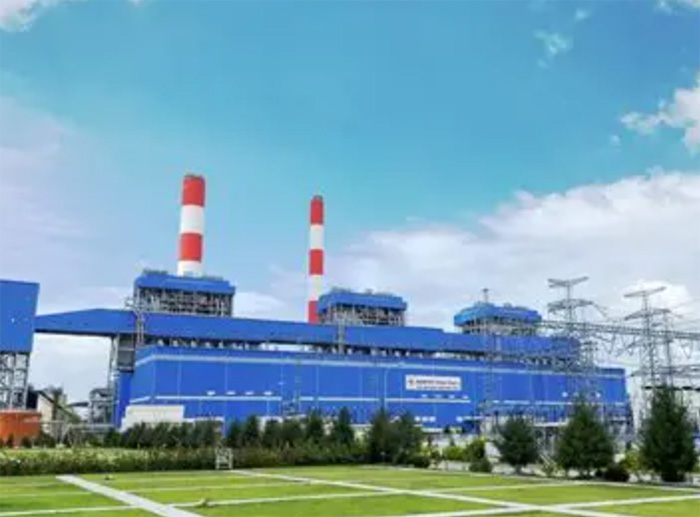
Supplied chemical-resistant valves lined with virgin PTFE, protecting pipelines against acids, organic compounds, and corrosive process chemicals.
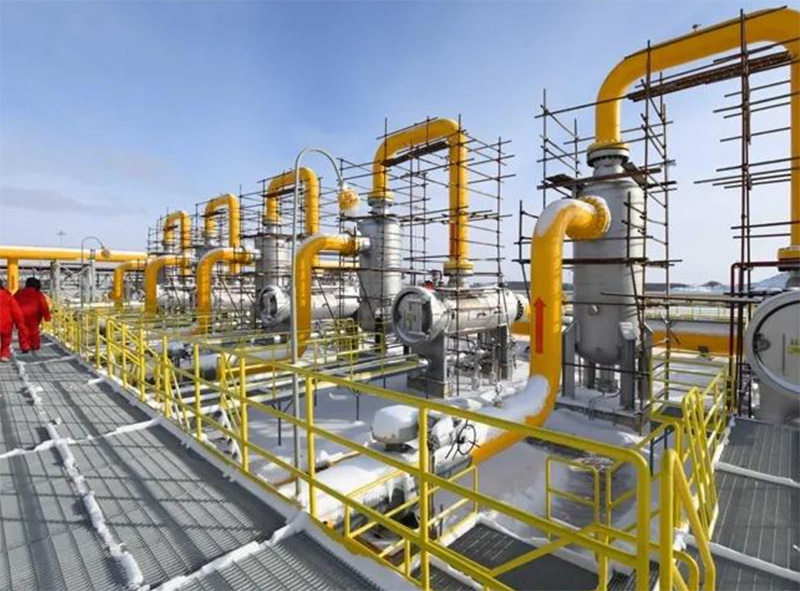
Delivered high-strength cast steel gate and ball valves engineered for reliable operation in extreme cold environments down to -40°C.
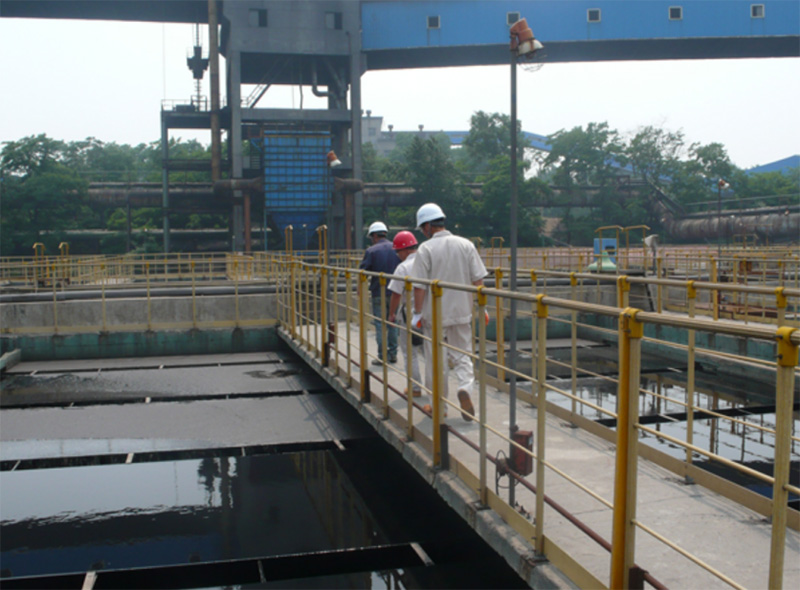
Supplied EPDM-lined concentric wafer butterfly valves and non-rising stem gate valves to ensure reliable flow control and zero leakage in municipal wastewater processing.
Explore our industrial production capacity, specialized machinery setups, and high-performance testing operations.
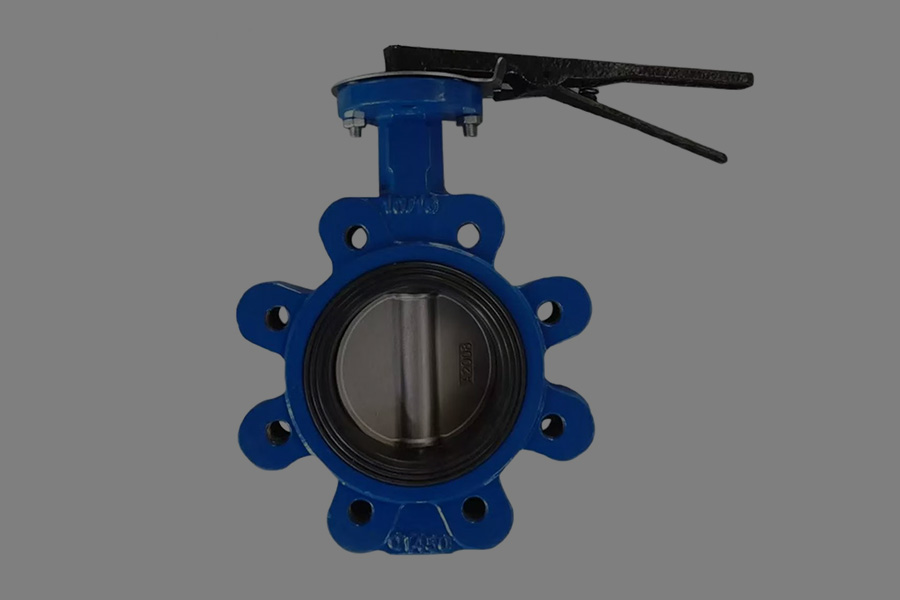
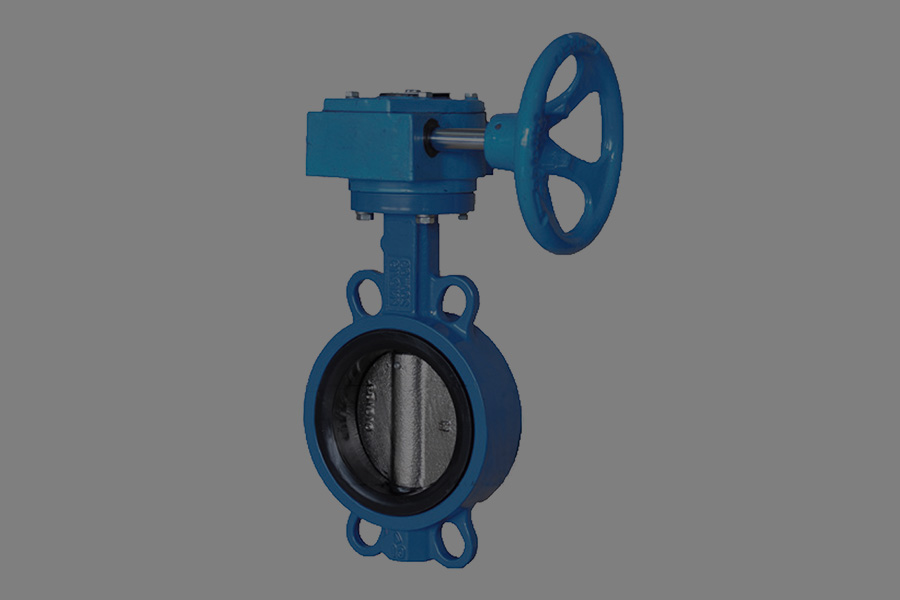
Explore our primary product categories, engineered for reliable performance across a wide range of industrial applications.
Technical guidance and answers to common queries for industrial piping engineers and purchasing managers.
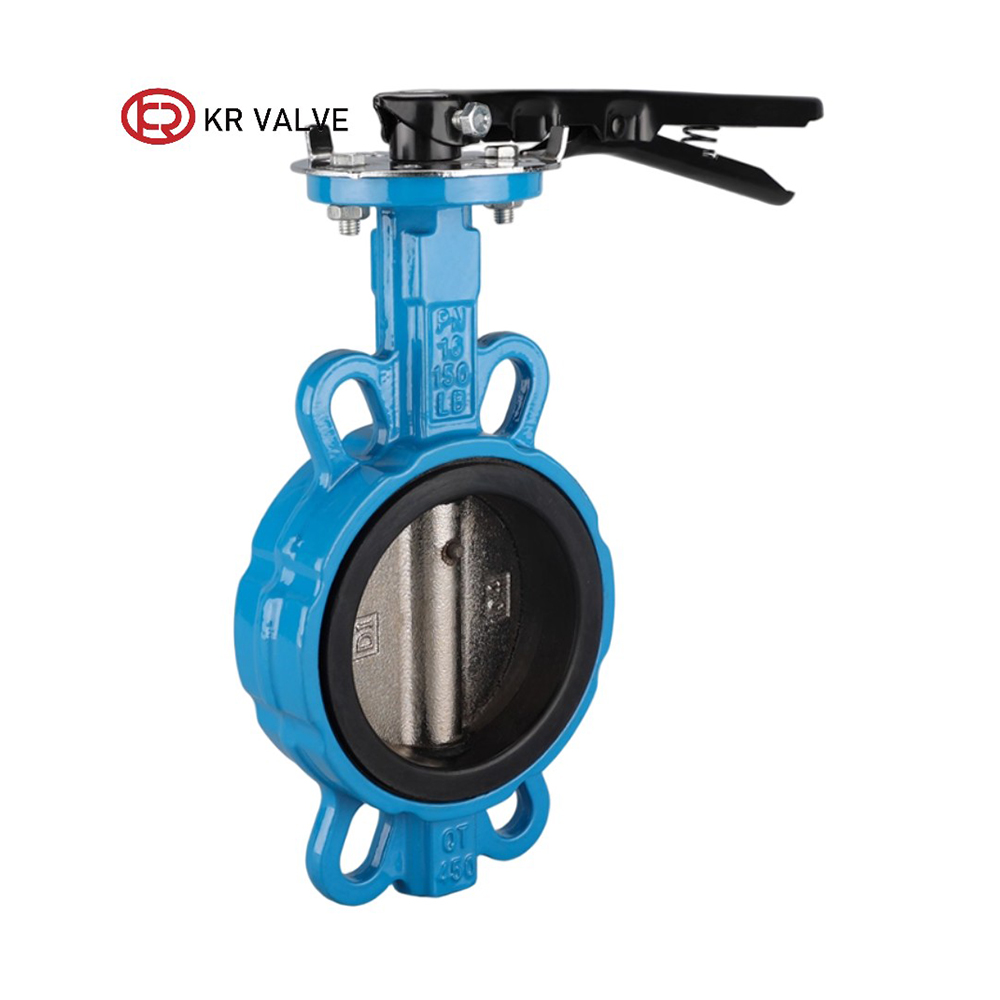
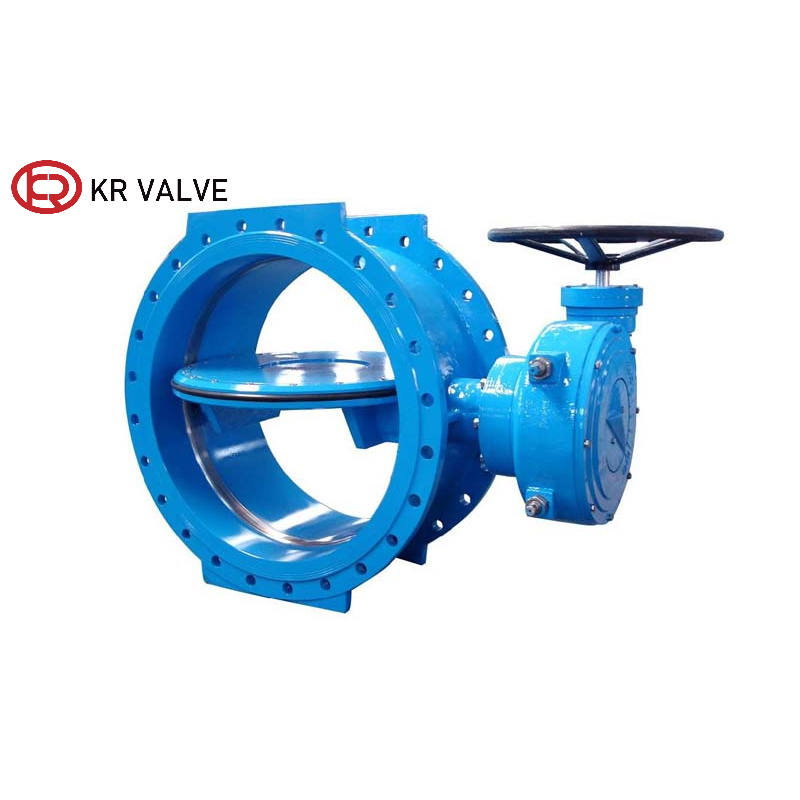
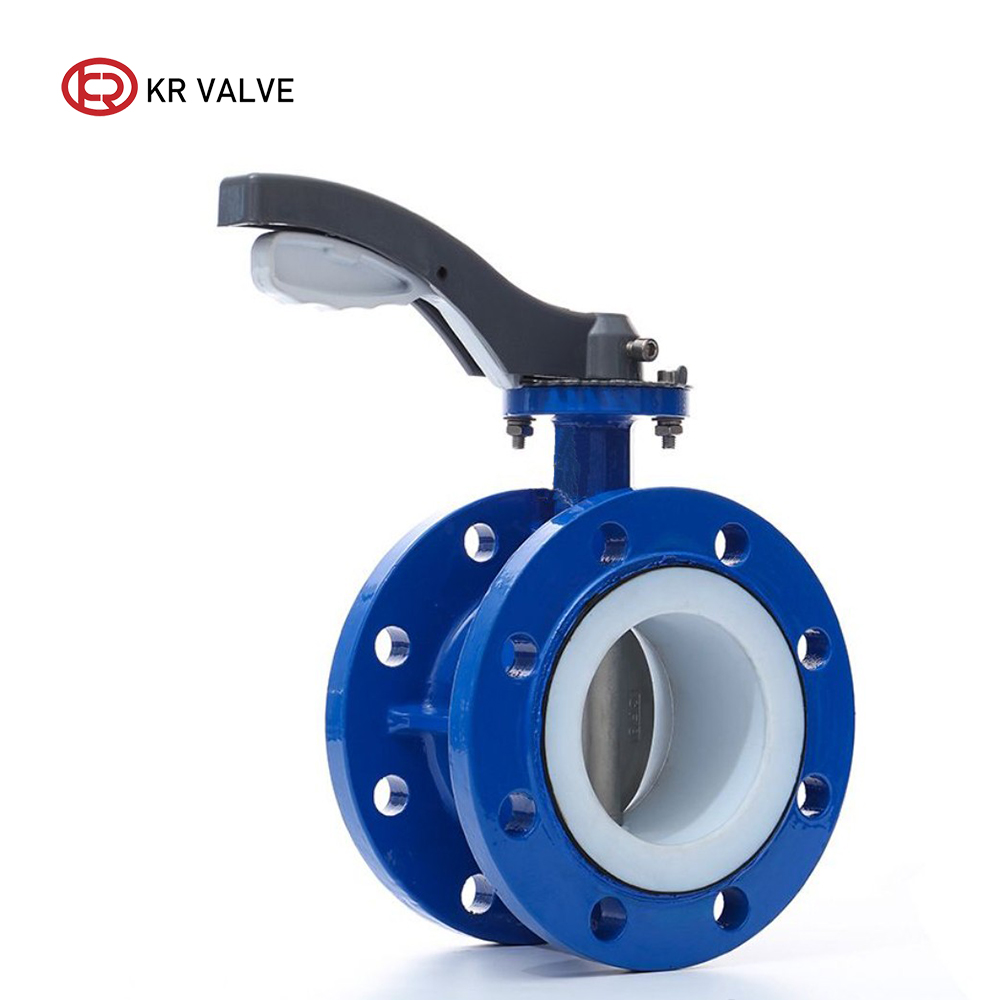
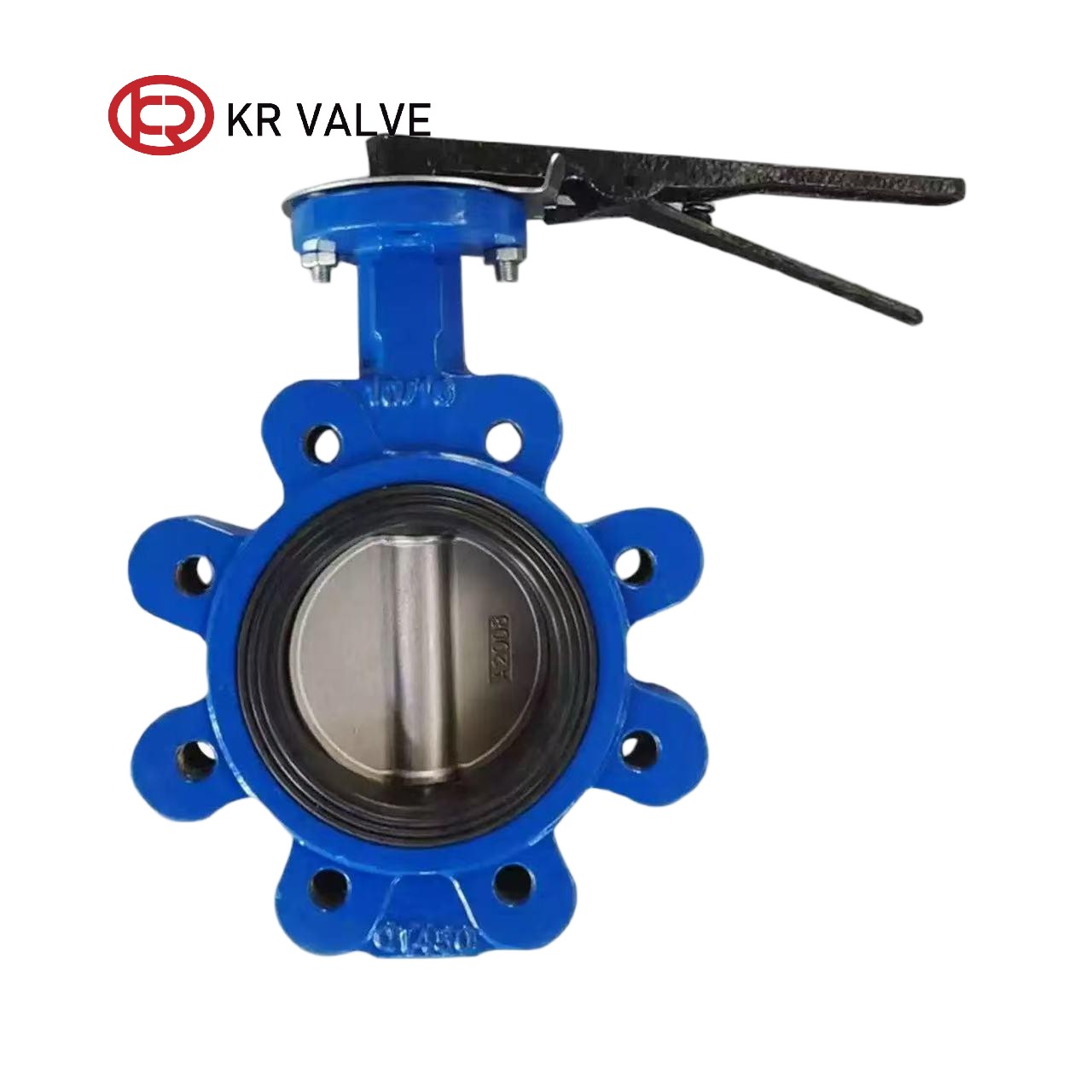
Wafer butterfly valves are designed to fit between two pipe flanges using long bolts, making them lightweight and cost-effective, though they do not allow downstream pipe isolation. Lug-type valves feature threaded metal inserts that bolt directly to the pipe flanges, enabling downstream system isolation and dead-end service. Double-flanged designs are typically used for large-diameter lines (DN300 and above) in heavy-duty applications like waterworks and municipal dams, offering robust structural support.
EPDM (Ethylene Propylene Diene Monomer) provides excellent resistance to aging, ozone, and chemical water treatments like chlorine and chloramines. It maintains elasticity over a broad temperature range (-20°C to +120°C). Unlike NBR, which can dry out in water service, EPDM remains flexible. Note that EPDM should not be used with petroleum hydrocarbons, oils, or grease; for those applications, NBR or Viton (FKM) seats are recommended.
We calculate the torque using three main factors: dynamic torque from fluid flow velocities, seat friction torque required to overcome liner compression, and bearing friction. The actuator is selected with a 30% safety margin to ensure reliable operation under fluctuating system pressures and when starting up after long periods of inactivity.
For drinking water applications, ensure all materials (especially EPDM liners and lubricants) carry certifications like WRAS (UK), NSF/ANSI 61 (USA), or ACS (France). These verify that no harmful chemicals leach into the water, ensuring safety and compliance with drinking water regulations.
Concentric butterfly valves place the stem in the center of the disc and body, with the disc constantly rubbing against the elastomeric seat during operation. This simple, cost-effective design is ideal for low-pressure applications. Triple-offset valves utilize an offset shaft and an elliptical disc shape. This design ensures the disc only contacts the seat at the final point of closure, minimizing seat wear and enabling zero-leakage, bubble-tight sealing in high-pressure steam and high-temperature industrial systems.
Explore our range of customizable gates, check valves, strainers, and ball valves, manufactured to ISO and API standards.
Contact our engineering sales team to request a quote, schedule a technical consultation, or discuss custom designs for your upcoming project.
Send Inquiry Now KR VAVLE