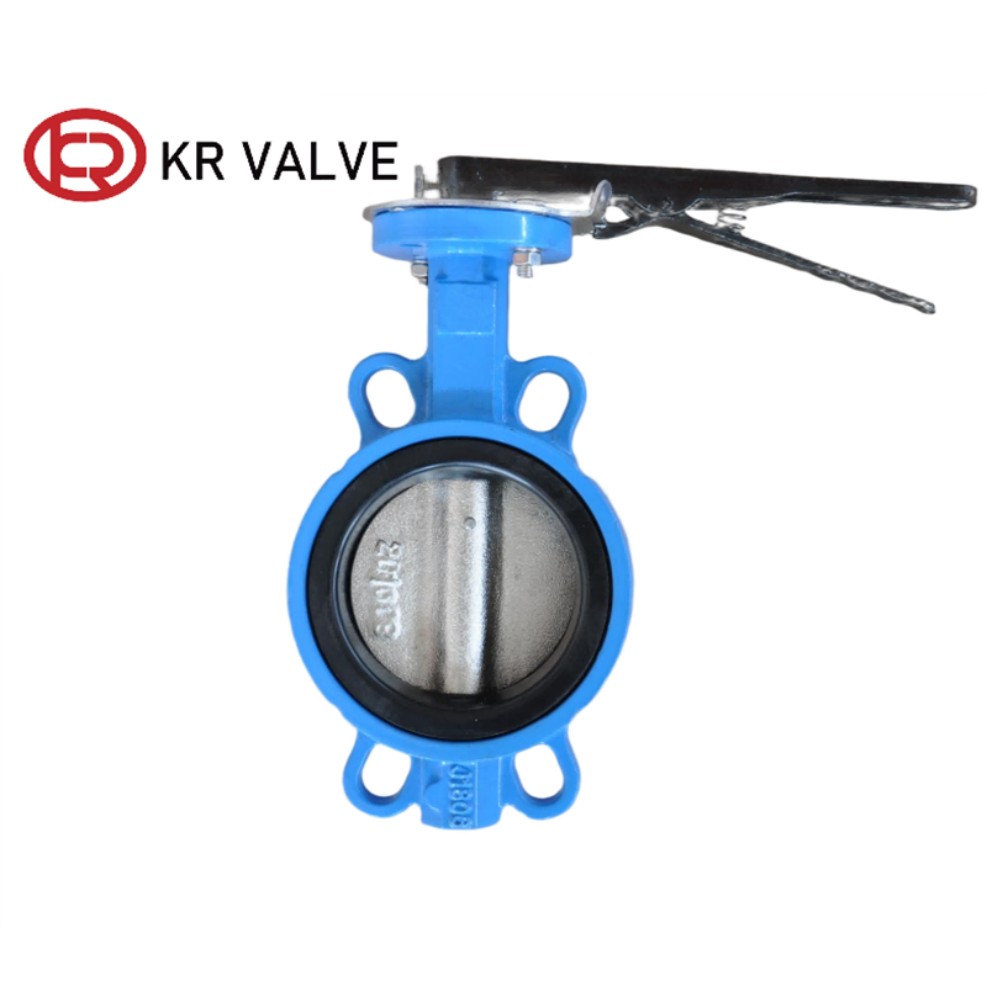
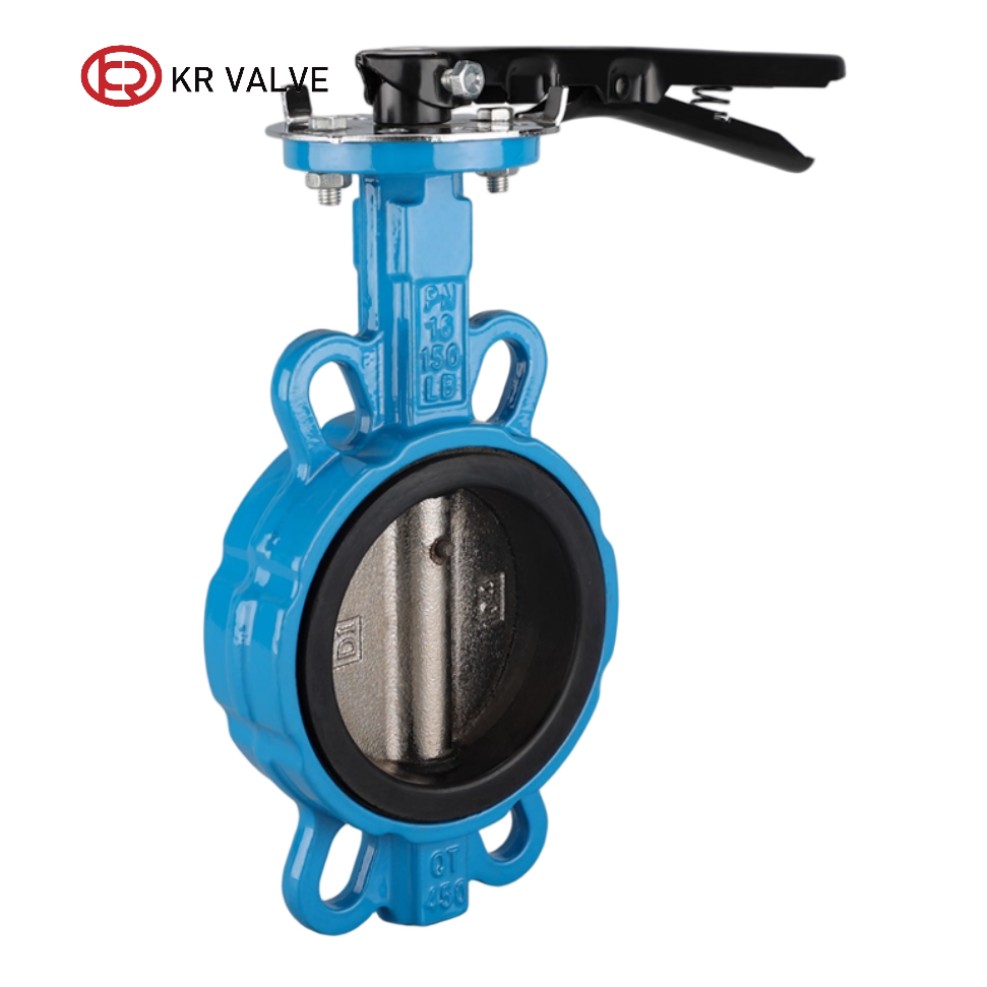
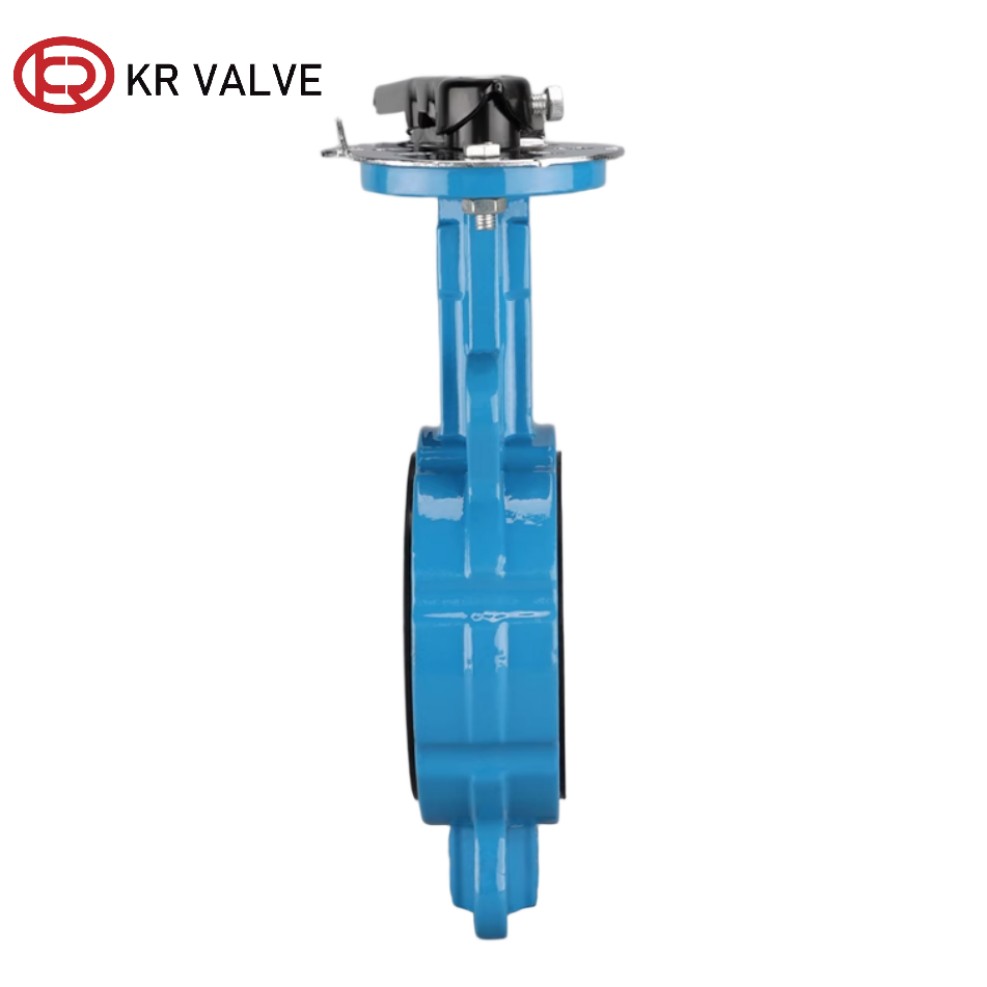
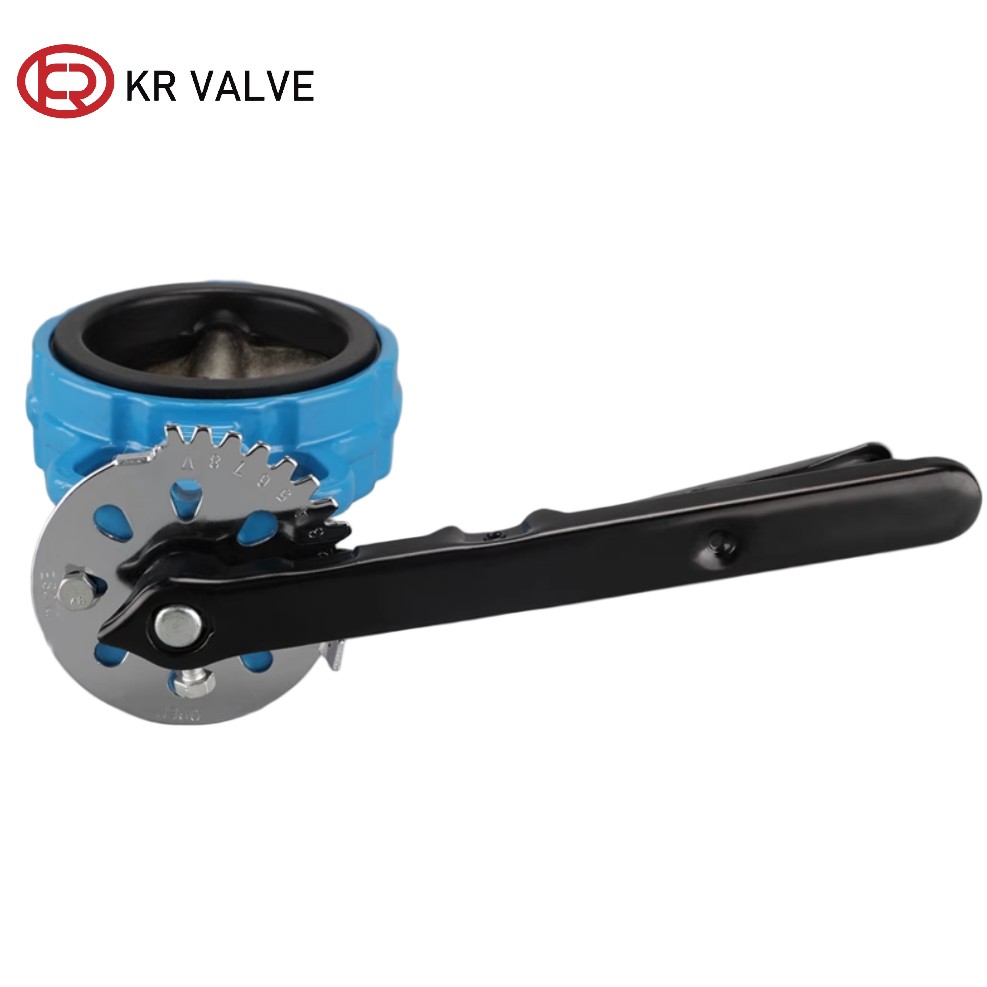
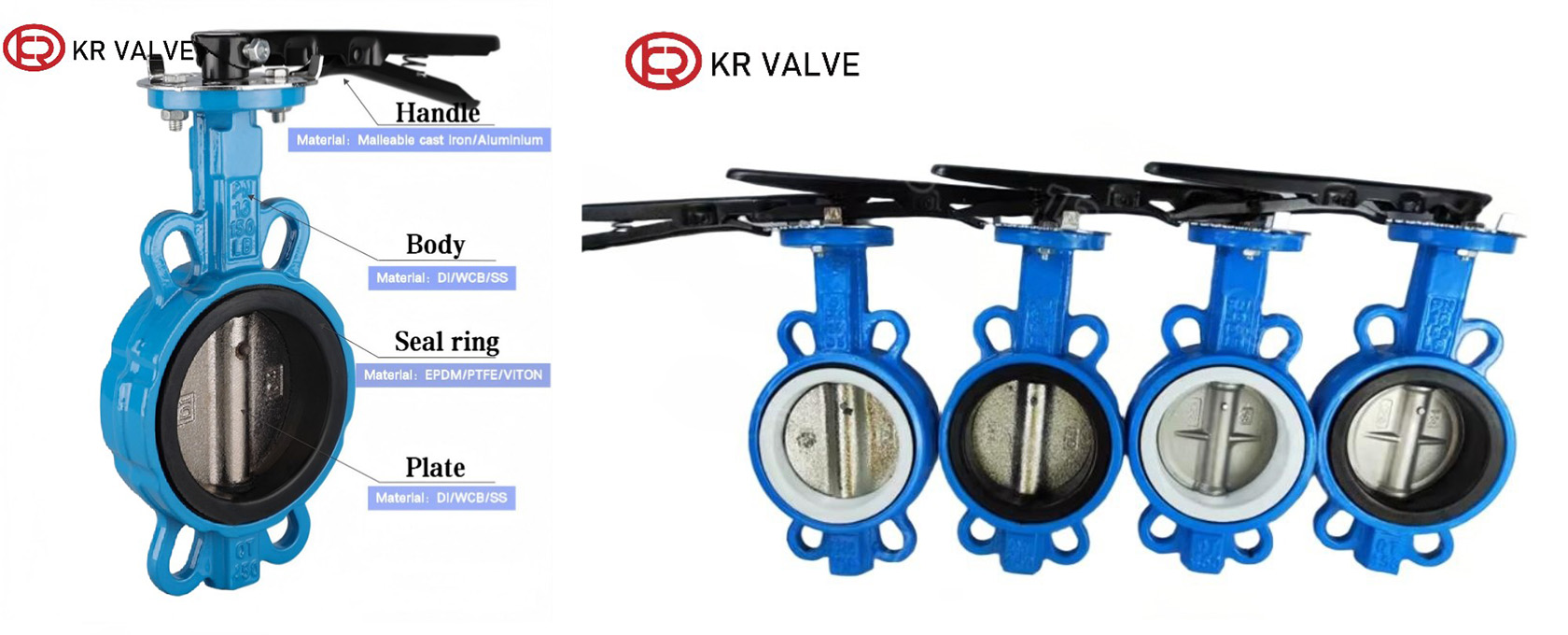
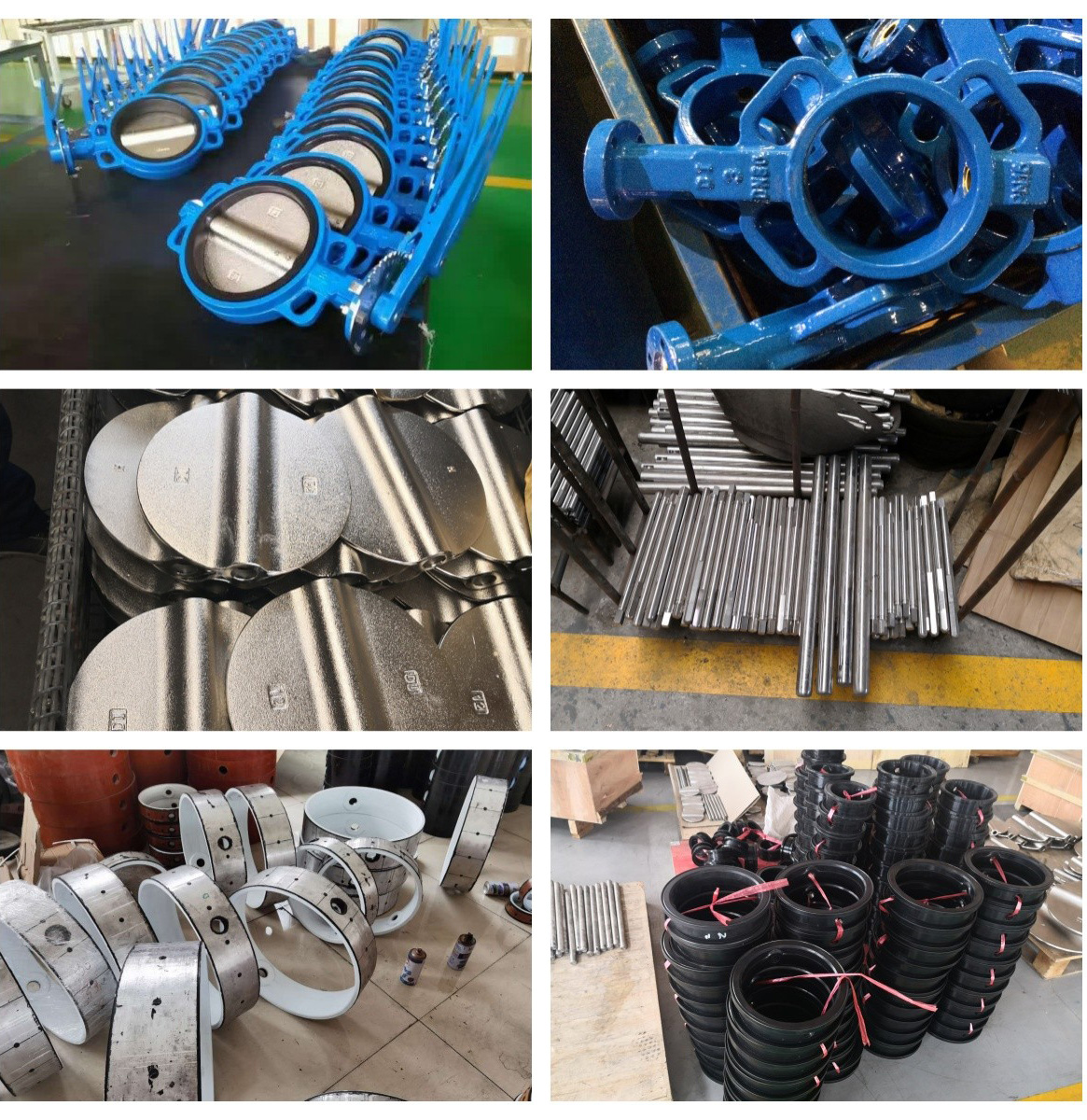
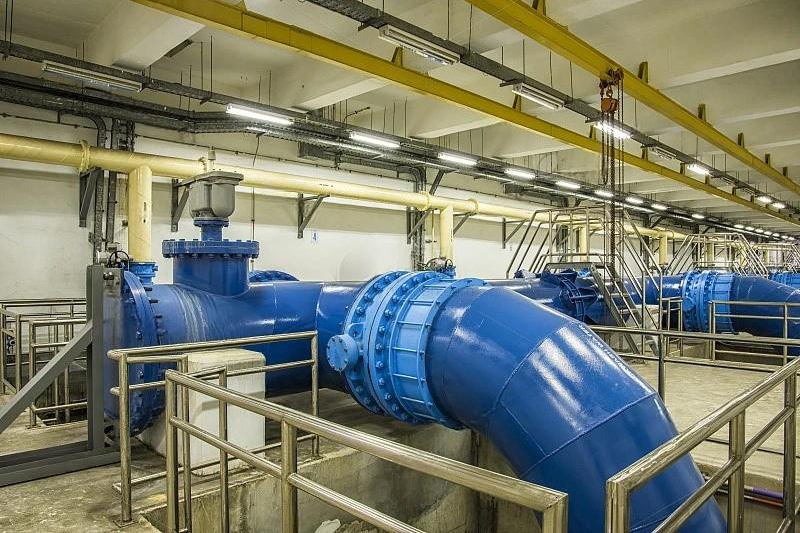
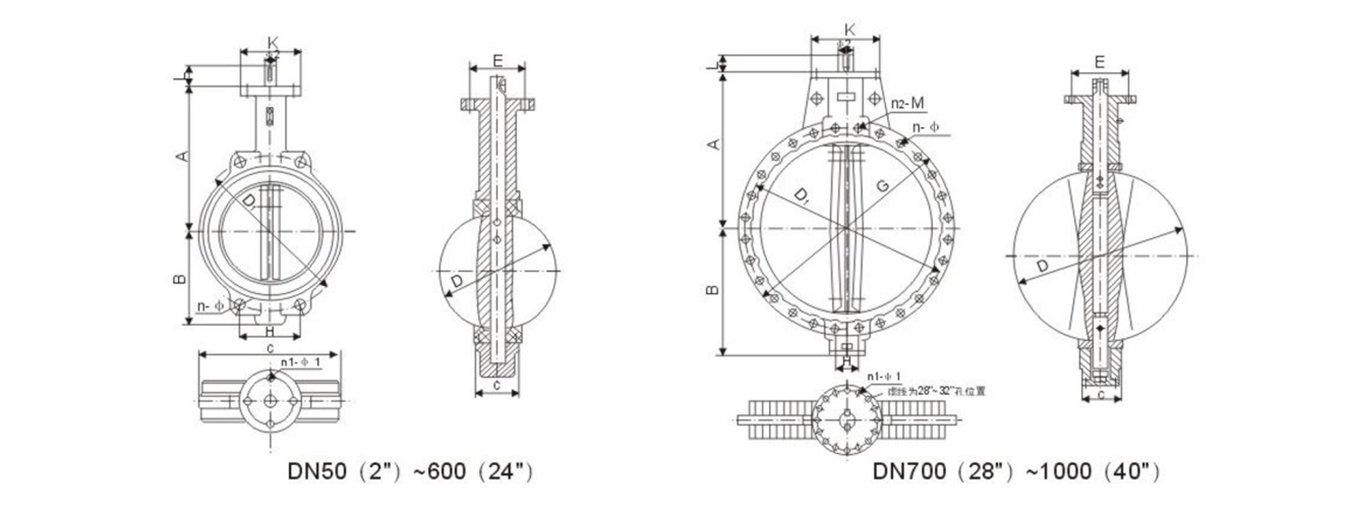
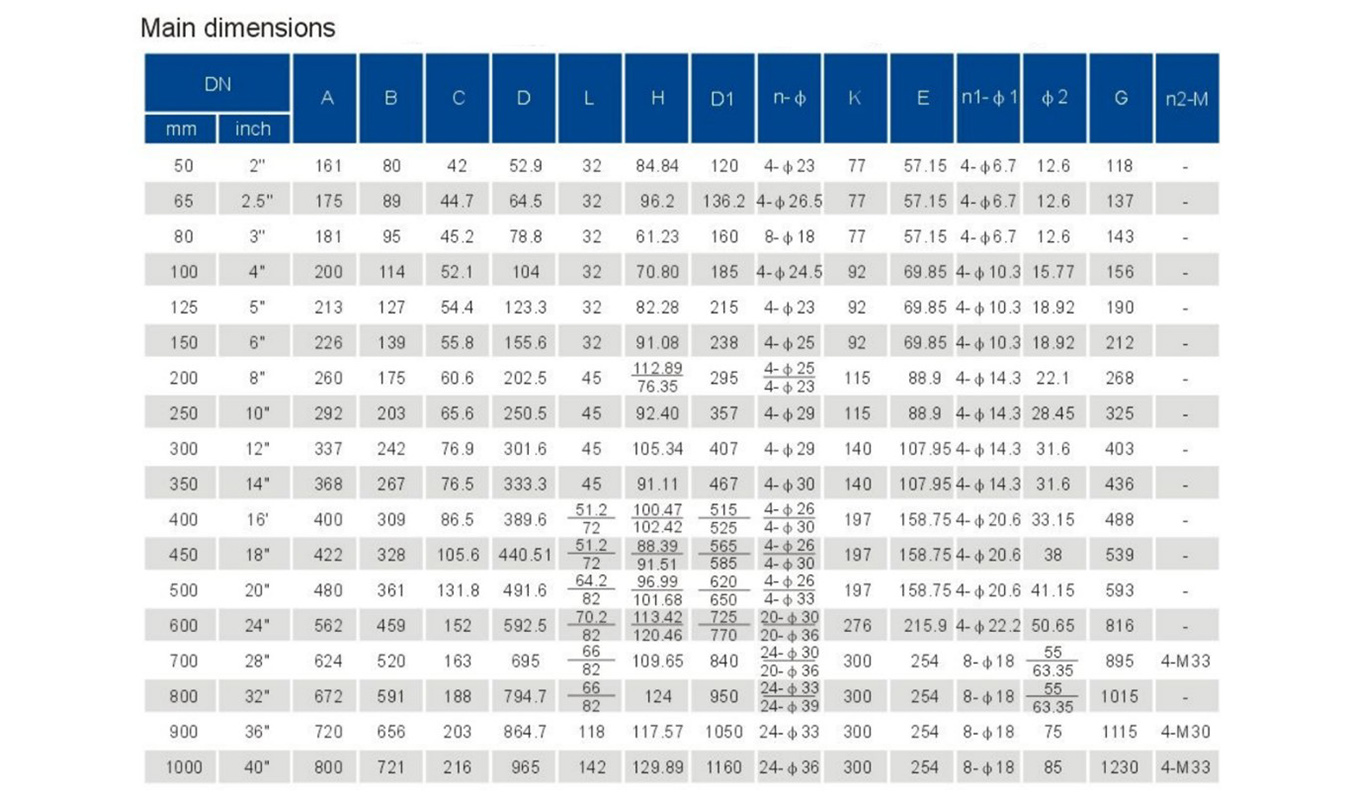
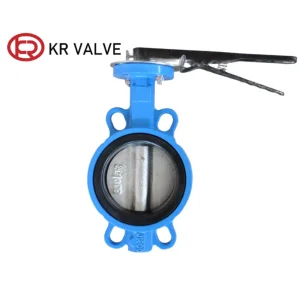
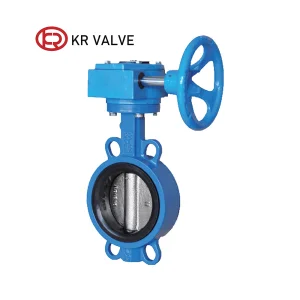
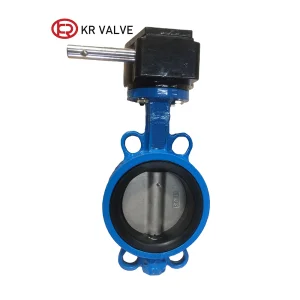
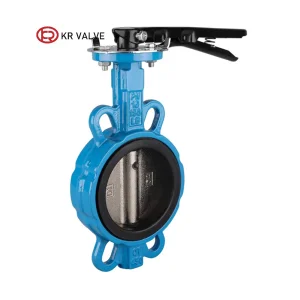
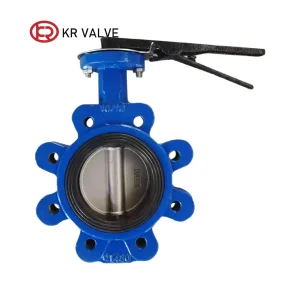
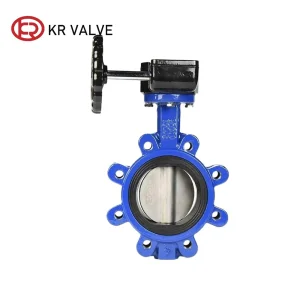
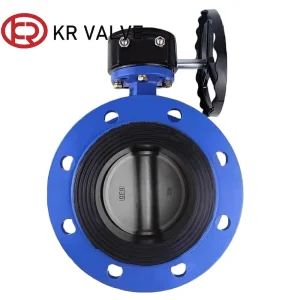
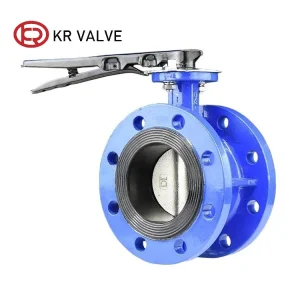
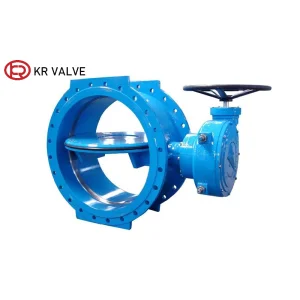
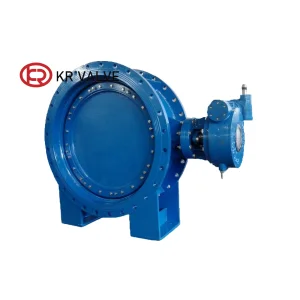
Butterfly valves have the characteristics of simple structure, small volume, light weight, low material consumption, small installation size, fast switch, 90° reciprocating rotation, and small driving torque. They are used to cut off, connect, and regulate media in pipelines, and have good fluid control characteristics.
Butterfly valves can transport mud and accumulate the least amount of liquid at the pipeline outlet. Under low pressure, good sealing can be achieved. Good regulation performance.
The streamlined design of the butterfly plate reduces fluid resistance loss, making it an energy-saving product.
The valve stem is a through stem structure that has undergone quenching and tempering treatment, and has good comprehensive mechanical properties, corrosion resistance, and abrasion resistance. When the butterfly valve is opened and closed, the valve stem only rotates and does not move up or down.
The connection methods include flange connection, clamp connection, butt welding connection, and lug clamp connection.
The driving forms include manual, worm gear transmission, electric, pneumatic, hydraulic, electro-hydraulic linkage and other actuating mechanisms, which can achieve remote control and automated operation.
 KR VAVLE