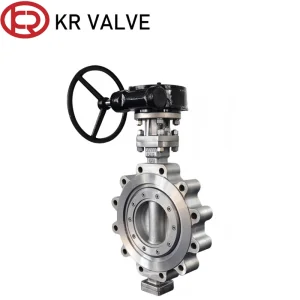
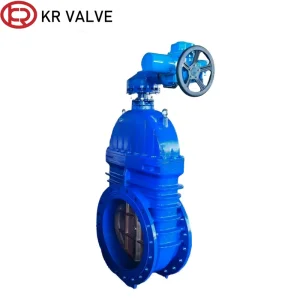
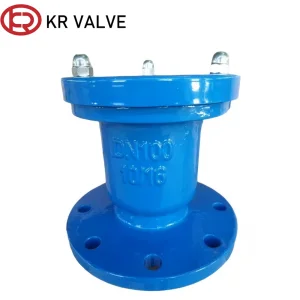
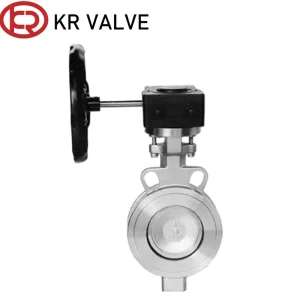
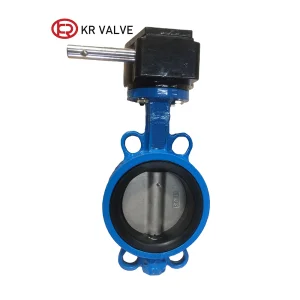
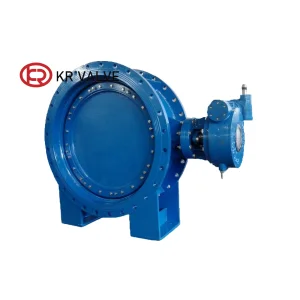
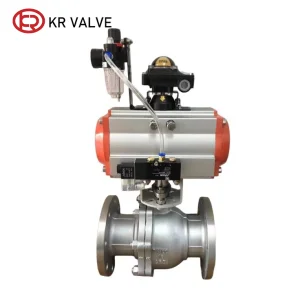
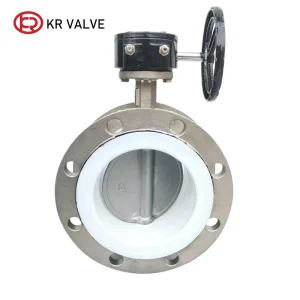
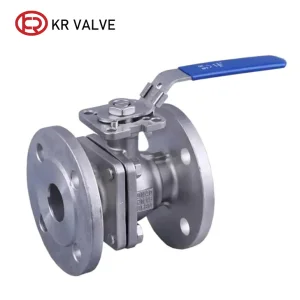
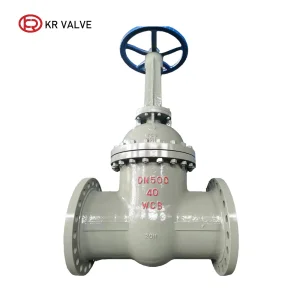
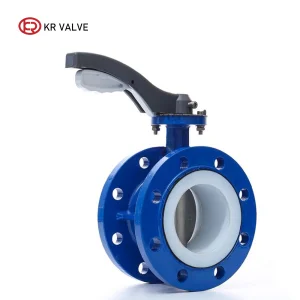
Explore our premium select range of custom configuration ball check, air release, butterfly, and control valves engineered to secure system integrity.
Why modern water transport systems, treatment plants, and petrochemical lines cannot operate reliably without precise, customizable dynamic air venting.
In municipal water networks, desalination plants, power generation cooling loops, and high-pressure chemical transmission lines, uncontrolled air accumulation is a major threat to operational efficiency and physical asset integrity. Entrained air pockets restrict liquid passage, lowering pipeline capacity while dramatically increasing energy expenditure as pumps struggle against artificial head increases. Even more critically, the unchecked presence of gaseous pockets amplifies transient shock waves, escalating water hammer hazards to catastrophic levels. Rapid fluid velocities can drag air voids along a piping run until they reach tight bends, throttled control valves, or change points, triggering abrupt venting. If a vent mechanism is insufficiently restricted, the liquid column slams behind the escaping air, causing severe localized overpressure and resulting in pipeline rupture.
Conversely, during sudden pump de-energization, line drainage, or localized column separation, a severe vacuum condition can develop within milliseconds. Without rapid influx of atmospheric air to break the negative pressure, thin-walled pipelines face immediate mechanical buckling or radial collapse. Addressing these complex fluid dynamics requires robust custom air relief valves, also known as air release valves, combination air valves, and vacuum breakers. These valves are engineered to dynamically exhaust air during pipeline filling, discharge localized micro-bubbles under full working pressure, and intake massive air volumes to mitigate vacuum formations.
KR possesses over 20 years of experience in producing standard and non-standard valves of various types. We supply a wide selection of over 500 valve products, including butterfly valves, gate valves, check valves, and water control valves, along with matching accessories.
Our engineered solutions are exported to over 50 countries and regions across Europe, Asia, Africa, and Oceania. We support infrastructure construction and brand marketing for thousands of global clients, maintaining long-term win-win cooperation.
Manufactured under strict supervision of the ISO-9001 quality system, our operations integrate 30+ units of production machinery. Our specialized testing labs provide modern testing capabilities to push product performance limits.
Selecting the right venting mechanics according to fluid dynamics, pipeline geometry, and working pressures.
In standard practice, air management devices are categorized into three primary functional types. Selecting the correct type, material, and placement determines the safety margin of the entire pipeline network.
Designed strictly for operation under pressure. As micro-bubbles dissolve out of the liquid and rise to pipeline high points, they enter the valve chamber, displacing the liquid. The internal float drops, opening a small precision orifice (typically 1.6mm to 4.8mm) to continuously vent the accumulated air under full line pressure (e.g., PN10/PN16/PN25) without spraying liquid.
Also known as kinetic air valves, these utilize a large diameter orifice matching the valve connection. They are utilized to exhaust huge flows of air during initial pipeline filling operations, and intake immense quantities of air to break vacuum when draining lines or during transient separations. However, they cannot release accumulated air while the system is under pressure.
The ultimate safety device, integrating both small and large orifice mechanisms within a single dual-body or compact single-chamber unit. It performs all functions: exhausting air during filling, admitting air during draining, and releasing trapped air bubbles while the system is operating under pressure.
At KR Valve Group, we recognize that custom industrial configurations require strict adherence to high manufacturing standards. Every operating component, from internal float guides to external bodies, is subjected to intensive stresses. For general municipal water networks, we use premium ductile iron (GGG40/GGG50) coated with electrostatic epoxy lining (minimum 250 microns thick) to resist underground corrosion and atmospheric humidity. For aggressive chemical processing lines, highly saline seawater applications, and industrial refining pipelines, we manufacture valves using cast steel (WCB) or stainless steel (CF8, CF8M, CF3, CF3M), paired with specialized PTFE, EPDM, or NBR seals. Our target is clear: zero leakage and minimal maintenance requirements.
| Valve Family / Type | Standard Sizing Range | Pressure Classes | Primary Materials | Applicable Media & Conditions |
|---|---|---|---|---|
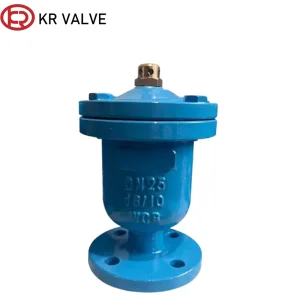
| Automatic Air Release Valve (Single Port WCB) | DN15 - DN50 (1/2" - 2") | PN10, PN16, PN25 | WCB Cast Steel, CF8, CF8M | Clean water, high-pressure industrial fluid loops, hydrocarbons |
| Single Port Air Exhaust / Kinetic Valve | DN25 - DN300 (1" - 12") | PN16, PN25, PN40 | Ductile Iron GGG40, Cast Steel WCB | Main pipelines, municipal liquid transport distribution systems |
| Combination Air Relief & Vacuum Breaker | DN50 - DN400 (2" - 16") | Class 150 / 300, PN16 - PN64 | Ductile Iron, CF8M Stainless Steel | Seawater intakes, wastewater treatment plants, power plant cooling lines |
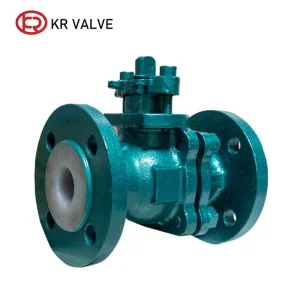
| PTFE Lined Ball & Check Valves | DN50 - DN300 (2" - 12") | PN10, PN16, Class 150 | Steel Body with Virgin PTFE lining | Highly corrosive acids, chemical waste processing lines |
From custom conceptual research and development to precision manufacturing and 100% leak testing.
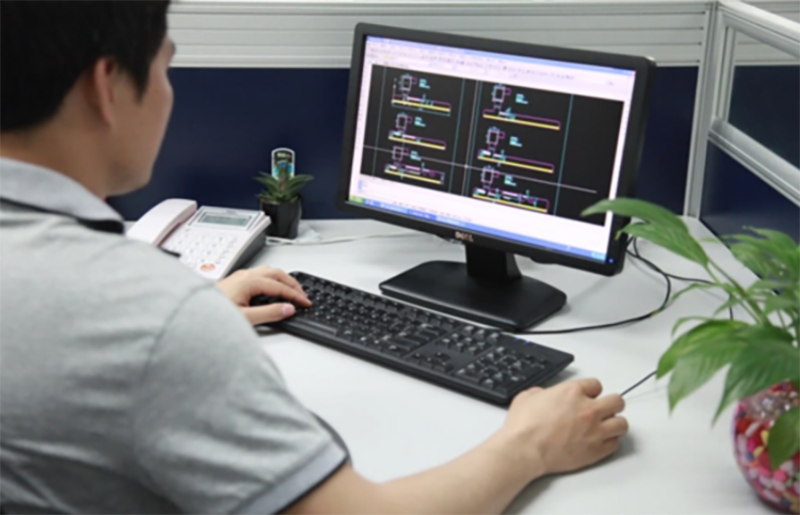
Our dedicated R&D department drives product design and continuous innovation. Technicians design and develop valves matching strict global market parameters. Our in-house research laboratory features advanced modern testing setups to evaluate pressure tolerances and refine structural performance. Currently, we offer 20 distinct series and over 500 product variations.
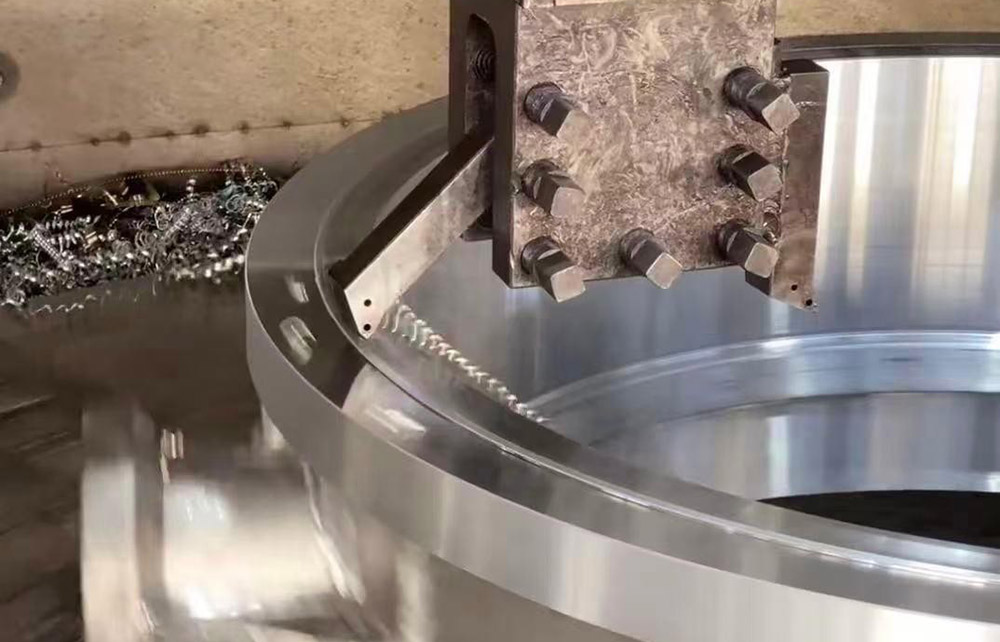
Our production department schedules manufacturing operations to secure timely deliveries matching client schedules. All products are manufactured under rigorous control systems complying with ISO-9001 quality guidelines. Supported by over 30 advanced production machines, our inventory levels are evaluated monthly to satisfy delivery windows.
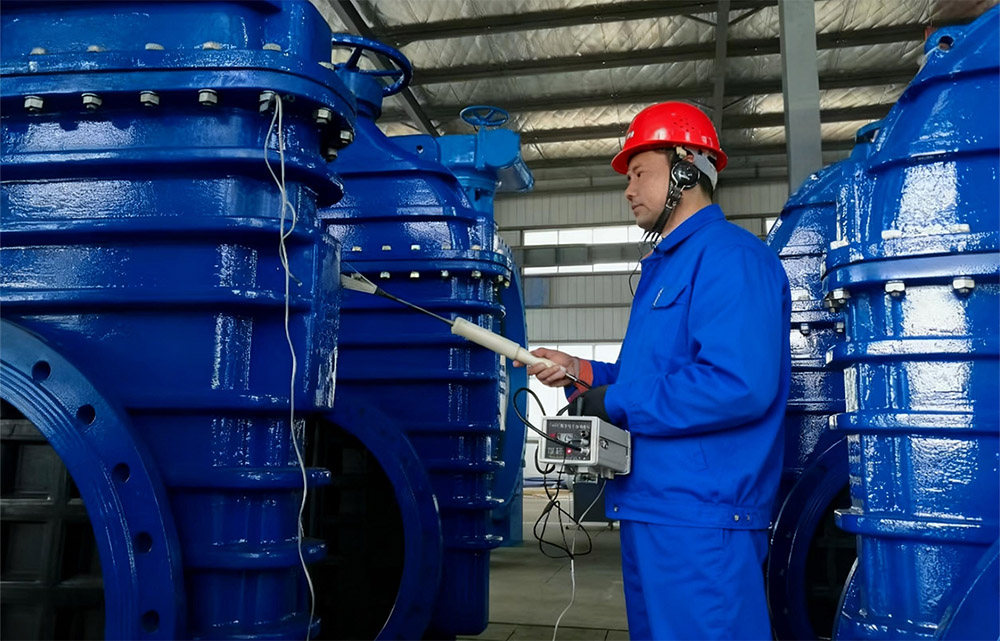
Our inspection department operates on a strict zero-leakage principle, conducting 100% QA checks. Following international inspection standards, we run comprehensive quality checks evaluating exterior finish, dimensional tolerance, and hydrostatic pressure performance, certifying all outgoing products with compliant quality reports.
Addressing the complex technical requirements of global engineering procurement directors.
Procuring air relief valves for major international projects involves managing a complex set of regional requirements. Procurement departments must balance engineering compliance, localized environmental challenges, and supply chain logistics. At KR Valve Group, we structure our manufacturing solutions to address these variables directly:
Seawater environments degrade basic metals rapidly. We configure specialized air relief valves utilizing duplex stainless steel (2205/2507) or high-grade PTFE internal lining. This protects against chloride pitting, ensuring long-term functional reliability in coastal desalination facilities.
For municipal water pipelines in high-latitude zones like Eastern Europe or Northern Canada, freeze damage poses a continuous threat to air valves. KR provides custom insulated valve bodies, auxiliary manual drain plugs, and internal anti-freeze configurations to ensure reliable operation down to -40°C.
Slurry lines carry suspended abrasive solids that quickly wear out standard valve seals. KR manufactures valves with reinforced stainless steel internal floats, robust polyurethane seals, and self-cleaning bodies to prevent solids from clogging the venting orifice.
For international supply agents, OEM brand managers, and civil contractors, maintaining a reliable supply line is a critical priority. Our custom valve solutions are developed to match major regional standards, including American AWWA C512, European EN 1074-4, and British BS standards. With 15 high-performance machining setups and fully optimized manual assembly lines run by experienced technicians, we provide short production lead times without compromising final product quality.
Developing next-generation smart air relief systems to optimize industrial pipeline operations.
As water distribution systems and industrial processing operations continue to adopt digital management practices, conventional mechanical valves are shifting toward smart systems. The engineering roadmap at KR focuses on integration with IoT and industrial monitoring networks:
We are developing pressure-sensing float systems that track exact air exhaust and intake volumes in real time. This allows pipeline control rooms to monitor venting operations dynamically, detecting potential line issues early.
For high-pressure water transmission lines, we design non-slam dual-chamber combination valves. These utilize specialized dual-stage throttling discs to slow air discharge velocities just before the liquid arrival, safely dampening kinetic shock events.
Through our material testing program, we are evaluating nano-ceramic and modified epoxy barrier coatings. These advanced coatings improve corrosion resistance and reduce scale build-up inside the valve body, helping extend maintenance intervals.
Why engineering contractors, OEM clients, and valve distributors partner with KR Valve Group.
Along with our proprietary "KR" brand, we offer complete OEM manufacturing services, maintaining long-term production partnerships with leading global valve brands.
Our workshop features 15 specialized machining tools and automated assembly lines. Our experienced production staff ensures high manufacturing quality across all production batches.
We supply 20 product series and over 500 catalog items, providing custom and standard configurations to match specific client project requirements.
We maintain strict quality control at every stage of component casting, machining, and final assembly, ensuring reliable performance in the field.
By managing our entire production process in-house, we eliminate external markups and pass the savings on to our customers, ensuring highly competitive factory-direct pricing.
Our engineering team provides comprehensive pre-sales consultation, sizing analysis, and after-sales support, helping you choose the right valve for your system.
Our valve designs have supported major engineering projects in water treatment, dam construction, and gas pipelines worldwide.
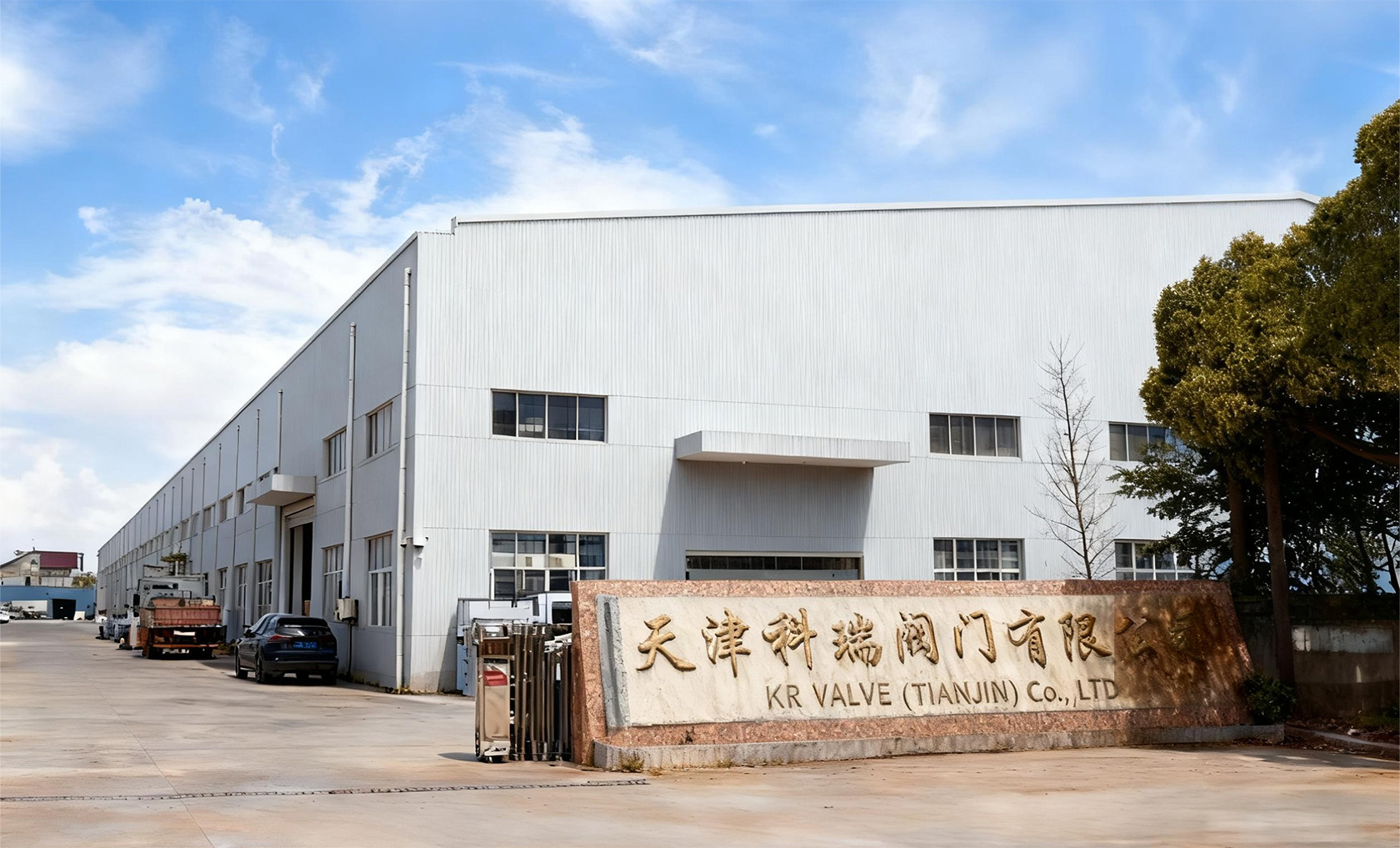
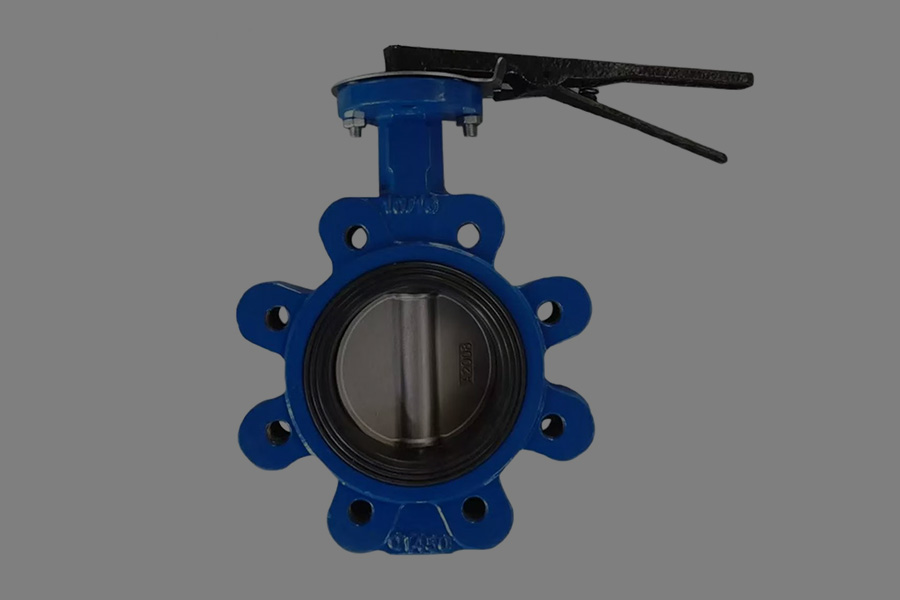 KR Manufacturing Facility Tour
 Venting Pressure Hydrostatic Tests
 Dimensional QA Checking
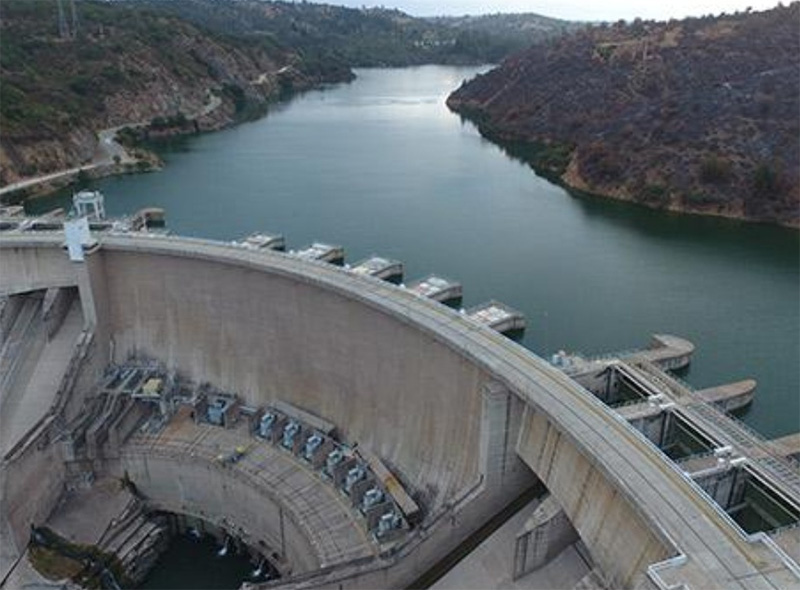
KR supplied custom configuration water control valves and high-flow air management valves for a regional hydroelectric dam development, ensuring reliable system stability under changing flows.
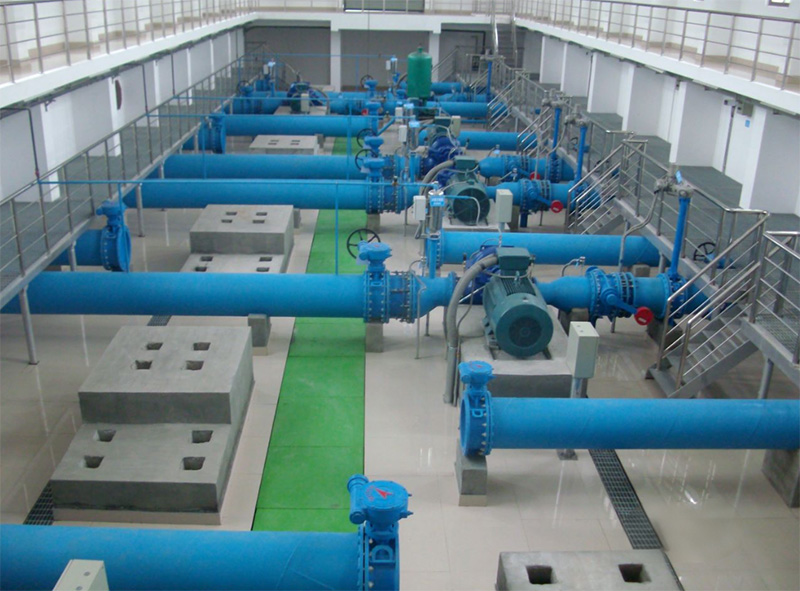
We designed and manufactured large-diameter butterfly and non-return check valves for municipal water treatment lines, ensuring low flow resistance and reliable pressure control.
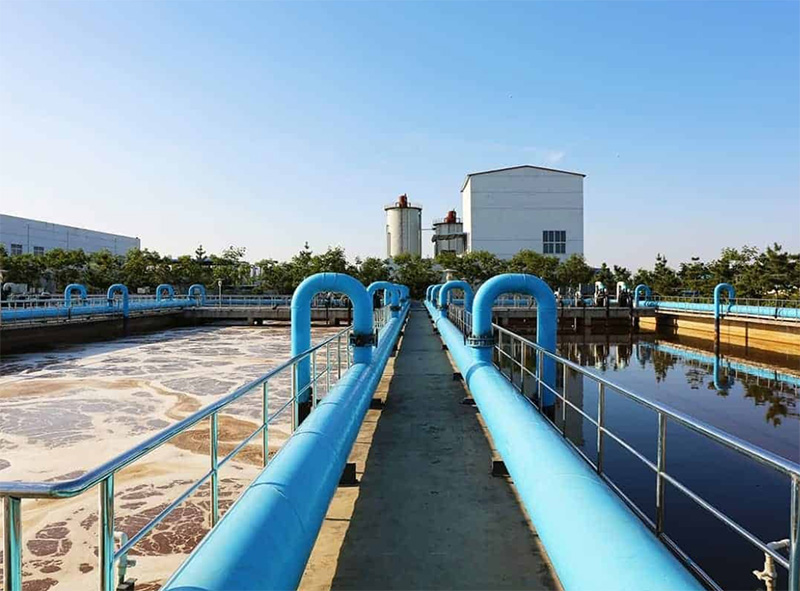
KR supplied butterfly and gate valves featuring specialized wear-resistant seals, designed to handle abrasive slurry media and reduce maintenance downtime.
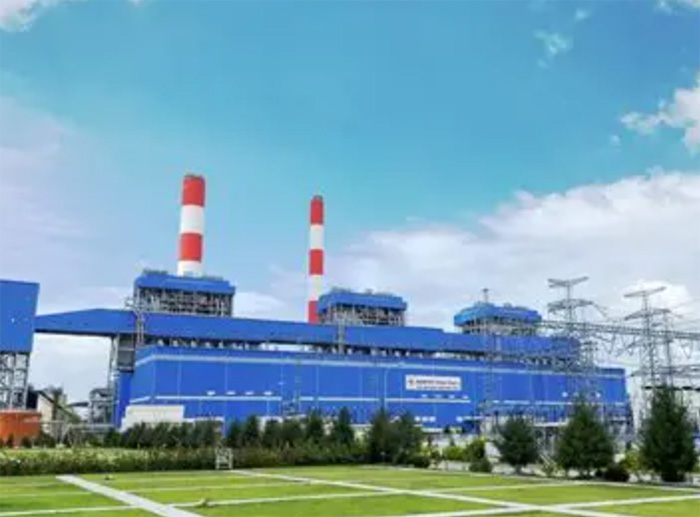
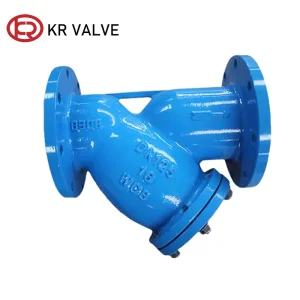
For aggressive process piping, we supplied corrosion-resistant valves, including PTFE-lined ball valves and specialized Y-strainers, providing long-term structural integrity.
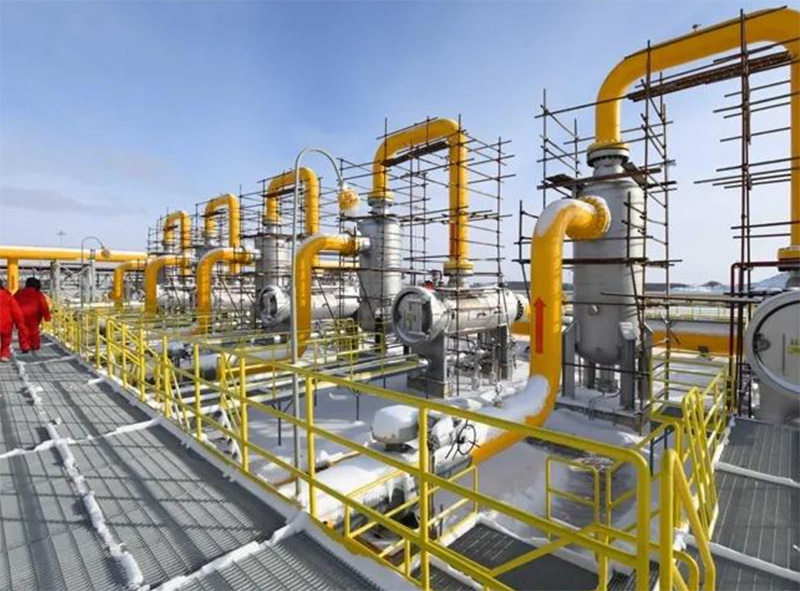
We manufactured ball and gate valves designed to withstand low-temperature environments, supporting safe gas transport operations under extreme weather conditions.
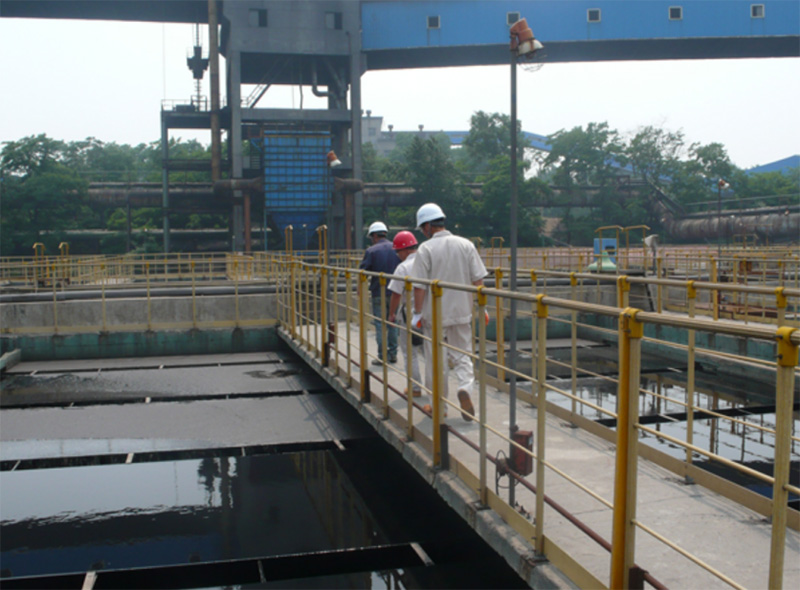
We provided water control and air relief valves for municipal sewage networks, designed to handle high suspended solids and protect pipelines from transient pressure issues.
Expert engineering answers to common questions about air relief valves in municipal and industrial piping systems.
Sizing air valves depends on fluid velocity, pipeline slope, and potential vacuum scenarios. For vacuum mitigation, size is determined by calculations matching the maximum pipe drainage rate to a safe pressure differential (typically keeping negative pressure below 0.35 bar). For filling, size is calculated to exhaust air without causing high-velocity kinetic shocks when water reaches the valve.
Air valves should be installed at all high points along the pipeline route. They are also recommended at significant slope changes, long horizontal spans (typically every 500 to 1000 meters), downstream of pumps, and upstream of flow meters or control valves to protect measurement accuracy.
Wastewater applications contain suspended solids, grease, and biological matter that can clog standard valve orifices. Wastewater air valves feature elongated, conical bodies that isolate the float mechanism and sealing orifice from the dirty media, preventing solids from clogging the seal.
Insufficient venting leads to localized air pocket accumulation, which restricts water flow, increases pumping energy demand, and causes pressure fluctuations. It also increases the risk of water hammer from compressed air pockets and can lead to vacuum-induced pipeline collapse during drainage events.
Browse our selection of heavy-duty strainers, high-capacity butterfly valves, and control valves configured to complete your flow control systems.
 KR VAVLE