Explore our top-tier collection of high-performance valves engineered for critical isolation, non-return, and regulation demands.
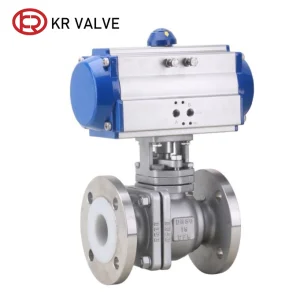
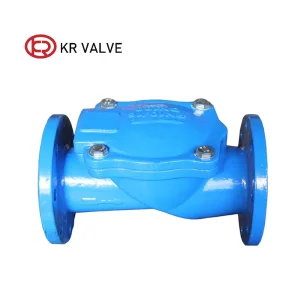
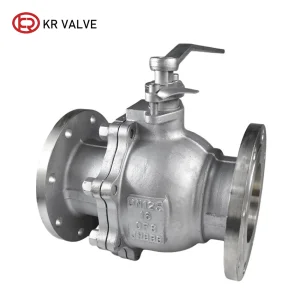
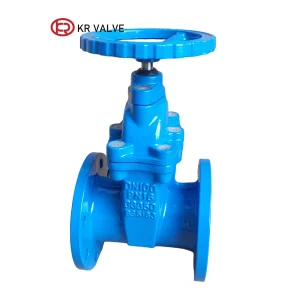
An engineering analysis of Outside Screw and Yoke (OS&Y) configurations, material optimizations, and micro-tolerance seating performance.
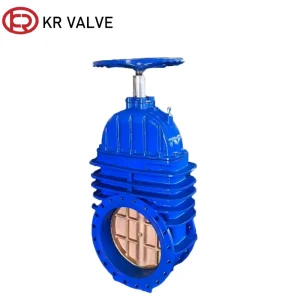
In high-pressure municipal, commercial, and industrial flow systems, the selection of isolation valves dictates long-term system integrity. Among these, the Rising Gate Valve, or Outside Screw and Yoke (OS&Y) valve, stands as the premier engineering choice for critical operations. By moving the stem threads outside the flow boundary, OS&Y design protects critical driving components from the corrosive, abrasive, or scaling nature of the process media. This structural arrangement offers two primary advantages: visual stroke position indication and simple external lubrication, both of which are critical for preventative maintenance.
Customization in rising gate valve manufacturing is not merely a matter of dimensional variance but an optimization of metallurgy and polymer science. Under high velocities, a standard valve wedge faces cavitation and accelerated wear. Custom configurations utilizing resilient seated technology employ advanced elastomers, such as EPDM or NBR, vulcanized directly onto a ductile iron wedge core. This process, known as high-pressure injection molding, ensures that the thickness of the rubber remains completely uniform, avoiding structural peeling under continuous high-shear flow conditions.
Our technical roadmap emphasizes zero-leakage performance, meeting international inspection criteria such as API 598 and EN 12266-1. Standard non-destructive testing (NDT) methodologies, including ultrasonic and magnetic particle testing, are carried out on custom-cast bodies to verify structural density. This prevents micro-porosities from developing under continuous stress, ensuring reliable service over decades of operation.
Body options include Ductile Iron (EN-GJS-400-15/500-7) and WCB Cast Steel. Stem structures utilize Stainless Steel 304, 316, or 431, optimizing shear strength and oxidation resistance.
Resilient wedge encapsulation with high-integrity EPDM ensures bubble-tight shut-off. Metal-to-metal seating features wear-resistant bronze or cobalt-based stellite overlays.
Fusion Bonded Epoxy (FBE) coating applied inside and outside with a minimum thickness of 250 microns, eliminating galvanic corrosion and mineral build-up.
From municipal drinking water networks to regional geothermal facilities, explore how rising gate valves perform under localized operational challenges.
Within urban pipeline grids, our resilient seated rising gate valves comply with rigorous regional standards (such as AWWA C515 and EN 1074-2). Visual tracking of stem elevation allows operations crews to instantly verify system distribution flow configurations, preventing unauthorized throttling and water hammer hazards.
In high-hazard chemical and logistics warehouses, fire pumps require valves that offer direct visual confirmation of status. UL Listed and FM Approved OS&Y gate valves are mandated by standard NFPA rules. Our custom models integrate seamlessly with supervisory limit switches for remote status updates.
Coastal and desalination networks expose components to high chloride ions. Custom engineering configurations replace traditional castings with Super Duplex Stainless Steel or high-nickel aluminum bronze alloys, ensuring immunity to crevice corrosion and pitting over long deployments.
Driving the shift toward smart flow management and carbon-neutral casting processes.
The global fluid dynamics landscape is shifting towards digitalization and ecological accountability. Our engineering department is actively developing smart yoke configurations. By embedding magnetic encoders and vibration sensors directly onto the rising stem assembly, operators can capture real-time position measurements and detect internal friction irregularities before structural failures occur.
In terms of sustainability, our casting foundries are adopting sand reclamation technology alongside electric induction furnaces. This transition helps mitigate the carbon footprint of manufacturing ductile iron and cast steel bodies by up to 35%. Additionally, our focus remains on expanding low-VOC coating certifications, ensuring all future products align with international environmental directives like RoHS and REACH.
How vertical integration and modern manufacturing lines ensure stable production capacity and global delivery schedules.
With global supply chains experiencing periodic disruptions, our Chinese manufacturing facility provides a stable base of operations. By consolidating raw material supply, precision foundry work, machining, assembly, and testing under a unified management framework, we limit lead-time variances. This integration allows us to keep our pricing highly competitive without compromising on material quality.
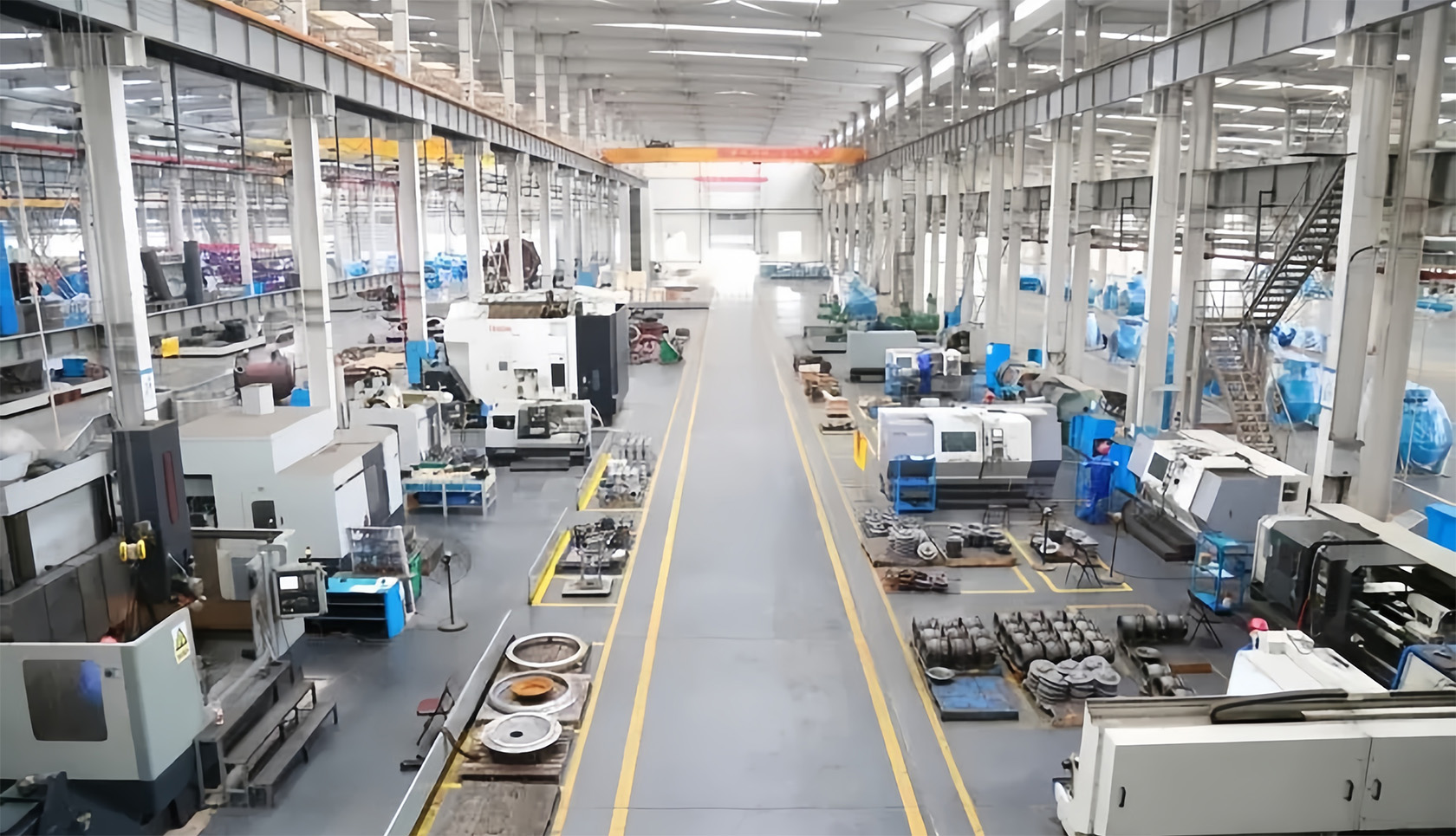
Our facility houses 15 advanced machining centers, specialized horizontal boring lines, and multi-stage pressure testing benches. This setup enables us to transition quickly between producing standard bulk runs and executing custom orders. Maintaining a raw casting safety stock guarantees that critical projects can progress without the delays typical of fragmented supply chains.
Over 20 years of manufacturing standard and custom solutions for infrastructure developments worldwide.
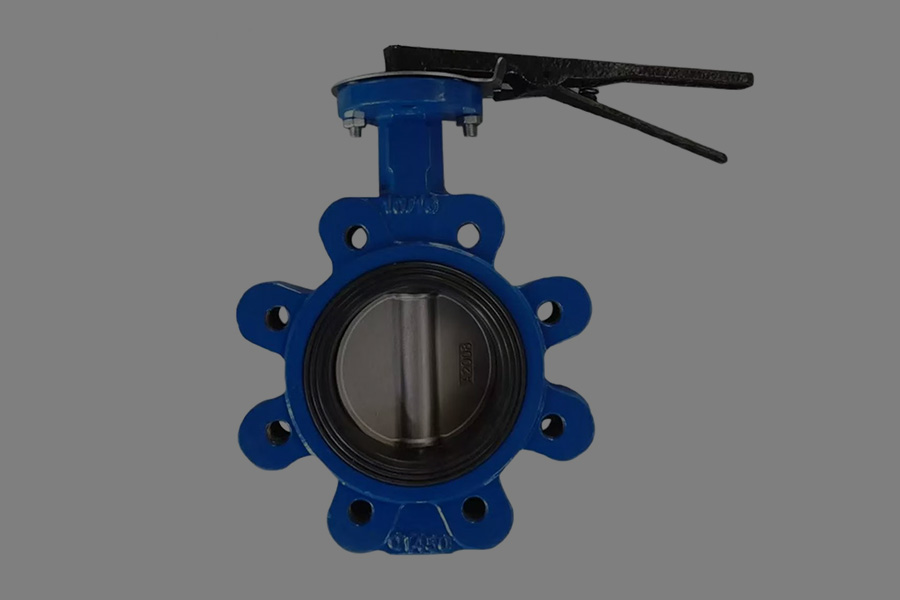
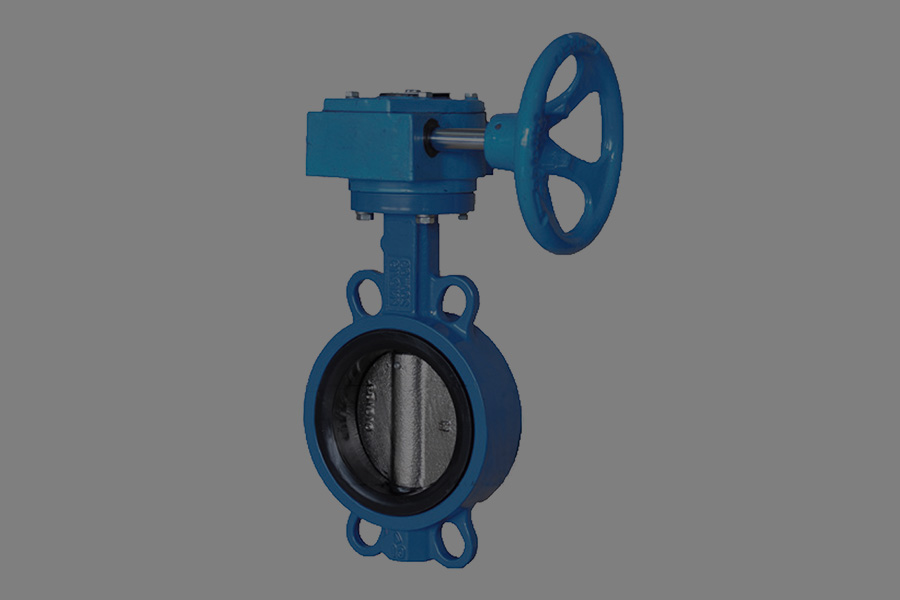
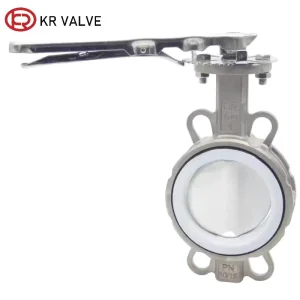
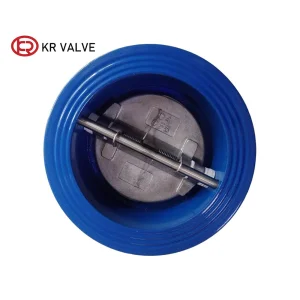
KR possesses more than 20 years of experience in producing standard and non-standard valves of various types. We supply a wide selection of over 500 valve products, including butterfly valves, gate valves, check valves, and water control valves, as well as all matching and accessory products. These products find applications in industries such as water treatment, dam construction, commercial buildings, energy and heating, chemical engineering, and more. Through our focus on product variety and strict quality control, we have built high repeat purchase rates with our international client base.
Beyond manufacturing, we prioritize building reliable, long-term partnerships with our customers. We understand that on-time shipping and reliable technical support are just as crucial as high-quality hardware. KR VALVE’s products are exported to over 50 countries and regions across Europe, Asia, Africa, and Oceania, providing project construction support and brand marketing services to thousands of clients globally.
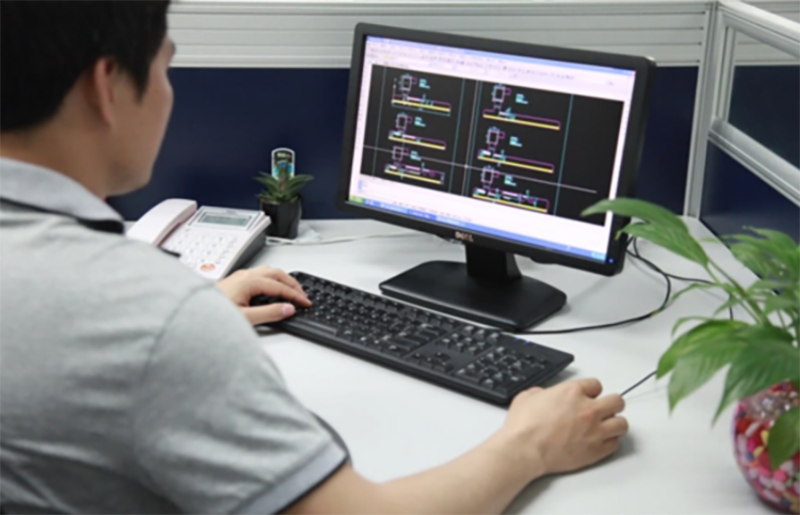
Our dedicated R&D department ensures product design and continuous innovation. Our technicians develop products that meet customer requirements, while our lab provides modern testing capabilities to evaluate design and performance. We maintain 20 series and over 500 varieties of products.
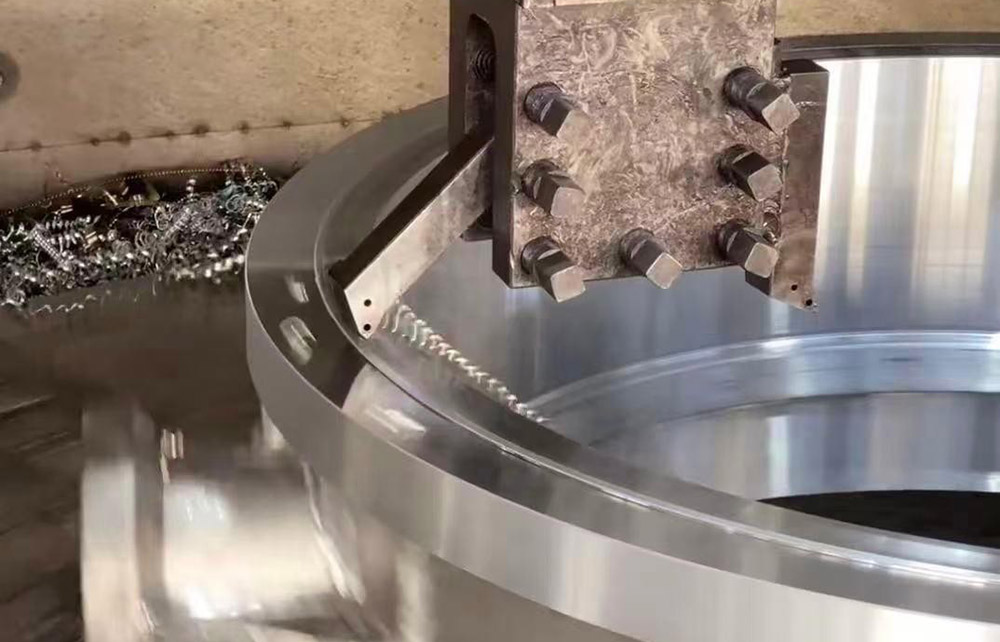
The production department formulates and executes manufacturing schedules to ensure timely delivery. Products are manufactured under the ISO-9001 quality management system. With over 30 sets of production equipment and monthly inventory tracking, we work to meet customer expectations.
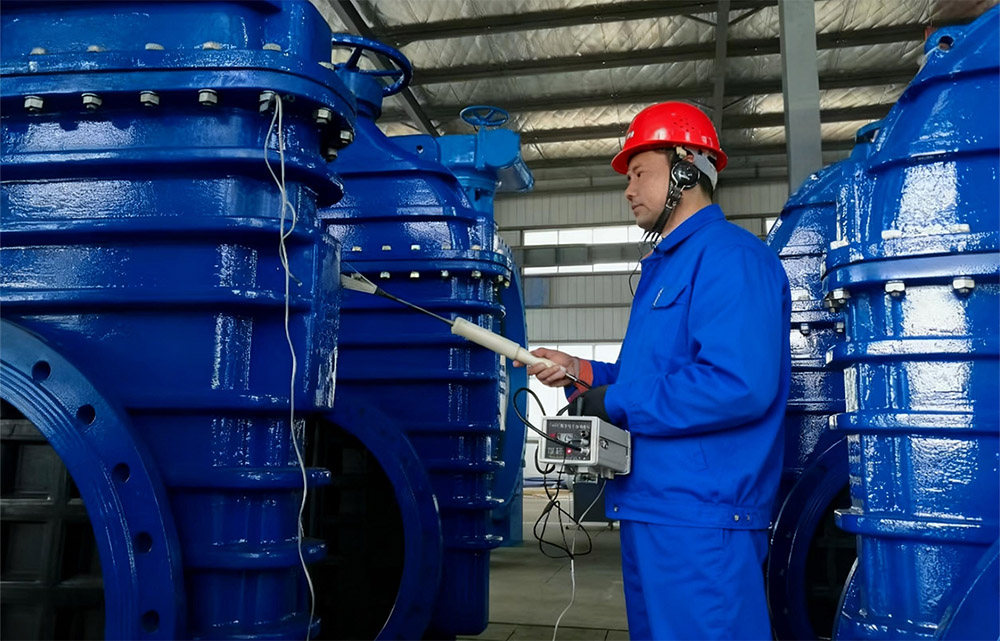
Our quality department performs 100% inspection of products, maintaining a zero-leakage principle. We inspect dimensional tolerances, appearance, and pressure containment according to international standards, providing comprehensive inspection reports with each shipment.
Examples of our valves in service across infrastructure and industrial projects.
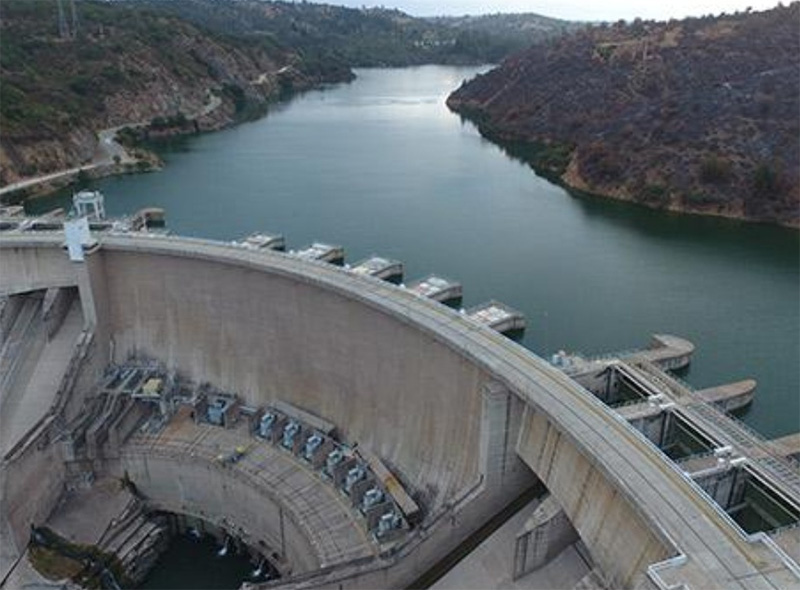
KR supplied various water control valves for high-elevation water management in Chile, ensuring stable performance under shifting pressures.
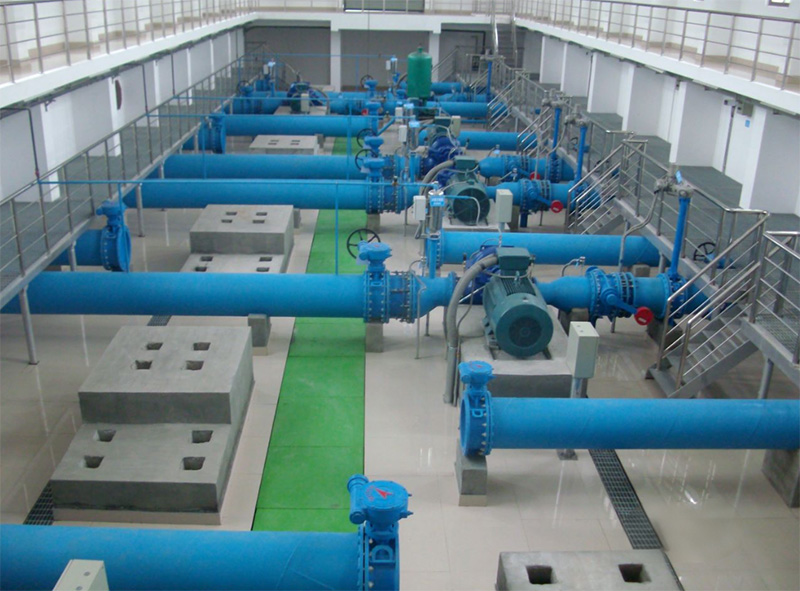
We supplied large-diameter butterfly and check valves for municipal water treatment and transport infrastructure in Italy.
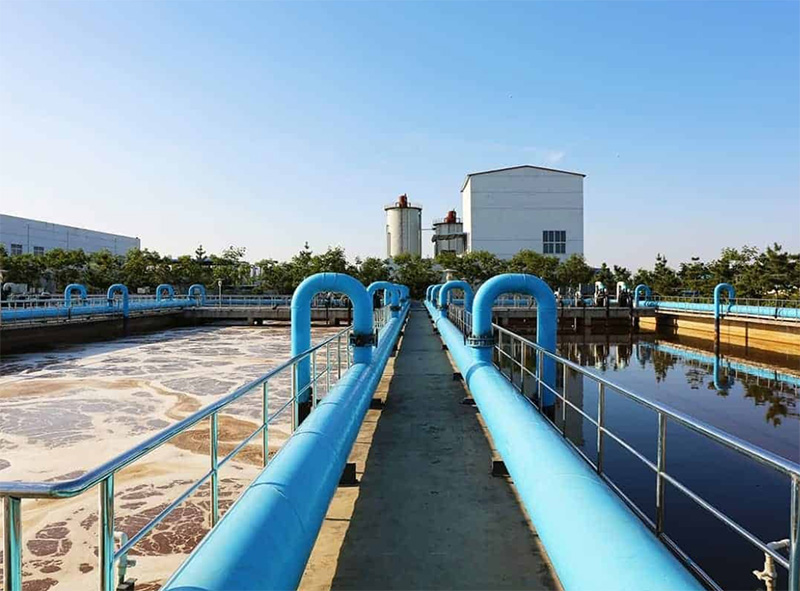
KR supplied industrial butterfly and gate valves designed to manage high-viscosity wastewater and municipal sludge treatment lines.
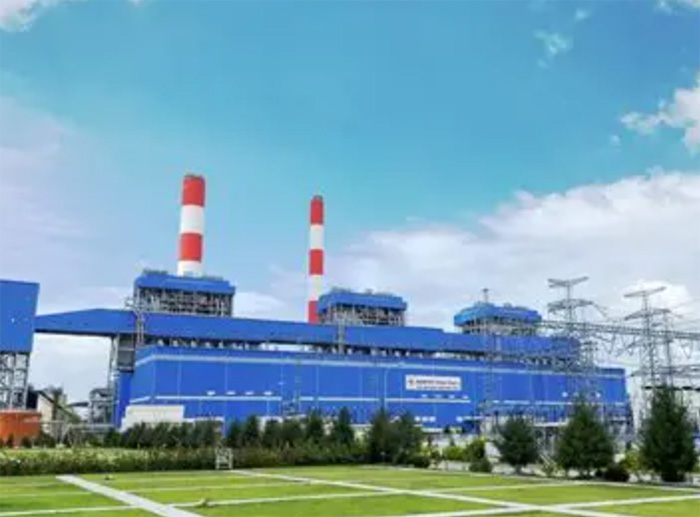
We delivered corrosion-resistant valves using high-grade alloys and specialized elastomer seals for chemical processing pipelines.
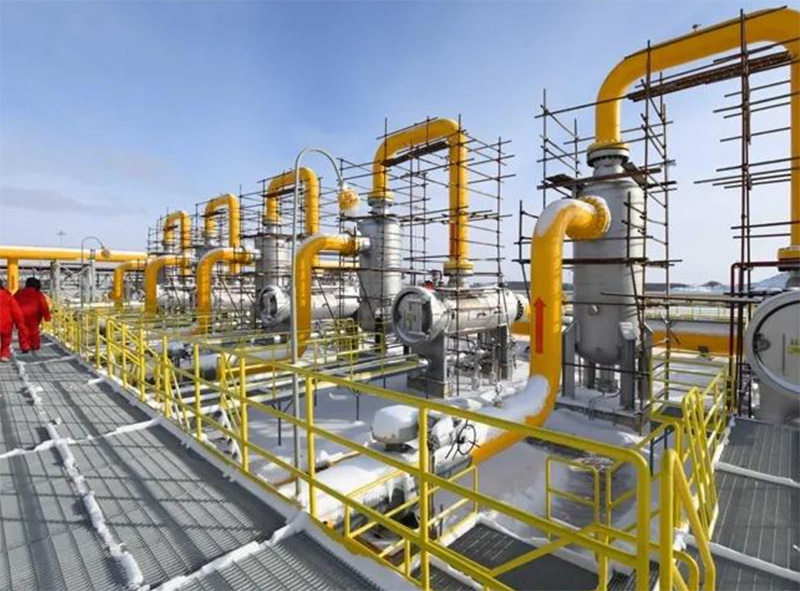
We supplied a range of ball and gate valves designed to maintain seal integrity under cold operational temperatures.
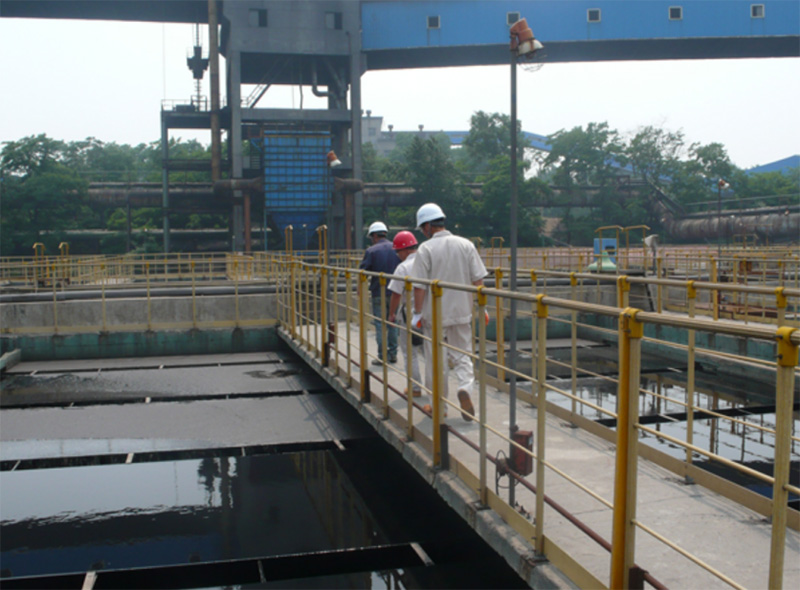
KR supplied water control valves to support municipal sewage treatment plants, assisting with flow management and regulation.
A look at the certifications and testing procedures used to verify valve reliability.
Engineering compliance forms the foundation of our manufacturing processes. Every custom rising gate valve is subjected to hydrostatic shell and seat testing to ensure performance under stress. The shell test, performed at 1.5 times the rated working pressure, verifies structural integrity, while the seat test, conducted at 1.1 times the design pressure, checks for leak-free isolation.
For applications involving potable water, we control material composition to prevent lead leaching. Our resilient seated components use WRAS-approved elastomers and raw ductile iron that meets NSF/ANSI 61 requirements. In industrial fields, including chemical processing and fire protection, our valves conform to API 600, ASME B16.34, and UL/FM guidelines. These steps ensure our products meet the standards of major municipal agencies and international engineering projects.
Answers to common engineering questions regarding the selection, application, and maintenance of rising stem gate valves.
Complementary flow control products designed to support reliable pipeline performance.
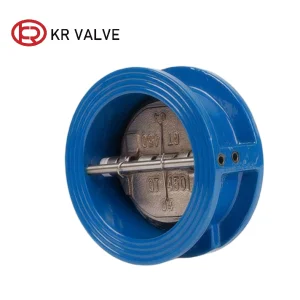
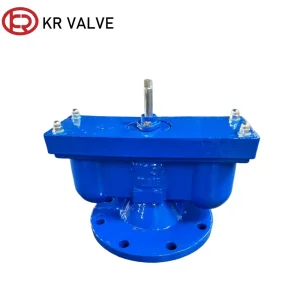
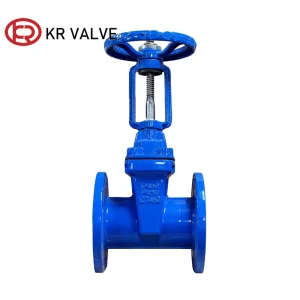
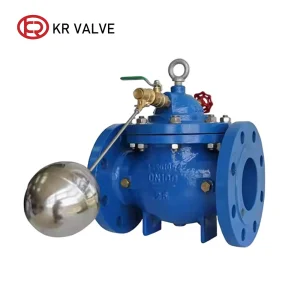
Contact our technical sales team for specifications, drawings, and quotation options for your flow control requirements.
 KR VAVLE