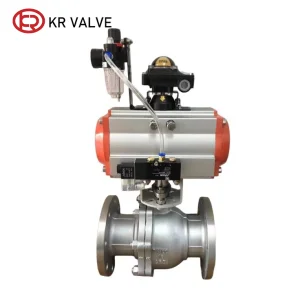
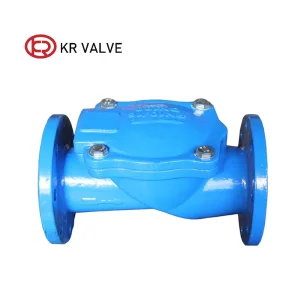
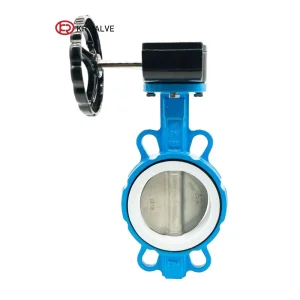
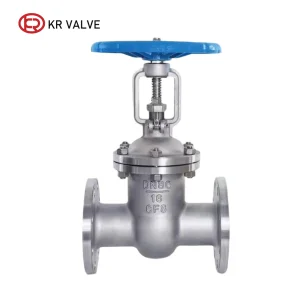
Explore our top engineering components designed for zero-leakage pipeline environments globally.
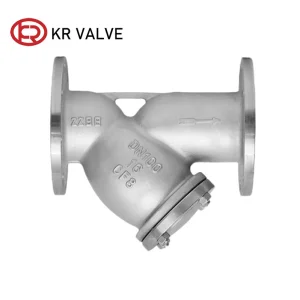
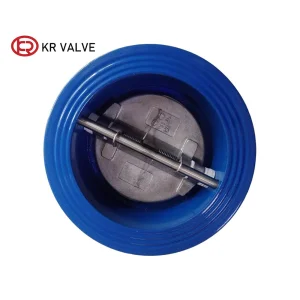
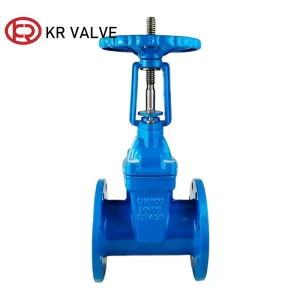
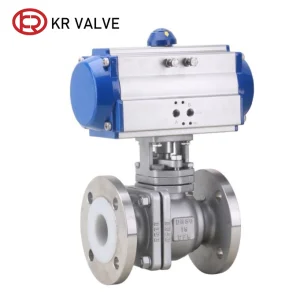
At KR Valve, we hold more than 20 years of experience in engineering, manufacturing, and supplying standard and non-standard valves of various types. We supply an extensive range of over 500 valve products, including butterfly valves, gate valves, check valves, water control valves, and matchless accessories tailored to severe operating conditions.
Our solutions play critical roles in global industries like water treatment, dam construction, commercial buildings, energy and heating, chemical engineering, and marine plants. Our client partnerships are anchored on superior quality control and high repeat purchase rates, demonstrating our commitment to long-term mutual success.
Valve Products & Variations in Our Global Portfolio
Countries & Regions Served with Certified Engineering Solutions
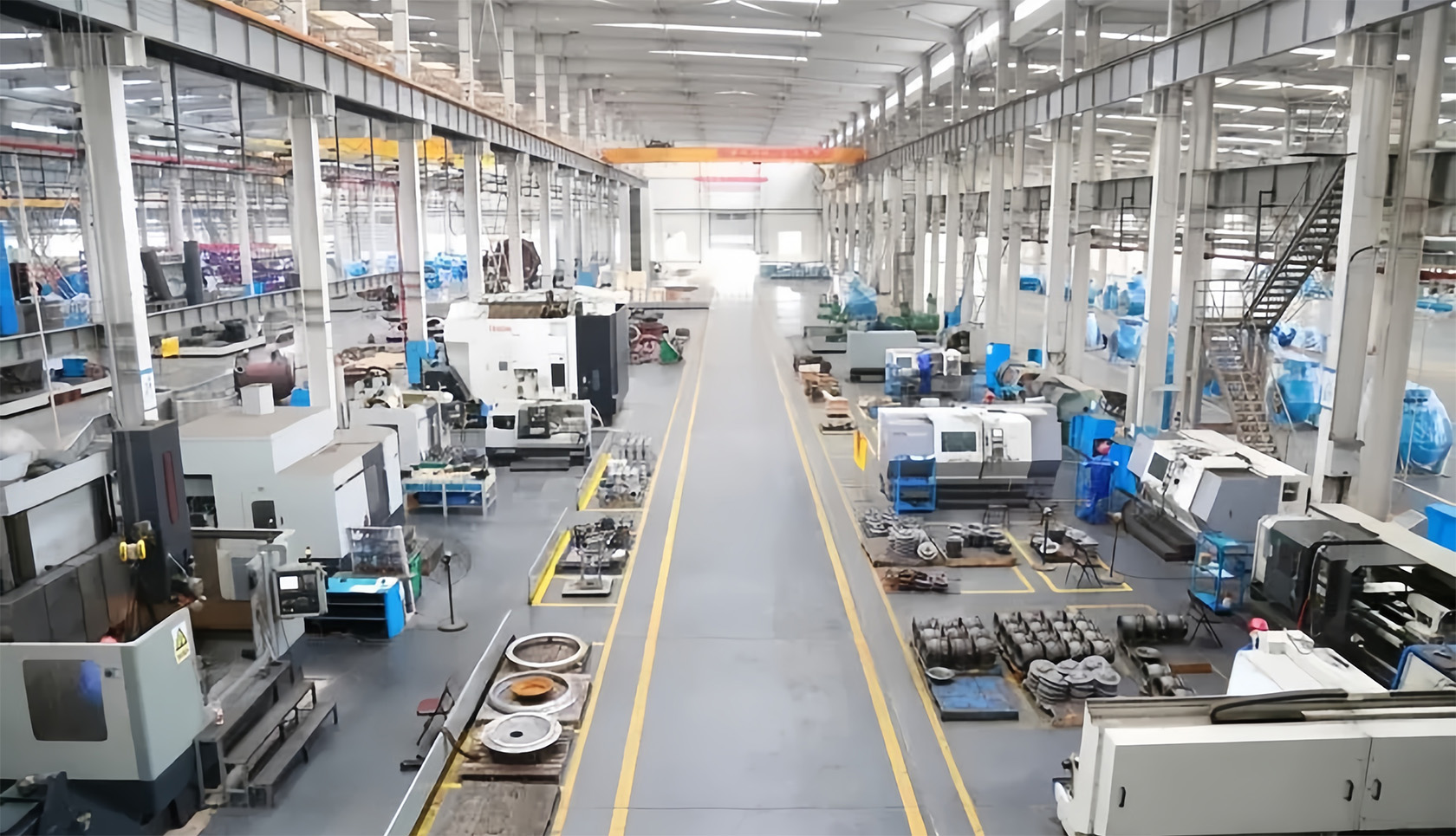
From conceptual engineering designs to precision manufacturing and 100% seal integrity testing.

Our dedicated R&D department ensures continuous product design improvements. Our modern testing lab elevates performance development across 20 series and over 500 varieties to meet strict specifications.
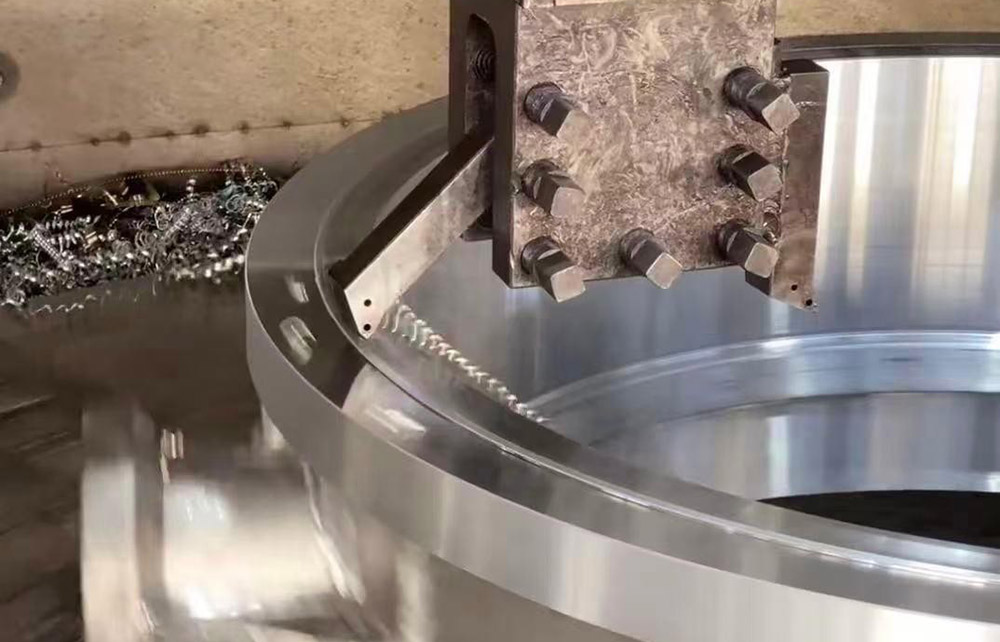
Manufacturing operations run strictly under the ISO-9001 quality management system. Equipped with over 30 advanced production units, we optimize schedules to meet critical customer shipping targets.
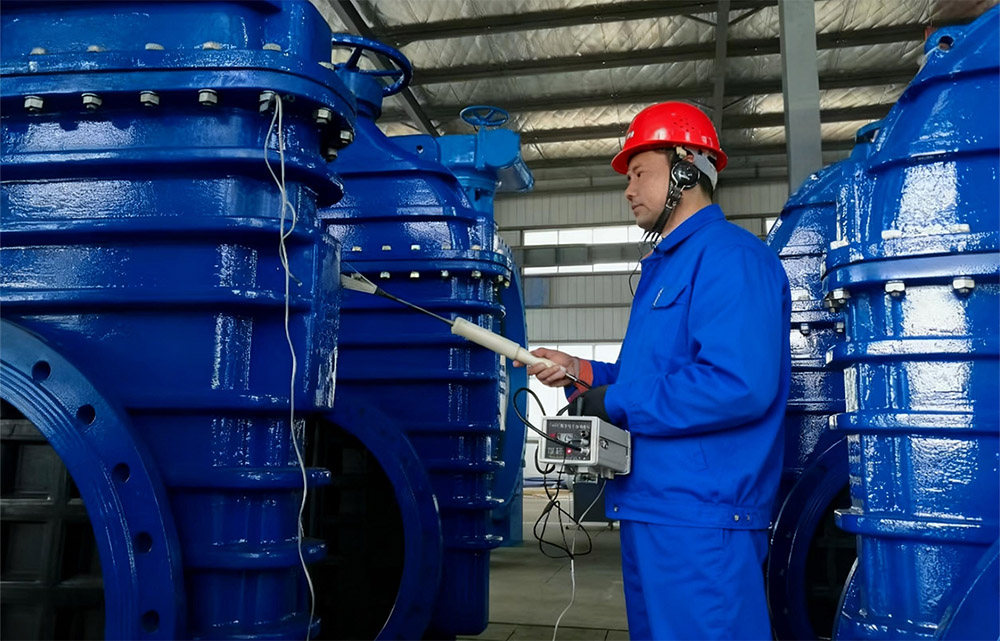
Our zero-leakage principle is enforced by a dedicated QC division. Every component undergoes size verification, appearance inspection, shell hydrostatic tests, and seat tightness evaluations.
An engineering analysis of design patterns, material selections, and critical factors in selecting OS&Y (Outside Screw & Yoke) rising stem gate valves.
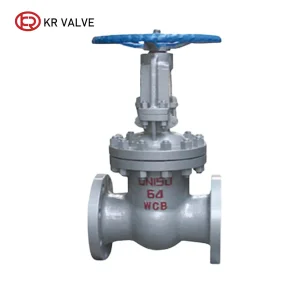
Rising stem gate valves (frequently referred to as Outside Screw and Yoke, or OS&Y valves) operate by moving the stem up and down to raise or lower the gate wedge. Unlike non-rising stem (NRS) valves, the stem thread of a rising stem valve remains external to the flow path. This protects the thread from wear, scaling, and corrosive process media.
This design serves a critical safety role: the vertical position of the stem provides immediate visual indication of the valve's open or closed state. Consequently, rising stem gate valves are the industry standard for fire-protection water systems (such as UL/FM listed fire mains), petrochemical refineries, and high-pressure processing lines where accidental valve closure could lead to severe system failure.
To ensure high performance in demanding applications, custom rising stem gate valves utilize key design configurations:
Industrial procurement teams must align valve material selections with both target process media and regulatory codes. Below is our engineering selection guidelines for rising stem valves:
Understanding how rising stem gate valves integrate with wider industrial operations is crucial for reliable flow control design. Real-world applications of KR Valve systems include:
Modern flow control systems increasingly require real-time valve status monitoring. Key developments in rising stem gate valve engineering include:
We control every step of the supply chain to ensure quality and competitive pricing.
We support our independent brand "KR" alongside complete OEM services, building long-term relationships with well-known global brands.
Our facility operates 15 heavy-duty machining units and organized assembly lines, run by experienced technical teams.
Offering 20 major series and over 500 distinct valve varieties, custom-engineered to meet international pipeline standards.
We strictly monitor and test every component during production, ensuring zero leakages from casting to final pressure test.
Managing all manufacturing processes in-house allows us to optimize production costs and pass savings on to partners.
Our engineers provide technical consultations, material reviews, and post-installation support to ensure reliable operation.
Take a virtual tour of our production facilities and quality testing labs.
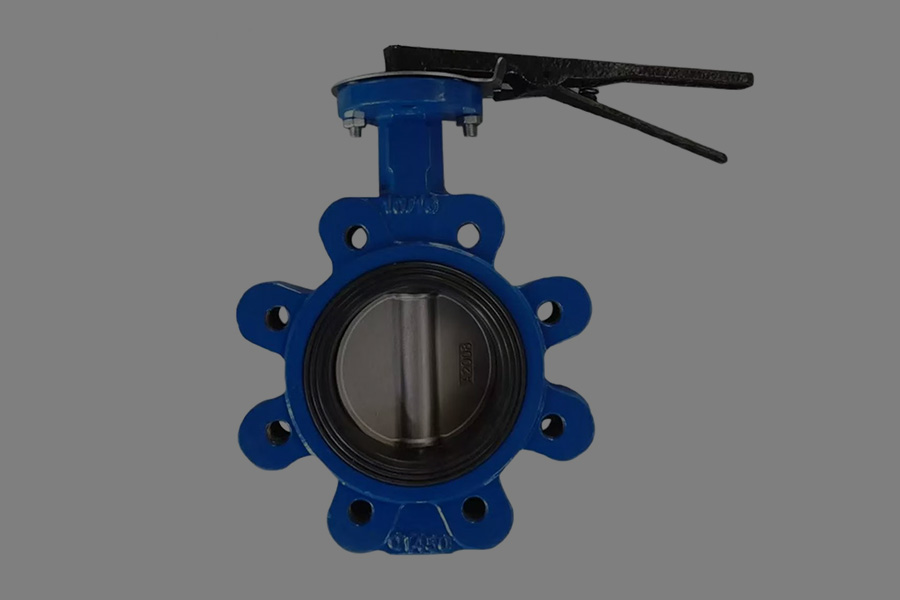
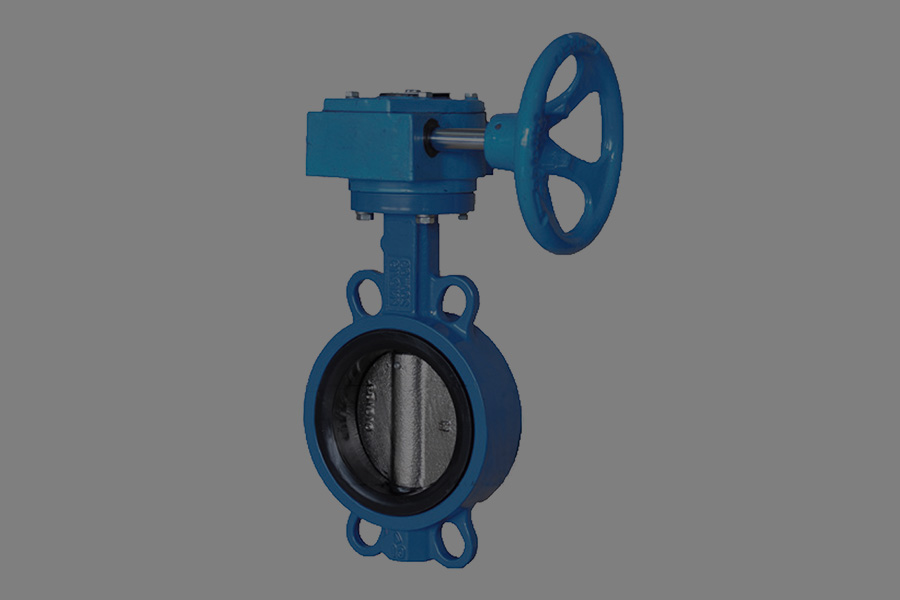
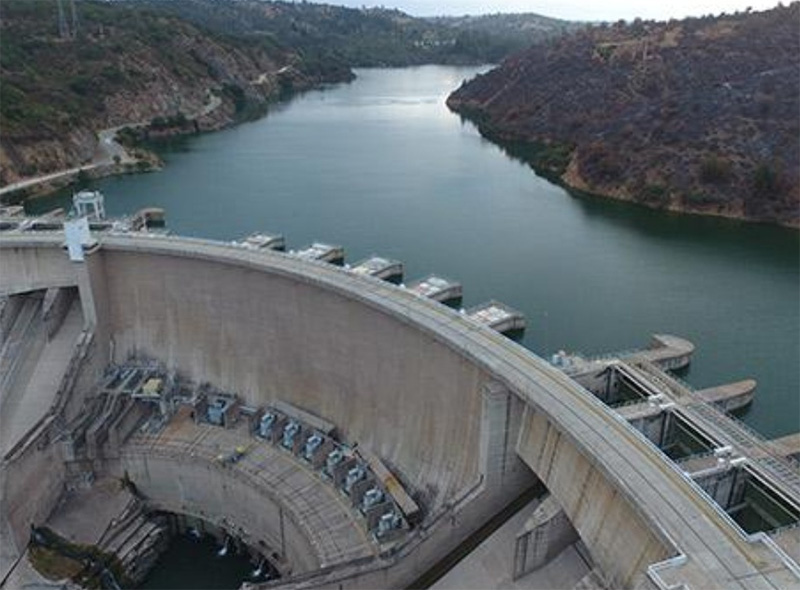
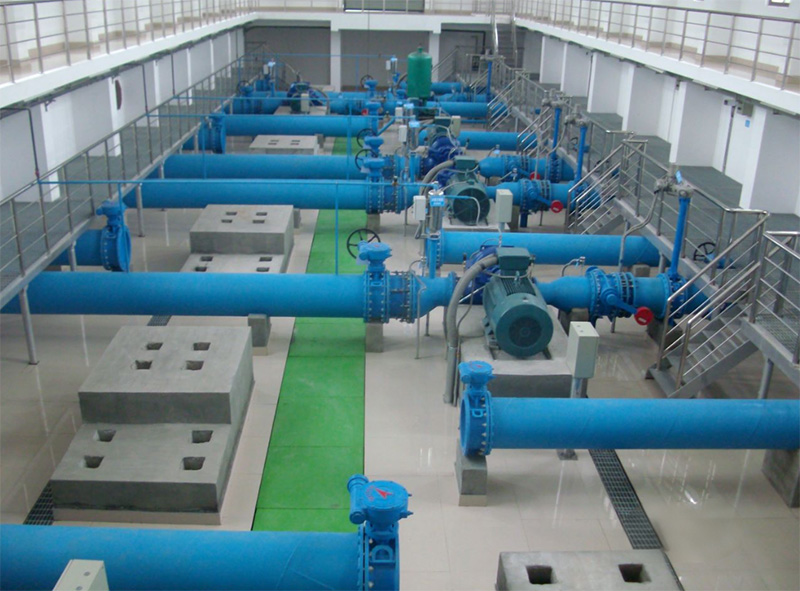
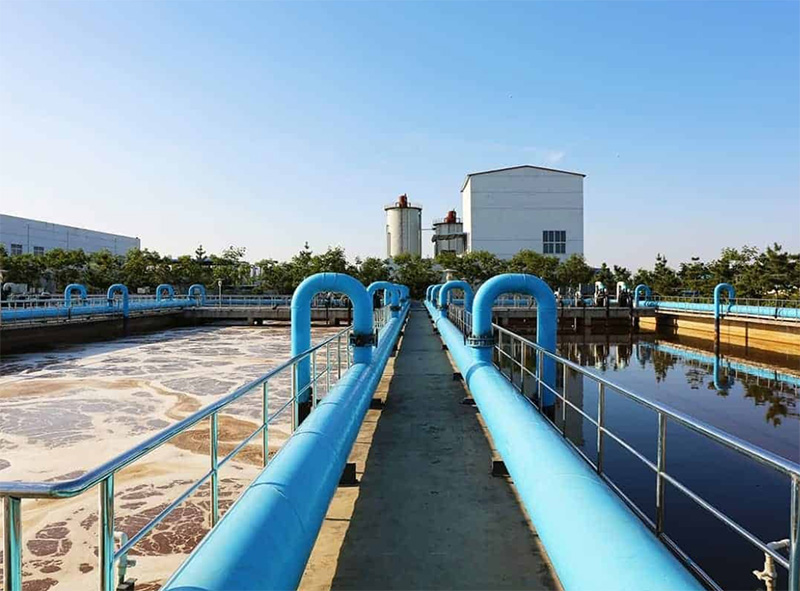
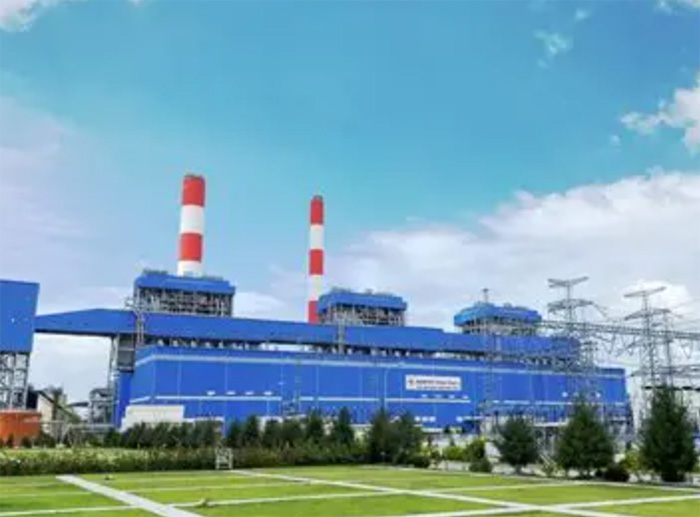
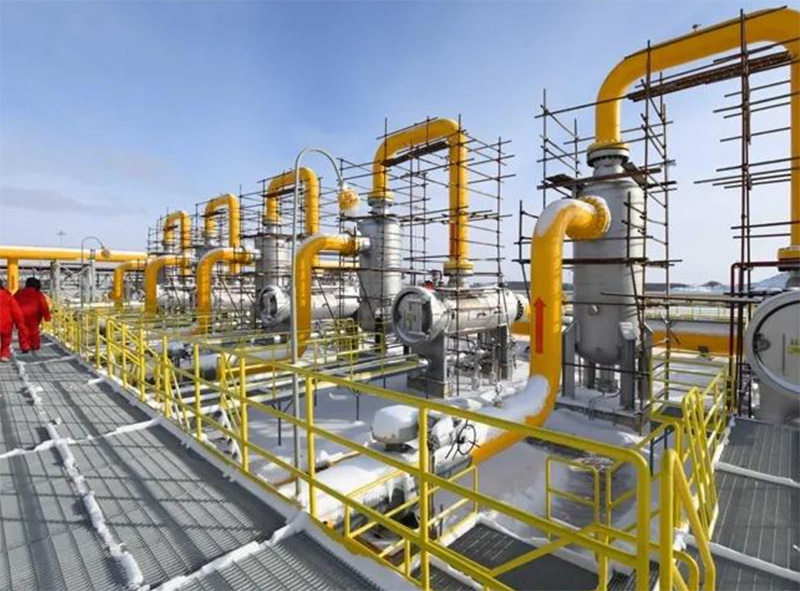
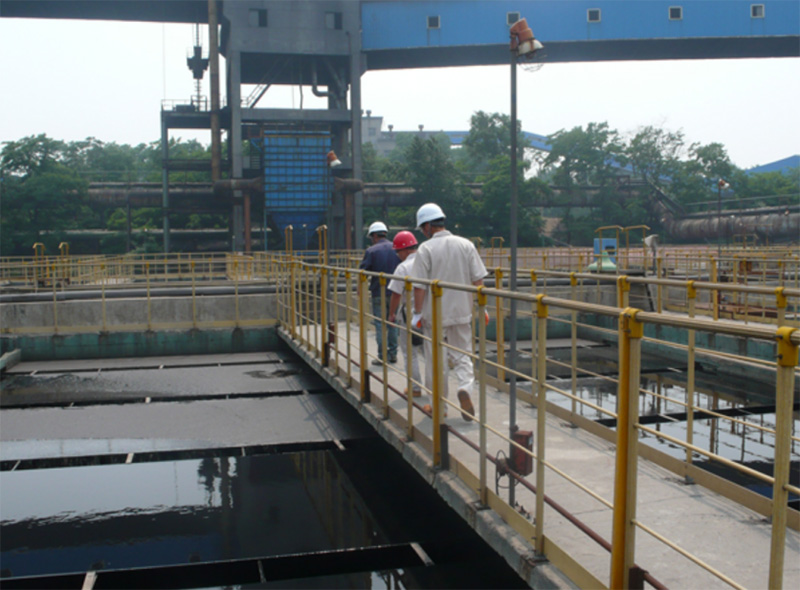
Our engineering systems are deployed in municipal infrastructure, dam construction, and processing plants worldwide.
Our engineering experts answer common technical and procurement queries.
The main advantage is safety and durability. In a rising stem (OS&Y) valve, the stem threads remain outside the fluid path, preventing damage from corrosion or fluid contaminants. Additionally, the rising stem provides quick visual confirmation of whether the valve is open or closed, which is critical in safety-sensitive applications like fire water mains.
Resilient seated valves utilize elastomeric coatings (like EPDM or NBR) to achieve a bubble-tight seal, making them ideal for water distribution and low-temperature fluid networks. Metal-seated valves employ metal-on-metal seal rings (like Stellite or bronze), allowing them to withstand higher temperatures, high pressures, and abrasive fluids common in oil, gas, and chemical processes.
Our valves are designed, manufactured, and tested to meet international standards including ASME B16.34, API 600, EN 1171, DIN 3352 F4/F5, and AWWA C509/C515. All hydrostatic shell and seat pressure testing is conducted in compliance with API 598 or EN 12266-1 prior to shipment.
Yes, rising stem gate valves can be automated using electric, pneumatic, or hydraulic actuators. Since the stem moves lineally, a linear actuator or a multi-turn rotary actuator with a stem nut adapter is used to manage operations from control centers.
Discover our comprehensive range of specialized water and process control valves.
Connect with KR Valve's engineering team for custom drawings, data sheets, and project pricing tailored to your technical requirements.
Request Engineering Proposal KR VAVLE