Engineered for absolute sealing, minimal pressure drop, and exceptional durability in hazardous environments.
In modern heavy industries, emission reduction, waste heat recovery, and fluid containment systems rely on high-integrity industrial valves. These assemblies regulate pressure spikes, redirect toxic gases, and safeguard critical equipment. Global procurement directors in marine engineering, power generation, chemical synthesis, and water treatment are shifting focus. They seek customized, multi-way valves designed to operate under severe thermal gradients, high velocities, and corrosive chemical streams.
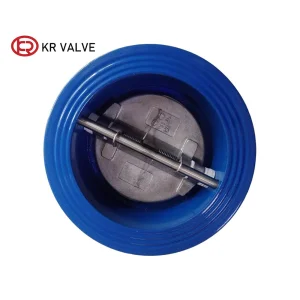
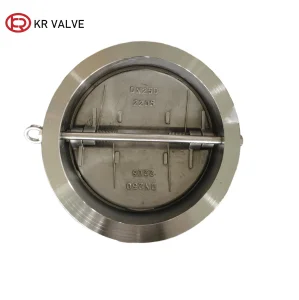
Custom valve exhaust systems are no longer standard off-the-shelf components. Selecting the right supplier requires evaluating their engineering capabilities, material sourcing networks, and certification alignment. Whether it is dual-disc wafer check valves to prevent backflow in water treatment, or triple-offset butterfly valves handling gas routing, each component demands strict design parameters. KR Valve meets this demand, leveraging over 20 years of manufacturing experience to deliver high-performance fluid control solutions.
KR has more than 20 years of experience producing standard and non-standard valves of various types. We supply a selection of over 500 valve products, including butterfly valves, gate valves, check valves, and water control valves, along with matching accessories. Our valves operate across water treatment, dam construction, commercial building services, district heating, chemical engineering, and power generation networks.
Beyond manufacturing, we prioritize forming long-term, mutually beneficial partnerships with every client. We believe reliable support, engineering consultation, and prompt delivery are as critical as the valves themselves. Today, KR Valve's products are exported to over 50 countries across Europe, Asia, Africa, and Oceania, providing project construction and brand marketing services to thousands of customers.
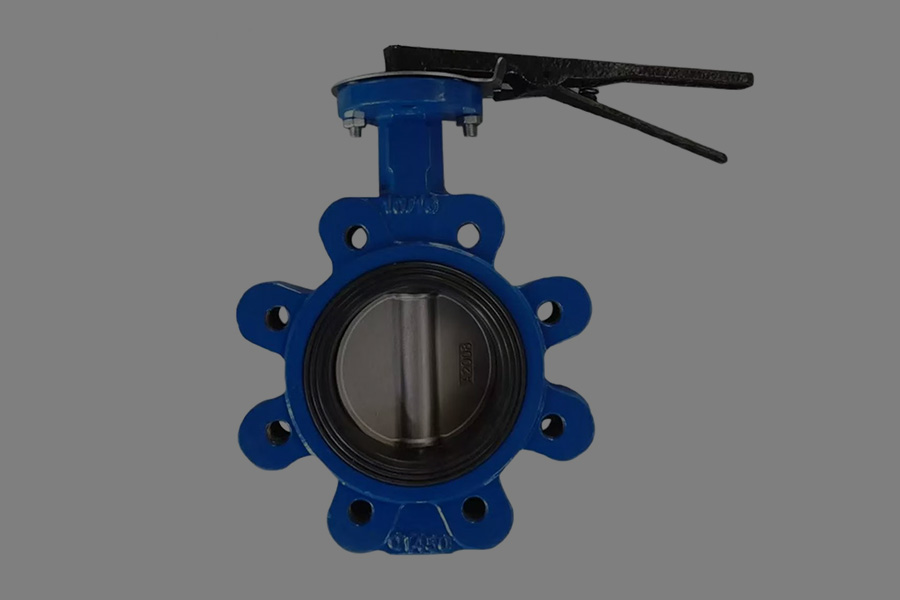
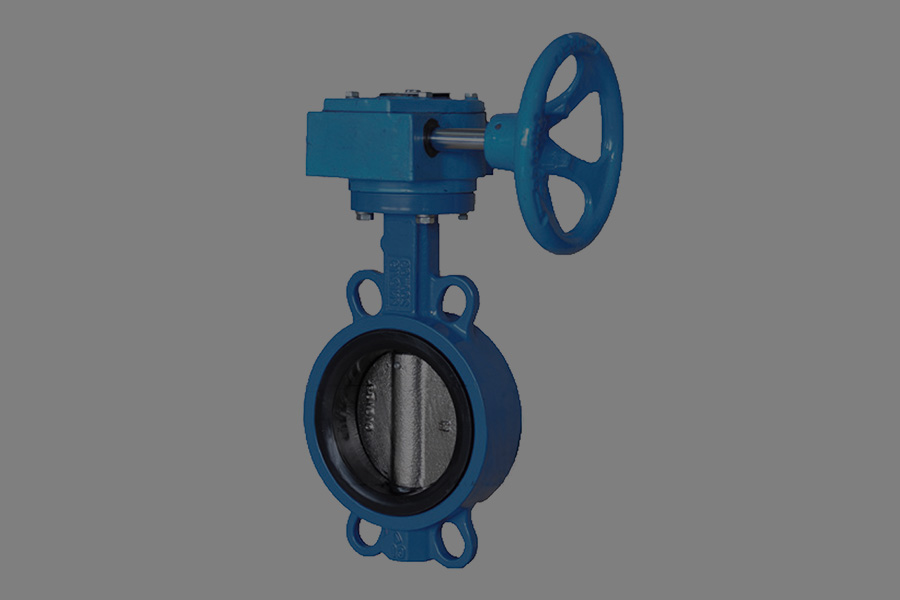
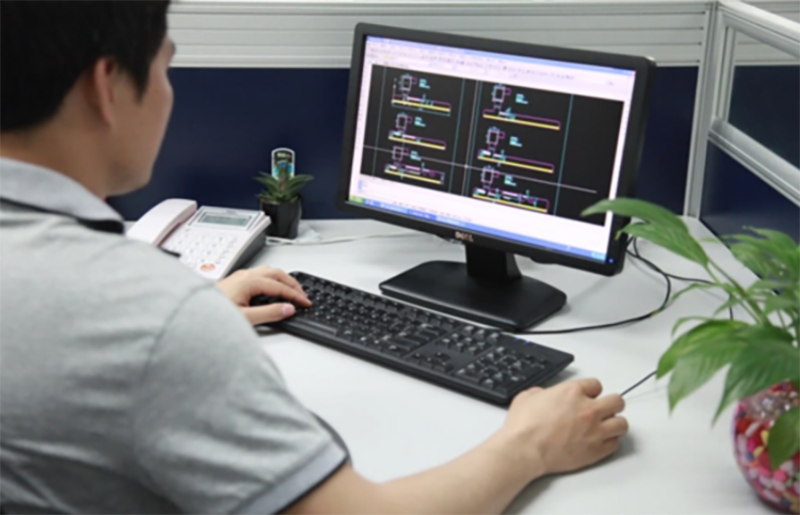
Reliable performance under harsh operating conditions starts at the drawing board. Our dedicated R&D department ensures continuous product design innovation. Technicians leverage 3D CAD modeling and Finite Element Analysis (FEA) to evaluate flow coefficients, structural integrity under high pressures, and thermal stresses. Our modern laboratory supports extensive testing to optimize flow characteristics, minimize cavitation, and extend service life.
Our engineering team designs custom components to match project specifications. We optimize body geometries, choose appropriate seat materials, and size actuators to deliver reliable flow control.
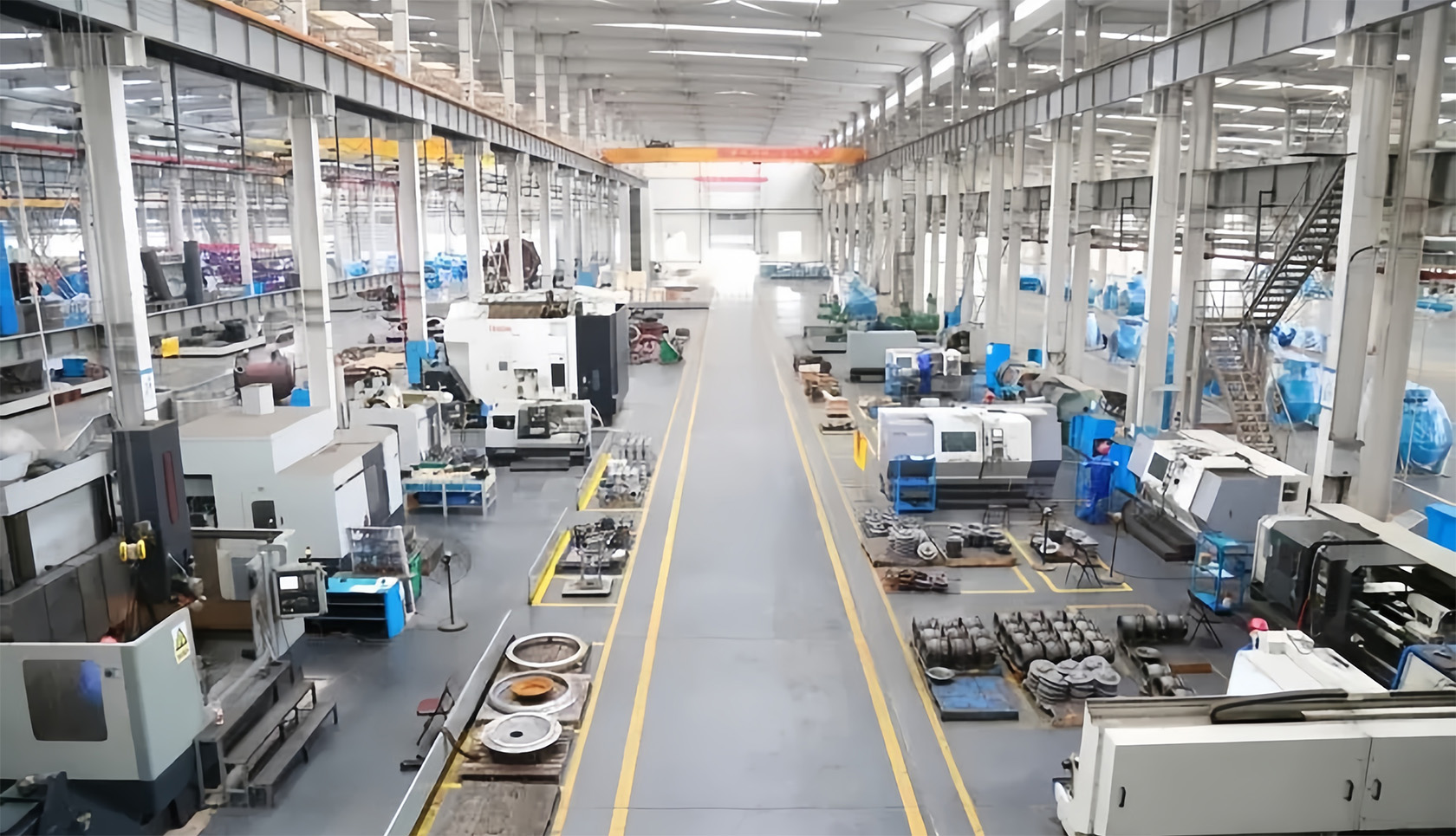
Valves are manufactured under the ISO-9001 quality management system. Our plant operates over 30 machining centers and dedicated assembly lines, enabling high-volume output and flexible delivery schedules.
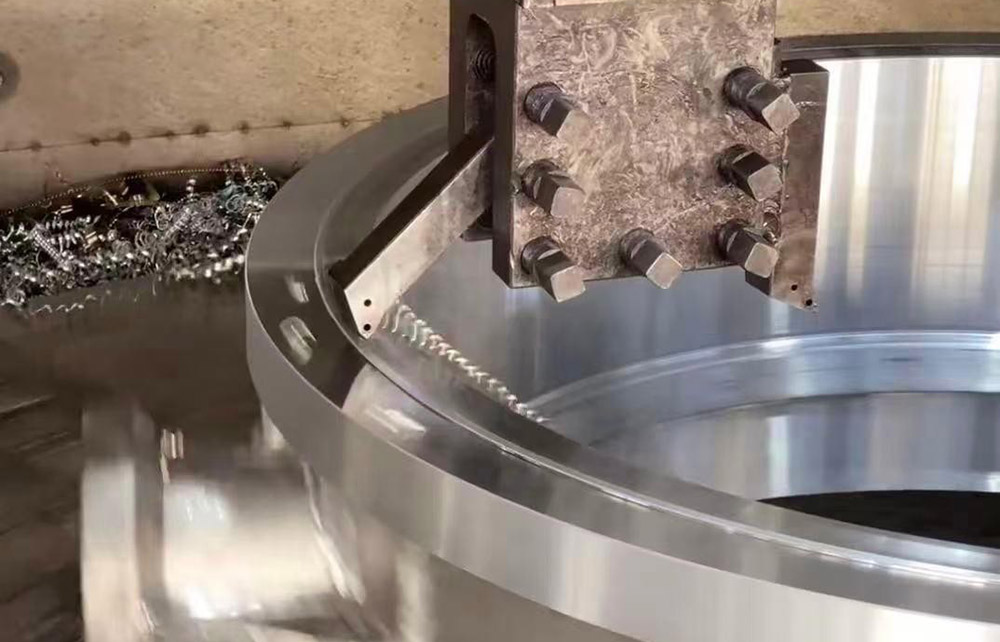
Zero leakage is our production standard. Every valve undergoes hydrostatic and pneumatic pressure testing, dimensional verification, and material certification checks before dispatch.
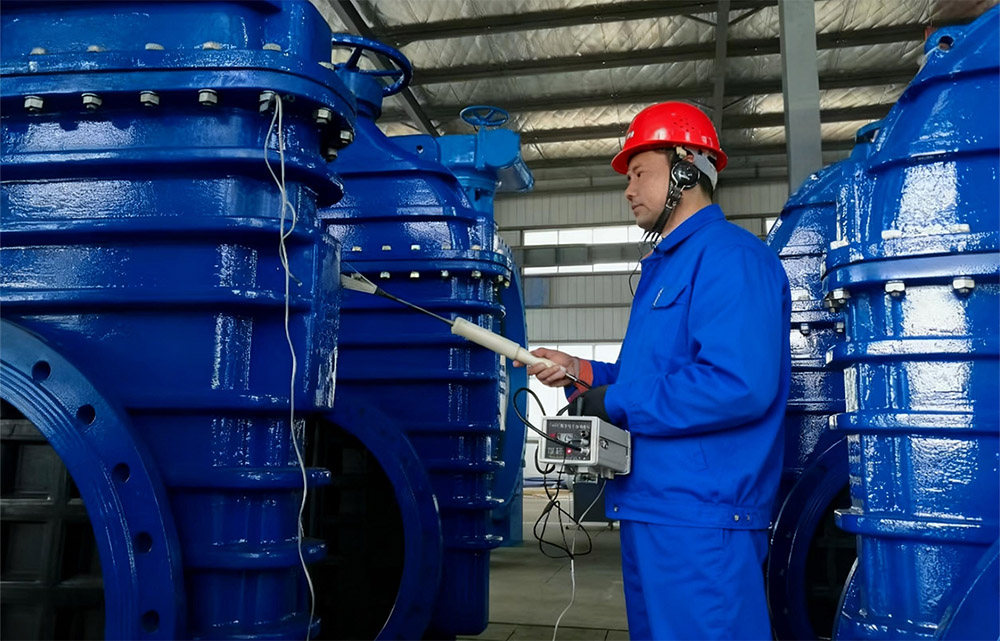
B2B buyers require complete supply chain transparency, technical documentation, and post-sales support. We align our services with international standards, offering custom OEM engineering alongside our standard catalog.
Alongside the "KR" brand, we offer complete OEM support, private labeling, and tailored packaging for international engineering firms and valve distributors.
Our facility houses 15 specialized machining centers and structured assembly areas. Operating under lean production principles, our experienced technicians minimize waste and maintain high dimensional accuracy.
We supply a selection of over 500 valve types across 20 series, supporting both international design standards (ANSI, DIN, BS, JIS) and custom dimensions.

Controlling the entire manufacturing process in-house, from raw casting machining to testing, enables us to optimize production costs and pass the savings on to our clients.
“By engineering and testing all valves in our ISO-certified facility, we maintain a consistent quality standard while offering competitive pricing for global B2B procurement contracts.”
Explore our core product groups designed for water treatment, gas processing, and chemical pipelines.
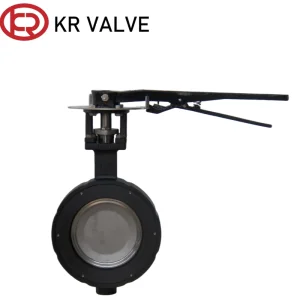
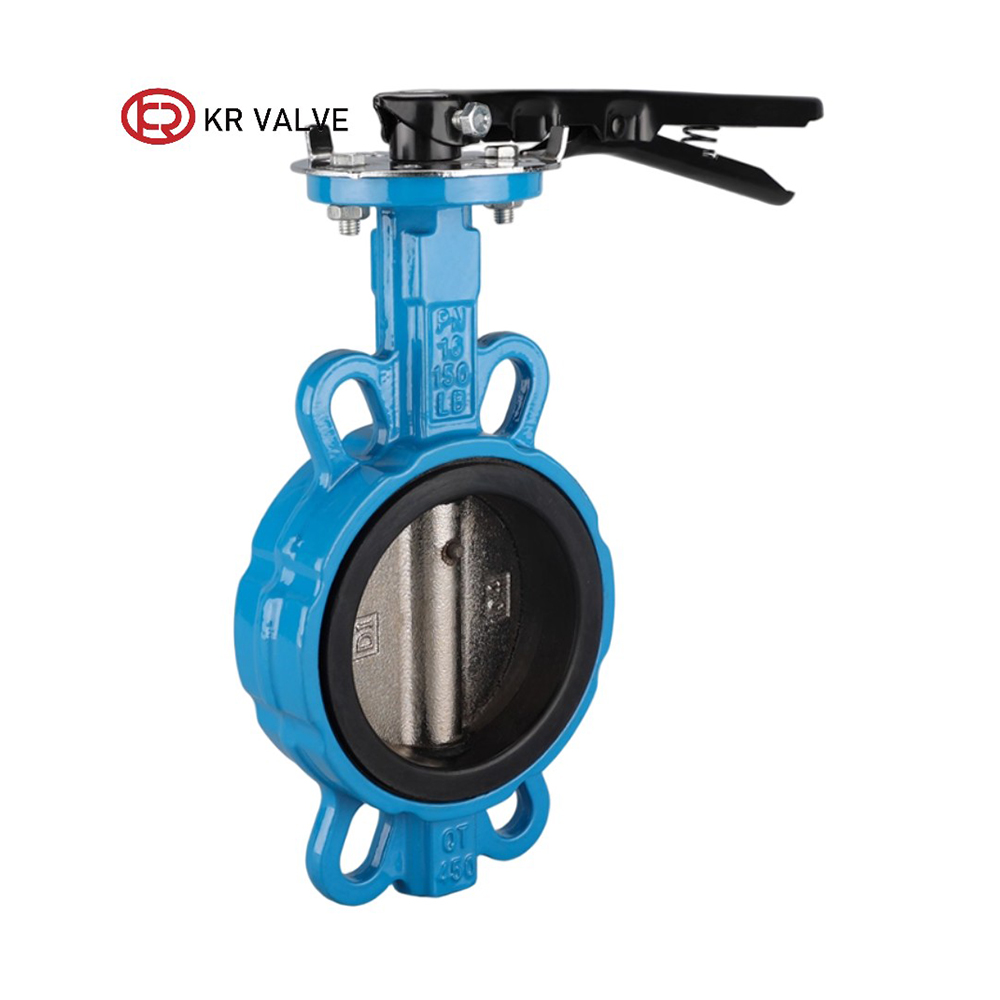
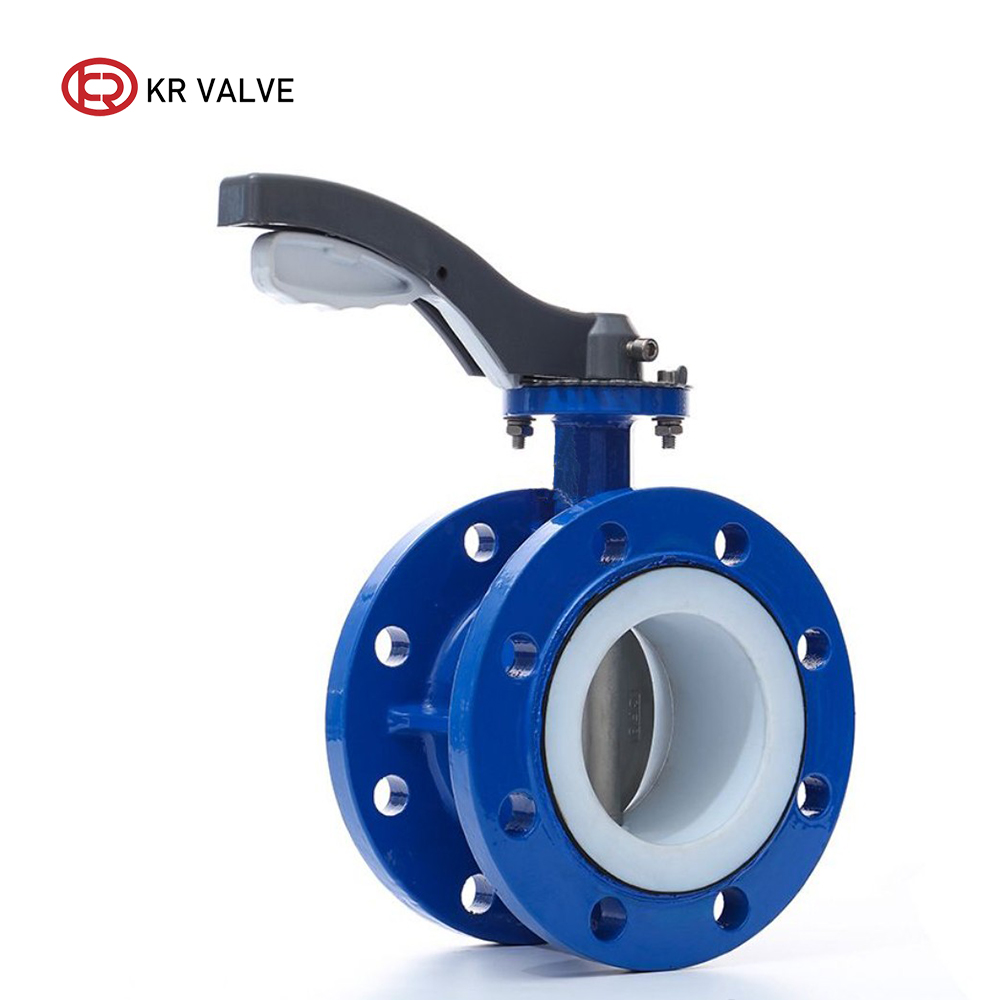
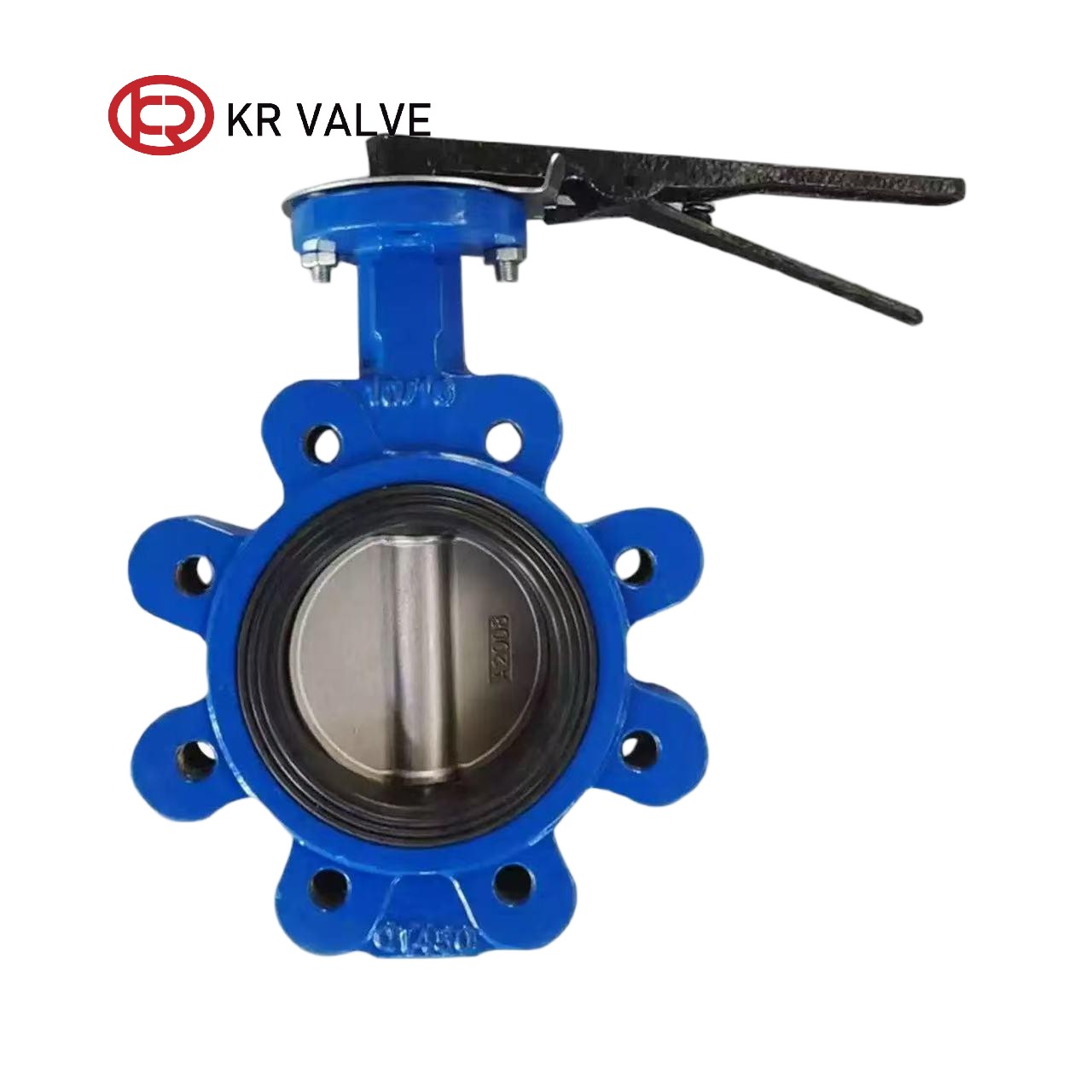
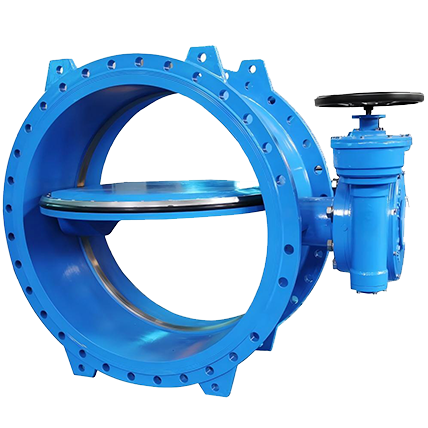 High-Performance Butterfly Valves
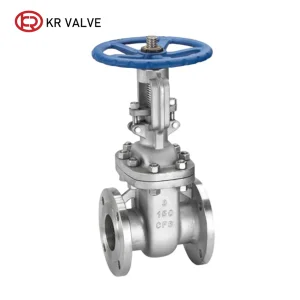
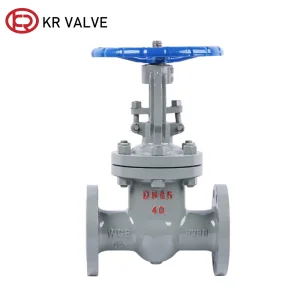
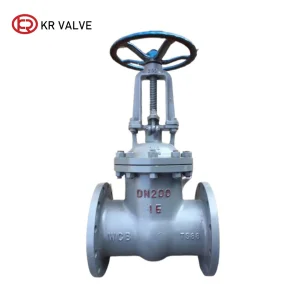
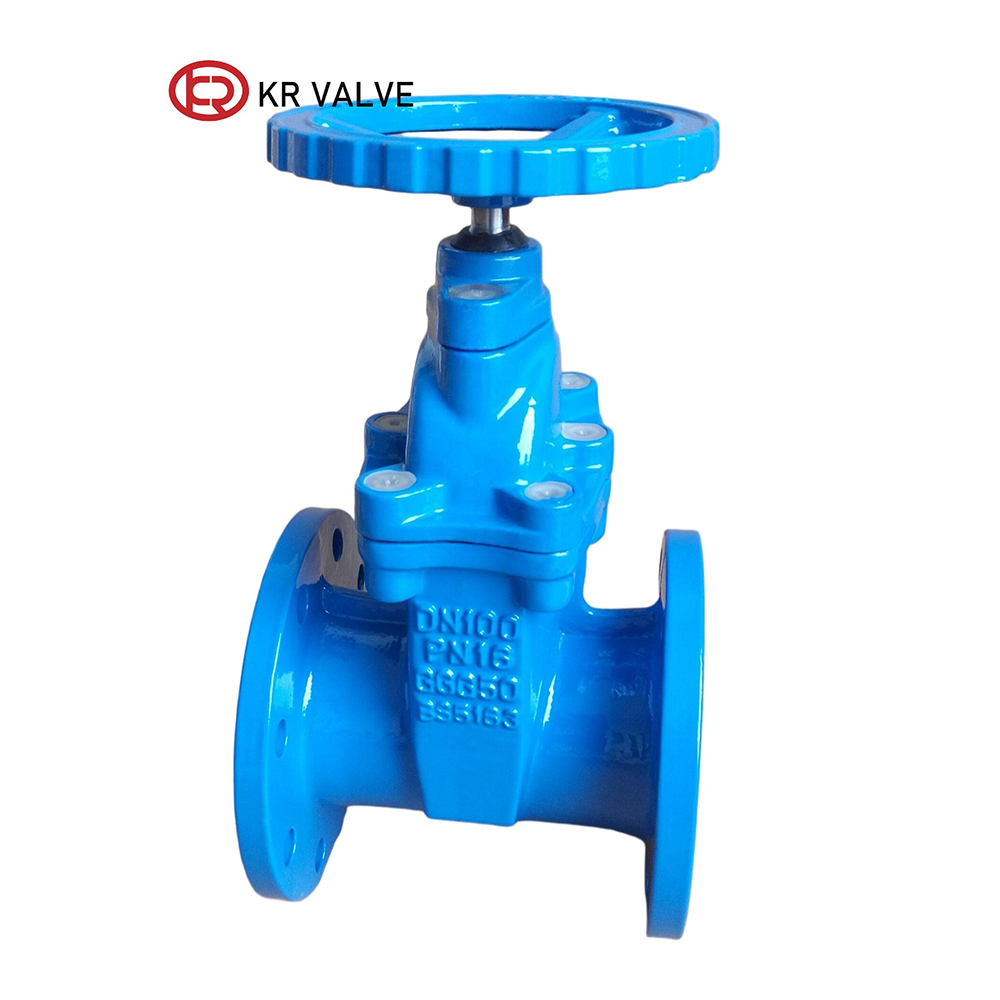
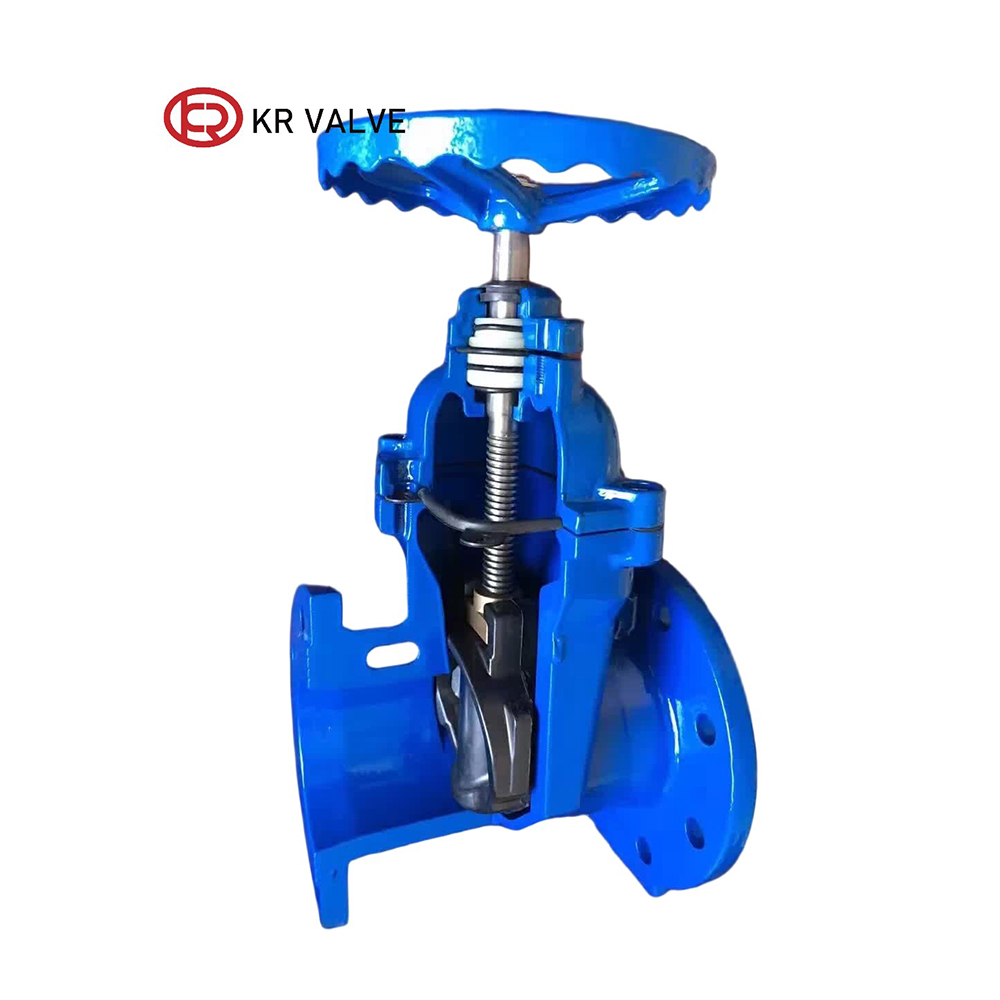
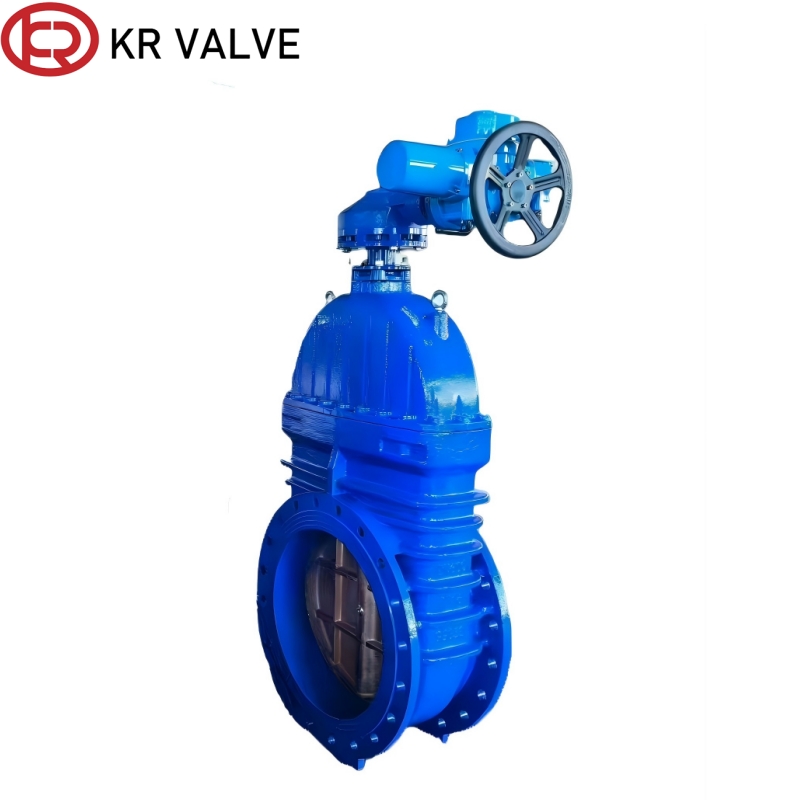
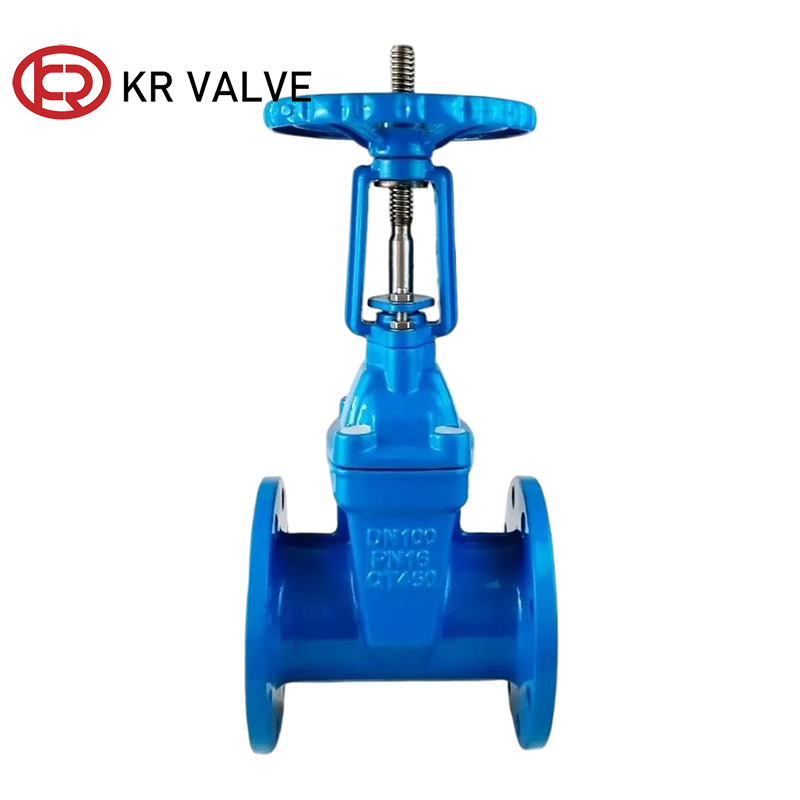
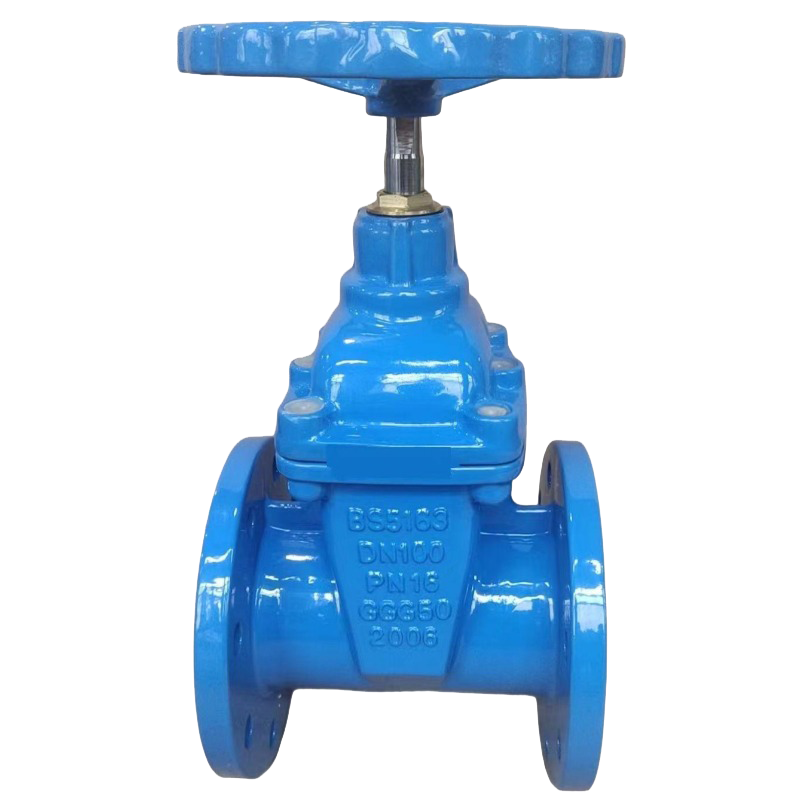 Resilient & Metal Seated Gate Valves
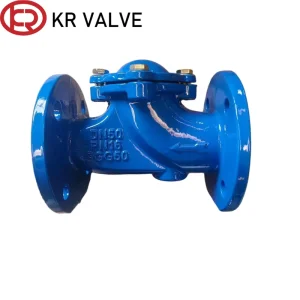
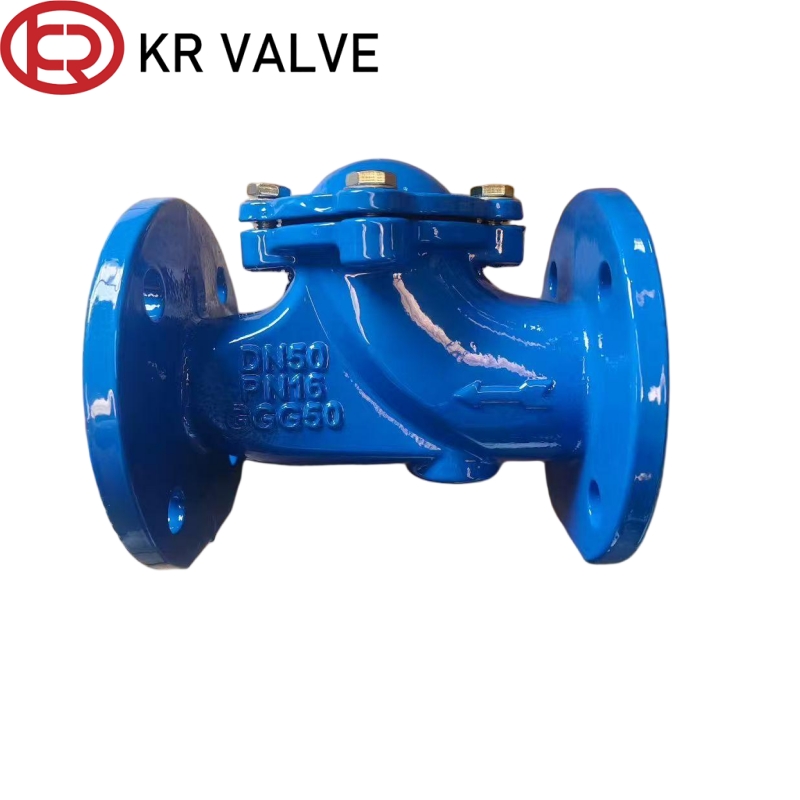
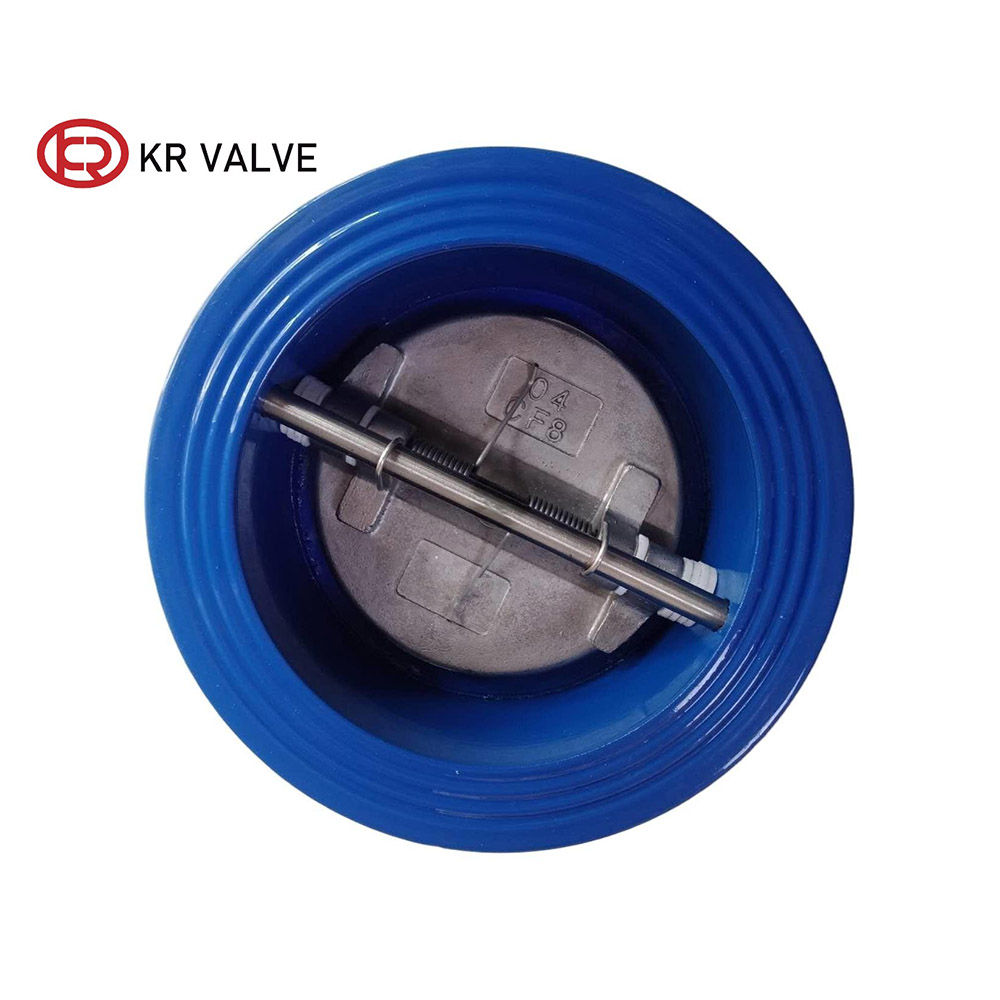
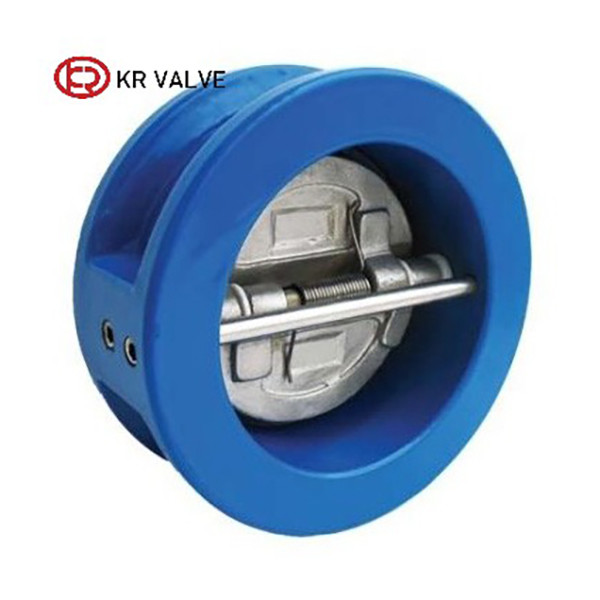
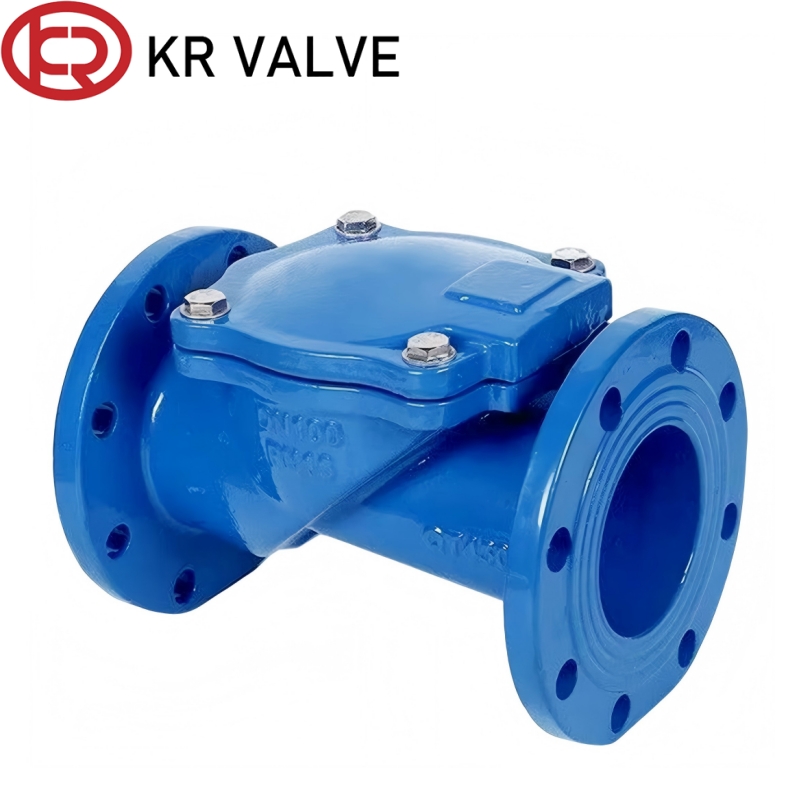
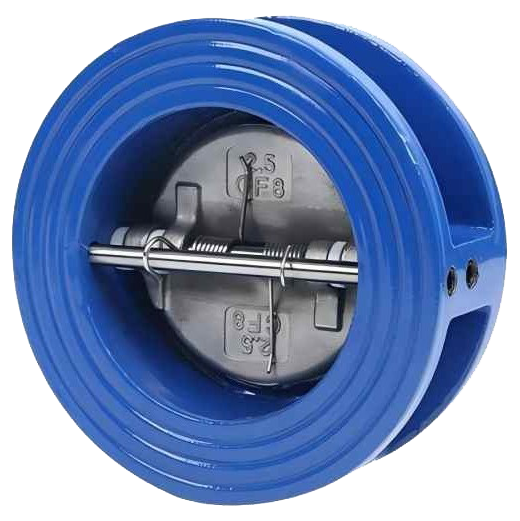 Industrial Check Valves
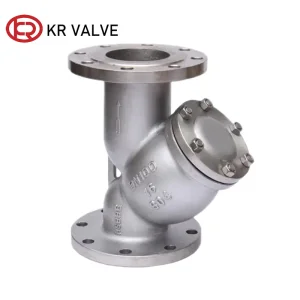
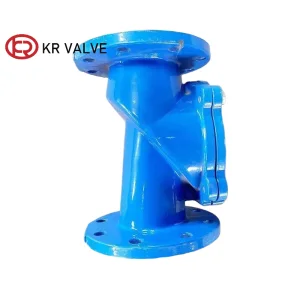
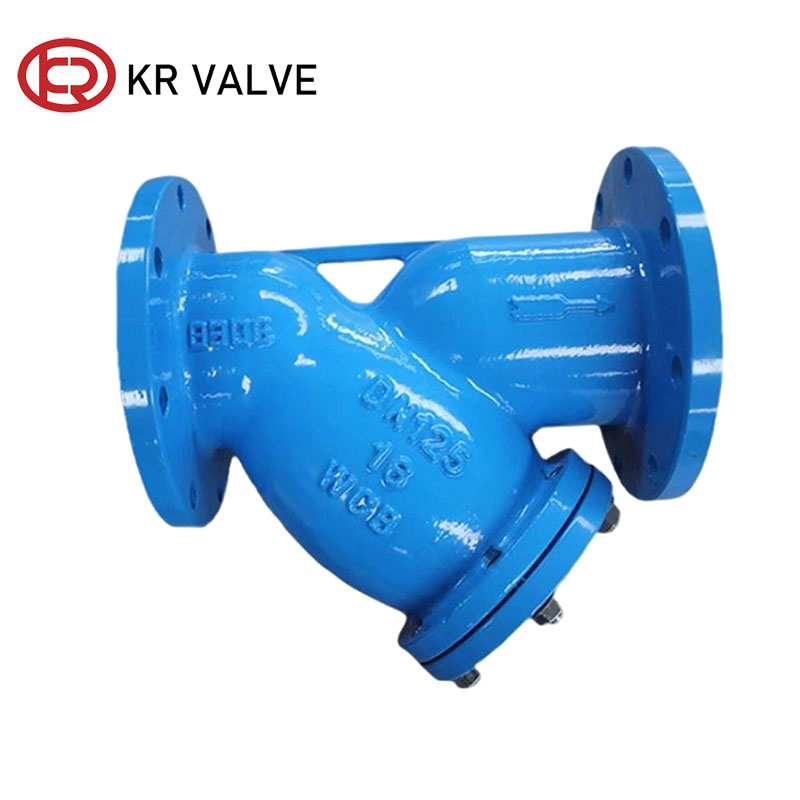
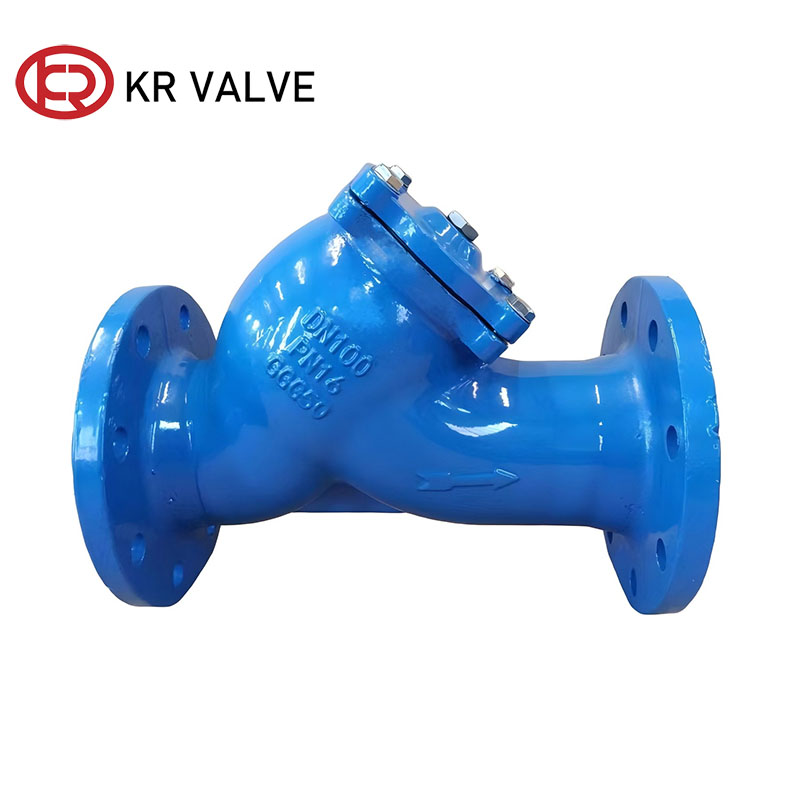
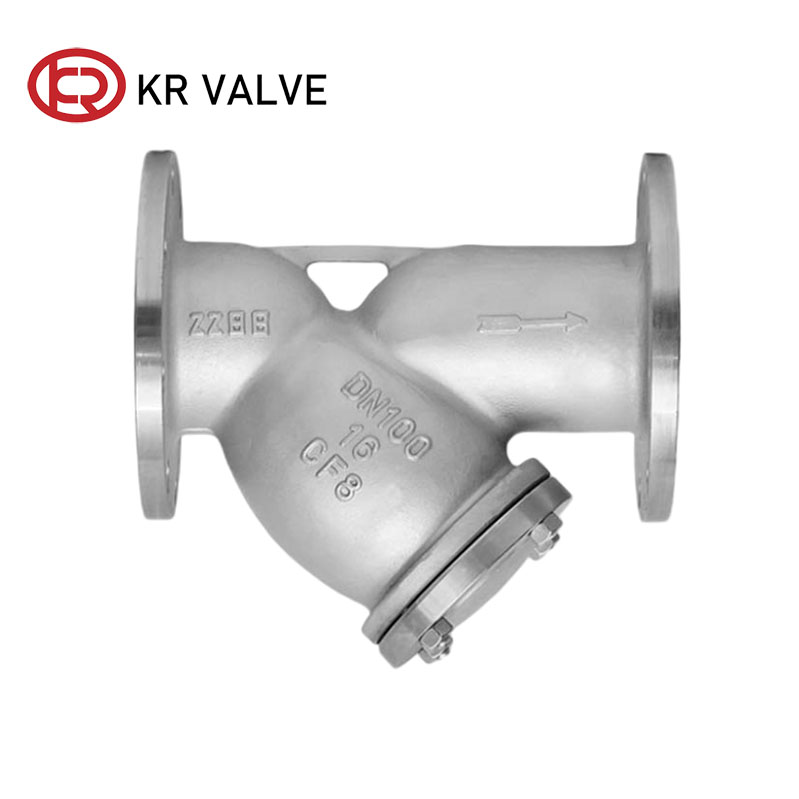
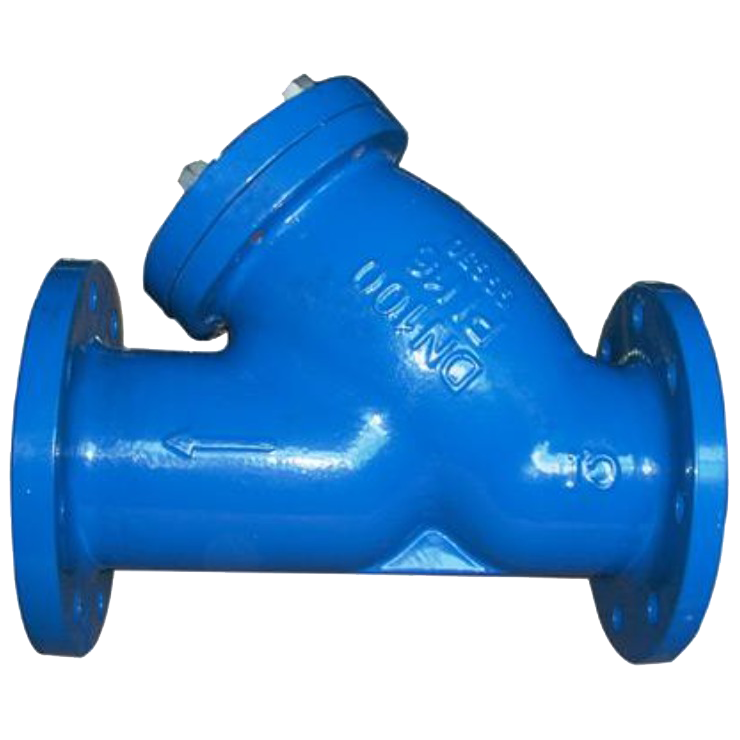 Pipeline Y-Type Strainers
Industrial processing operations face distinct operating challenges. From municipal sewage treatment projects in Brazil to natural gas transport systems in Russia, flow control components must perform reliably.
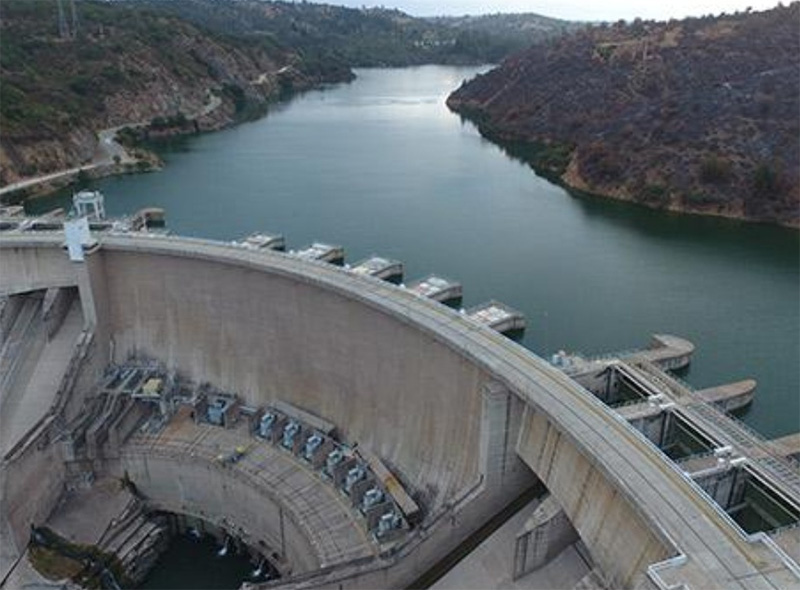
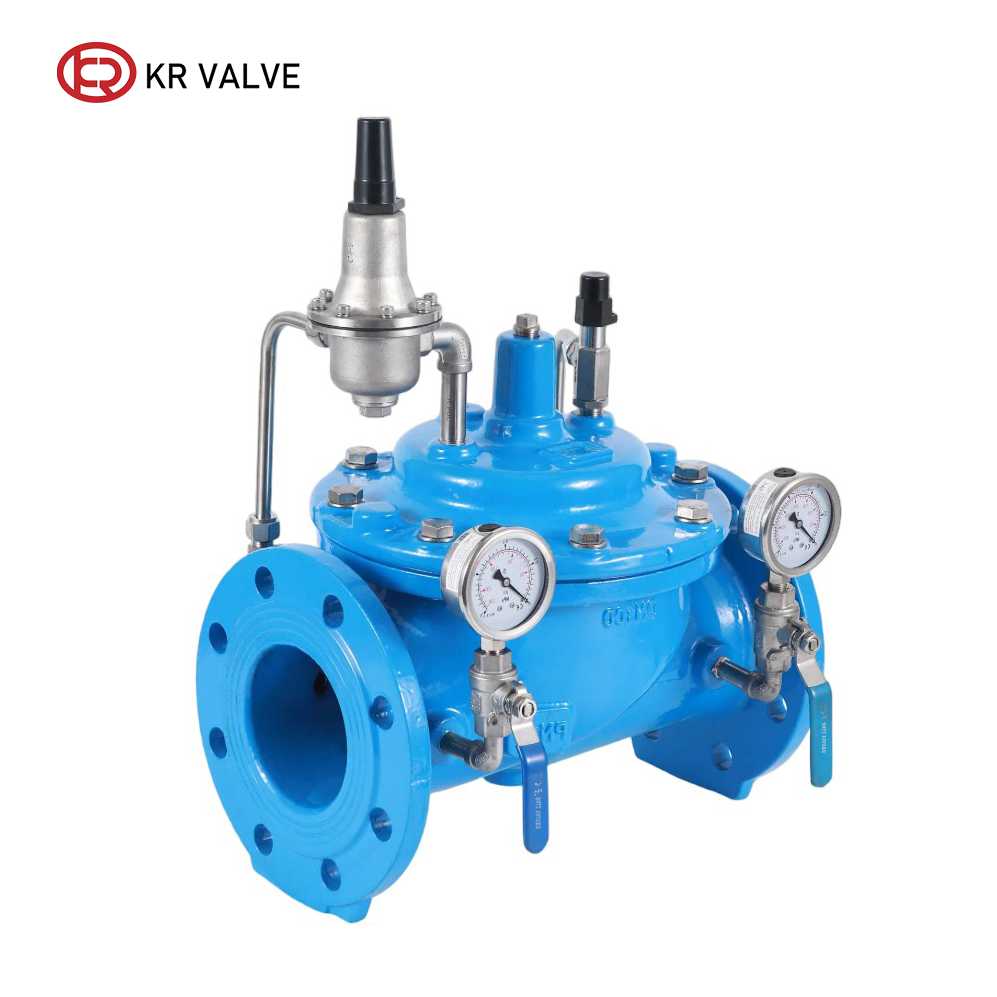
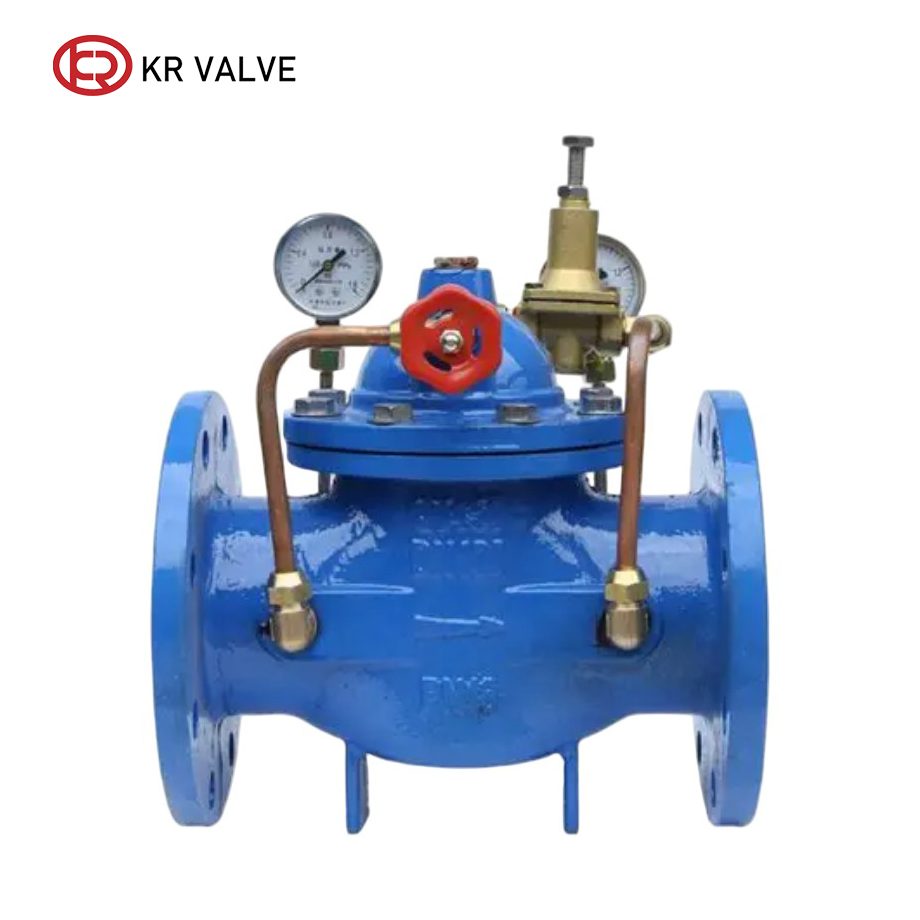
KR supplied custom hydraulic water control valves for high-elevation reservoir pipelines in Chile, managing pressure spikes under variable gravity flow rates.
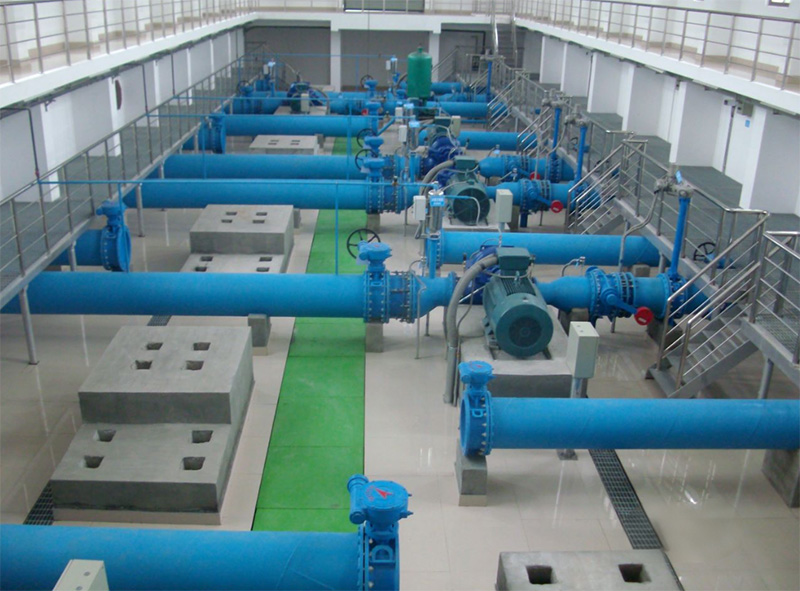
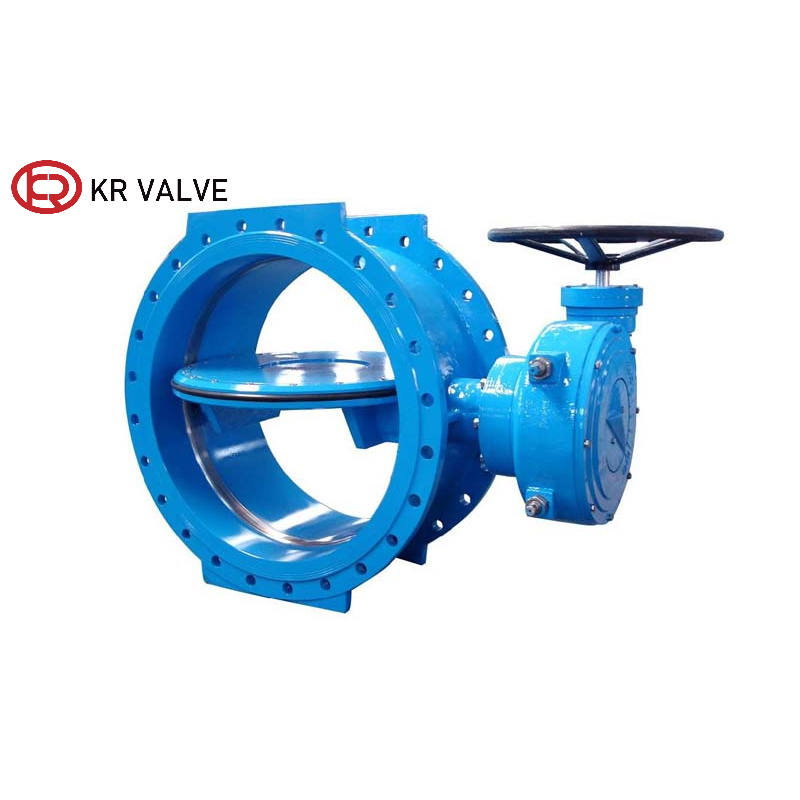
Delivery of large-diameter check valves and double-flanged eccentric butterfly valves to Italian municipal networks, providing low torque operation and long-term sealing.
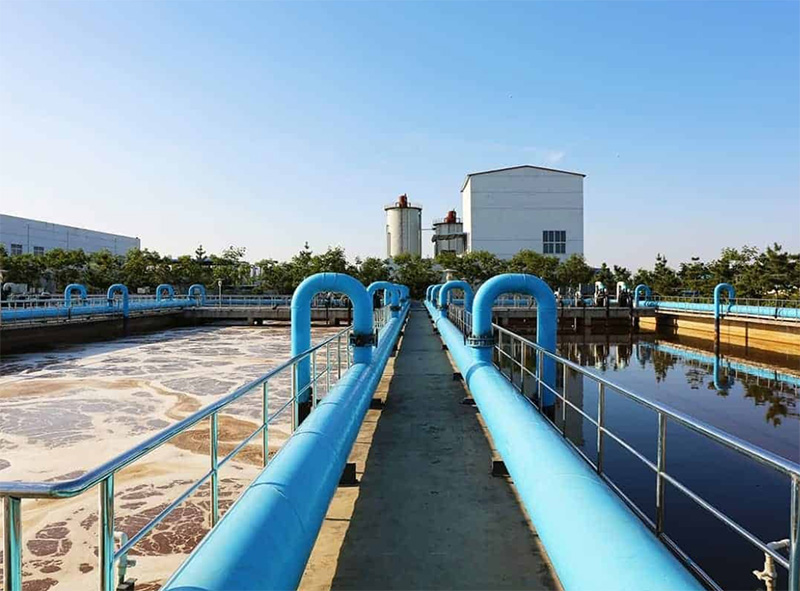
Supplied cast steel gate valves and resilient seat butterfly valves, engineered to handle abrasive particles and sludge media without clogging.
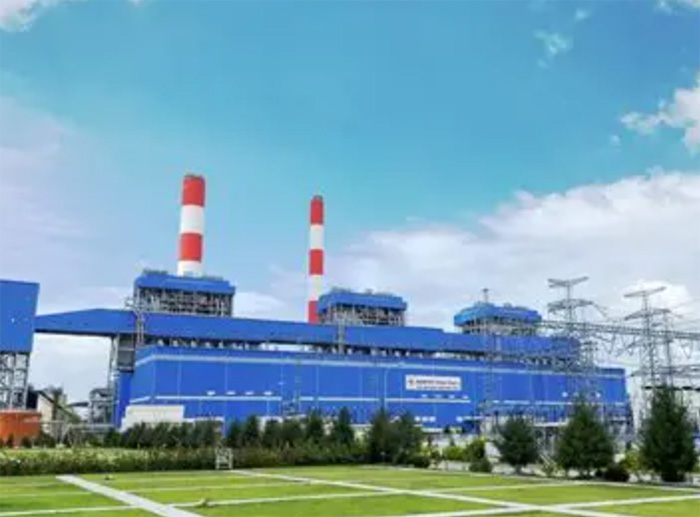
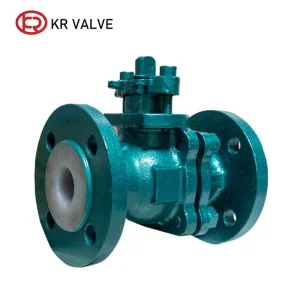
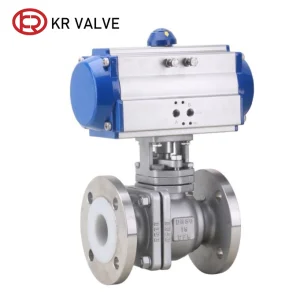
Supplied PTFE-lined ball valves and corrosion-resistant alloy components to manage aggressive acidic processes inside a chemical synthesis plant.
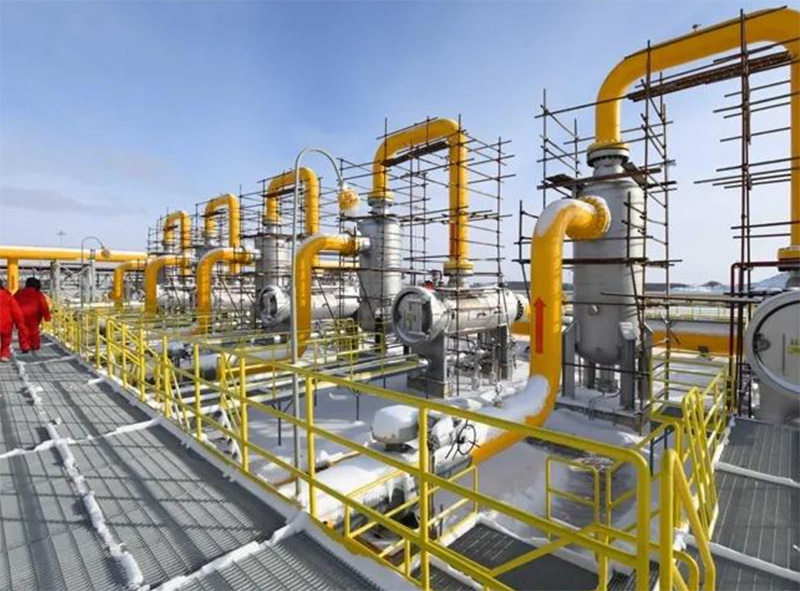
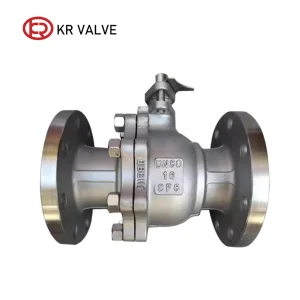
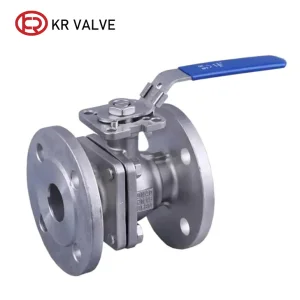
Installed heavy-duty flanged ball valves and high-temperature steel gate valves built for low-temperature environments, verifying structural toughness down to minus-forty Celsius.
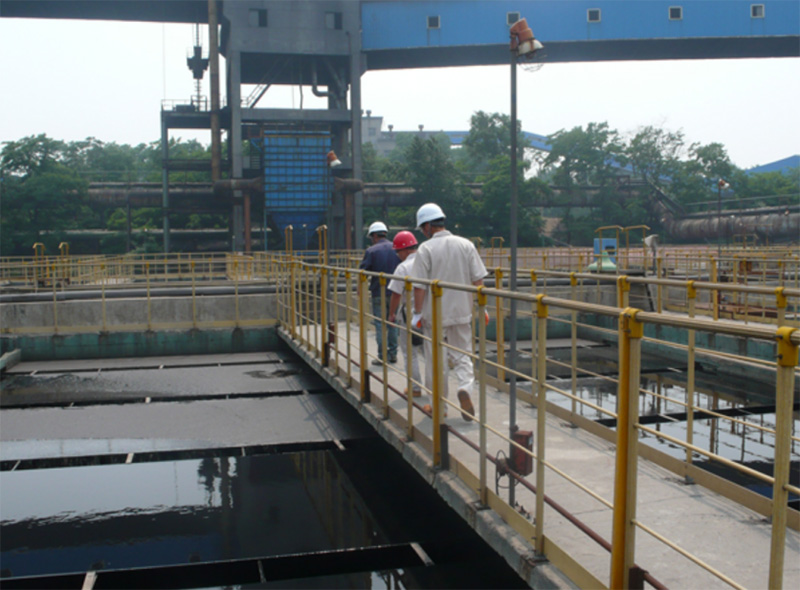
Supplied water control valves and swing check valves, optimizing raw municipal waste handling and preventing fluid backflow.
As environmental standards tighten worldwide, minimizing fugitive emissions from industrial valve packings has become a key engineering objective. Standard gate and globe valves can be common leakage points in gas systems. To address this, KR Valve continues to invest in design refinements, including double O-ring stem seals, bellows seal mechanisms, and advanced PTFE and graphite packing materials.
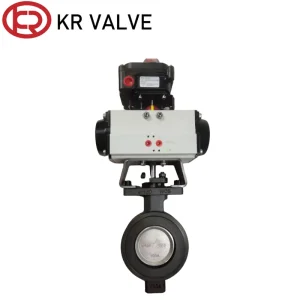
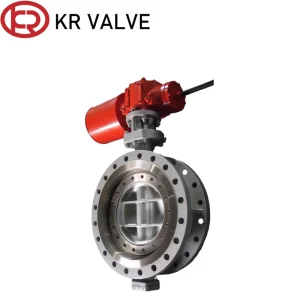
At the same time, industrial automation is driving integration with smart positioners and pneumatic actuators. Equipping a triple-eccentric butterfly valve or a carbon steel ball valve with double-acting pneumatic systems allows for remote flow throttling and immediate isolation in emergency scenarios. By combining precise mechanical tolerances with reliable actuation, we support plants in reducing operational risks.
Global valve procurement requires navigating varying national engineering standards and quality compliance. KR Valve manages this complexity by manufacturing to international specifications, ensuring compatibility across regions:
Technical advice from our design engineers on valve sizing, material selection, and system installation.
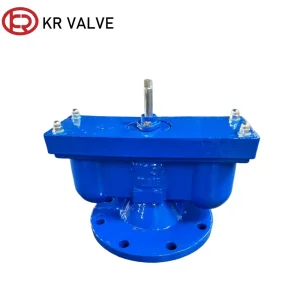
Discover our custom industrial air venting, pressure regulation, and high-performance pipeline valves.
 KR VAVLE
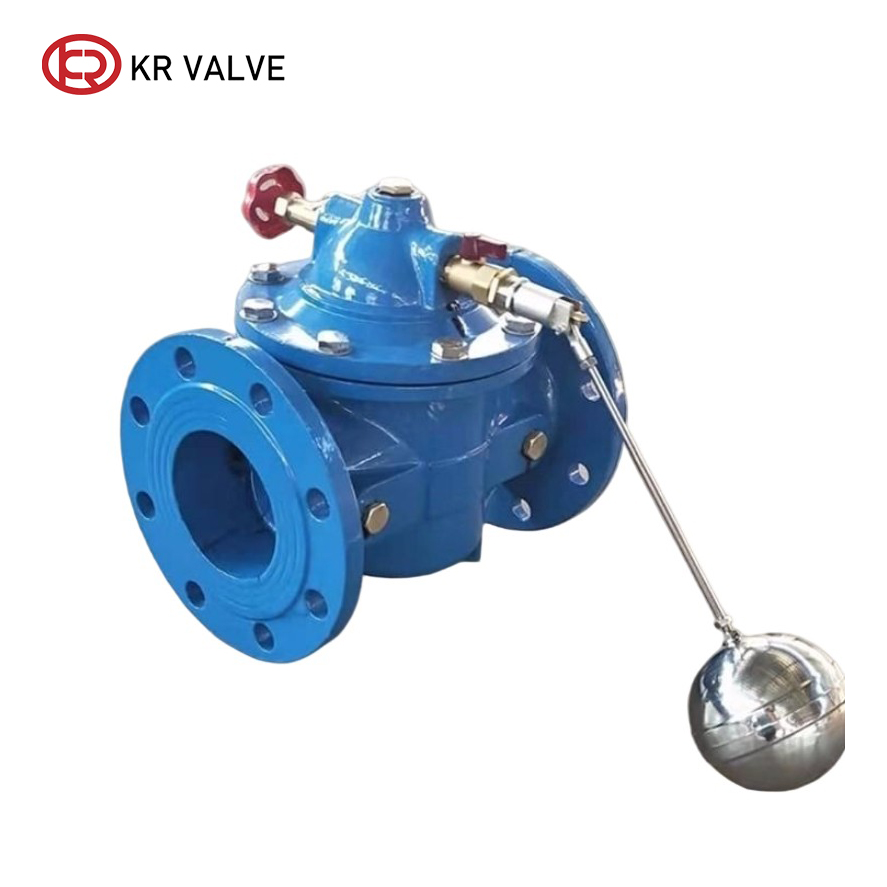
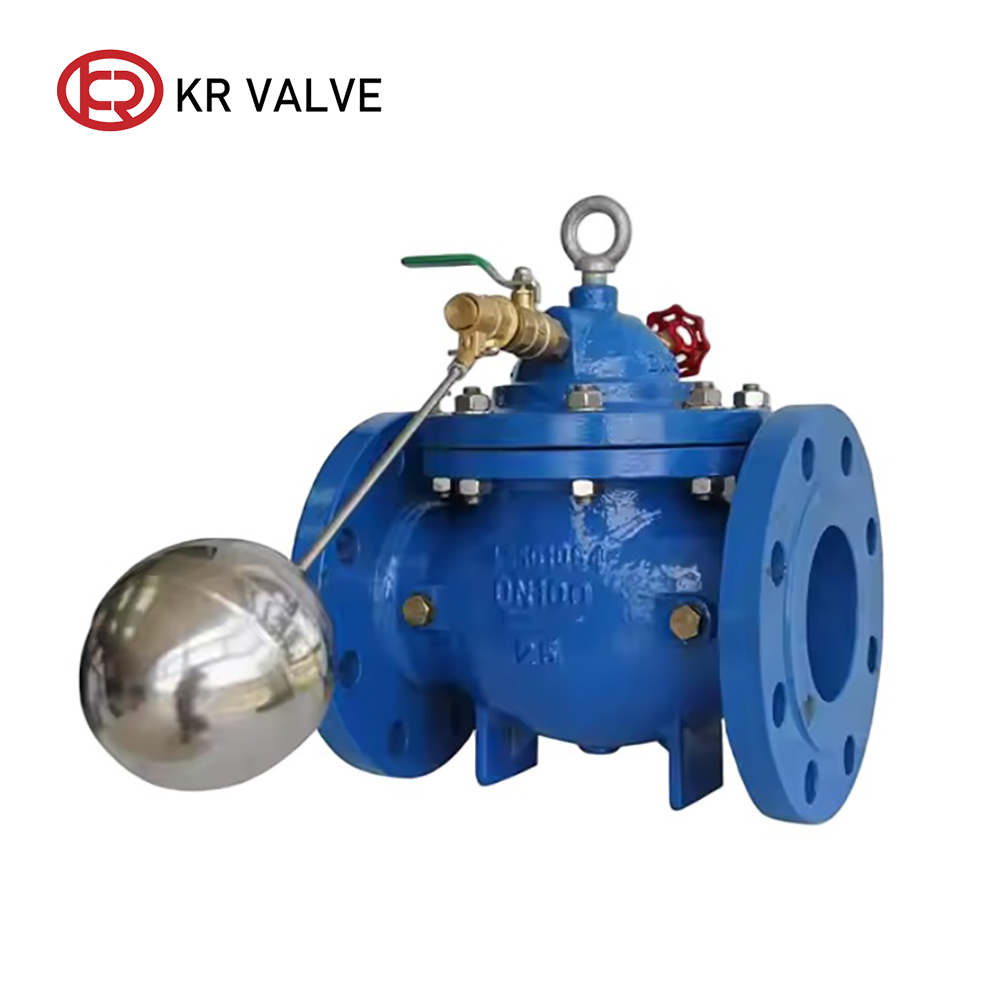
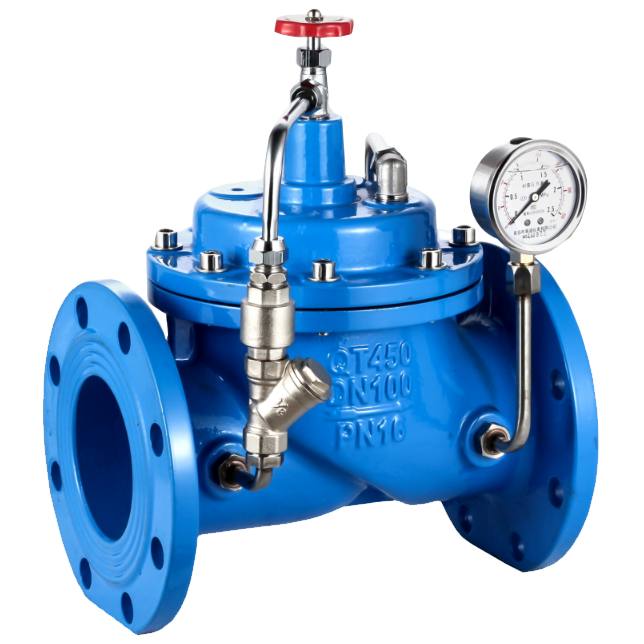 Multi-Functional Water Control Valves