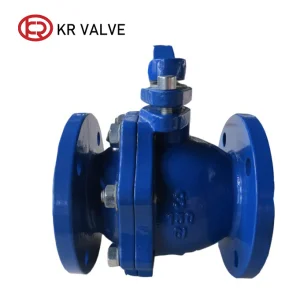
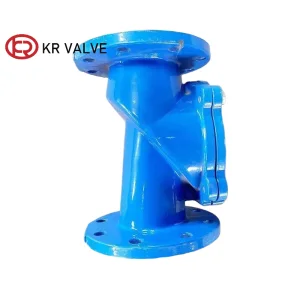
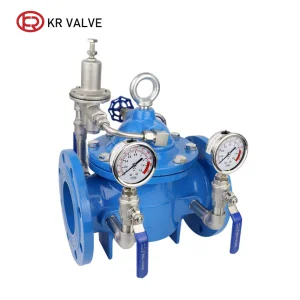
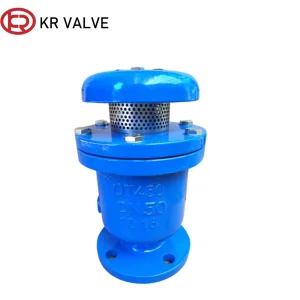
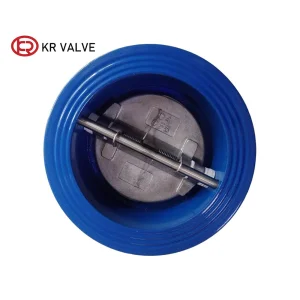
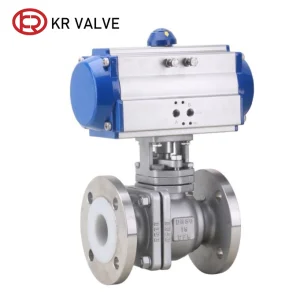
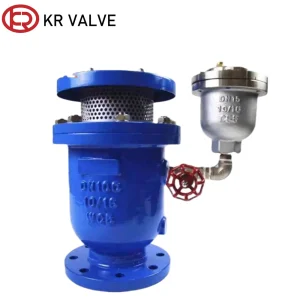
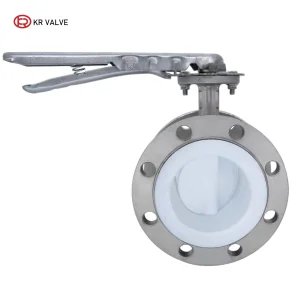
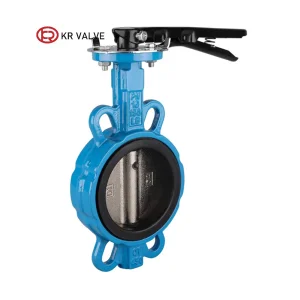
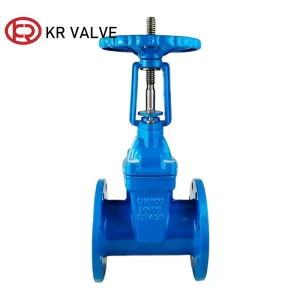
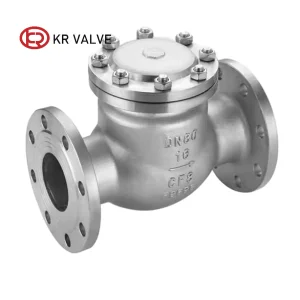
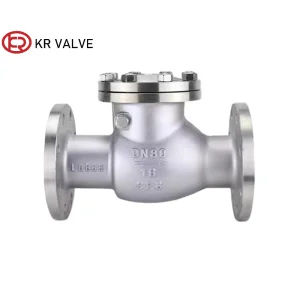
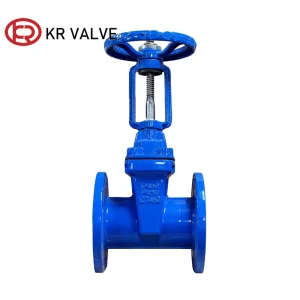
Explore our core engineering catalog, encompassing premium gate, ball, check, and control valves manufactured under strict quality standards.
A ball check valve (often designated as a ball non-return valve) is a specialized flow control device utilizing a spherical closure member to prevent fluid backflow. Engineered primarily for viscous, slurry-laden, or high-debris piping environments, this configuration relies on fluid velocity and gravity to automatically open or seal the passage. When media flows forward, the kinetic energy lifts the elastomer-coated ball out of the seat and moves it into an offset cavity. When flow stalls or reverses, the ball falls back onto the machined seat, instantly sealing the flow path.
Unlike traditional swing or lift check valves which are prone to jamming in slurry or wastewater applications, the ball design utilizes a self-cleaning geometry. The constant rotation of the ball during forward flow dynamically scrubs the seat clean, reducing scaling, chemical buildup, and biological blockages.
As a leading developer, KR Valve combines decades of alloy casting experience with precision CNC machining to supply standard and customized ball check valves globally. Our products are integrated in critical systems requiring zero-leakage, minimum head loss, and maintenance-free operation.
KR Valve's operational philosophy centers around continuous innovation, structured manufacturing processes, and rigorous 100% inspection matrices.
Our dedicated R&D department leverages state-of-the-art CAD modeling and CFD (Computational Fluid Dynamics) to optimize flow coefficients and minimize pressure drops. Our laboratory continually runs cycle tests to improve valve performance under volatile operational conditions.
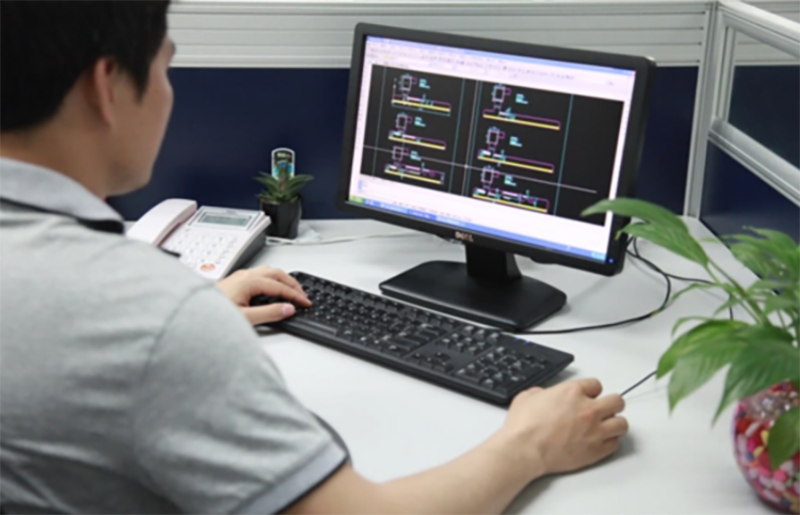
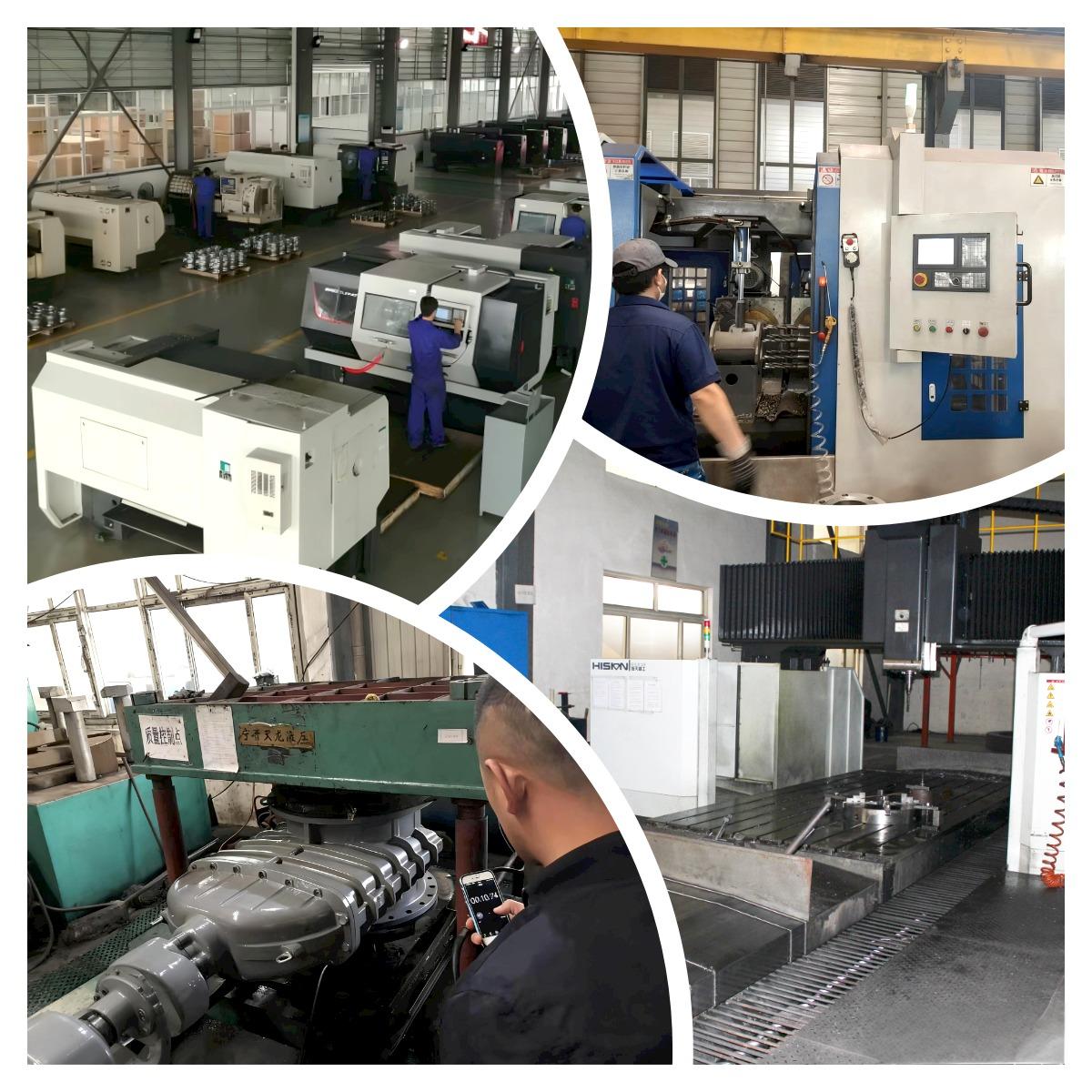
Operations are strictly aligned with ISO-9001 quality management framework. Equipped with 15 advanced machining centers and modernized assembly lines, we execute monthly inventory upgrades to ensure on-time delivery across standard bulk orders.
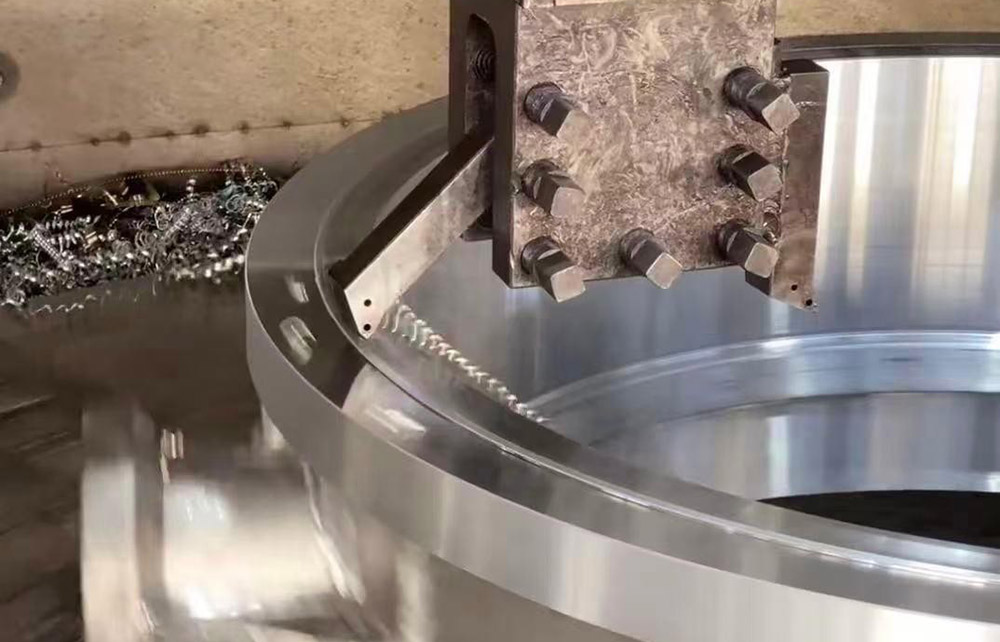
Zero leakage is our fundamental principle. Every check valve undergoes hydrostatic, pneumatic, and dimensional checks in compliance with EN 12266-1 and API 598 standards before shipping, ensuring robust long-term reliability.
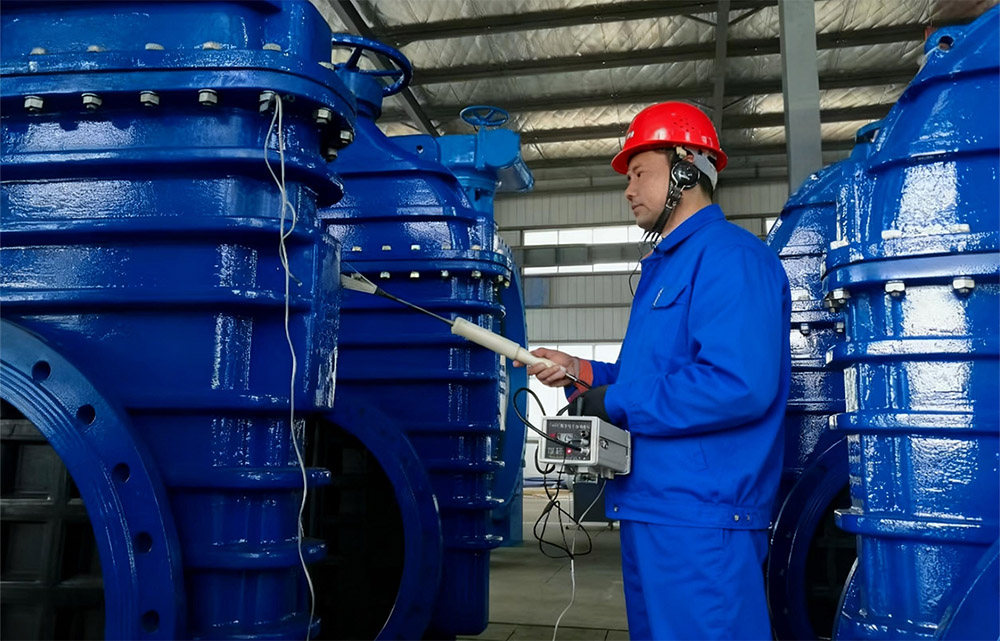
We offer full-spectrum engineering, logistics, and manufacturing benefits, providing global valve distributors with competitive leverage.
We market under our proprietary brand "KR" while concurrently offering full-suite OEM customized services, partnering with internationally recognized valve brands.
Operating dedicated high-precision CNC machining tools, casting lines, and clean assembly environments to maintain close tolerances and consistent surface finishes.
With 20 series and over 500 varieties, we satisfy standard specifications (DIN, BS, ANSI, JIS) as well as non-standard tailored configurations.
Our QA system oversees raw materials tracking, metallurgical analysis, elastomer curing tests, and pressure testing for every production run.
By controlling the entire process from casting to assembly, we optimize material utilization and eliminate unnecessary markups.

We provide technical support before and after sales, ranging from pipeline calculation assistance to installation guidance.
Our products are deployed in demanding pipeline infrastructure globally, supporting civil water distribution, industrial treatment facilities, and resource recovery projects.
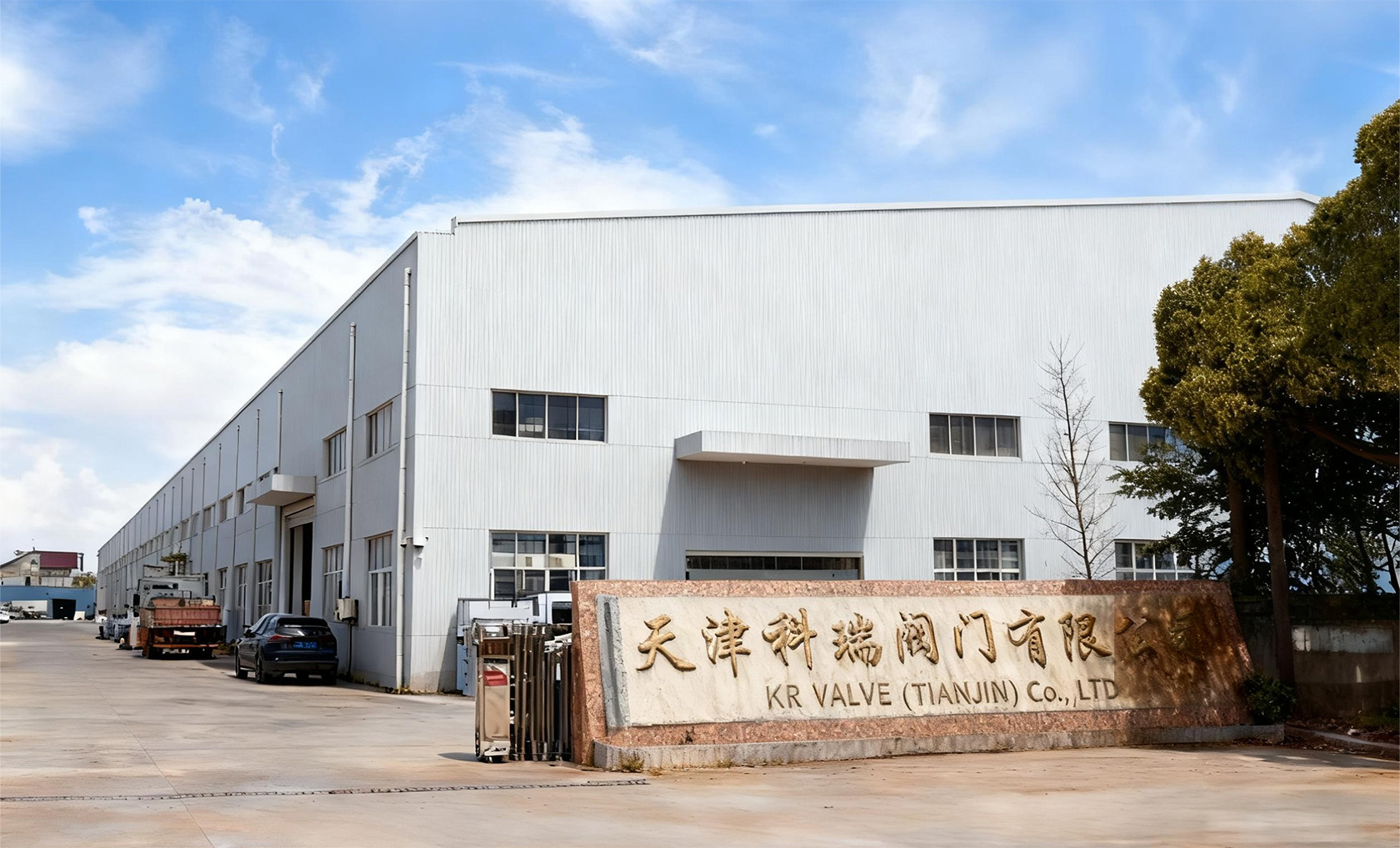
Our valves are configured to withstand the dynamic stresses of municipal hydraulic grids. Integrated check, gate, and butterfly valves work in concert to stabilize flow velocities and isolate segments during routine maintenance cycles.
From chemical composition tracking to pressure rating calculations, we provide clear documentation to engineering agencies, ensuring seamless compliance checks.
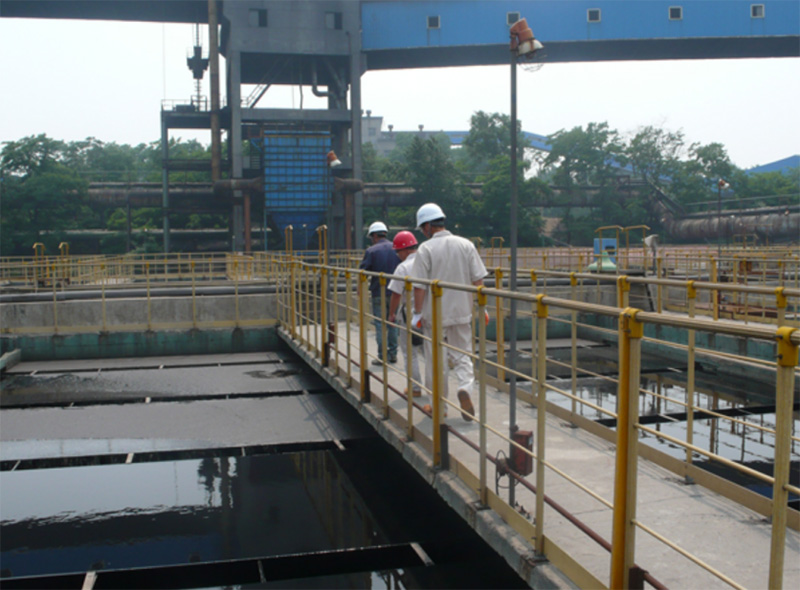
KR supplied various water control valves to sewage treatment project, minimizing cavitation and controlling pressure fluctuations.
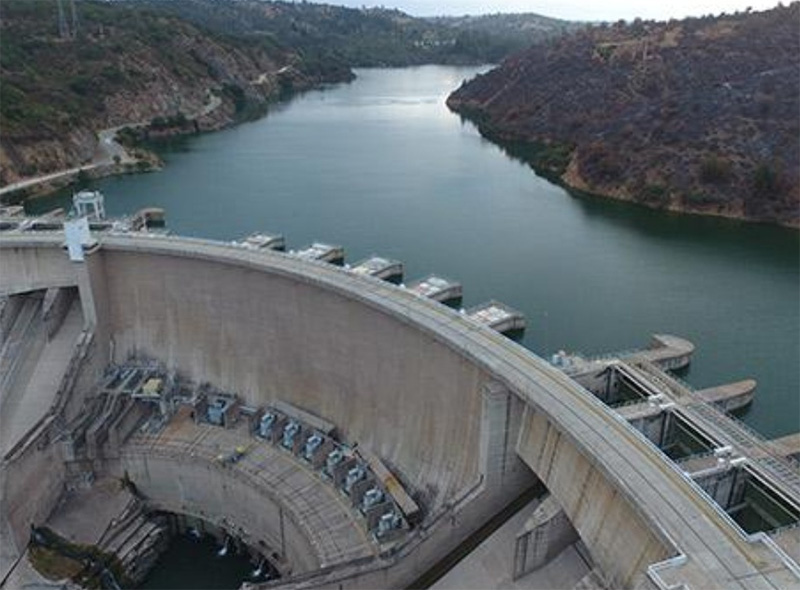
Supply of large-diameter high-pressure water control valves designed to prevent backflow and regulate dynamic reservoirs.
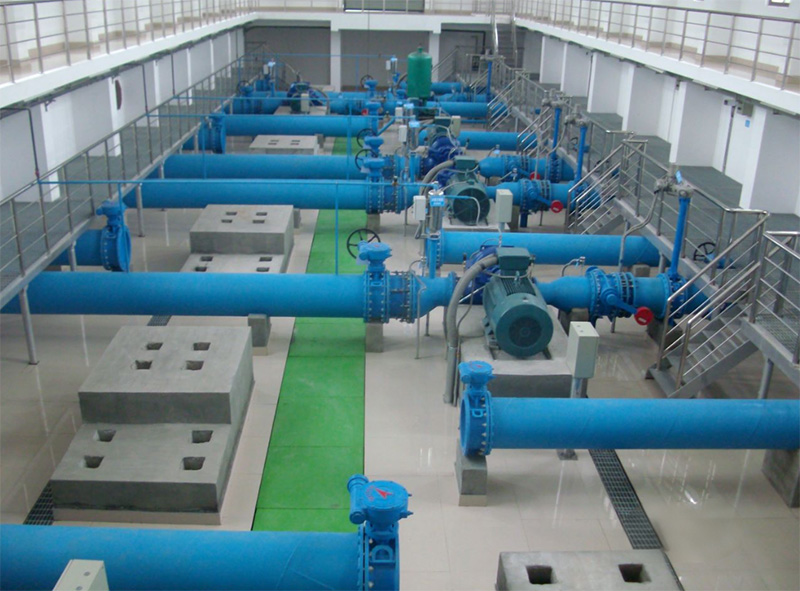
Supplied large-size wafer butterfly valves and non-return check valves ensuring minimal head loss in regional networks.
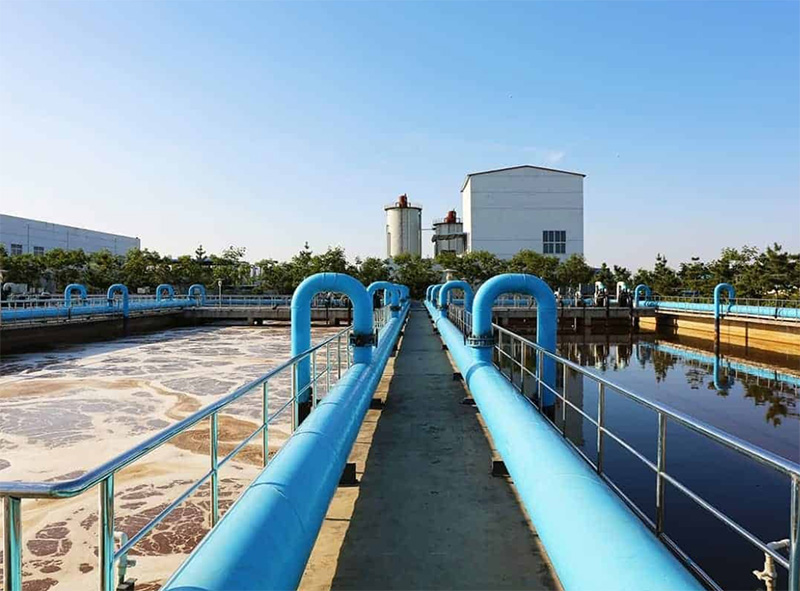
Designed specialized resilient-seated gate and non-return valves resisting abrasion from highly concentrated sludges.
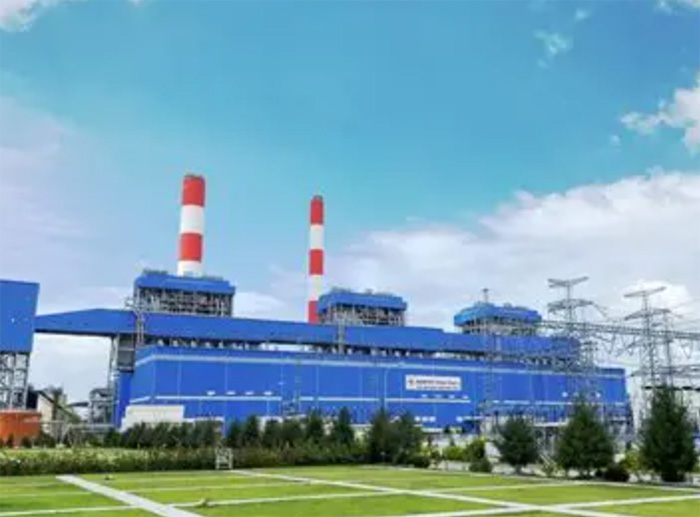
Supplied PTFE lined corrosion-resistant valves and stainless steel components designed to handle aggressive industrial reagents.
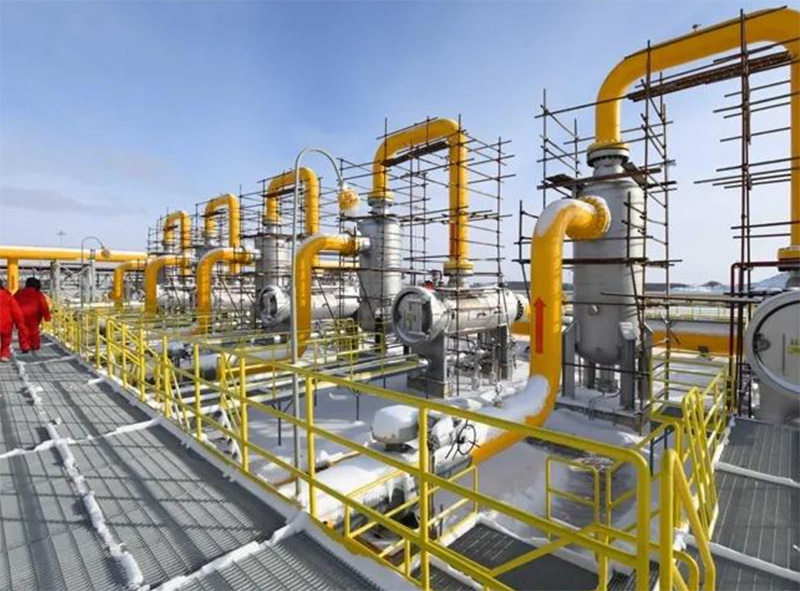
Delivered low-temperature resilient gate and high-seal ball valves capable of handling high pressure ranges in cold climates.
Witness our manufacturing infrastructure, CNC machining process, and automated pressure testing benches in action.
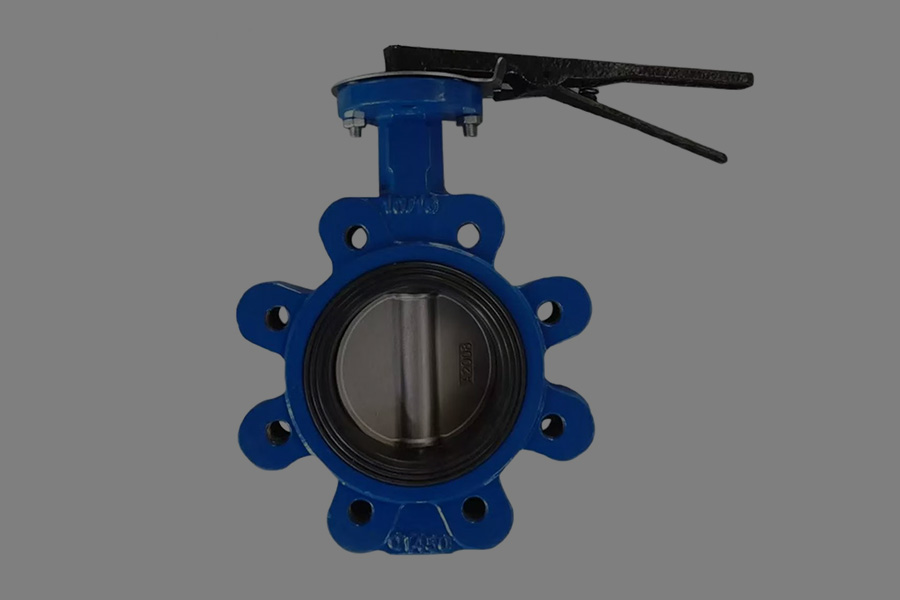
Take a tour of our computerized CNC drilling, milling, and body painting production lines.
Watch our shell and seat pressure testing protocol checking for zero-leakage parameters.
In conventional non-return designs, a swing flap suspended directly in the fluid stream causes a permanent restriction, resulting in high turbulence and pressure drop. The ball check valve mitigates this through a fluidic chamber design. In the forward flow configuration, the internal chamber is engineered to guide the ball completely out of the flow path. The ball rests in a lateral cavity, creating a full-bore pathway that allows the media to pass without redirection. This flow geometry yields a higher flow coefficient (Cv) compared to standard check configurations, making it suited for energy-saving, long-distance pumping networks.
At the core of the ball non-return valve is the spherical ball. Depending on the application, the internal core is constructed from cast iron, carbon steel, or aluminum to establish the target buoyancy. This core is then vulcanized with a high-performance elastomer layer, typically:
Below is the technical matrix of our standard production series, which can be custom-machined or modified to suit specific piping configurations:
| Parameter / Dimension | DN50 to DN300 (Standard) | DN350 to DN600 (Large Bore) | Material Options |
|---|---|---|---|
| Nominal Pressure | PN10 / PN16 / ANSI 150LB | PN10 / PN16 | Ductile Iron (GGG40/50), Cast Iron (GG25) |
| Design Standard | EN 12050-4 / EN 16767 | EN 12050-4 | Ductile Iron / WCB / Stainless Steel |
| Testing Standards | API 598 / EN 12266-1 | API 598 / EN 12266-1 | Zero Leakage Standard (Rate A) |
| Flange Connection | EN1092-2 / BS4504 / ANSI B16.1 | EN1092-2 / BS4504 | Accurate Drilling Templates |
| Temperature Range | -10°C to +80°C (Elastomer bound) | -10°C to +80°C | Higher limits with special coatings |
Procuring from a Chinese valve hub like KR Valve Group provides buyers with distinct logistical and material advantages:
Global piping installations require strict adherence to local laws, civil safety standards, and regional environmental rules. KR ensures compliance across multiple markets:
Click through our product categories to match our engineering profiles with your project specifications.
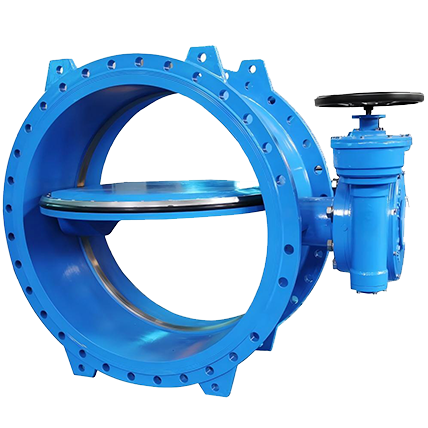
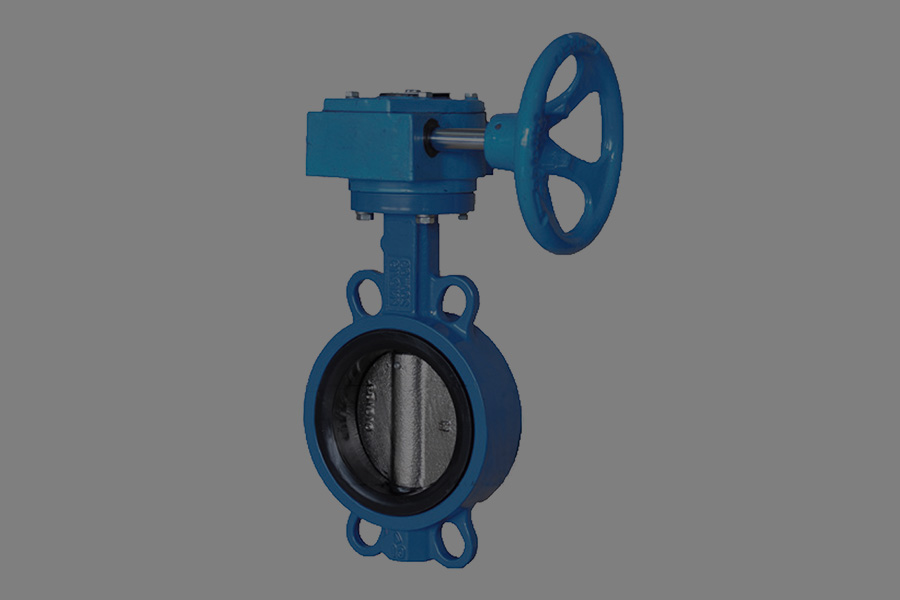
Concentric, double eccentric, PTFE lined wafer and lug butterfly valves for isolation and throttling applications.
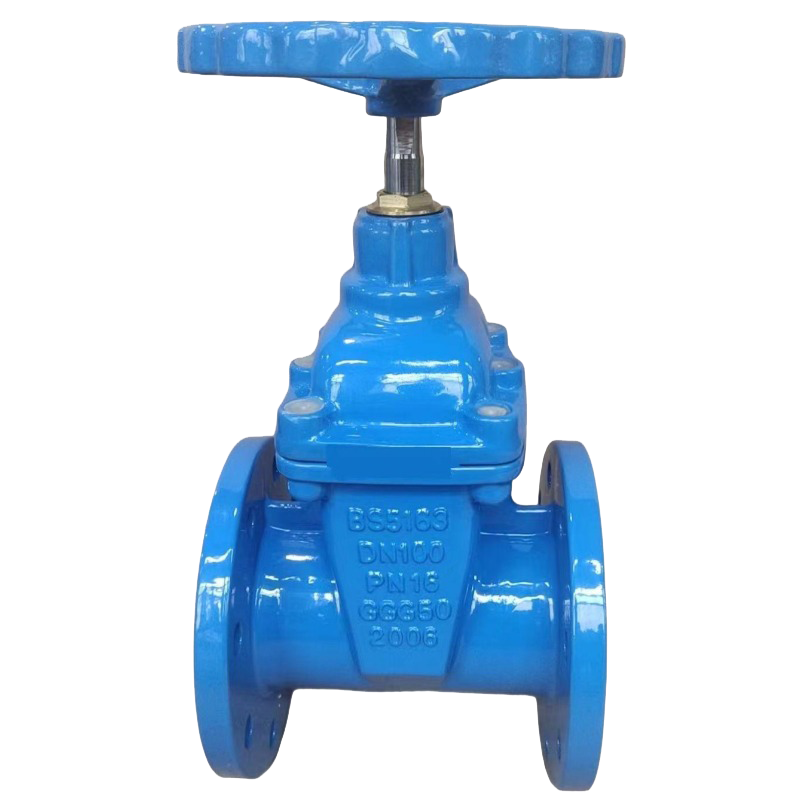
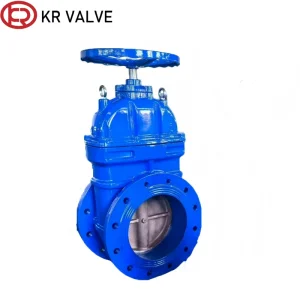
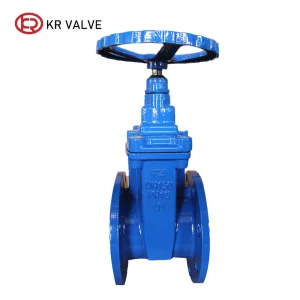
Resilient and metal seated gate valves (DIN F4/F5, BS5163, Rising/Non-Rising Stem) for water treatment plants.
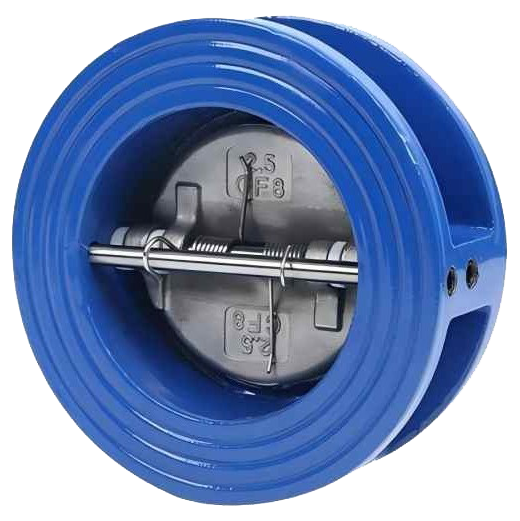
Ball check valves, dual disc wafer, swing check, and soft-seal rubber disc non-return valves preventing reverse flow.
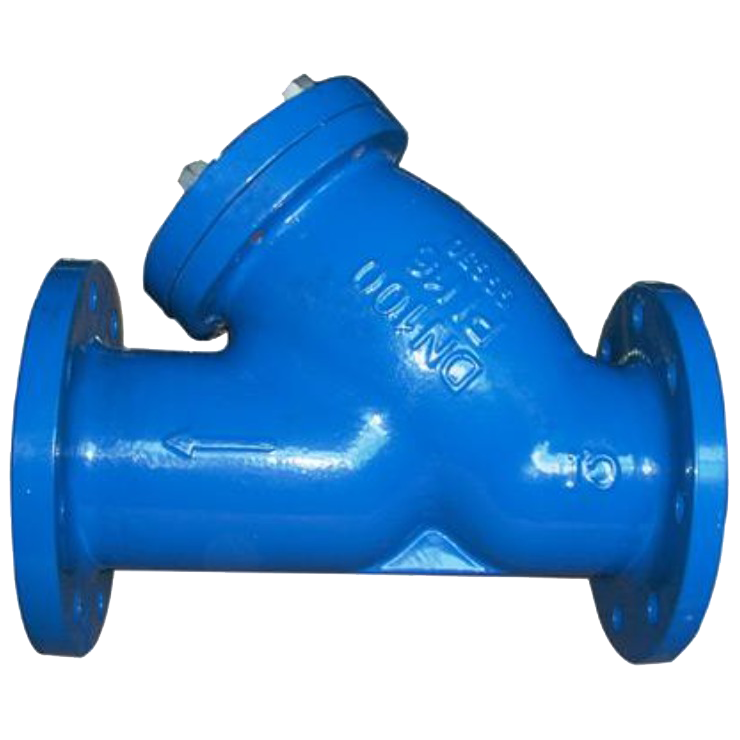
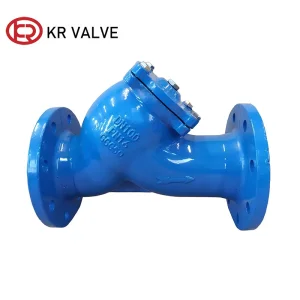
Cast iron, ductile iron, and cast steel Y strainers with stainless steel filter meshes for particulate protection.
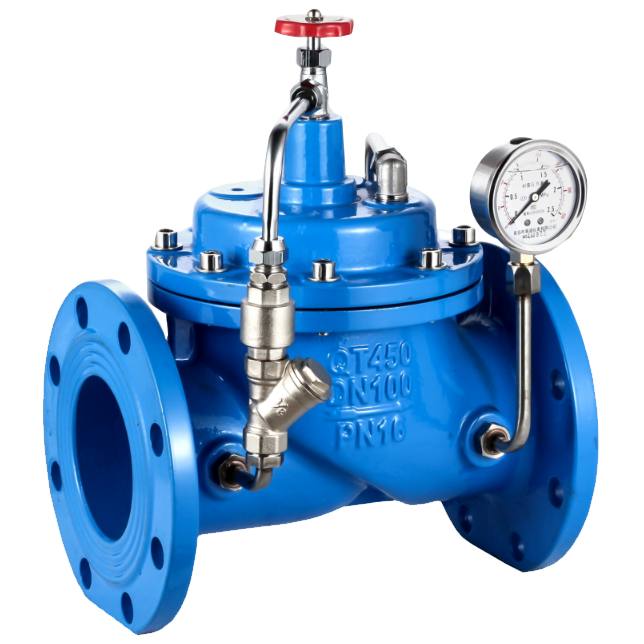
Pressure reducing valves (200X), float valves (100X), and piloted check valves for advanced hydraulic system pressure control.

Dedicated to delivering reliable valve solutions for waterworks, industrial facilities, and fluid distribution networks worldwide.
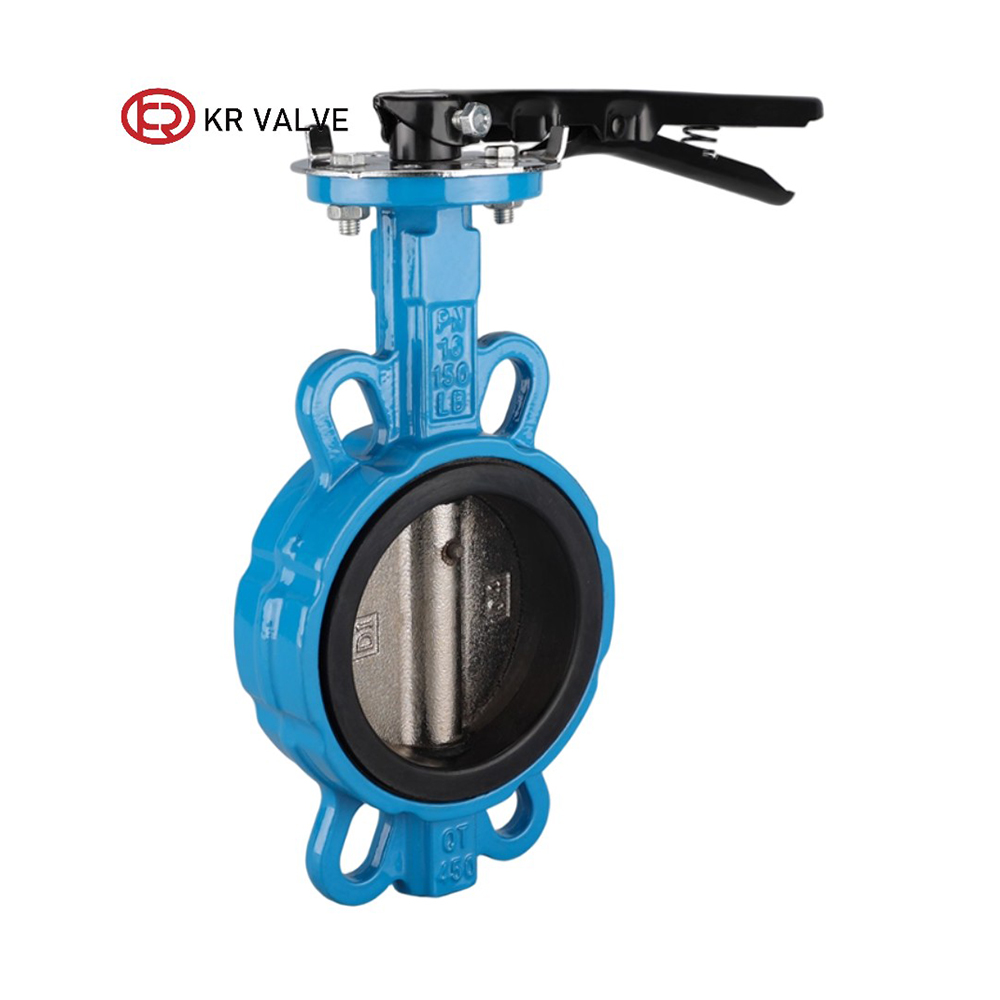 BUTTERFLY SERIES
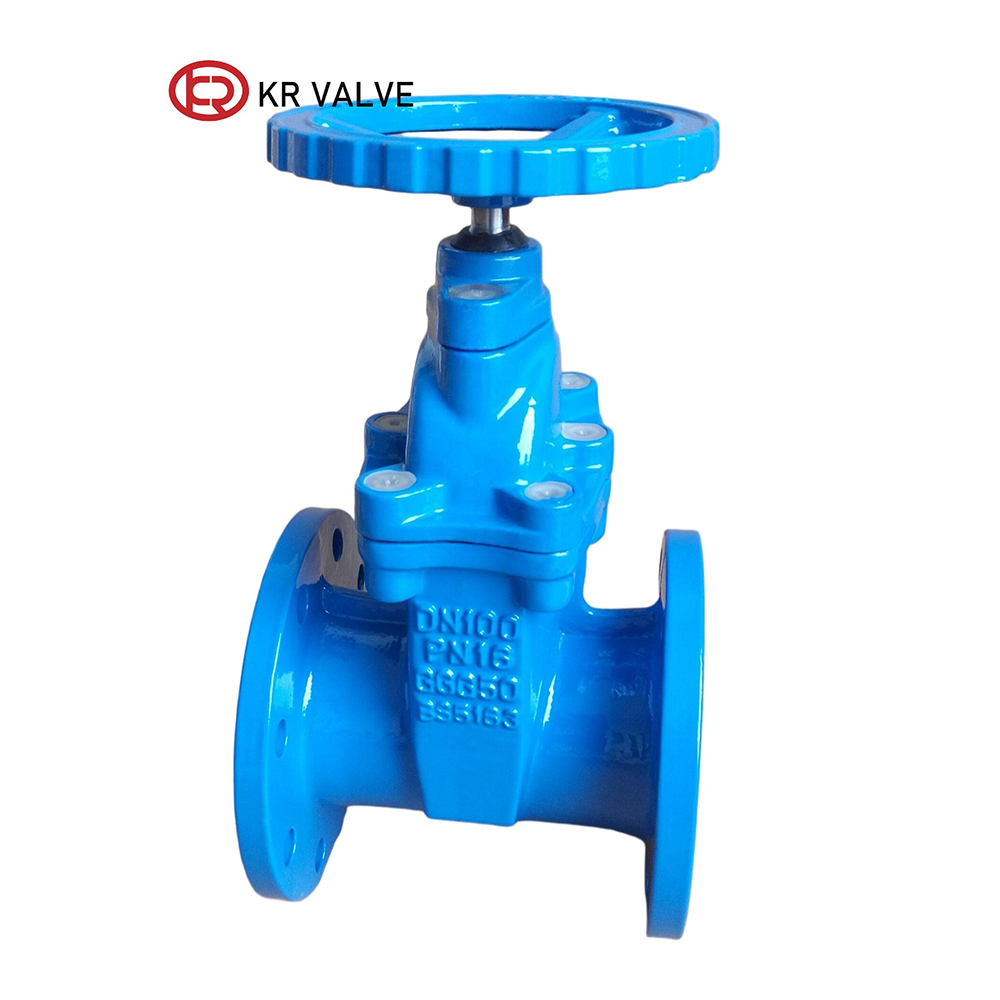 GATE SERIES
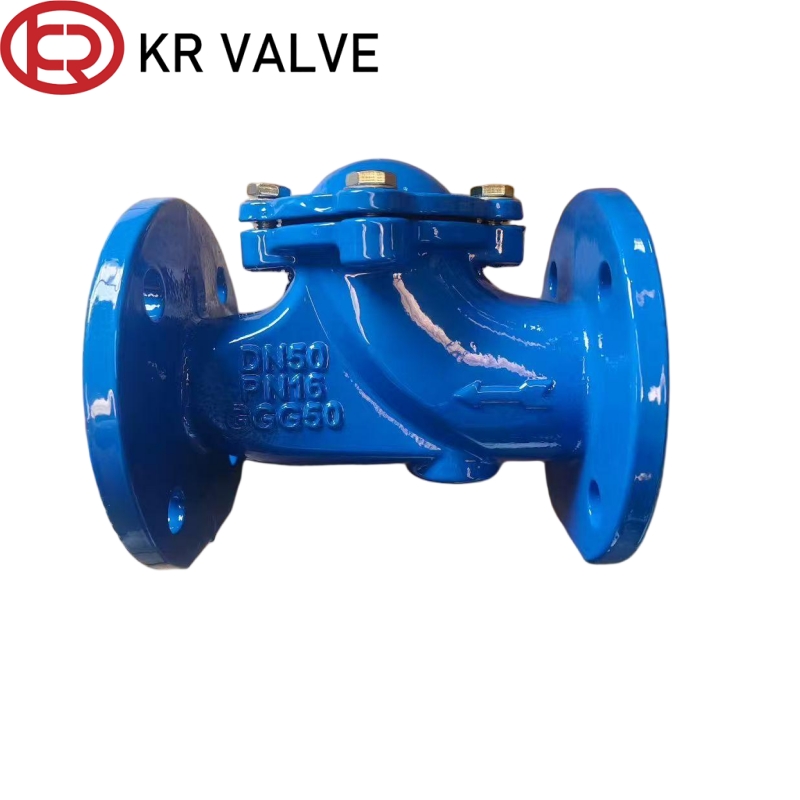 CHECK VALVE
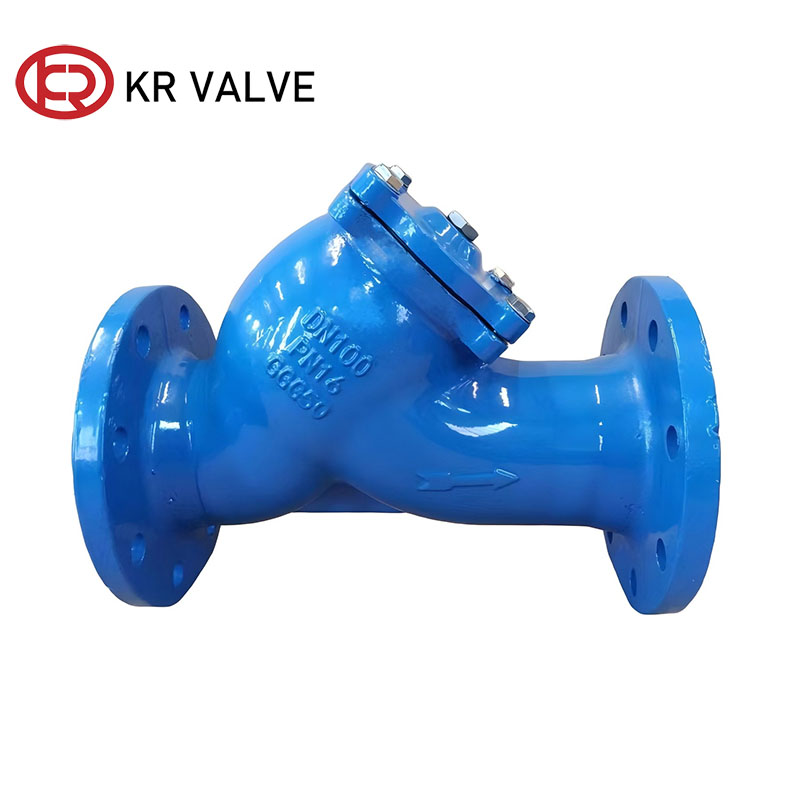 Y STRAINER
The emergence of Smart Cities and digitized flow management systems drives the demand for smart-enabled valves. Sensor-equipped non-return and water control valves enable real-time tracking of flow rates, cavity pressures, and potential seat wear. By monitoring pressure differentials across check valves, control rooms can forecast maintenance cycles and identify blockages, moving operations from reactive to preventive.
Modern water systems prioritize chemical resistance and lead-free configurations. Industries are shifting toward advanced thermoplastics and fluoroplastics (such as PTFE and PFA linings) to withstand chemical media without premature component degradation. The demand for highly durable alloys like Duplex Stainless Steel and Epoxy coatings continues to grow to extend system lifespans.
Explore solutions to common engineering and sourcing questions regarding ball check valves and industrial flow control systems.
Browse our additional specialized valve catalog, featuring robust butterfly, ball, gate, and dual disc check valve solutions.
 KR VAVLE