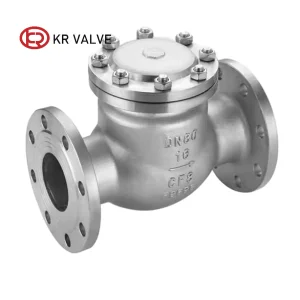
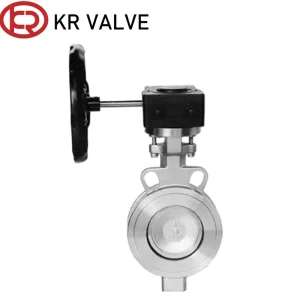
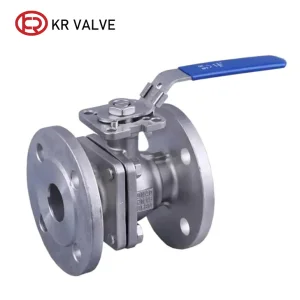
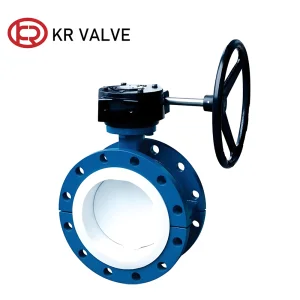
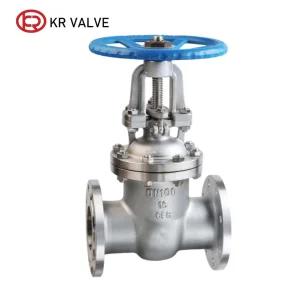
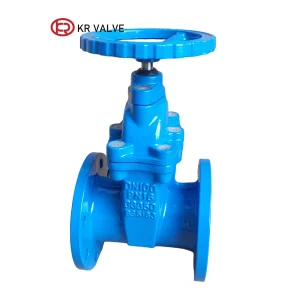
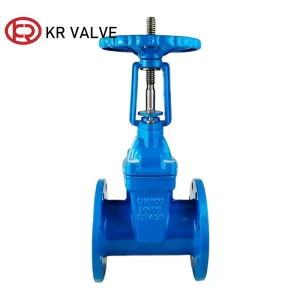
In modern pipeline design and industrial fluid networks, venting trapped air and managing pressure transients is critical to avoiding structural collapse or catastrophic ruptures. A Dual Port Exhaust Valve (also known as a dual-orifice air release valve) performs a dual function: releasing massive amounts of air during pipeline charging, and admitting large quantities of air when the system is drained or under vacuum conditions.
Standard single-port valves often experience "premature shutoff" under high-velocity air discharge. Because kinetic energy builds rapidly behind the exhaust medium, single-orifice systems can lift the internal float prematurely, sealing the valve before all system air is expelled. The dual-port engineering approach bypasses this physical bottleneck by separating the large-volume kinetics (large orifice) from the continuous pressure venting (small orifice).
During normal operations, small pockets of air accumulate at localized high points. The small orifice continuously bleeds these pockets under high working pressures. In contrast, the large orifice functions primarily during startup and shutdown, preventing pressure hammer and protecting municipal infrastructure from cavitation-induced failure modes.
Exhausts large volumes of air up to sonic velocities without slamming shut prematurely. Automatically balances air inflow to prevent negative pressure collapse.
Dampens destructive pressure waves (water hammer) in transmission mains. Protects piping networks from internal vacuum collapse during sudden pumping outages.
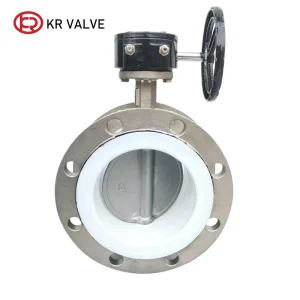
Utilizes full PTFE or premium EPDM coating techniques. Ideal for aggressive water treatment systems, salt spray industrial zones, and chemical fluid pathways.
The global valve market is experiencing a paradigm shift towards structural longevity and active monitoring. The demand for OEM Dual Port Exhaust Valves is highly correlated with major infrastructure spends in municipal water grids, desalinization projects, petrochemical transportation pipelines, and cooling water systems for gigafactories.
Particularly in North America and Western Europe, aging municipal water networks are causing billions of dollars in daily losses due to air pocket restrictions and pipeline bursts. Local regulatory compliance frameworks, such as the EU Water Framework Directive and EPA mandates, are forcing pipeline designers to incorporate dynamic dual-port venting assemblies.
Concurrently, the booming manufacturing sectors in Southeast Asia and Middle Eastern desalination facilities are driving massive specifications for high-durability metals. Dual-port valves built with materials like CF8, CF8M, and EPDM soft seals are now the preferred standard to resist aggressive chloride corrosion in seawater systems.
| Material Designation | Common Standard Equivalents | Corrosion & Temperature Limits | Target Localized Applications |
|---|---|---|---|
| CF8 (Stainless Steel 304) | ASTM A351 CF8, SUS304 | -29°C to 425°C, Good general chemical resistance | Municipal clean water mains, food processing pipelines, standard industrial exhaust. |
| CF8M (Stainless Steel 316) | ASTM A351 CF8M, SUS316 | -196°C to 600°C, High resistance to pitting and seawater | Offshore oil & gas rigs, desalination installations, marine cooling systems, chemical lines. |
| PTFE Lined Cast Carbon Steel | WCB Body + Pure PTFE Lining | -29°C to 180°C, Exceptional chemical inertness | Aggressive acids (sulfuric, hydrochloric), specialized industrial wastewater. |
| Ductile Iron (GGG40 / GGG50) | ASTM A536 65-45-12, EN-GJS-400-15 | -10°C to 80°C, Superior mechanical impact absorption | Municipal distribution piping, wastewater lines, large irrigation mainlines. |
KR Valve Group has built an illustrious legacy spanning more than two decades, providing both standard and non-standard industrial valve configurations. We boast a comprehensive selection of over 500 valve designs, including high-performance butterfly valves, gate valves, check valves, water control systems, strainers, and customized accessories. Our equipment is trusted in critical projects across water treatment, dam construction, commercial facilities, energy and heating systems, and specialized chemical engineering complexes.
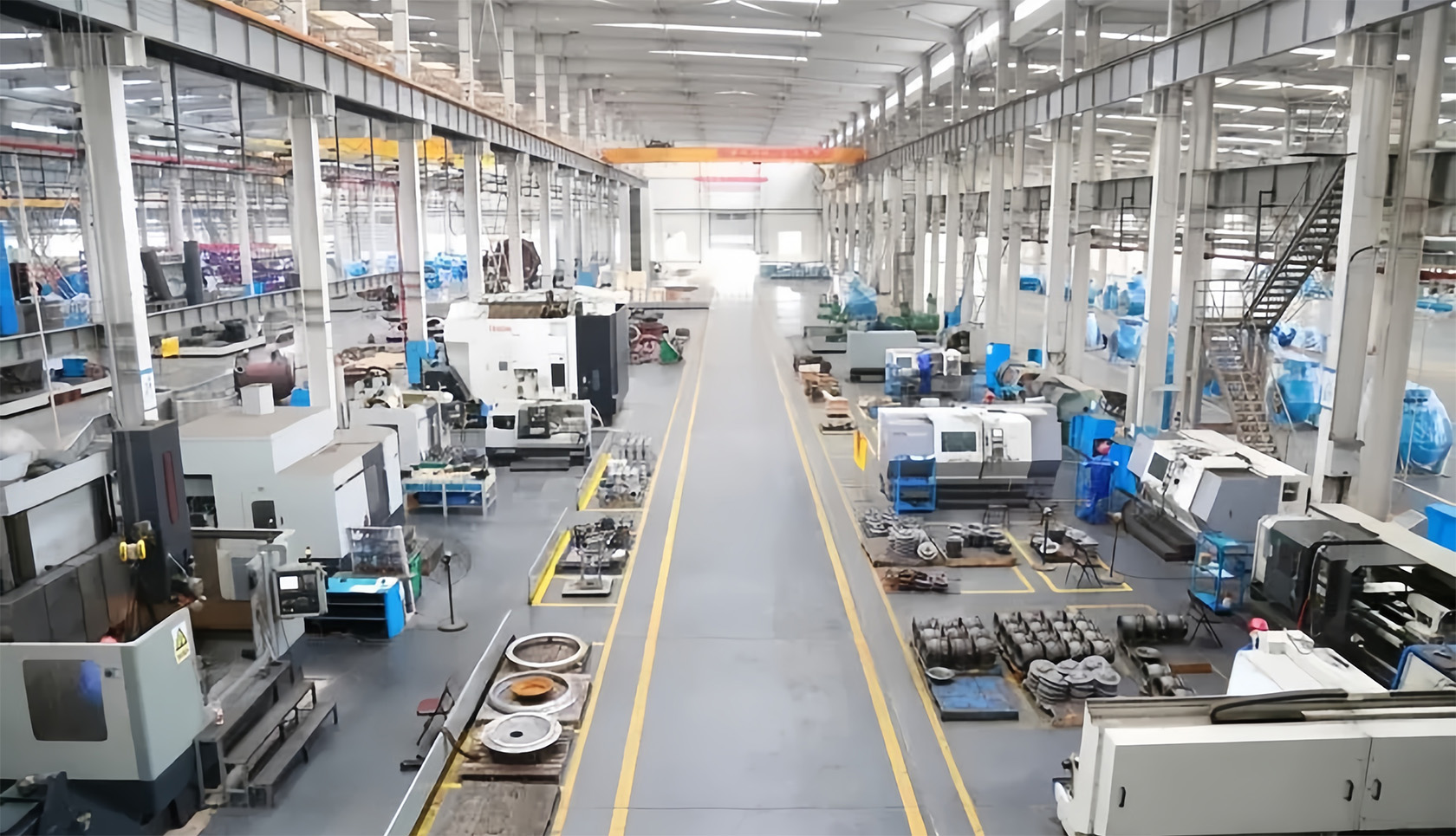
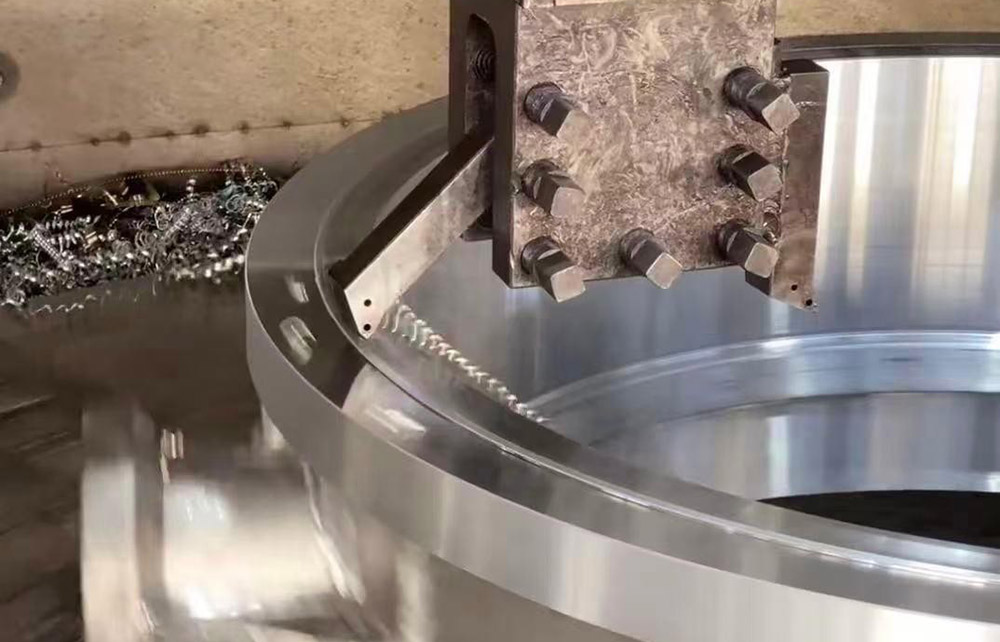
Operating strictly under the ISO-9001 Quality Management System, KR operates 15 heavy-duty machining centers alongside continuous assembly lines. Every component is subjected to strict dimensional and pressure tests before leaves the floor. With our commitment to Zero Leakage, KR products are trusted by contractors and engineers in over 50 countries across Europe, Asia, Africa, and Oceania.
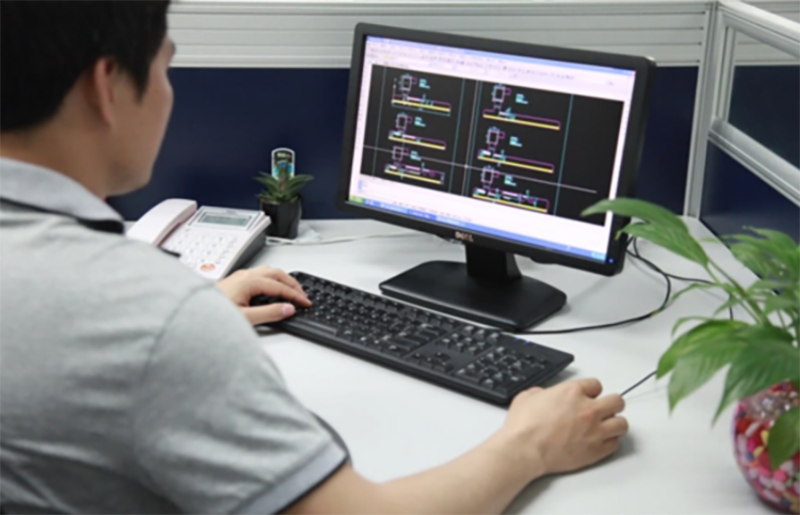
Our dedicated in-house R&D department continuously refines geometries using advanced fluid dynamics software. We customize designs to meet specialized operational environments and municipal sizing layouts.
We execute strict planning controls using state-of-the-art metal casting and machining centers. Materials are tracked from raw melts to finalized assemblies, assuring 100% material traceability.
Every valve undergoes comprehensive air, hydraulic, and structural stress tests according to global standards (EN, API, DIN). No valve leaves our factory unless it records exactly zero leakage under test pressure.
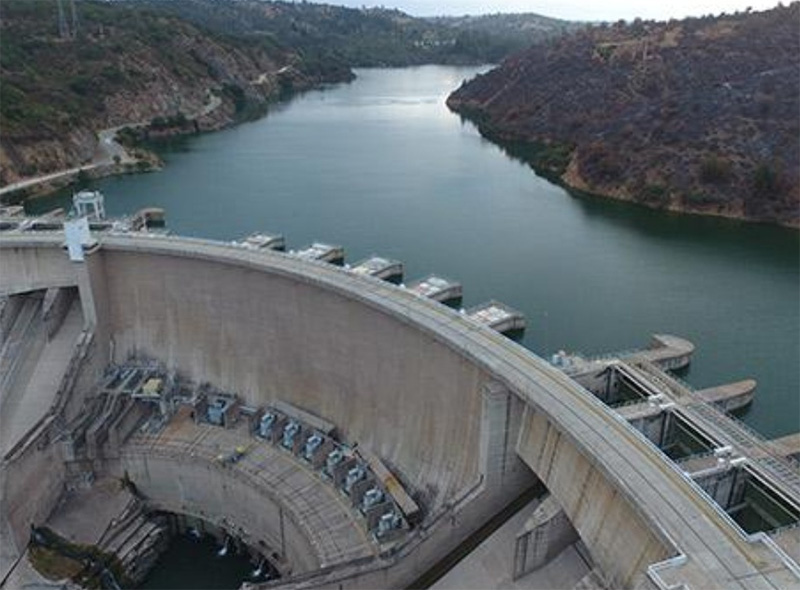
KR supplied highly customized water control valves and dual port exhaust valves to safeguard main penstock lines from negative pressure collapses during high-velocity drainage phases in the Andes.
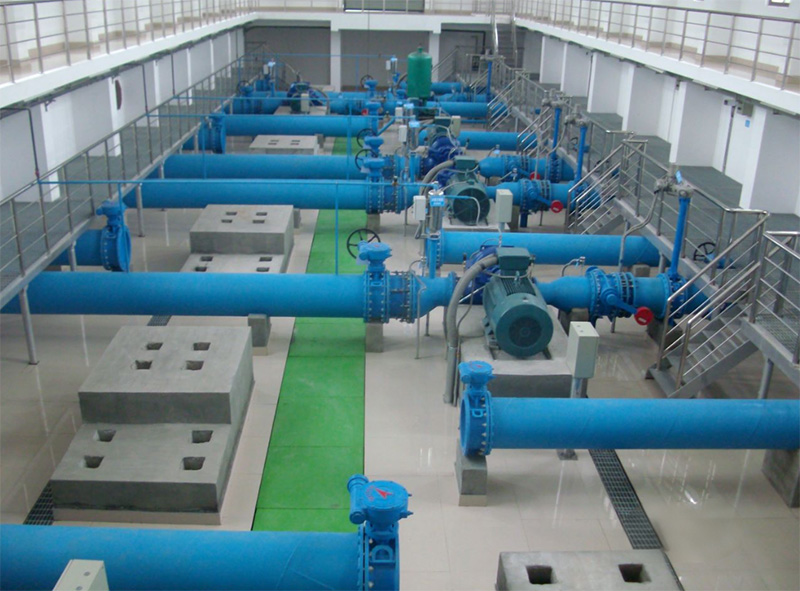
Designed and supplied high-volume resilient seated butterfly valves and rapid air-release systems to secure urban drinking networks against air binding and flow rate throttling in historic municipal pipeline layouts.
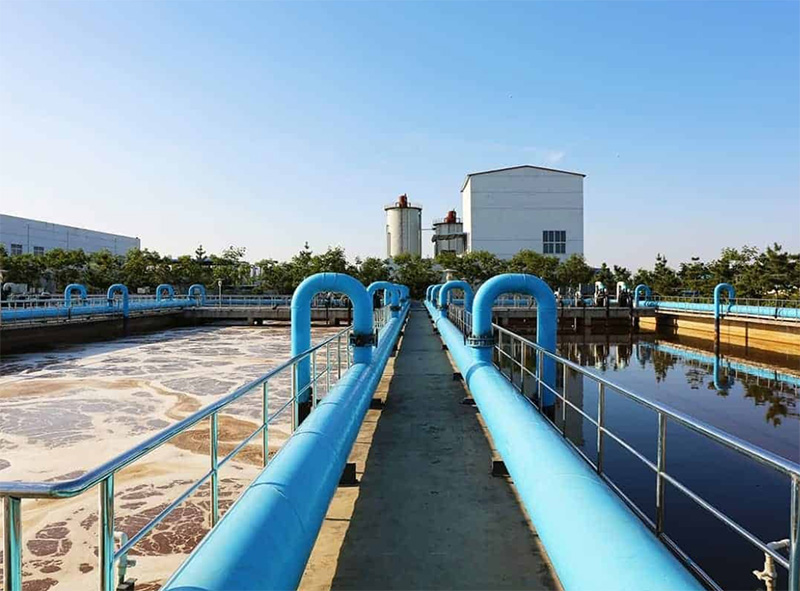
Engineered corrosion-resistant gate valves and non-return air venting valves to withstand high concentrations of hydrogen sulfide gases and biological solids without clogging or structural degradation.
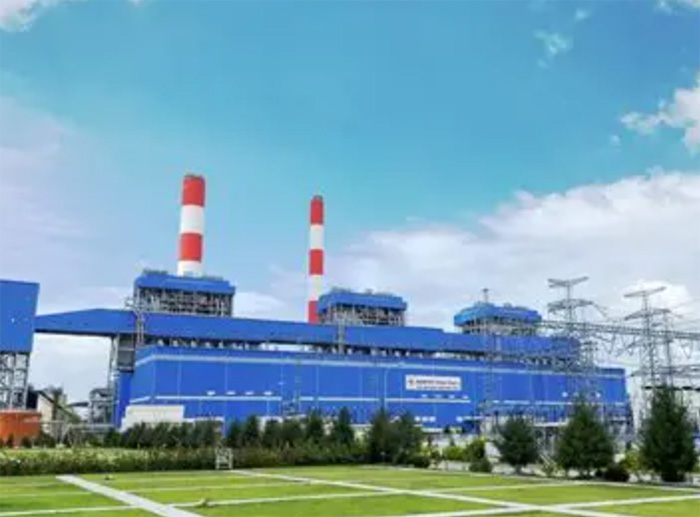
Supplied premium full PTFE-lined ball valves and specialized air release manifolds designed to transport corrosive raw industrial chemicals safely while meeting stringent environmental safety profiles.
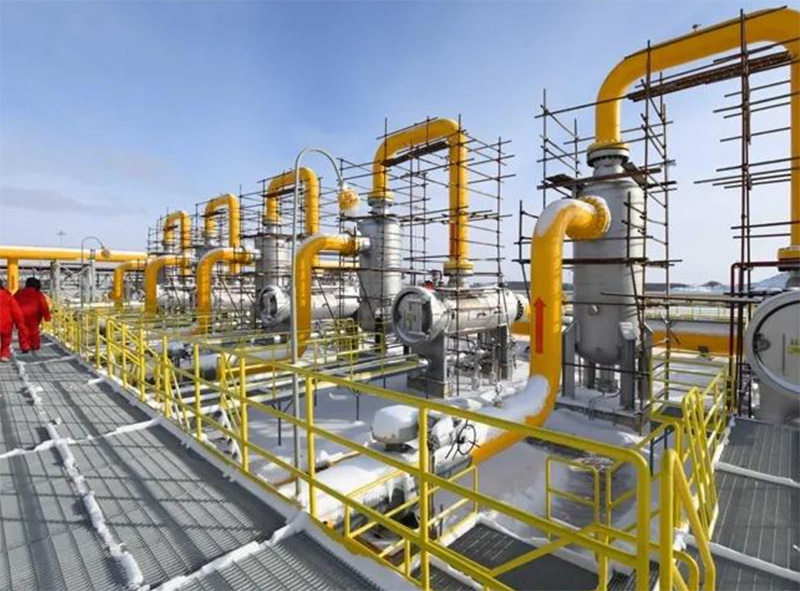
Manufactured low-temperature alloy steel gate and ball valves engineered to operate continuously down to -40°C in high-pressure natural gas transmission loops without material embrittlement.
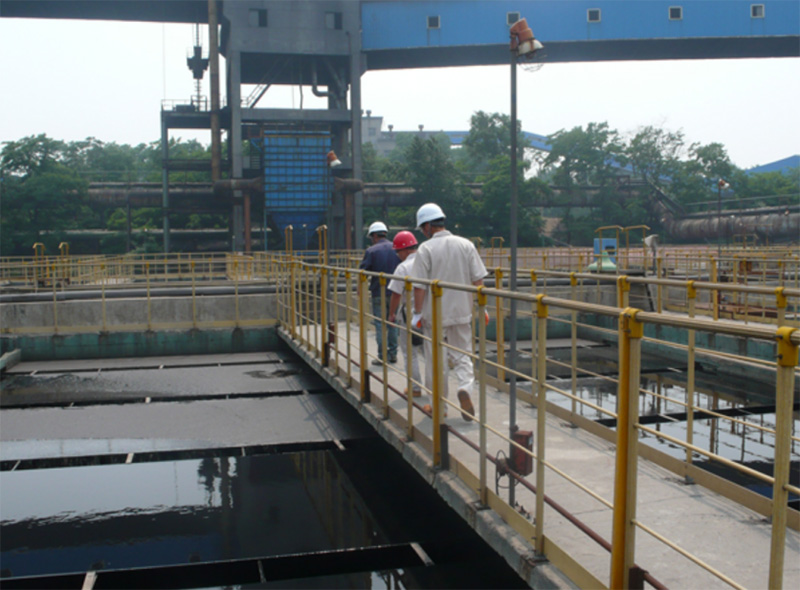
Delivered custom water control assemblies and resilient soft-seated gate valves to major municipal treatment facilities, providing highly reliable flow regulation and long maintenance cycles.
Standard single-orifice valves release small bubbles of air under operational pressures but cannot handle huge columns of air displaced during initial line filling. Dual port valves integrate two independent systems: a large kinetic port for high-velocity massive air volume exchange (both in and out) and a small pressure port for releasing accumulated gaseous bubbles while the pipeline is running under fully pressurized conditions.
Rapid closure of a venting valve can cause water columns to collide at high velocities, causing intense shockwaves (water hammer). KR’s dual port exhaust valves can be designed with specialized anti-slam internals. These feature an integrated damping mechanism that regulates final closure speeds, transforming abrupt shutdowns into a phased deceleration to safely dissipate kinetic energy.
Yes, our engineering facility is highly experienced in custom formulations. For aggressive chemical processing lines, we manufacture full fluoropolymer (PTFE/PFA) lined ball and butterfly valves using carbon steel or CF8M stainless bodies. This design pairs high structural strength with complete chemical inertness, ensuring reliable operation under challenging pH conditions.
With standard municipal water parameters, a high-quality GGG40 gate valve utilizing certified EPDM rubber vulcanization will easily last 15 to 25 years. Routine maintenance includes inspecting the stem seals and clearing line sediments to prevent seal degradation.
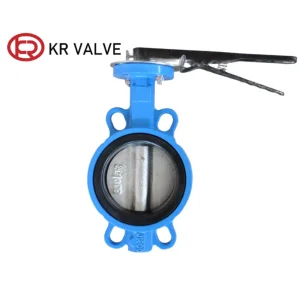
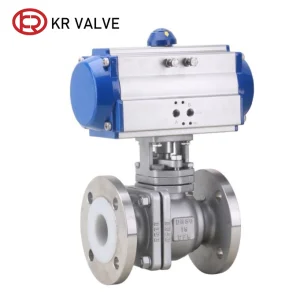
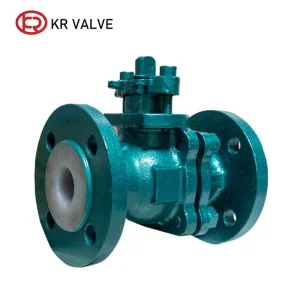
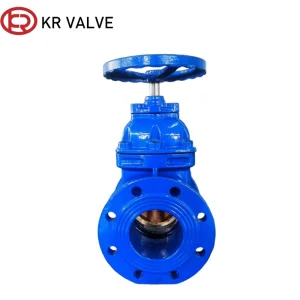
Consult with our industrial engineering team today. Whether you require custom dimensions, specialized metallurgy coatings, or standard dual-port air systems, we offer global-standard OEM/ODM manufacturing capability.
Request Technical Proposal KR VAVLE