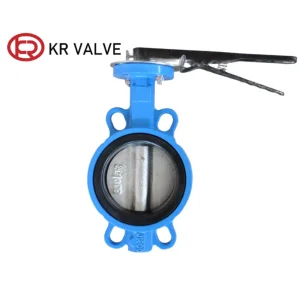
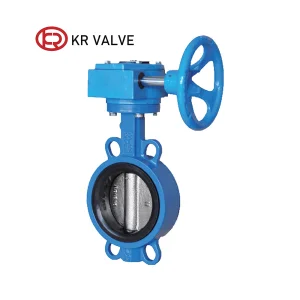
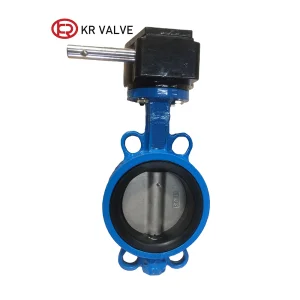
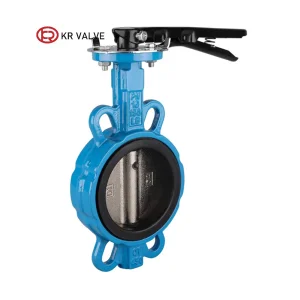
 KR VAVLE
1 / 2
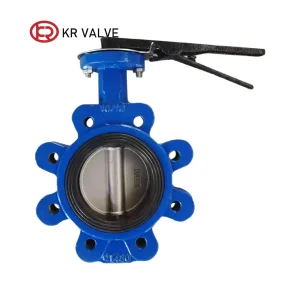
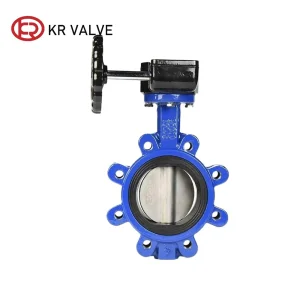
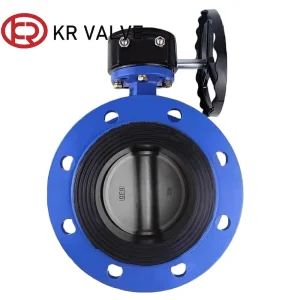
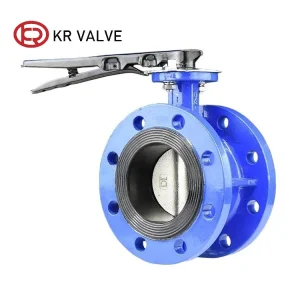
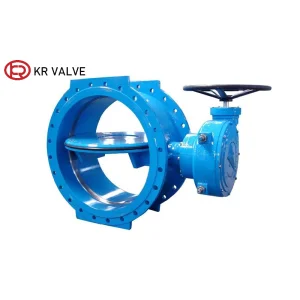
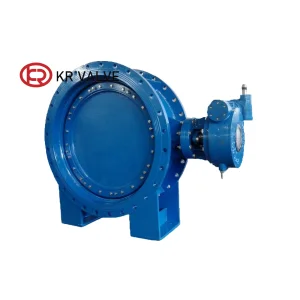
| Valve Type: | Flange butterfly valve | Structure: | Concentric |
| Standard: | EN593 | Workmanship: | Investment casting |
| Sealing Direction: | Bidirectional | Sealing Grade: | Zero leakage |
| Temperature: | -20°C < T < 120°C | Operation: | Handle/Lever |
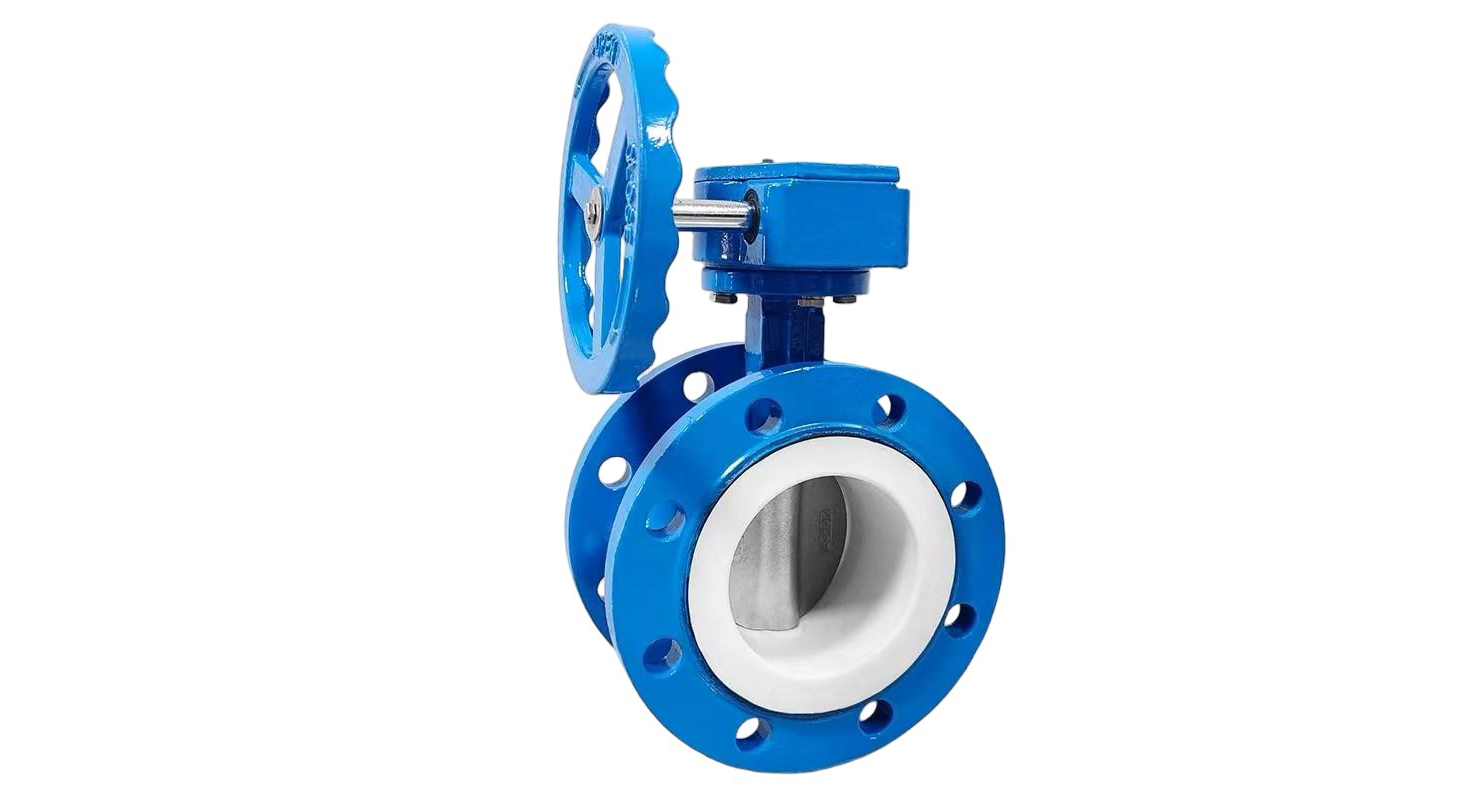
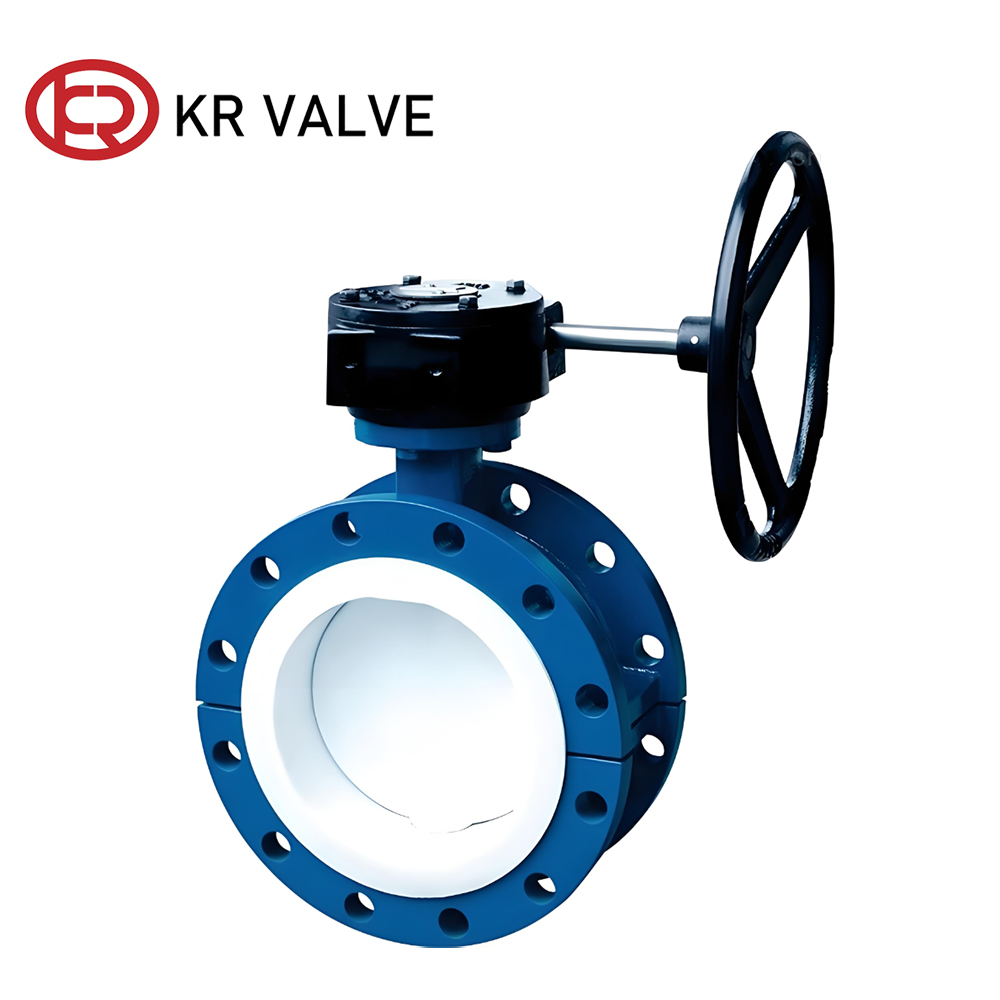
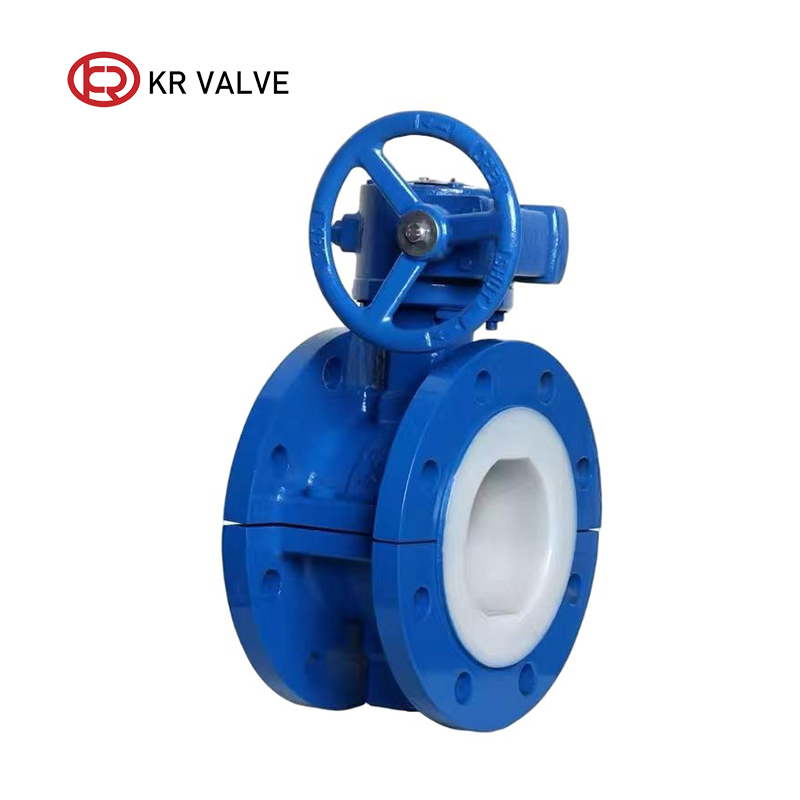
The split type valve body is fastened with high-strength bolts, and the valve body can be disassembled without dismantling the pipeline. The internal components such as the valve plate, valve seat, and lining can be directly removed, and the maintenance time is reduced by more than 60% compared to the integral butterfly valve. It is especially suitable for online maintenance of narrow spaces or large-diameter pipelines.
The disassembled surface is precision machined and equipped with special sealing gaskets. After reassembly, the pressure bearing sealing performance of the valve body does not deteriorate, and it can maintain stable operation under nominal pressure for a long time.
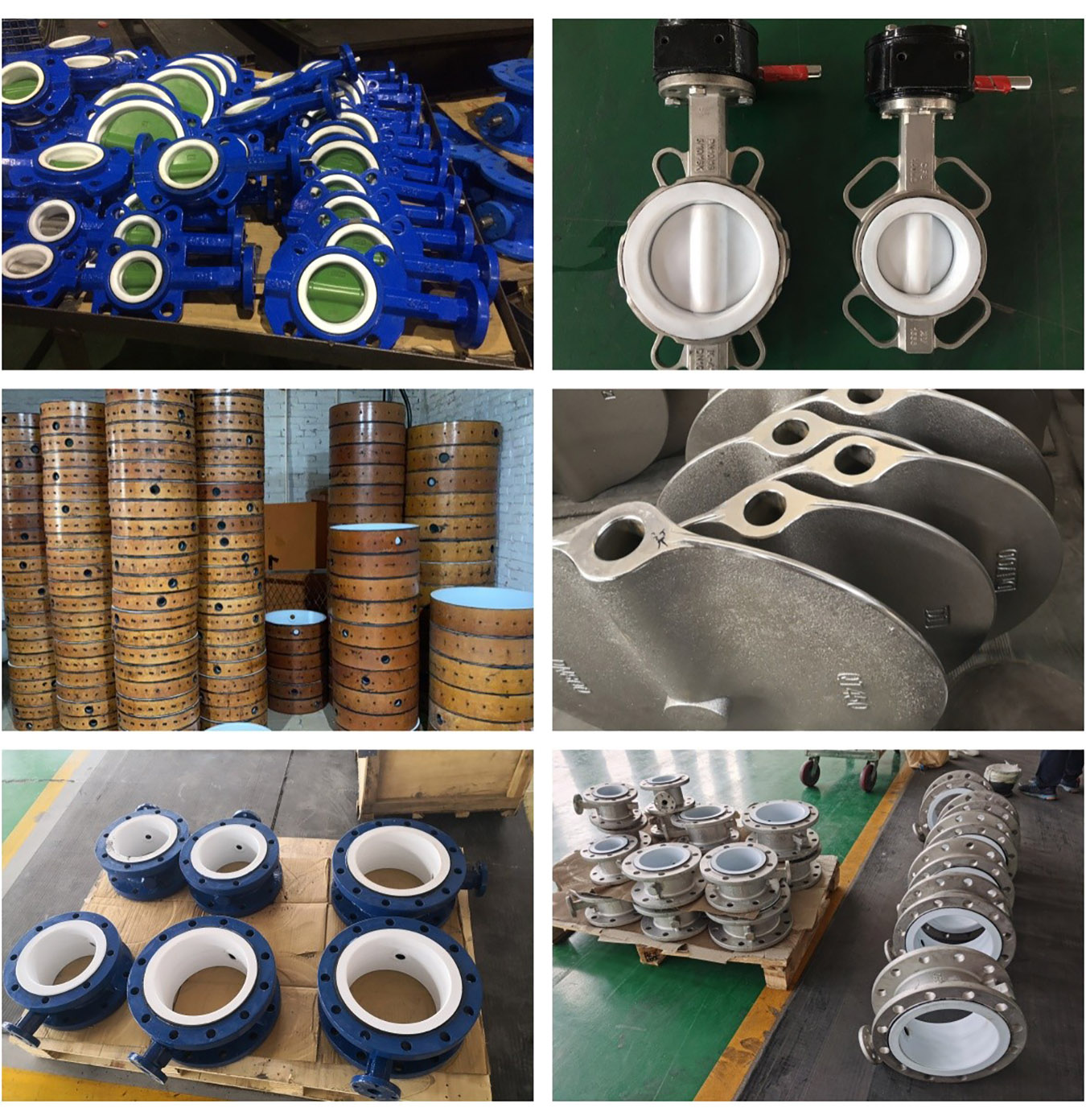
1. Lower Cost of Lining Maintenance and Replacement
If the PTFE lining shows local wear and aging, the valve body can be disassembled separately to replace the lining layer or damaged sealing components, without the need to replace the valve as a whole; Compared to the drawbacks of integral butterfly valves where the lining fails and the entire valve is scrapped, it significantly reduces long-term operating costs and is particularly suitable for high-frequency maintenance needs in highly corrosive conditions such as chemical and environmental protection.
2. Dual Improvement of Structural Strength and Sealing Reliability
The disassembly surface of the valve body is precision machined and equipped with high-performance sealing gaskets, which are tightened with bolts to ensure that the overall pressure sealing performance of the valve body is not lower than that of the integral structure; At the same time, the combination of symmetrical valve plate and PTFE soft seal still maintains ANSI Class VI zero leakage capability, and the seal is stable and leak free under bidirectional medium transportation conditions.
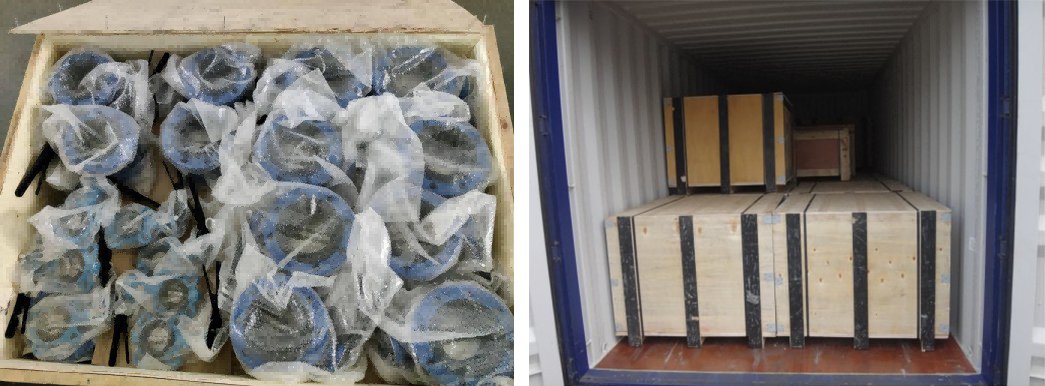
Standard export wooden case packaging ensures the safety of the valves during international transit.
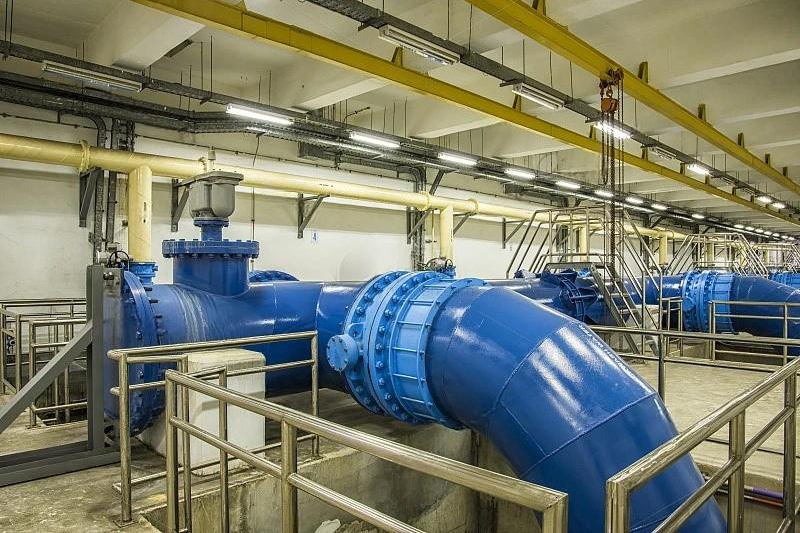
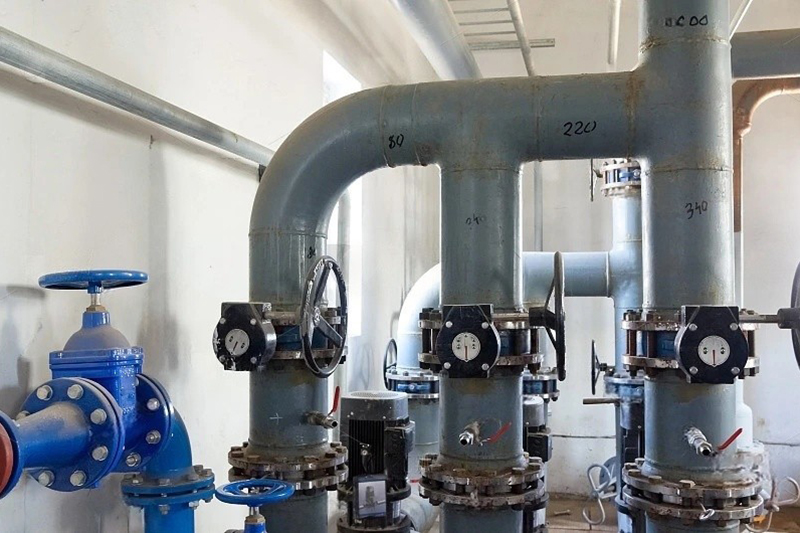
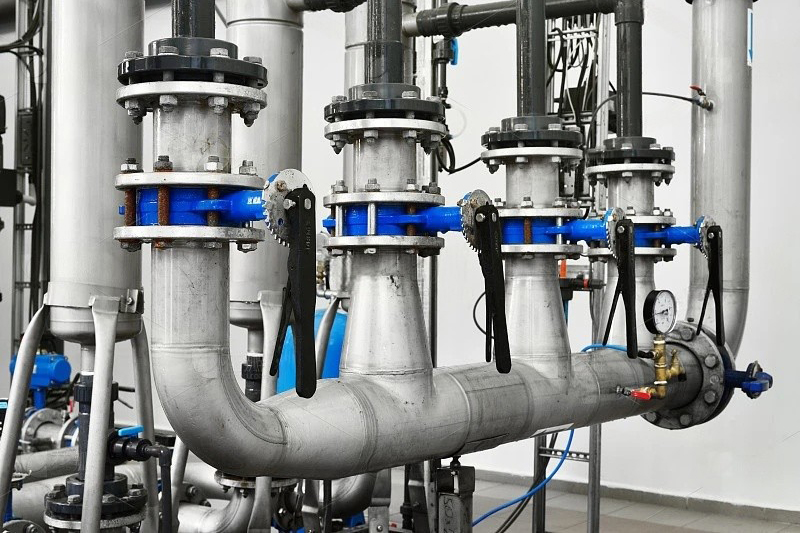
It serves a broad range of critical applications: in the chemical industry, it is deployed for large-diameter acid-alkali pipelines, chlor-alkali production lines and pesticide intermediate synthesis systems; in environmental engineering, it is a staple for large-scale wastewater treatment plants.
| Part Name | Material Options |
|---|---|
| Valve body | Cast iron, ductile iron, stainless steel |
| Valve disc | Ductile iron, Stainless steel, aluminium alloy |
| Valve stem | Carbon steel, stainless steel |
| Valve seat | Rubber |
| Seal | O Type ring |
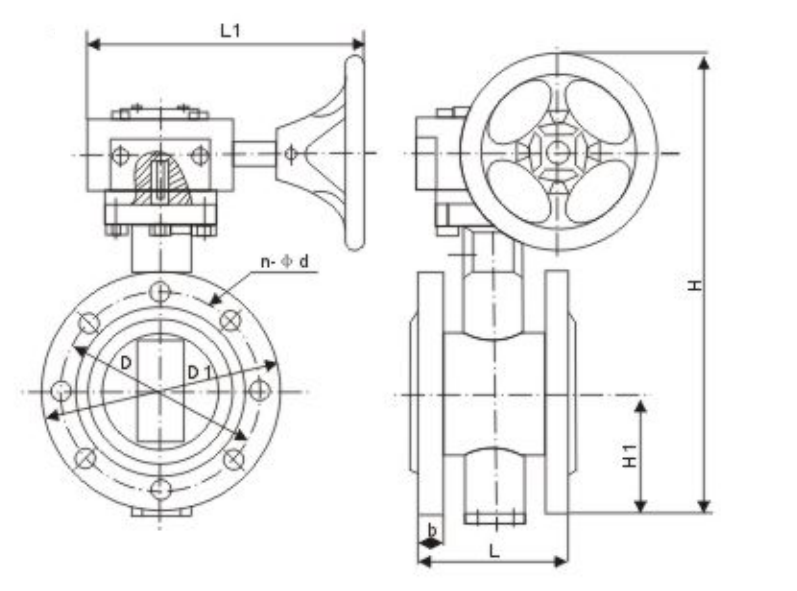
| DN | L | L1 | D | D1 | H | H1 | b | n-Φd | |||
|---|---|---|---|---|---|---|---|---|---|---|---|
| mm | inch | PN1.0 | PN1.6 | PN1.0 | PN1.6 | ||||||
| 50 | 2" | 108 | 180 | 125 | 125 | 150 | 326 | 83 | 20 | 4-Φ18 | 4-Φ18 |
| 80 | 3" | 114 | 180 | 160 | 160 | 200 | 363 | 100 | 22 | 4-Φ18 | 8-Φ18 |
| 100 | 4" | 127 | 180 | 180 | 180 | 220 | 396 | 114 | 22 | 8-Φ18 | 8-Φ18 |
| 150 | 6" | 140 | 180 | 240 | 240 | 280 | 453 | 143 | 24 | 8-Φ23 | 8-Φ23 |
| 200 | 8" | 152 | 270 | 295 | 295 | 335 | 578 | 170 | 26 | 8-Φ23 | 12-Φ23 |
| 300 | 12" | 178 | 380 | 400 | 410 | 455 | 731 | 223 | 32 | 12-Φ23 | 12-Φ28 |
*Additional sizes up to 2000mm (80") available upon request as per technical table.