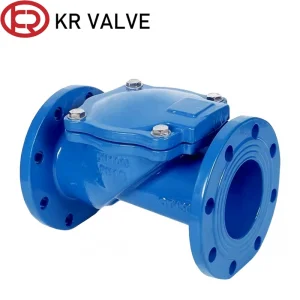
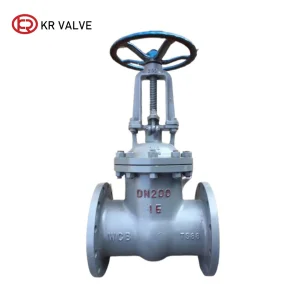
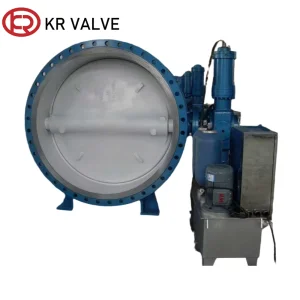
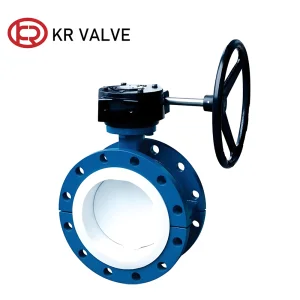
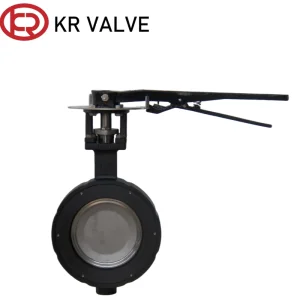
Explore our core manufacturing portfolio of industrial valves, fully compatible with advanced electro hydraulic and pneumatic actuation configurations.
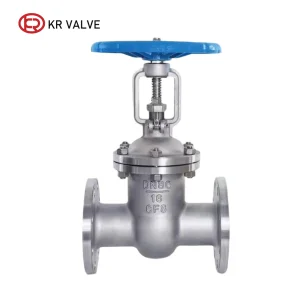
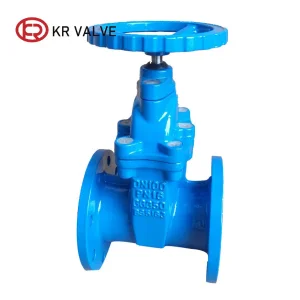
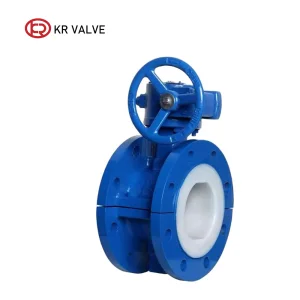
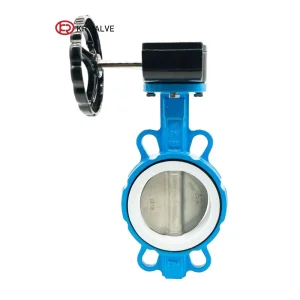
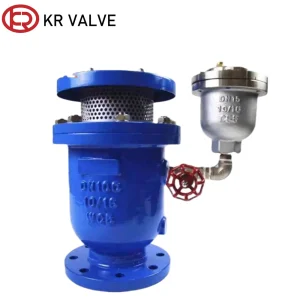
In modern process industries, mechanical integrity must marry high-performance automation. As infrastructure demands shift toward absolute reliability and real-time responsiveness, standard pneumatic and electric actuations are frequently pushed to their technical limits. Electro-hydraulic actuators (EHAs)—self-contained units that integrate electrical controls, hydraulic pumps, and rugged hydraulic cylinders—have emerged as the gold standard for heavy-duty torque and thrust applications.
As a leading OEM/ODM valve manufacturing factory with over two decades of mechanical engineering history, we recognize that the selection of an actuator is as crucial as the selection of the valve itself. Our strategic focus on high-durability butterfly, gate, check, and specialized water control systems makes us uniquely positioned to supply international clients with actuator-ready valves configured precisely to their electro-hydraulic specifications. By minimizing structural tolerance errors and coordinating structural load designs, we deliver integrated flow control systems that eliminate communication gaps between valve suppliers and actuator manufacturers.
Unlike conventional electric actuators that suffer from motor wear under high-cycling loads, or pneumatic setups requiring sprawling, leak-prone air infrastructure, electro-hydraulic systems generate tremendous force in a compact profile. Under critical emergency shutdown (ESD) scenarios, they rely on pre-charged accumulators rather than an external power source, closing massive valves within seconds to protect downstream capital assets.
The global industrial actuator market is undergoing a structural transition characterized by three technological trends:
Global procurement teams face challenges when sourcing industrial valve and actuator combinations. It is not simply about comparing unit costs; total cost of ownership (TCO) and system compatibility dominate selection matrices. High-performing engineering procurement agencies evaluate factories based on three metrics:
Evaluating how well the valve body handles peak torque transitions during high-pressure seat breakouts without structural fatigue.
Demanding IP68 ingress protection and explosion-proof ratings (ATEX/IECEx) for marine, offshore, and hazardous petrochemical locations.
Verification of minimum maintenance-free cycle lifetimes through rigorous factory testing and ISO-compliant documentation.
Our factory addresses these requirements by building robust mechanical bases. We use precision-machined mounting flanges (ISO 5211 standard) that ensure alignment between the actuator shaft and the valve stem, eliminating lateral stresses that cause packing wear and stem leakage.
With more than 20 years of experience in producing standard and non-standard valves of various types, KR supplies a wide selection of over 500 valve products, including butterfly valves, gate valves, check valves, and water control valves. Our products have applications in water treatment, dam construction, commercial buildings, energy and heating, chemical engineering, and natural gas lines. We have won high repeat purchase rates from customers with excellent product variety, strict QC standards, and our dedication to mutually beneficial partnerships.
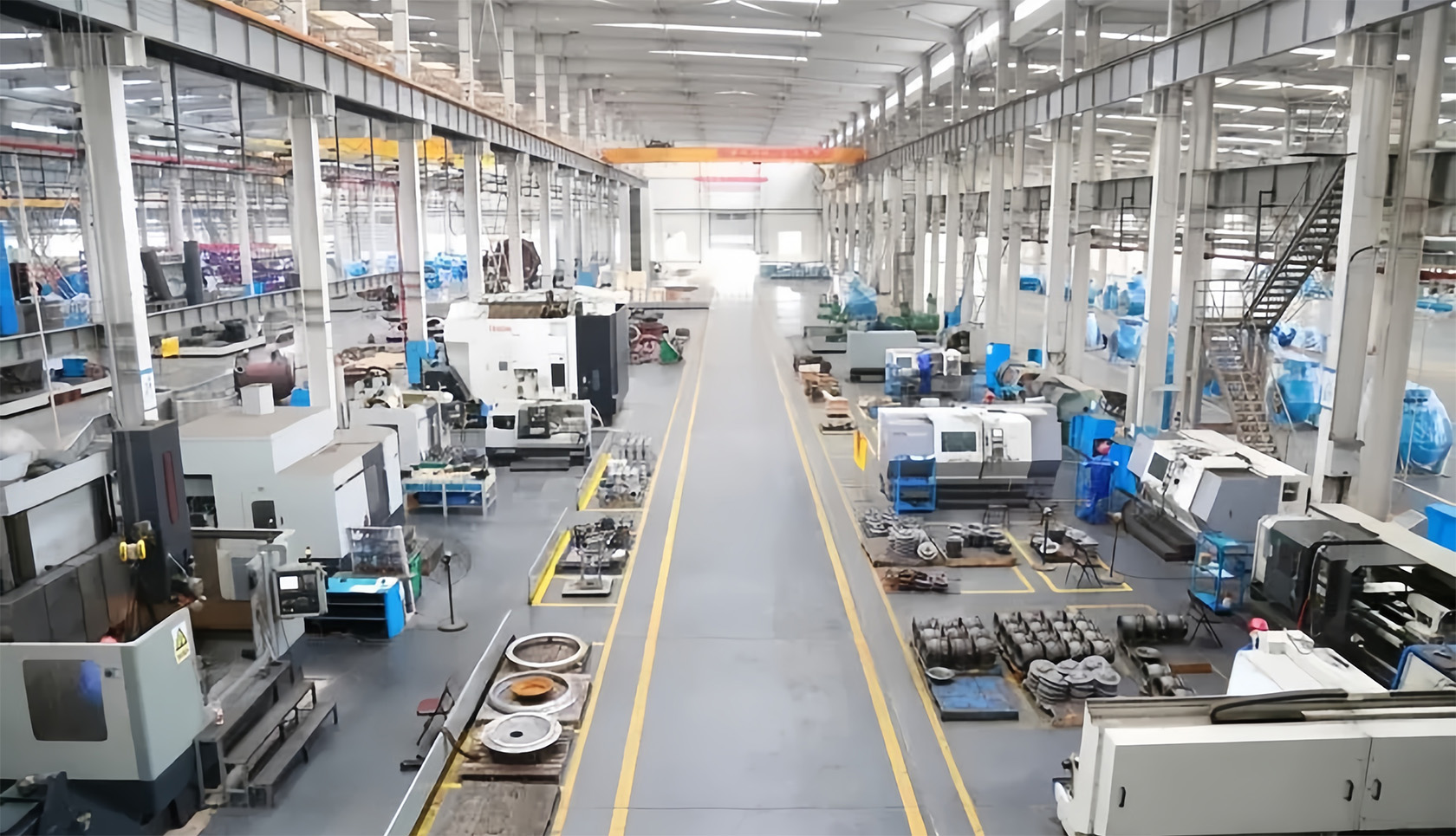
How we align product innovation, planned manufacturing pipelines, and strict quality control protocols.
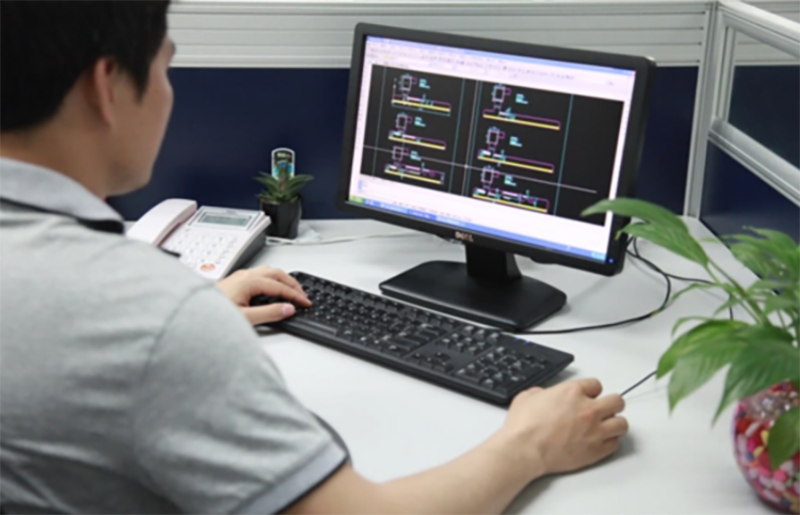
Our dedicated R&D department ensures product design and continuous innovation. Technicians design and develop products to meet specific pressure and temperature requirements. Our modern testing lab elevates performance development across 20 series and over 500 varieties.
The production department formulates specific schedules to ensure timely delivery. Products are manufactured in strict compliance with ISO-9001 systems. Equipped with over 30 modern production units, our monthly inventory updates ensure fast order fulfillment.
The quality control department performs 100% inspection to guarantee zero leakage. We conduct standard dimension, pressure, shell testing, and cosmetic reviews, issuing compliant verification certificates with international validation for every batch.
Providing technical solutions, localized engineering consulting, and scalable OEM manufacturing.
We market under our own registered trademark "KR" and offer comprehensive OEM and ODM support for industrial distributors and engineering agencies.
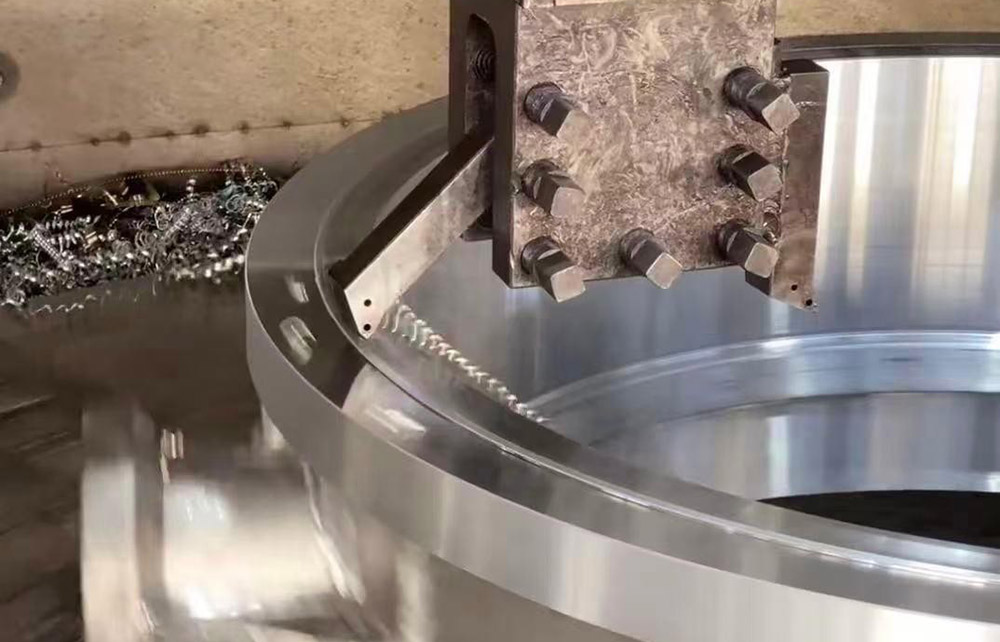
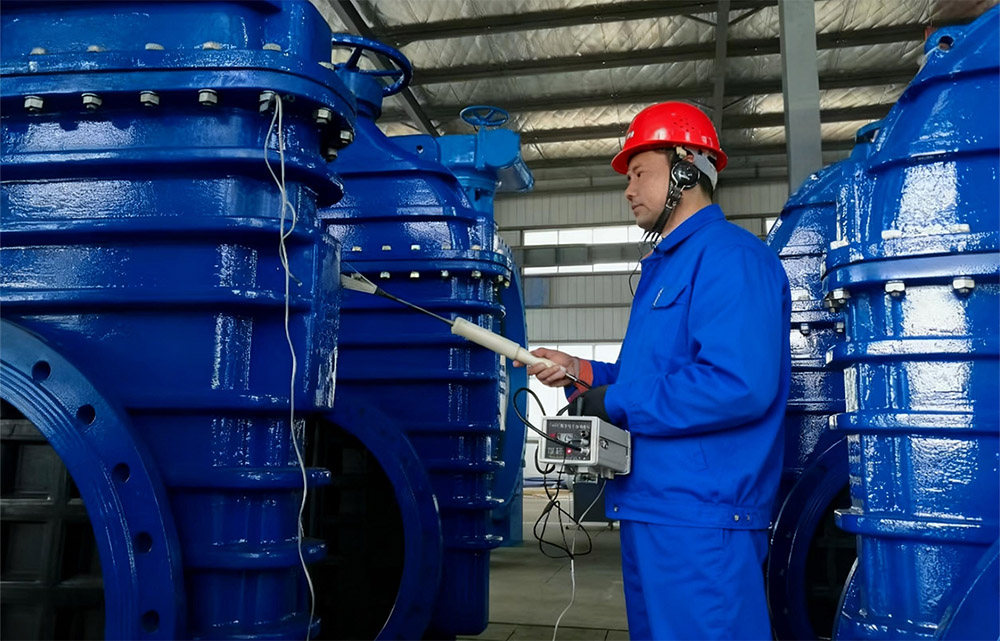
Our facility houses 15 CNC machining centers, automated welding bays, and assembly lines operated by experienced technicians.
Over 20 distinct series covering standard and custom configurations. We produce according to DIN, ANSI, BS, JIS, and GB standards.
From foundry analysis to final hydro-testing, each production phase is tracked, documented, and archived to ensure product traceability.
By handling design, casting refinement, machining, and testing in-house, we control costs and pass the savings on to our customers.
Providing consultation, logistics support, and post-installation guidance to keep your operational downtime to a minimum.
Integrating heavy-duty electro-hydraulic actuators onto large-diameter valves requires deep mechanical understanding. When handling high-velocity water distribution or high-pressure gas networks, incorrect torque sizing can lead to stem shear, high-pressure cavitation, or severe water hammer. KR's design team addresses these issues during the initial CAD modeling phase.
In water distribution systems and municipal piping networks, sudden valve closure under high flow rates converts kinetic energy into shockwaves, leading to pipe failure. Electro-hydraulic control units resolve this by utilizing proportional flow control valves in the hydraulic circuit. We design our butterfly and gate valves to handle custom-tailored travel profiles: fast closure for the first 80% of travel, followed by controlled, slow closing for the final 20% to safely damp out pressure spikes.
For chemical processing plants and offshore rigs, exposure to corrosive salt spray and volatile organic compounds is constant. Our manufacturing lines use premium stainless steel (SS316, duplex steel) and corrosion-resistant coatings, matching the actuator's structural durability. Standard valve-actuator assemblies can also be fitted with specialized fire blankets, retaining operational control during emergencies.
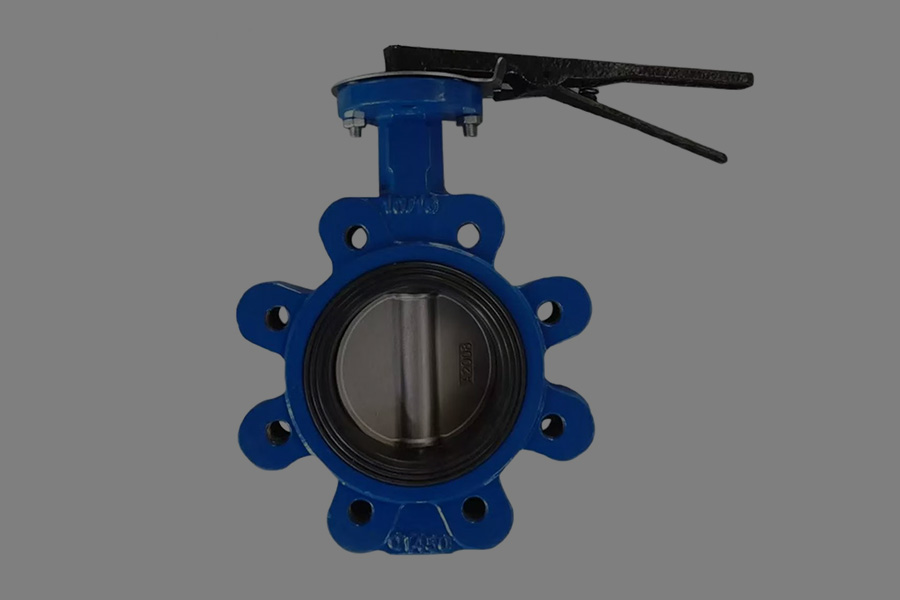
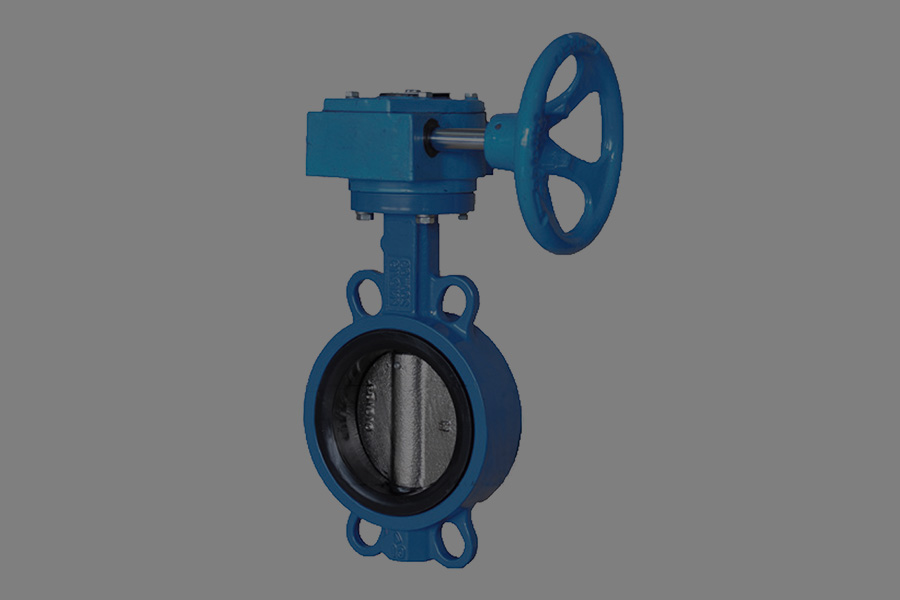
Explore real-world applications of KR valve solutions in critical infrastructure developments worldwide.
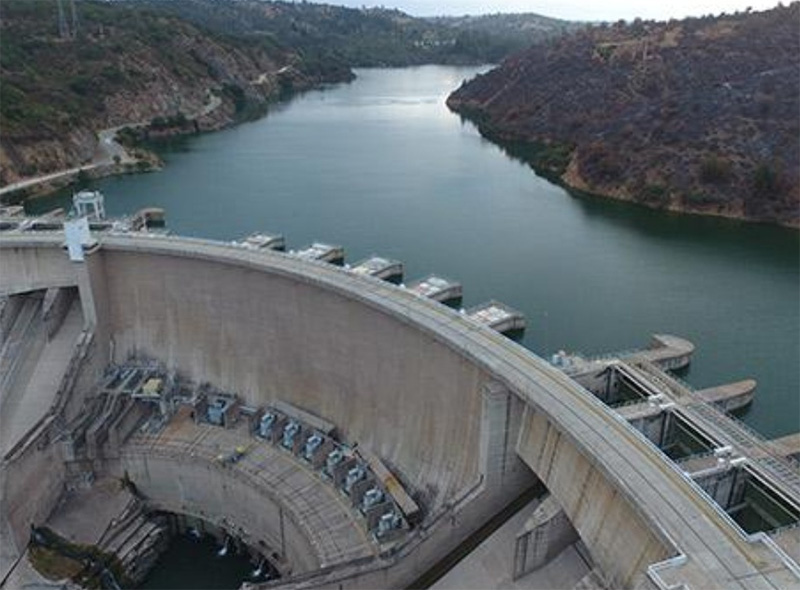
KR supplied large-diameter water control valves optimized for high-pressure reservoirs, ensuring reliable spillway control under harsh conditions.
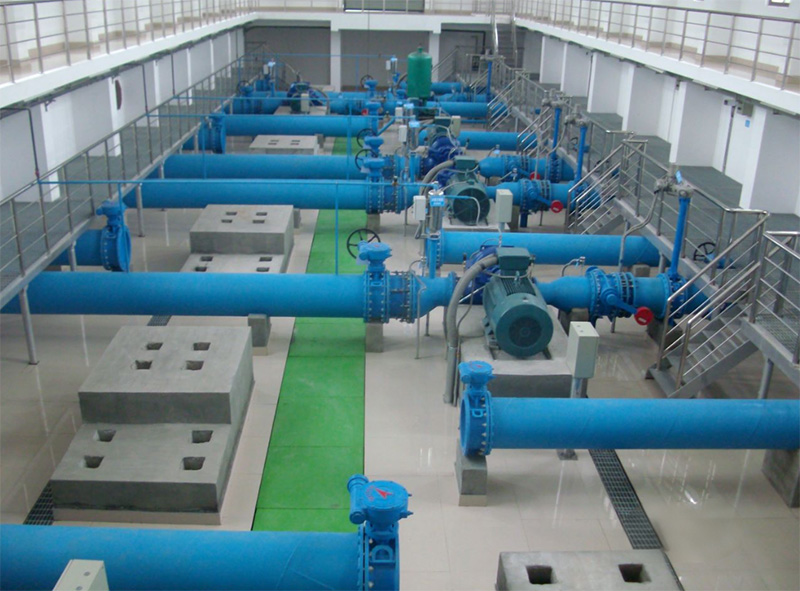
Delivered customized large butterfly and non-return check valves, reducing pressure drops and improving energy efficiency across municipal supply lines.
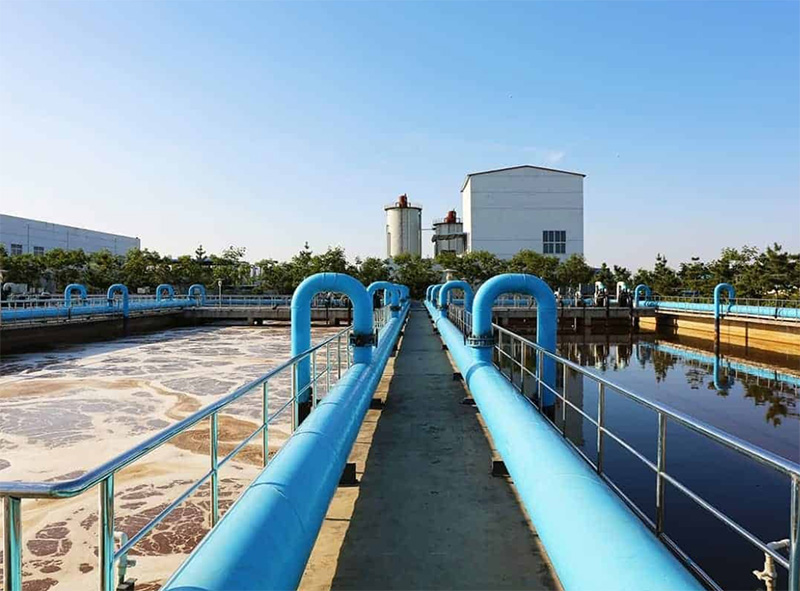
Supplied heavy-duty gate and butterfly valves with robust seat protection to handle abrasive slurry and corrosive municipal sludge.
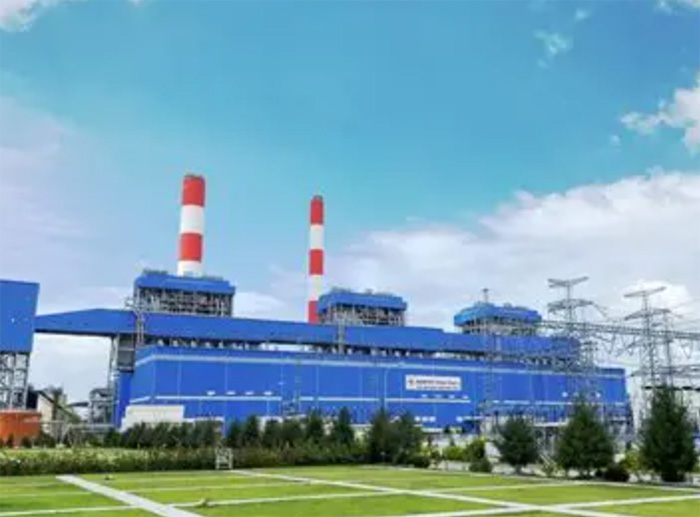
Configured premium, corrosion-resistant valve systems designed to prevent fugitive emissions and handle volatile compounds.
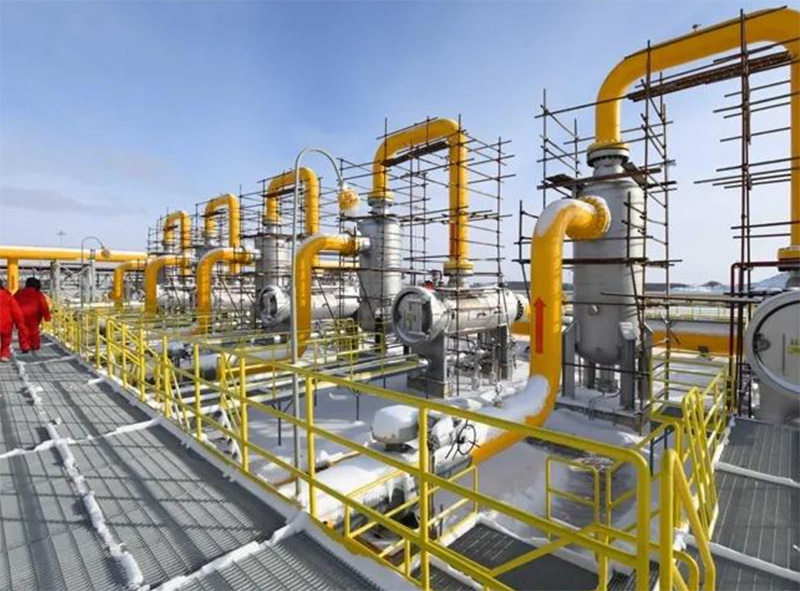
Supplied WCB/WCC cast steel valves designed for sub-zero temperatures, providing bubble-tight shutoff under heavy cyclic loads.
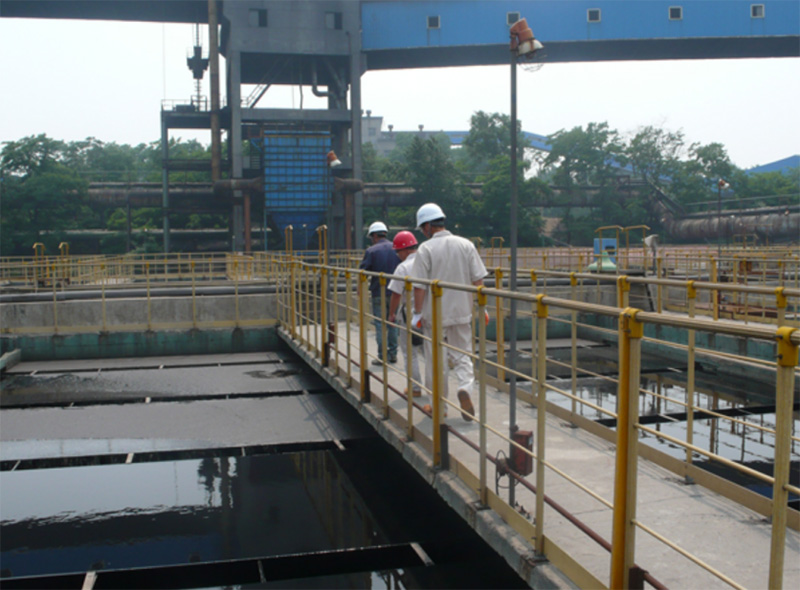
Integrated a range of resilient-seated gate and air release valves to support wastewater processing and aeration control.
The integration of mechanical valves and digital controls continues to evolve. Our future roadmap focuses on addressing industry demand for eco-friendly, carbon-neutral manufacturing and energy-efficient systems.
Industrial operations are moving away from mineral-based hydraulic oils to minimize environmental risks. The transition to synthetic biodegradable hydraulic fluids requires new sealing designs inside actuators and valve cylinders. We work alongside actuator manufacturers to test fluoroelastomer (FKM) and PTFE materials, ensuring chemical compatibility with these new hydraulic fluids.
For remote water transmission pipelines and long-distance oil transport lines, grid access is often unavailable. Our low-power-consumption, high-efficiency mechanical valves require minimal torque to actuate. This allows localized electro-hydraulic systems to operate via battery-buffered solar arrays, ensuring reliable valve control in remote areas.
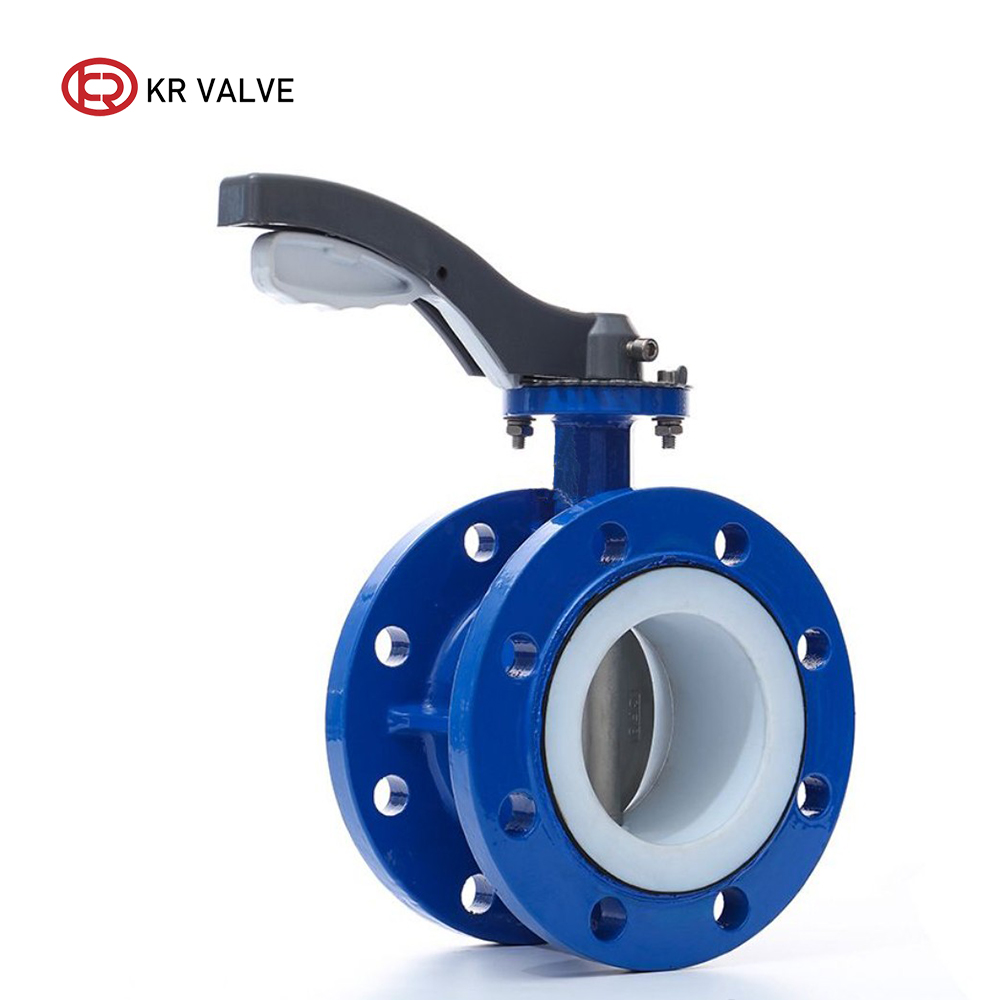
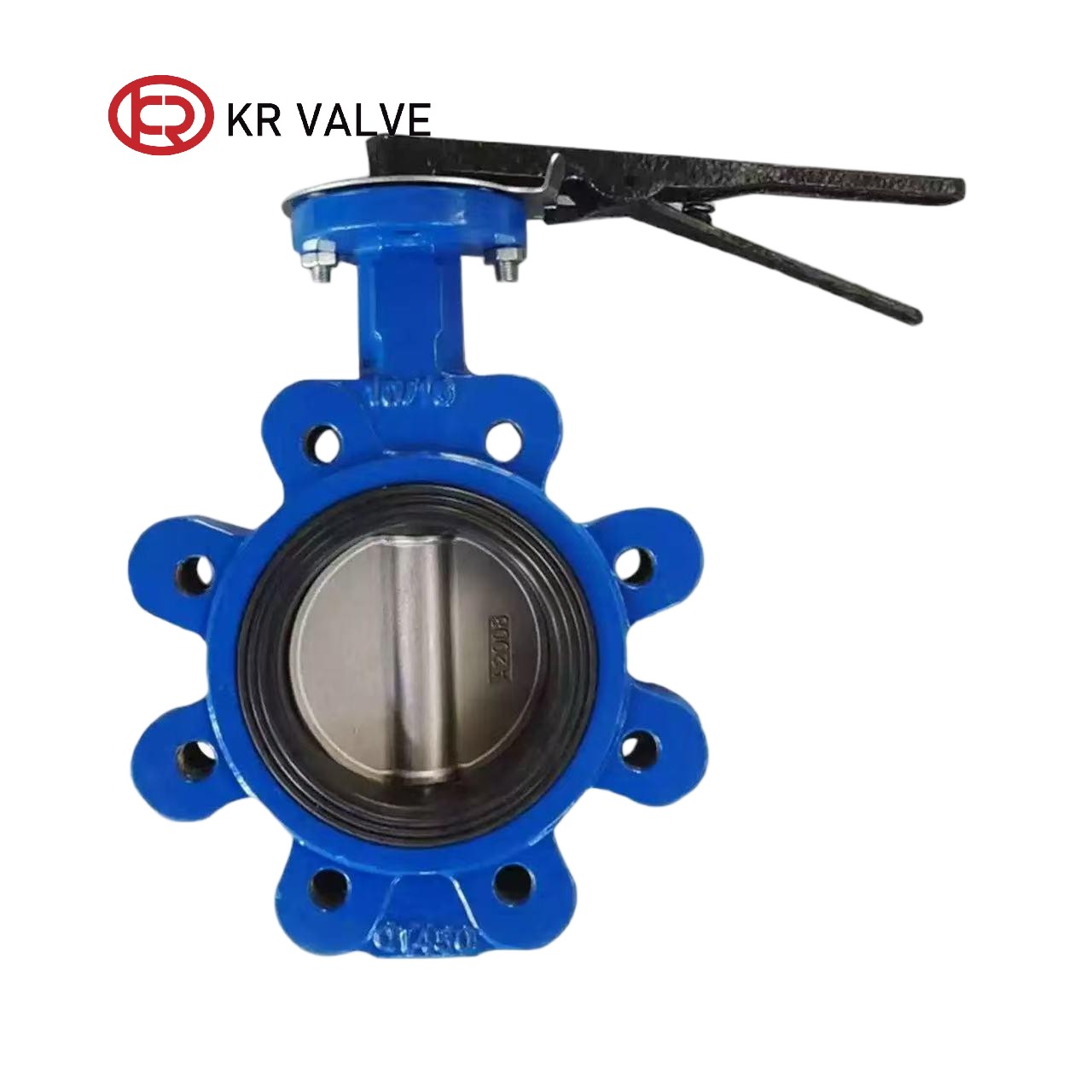
Expert technical insights regarding electro-hydraulic valves and global factory procurement.
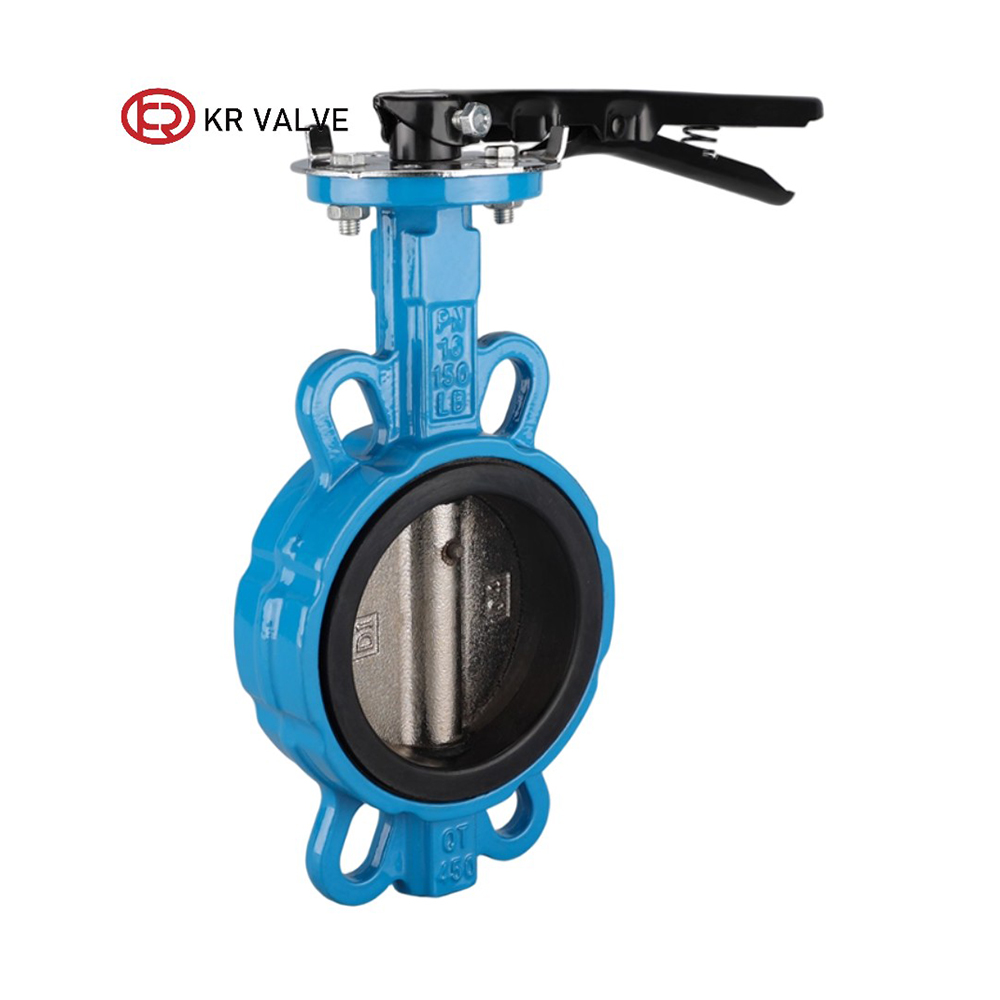
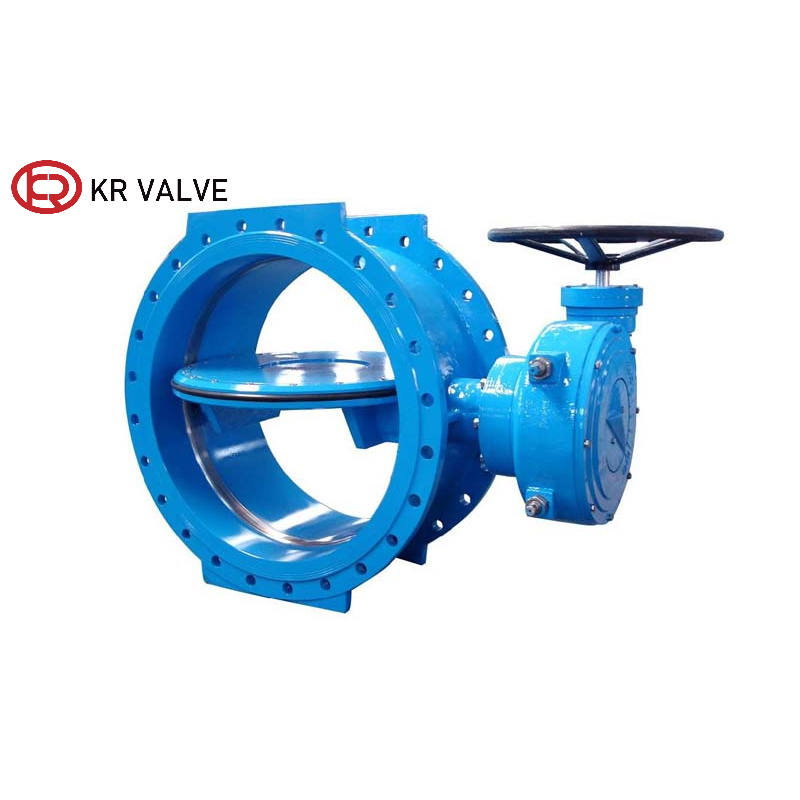
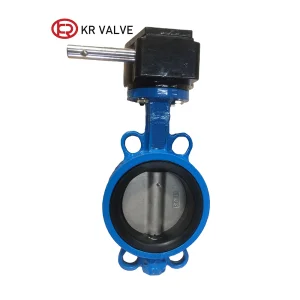
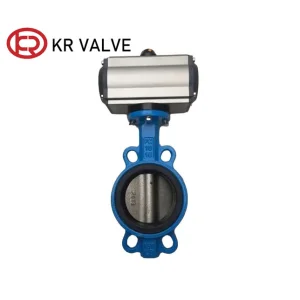
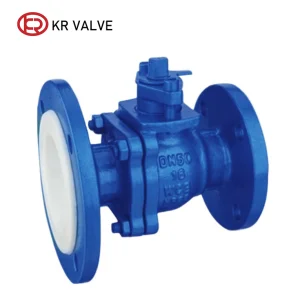
Select from our range of ball, gate, and butterfly valves, configurable with robust electro-hydraulic control packages.
 KR VAVLE