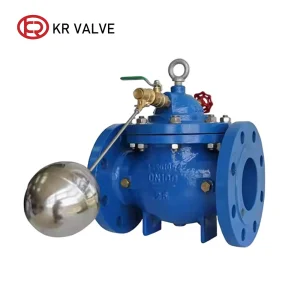
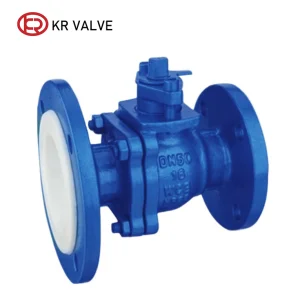
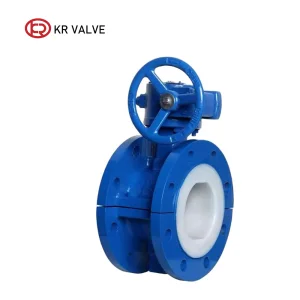
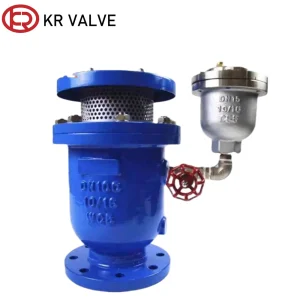
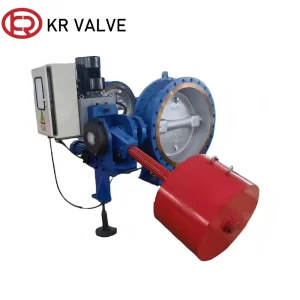
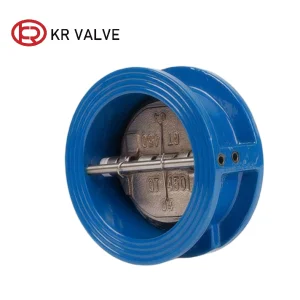
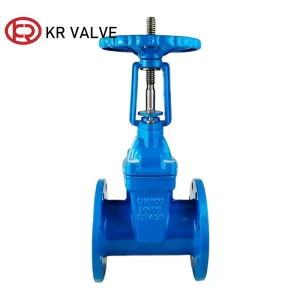
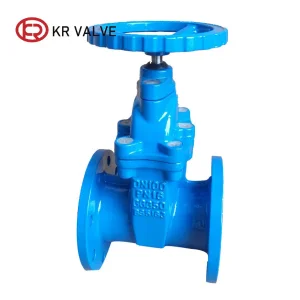
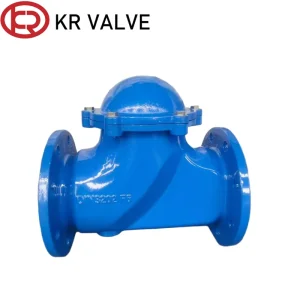
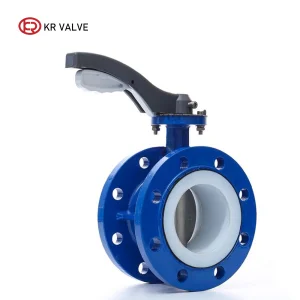
Engineered to withstand extreme environments, municipal water demands, and severe chemical processes.
Understanding the engineering nuances, material compositions, and sealing mechanics of premium fluoropolymer-lined piping system configurations.
Lining materials like PTFE and PFA offer almost universal chemical resistance. Capable of handling aggressive media such as hot sulfuric acid, wet chlorine gas, hydrochloric acid, nitric acid, and highly concentrated organic compounds without degrading.
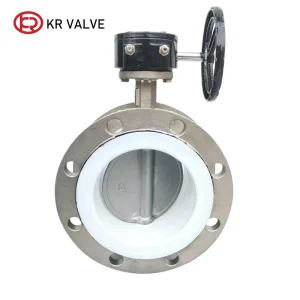
Engineered with heavy-duty virgin PTFE seats and structured plastic linings, these valves prevent fluid permeation and micro-porosity issues, achieving Class VI shut-off ratings under high pressure and vacuum conditions.
By enclosing robust cast carbon steel (WCB) or stainless steel (CF8/CF8M) structures within thick fluoropolymer layers (minimum 3mm lining thickness), internal components are isolated from structural failure and chemical decay.
In corrosive flow control processes, material selection is critical to ensuring plant safety and process efficiency. PTFE (Polytetrafluoroethylene) is ideal for continuous service temperatures up to 200°C. PFA (Perfluoroalkoxy) provides comparable thermal resistance but features superior mechanical properties and melt-processing capabilities, allowing for exceptionally tight liner-to-metal bonding, which is essential in high vacuum situations. FEP (Fluorinated Ethylene Propylene), though economical, is typically restricted to applications below 150°C. OEM production departments deploy dedicated transfer molding technology to lock the plastic liner directly into mechanical cast grooves on the WCB metal framework, preventing liner movement under elevated differential pressure or full vacuum conditions.
How KR Valve leverages structural supply integration, strict production control, and global compliance models.
China has developed a highly integrated supply ecosystem for industrial valve manufacturing. With direct access to premium quality steel foundries, automated machining tools, and high-purity chemical grade fluoropolymer resins, factories can customize configurations easily. From standard split-body floating ball valves to specialized customized control valves, manufacturing operations are designed for scale, quality, and quick lead times.
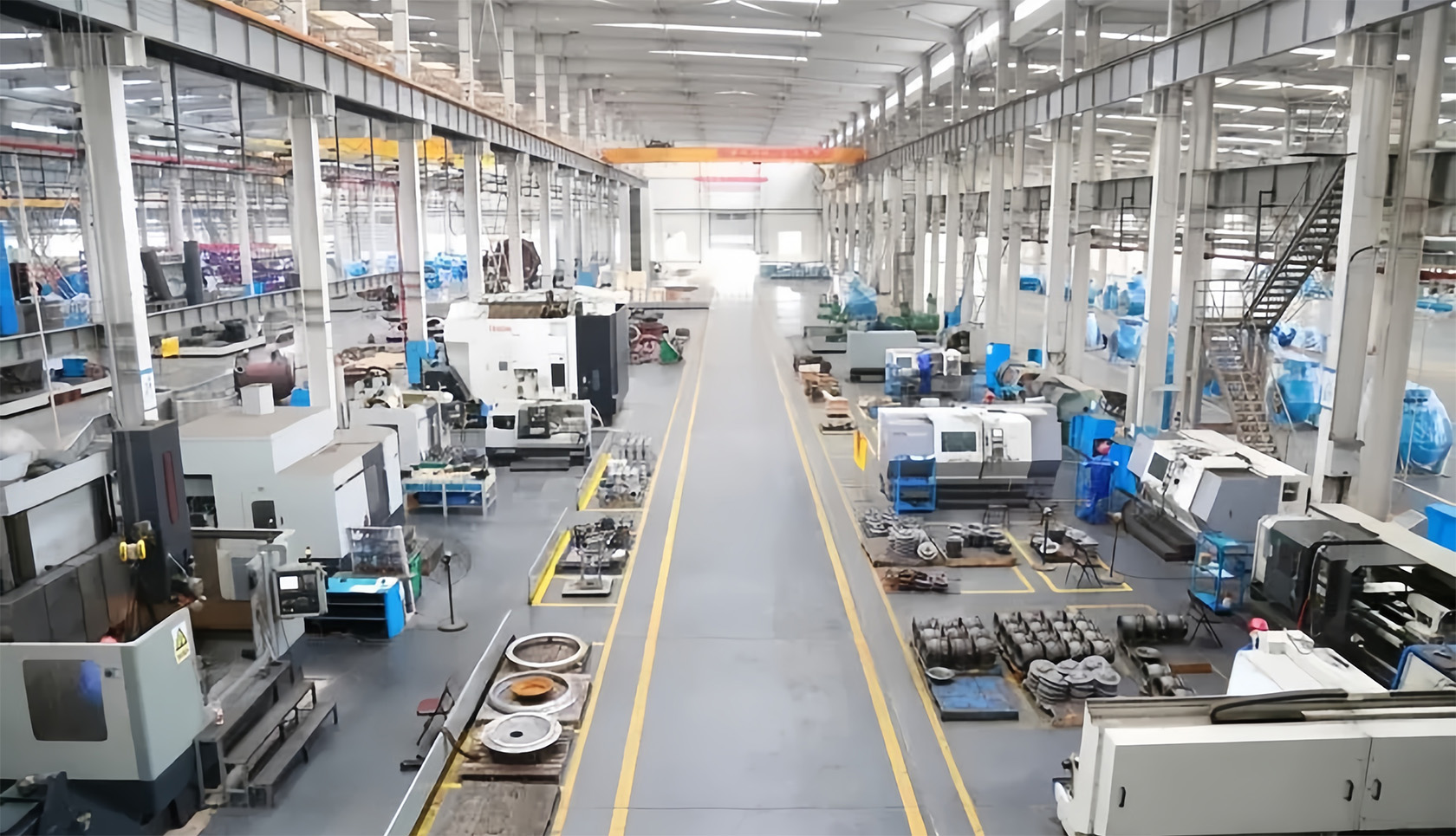
At KR Valve, we maintain a fleet of over 30 advanced production machines alongside 15 dedicated machining centers and dynamic assembly lines. This ensures we can control every stage of product manufacturing under rigorous ISO-9001 and CE directives. Standardizing production schedules enables us to meet expedited international delivery requirements without compromising quality.
By managing everything from the raw casting inspection to the machining, fluoropolymer injection, assembly, and pressure testing in-house, KR Valve eliminates intermediate supply markups. We pass these cost benefits to our global customers, offering competitive pricing alongside superior quality.
Our OEM services support prominent international flow control brands, providing custom paint options, special tag numbering, variable thickness linings, and customized actuation mountings (ISO 5211) to match regional customer requirements.
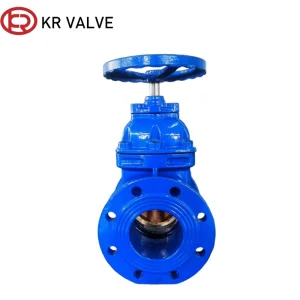
KR has more than 20 years of experience in producing standard and non-standard valves of various types. We supply a wide selection of over 500 valve products, including butterfly valves, gate valves, check valves, and water control valves, as well as their matching and accessory products. These products are utilized across industries such as water treatment, dam construction, commercial buildings, energy and heating, chemical engineering, and more. KR has achieved high repeat purchase rates from customers with excellent product variety and quality.
Beyond product excellence, we are dedicated to creating a mutually beneficial partnership with every customer. We believe that reliable service is as crucial as superior products, and we strive to continuously optimize the customer experience to achieve long-term win-win cooperation. Today, KR VALVE’s products have been exported to over 50 countries and regions in Europe, Asia, Africa, and Oceania, providing project construction and brand marketing services to thousands of customers. We look forward to collaborating with you, leveraging our expertise, comprehensive product range, and commitment to quality and service to support your success.
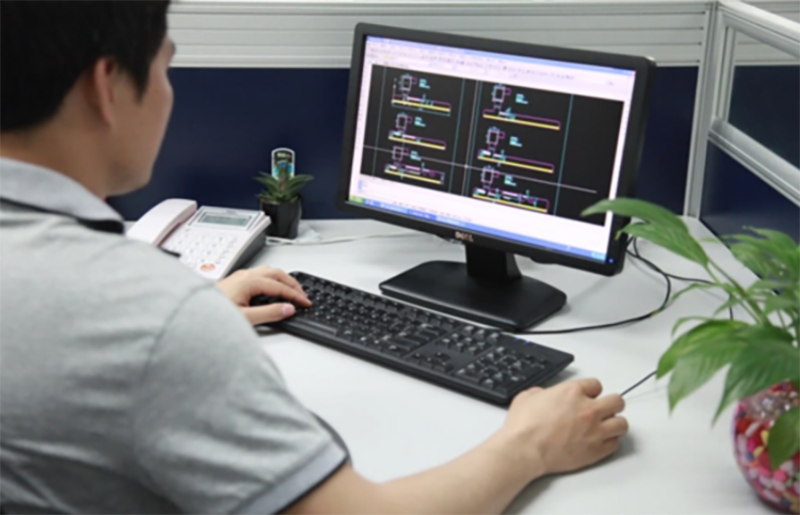
Our technicians continuously design and develop products that meet customer and market requirements. Our laboratory provides modern testing capabilities to elevate product performance and development. We offer 20 distinct series and over 500 varieties of flow control products.
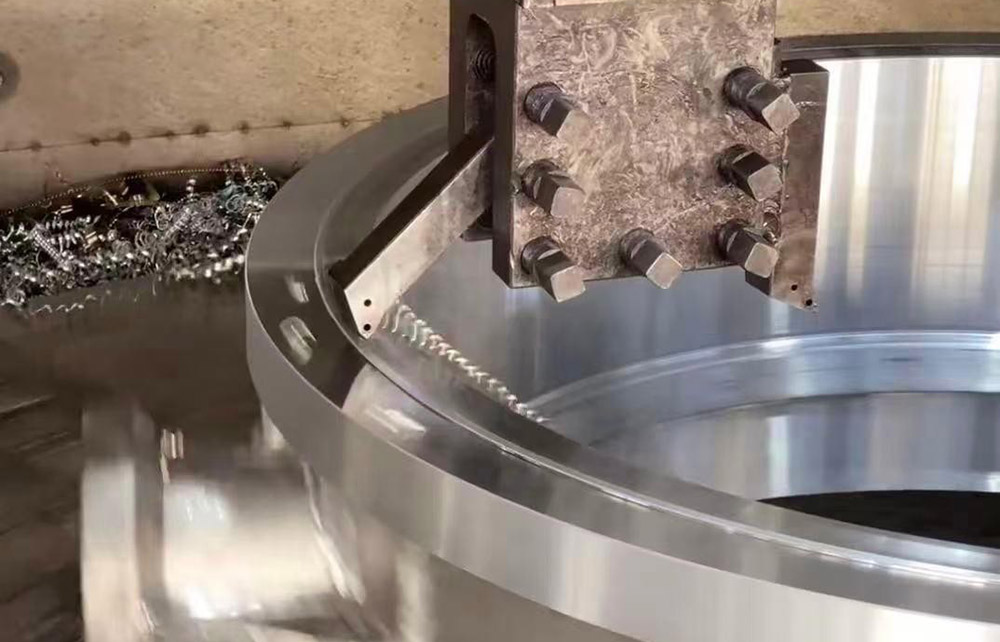
Products are manufactured under strict supervision in accordance with the ISO-9001 quality management system. We use over 30 precision production machines and update our inventory monthly to meet and exceed customer expectations for delivery schedules.
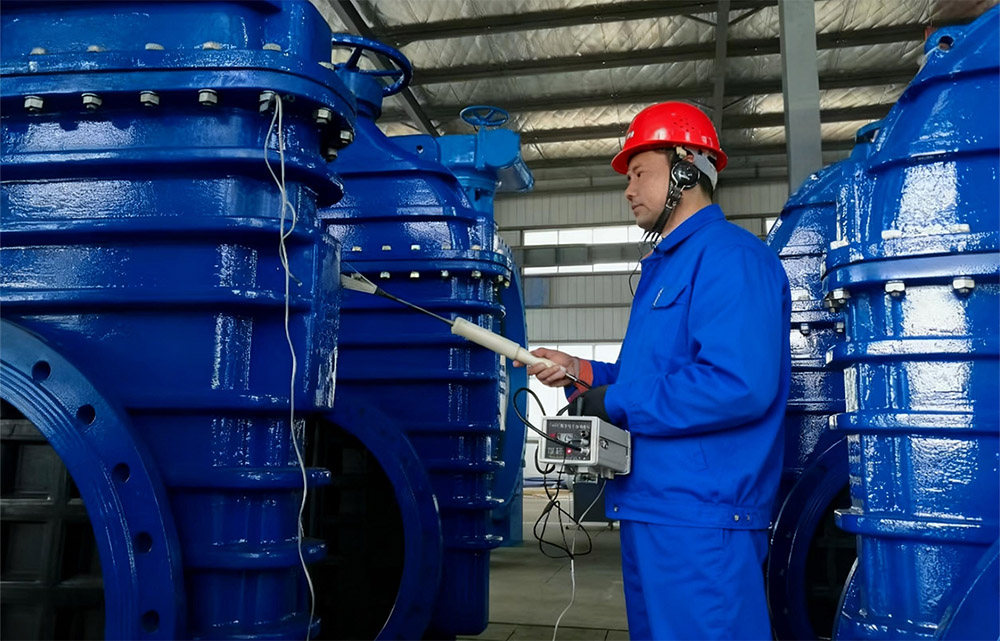
Zero leakage is our core operating principle. In accordance with international quality inspection standards, we conduct inspections on the appearance, dimension, and pressure rating of every valve before issuing standard-compliant reports.
How we ensure mechanical reliability, chemical containment, and environmental safety under pressure.
To detect potential microscopic pinholes or fractures within the fluoropolymer lining, every lined valve body and ball component undergoes high-voltage non-destructive spark testing at 15kV-20kV DC. This prevents fluid contact with the base structural casting.
Shell and seat pressure tests are performed using high-pressure hydro-tests and pneumatic tests to confirm zero-leakage performance under ASME B16.34 and EN 12266-1 guidelines.
Our raw PTFE, PFA, and FEP resins are FDA compliant, making these valves safe for use in food, beverage, and pharmaceutical processes. In chemical settings, our lining methods prevent fugitive emissions, helping plants meet strict environmental standards.
Explore how our valves are deployed across water treatment plants, chemical refineries, and natural gas networks worldwide.
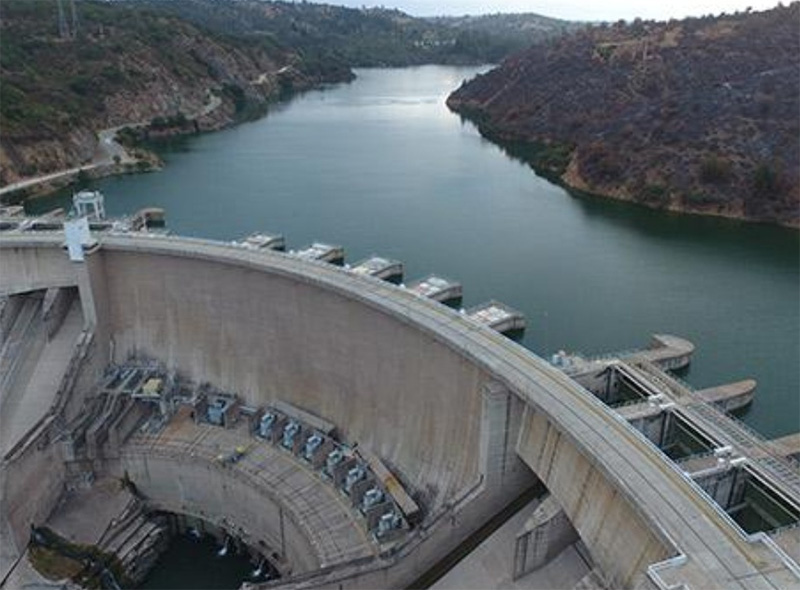
KR supplied specialized high-pressure water control valves and safety bypass units to manage extreme fluid pressure dynamics in municipal infrastructure in Chile.
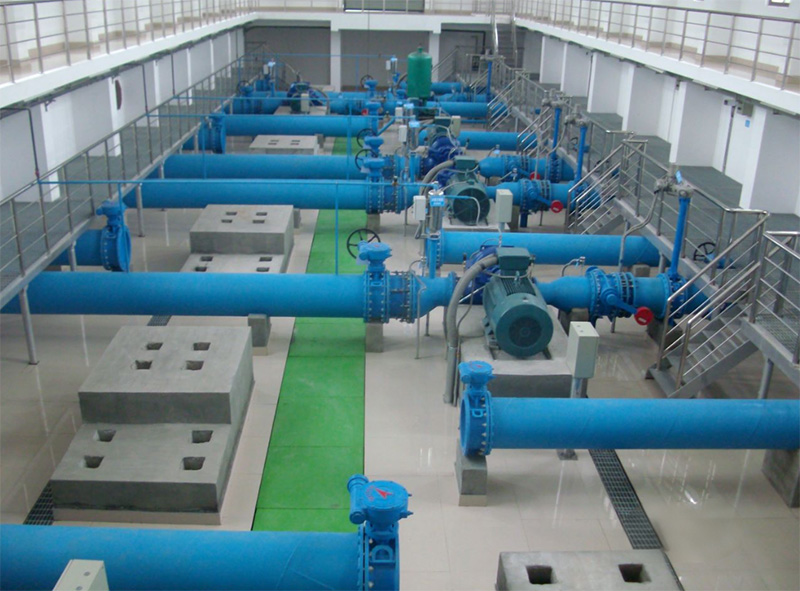
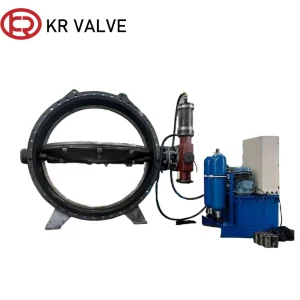
We supplied large-diameter double-eccentric butterfly valves and check valves to municipal waterworks networks across Italy, ensuring low pressure drop and extended service life.
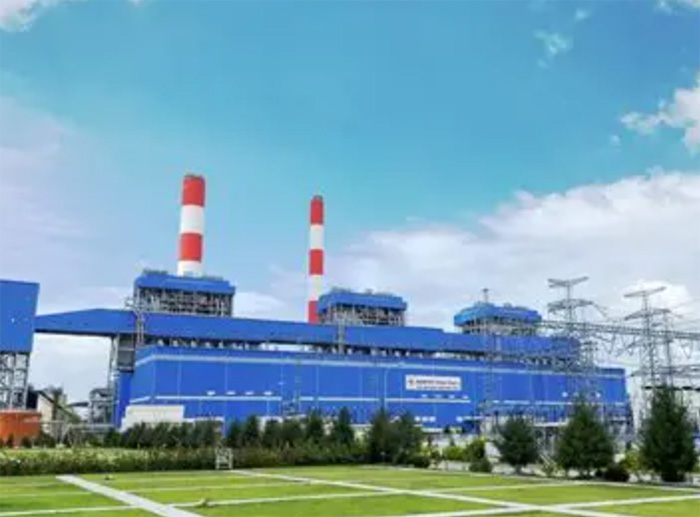
We supplied a wide range of custom corrosion-resistant PTFE-lined ball and butterfly valves to handle acidic process media safely, helping the plant achieve zero-leakage benchmarks.
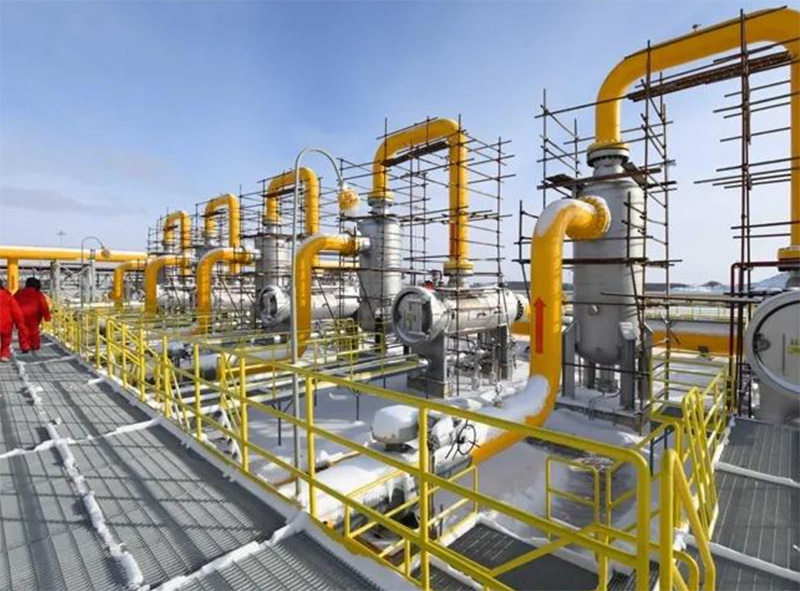
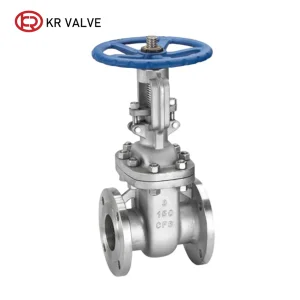
KR delivered high-strength carbon steel gate valves and industrial ball valves designed for low-temperature operation, ensuring structural integrity in harsh environments.
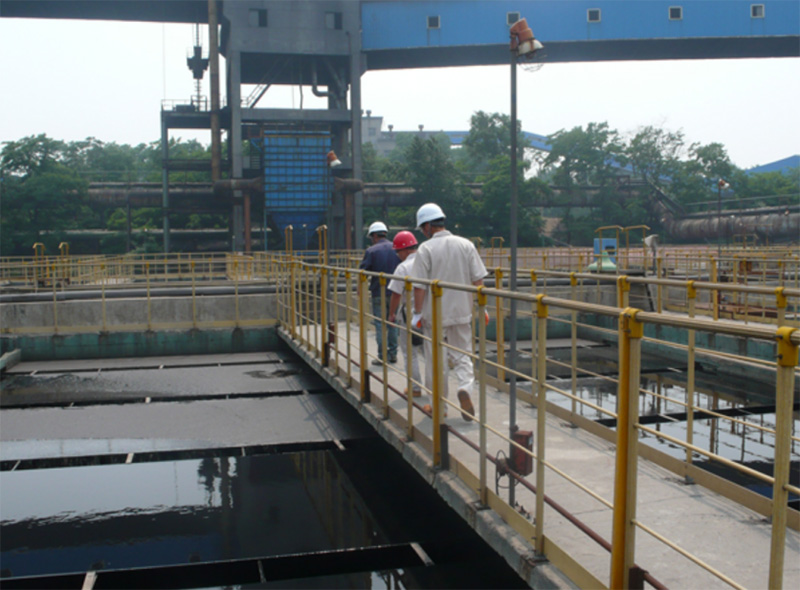
We supplied resilient-seated gate valves and water control components to waste processing plants in Brazil, helping handle suspended solids and corrosive effluents.
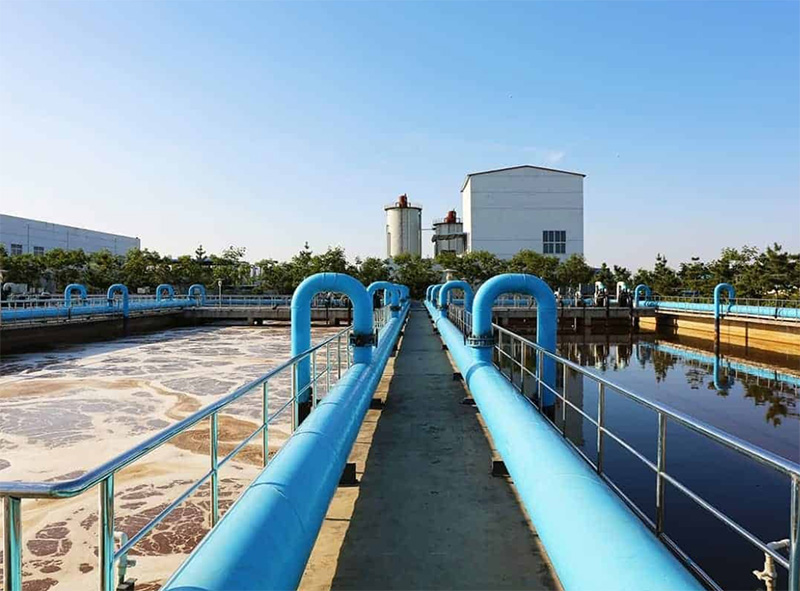
We supplied heavy-duty knife gate valves and concentric rubber-lined butterfly valves designed to handle abrasive slurry media without liner tearing.
A transparent look inside our manufacturing floor, machining bays, and hydrostatic testing stations.
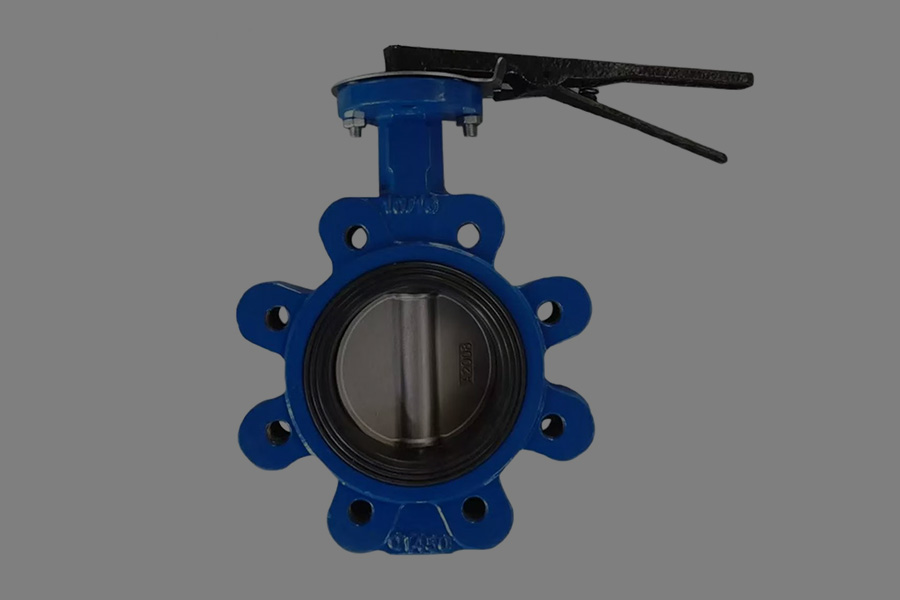
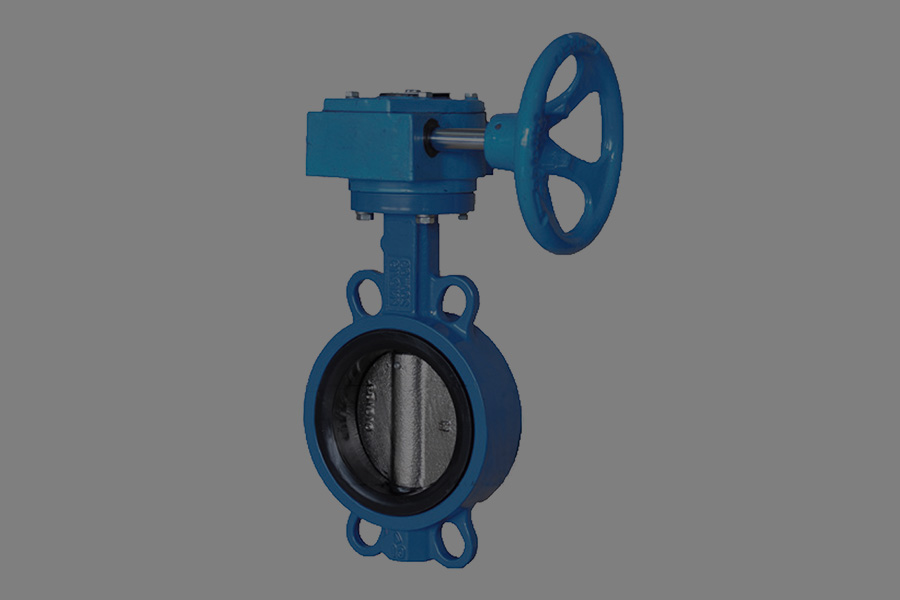
Answers to common technical, design, and purchasing questions from procurement managers and piping design engineers.
Explore our wide selection of standard and custom water control, check, and gate valves designed for heavy-duty industrial systems.
 KR VAVLE