Factory-direct high performance non-return check valves and control valves built to strict international safety standards.
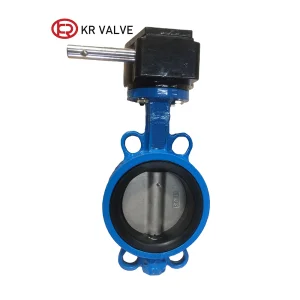
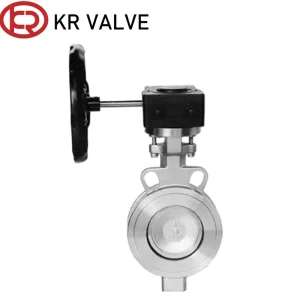
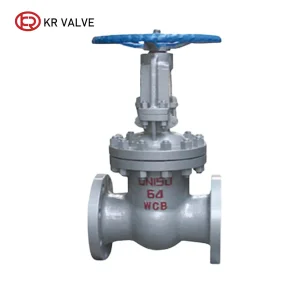
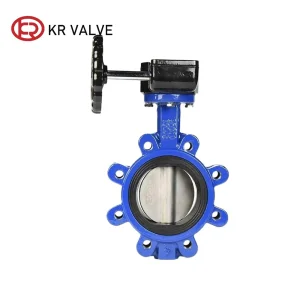
Hydraulic check valves, or non-return valves, serve as the silent guardians of global fluid transportation systems. From massive municipal sewage grids to high-pressure natural gas lines, these mechanisms prevent reverse flow, absorb damaging pressure spikes, and protect heavy-duty pumps from catastrophic failure. Their operational efficiency directly dictates the life cycle of industrial piping systems worldwide.
Our global environment demands highly specific pressure thresholds, varying from low PN6 pressures to standard PN16 and high-demand PN64 ratings. Engineering managers are increasingly looking for manufacturers capable of supplying custom, resilient-seated, and metal-to-metal seated check valves that can handle extreme mechanical stresses without compromising on seal integrity.
Understanding the engineering differences between check valve configurations allows procurement specialists to select the precise component for their application.
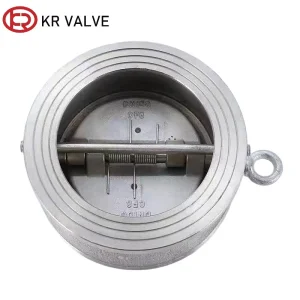
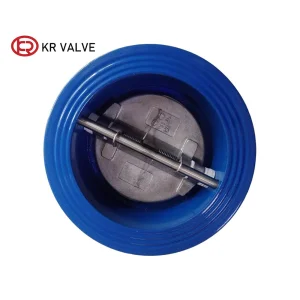
Features two spring-loaded plates rotating around a central hinge pin. The dual-plate design distributes fluid force more evenly, decreasing closing time, which in turn reduces water hammer effects. Compact design makes it ideal for locations with severe space limitations.
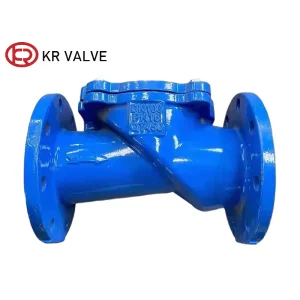
Utilizes a rubber-coated spherical ball that rises with forward pressure and rolls back into the seat to block reverse flow. Excellent for waste-water treatment plants, municipal sewers, and sludge facilities as the ball resists clogging by self-cleaning.
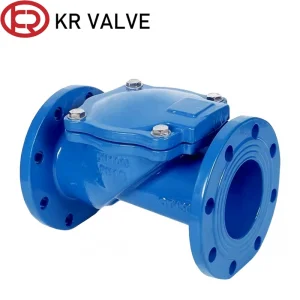
Features an EPDM-coated steel flap that acts as a simple swing gate. These are heavily used in municipal waterworks due to their clean pathway and minimal moving components, reducing mechanical wear and maintenance requirements over decades.
Often utilized for high-pressure systems (like PN64 and above). These valves raise a piston or disk against the gravity or spring pressure. They offer precise flow control and highly reliable sealing but generally have a higher pressure drop profile.
| Valve Type | Common Materials | Pressure Rating Range | Ideal Application | Key Strengths |
|---|---|---|---|---|
| Dual Plate Wafer | SS304, WCB, CF8M | PN10 - PN40 | Waterworks, Chemical Plants | Low weight, minimal water hammer |
| Ball Non-Return | Ductile Iron, EPDM ball | PN10 - PN16 | Sewage, Sludge networks | Non-clogging, self-cleaning path |
| Rubber Flap Swing | Ductile Iron, Cast Iron | PN6 - PN25 | Water pipelines, dams | Simple structure, low maintenance |
| Piston Lift | WCB Steel, Stainless Steel | PN16 - PN64 | Steam, High-pressure gas | Superior tight-seal performance |
Why do thousands of global infrastructure projects source their valves from China? The answer lies in the highly optimized supply chain clusters that integrate raw iron casting, automated CNC machining, synthetic seat curing, and dynamic testing loops all within a concentrated region.
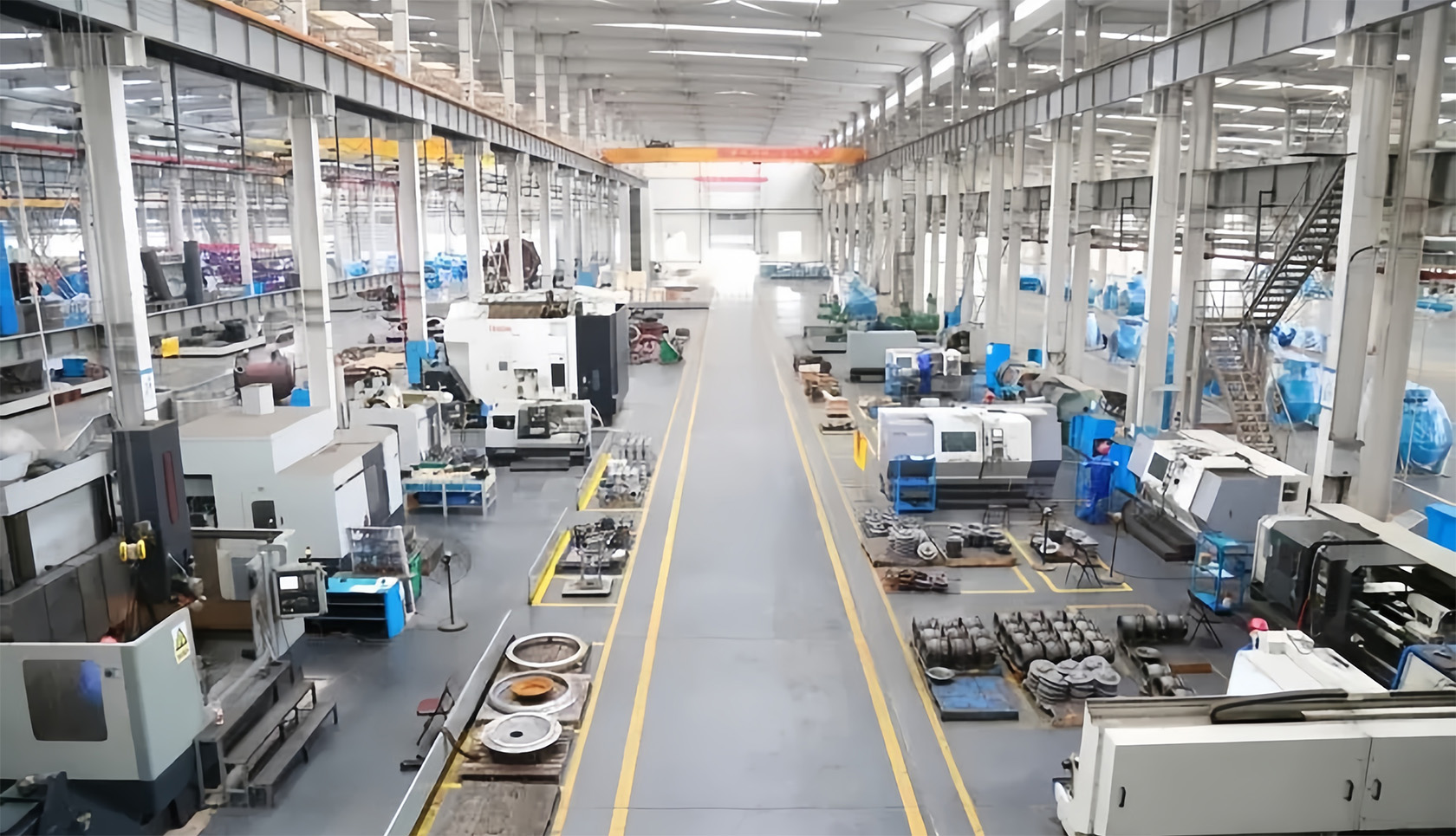
At KR Valve, we leverage our 15 advanced machining centers and full assembly lines to eliminate middleman overheads. By directly controlling everything from casting verification to high-precision tolerance grinding, we achieve unmatched cost-to-performance metrics, passing these savings directly to our partners in Europe, the Americas, and APAC.
Discover how KR Valve supports every stage of your procurement workflow, ensuring zero-defect quality and dependable support.
We supply products under our own independent "KR" brand and provide robust OEM manufacturing contracts for world-class distributors and valve brands worldwide.
Our engineering laboratory operates testing tools for simulation of mechanical cycles, fluid velocity degradation, and temperature limits for customized orders.
Products are manufactured under strict supervision in accordance with ISO-9001 quality systems. Over 30 production machines optimize monthly inventory levels.
Our principle is Zero Leakage. Using international quality standards, we conduct comprehensive testing on valve dimensions, pressure limits, and physical appearance.
Explore real-world case studies where our custom check valves and flow systems guarantee stability under challenging parameters.
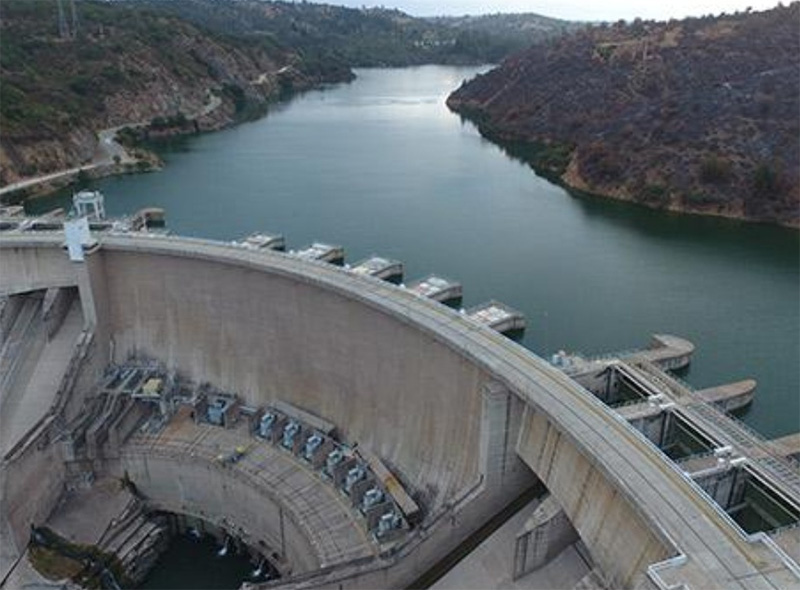
Challenge: Handling large reverse pressures and avoiding structural damage to high-elevation water release gates.
Solution: Custom-made large diameter check valves and water control valves. The heavy-duty ductile iron structures resist erosion, maintaining standard performance in turbulent systems.
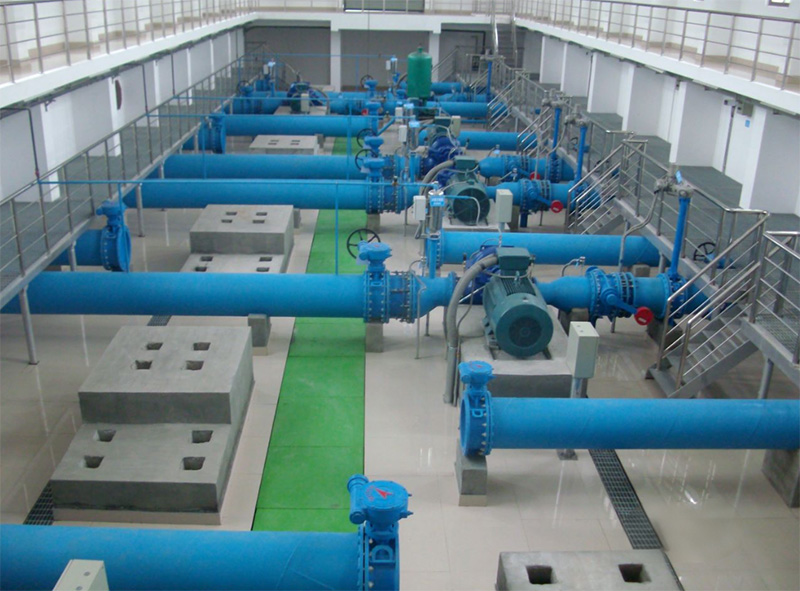
Challenge: Modernizing a heritage metropolitan system with minimal disruption and tight spatial limitations.
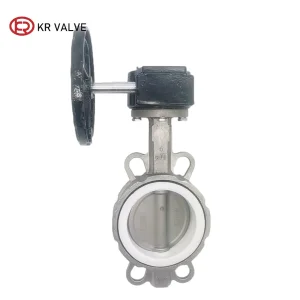
Solution: Deployed high-capacity wafer dual plate check valves and eccentric butterfly valves. Compact spacing allowed quick fitting, decreasing overall water loss parameters across municipal sectors.
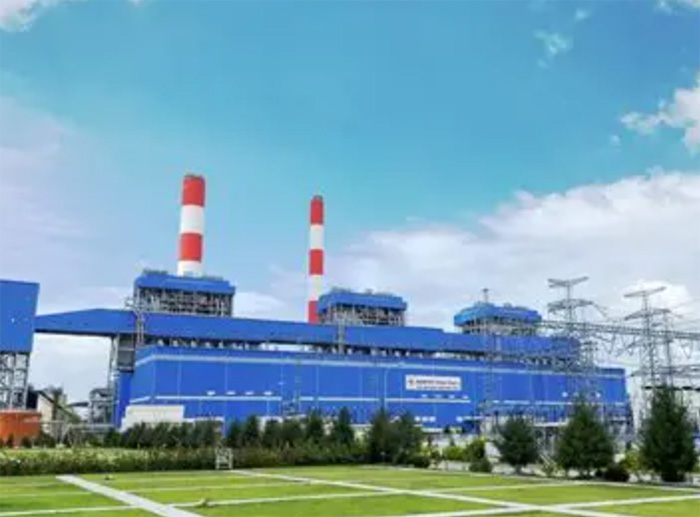
Challenge: Acidic and highly corrosive fluid handling at variable thermal states.
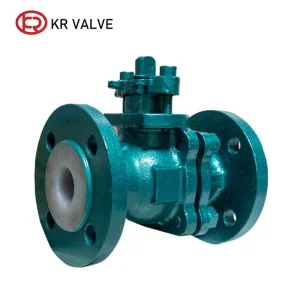
Solution: Customized PTFE-lined ball valves and stainless steel dual-plate check valves. Our chemical resistance rating allowed for zero seat degradation across 3 years of runtime.
In addition to these major setups, KR Valve has successfully delivered custom check and gate valves for large-scale natural gas operations in Russia, sludge treatment plants in Indonesia, and water control networks in Brazil. No matter the scale or regulatory requirements of your region, we deliver the engineering and documentation you need for approvals.
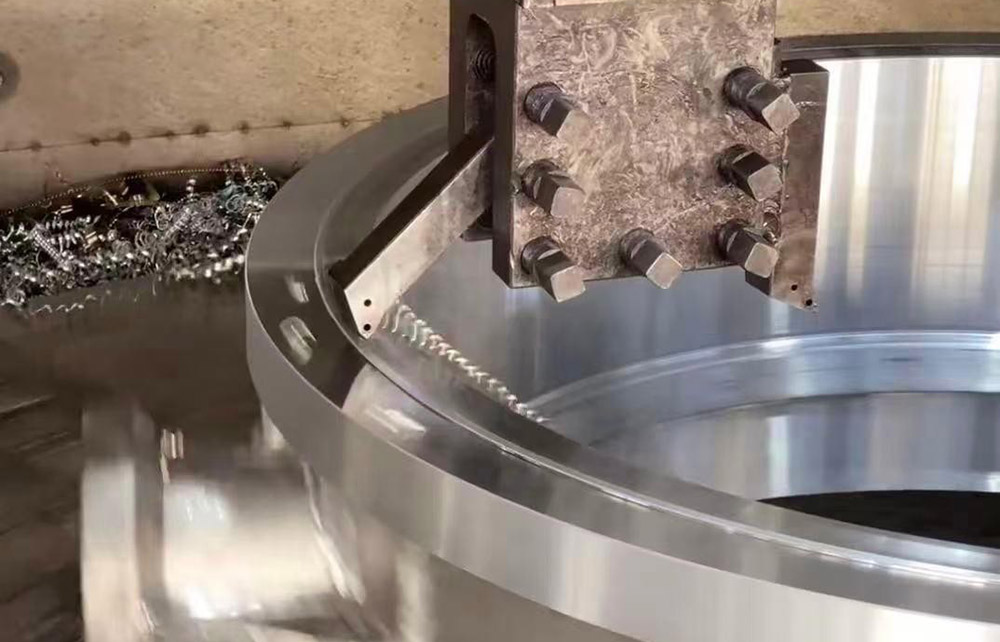
Transparent production values and inspection methods shown from inside our Chinese machining facility.
Professional answers to technical queries from procurement teams and fluid engineers.
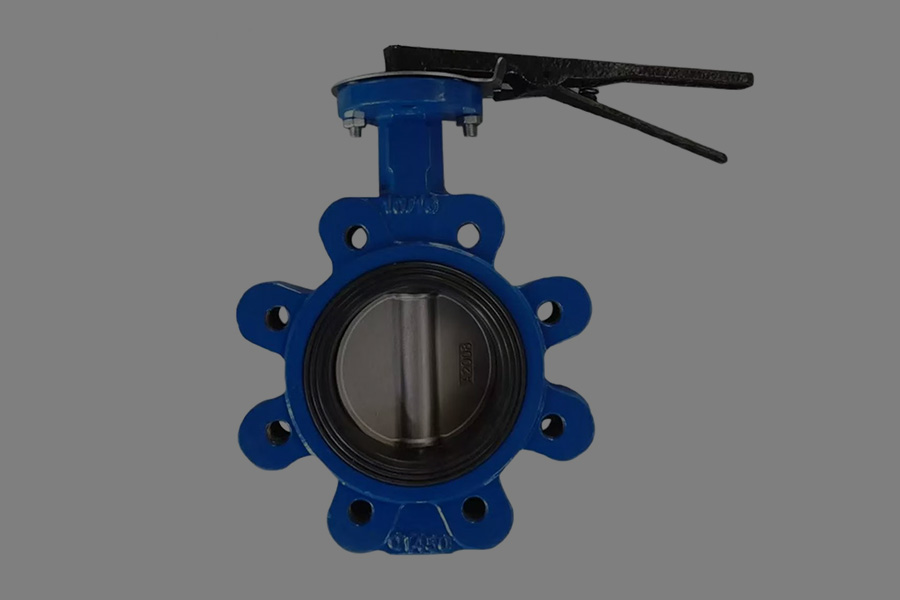
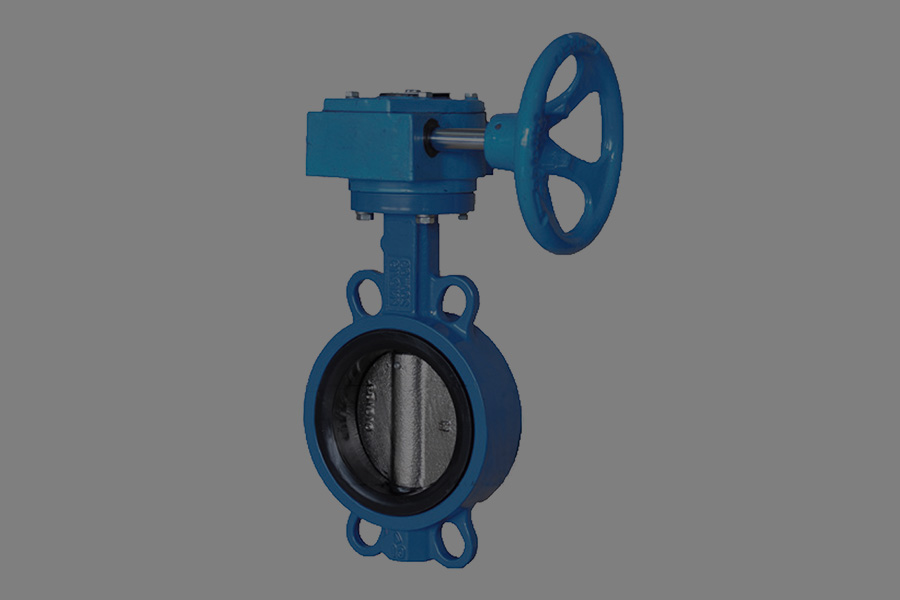
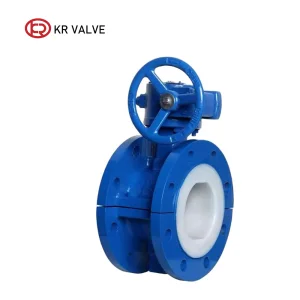
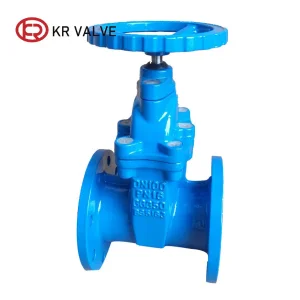
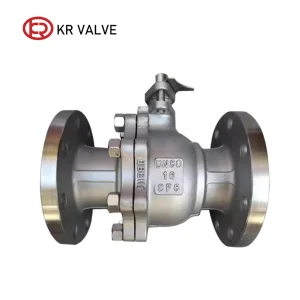
Browse additional products in our high-durability lineup, including ball valves, butterfly valves, and Y-type strainers.
 KR VAVLE