Explore our top-tier engineering portfolio featuring advanced materials and high durability ratings compliant with major international standards.
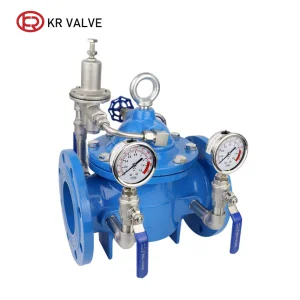
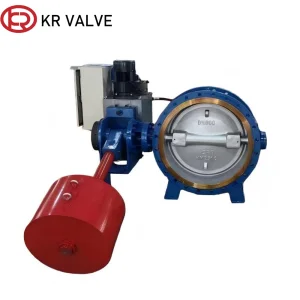
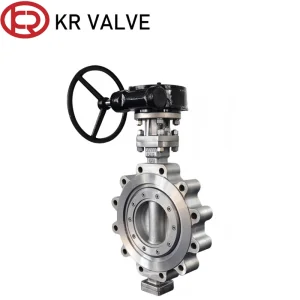
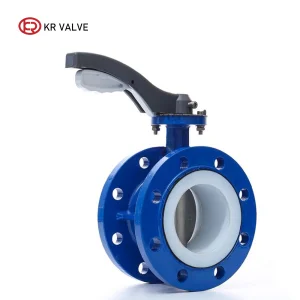
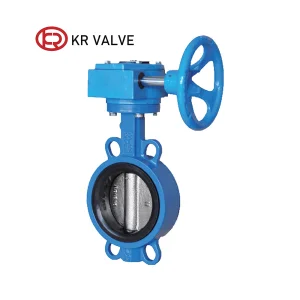
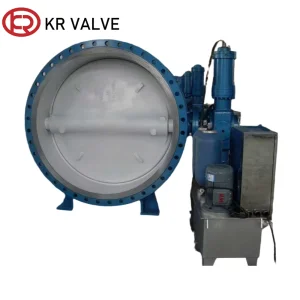
Within the domain of hydraulic power systems, the hydraulic directional valve functions as the operational core of fluidic circuits. By regulating the routing, initiation, blockages, and diversion of high-pressure fluid flow, these mechanical components determine the positional accuracy, operational velocity, and systemic reliability of actuators working in extreme industrial environments.
The contemporary commercial environment requires hydraulic directional control units to manage escalating volumetric flow rates and operational pressures exceeding 350 bar. Direct-acting spool configurations, pilot-operated mechanisms, and digital servo-proportional systems are progressively integrating into smart manufacturing paradigms. Engineering demands require high tolerance profiles, minimal internal fluid leakage, and consistent spool transitions under variable thermal loads.
Precise mechanical alignment ensures smooth spool shifts with minimal pressure degradation across internal flow pathways.
Engineered for diverse operating media including mineral oils, water-glycol mixtures, and synthetic fire-resistant fluids.
Analyzing localized demand patterns, geopolitical impacts, and engineering efficiency profiles that shape the global procurement matrix.
Infrastructure growth, expansion of metal manufacturing facilities, and standard industrial setups in Europe and North America drive the constant need for reliable control systems. The development of modern mechanical platforms demands fast switching response times and highly integrated proportional control electronics.
Chinese manufacturing hubs leverage massive raw material integration, specialized component fabrication networks, and highly precise casting and CNC machining processes. This proximity to inputs minimizes production lead times while meeting or exceeding international standards such as ISO 4401, CETOP, and NFPA interfaces.
The ongoing shift toward Industry 4.0 pushes manufacturers to adopt digital fieldbuses (CANopen, EtherCAT, IO-Link) right onto the solenoid pilot assembly. Built-in pressure diagnostics, wear indicator feedback, and predictive lifecycle models are now baseline requirements for large-scale operations.
Our integrated process covers design, high-volume production, and absolute quality inspection to achieve a zero-leakage standard.
Our technical department continuously optimizes dimensional tolerances, fluid paths, and electromagnetic coils. Testing laboratories analyze pressure loss curves, dynamic flow capacities, and mechanical wear cycles over millions of strokes.
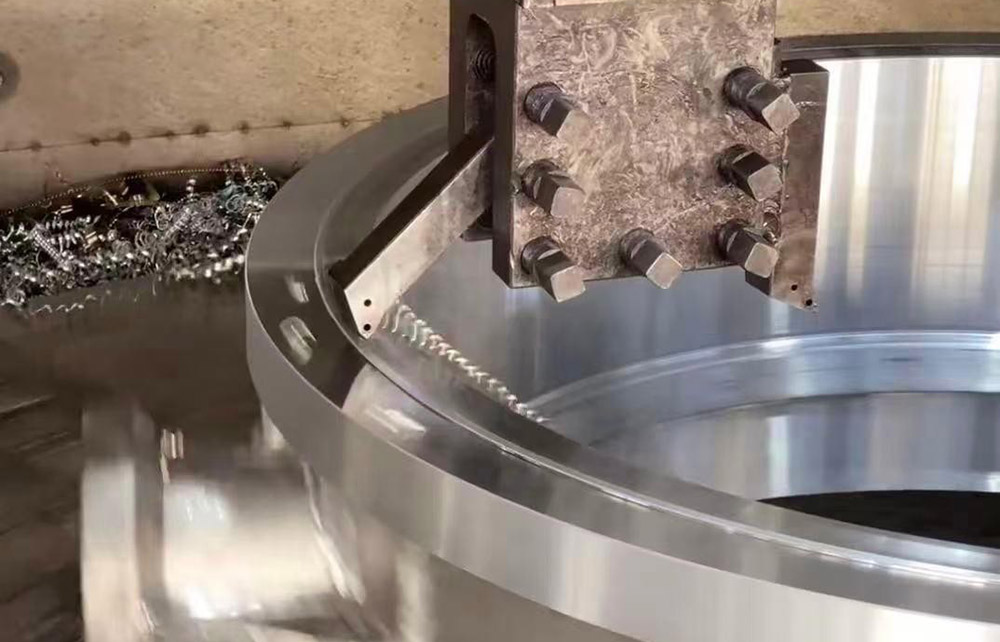
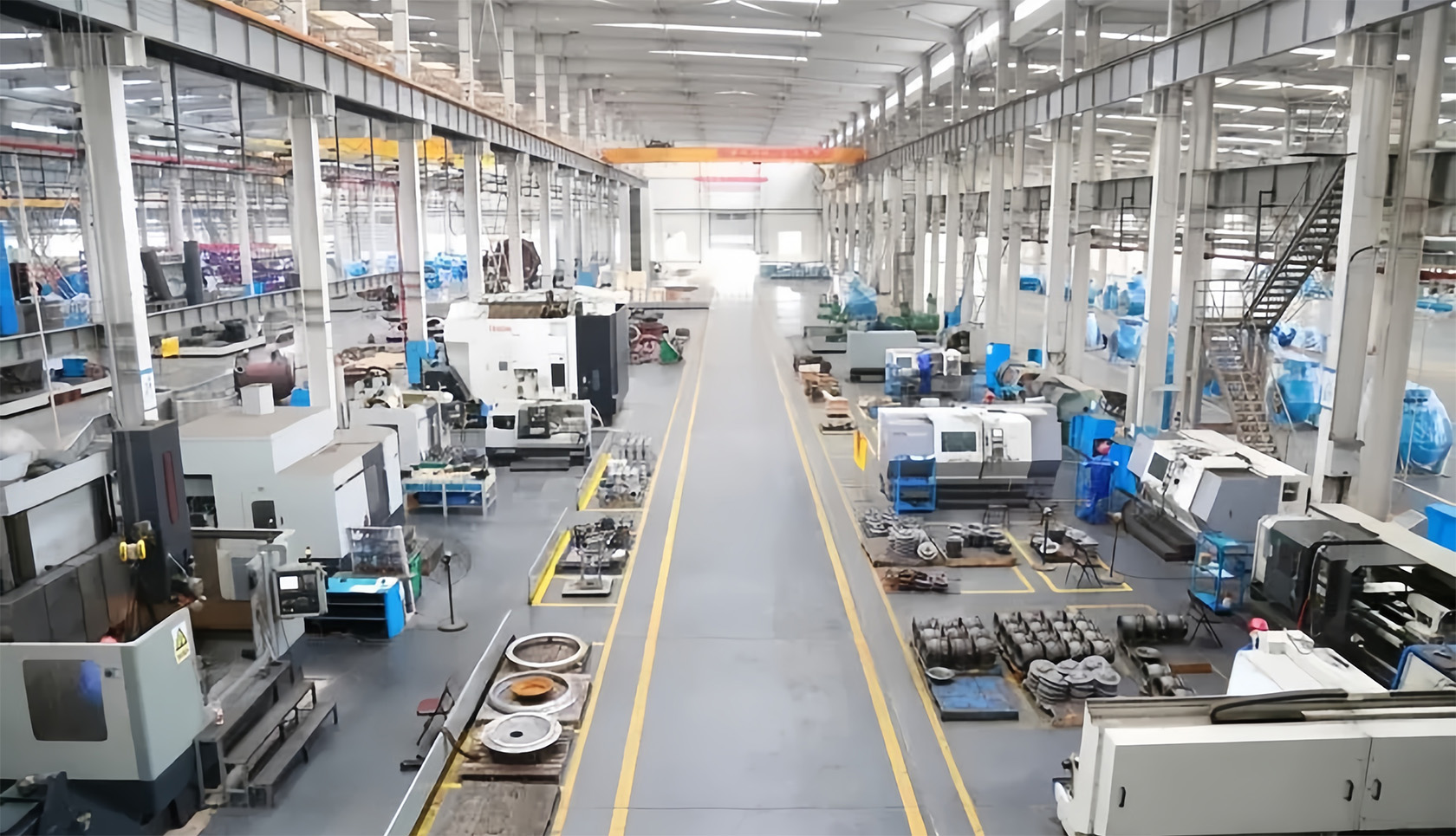
Equipped with over 30 advanced multi-axis CNC machines and assembly stations. Manufacturing steps are tracked under ISO 9001 quality guidelines, ensuring uniform valve spool fit and concentricity to eliminate sticking tendencies.
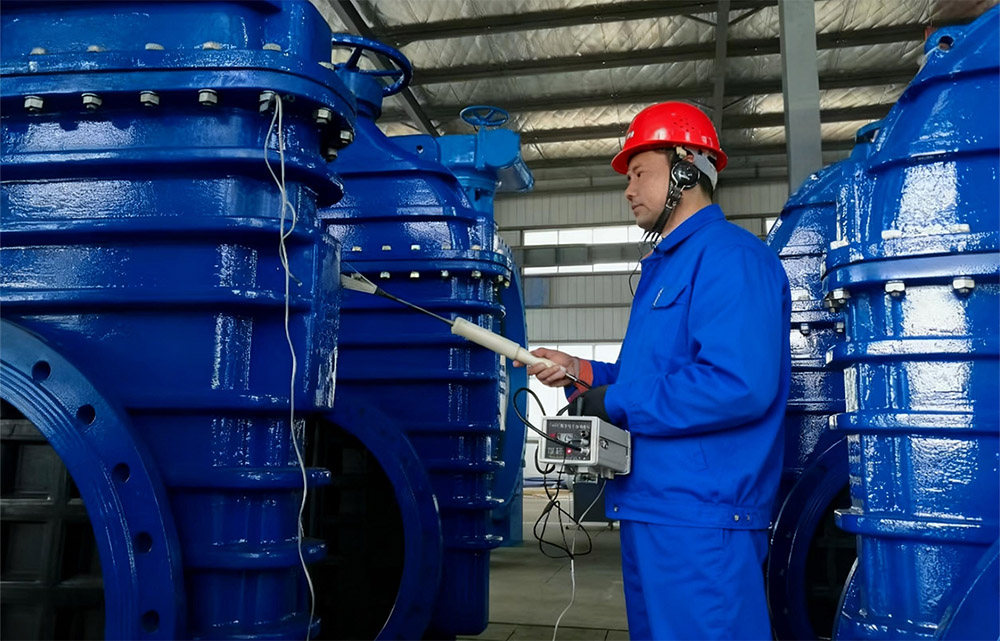
We conduct full functional testing, external seal audits, and internal leakage checks for every production batch. Zero leakage is our fundamental metric, verified by calibrated test benches before export packaging.
Ensure component compatibility by verifying your system requirements against our design standard capacities.
| Valve Type / Parameter | Nominal Size (DN) | Max Pressure (Bar) | Max Flow Rate (L/min) | Common Seal Options | Actuation Methods Available |
|---|---|---|---|---|---|
| Direct Solenoid Operated Spool | DN06 (CETOP 3) / DN10 (CETOP 5) | Up to 350 Bar | 80 - 120 L/min | NBR, FKM (Viton) | Solenoid (AC/DC), Manual Override |
| Pilot-Operated Directional Valve | DN16 (CETOP 7) to DN32 (CETOP 10) | Up to 350 Bar | Up to 1100 L/min | NBR, FKM, EPDM | Electro-Hydraulic, Hydraulic Pilot |
| Proportional Flow Directional Control | DN06 to DN32 | Up to 315 Bar | Customized linear curves | FKM (Viton) Standard | Proportional Solenoid with LVDT feedback |
| High-Pressure Check & Water Valves | DN40 to DN600 (Flanged) | PN10 / PN16 / PN25 | System Dependent | EPDM, NBR, Metal-to-Metal | Hydraulic, Lever Counterweight, Automatic |

Our valve assemblies are customized to excel across specific demanding applications globally:
Reduce operational risk and ensure full system compatibility by reviewing key parameters prior to placement of purchase orders.
Strict conformity with ISO 4401, CETOP, and NFPA mounting patterns prevents port misalignment, matching existing subplates and manifolds.
Solenoid coils must feature IP65/IP67/IP69K protection codes to endure wet, dusty, or wash-down operating conditions over continuous duty cycles.
Specify transition delay times and maximum flow performance limits to prevent spool lockup under rapid flow surges.
We combine over 20 years of manufacturing experience with flexible OEM services to build lasting relationships.
We supply our own independent brand "KR" while delivering customized OEM design services for global distribution partners.
Operating 15 high-precision machining lines, CNC tooling machines, and automated assembly stages run by skilled mechanics.
Our catalog features 20 series and over 500 varieties, covering standard and non-standard customized products.
We carefully control tolerances on every individual component to guarantee flawless final operations.
In-house manufacturing of components allows us to control production margins and provide competitive market pricing.
Providing clear and structured technical consultations from pre-design specifications to after-sales support.
Take an inside look at our modern manufacturing floor and component testing process.
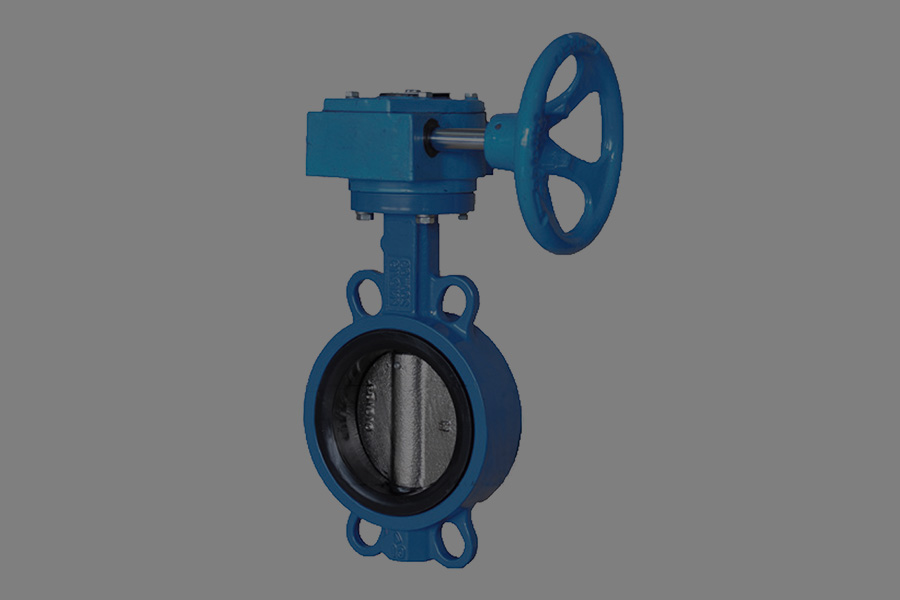
See how KR flow control solutions perform in major municipal, energy, and chemical projects around the world.
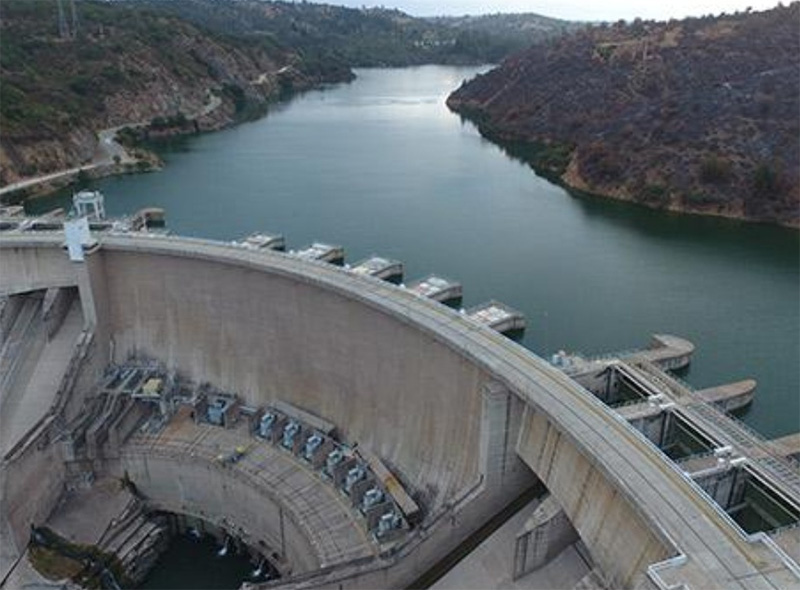
KR supplied high-duty water control valves designed to handle dynamic flow spikes and high system pressures.
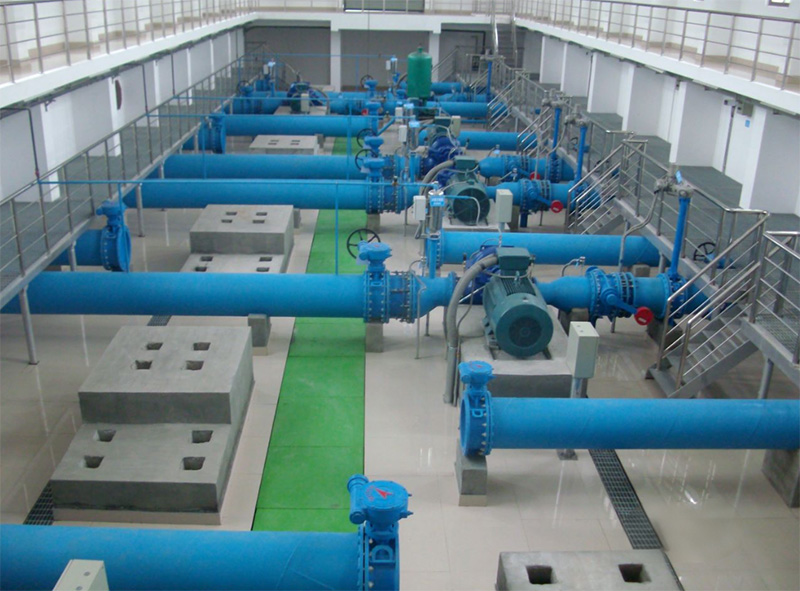
Delivered large-diameter eccentric butterfly and swing check valves to manage primary municipal distribution pipelines.
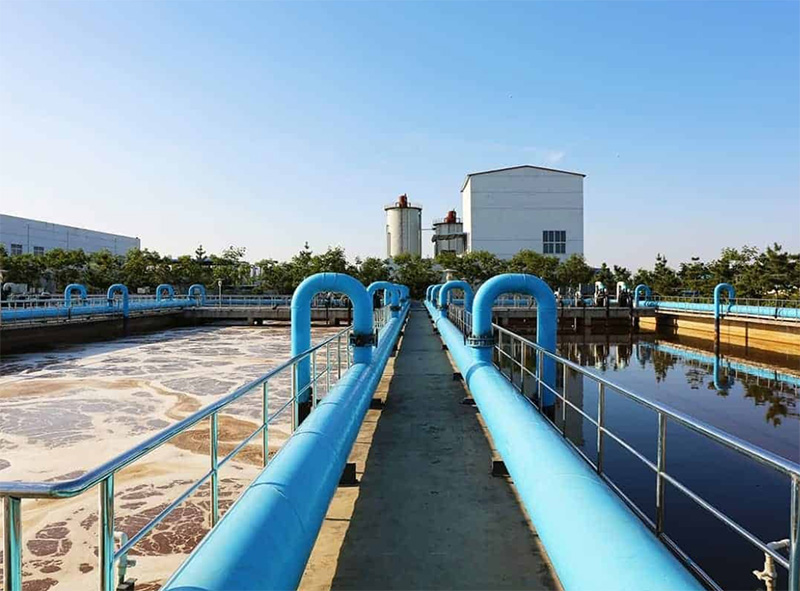
Supplied butterfly and gate valves to handle highly viscous sludge media with low maintenance requirements.
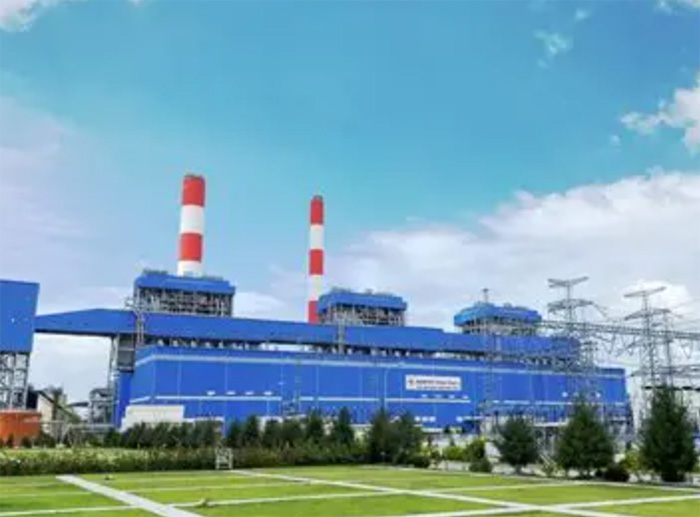
Supplied chemical-resistant valves engineered to withstand corrosive process media and elevated temperatures.
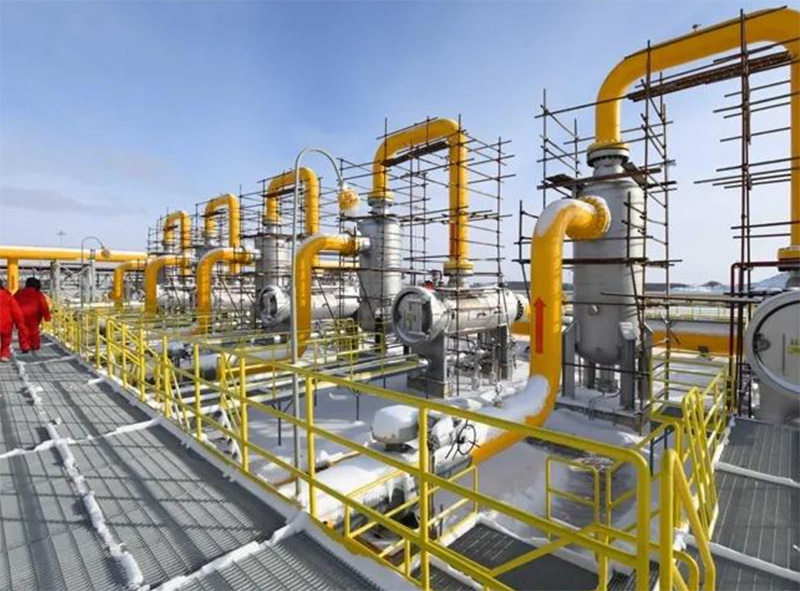
Provided specialized ball and gate valves certified to function reliably in sub-zero ambient temperatures.
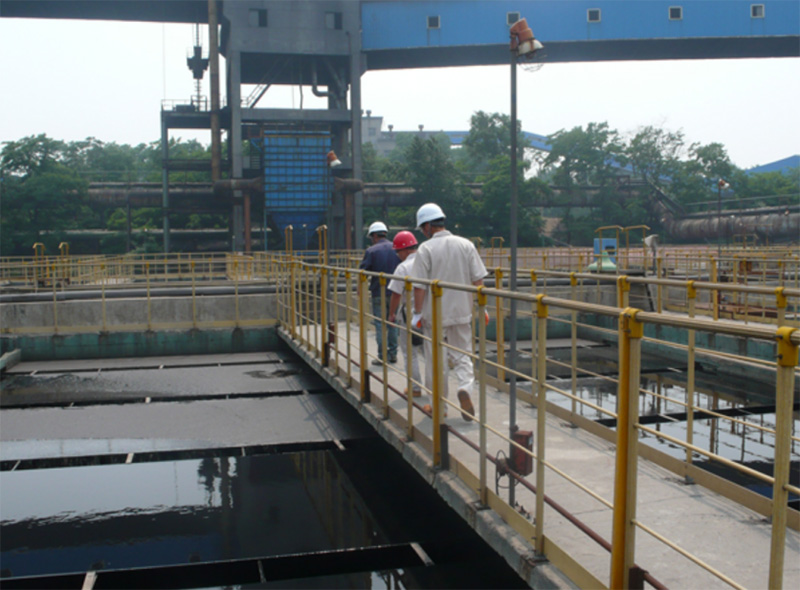
Provided robust water control and non-return check valves to prevent backflow and system pressure drops.
Answers to complex engineering questions regarding hydraulic directional control valves and system layouts.
Spool sticking typically stems from particulate contamination of the hydraulic fluid, localized thermal expansion, or lateral pressure imbalances. When solid particles lodge within the tight tolerance clearances between the spool and the housing bore (often ranging from 2 to 8 microns), they create friction. We mitigate this by using hardened carbon steel spools, precision-machined housing bores with minimal concentricity deviation, and introducing pressure-equalization grooves along the spool surface. Maintaining fluid filtration at ISO 4406 18/16/13 levels is highly recommended.
Direct-acting valves use electromagnetic force from the solenoid coil to move the control spool directly, typically limiting their use to systems under 80 L/min due to magnetic force constraints. Pilot-operated valves use a smaller pilot solenoid valve to redirect pressurized system fluid against the ends of the main stage spool. This pilot pressure provides the high forces required to switch spools in systems with larger flow rates (up to 1100 L/min) and high system pressures.
Sealing materials must be chemically and thermally compatible with the hydraulic fluid. Acrylonitrile Butadiene Rubber (NBR/Nitrile) works well with standard mineral oils up to 100°C. For synthetic fire-resistant fluids, high-temperature operations, or aggressive chemical environments, Fluorocarbon Rubber (FKM/Viton) or PTFE-based seals are required to prevent swelling, hardening, and premature sealing failure.
ISO 4401 defines standardized locating pin sizes, port sizes, and bolt patterns for subplate-mounted hydraulic valves. Adhering to this standard ensures mechanical interchangeability across brands, simplifying component replacement and physical layout modifications on manifolds.
These valves use a lever and counterweight (heavy hammer) mechanism paired with a hydraulic damper cylinder. When a power loss occurs, the counterweight initiates closing. The hydraulic damper controls the closing speed, slowing the final stage of rotation to prevent rapid flow deceleration and the destructive shockwaves known as water hammer.
Browse our extended product line of reliable, high-performance valves for pipeline, chemical, and municipal projects.
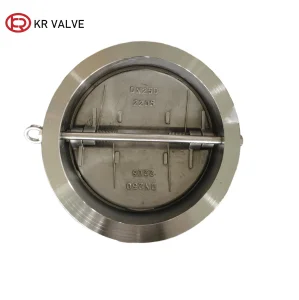
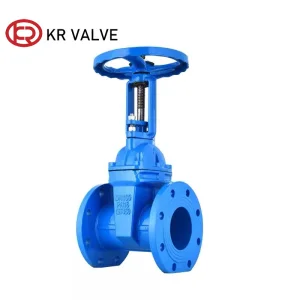
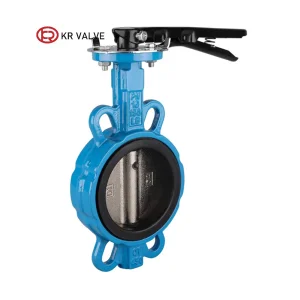
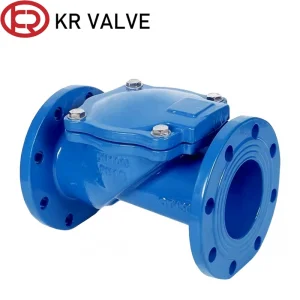
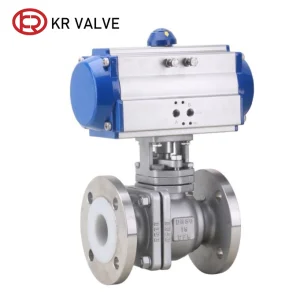
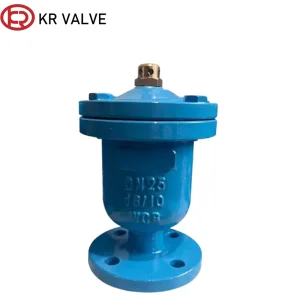
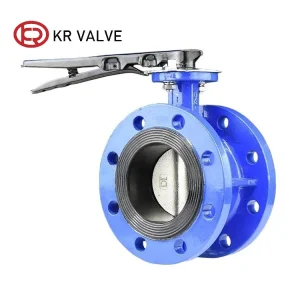
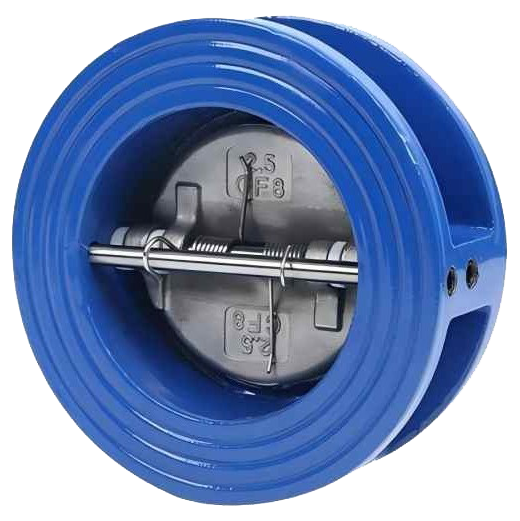
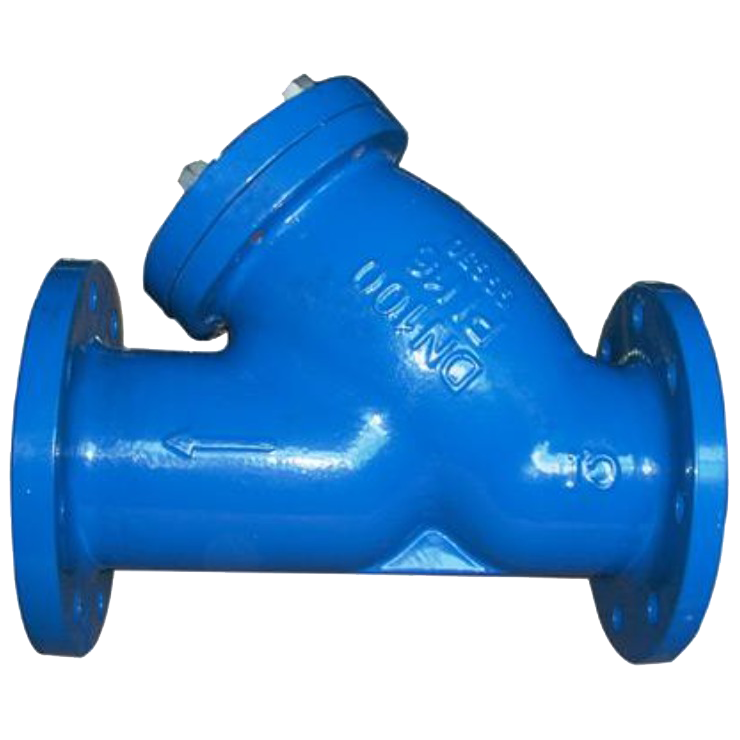
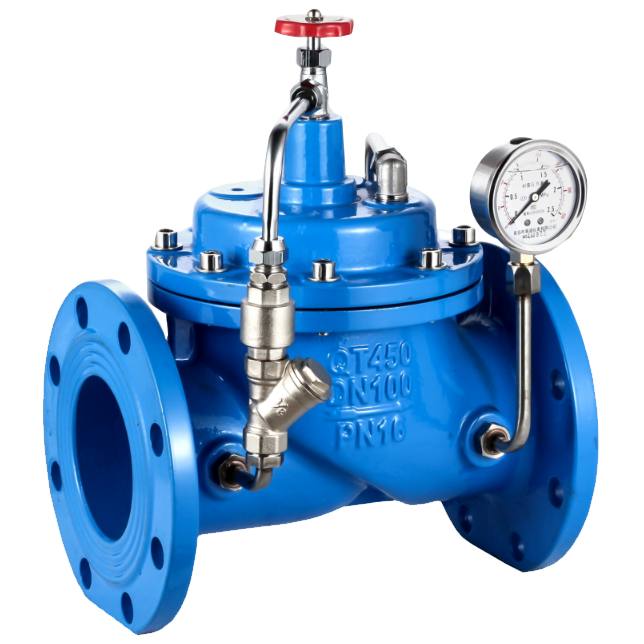
Select from our main product series designed to meet diverse municipal and industrial specifications.
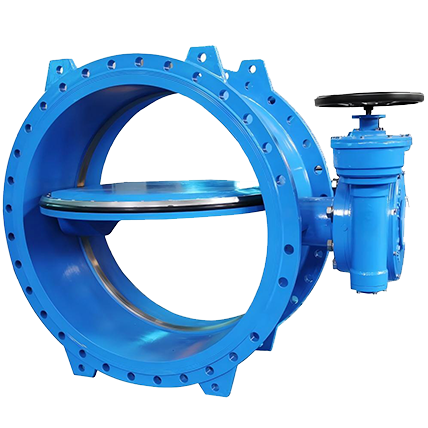
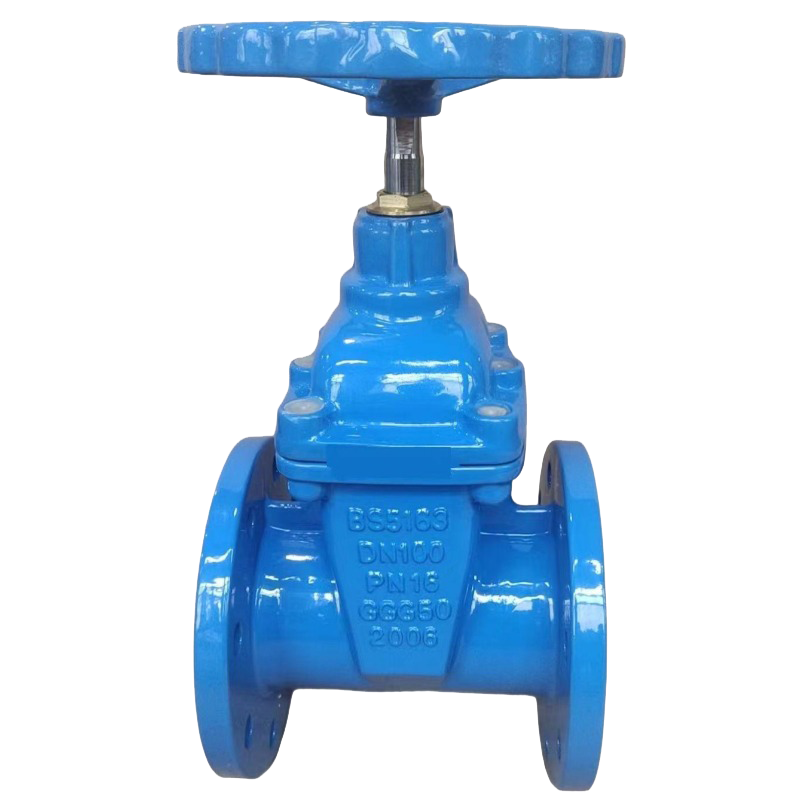
Contact our technical sales engineers for detailed 3D CAD files, material selection guides, and customized quotations.
Request Quote & Specification Audit KR VAVLE