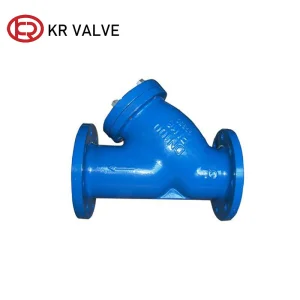
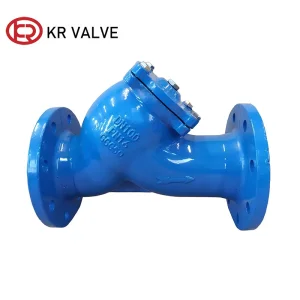
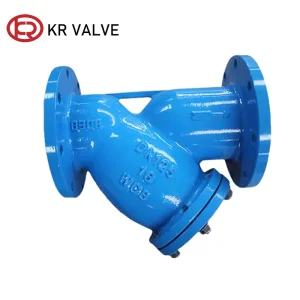
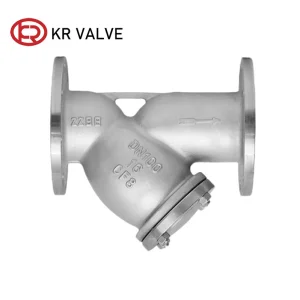
Industrial-Grade Pipeline Filtration & Robust Fluid Control Solutions Engineered for Hydropower, Agribusiness, Water Supply, and Processing Operations Across Paraguay.
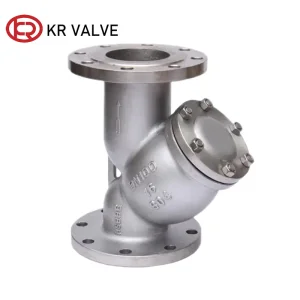
Engineered to remove debris, sediment, and solid particulates, shielding downstream equipment from wear and hydraulic malfunction.
Paraguay, powered by massive water reserves and extensive river systems like the Paraguay and Paraná Rivers, has built an economy rooted in agricultural processing, clean hydroelectric power generation, and municipal water management. Municipal providers such as ESSAP (Empresa de Servicios Sanitarios del Paraguay) continually expand networks to provide clean water to urban centers like Asunción, Ciudad del Este, and Encarnación. In these distribution lines, high-capacity Y-type strainers serve as the first line of defense, filtering out sand, silt, and macro-particles before water enters booster pump stations or pressure reducing manifolds.
Beyond civil utilities, Paraguay's booming agro-processing industry—focusing on soybean oil extraction, beef packaging plants, and sugarcane mills—relies on high-pressure steam and wash water systems. These operations run non-stop, where particulate contamination can trigger catastrophic pump impeller degradation or clog heat exchanger tubes. Installing premium carbon steel (WCB) or stainless steel (CF8) Y-strainers preserves fluid velocity and minimizes maintenance downtime, ensuring high manufacturing throughput.
A substantial volume of industrial water in Paraguay is drawn directly from natural river basins. These rivers carry significant seasonal sediment loads, particularly during rainy seasons. Ordinary screen filters fill quickly, leading to steep pressure drops and cavitation in downstream pumps. High-performance Y-strainers with customized mesh sizes (e.g., SS304 or SS316 reinforced screens) solve this issue, maintaining low head loss while trapping organic particulates. Blow-off valves installed in the strainer cap permit continuous flush cycles without stopping fluid flow.
"Effective mechanical pre-filtration is not just about keeping particles out; it's about protecting pressure regulation and control valves from premature wear, ensuring the longevity of municipal and industrial systems."
Combining primary filtration with precision isolation and regulation systems to protect high-investment infrastructure projects.
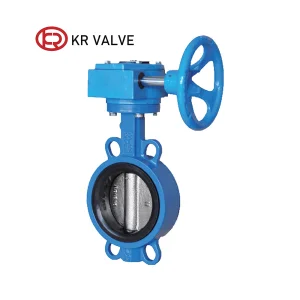
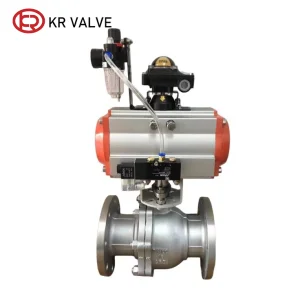
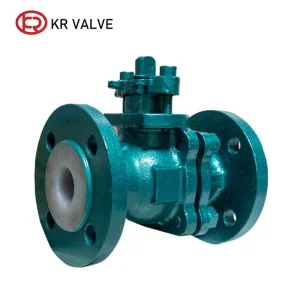
Selecting the ideal material and design configuration for fluid networks in Paraguay requires analyzing fluid chemistry, mechanical stress, thermal fluctuations, and installation limits. Below, we break down material considerations based on ASTM and DIN engineering standards:
| Material Class | Common Standards | Tensile Strength | Optimal Environments | Paraguay Application Suitability |
|---|---|---|---|---|
| Cast Iron (GG25) | ASTM A126 Class B / EN-GJL-250 | Moderate (150-250 MPa) | Low-pressure, static water lines | Cost-effective municipal distribution networks & standard cooling systems. |
| Ductile Iron (GGG40) | ASTM A536 65-45-12 / EN-GJS-400-15 | High (≥ 400 MPa) | Dynamic pipelines, water hammer zones | Highly recommended for booster pump discharge lines & municipal mains (ESSAP). |
| Cast Carbon Steel (WCB) | ASTM A216 WCB | Very High (≥ 485 MPa) | High-pressure, high-temp steam & oil | Crucial for industrial boilers, sugarcane steam extraction, and oil processing plants. |
| Stainless Steel (CF8 / CF8M) | ASTM A351 CF8 (SS304) / CF8M (SS316) | High with excellent corrosion resistance | Acidic, chemical, food & beverage processing | Excellent for hygienic washdowns, ethanol production, and acidic river water applications. |
A key challenge in industrial piping design is calculating the differential pressure drop (ΔP) across filtration elements. Y-type strainers, with their angled screen orientation, offer a streamline flow path, but debris accumulation naturally reduces the effective flow area, spiking the local flow velocity and pressure drop.
To maintain system efficiency, engineers must size the strainer mesh based on the particulate size distribution (PSD) of the target medium:
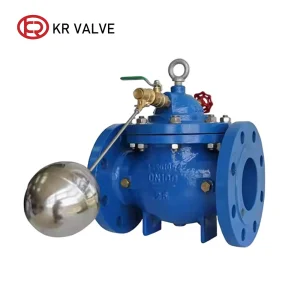
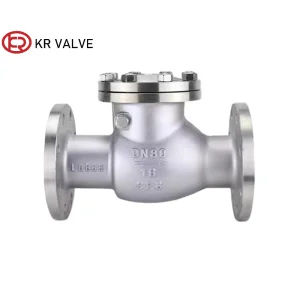
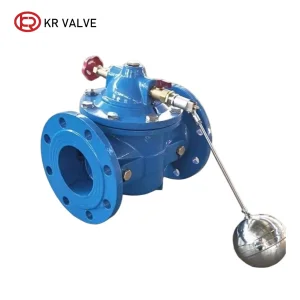
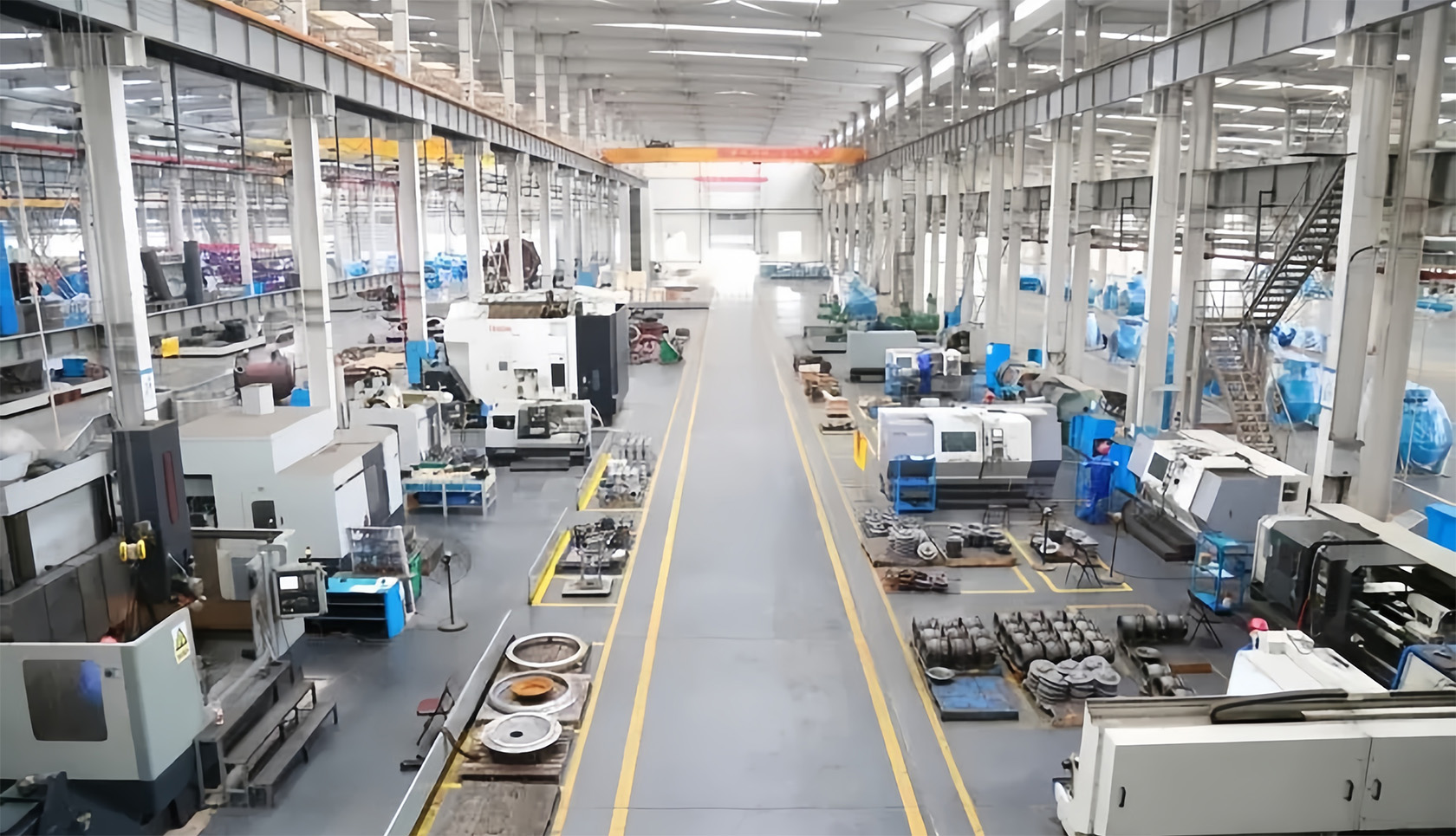
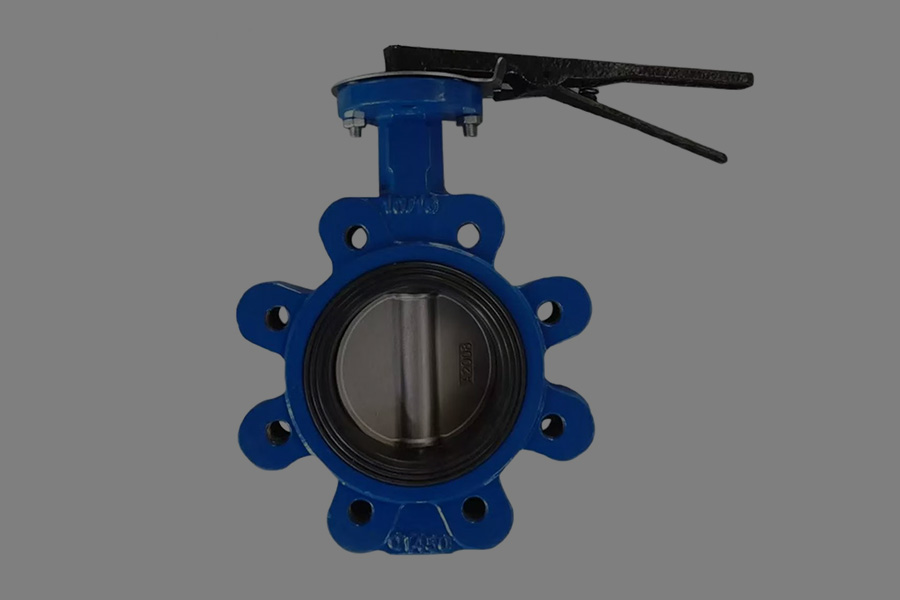
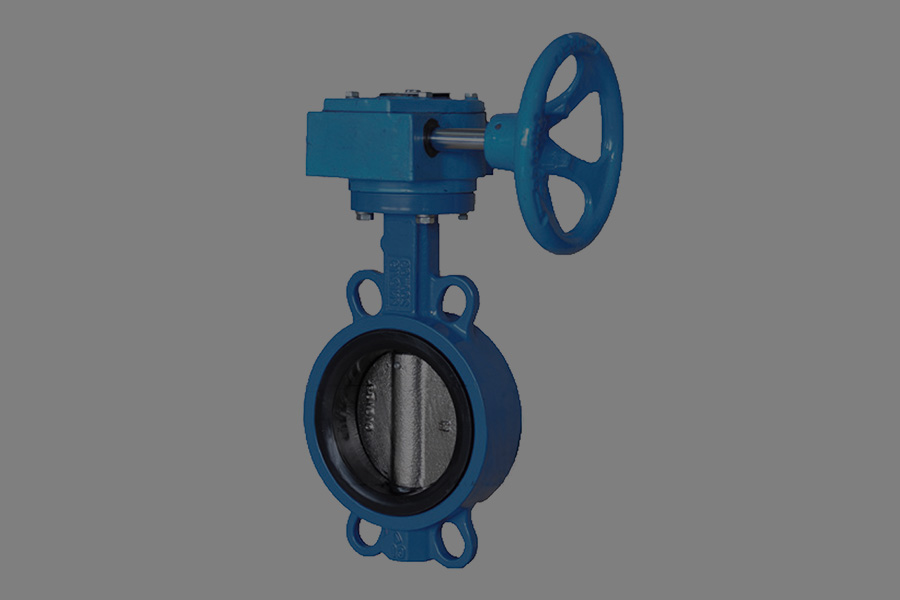
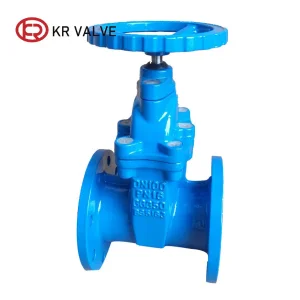
With more than two decades of dedicated manufacturing experience, KR Valve Group specializes in designing, casting, machining, and testing standard and non-standard valve systems. Our inventory exceeds 500 valve product lines, encompassing resilient-seated gate valves, high-performance butterfly valves, heavy-duty check valves, self-acting water control valves, and specialized flanged Y-type strainers.
We operate under ISO-9001 certified quality control systems. Every valve and strainer is subjected to strict hydrostatic and pneumatic shell and seat tests before leaving our factory floor. Our goal is simple: zero leakage, zero defects, and optimal performance under real-world hydraulic pressure.
KR Valve products are deployed globally, delivering dependable fluid control in municipal sewage systems, natural gas pipelines, and agricultural dams.
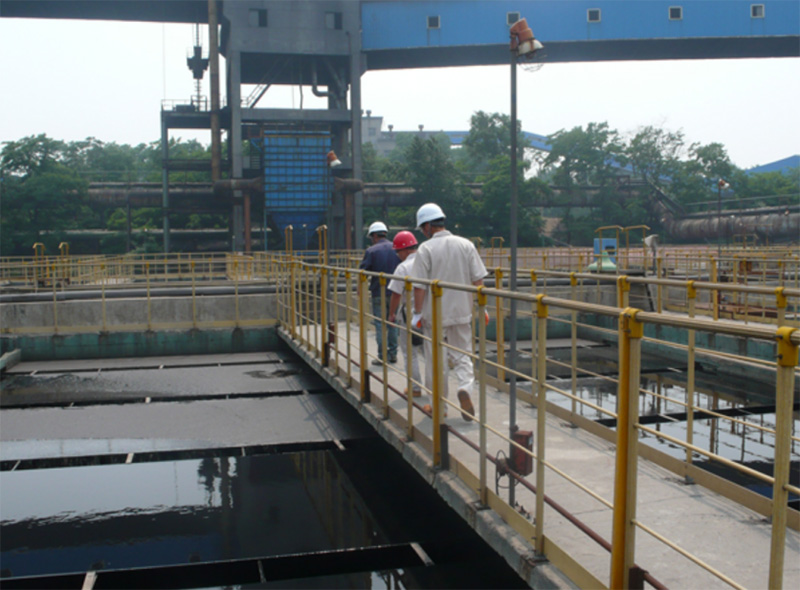
Supplied heavy-duty water control valves and filtration units to prevent downstream pumps from clogging with organic solids.
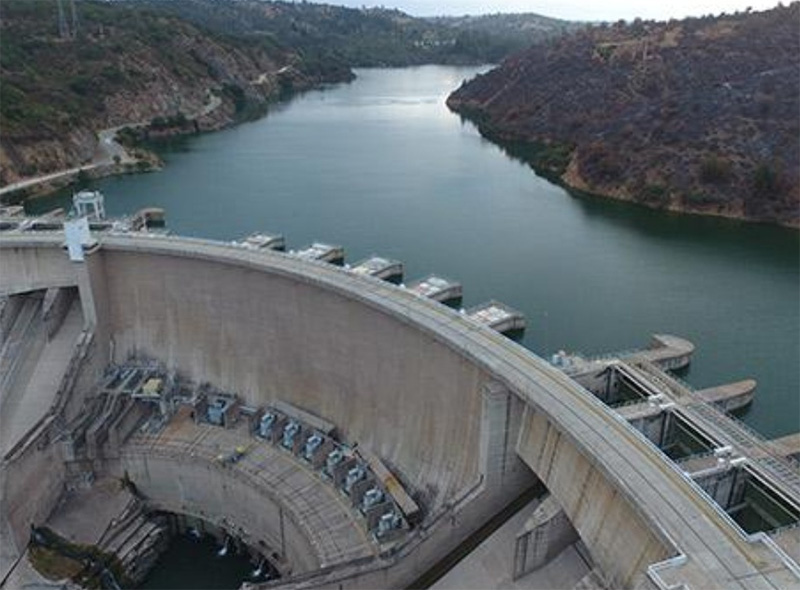
Engineered and delivered high-pressure hydraulic control valves capable of managing rapid head-level variations.
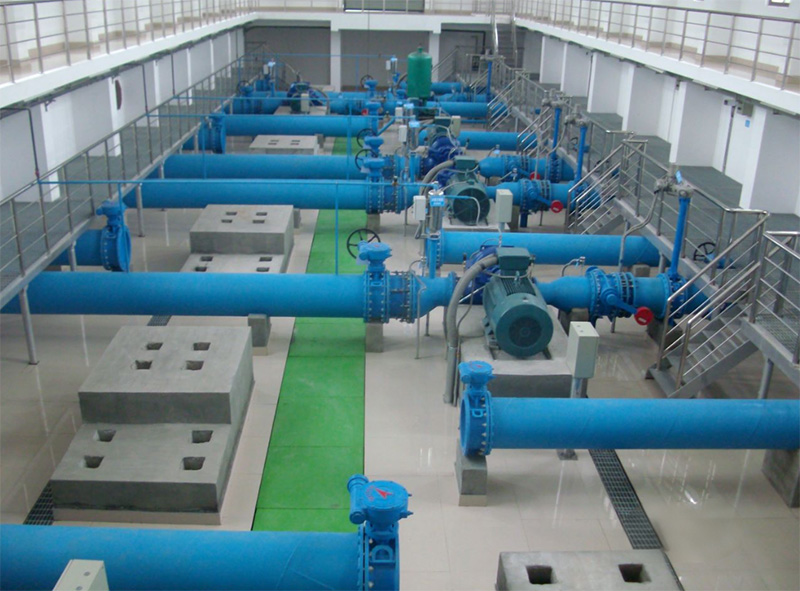
Shipped large-diameter wafer butterfly valves and dual-disc check valves to manage water distribution within municipal loops.
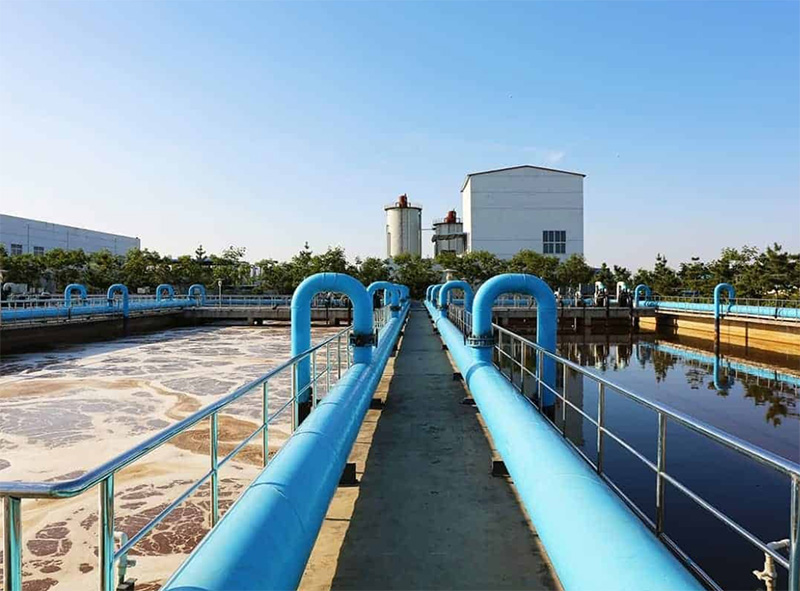
Provided robust, abrasion-resistant gate valves and strainers optimized for highly viscous fluid mixtures.
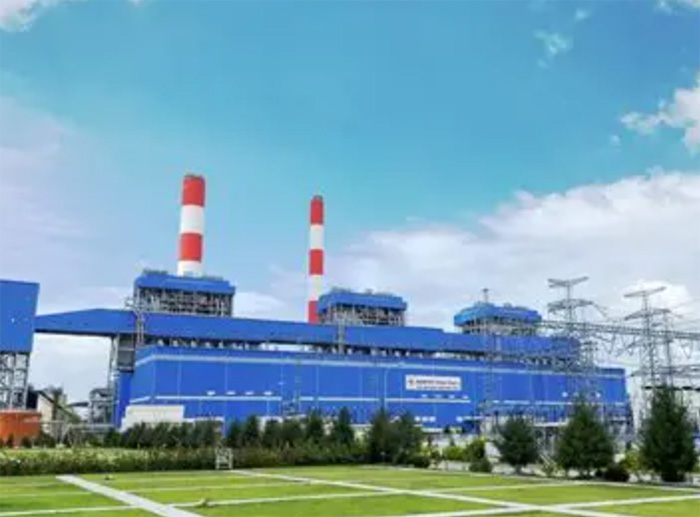
Deployed custom stainless steel (CF8M) gate valves and PTFE-lined ball valves to counter chemical erosion.
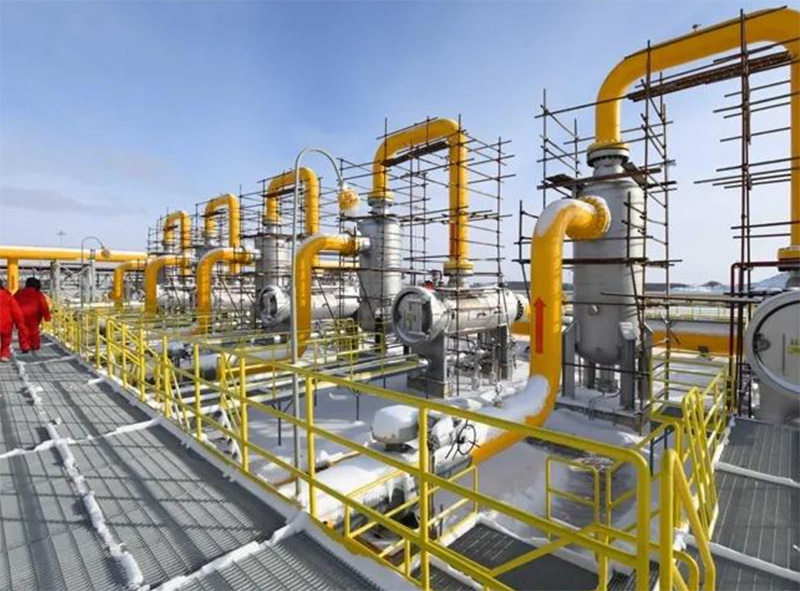
Provided low-temperature cast steel gate valves and high-integrity check valves for pressure-stable flow isolation.
Traditional mechanical strainers require physical inspection to assess debris load, often leading to either premature maintenance or excessive head loss. KR Valve is driving research and development toward smart filtration integrations to optimize plant efficiency:
Expert answers addressing the selection, installation, and optimization of mechanical strainers in regional networks.
GG25 Cast Iron offers reliable performance for static, low-pressure applications under 10 bar. However, for pipelines subjected to pump startup surges, thermal expansion, or water hammer (common in municipal lines managed by ESSAP), GGG40 Ductile Iron is the industry standard due to its superior tensile strength (≥400 MPa) and elongation capabilities.
For raw water sourced from major river basins like the Paraná or Paraguay River, we recommend a dual-stage setup or a coarse Y-type strainer screen with 1/8" (approx. 3.2mm) perforations to catch macro debris. If protecting sensitive pumps, a 40-mesh internal liner (SS304 or SS316) is ideal to prevent wear without clogging rapidly.
No. ANSI standards (such as Class 150/300) and DIN/EN standards (such as PN10/PN16) specify different bolt circle diameters, bolt hole counts, and flange thicknesses. Our factory produces customized flanged endings in both systems to ensure compatibility with your existing installation.
WCB Cast Carbon steel is optimized for high-temperature and high-pressure steam environments (up to 425°C), making it ideal for agro-industrial boiler lines. GGG40 Ductile iron, while offering excellent structural integrity, is limited to lower temperature thresholds (typically up to 120°C/150°C, depending on the seal/gasket profile).
To maintain low pressure drops, size the strainer body according to the pipe diameter rather than down-sizing, clean the mesh regularly via blow-off ports, and choose a mesh size that is just small enough to catch targeted particles rather than choosing an overly fine screen.
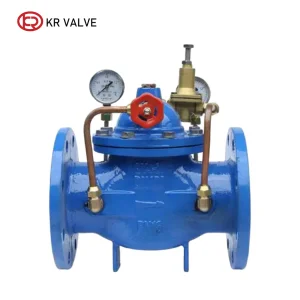
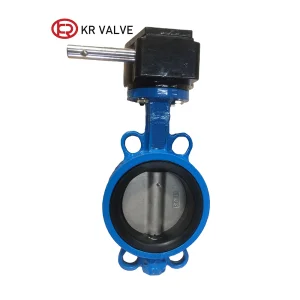
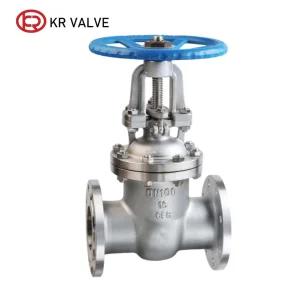
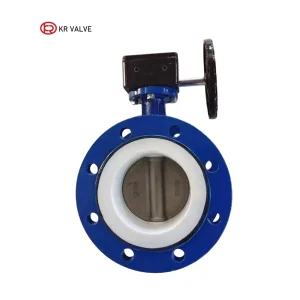
Explore our complete catalog of industrial water control, regulation, and protection valves, engineered for industrial fluid systems in Paraguay.
Get in touch with our technical sales team for custom project quotes, material specification analysis, and localized fluid control engineering support for Paraguay.
Send Inquiry Now KR VAVLE