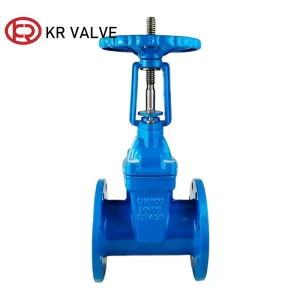
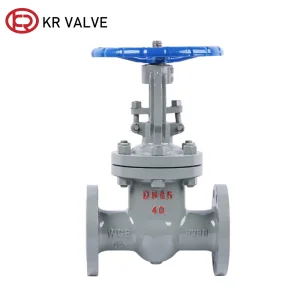
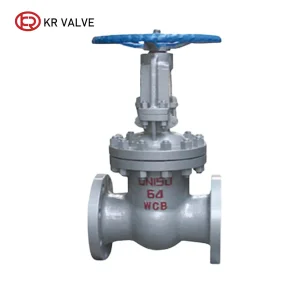
 KR VAVLE
1 / 3
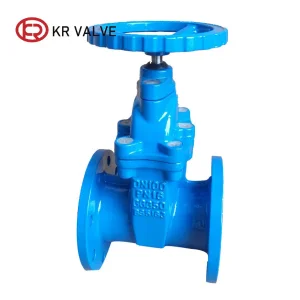
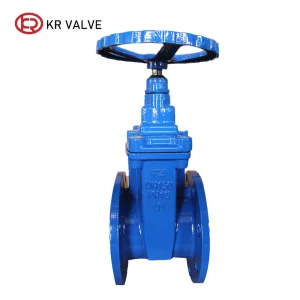
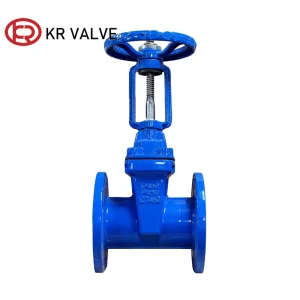
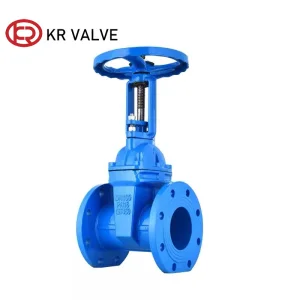
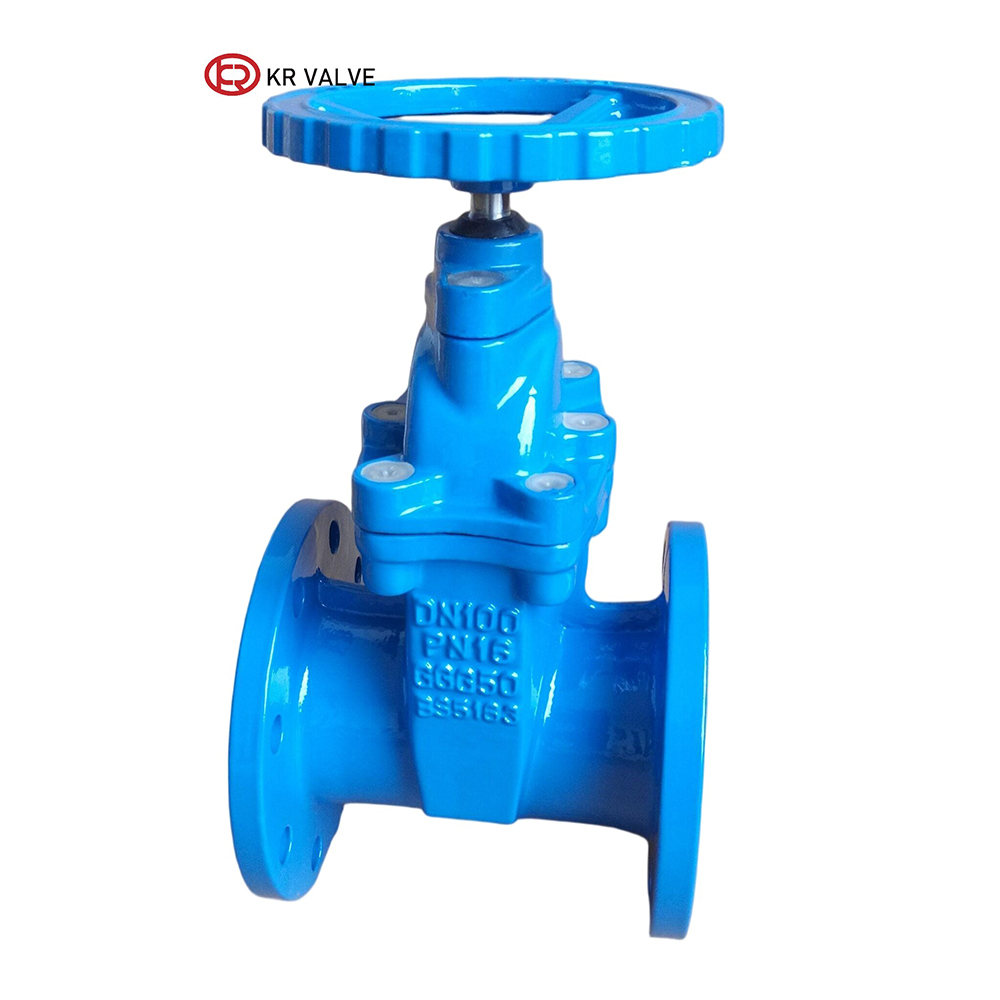
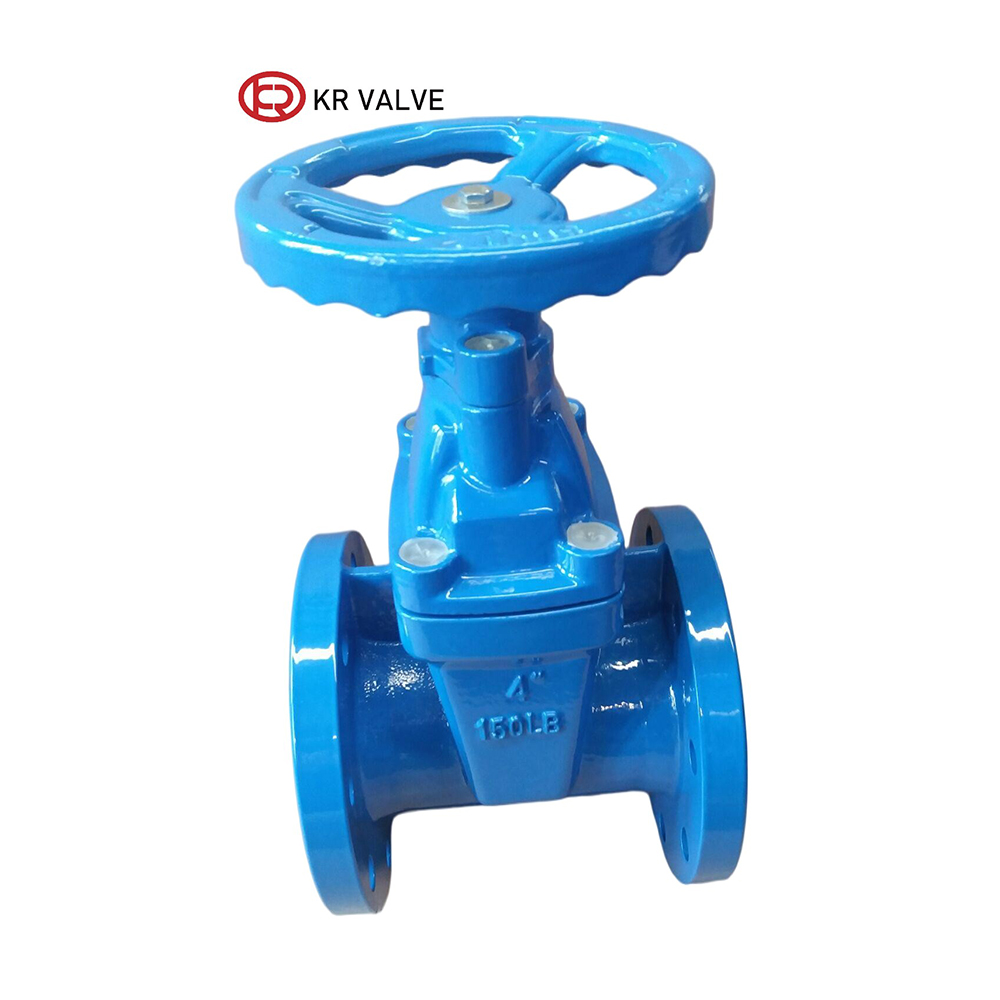
| Valve Type | Resilient seat gate valve | Structure | Non-rising type |
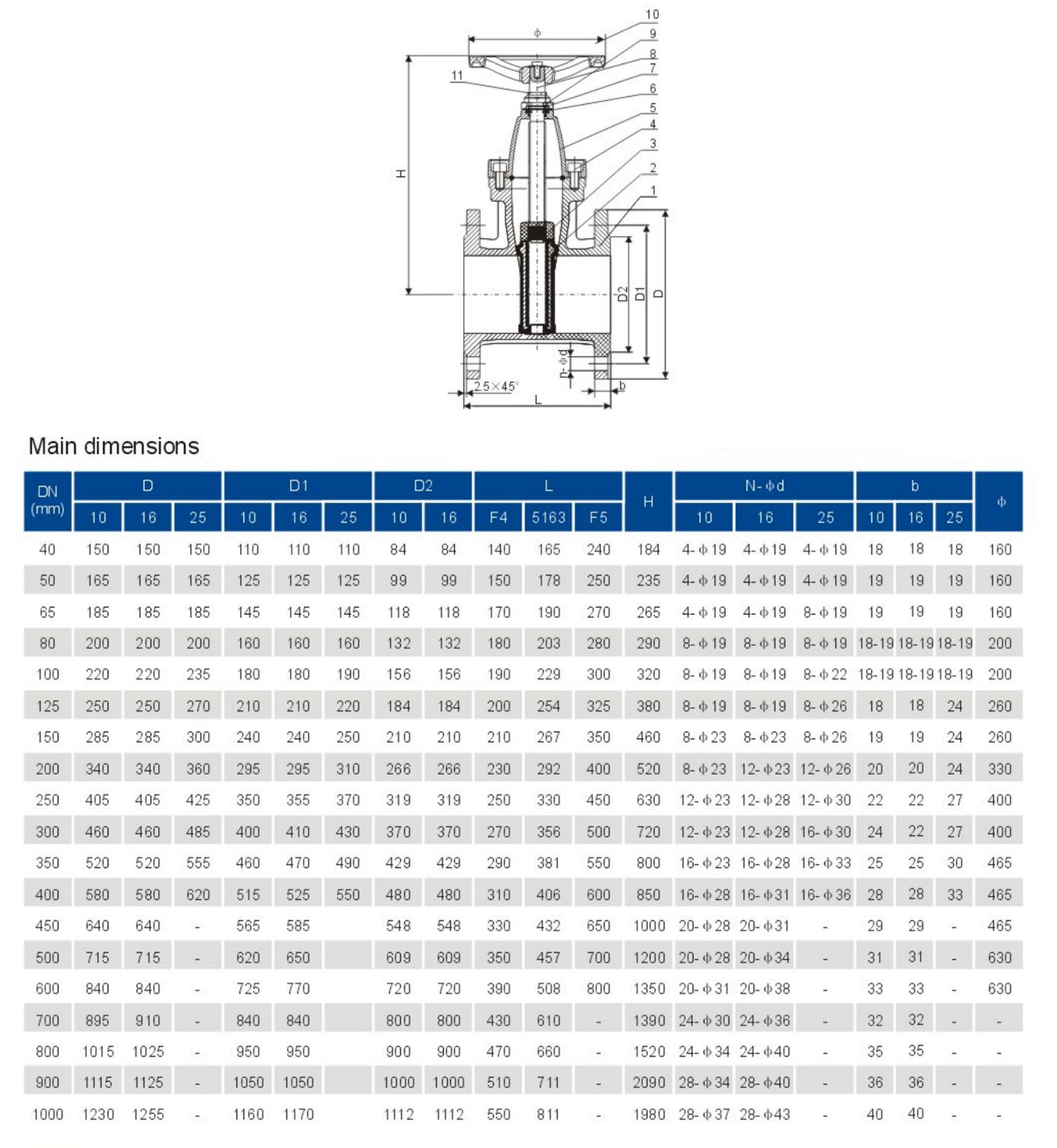
| Standard | BS5163 | Workmanship | Investment casting |
| Sealing direction | Bidirectional | Sealing grade | Zero leakage |
| Temperature | -20°C < T < 120°C | Operation | Handwheel |
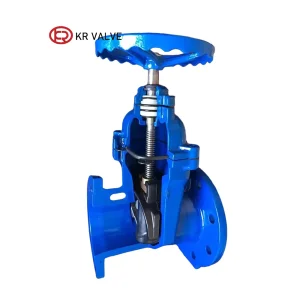
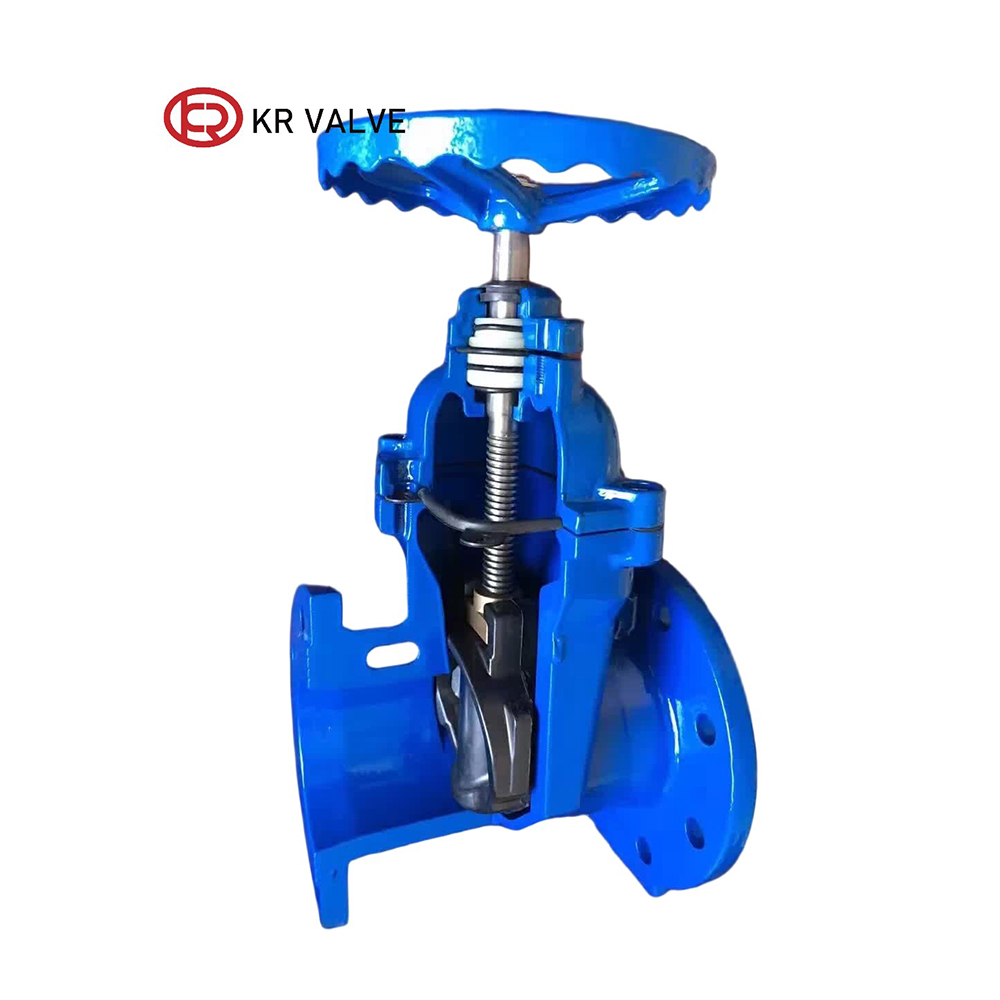
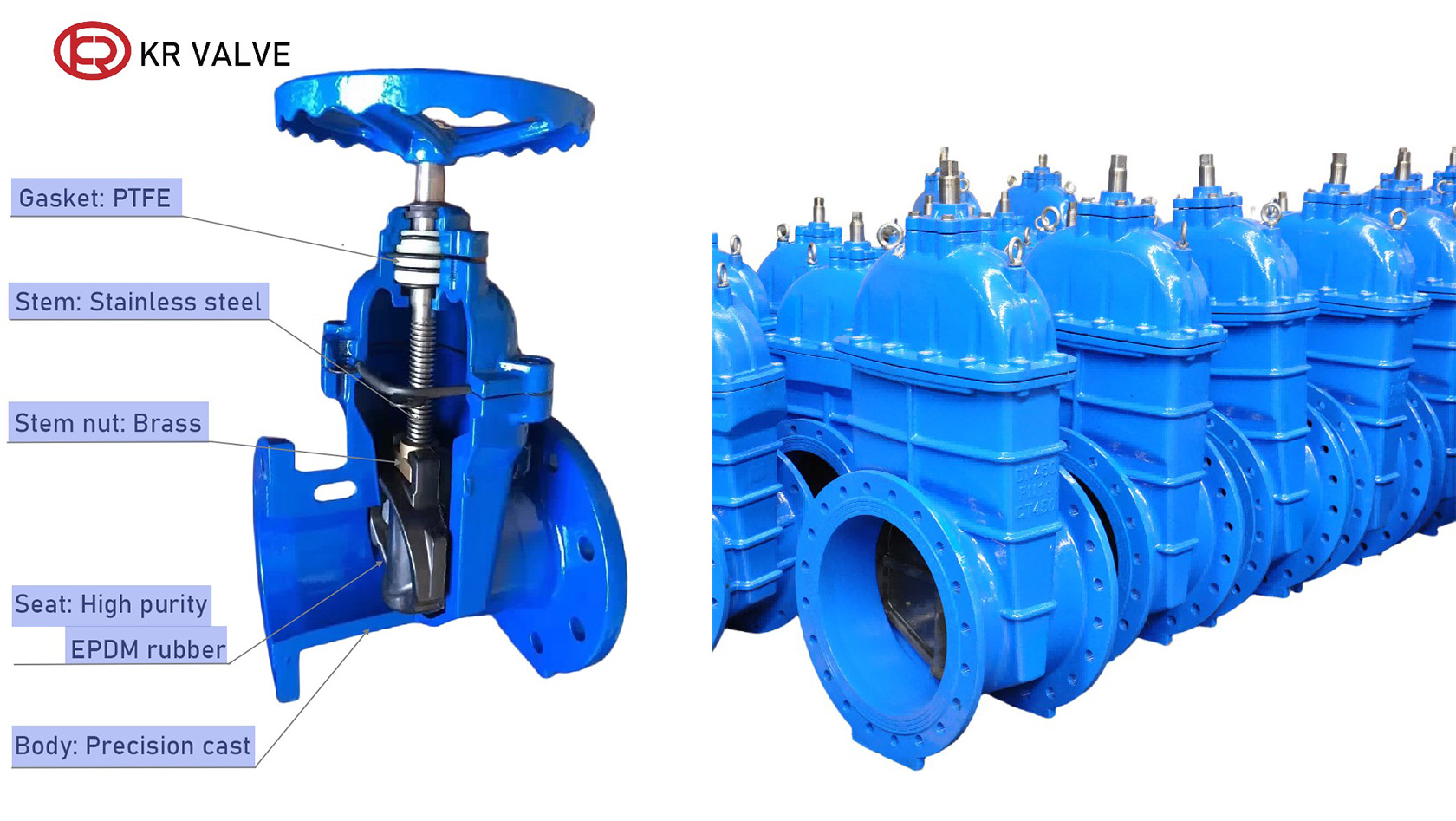
The resilient seat gate plate usually adopts the overall encapsulation process, and the sealing surface of the rubber material can compensate for small errors in the sealing surface through elastic deformation, achieving zero leakage. At the same time, the valve stem seal adopts an "O" - shaped sealing ring, usually with three layers, which can effectively prevent medium leakage.
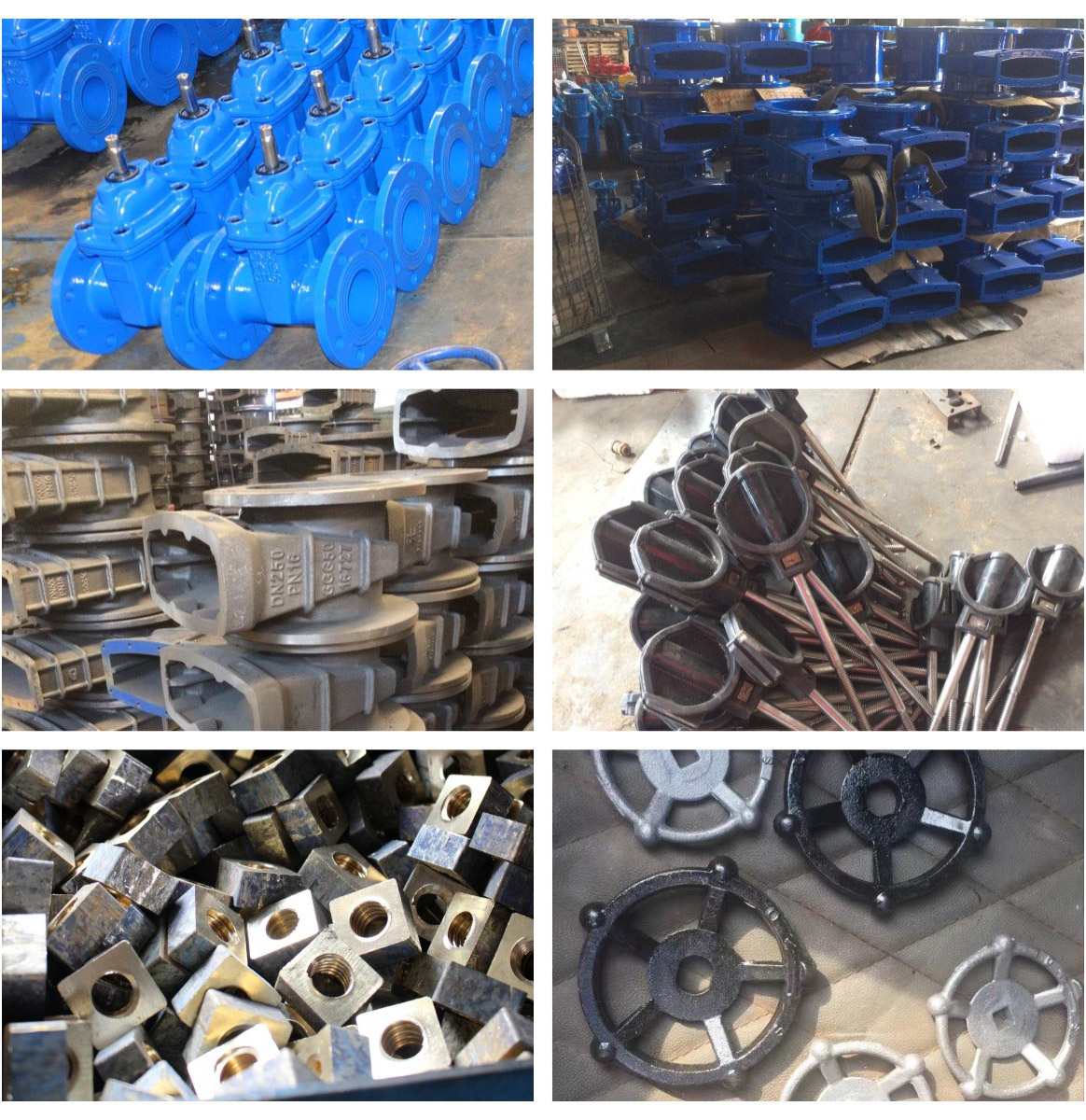
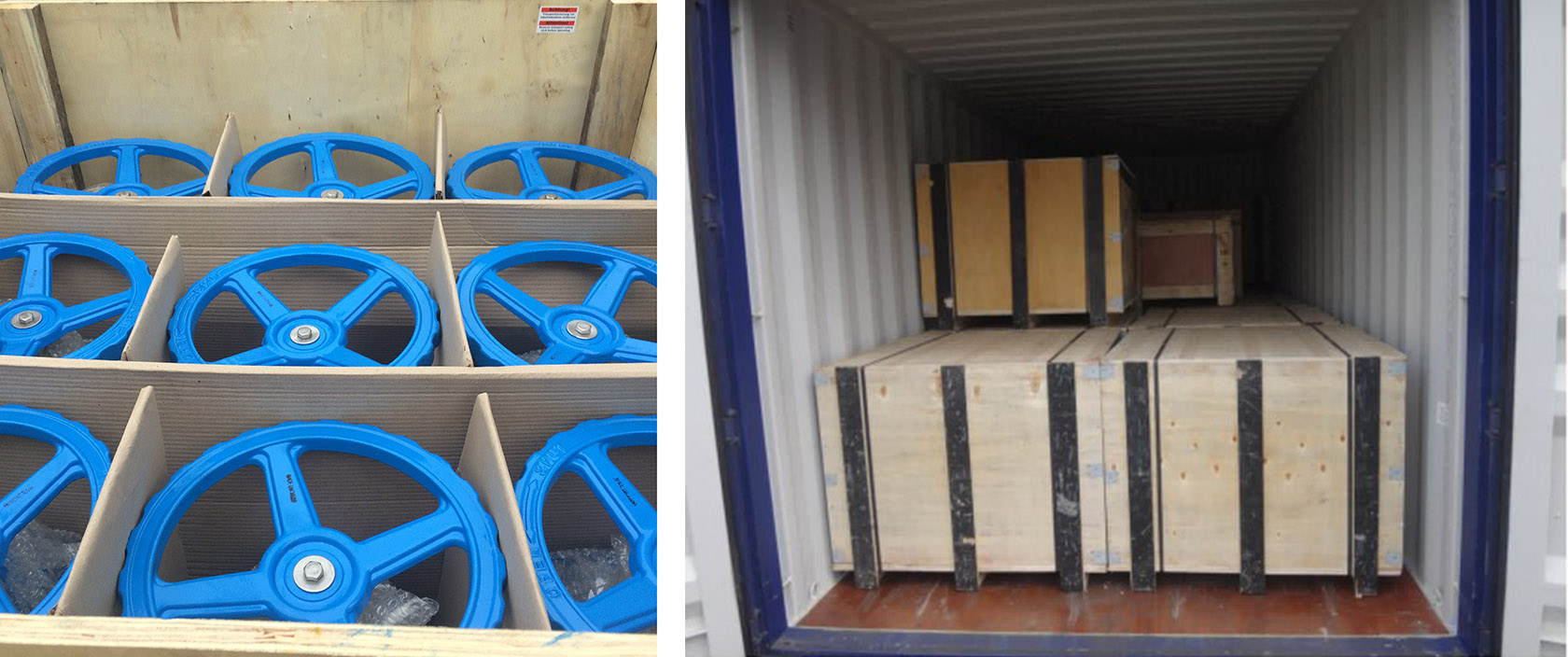
Standard export wooden case packaging ensures the safety of products during long-distance transportation.
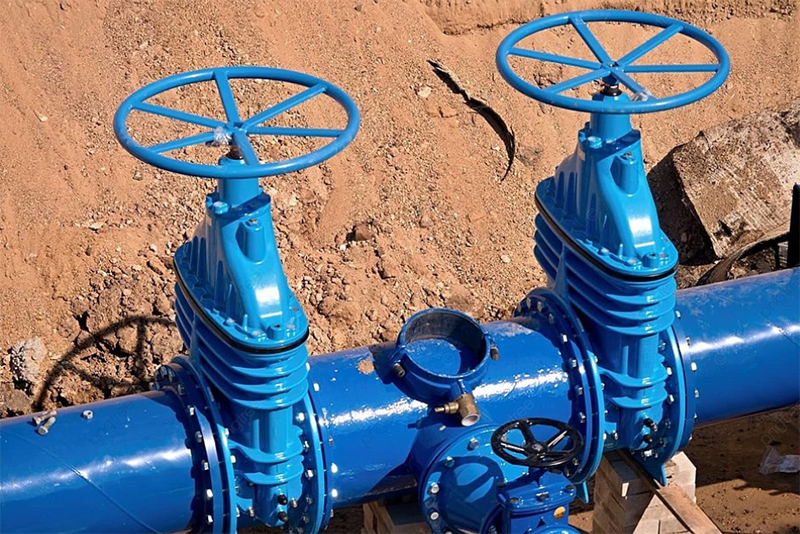
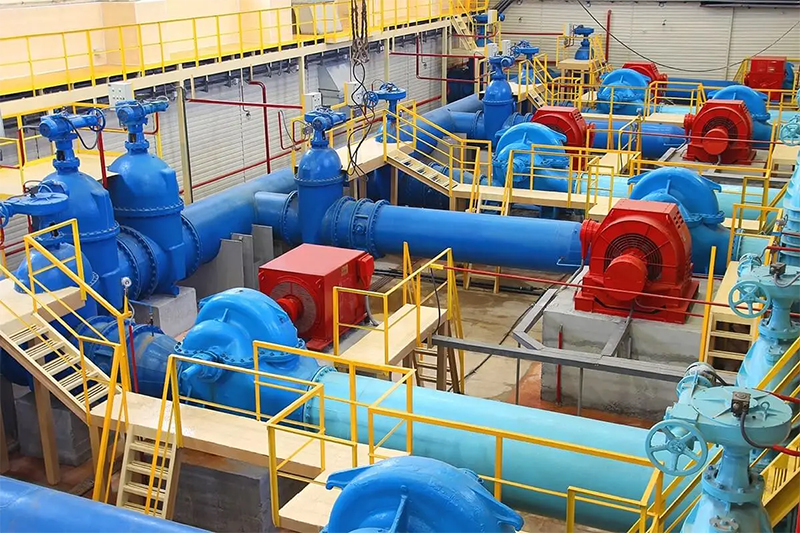
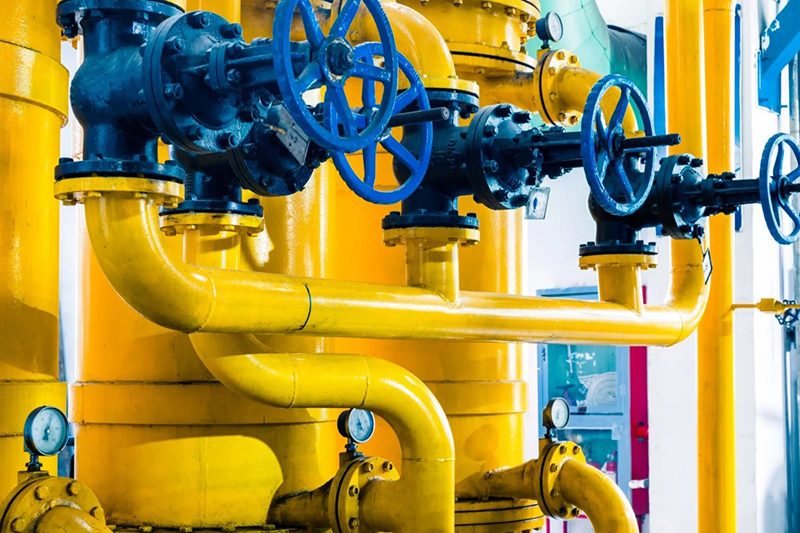
The resilient seat gate valve is widely used in various fluid transportation systems that require precise flow interception, high medium cleanliness requirements, or complex working conditions and environments.
| Body | Plate | Stem | Stem nut | Seat | Temp (°C) |
|---|---|---|---|---|---|
| HT200/HT250 Cast iron | Ductile Iron | 20CR13 | Brass | EPDM Rubber | -20 ~ 120 |
| GGG40/GGG50 Ductile iron | Ductile Iron | SS304 | SS304 | NBR Rubber | -30 ~ 100 |
| WCB Carbon steel | WCB | SS304/SS316 | SS304/SS316 | FKM/VITON | -20 ~ 200 |
| CF8/SS304 Stainless | CF8 | - | - | PTFE Rubber | -200 ~ 260 |