Discover our highly-engineered industrial valve portfolio matching diverse fluid system specs and application environments.
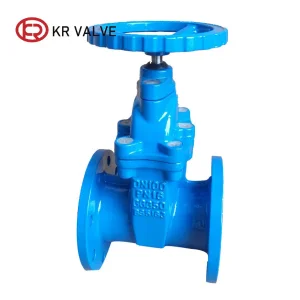
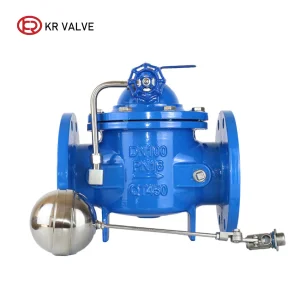
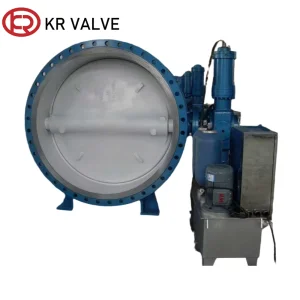
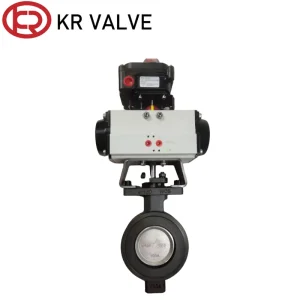
In modern industrial hydraulic systems, fluid delivery networks face dynamic challenges such as pressure surges, localized vacuum voids, and corrosive degradation. Trapped air pockets in pressurized pipelines restrict active cross-sectional flow, decreasing overall system efficiency. More critically, uncontrolled air accumulation can cause high-velocity water hammers when lines are pressurized or restarted. To address this, composite exhaust valves (also recognized in engineering fields as non-metallic air release or air vent valves) have become indispensable components.
By leveraging advanced polymer compositions and precise aerodynamic designs, composite air release valves perform three primary safety functions:
Traditional metal air valves are heavy and subject to mineral scaling and galvanic corrosion. Our custom-engineered composite valves employ proprietary high-durability polymers (specifically Glass-Fiber Reinforced Polyamide and engineered Polyoxymethylene). These materials eliminate galvanic reactions, resist biofilm adhesion, and offer up to a 60% reduction in weight, substantially lowering transport costs, physical installation risks, and mechanical stress on plastic pipe systems.
Industrial development and urbanization demand reliable, leakage-resistant, and high-efficiency water and chemical infrastructure. Advanced composite exhaust valve engineering serves multiple key macro-sectors:
In modern clean water distribution grids, energy efficiency is paramount. Trapped air pockets increase flow resistance, forcing pumps to work harder and consume more electrical power. Integrating high-performance composite exhaust valves ensures seamless, continuous venting, reducing pump workload and lowering municipal carbon footprints.
Seawater desalination plants operate under high salinity conditions, rendering standard grey iron or cast steel valves obsolete due to severe pitting corrosion. Our custom-engineered composite valves are chemically inert to salt and bracket solutions, eliminating the need for expensive exotic alloys (like Super Duplex steel) while providing long-term structural integrity.
From petrochemical processing to mining slurry management, composite valves withstand aggressive chemical profiles, low pH solutions, and abrasive compounds. Specialized seal configurations protect the core mechanical floats, ensuring stable operation and preventing environmental fluid leakage.
| Performance Parameters | Standard Metal Air Valves | KR Composite Exhaust Valves | Industrial Benefit |
|---|---|---|---|
| Corrosion Resistance | Low to Medium (Prone to Rusting) | Excellent (Chemically Inert) | Eliminates scaling and blockage risks |
| Structural Weight | 100% Weight baseline | Approx. 35% - 45% of baseline | Safer handling, cheaper transport |
| Cavitation Resistance | Variable (Acoustic resonance issues) | Excellent (High acoustic dampening) | Quiet operation, extended seat life |
| Thermal Expansion | Medium | Low-Engineered Match | Zero leakage across thermal cycles |
As industries worldwide align with sustainable manufacturing standards, the demand for non-corrosive, long-lifecycle components has shifted from a niche request to a standard procurement requirement. Europe, North America, and parts of the Asia-Pacific region have enforced stringent regulations governing materials in contact with drinking water (such as NSF/ANSI/CAN 61 and WRAS certifications). Industrial project designers are increasingly replacing heavy metal vent valves with composite alternatives to comply with clean-water legislation while reducing installation budgets.
Furthermore, globalization has highlighted the importance of robust logistics networks. KR Valve Group's international distribution reaches over 50 countries, facilitating seamless project delivery from our manufacturing center to job sites across Europe, Asia, Africa, and South America.
KR has more than 20 years of experience in producing standard and non-standard valves of various types. We supply a wide selection of over 500 valve products, including butterfly valves, gate valves, check valves, water control valves, as well as all their matching and accessory products. These products have applications in various industries such as water treatment, dam construction, commercial buildings, energy and heating, chemical engineering, etc. We have won high repeat purchase rates from customers with excellent product variety and quality.
Beyond product excellence, we are dedicated to creating a mutually beneficial partnership with every customer. We believe that reliable service is as crucial as superior products, and we strive to continuously optimize the customer experience to achieve long-term win-win cooperation.
Today, KR VALVE’s products have been exported to over 50 countries and regions in Europe, Asia, Africa, and Oceania, providing project construction and brand marketing services to thousands of customers. We look forward to collaborating with you, leveraging our expertise, comprehensive product range, and unwavering commitment to quality and service to support your success.
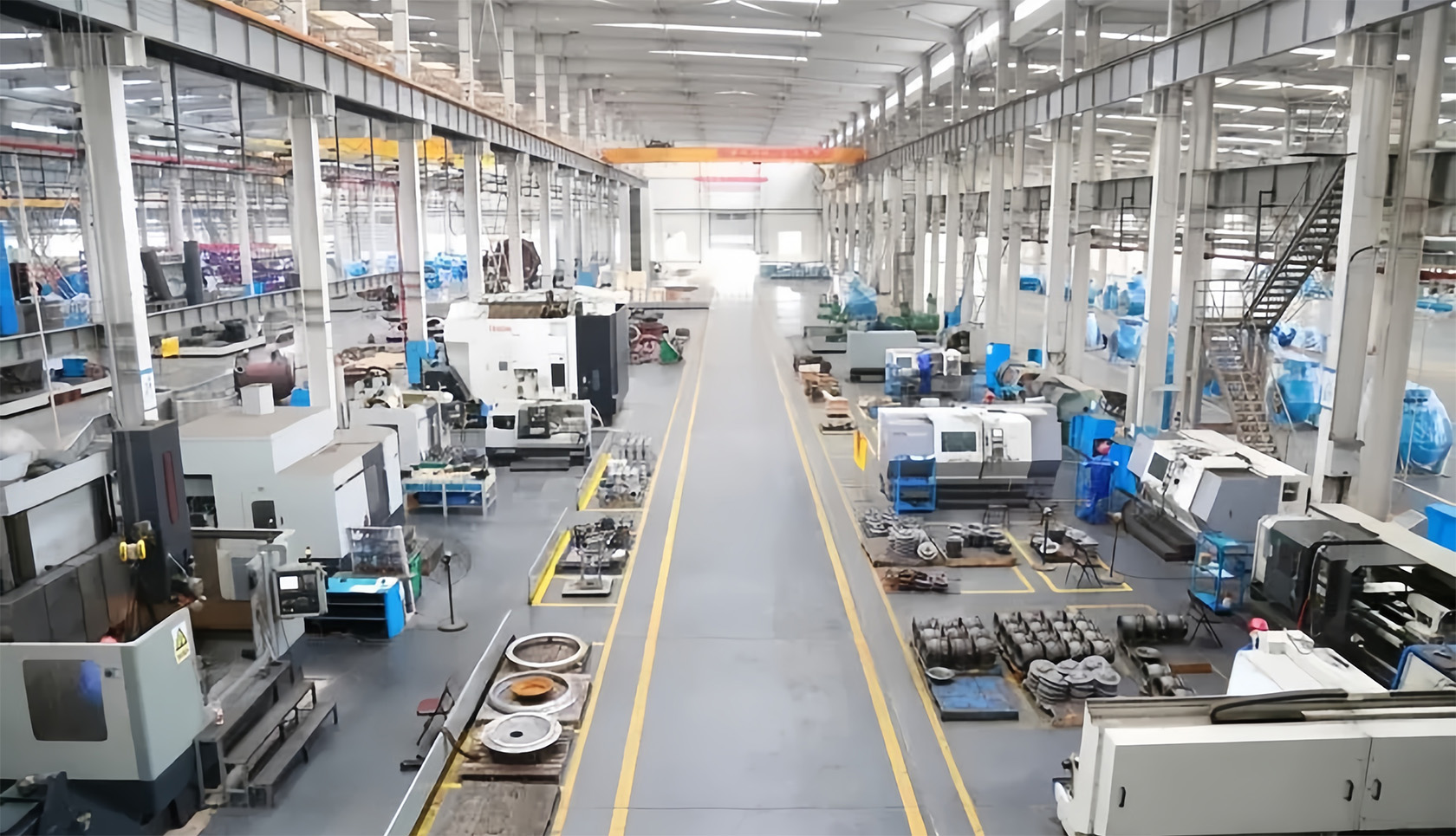
Underpinned by systematic engineering, precision manufacturing, and zero-defect QA policies.
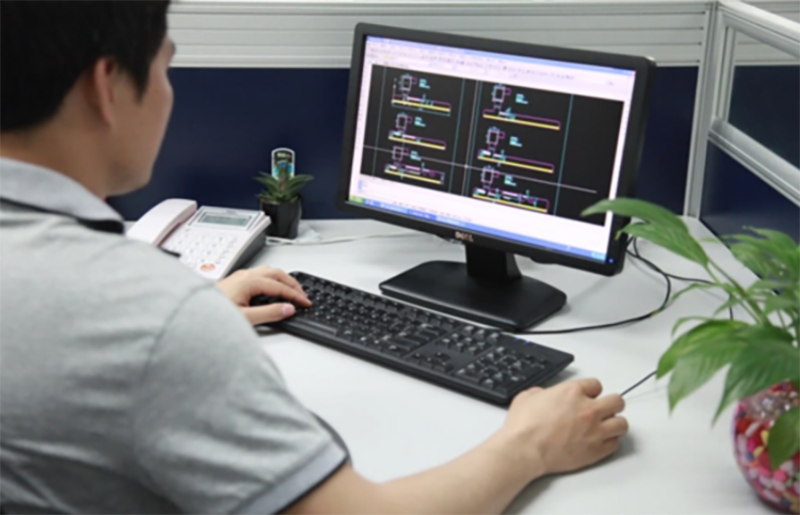
Our R&D department drives continuous product development. Our engineers model flow kinetics to optimize air release geometry, while in-house modern laboratories validate material performance to develop products that exceed international standards.
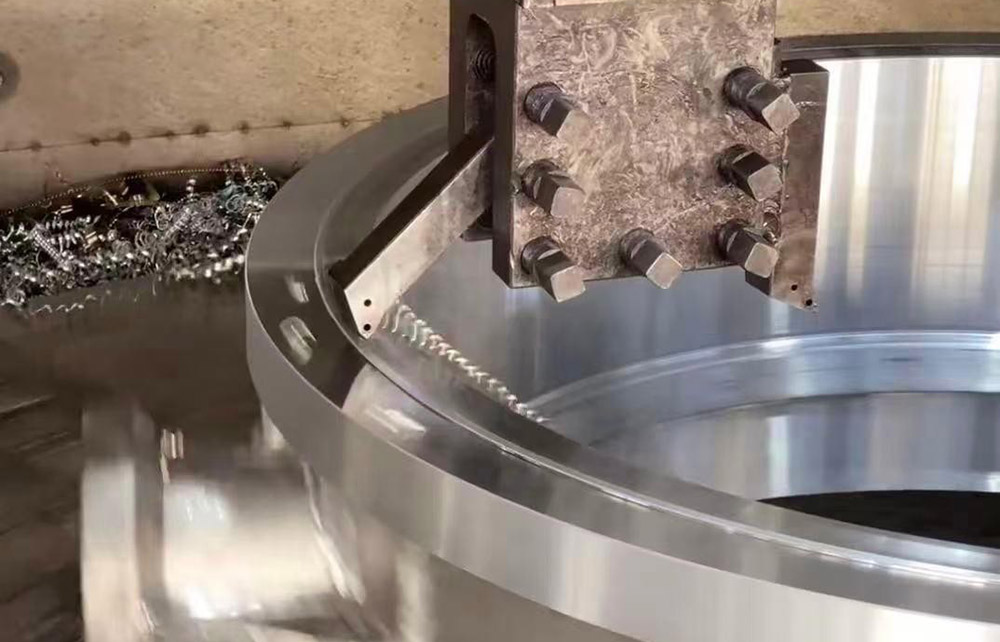
Operating under strict ISO-9001 supervision, our plant features over 30 advanced production machines. Monthly inventory updates ensure short lead times and reliable on-time delivery for large-scale municipal projects.
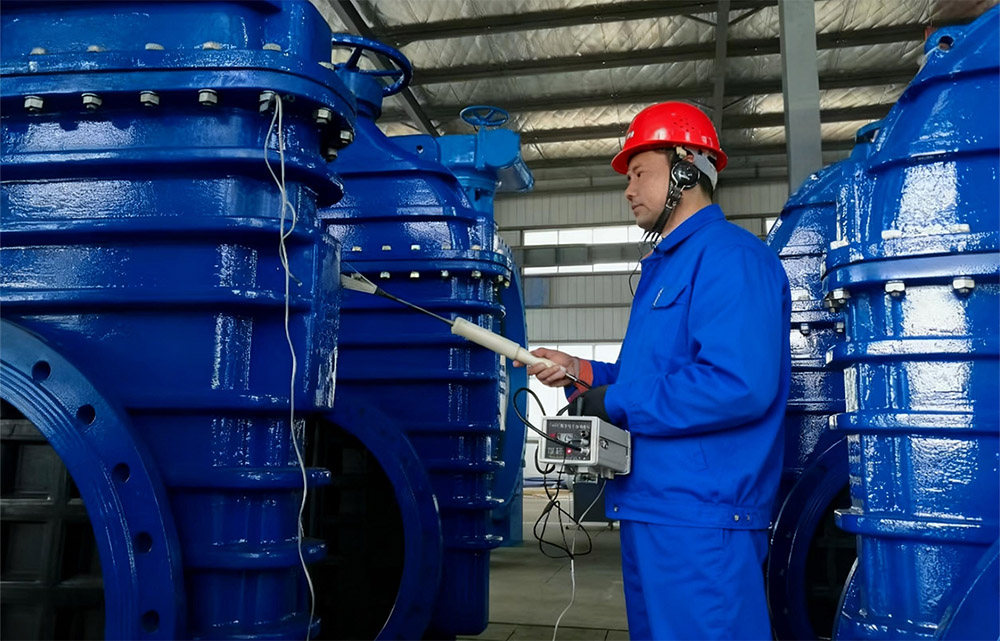
Our inspection team subjects 100% of finished valves to comprehensive quality checks. We conduct systematic checks covering pressure ratings, seal integrity, and dimensions, generating compliant test reports for our clients.
Composite exhaust valves require careful configuration based on local topography, climate variables, and fluid properties. Below are common configurations deployed across various global regions:
In regions subject to freezing temperatures, valves installed in shallow underground chambers face freezing risks. Under freezing conditions, frozen condensation can lock the inner float mechanism, preventing air from escaping during critical pipeline cycles. For these markets, KR Valve offers composite exhaust valves with specialized frost protection accessories, insulated chambers, and drainage systems to prevent freeze-locking.
Extreme UV exposure can cause chain-scission in standard polymers, resulting in material embrittlement. For tropical and desert applications, we incorporate custom carbon black and organic UV inhibitors into our composite compounds, ensuring physical properties are maintained even during prolonged exposure to direct sunlight.
High-velocity air venting can generate audible high-frequency noise. In residential areas, this can lead to noise complaints. Our custom dynamic floats use multi-stage noise-dampening baffles to ensure venting noise is kept to a minimum.
The valve manufacturing sector is moving toward digitalization and advanced material sciences. The next generation of flow control products will integrate smart technologies directly into the valve body:
Developing IoT-enabled composite exhaust valves equipped with micro-sensors that measure local pipe pressure, flow velocity, and cumulative air release. Data is transmitted via low-power wireless networks directly to centralized control stations.
Transitioning toward bio-based polymers to support global carbon reduction goals, replacing petroleum-based raw materials without sacrificing structural strength or pressure ratings.
Creating self-diagnosing internal float mechanisms that detect mineral scaling or debris build-up, notifying system operators before a valve block occurs.
Why global contractors and valve distributors choose KR Valve as their trusted supply partner.
We supply products under our own brand "KR" and provide comprehensive OEM/ODM customization services, maintaining long-term partnerships with leading global brands.
Our production facilities feature 15 dedicated machining centers and dynamic assembly lines, operated by experienced technicians to maintain product uniformity.
We source raw materials from verified suppliers and monitor every step of the casting, machining, assembly, and testing processes to deliver durable end products.
By managing the manufacturing chain in-house, we eliminate intermediaries, passing cost savings directly to our clients through optimized pricing.
Our sales and engineering teams provide 24/7 technical support, offering assistance with valve selection and troubleshooting throughout the system lifecycle.
Gain insights into our manufacturing plants, testing processes, and production technology.
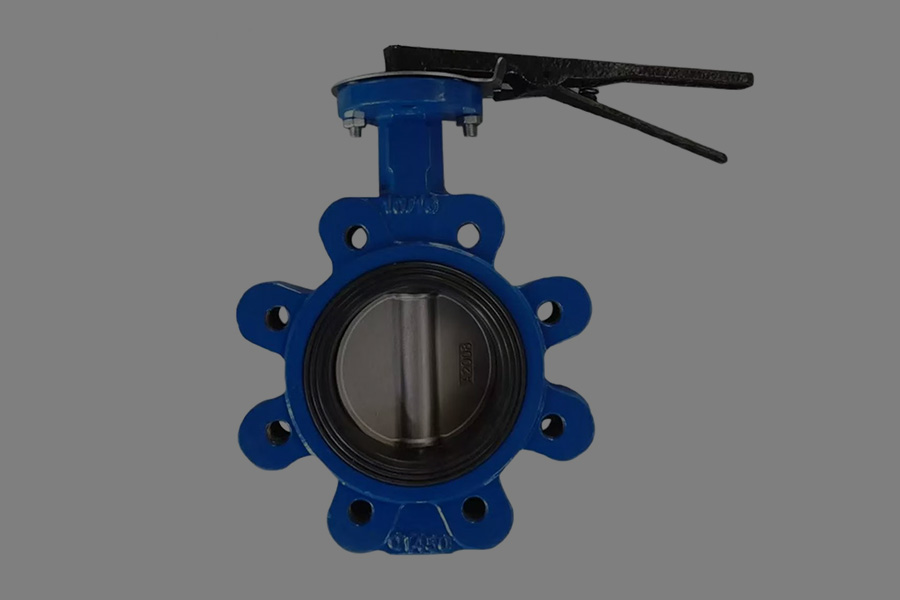
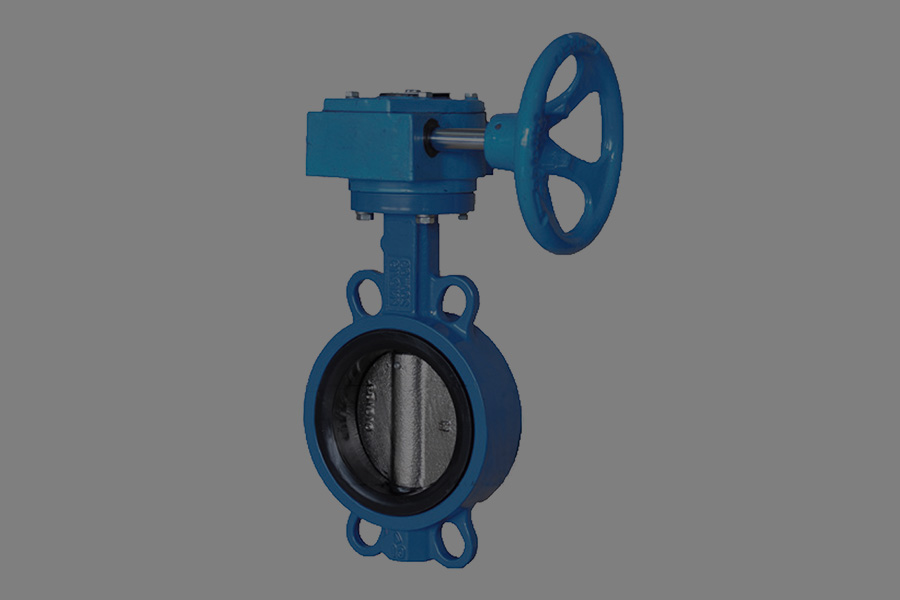
Our valves are deployed in municipal water mains, industrial plants, and utility projects worldwide.
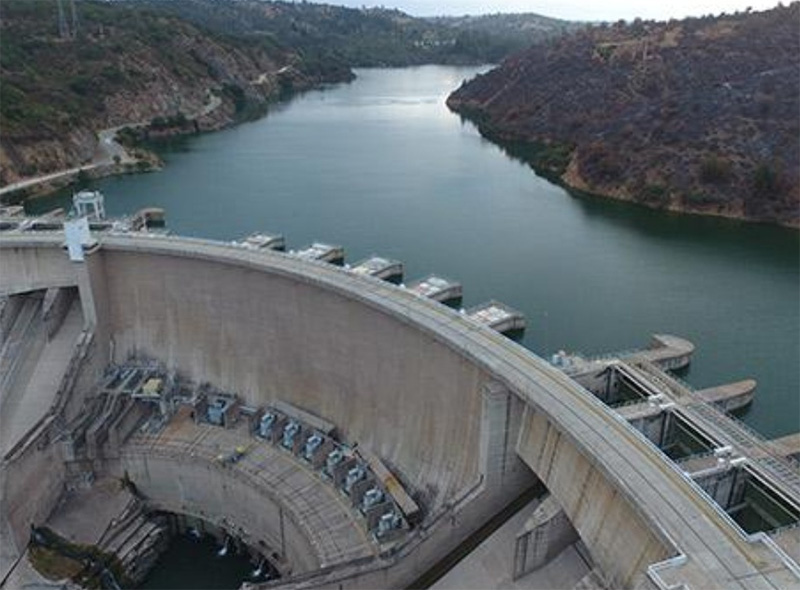
Supplied a range of high-capacity water control and air relief systems to regulate flow stability in a major regional water storage dam.
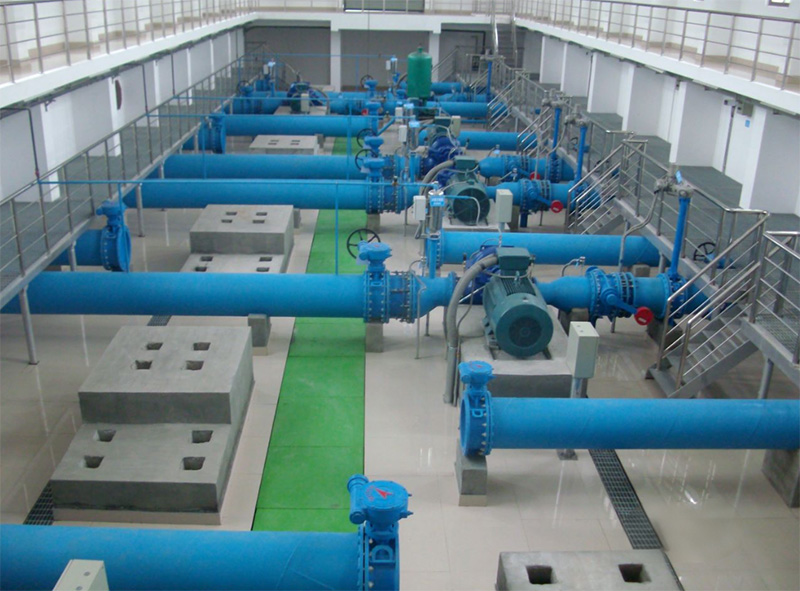
Delivered large-diameter butterfly and check valves to municipal water networks, improving fluid containment and pressure control.
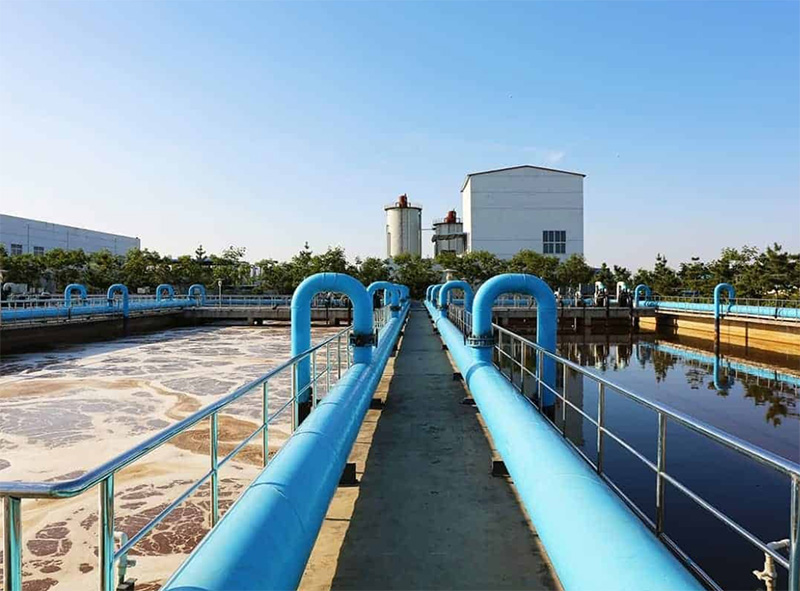
Engineered corrosion-resistant gate valves and resilient seated butterfly valves to manage abrasive sludge lines.
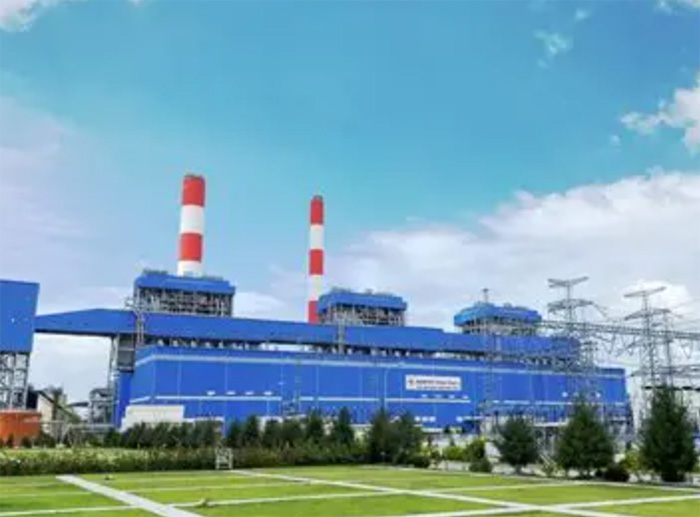
Provided specialized, chemical-resistant valves designed to operate reliably in highly acidic process fluid loops.
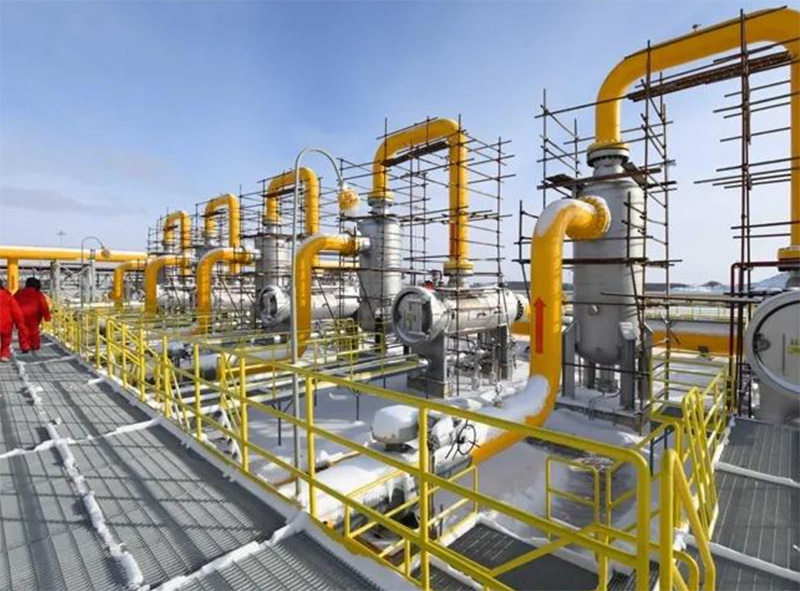
Supplied high-pressure steel-bodied ball and gate valves to gas transmission networks operating under low ambient temperatures.
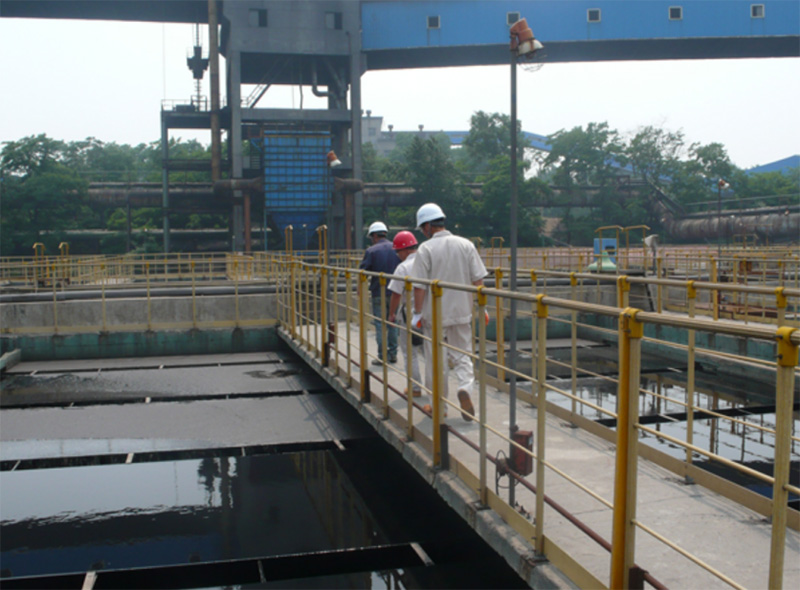
Installed water control systems at municipal wastewater treatment plants to manage backflow and sludge aeration.
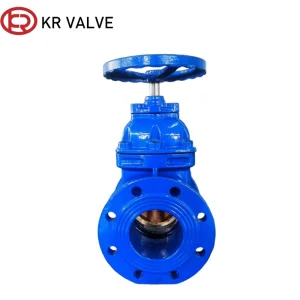
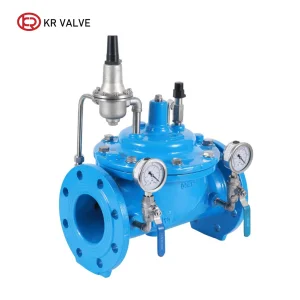
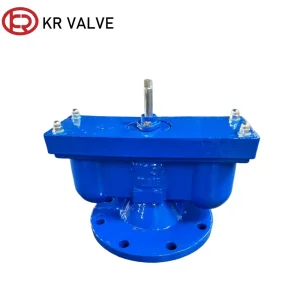
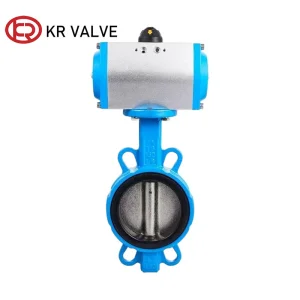
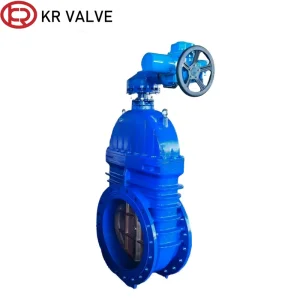
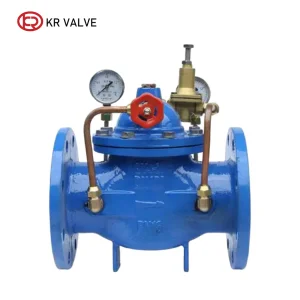
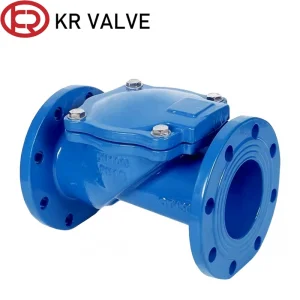
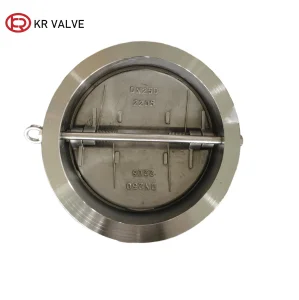
Select from our range of pressure control, filtration, and flow prevention valves.
Answers to common technical queries from procurement officers and pipeline designers.
Composite exhaust valves are constructed from reinforced polymer materials that are highly resistant to rust and chemical corrosion. They prevent mineral scaling, which can cause internal floats to stick. Additionally, their lightweight design lowers transportation and installation costs, reducing mechanical stress on PVC, PE, or composite pipeline connections.
Our standard composite air valves support PN10, PN16, and PN25 pressure classes, with size configurations spanning from DN20 (3/4") up to DN300 (12"). For custom industrial needs, our design department can engineer reinforced bodies that handle specific pressure ratings and custom flange connections.
Our valves feature a dynamic, float-activated sealing mechanism designed to prevent low-pressure leakage. The internal float operates responsively even at low pressures (down to 0.2 bar / 3 psi), utilizing soft-seated EPDM seals to maintain a bubble-tight seal without needing high system pressure to seal the orifice.
Yes. Wastewater networks contain suspended solids, grease, and acidic compounds that can clog or corrode standard clean-water air valves. Our wastewater-rated composite valves feature an elongated body design. This design keeps the wastewater line level below the sealing mechanism, protecting the critical orifice from debris accumulation and grease blockages.
All KR Valve products are manufactured under strict ISO-9001 quality management guidelines. Our composite materials meet WRAS and NSF/ANSI 61 requirements for potable water safety. Each valve is hydrostatically tested for shell strength and seat leakage to guarantee zero-leakage performance before shipment.
Yes, OEM/ODM services are a key part of our business. We customize composite material compositions (e.g., adding UV stabilizers or glass-fiber reinforcements), adapt connection threads to specific standards (BSP/NPT), and print custom brand logos or model codes directly on the valve body.
 KR VAVLE