Explore our industrial range of high-performance valves engineered for municipal water systems, petrochemical plants, and large-scale industrial projects.
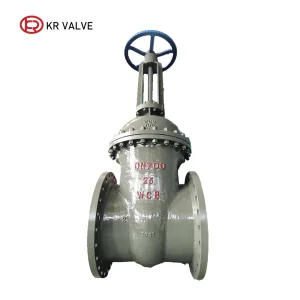
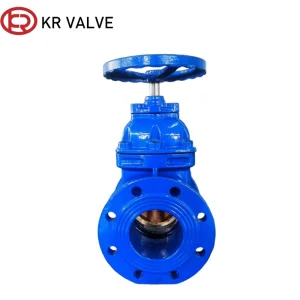
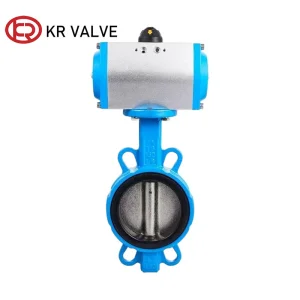
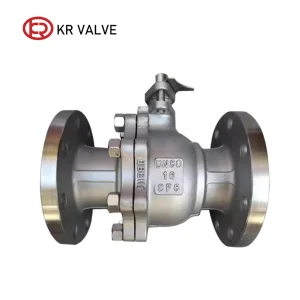
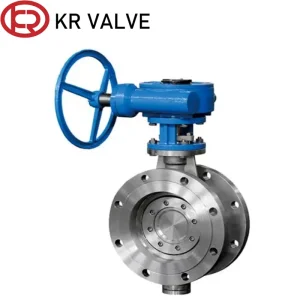
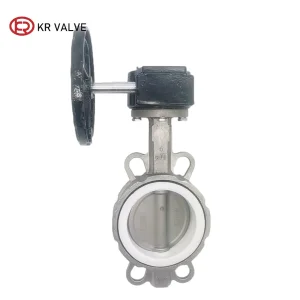
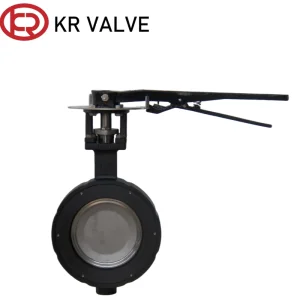
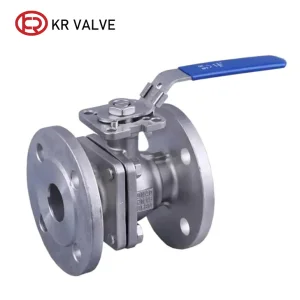
Double acting air valves (also referred to under global engineering specifications as dual-orifice kinetic air release valves) play a crucial role in modern pipeline architecture. They are designed to manage the critical dynamics of air inclusion and exclusion within liquid transmission systems. Unlike basic air release valves, a double acting air valve executes two distinct operations essential for pipe integrity:
Beyond these kinetic functions, our advanced designs integrate an automatic micro-orifice. Under normal working pressure (ranging up to PN40), dissolved air in the water slowly collects at the highest elevations of the pipeline. The automatic micro-orifice periodically releases these small pockets of accumulated gas without causing system depressurization, ensuring optimized pumping efficiency and preventing head loss.
SEO Keyword Note: When looking for a custom double acting air valve factory, critical metrics to review are the disengagement velocity profiles, dynamic sealing pressure limits, and compliance with AWWA C512 and EN 1074-4 standards.
For double acting air valves to run continuously for decades in corrosive soil environments or marine settings, material selection is paramount. At KR Valve, we leverage high-grade raw materials that undergo non-destructive testing (NDT) to prevent failures in the field.
| Component | Standard Material Specification | Optional Upgrades (Corrosive Environments) | Compliance Standards |
|---|---|---|---|
| Valve Body & Bonnet | Ductile Iron GGG40 / GGG50 | WCB Cast Steel, Stainless Steel CF8/CF8M | EN 1563 / ASTM A536 |
| Float and Internal Trim | Stainless Steel 304 | Stainless Steel 316 / Duplex 2205 | ASTM A240 |
| O-Rings & Resilient Seats | EPDM (Drinking Water Certified) | NBR, Viton (High-Temp / Hydrocarbons) | WRAS / NSF-61 Approval |
| Coating System | Fusion Bonded Epoxy (FBE) - 250 µm | Thermal Spray Aluminum / High-Build Polyurethane | DIN 30677 / AWWA C213 |
Our casting foundry employs advanced spectrometer testing to check mechanical properties and chemical compositions. For municipal drinking water networks, our EPDM profiles carry European WRAS approvals, ensuring zero chemical leaching into the public supply. Additionally, the interior stainless steel floats are dynamically balanced to withstand high-velocity air streams without premature shut-off (commonly called "blown shut").
Modern engineering procurement construction (EPC) companies encounter several bottlenecks when sourcing air valves internationally. We address these concerns by offering targeted solutions:
As a leading valve manufacturer in China, KR Valve has modernized production in line with Industry 4.0 standards. Located in a specialized valve industrial cluster, our facility operates 15 heavy-duty machining centers, high-capacity CNC lathes, and automated electrostatic powder coating lines.
Our smart manufacturing process involves: 1. 3D CAD/CAE Modeling: Utilizing finite element analysis (FEA) to simulate pressure ratings and flow analysis prior to casting. 2. Automated CNC Machining: Ensuring close tolerances on seating grooves to achieve "Zero Leakage" standards. 3. Hydrostatic & Pneumatic Test Benches: Every double acting air valve is tested in compliance with ISO 5208. We test both high-pressure seal limits and low-pressure sealing resilience (down to 0.2 bar) to ensure airtight performance. 4. Digital Quality Tracking: Every batch is coded with cast numbers linked directly to raw material mill test certificates (MTC), establishing full supply-chain transparency.
The global fluid transmission sector is shifting towards smart utility management. The integration of IoT technology into water networks requires air valves to act as diagnostic nodes. KR Valve is currently piloting the following initiatives:
Navigating varying regional standards is a key obstacle for global projects. KR Valve products comply with a range of international standards, including BS EN 1074, ANSI/AWWA C512, and JIS specifications. We support our clients with a full documentation package:
Take an inside look at our manufacturing facilities, CNC machinery, and high-pressure test bays where our double acting valves are produced.
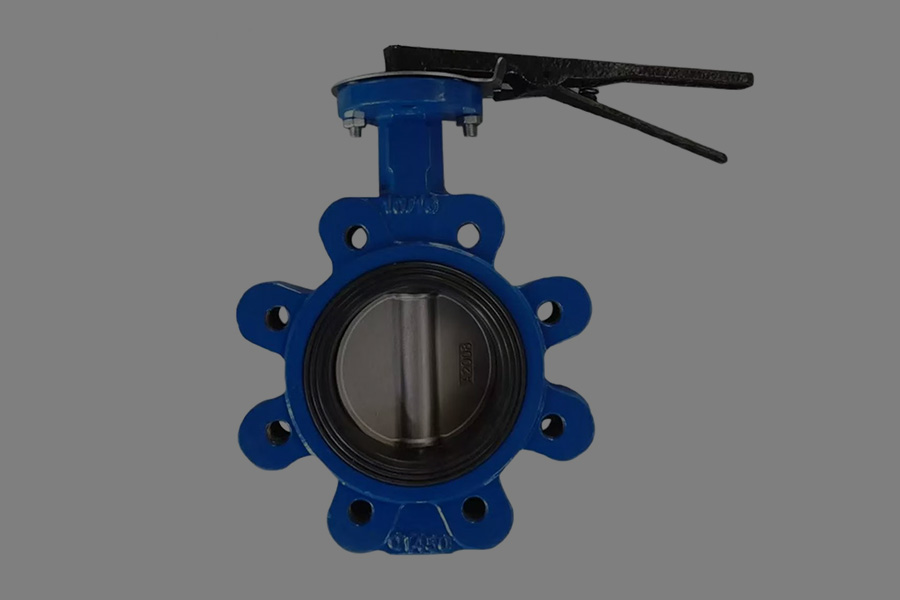
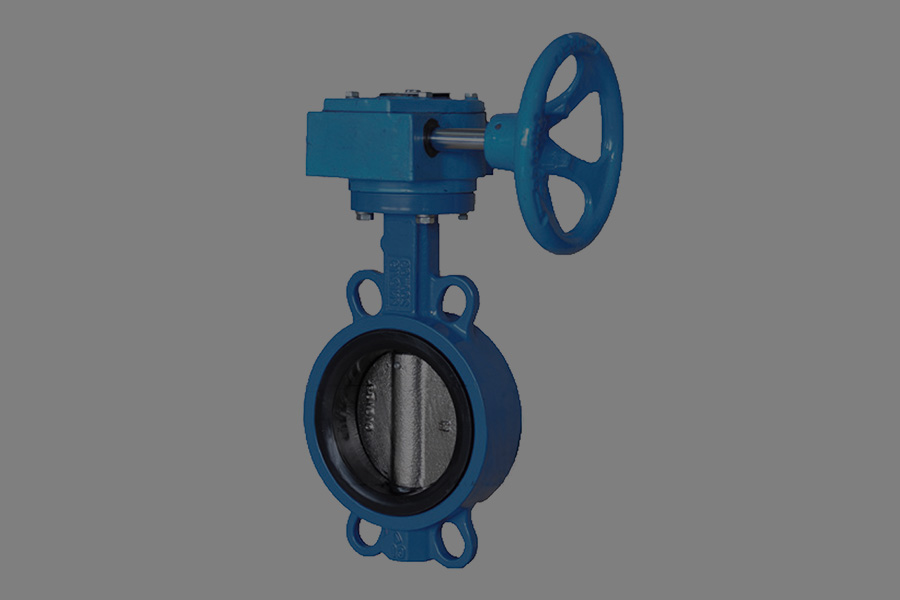
Our products are used in water treatment, dam construction, municipal networks, and oil & gas systems around the world.
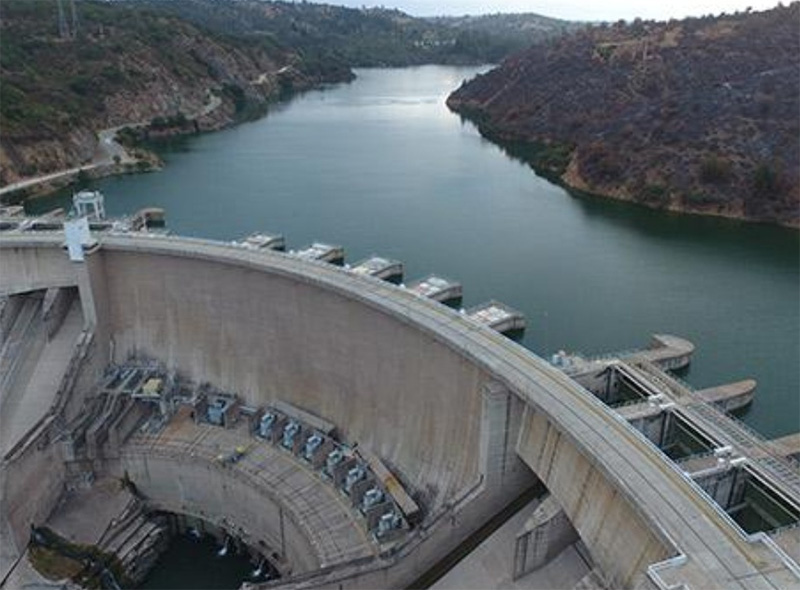
KR supplied a range of custom water control valves designed to manage hydraulic flow and minimize pipeline transients.
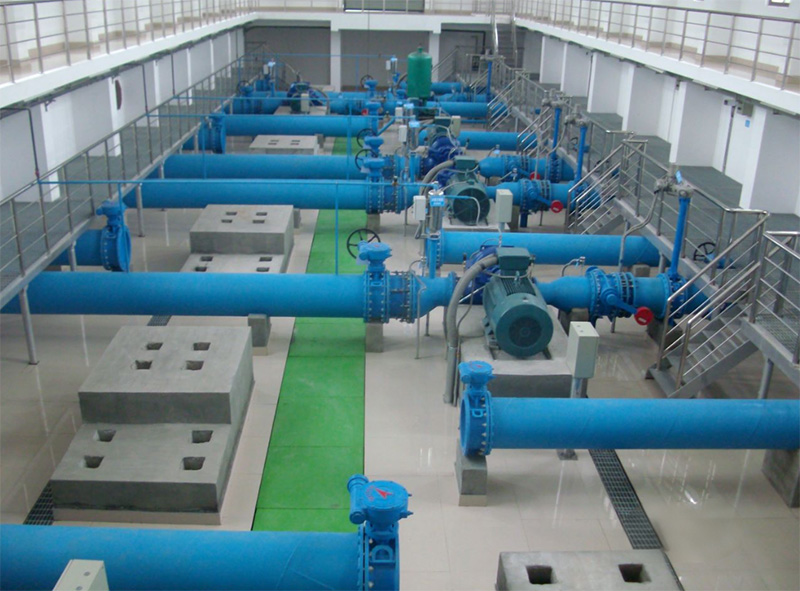
Delivery of large-diameter butterfly valves and non-slam check valves to optimize municipal drinking water networks.
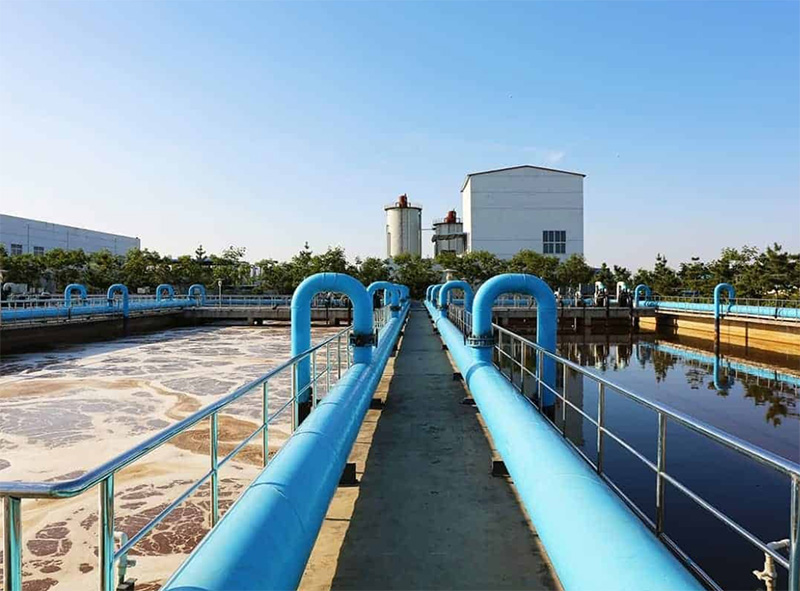
Integration of heavy-duty gate and butterfly valves to handle corrosive sludge and processing wastewater.
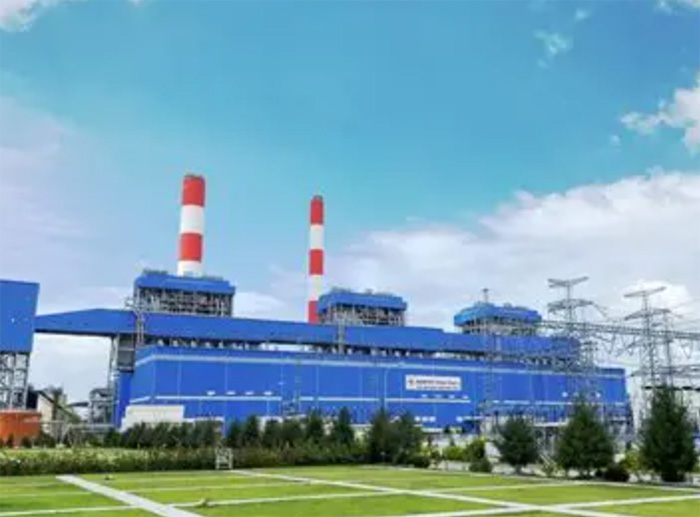
Supplied corrosion-resistant alloy valves with special polymer seals for chemical processing lines.
Answers to frequently asked questions about installation, sizing, and maintaining double acting air valves.
Proper sizing is calculated by evaluating the pipeline fill rate, maximum gravity drainage velocity, and the allowable pressure differential (typically limited to 0.35 bar to prevent pipe collapse). Software models compile the elevation profile, slope changes, and water velocity to determine the necessary kinetic intake and discharge rates.
Air valves should be located at high points, significant slope changes, at regular intervals (typically every 500 to 1000 meters) on flat runs, and immediately downstream of active pumps and control valves. Placement at these locations ensures released air can be successfully vented and vacuum collapse conditions are prevented.
A single-acting air valve only releases air from the system under pressure. A double-acting air valve features a larger kinetic orifice that handles both bulk air release during filling and high-volume air intake during drainage to protect the line from vacuum pressure.
Our valves utilize float assemblies engineered to rise and seal against the rubber seat as water enters the chamber. We design our orifices to prevent water drop-carryover from prematurely lifting the float before all air has escaped, ensuring dry closure.
Standard double acting air valves are intended for clean water applications. For sewage or wastewater, a specialized air release valve with an elongated body is required. This shape keeps solids and organic waste away from the upper sealing mechanism, preventing clogging.
We recommend annual inspections to check the condition of the internal rubber seals, clean the float of any scale deposits, and verify the small automatic orifice is clear. Isolation valves should be installed beneath the air valves to allow maintenance without shutting down the pipeline.
Yes, we offer custom flange drilling to comply with EN 1092-2, ANSI B16.5, JIS, or AS4087 standards. Our manufacturing facility can customize face-to-face dimensions and flange thicknesses to fit existing pipeline interfaces.
We supply air valves rated for PN10, PN16, PN25, and PN40 systems. Our high-pressure designs utilize thicker cast walls and reinforced stainless steel float cages to ensure structural integrity under dynamic loads.
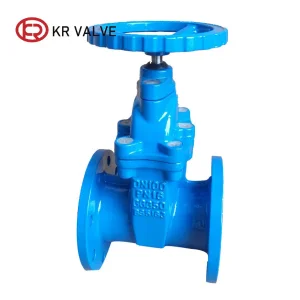
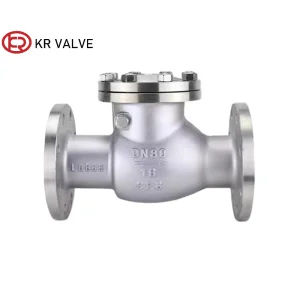
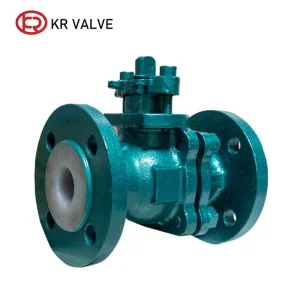
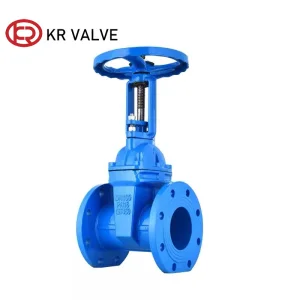
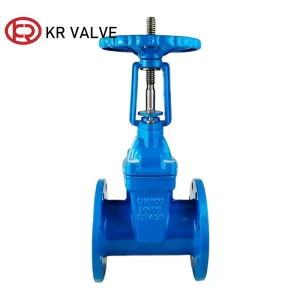
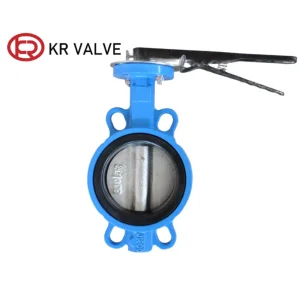
Browse the second half of our manufacturing line, featuring resilient seated gate valves, PTFE-lined valves, and specialized water control options.
 KR VAVLE