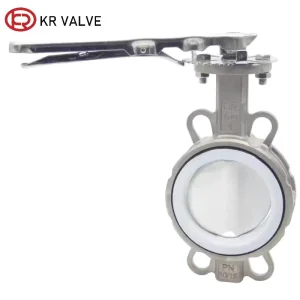
Explore our range of precision-manufactured industrial valves including check, butterfly, gate, and water control series.
In modern heavy fluid power systems, the Hydraulic Cylinder Check Valve acts as a critical sentinel. Ensuring safety, load holding, and preventional backflow control, these components sustain operations across mining equipment, heavy earthmovers, high-capacity industrial presses, and water infrastructure globally.
As a leading engineering factory and manufacturer with over two decades of custom project services, KR specializes in developing reliable non-return valve mechanisms. High system integrity in modern hydraulics requires specific attention to cracking pressure dynamics, pilot-to-open area ratios, and extreme wear resistance. This white paper highlights how custom check valves prevent catastrophic load drops, maintain thermal safety limits, and meet the strict regulatory guidelines governing mechanical infrastructure worldwide.
With our deep expertise in fluid dynamics and industrial valve manufacturing, we engineer solutions designed to resist pressure spikes, cavitation, and seal degradation under mechanical duty cycles.
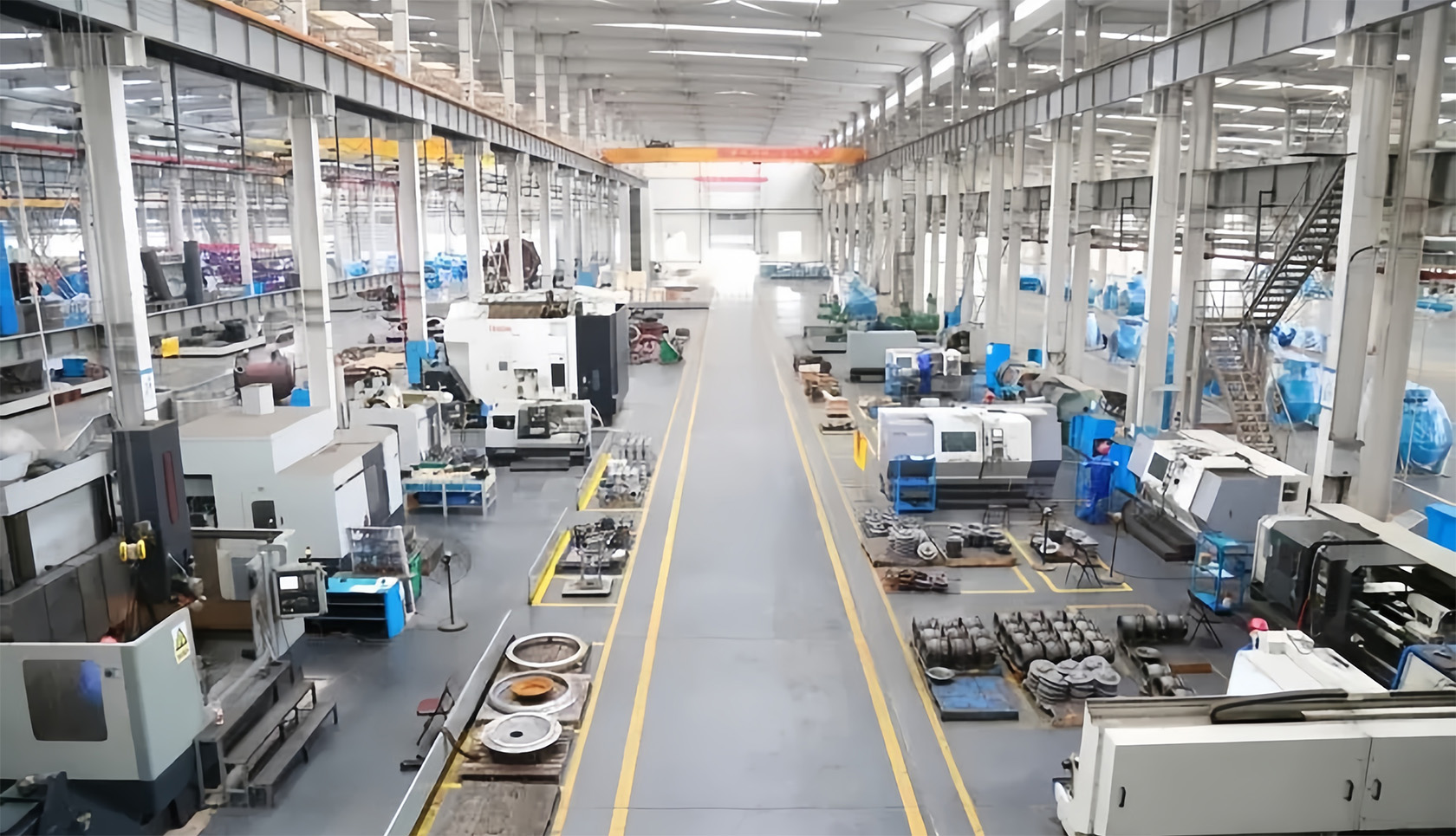
Analyzing key structural requirements, quality constraints, and commercial challenges faced by industrial procurement departments.
Procurement agencies require full compliance documentation with EN 10204 3.1 certification. Our production processes utilize traceable heat-treated alloys, stainless steel CF8, and high-tensile cast irons to withstand operating pressures upwards of 350 bar.
Reducing supply chain downtime is a primary objective. Our factory features more than 30 modern production equipment lines, managing raw inventory levels monthly to secure delivery targets and prevent line shutdown delays.
Standard valves often fall short in complex configurations. Industrial buyers seek customizable options such as varied pilot ratios (e.g., 3:1, 4:1, or 5:1), custom cracking pressures (0.5 to 10 Bar), and tailored manifold cartridge integrations.
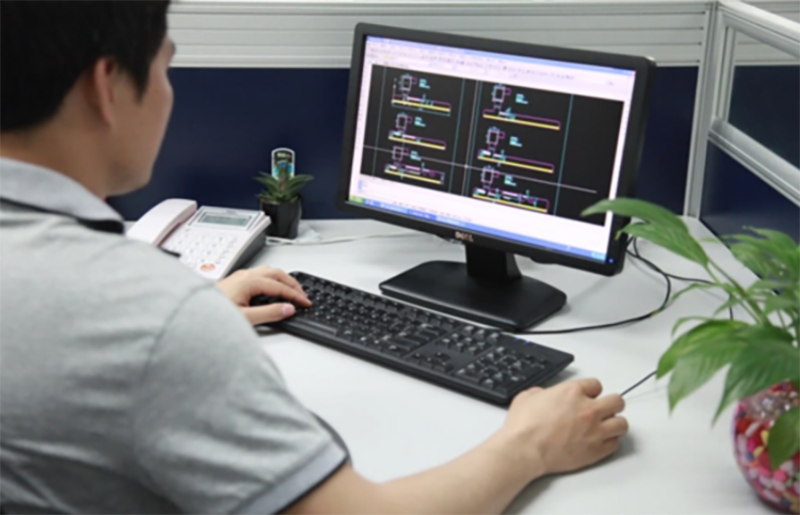
With more than 20 years of experience in producing standard and non-standard valves of various types, KR maintains a comprehensive catalogue of over 500 valve designs.
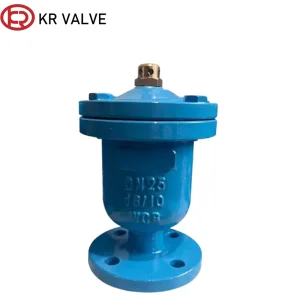
Our product lines include butterfly valves, gate valves, check valves, and water control valves, as well as matching accessory products. These components are deployed globally across water treatment, dam construction, commercial facilities, energy and heating networks, and chemical engineering.
We are dedicated to building mutually beneficial partnerships with every client, focusing on reliable engineering, strict quality compliance, and responsive international technical service. To date, KR Valve's solutions have been exported to over 50 countries across Europe, Asia, Africa, and Oceania.
How check valves safeguard processes and ensure mechanical control under demanding field conditions.
In mobile machinery such as cranes, excavators, and agricultural equipment, unexpected pressure drops can cause loads to slip. Load-holding pilot-operated check valves lock cylinders in position to secure field personnel and protect heavy machinery during hose ruptures.
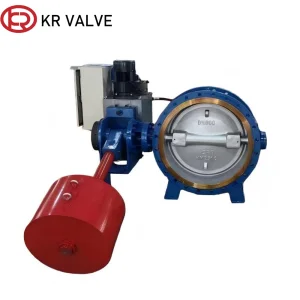
Our solutions for large-scale hydraulic dams and water filtration systems control heavy backflow and prevent water hammer. These environments require corrosion-resistant, high-capacity components such as our double eccentric hydraulic butterfly and check valves.
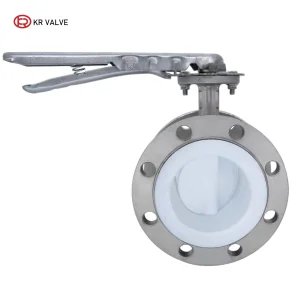
Corrosive fluids and high ambient temperatures require specialized materials. Combining stainless steel bodies with custom PTFE linings allows our valves to deliver chemical resistance and maintain seal integrity over long-term production cycles.
Combining mechanical engineering, quality-driven production, and strict testing to guarantee zero-leakage performance.
Our technicians continuously develop flow control products that meet challenging market requirements. The testing laboratory utilizes modeling and validation techniques to refine product designs. We currently offer over 20 product series and 500 valve designs.
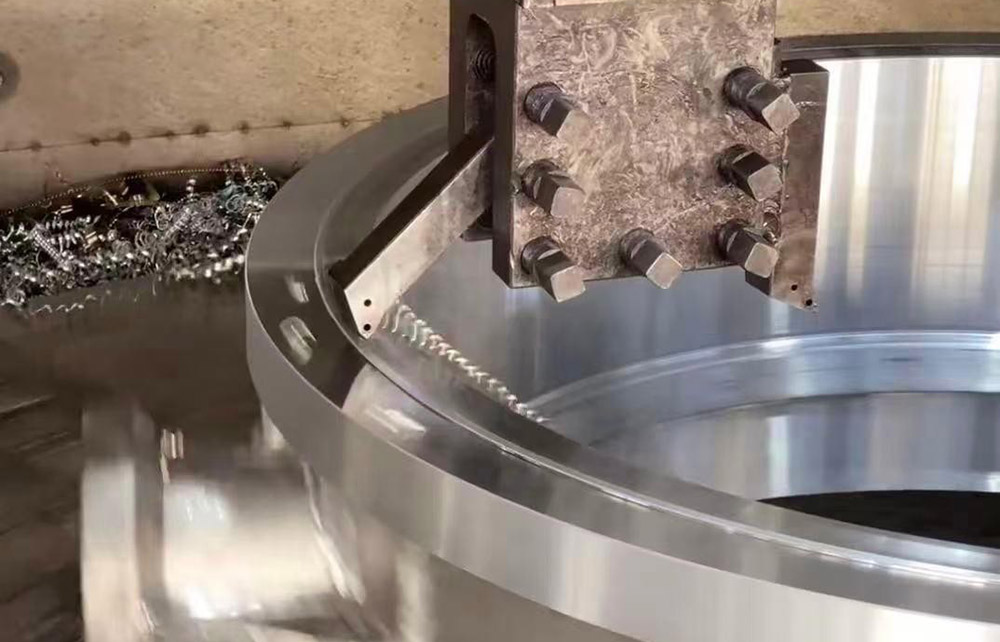
Our production departments schedule operations in accordance with ISO-9001 quality management guidelines. Supported by over 30 dedicated machining lines and automated assembly stations, we secure prompt deliveries to maintain customer schedules.
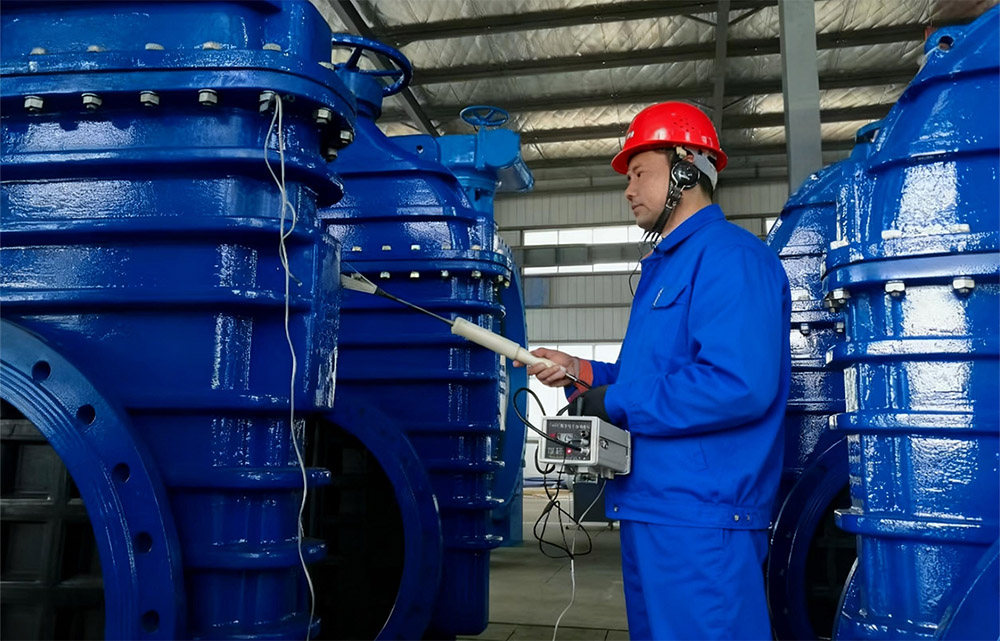
Our inspection team performs 100% pressure and functional testing on all finished items. In accordance with international testing protocols, we check appearance dimensions, sealing characteristics, and structural wall thicknesses to ensure compliance.
A closer look at the materials, mechanical design, and engineering parameters that define high-performance check valves.
Custom hydraulic check valves must perform reliably under shifting dynamic pressures. In pilot-to-open variants, the pilot area ratio dictates the pressure required to release the locked fluid. Standard ratios of 3:1 or 4:1 suit most industrial equipment, while heavier construction setups may demand specialized 5:1 or 8:1 ratios to counter decompression shocks.
Our engineering team adjusts the spring rates to achieve precise cracking pressures (ranging from 0.5 bar to 10 bar). For low-temperature or high-altitude operations, we configure specific spring profiles and low-pour point hydraulic media compatibility to avoid valve sticking.
The seat-to-poppet interface represents the primary wear point in hydraulic valves. We address seal degradation through the use of hardened carbon steel poppets, heat-treated alloy housings, and optional ceramic ball seats to counter fluid abrasion.
For sealing systems operating under aggressive chemical exposures, we supply premium FKM, PTFE, or custom EPDM formulations. These seals are engineered to maintain mechanical flexibility and resist extrusion under high pressure.
Reviewing our global application track record across municipal, marine, gas, and chemical infrastructure projects.
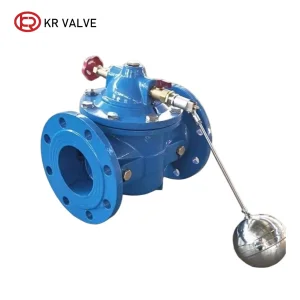
KR supplied a range of water control valves to support municipal flow control requirements for a hydroelectric dam project in Chile.
Delivered large-diameter butterfly and check valve assemblies for municipal water distribution facilities in Italy.
Engineered corrosion-resistant gate and butterfly valves for a waste treatment facility in Indonesia.
Supplied custom PTFE-lined valves to resist acid and base chemical components in southern Vietnam.
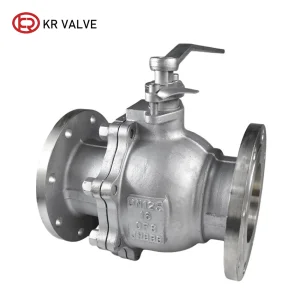
Configured high-pressure ball and gate valves to operate reliably in low-temperature conditions for natural gas pipeline stations.
Supplied automated water control and check valves to support municipal waste processing infrastructure in Brazil.
A look at our design processes, computer-controlled machining setups, and testing labs.
Technical answers to common engineering and procurement questions about check valves.
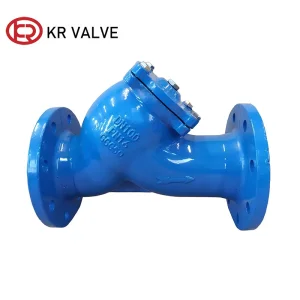
Browse our additional valve offerings, including gate valves, Y-strainers, and double eccentric control solutions.
A comprehensive overview of the design systems and materials used across our valve series.
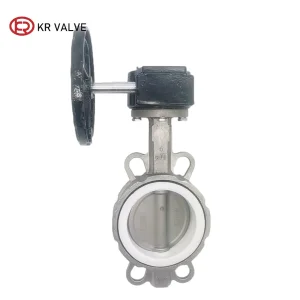
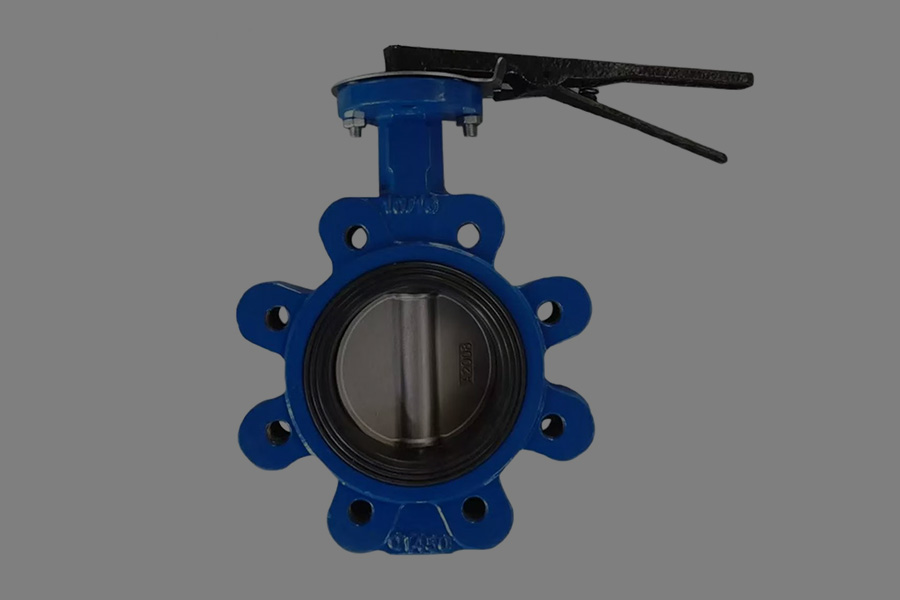
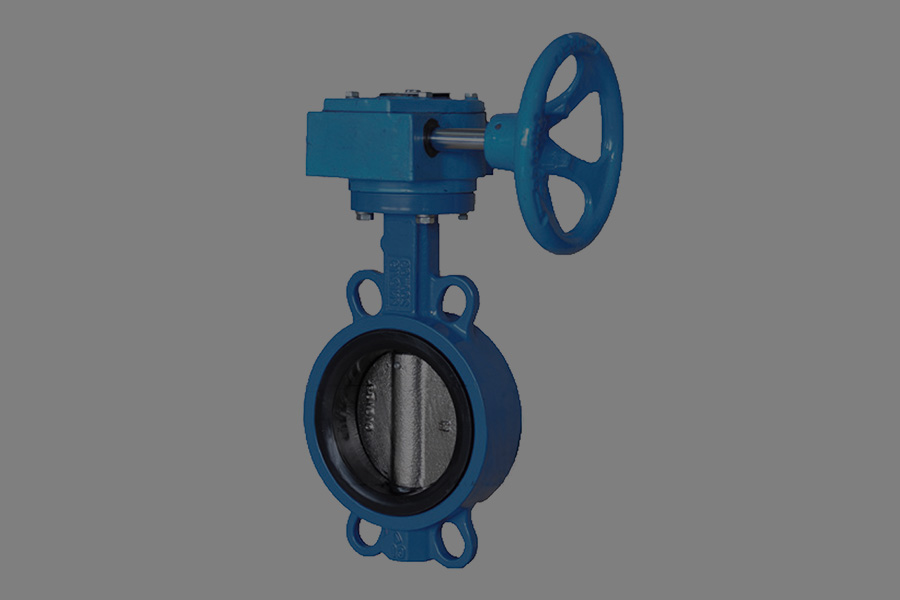
Configured with hand levers or gear operators, available with concentric EPDM seats or robust double eccentric designs. Options include full PTFE linings to handle aggressive processing chemicals.
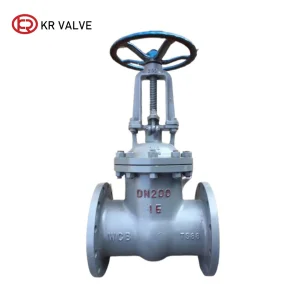
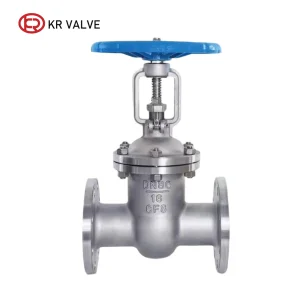
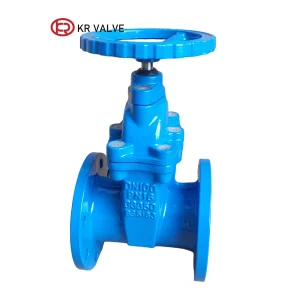
Available in rising stem and non-rising configurations. Standard designs utilize durable EPDM resilient seats, meeting BS5163 and DIN F5 dimensions to simplify line replacement.
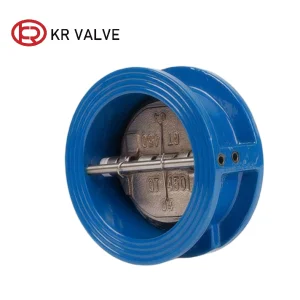
Includes dual-plate wafer non-return designs and ball check valves. These systems prevent high-pressure backflow, safeguarding pumping equipment and municipal transmission systems.
 KR VAVLE