Explore our highly engineered OEM and custom valve systems, trusted by global procurement networks.
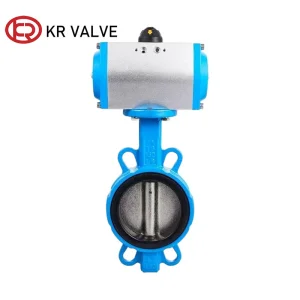
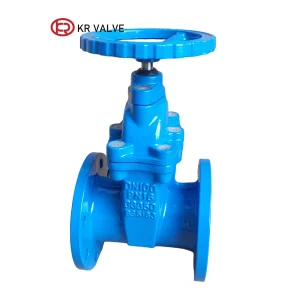
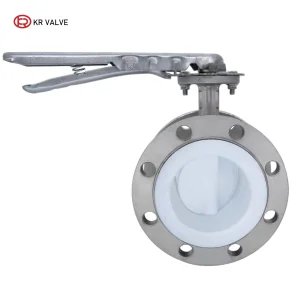
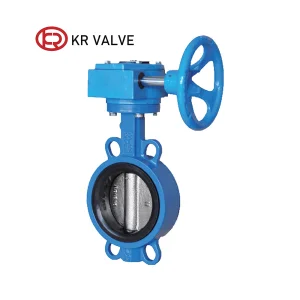
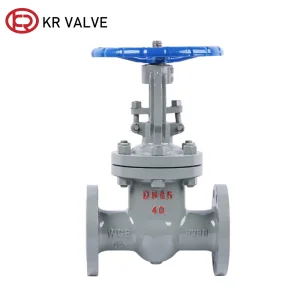
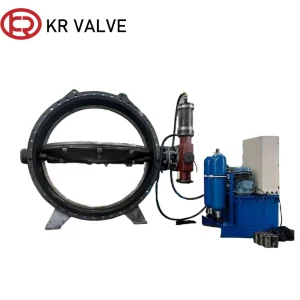
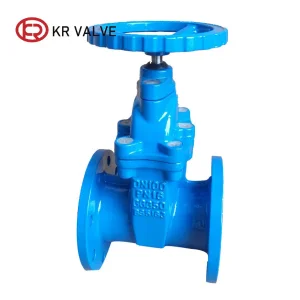
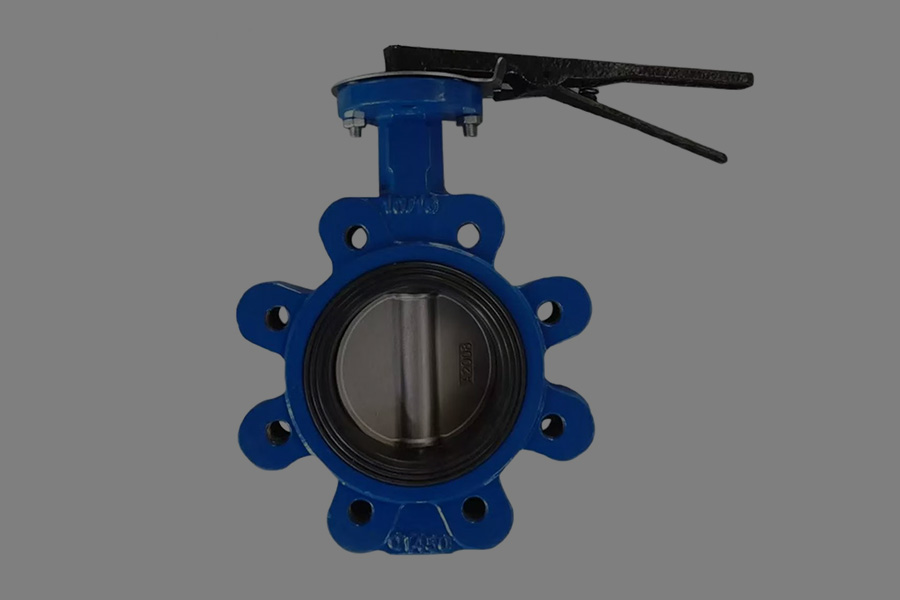
In the modern process industries, precision, reliability, and ease of maintenance are paramount. The Butterfly Lug Valve represents a cornerstone technology in fluid dynamics control. Unlike standard wafer-style valves, the lug pattern features threaded metal inserts (lugs) surrounding the valve body, corresponding directly to flange bolt patterns. This unique structural configuration allows the valve to be securely bolted to each flange independently, facilitating down-stream piping maintenance and enabling dead-end service without systemic depressurization.
Currently, the global industrial valve market is experiencing a massive technological shift. Industries such as municipal water treatment, petrochemical processing, maritime operations, and district heating require solutions that withstand high pressure, corrosive media, and extreme thermal ranges. As a result, the demand for Custom Valve Butterfly Lug Suppliers & Factories has surged, driven by the need for bespoke material metallurgy, advanced elastomer profiles, and integrated smart actuation interfaces.
From the industrial zones of Europe to the sprawling infrastructure expansions in the Asia-Pacific region, the lug butterfly valve is chosen for its compact, lightweight profile compared to traditional gate and ball valves. It drastically minimizes structural load, reduces installation costs, and delivers a superior bi-directional bubble-tight seal. KR Valve Group stands at the forefront of this industrial demand, designing custom-fit products that handle aggressive media, extreme cycles, and strict environmental compliance.
The driving factors behind next-generation flow control technologies.
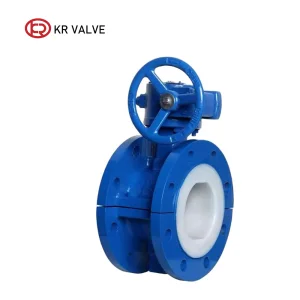
For chemical manufacturing and corrosive applications, standard metals are insufficient. There is a robust trend toward full PTFE, TFM, and PFA-lined butterfly valves. These polymers prevent chemical degradation of the valve body and maintain pure, uncontaminated process lines.
Modern high-pressure steam, oil, and gas systems require double and triple offset geometries. By offsetting the shaft from the sealing centerline, friction is virtually eliminated during opening and closing cycles, reducing valve seat wear and lowering operating torque.
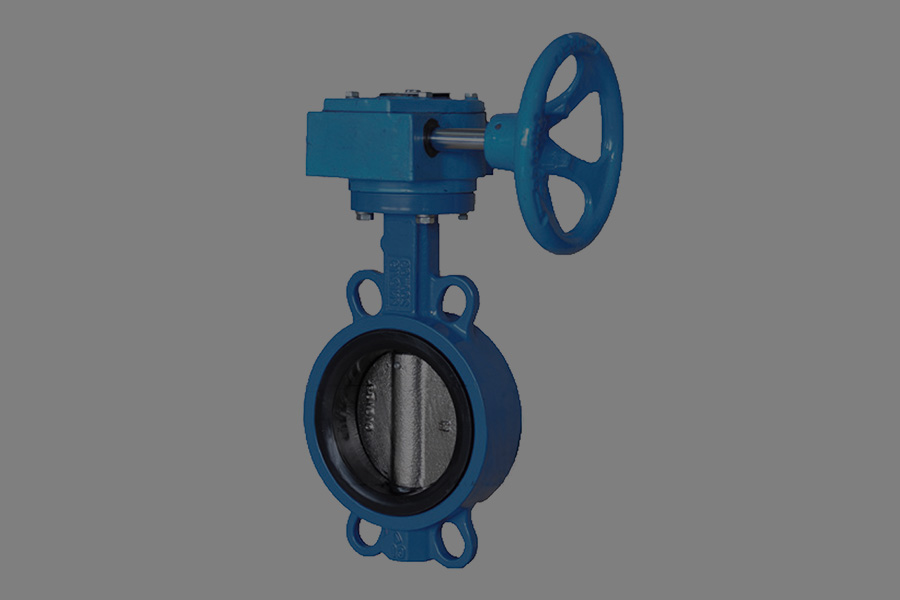
Industrial automation drives the shift from manual gear operation to intelligent pneumatic and electric actuation. Integrating smart positioners with digital communication protocols (HART, Profibus, Modbus) permits real-time diagnostic reporting and predictive maintenance.
Choosing the correct valve configuration is a safety-critical engineering decision. Below, we compare the fundamental differences between Wafer and Lug design patterns to assist procurement and mechanical design teams in making informed decisions.
| Feature Parameter | Wafer Butterfly Valves | Lug Butterfly Valves |
|---|---|---|
| Structural Mounting | Clamped between two pipe flanges using long stud bolts that span the entire body. | Bolted directly to flanges via independent threaded lugs integrated into the body. |
| Dead-End Service | Not recommended. Removing downstream piping causes the valve to fail and release pressure. | Highly recommended. Upstream pressure remains safely contained when downstream piping is removed. |
| Pressure Rating Limits | Typically lower to medium pressure applications (e.g., PN6, PN10, PN16). | Capable of high pressure ratings including Class 150, Class 300, PN25, and PN40. |
| Material Efficiency | Lighter, uses less body metal. Extremely cost-effective for generic water/utility lines. | Sturdier body structure. Requires robust cast steel or ductile iron processing. |
| Application Scope | Utility lines, HVAC systems, generic gravity drainage flow systems. | Process piping, chemical reactors, high-pressure desalination, oil & gas terminals. |
In custom valve manufacturing, the seal style determines the longevity of the elastomeric or metal seat. Concentric valves are ideal for low-pressure water systems (EPDM/NBR seats). For corrosive media and higher pressures, Double Eccentric and Triple Eccentric Butterfly Valves use a cam-like action where the disc profile lifts off the seat immediately upon opening. This design reduces friction, eliminates premature seat failure, and maintains zero leakage across critical isolation thresholds.
How customized valve configurations address specific global environmental challenges.
Seawater exhibits extreme corrosivity. Standard cast iron valves fail rapidly in marine environments. Custom lug butterfly valves utilized in desalination plants must incorporate Super Duplex SS, Al-Bronze discs, and high-purity rubber elements to resist chloride pitting and galvanic corrosion.
Large municipal heating networks require continuous high-temperature water circulation. Metallic seats or specialized high-temp polymers (like PTFE-coated VITON) are engineered to prevent thermal deformation, ensuring reliable long-term shutoff in high-traffic lines.
In chemical manufacturing plants, pipelines handle hazardous acids, bases, and volatile compounds. Full PTFE lining inside a carbon steel or CF8 stainless steel body provides absolute resistance against chemical attack, reducing emissions and protecting field personnel.
KR Valve Group combines advanced digital design, automated production, and rigorous physical testing to ensure zero-leakage performance.
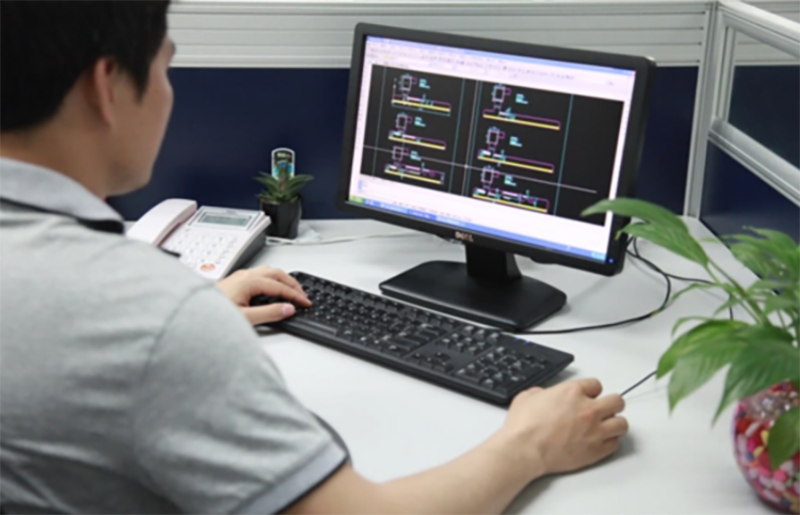
Our in-house R&D department utilizes FEA (Finite Element Analysis) and CFD (Computational Fluid Dynamics) to simulate stress concentrations and fluid velocity profiles, optimizing disk geometries for maximum flow coefficients ($C_v$) and minimal torque.
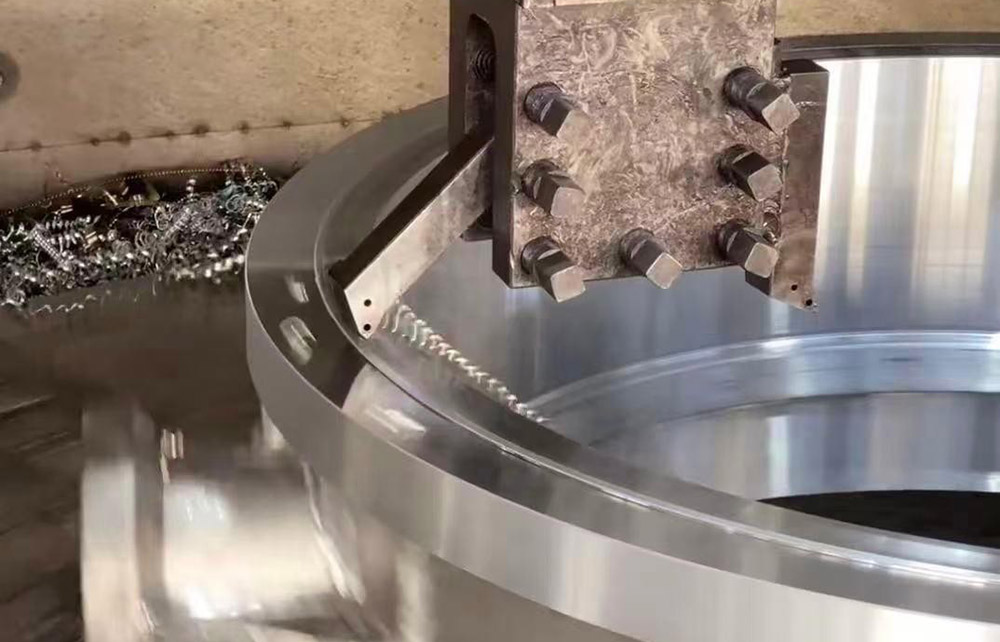
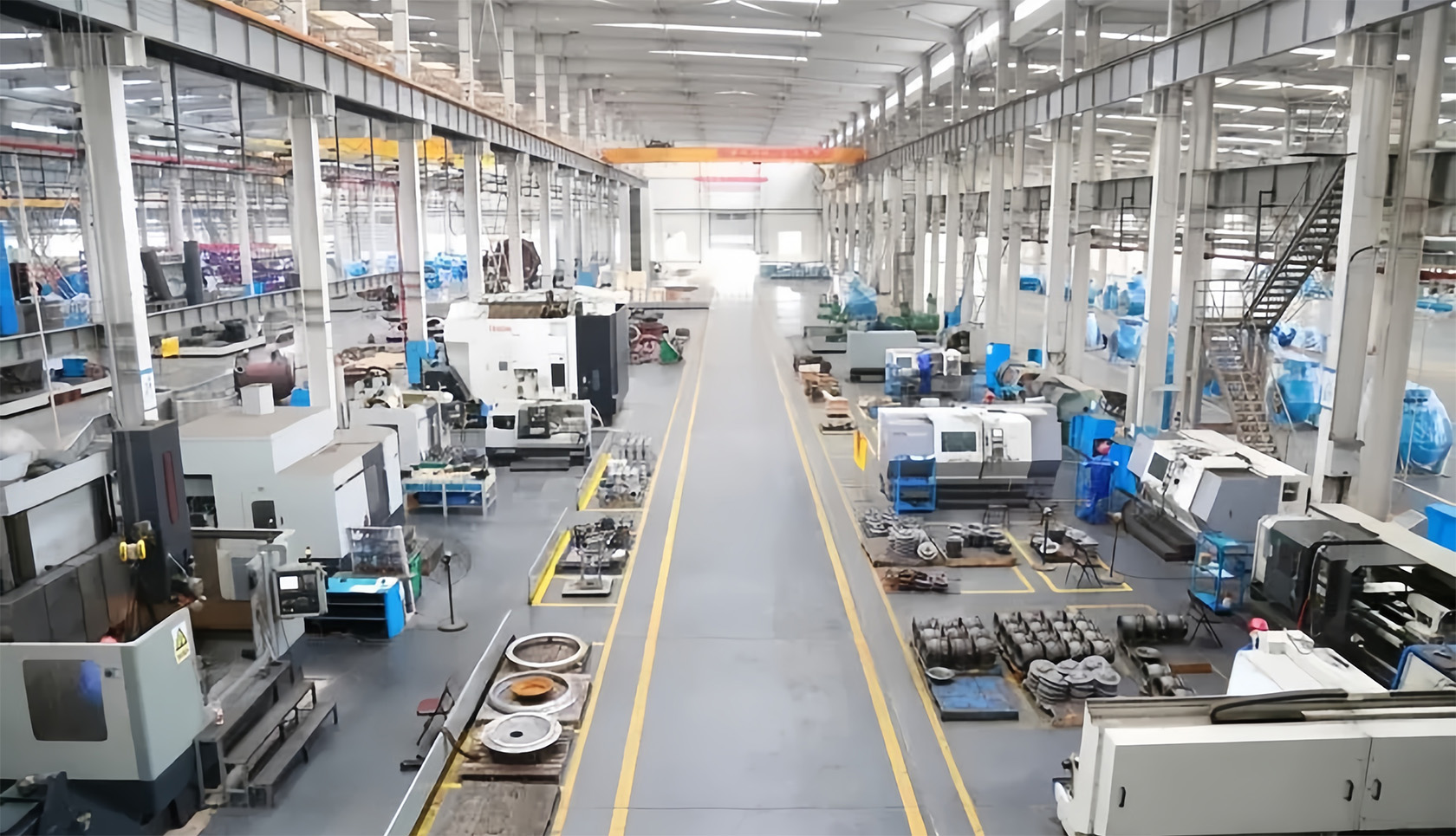
Operating over 30 modern machining complexes (including high-precision CNC mills and automated assembly stations), KR Valve processes a wide range of materials under strict ISO-9001 quality system guidelines to ensure consistent dimension tolerances.
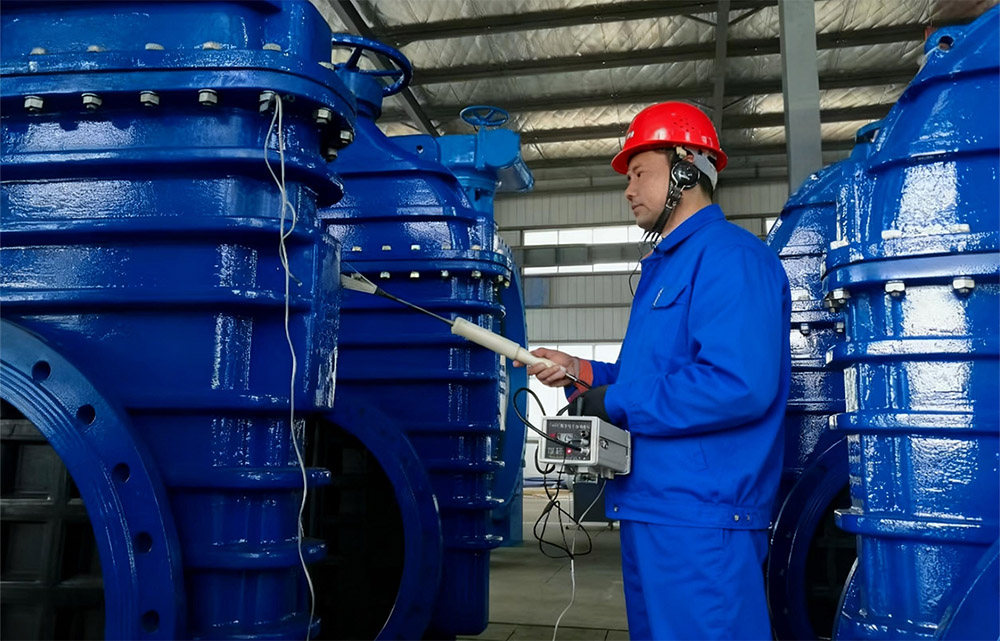
Our Quality Inspection Department enforces a "Zero Leakage" standard. Every valve undergoes hydrostatic and pneumatic pressure testing according to international standards (API 598, EN 12266-1) prior to shipment clearance.
KR Valve is dedicated to creating long-term, mutually beneficial partnerships with global distributors, EPC contractors, and end-users. We offer professional pre-sales consulting, technical submittal generation, and comprehensive after-sales service support.
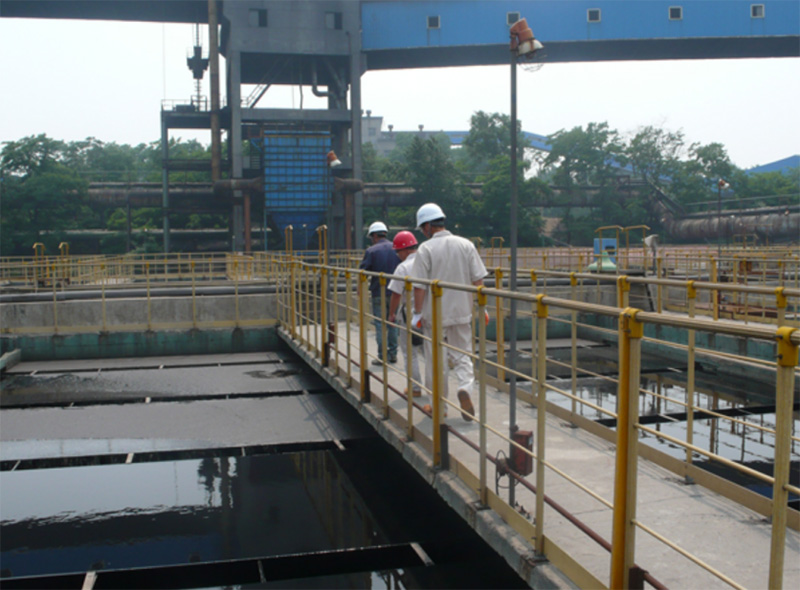
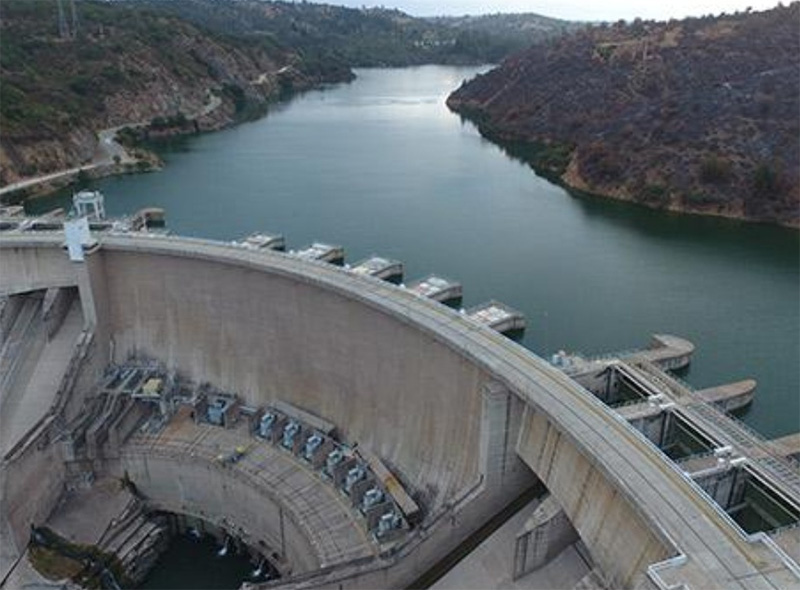
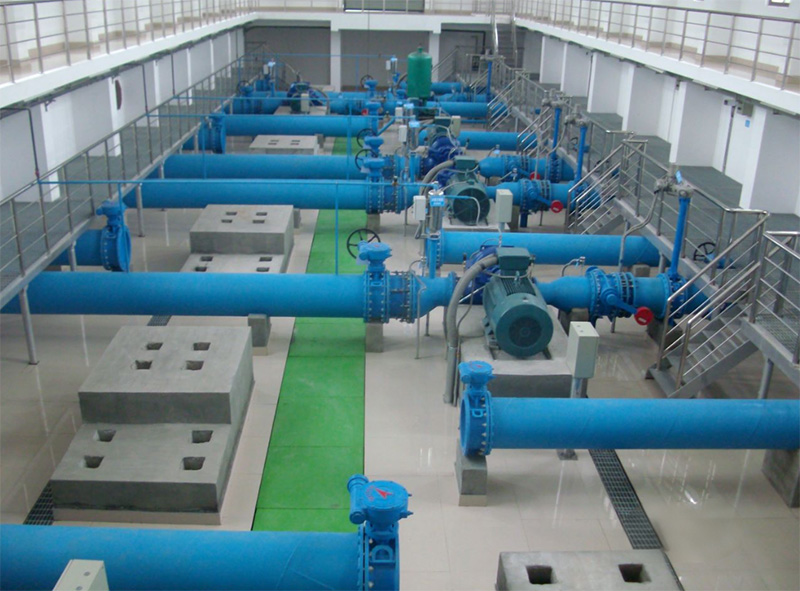
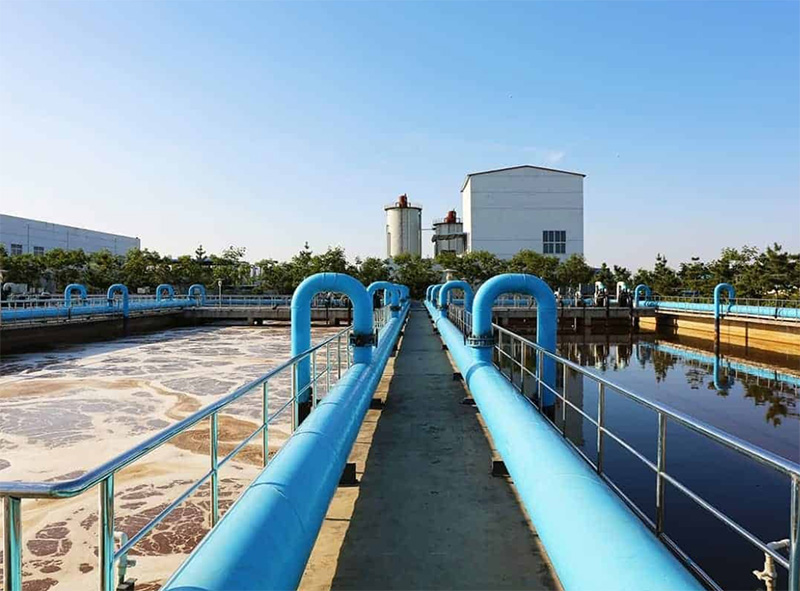
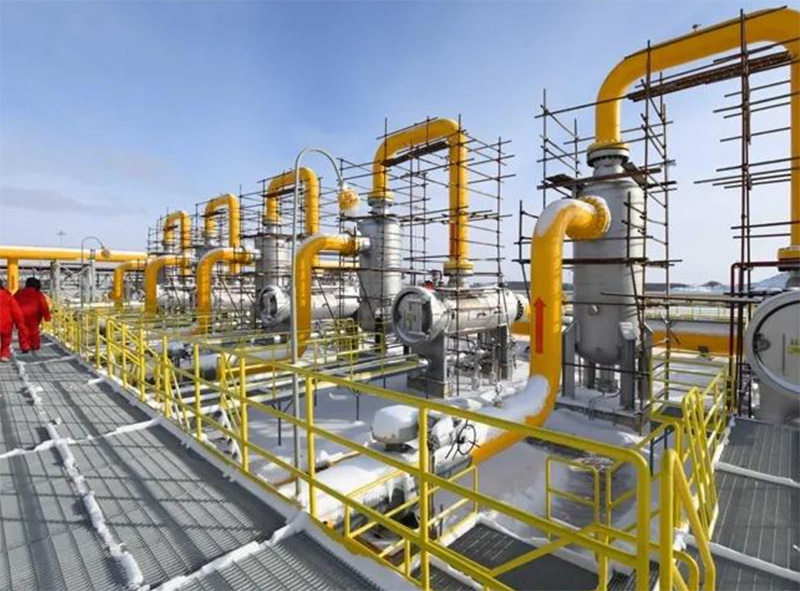
KR Valve systems are trusted in critical infrastructure projects, from heavy-duty wastewater treatment plants to high-pressure natural gas lines.
The industrial landscape demands smarter, safer, and cleaner solutions. In alignment with global decarbonization goals, KR Valve Group has established a dynamic technology roadmap aiming for the integration of physical mechanics with digital analytics.
Stringent environmental regulations demand zero-leakage profiles not only through the pipeline but also through the packing gland. Future iterations of our lug butterfly valves incorporate ISO 15848 certified fugitive emissions packing designs, preventing any chemical venting to the atmosphere.
Integrating piezoresistive pressure sensors and electromagnetic position transmitters directly onto the valve body allows localized systems to report real-time valve state data. By analyzing operational torque deviations, plant operators can identify seat wear before a shutdown is required.
As hydrogen emerges as a mainstream energy vector, traditional steel alloys run the risk of hydrogen embrittlement. KR Valve is actively researching high-nickel alloy castings and specialized coating deposits to prevent gas micro-permeation through the seat interface.
Answers to critical engineering and procurement inquiries.
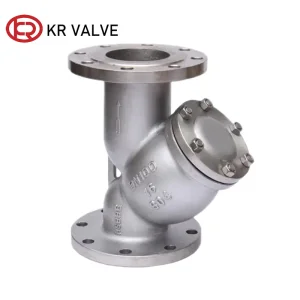
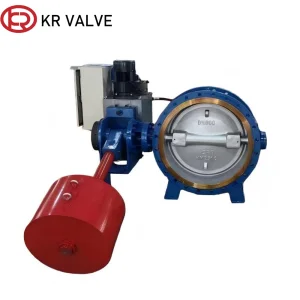
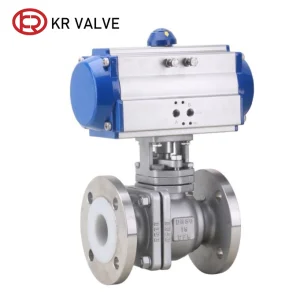
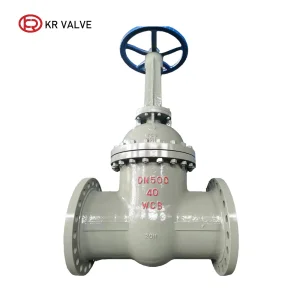
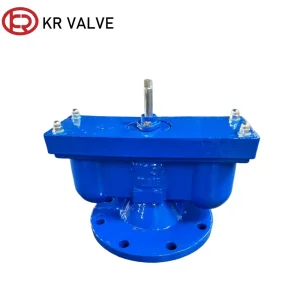
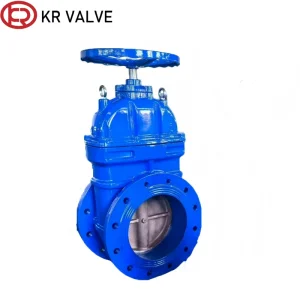
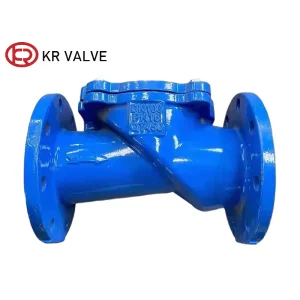
Expand your project integration with our comprehensive line of strainers, check valves, and lined configurations.
 KR VAVLE