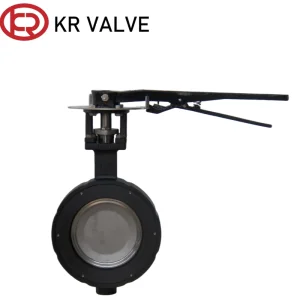
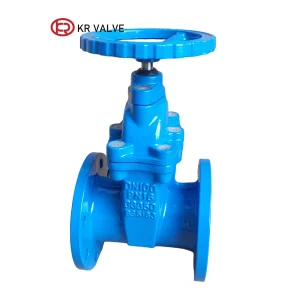
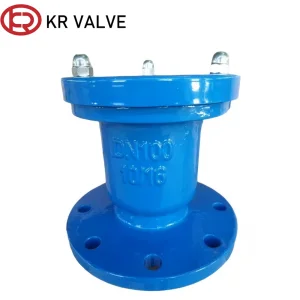
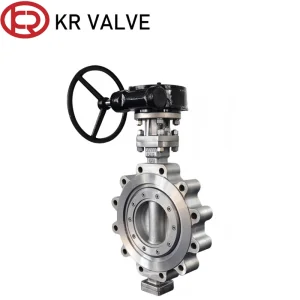
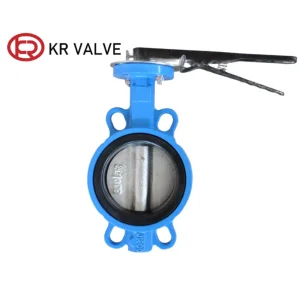
In modern fluid mechanics, minimizing footprint, reducing weight, and preventing fluid backflow are crucial parameters. Wafer Non-Return Valves (commonly referred to as wafer check valves) represent the pinnacle of streamlined safety in pipeline integrity. By fitting compactly between standard flanges, these systems drastically limit space requirements compared to heavy traditional flanged swing valves. Currently, global industrial demands for energy-efficient water transportation, high-temperature chemical refinement, HVAC loop stability, and municipal wastewater processing drive the technical evolutions of check valve systems.
As a prominent OEM Non-Return Valve Wafer Manufacturer & Factory, KR Valve Group integrates state-of-the-art metallurgy with CAD/CAE modeling to meet these demands. Operating across major global supply lines, we provide standard and custom configurations optimized to eliminate hydraulic shock—specifically the destructive "water hammer" effect—which poses immense risk to piping structures, pumps, and downline instruments. Our wafer designs boast a optimized flow coefficient (Cv) that reduces drag and system pressure drops, translating to direct energy savings over decades of system operations.
Our dedicated in-house research and development division guarantees continuous engineering innovation. Technicians leverage computational fluid dynamics (CFD) simulation modeling software to study turbulent flow regimes, minimizing backpressure and maximize sealing lifespan. The engineering laboratory offers modernization testing parameters, pushing our 20 proprietary series beyond average operating expectations.
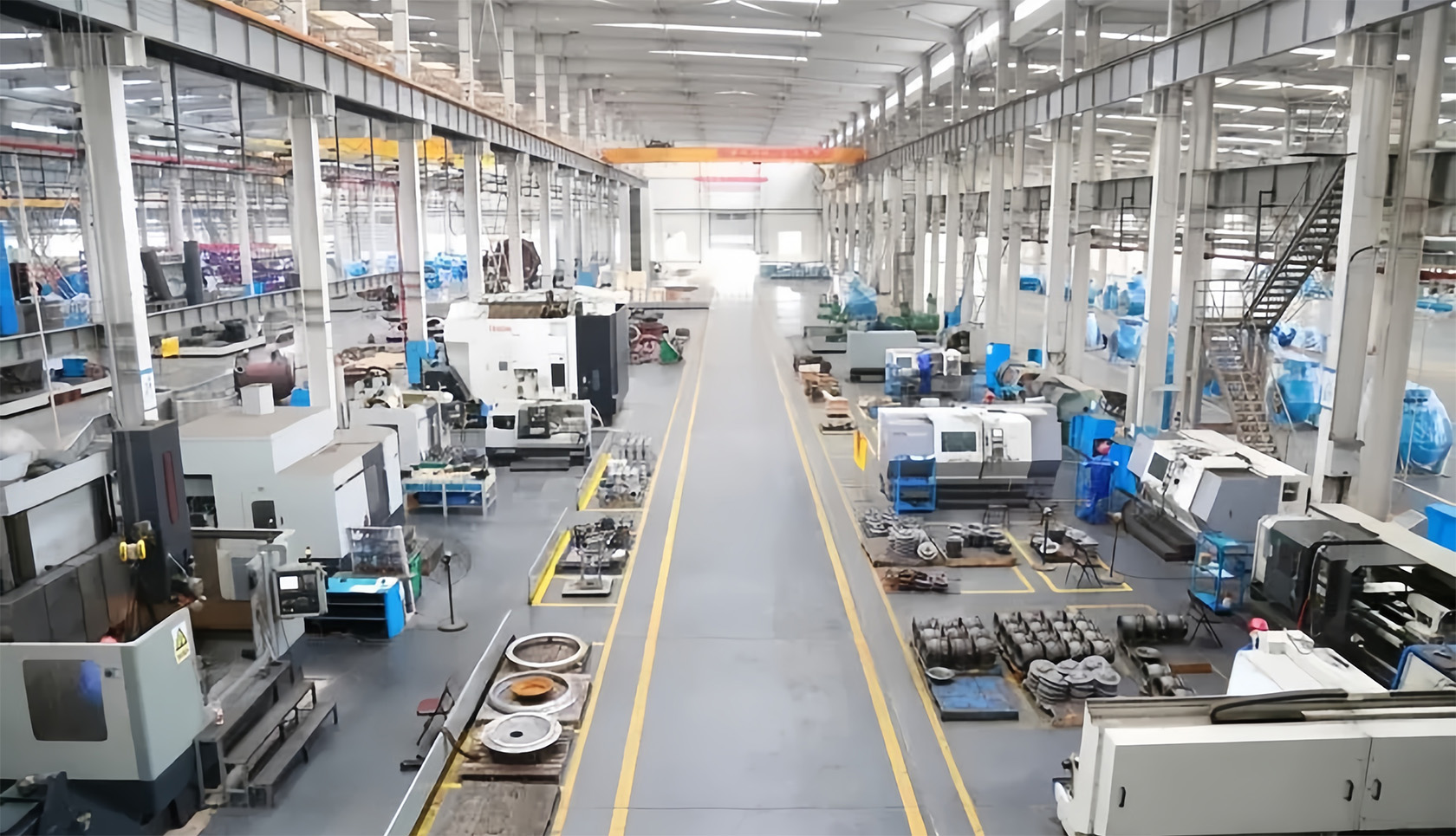
Equipped with 15 heavy-duty precision machining tools and specialized horizontal production assembly lines, KR manages capacity demands effortlessly. All production schedules strictly comply with ISO 9001 quality management guidelines. To support short lead times, inventory registers are dynamically audited monthly, keeping materials like WCB carbon steel, SS304/SS316, and ductile iron at ready-to-cast levels.
Quality control at KR is absolute. Operating on a strict zero-leakage benchmark, the inspection office executes high-pressure hydrostatic testing, seat resilience evaluations, and shell integrity analyses conforming to API 598 and European EN 12266 requirements. Dimensions, thickness, and tolerances are physically verified and detailed inside a formal compliance packet.
Understanding the subtle design differentials of wafer check valve options is key to correct pipeline specification. B2B fluid engineers select wafer structures depending on medium viscosity, system pressure dynamics, and installation configurations.
| Feature Parameter | Dual Plate Wafer Check Valve | Single Plate Swing Wafer Check Valve | Spring-Assisted Inline Wafer Check Valve |
|---|---|---|---|
| Sealing Principle | Twin semi-circular plates pivoting on a central hinge pin. | Single solid circular disc swinging about a top hinge. | Spring-loaded disc reciprocating on a central shaft axis. |
| Cracking Pressure | Extremely low (often < 0.05 Bar). | Low to moderate (relies on medium gravity/flow rate). | Medium to high (adjustable spring rate options). |
| Water Hammer Protection | Excellent; spring-loaded plates close before flow reverses. | Moderate; potential for disc slam in rapid flow shutdowns. | Superior; spring closes valve disc instantly at zero flow. |
| Suitable Mediums | Clean water, oils, non-viscous chemicals. | Wastewater, slurries, mild solids (with robust swing space). | Steam, process water, high-pressure gas. |
| Standard Conformances | API 594, ASME B16.34, EN 12266. | ASME B16.34, API 598. | API 594, DIN EN 558. |
Dual Plate design: The dual-plate configuration is highly recommended for critical municipal and chemical infrastructure. The spring force closes the plates exactly when fluid velocity drops to zero, preventing reverse fluid acceleration and eliminating slam dynamics. Single Plate design: When space between flanges is extremely narrow, the single-plate wafer valve offers a robust, highly cost-effective, and low-maintenance alternative, especially when processing heavier liquids.
Deploying engineered flow control configurations across major global infrastructure frameworks requires deep regional certification competency and design reliability.
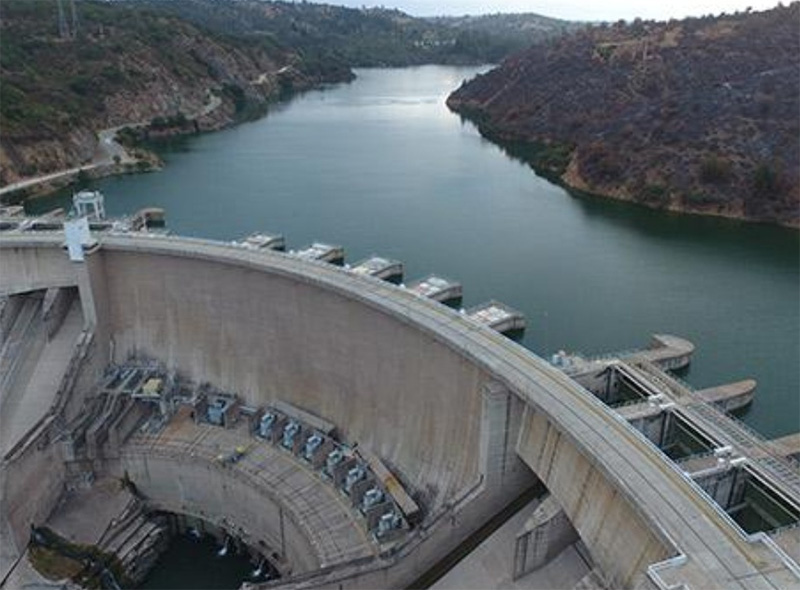
Supplied standard and high-durability pressure control and non-return valves to handle extreme pressure fluctuations in mountainous reservoir dams in Chile.
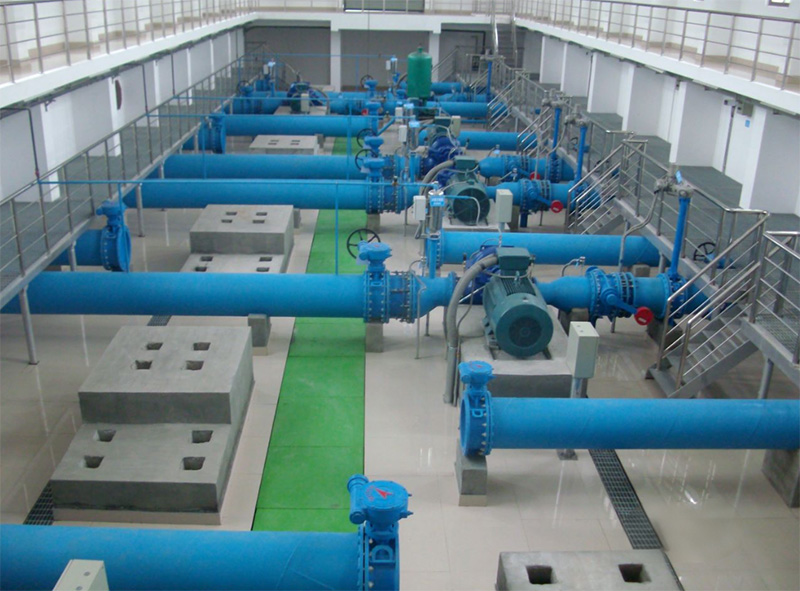
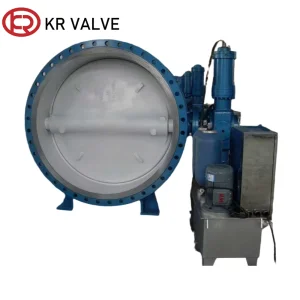
Delivered high-volume wafer check and butterfly valves up to DN1200 sizes, ensuring compliance with strict EN quality standards in Italy's municipal grids.
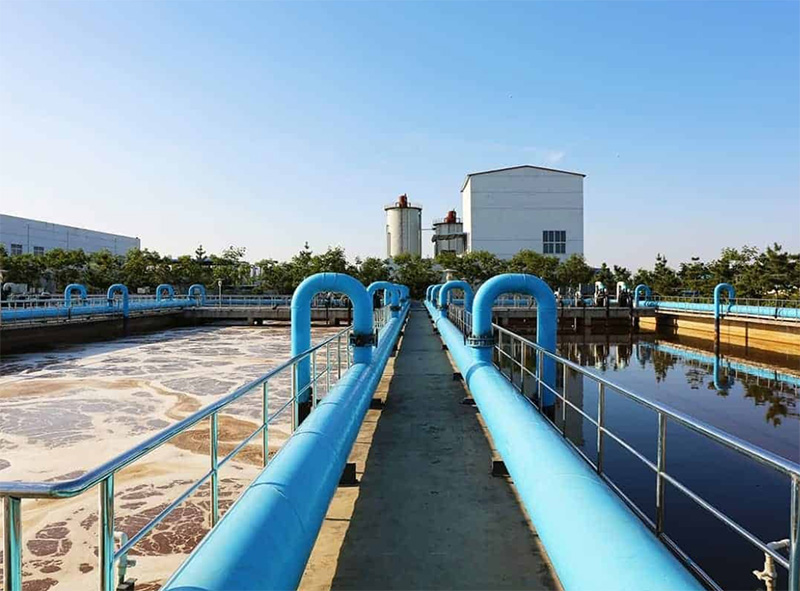
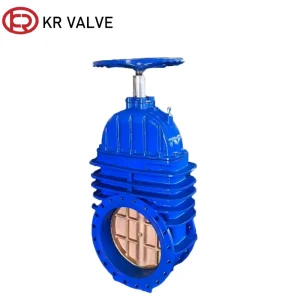
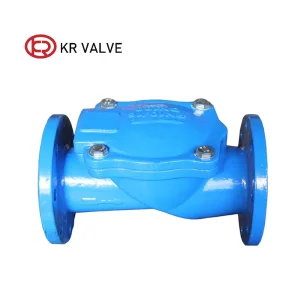
Engineered custom cast-iron rubber flap and gate valve solutions configured for highly corrosive wastewater and high-slurry flow loops.
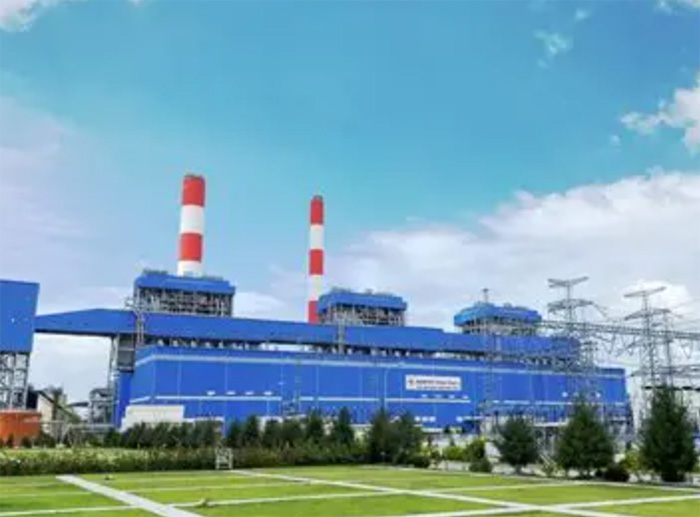
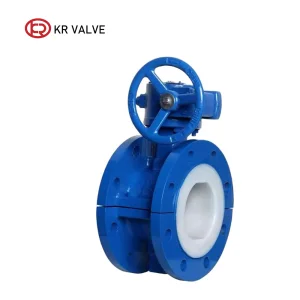
Furnished full PTFE-lined concentric systems and SS316 non-return valves to handle chemical process runs containing concentrated acids.
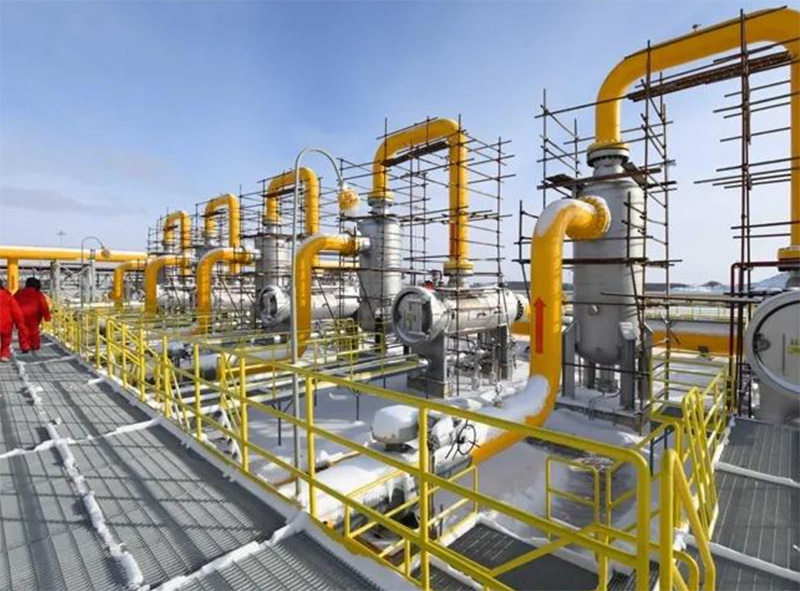
High-pressure metal-seated gate and non-return valves engineered to operate down to -40°C environment temperatures for transmission grids.
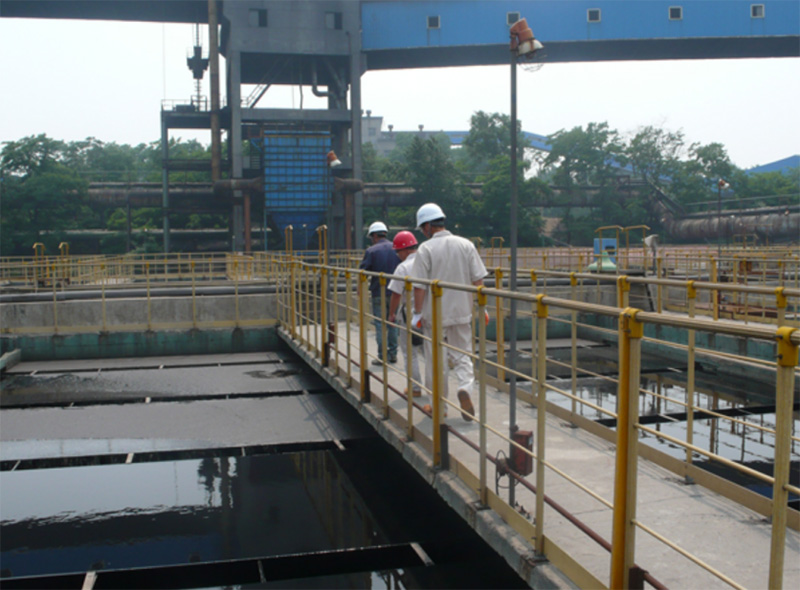
Optimized municipal biological treatment ponds through high-performance check valves with NBR and EPDM soft sealing elements.
In global commercial piping, specifying the correct metallurgy for the valve disc, body, hinge pins, and seat materials is critical. KR Valve Group offers comprehensive OEM customization options to ensure long-term performance:
Body Materials: We cast bodies using Grey Cast Iron (GG25) for basic, non-corrosive water loops, and Ductile Iron (GGG40/50, ASTM A536) to manage high pressure cycles and mechanical shocks. For chemical, corrosive, or marine environments, we recommend Carbon Steel (WCB, ASTM A216) or Cast Stainless Steel (CF8/CF8M, ASTM A351) for optimal structural integrity.
Seating Systems: Resilient soft seats utilizing NBR, EPDM, or Viton (FKM) ensure zero leakage in low-to-medium temperature clean water. For high-pressure steam, thermal fluids, and oil processing, metal-to-metal seating using hard-faced stainless steel (e.g. Stellited surface overlays) is utilized to resist cavitation, high heat, and erosion.
Spring Mechanism: Dual-plate wafer valves employ heavy-duty Inconel X-750 or SS316 springs to maintain fast closure speeds, eliminating flow reversal slam before fluid velocities can run backwards.
Industrial fluid flow networks are transitioning toward digitalization. KR Valve Group is designing next-generation products to support smart grids and eco-friendly flow architectures.
We are developing wafer non-return designs equipped with micro-differential pressure transmitters and acoustic vibration sensors. These modules monitor real-time flow rate, scaling build-up, and seal wear to predict maintenance cycles, preventing unexpected pipeline shutdowns.
To combat corrosive chemicals and extreme flow velocities, our metallurgical lab is testing nano-engineered, low-friction PTFE and carbon-filled composite seats. These materials enhance sealing life by up to 200% under high-cycle conditions.
We are transitioning our casting lines to electric induction melting and implementing sand mold recycling protocols, significantly reducing the carbon footprint of each cast valve body. This alignment supports our global partners' green supply chain initiatives.
Professional technical answers for project engineers, procurement managers, and valve distributors.
Wafer non-return valves feature a compact, lightweight body design that fits directly between pipe flanges. This reduces the face-to-face dimensions and weight by up to 80% compared to standard swing-type flanged check valves. It simplifies installation, lowers shipping costs, and reduces the structural support load required on the pipeline layout.
Cracking pressure is the minimum upstream fluid pressure required to lift the disc or plate off the valve seat and allow flow to pass. For dual-plate check valves, the cracking pressure is typically very low, allowing the valve to operate in low-head systems. However, in applications with potential backflow or vertical pipelines, a stronger spring is utilized to ensure the valve closes before backflow begins.
For corrosive chemicals, full PTFE-lined bodies or stainless steel (CF8M) bodies paired with Viton (FKM) or PTFE seat rings are recommended. If the temperature exceeds 200°C, a metal-to-metal seat using SS316 with Stellited seat faces should be selected to resist erosion and seal degradation.
Yes, they can be installed vertically, provided the pipeline flow direction is upward. In upward vertical flow, gravity and backpressure assist the spring in closing the plates tightly. Horizontal installation is also standard, but vertical downward flow is not recommended, as gravity may prevent the plates from sealing reliably.
We conduct 100% pressure, seal, and shell testing on every valve according to API 598 standards before it leaves our facility. Additionally, we provide material test reports (MTRs) and coordinate with third-party testing agencies (like SGS or TÜV) to confirm compliance with global standards, ensuring quality assurance for municipal, power, and chemical infrastructure projects.
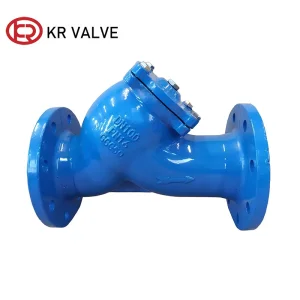
 KR VAVLE