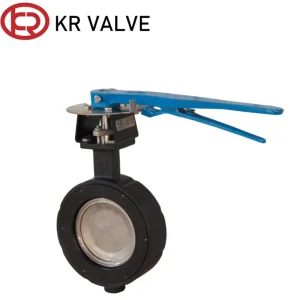
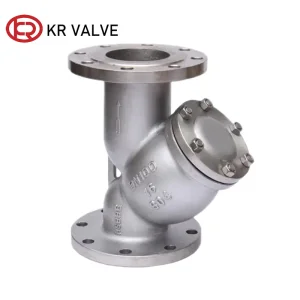
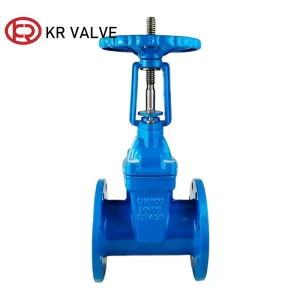
In modern fluid dynamics, control systems require unparalleled reliability and precision. Among the key components that keep pipeline infrastructures secure, check valves stand out as the primary defense against backflow, pressure surges, and process contamination. Specifically, Brass Seal Check Valves have established themselves as an indispensable standard across water distribution, maritime engineering, thermal dynamics, and chemical handling plants.
Unlike standard elastomer or polymer seals that degrade under high thermal stress or oxidative exposure, brass-to-metal seating offers remarkable structural durability, resistance to thermal expansion, and optimal mechanical sealing qualities. Sourcing directly from certified Wholesale Brass Seal Check Valve Suppliers & Factories guarantees that commercial projects have access to materials built to rigorous international compliance and metallurgical standards.
Brass (specifically alloys like CW617N, CZ122, and lead-free configurations) offers excellent machinability and inherent corrosion resistance. By integrating a brass-to-brass or brass-to-bronze sealing face within the valve, manufacturers achieve a tight mechanical fit that is far less susceptible to degradation compared to soft-seated options. In high-cycle applications, elastomeric seals tend to suffer from erosion, vulcanization, and compression set. The brass seal, conversely, undergoes mild surface work-hardening during operation, meaning its sealing capability often improves or maintains consistency over a longer life cycle.
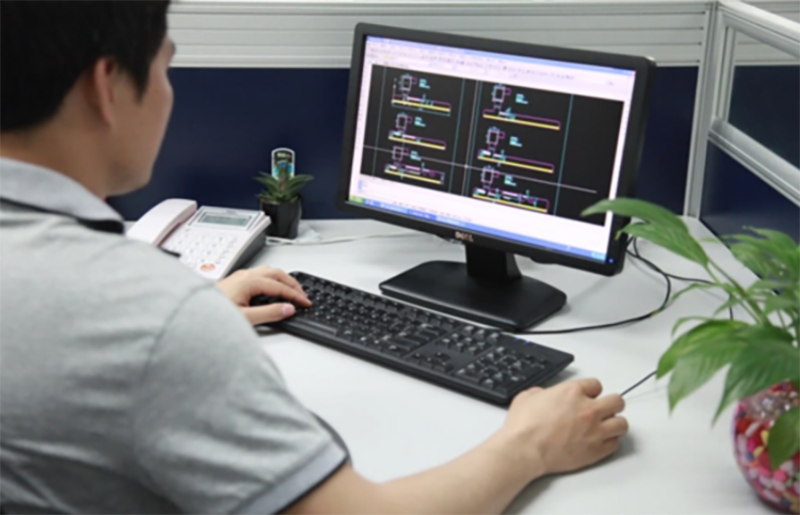
Our dedicated R&D center optimizes fluid dynamics using simulation software to decrease pressure drop, elevate Kv/Cv values, and minimize turbulence across check valve lines.
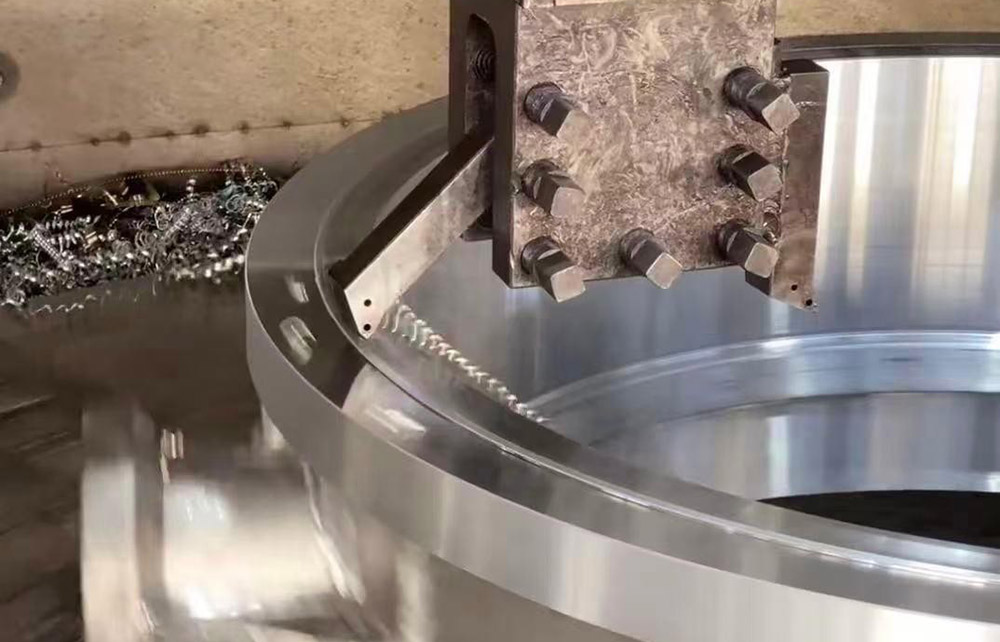
Featuring 15 advanced machining centers and highly skilled personnel, KR Valve produces standardized non-return solutions and high-demand custom valves under strict ISO oversight.
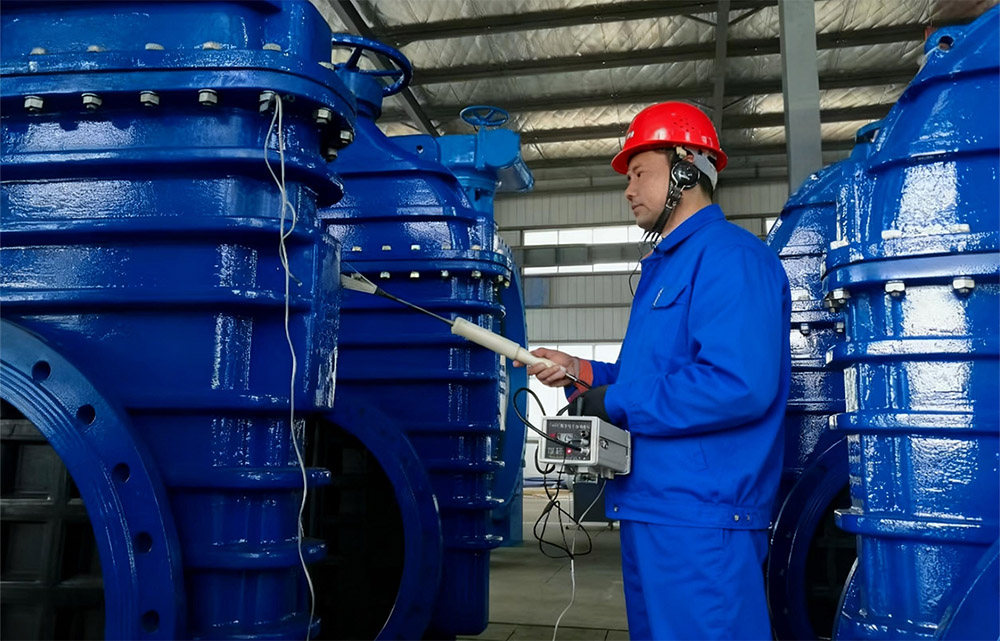
Our quality assurance team implements 100% physical shell tests and seat tightness tests, ensuring our clients receive long-lasting valves that comply with worldwide piping codes.
The global industrial valve market is undergoing major transitions, influenced by regulatory changes, sustainability initiatives, and the demands of automated processes. The following areas highlight why premium brass check valves remain at the heart of industrial procurement strategies:
Across North America and Europe, drinking water safety regulations (such as NSF/ANSI 61 and the European Drinking Water Directive) require a transition toward lead-free or low-lead copper alloys. Leading factories now utilize optimized dezincification-resistant (DZR) brass formulations to prevent heavy metal leaching while ensuring long-term mechanical strength under varying chemical treatments.
Smart buildings and industrial IoT (Internet of Things) require mechanical components to be extremely reliable. A faulty check valve in a closed-loop HVAC or smart metering system can lead to inaccurate sensor data, energy losses, or total pump failures. Brass seal check valves provide the necessary mechanical stability, ensuring consistent cracking pressure with minimal drift over time.
While stainless steel check valves are chosen for extreme corrosive environments, brass represents the ideal trade-off between corrosion resistance and material costs for municipal, domestic heating, and light-chemical applications. Purchasing directly from wholesale suppliers provides large projects with cost savings without sacrificing high metallurgical standards.
| Parameter | Brass Seal Check Valves | Stainless Steel Check Valves | Elastomeric (Soft) Seal Valves |
|---|---|---|---|
| Temperature Range | -20°C to 180°C | -50°C to 250°C+ | -10°C to 90°C |
| Pressure Rating | PN16 / PN25 / Class 150 | PN40 / Class 300+ | PN10 / PN16 |
| Mechanical Wear | Very Low (Self-polishing) | Extremely Low | High (Requires replacement) |
| Procurement Cost | Medium (Highly Economical) | High | Low |
For B2B buyers, EPC contractors, and global distributors, choosing a reliable partner goes beyond finding the lowest per-unit cost. Smart sourcing strategies require evaluating several crucial criteria:
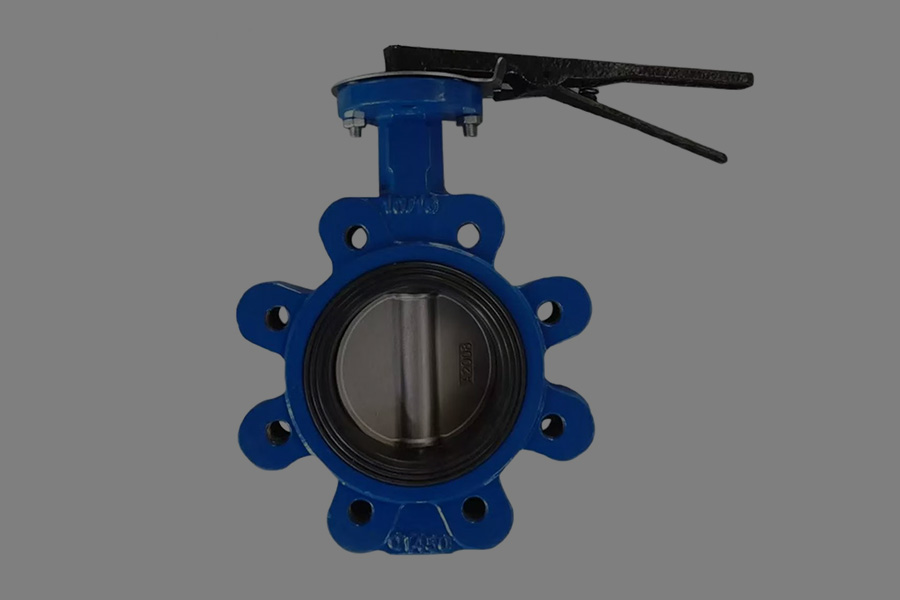
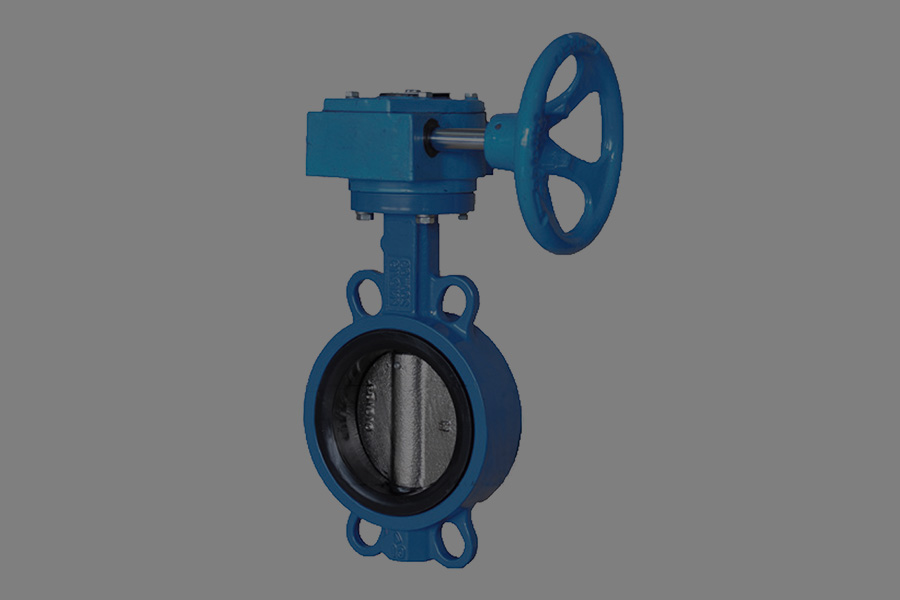
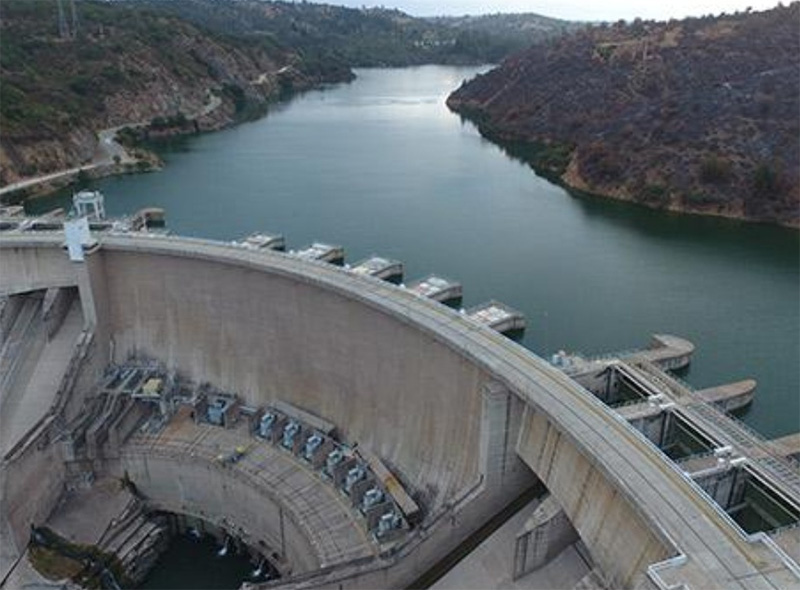
Supplied a range of high-capacity water control and non-return check valves, ensuring system safety during pressure transitions in hydraulic circuits.
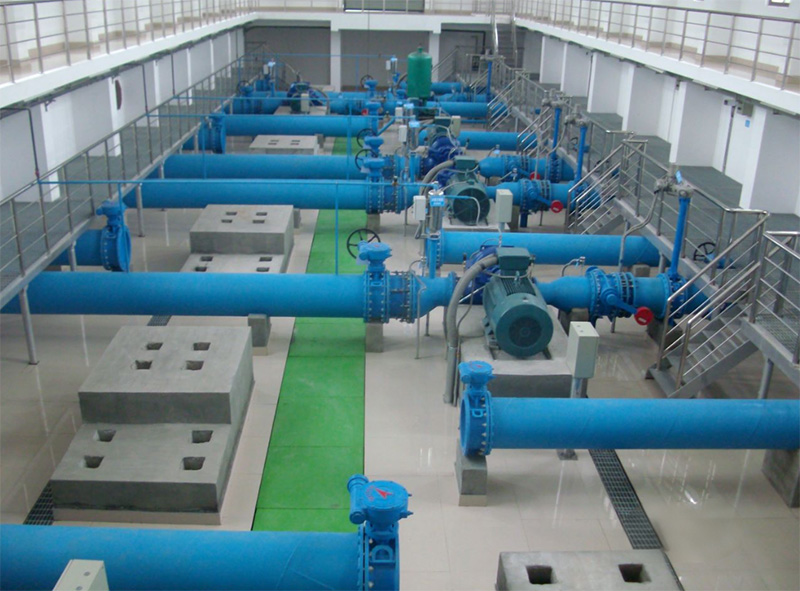
Delivered large-size butterfly and robust check valves, optimizing flow control stability for city-wide potable water distribution networks.
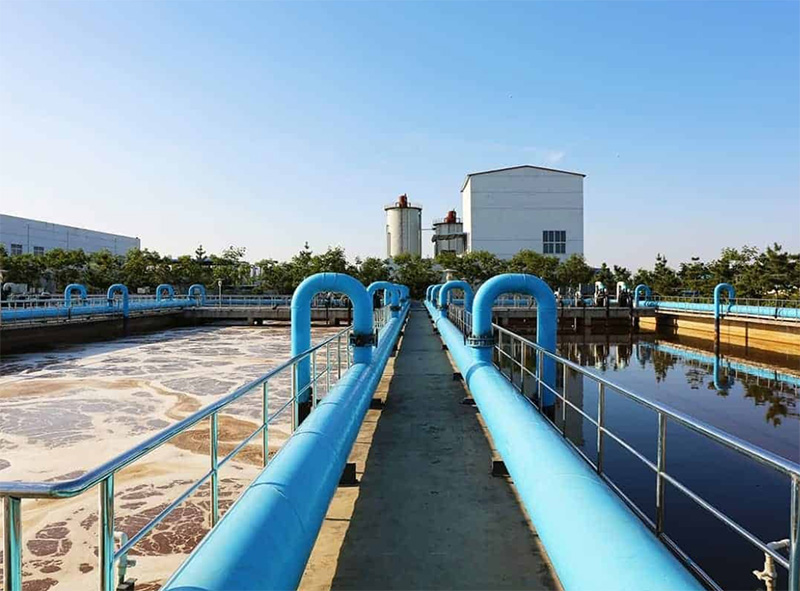
Provided high-performance gate and butterfly valves to handle media with high particulates, ensuring trouble-free flow control.
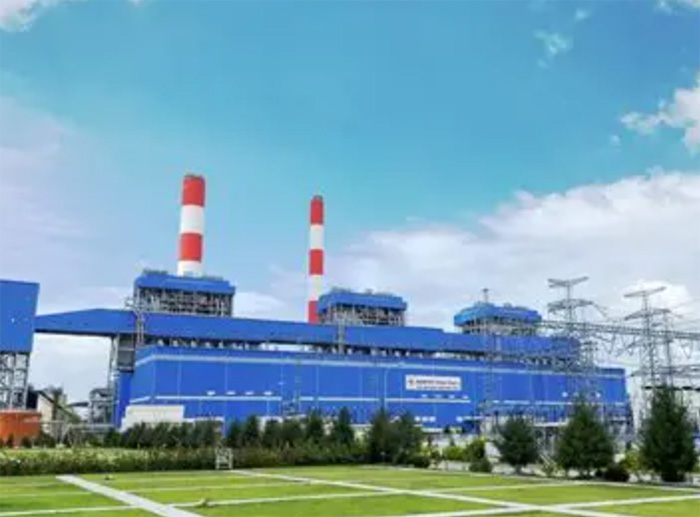
Supplied corrosion-resistant valves and check components, safeguarding sensitive instrumentation from backflow contamination.
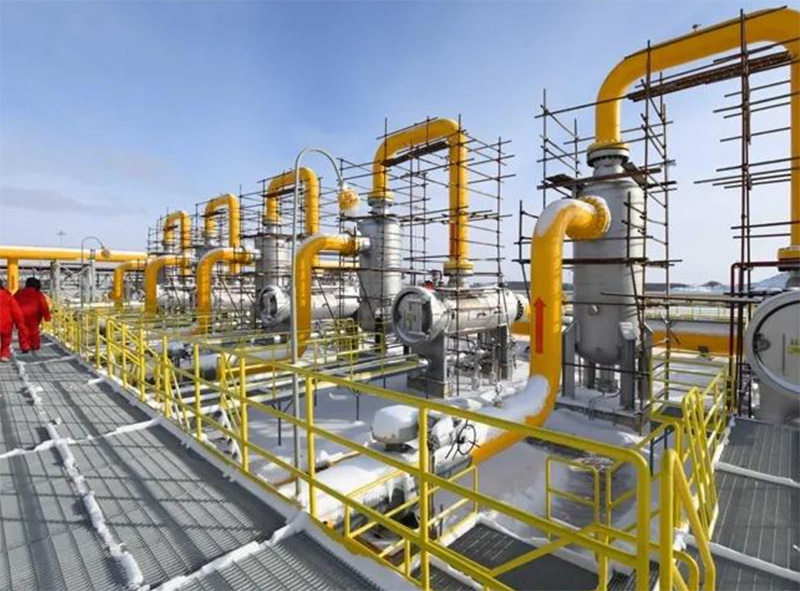
Successfully delivered specialized ball and gate valves to handle sub-zero operational challenges while maintaining tight closures.
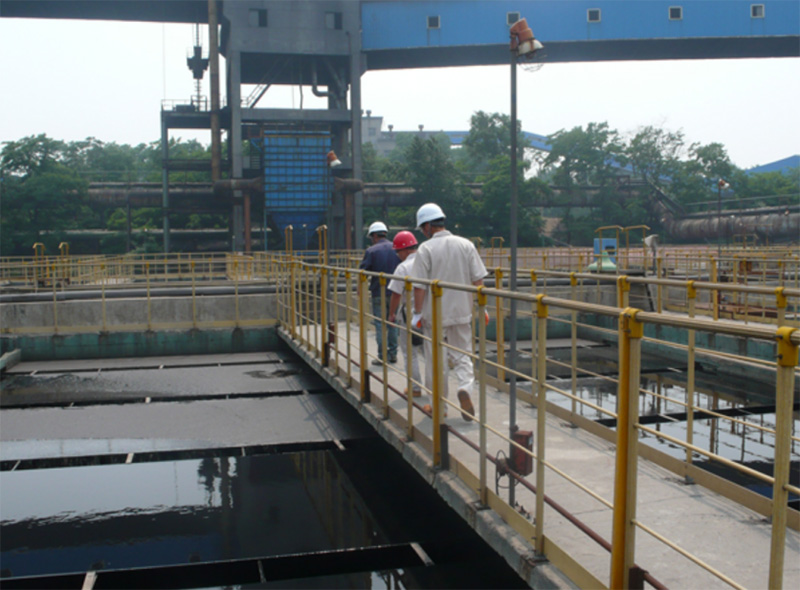
Implemented tailored water control valves, ensuring reliable flow regulation and system protection against high hydraulic pressure.
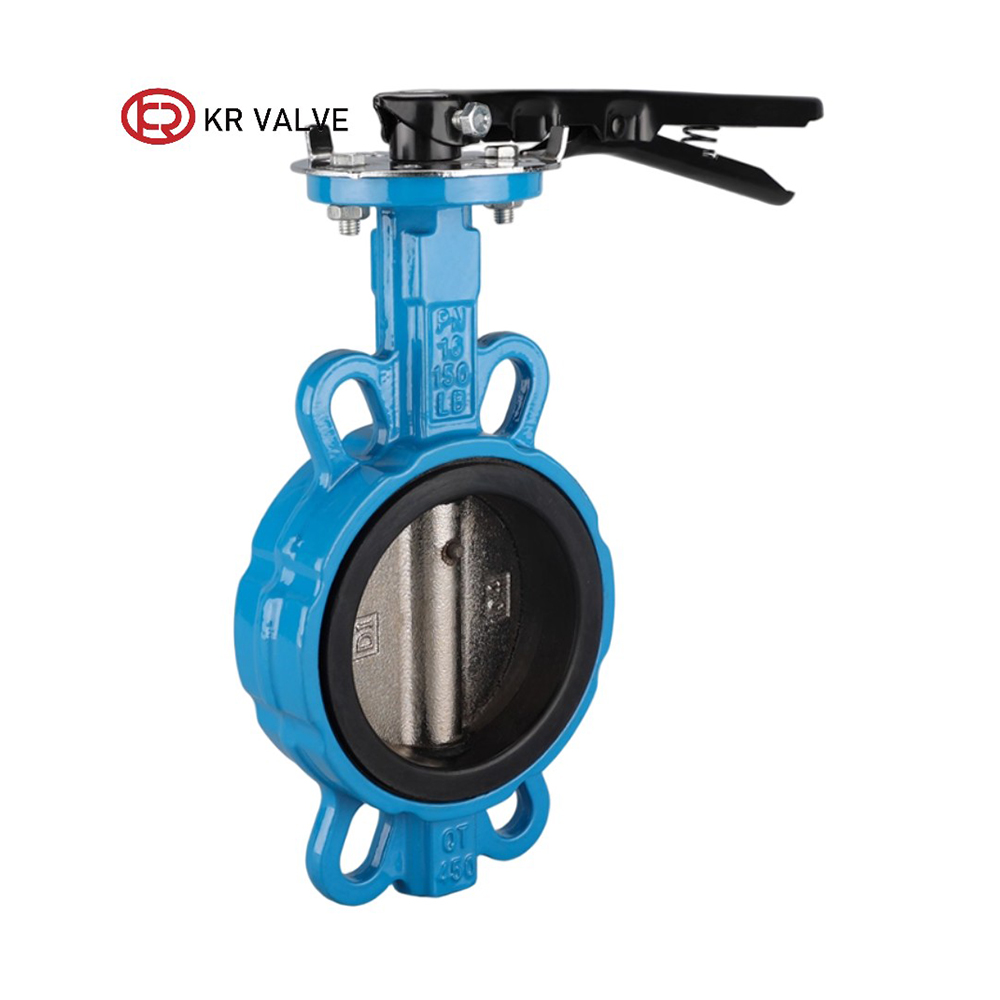
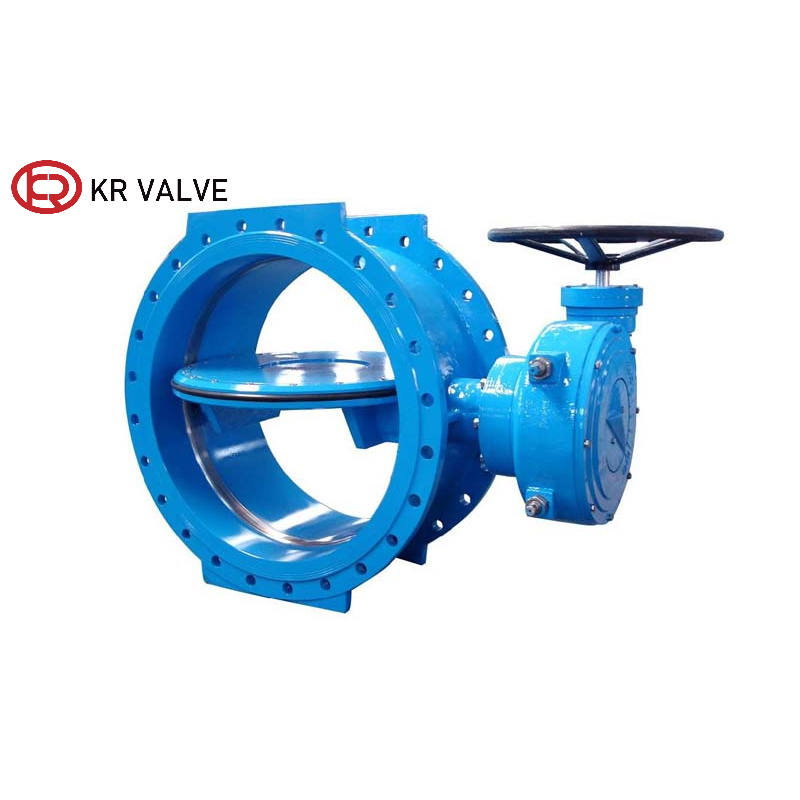
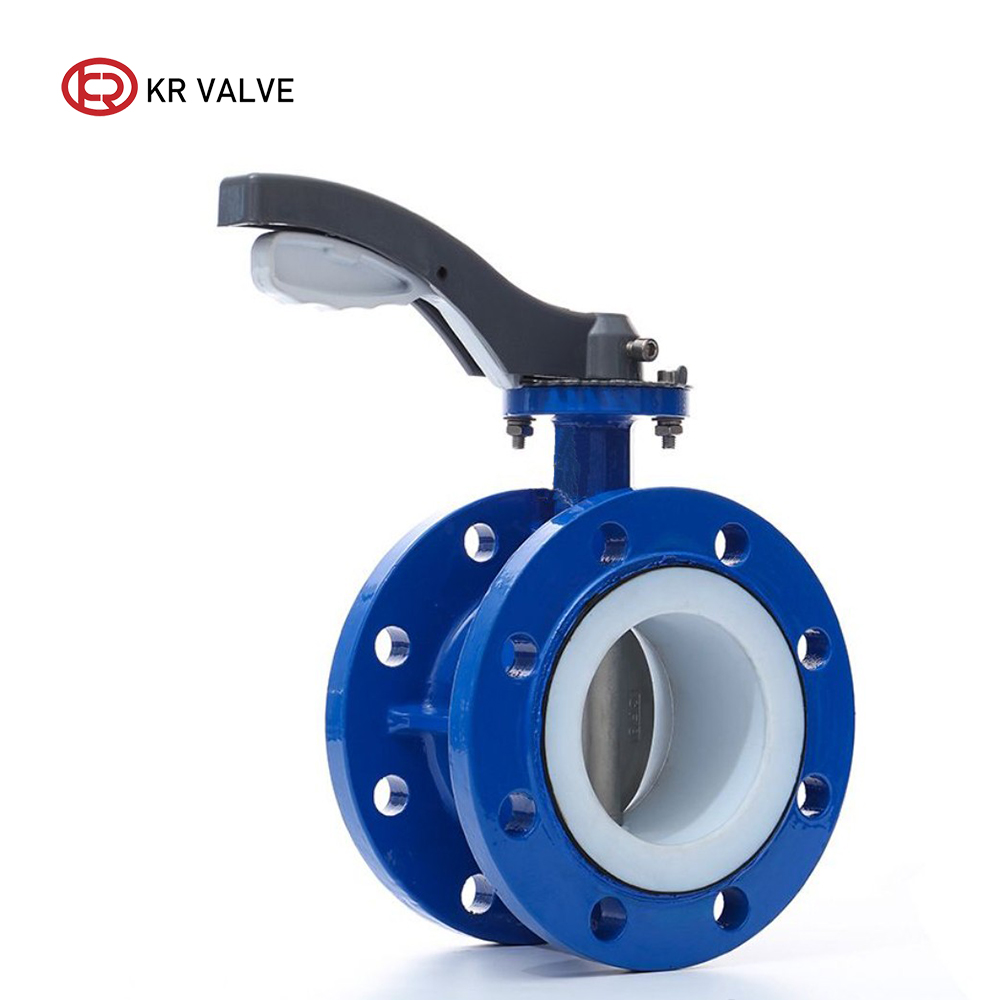
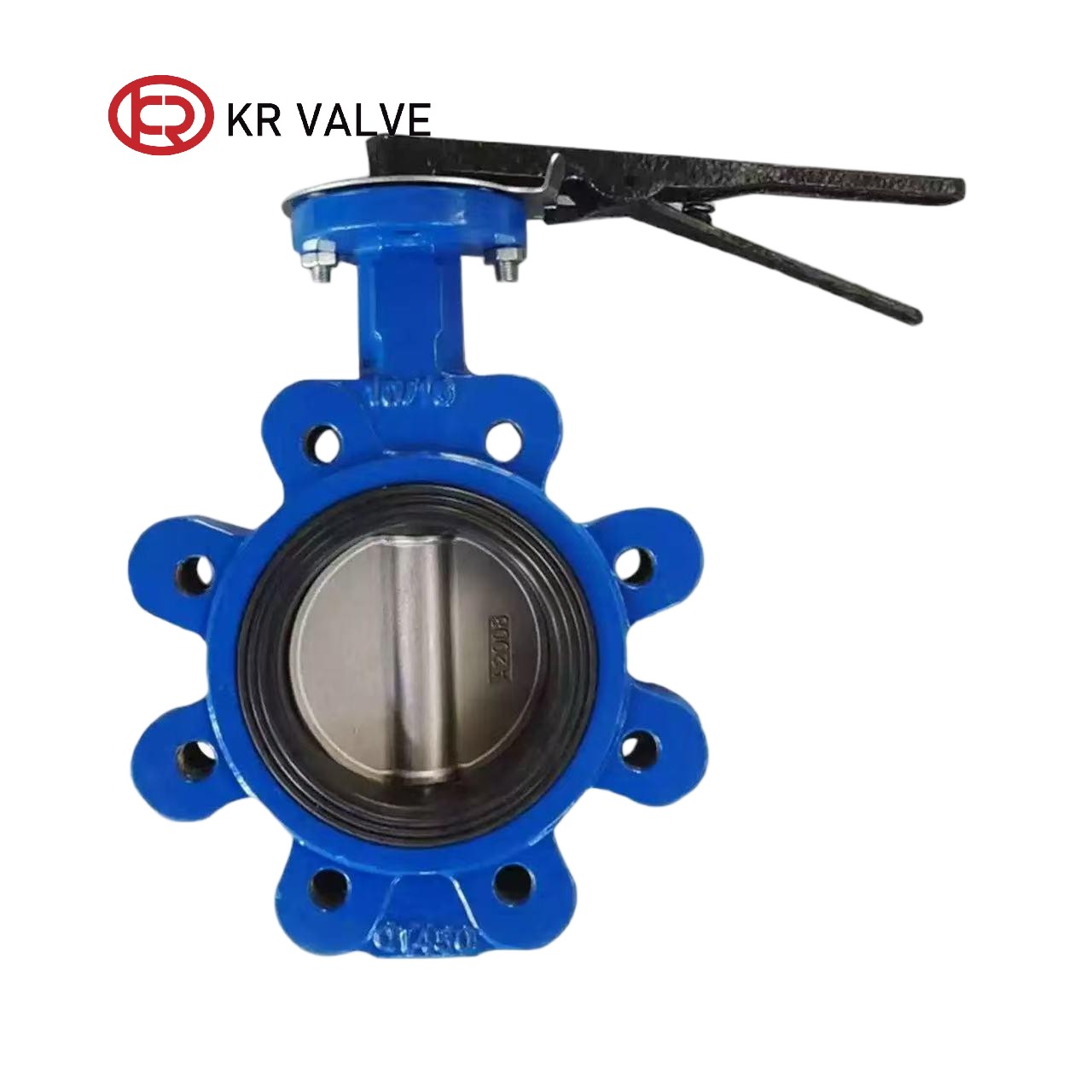
Understanding the inner mechanics of a check valve helps operators choose the ideal configuration for their pipeline. When sourcing from a Brass Seal Check Valve Factory, engineers evaluate several core performance metrics:
The "cracking pressure" is the minimum upstream pressure required to crack the valve disc off its seat, allowing fluid to pass. A precision-engineered check valve has its spring tension calibrated to ensure immediate response without creating excessive back-pressure. When upstream pressure drops below this threshold, the spring or gravity rapidly returns the disc to its seat, sealing before any backflow velocity can build up, thus mitigating water hammer risks.
Turbulence within a piping loop contributes to premature wear and energy loss. A streamlined internal chamber inside the valve body allows the media to flow with minimal friction. The valve's flow path is contoured to prevent turbulent eddy currents, ensuring stable pressure and a longer lifespan for adjacent pumping systems.
Metal-to-metal seating using premium brass alloys is exceptionally resistant to mechanical wear, high temperatures (up to 180°C), and chemical oxidation. Elastomeric seals (like EPDM or NBR) can degrade when exposed to pressure shocks or high temperatures. Brass seals provide a stable, long-life solution that prevents structural failure in demanding industrial setups.
Water hammer is caused by sudden fluid momentum changes. Check valves featuring responsive, spring-loaded discs or dual-plate configurations close quickly as forward flow decreases. By shutting before reverse flow gains speed, the valve prevents pressure surges and safeguards pumps, fittings, and pipelines.
For drinking water, valves must be compliant with local regulations like NSF/ANSI 61 or WRAS. Sourcing DZR (Dezincification Resistant) or certified lead-free brass is vital to ensure long-term mechanical reliability and to prevent heavy metal trace contamination.
Swing check valves use a hinged disc that swings open under pressure, which is best for horizontal pipelines with low flow resistance. Spring-loaded check valves use a central spring to close the disc and can be installed in vertical or horizontal lines, offering faster closure to reduce water hammer.
Our quality control program involves 100% inspection testing. We perform hydrostatic shell tests and seat leak tests in accordance with ISO standards on every single valve before shipping, ensuring maximum performance at delivery.
The valve manufacturing industry is adopting digital transformation and eco-responsible design practices. Modern factories utilize automated CNC setups to achieve machining tolerances down to the micrometer level. This extreme precision ensures that brass seals align perfectly, minimizing mechanical friction and reducing the cracking pressure threshold.
Furthermore, the integration of computational fluid dynamics (CFD) in the design phase allows engineers to analyze simulated wear patterns before production begins. These developments, along with clean, lead-free alloy compositions, are positioning brass check valves as a primary flow-control solution for future green hydrogen, smart water recycling, and high-efficiency HVAC infrastructures.
 KR VAVLE