Explore our heavy-duty commercial valve configurations engineered for maximum hydraulic stability, system protection, and longevity.
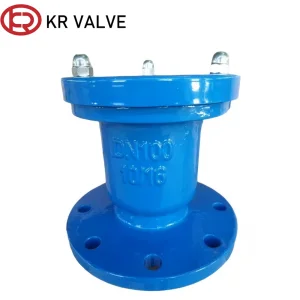
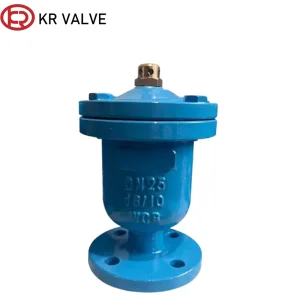
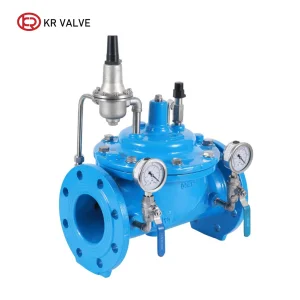
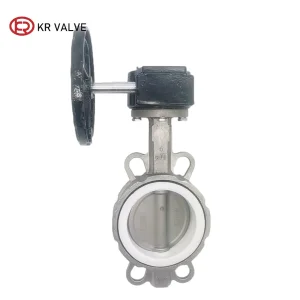
In high-pressure fluid dynamic systems, the presence of entrained air is one of the primary drivers of system failure, structural degradation, and pumping inefficiency. Liquid transmission pipelines inherently collect dissolved gases and atmospheric air during filling, shutoffs, and normal operations. If left venting-unmanaged, these pockets of air migrate to high points in the pipeline profile, forming localized pressure blockages. These pockets reduce the active cross-sectional flow area of the pipe, accelerating fluid velocities and inducing massive energy losses.
Moreover, when fluid columns surge, compressed air pockets act like massive mechanical springs. The sudden release or movement of these air pockets can generate high-velocity transient pressure waves—phenomena universally known as water hammer. These transient shocks frequently exceed the ultimate tensile strength of ductile iron, carbon steel, and polymeric pipelines, resulting in catastrophic ruptures. A scientifically designed air vent valve mitigates these issues by providing three core actions: exhausting high volumes of air during initial filling, admitting air continuously to prevent destructive vacuums during draining, and releasing localized micro-bubbles under operational pressure conditions.
From an engineering perspective, modern systems rely on dual-port or combination air valves to maintain dynamic equilibrium. Whether executing municipal water distribution, dam infrastructure development, or industrial petrochemical piping, specifying high-performance air vent valves is not an option—it is a baseline safety mandate.
Global procurement specialists are shifting their supply networks to Chinese industrial valve hubs. This transition is not merely driven by cost efficiencies but by systemic technological improvements, supply chain maturity, and precise compliance with international regulatory bodies. Our production facilities lead the industry by leveraging specific localized advantages:
Traditional systems required separate kinetic air valves (for bulk filling/draining) and automatic air release valves (for pressurized pockets). Modern industry trends are moving toward integrated, single-chamber combination vent valves that feature aerodynamic floats. These units utilize the Bernoulli Principle to prevent premature closing under high-velocity air streams, ensuring optimal system performance.
Engineers historically struggled with air valves leaking at low pressures (less than 0.5 bar). Modern designers use specialized elastomer formulations (such as EPDM, NBR, and Viton) combined with floating design systems. This enables air release valves to seal hermetically at pressures down to 0.2 bar, preventing water loss and environmental contamination.
In municipal water grids and remote cross-country pipelines, manual inspection of valves is highly inefficient. The rise of industrial IoT has introduced "smart" air valves equipped with pressure-differential sensors, acoustic leak-detection modules, and wireless telemetry. These components transmit real-time performance profiles directly to centralized SCADA systems.
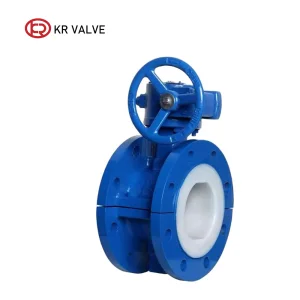
For chemical process lines, desalination systems, and wastewater systems, standard castings fail rapidly. The current trend prioritizes high-build fusion-bonded epoxy (FBE) coatings inside and outside the valves, alongside WCB split-body designs lined with full PTFE or PFA. These materials provide chemical inertness and long-term protection against aggressive chemicals.
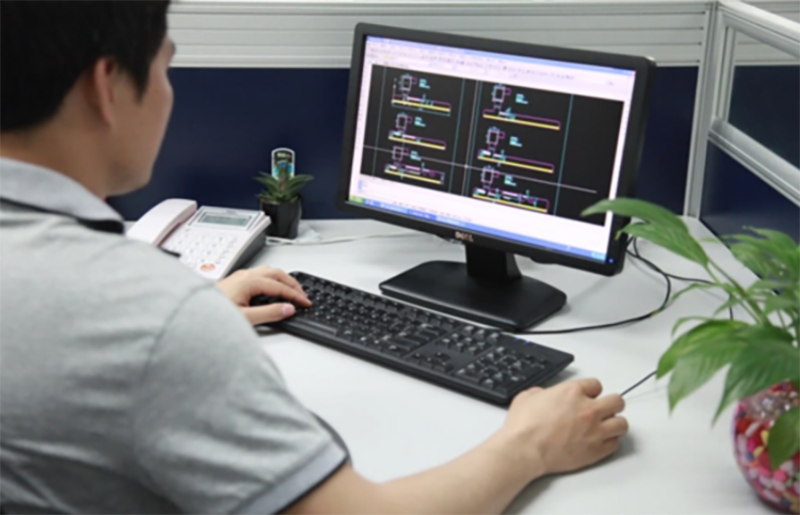
Our technical team continuously designs and refines valve concepts. Utilizing modern laboratory facilities, we perform extensive fluid simulations and pressure boundary tests to verify performance. Our current catalog boasts 20 distinct series and over 500 standard and custom models.
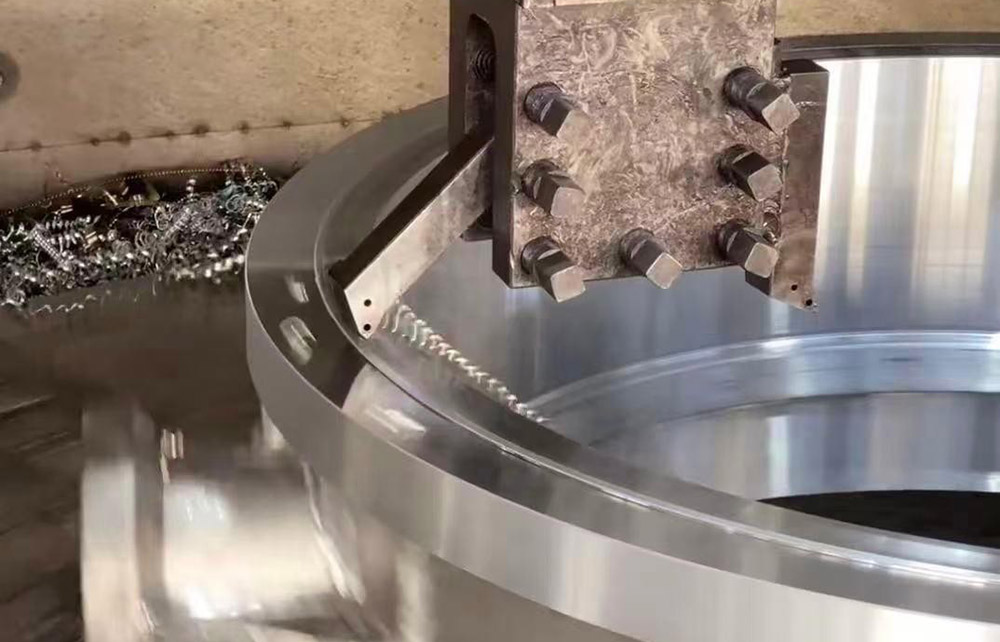
Operating under strict ISO-9001 quality management guidelines, our production department coordinates schedules to match client timelines. Equipped with over 30 modern machining stations and assembly lines, we update our logistics systems monthly to maintain swift deliveries.
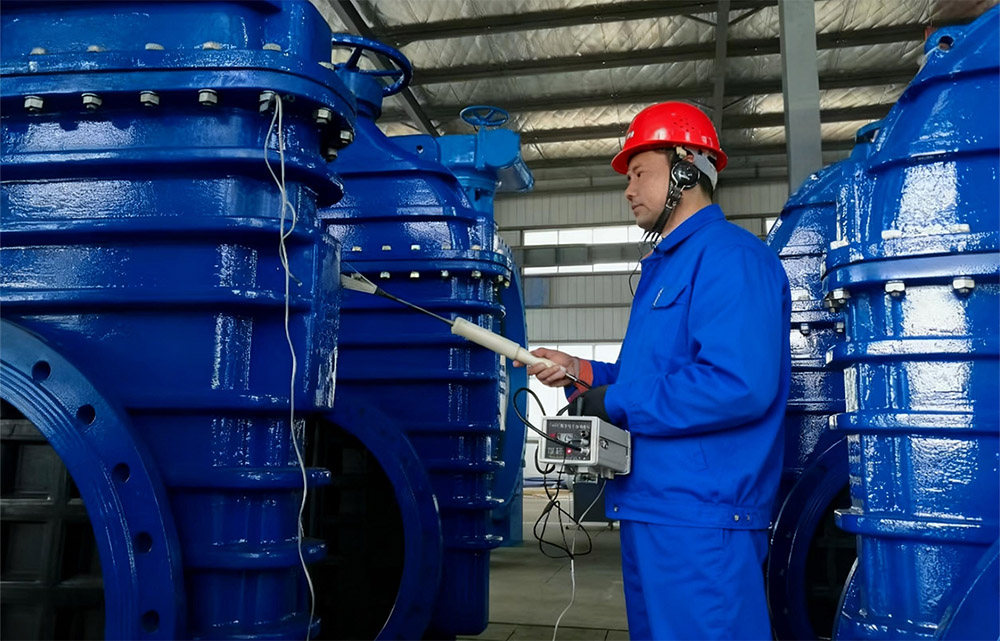
Achieving zero-leakage performance is our primary production objective. Our quality control division performs exhaustive evaluations of casting integrity, dimensions, alignment, and pressure ratings, outputting standardized compliance records for our clients.
We supply products under our own independent 'KR' brand name and offer comprehensive OEM and ODM support for major commercial manufacturers, establishing robust partnerships with leading engineering firms.
We operate 15 heavy machining centers and dedicated assembly configurations managed by senior industrial operators. This setup allows us to keep our pricing highly competitive while maintaining strict control over every step of the process.
With 20 key product series and more than 500 catalog entries, we supply industrial valve models matching standards such as DIN, ANSI, BS, and JIS, along with custom fabrications for unique project specifications.
We back our projects with end-to-end technical support, from initial design consultation to installation oversight and site commissioning, ensuring rapid 24-hour response cycles.
From initial foundry melting to final packaging, each production step is tracked. We ensure each valve is pressure-tested to eliminate defects before dispatch.
Our close relationships with domestic raw material suppliers and international shipping ports allow us to guarantee predictable delivery windows, even for high-volume custom orders.
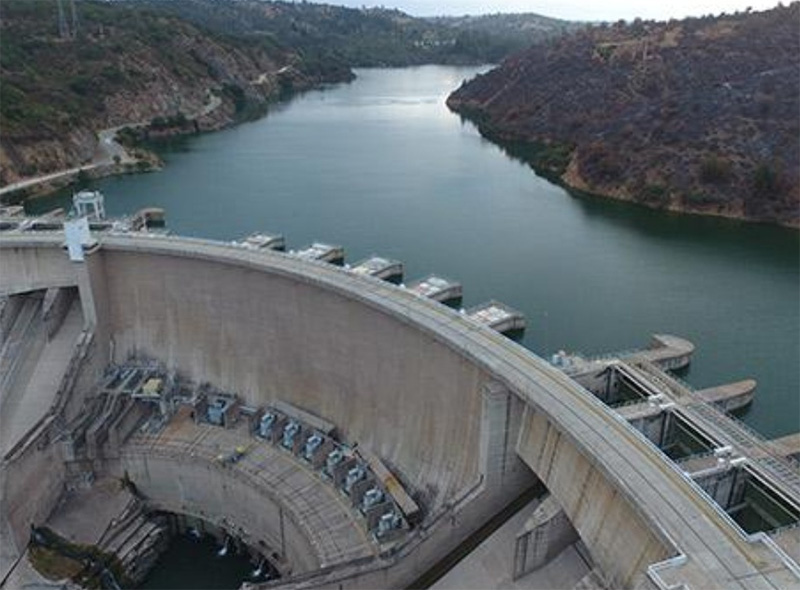
Supplied specialized heavy-duty water control valves and large-diameter kinetic air release valves to safeguard the facility's main hydraulic discharge loops against severe pressure surges.
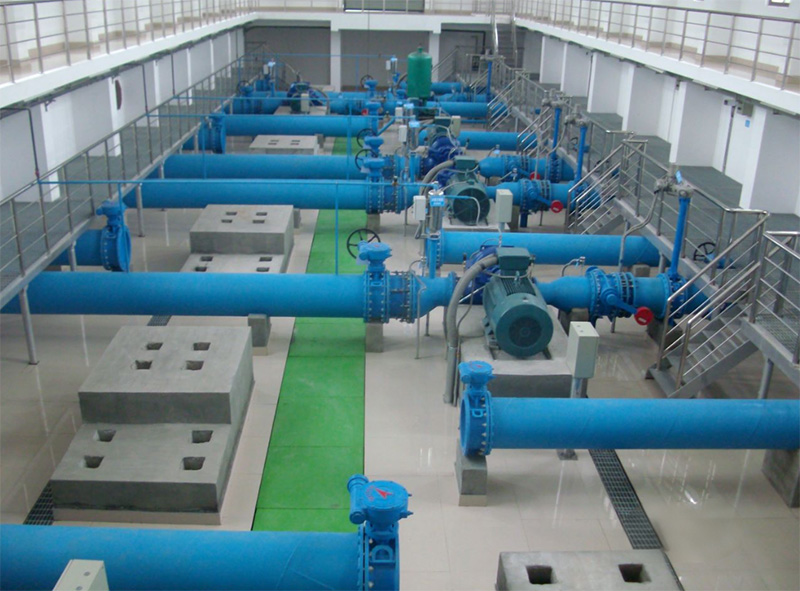
Delivered large-diameter butterfly and automatic deaeration valves to optimize flow control, minimize energy dissipation, and eliminate air pocket build-ups across regional water lines.
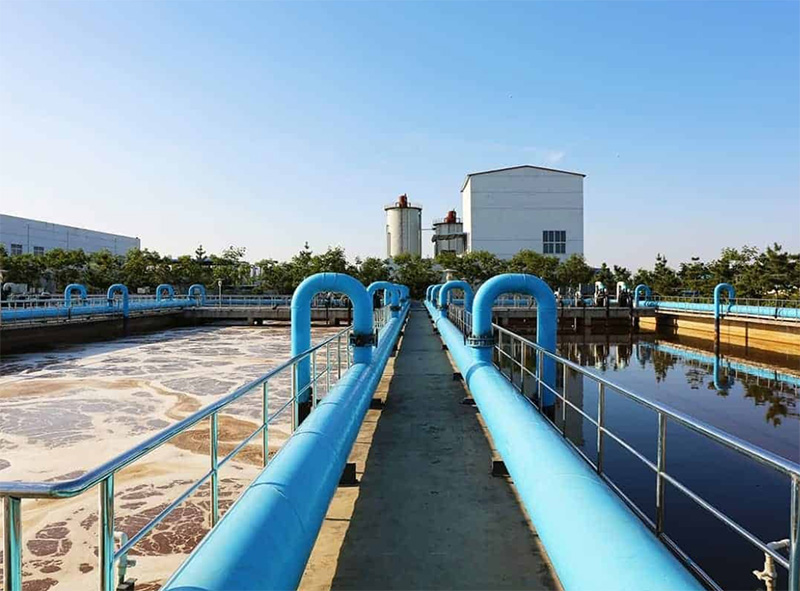
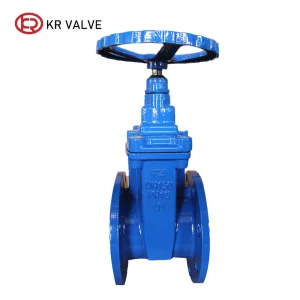
Supplied custom-designed resilient gate valves and high-durability air release valves capable of managing grit, solids, and corrosive gases in wastewater lines.
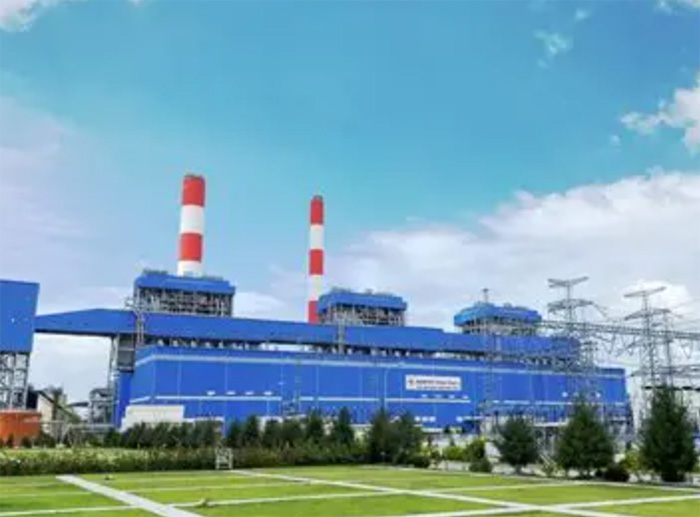
Engineered corrosion-resistant PTFE-lined butterfly valves and stainless steel air release valves to withstand highly acidic environments and aggressive industrial chemicals.
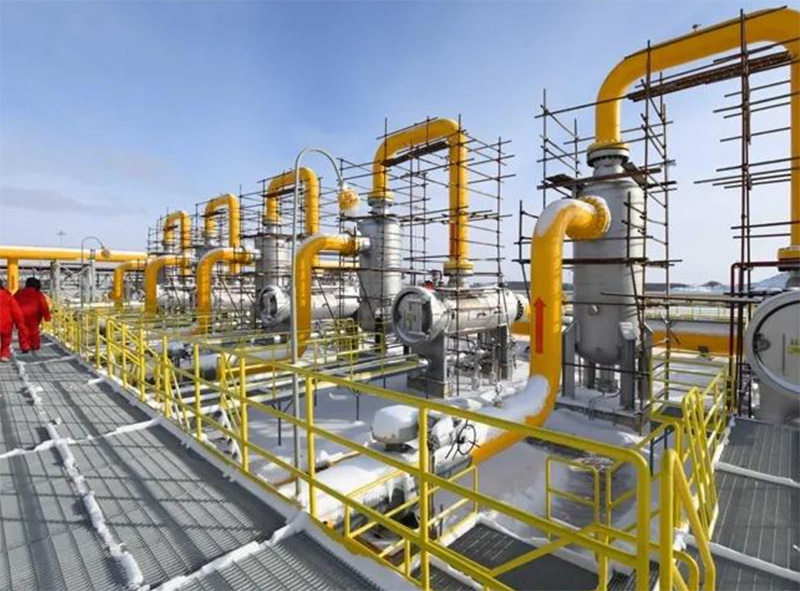
Provided high-pressure ball and gate valves designed to withstand low-temperature operations while maintaining absolute tightness in critical energy distribution lines.
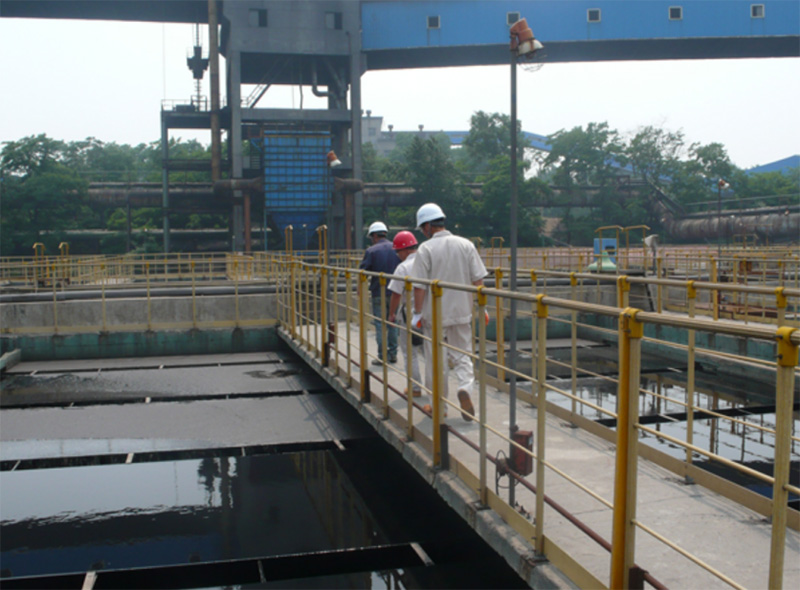
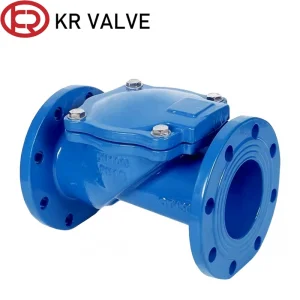
Supplied high-performance water control valves and non-return valves to optimize pump stations, prevent backflow, and ensure reliable wastewater management.
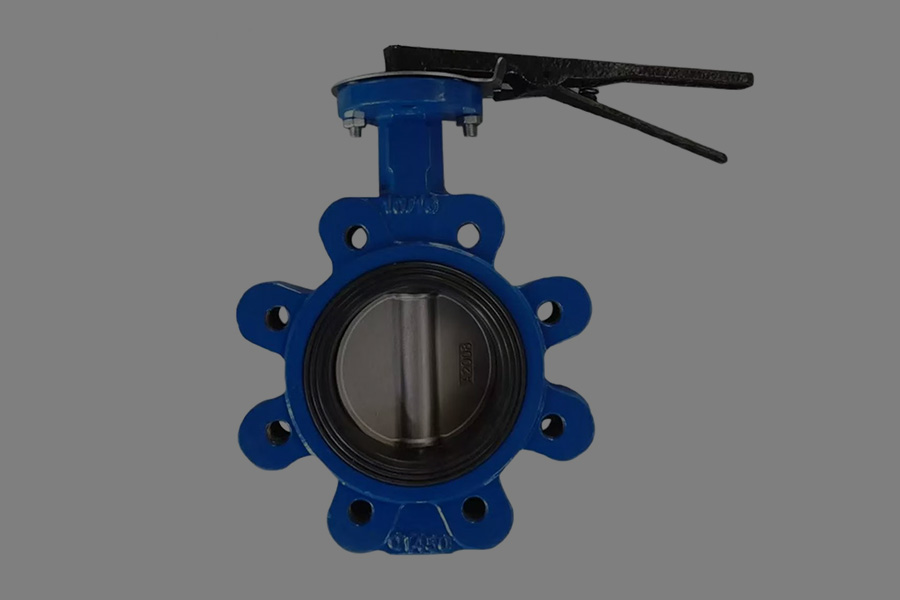
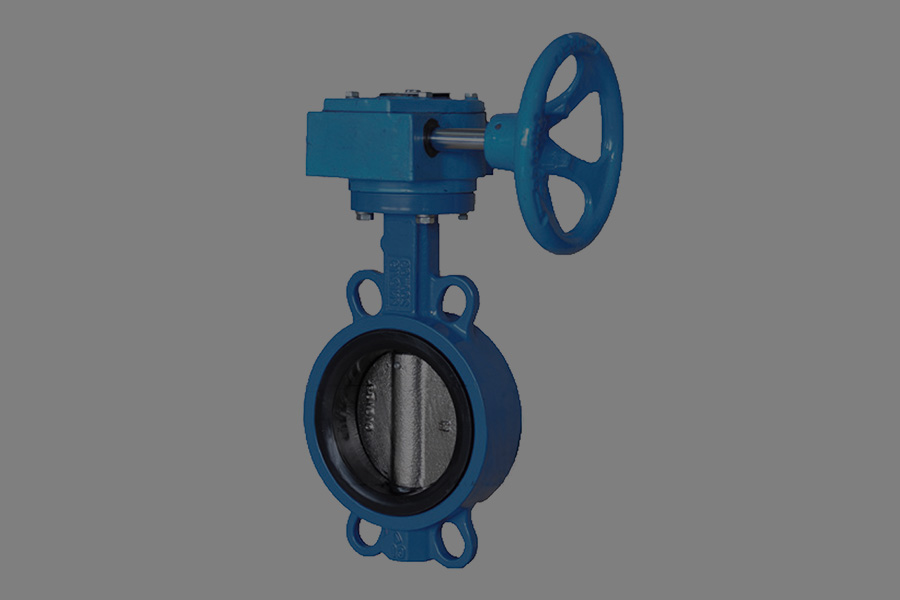
Explore our heavy-duty process valves engineered to protect pipelines, prevent backflow, and optimize flow rates.
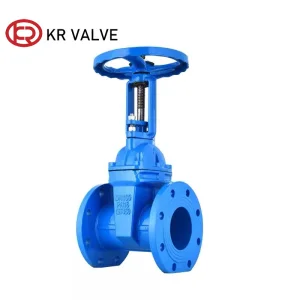
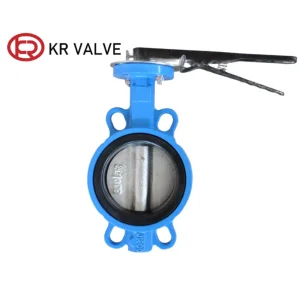
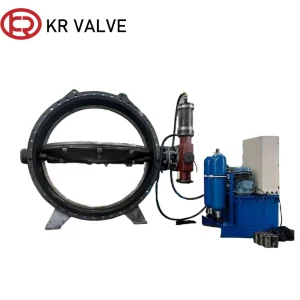
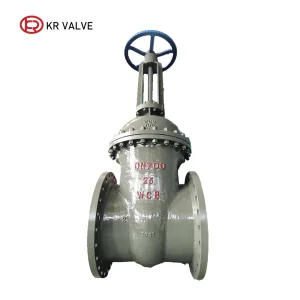
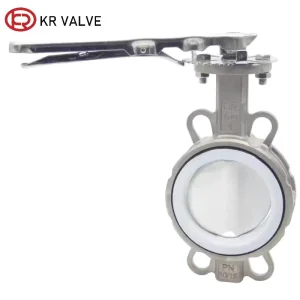
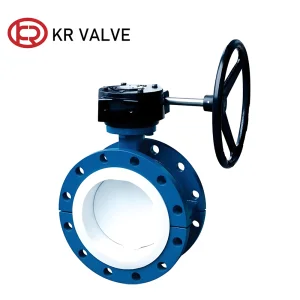
Procuring vent valves for industrial-scale networks requires thorough technical vetting. To help pipeline designers, engineering firms, and municipal procurement managers secure components that meet international compliance rules, we recommend reviewing the following parameters:
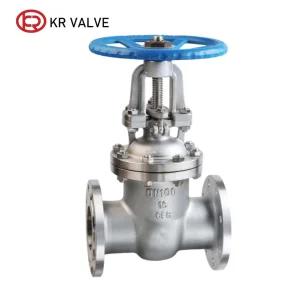
Valves must match the design pressure of the piping network under both normal operating conditions and transient surge scenarios. Selecting an incorrect rating can lead to premature wear or casting failure. For typical water supply applications, ductile iron bodies with PN16 or PN25 ratings are recommended. High-pressure distribution networks or petrochemical piping often require cast steel (WCB) or stainless steel (CF8/CF8M) valves rated for Class 150, Class 300, or higher.
The chemical profile of the fluid dictates the selection of body and trim materials. Standard clean water grids can utilize epoxy-coated ductile iron bodies with EPDM seals. In contrast, wastewater lines carrying sewage sludge require dedicated air release valves featuring non-stick mechanisms, elongated bodies, and chemical-resistant NBR or Viton gaskets to prevent fouling and blockages. For chemical processing, fully PTFE-lined valve bodies provide maximum protection against corrosion.
Proper sizing is critical. A valve that is too small will restrict bulk air release during filling, causing air pockets to form. It may also fail to admit enough air during draining, leading to vacuum conditions that can collapse the pipeline. Designers should perform transient analysis calculations based on pipe diameter, slope, maximum filling rates, and drainage velocities to determine the correct intake and exhaust capacities.
Ensure your supplier can provide verified documentation of compliance with international standards, such as ISO 9001 quality management, DIN EN 1074-4 (water supply valves), AWWA C512 (air release and vacuum valves), and WRAS approval for potable water safety. MTRs (Material Test Reports) should also be requested to verify casting metallurgy.
An air release valve is designed to continuously exhaust small pockets of accumulated air that collect at high points in a pipeline while the system is pressurized. An air vent valve (or kinetic air valve) is designed to exhaust high volumes of air during initial pipeline filling and to admit large volumes of air during pipeline draining to prevent vacuum collapse. Combination air valves combine both functions into a single body.
When high-velocity water approaches the valve chamber, it can force the internal float upward with high kinetic energy, slamming it into the seat and generating localized pressure spikes. An anti-slam mechanism limits the air exhaust velocity as the water column approaches, creating a compressed air cushion that slows the rising water column. This prevents severe water hammer and protects both the valve and the pipeline.
Air vent valves should be located at all high points along the pipeline profile, at sharp changes in slope, immediately after deep-well pumps, at long horizontal spans (typically every 500 to 1000 meters), and near isolation valves. Placing them at these critical points ensures that migrating air is captured and vented before it can coalesce into large blockages.
Ductile iron (such as GGG40 or GGG50) contains nodular graphite, which provides significantly higher tensile strength, impact resistance, and elongation characteristics compared to traditional gray cast iron. This enables ductile iron valves to better withstand pressure spikes, mechanical fatigue, and environmental stresses without cracking.
Valves should undergo routine visual inspections and functional checks at least once a year. In systems carrying raw water or sewage, internal components must be cleaned regularly to prevent debris from accumulating on the float or seal seats. Check the condition of elastomer seals, clear out particulate buildup, and ensure the float moves freely through its full stroke.
 KR VAVLE