Water Control Valve Supplier & Factory serving the Argentina market

High-End Industrial Flow Solutions & Precision Hydraulic Control Systems Engineered for Municipal, Agricultural, and Industrial Networks

Send Inquiry Now

Water Infrastructure Landscape in Argentina: Challenges and Demands

Argentina possesses a rich yet complex geographical and industrial framework. From the densely populated metropolitan landscape of Buenos Aires managed by AySA (Agua y Saneamientos Argentinos), to the dry, irrigation-dependent agricultural fields of the Cuyo region (Mendoza and San Juan), and the expanding mining operations in the Patagonia and Andes zones, the requirements for efficient liquid control are vast. However, utility companies and industrial plants in Argentina face severe operational challenges, including high percentages of Non-Revenue Water (NRW), pipe bursts due to transient pressure spikes (water hammer), and aging metallic infrastructure that requires immediate modernization.

To overcome these challenges, engineers and procurement coordinators are shifting away from traditional grey cast iron valves toward high-tensile Ductile Iron (GGG40/GGG50) pressure management systems. In seismic-prone zones like Mendoza or Salta, and under high-pressure dynamics, standard materials fail due to brittleness. Ductile iron provides the elongation and impact resistance required to prevent catastrophic pipeline failures. Furthermore, with Argentina's focus on maximizing water conservation amidst climate-induced droughts, the demand for precise, self-operating pressure reducing valves (PRVs) and remote control float valves has reached an all-time high.

Key Market Observation: Argentine water distribution networks lose up to 35-40% of their treated water due to physical leakage before it reaches end consumers. Installing dynamic pilot-operated Pressure Reducing Valves (PRVs) is proven to decrease leakage by 20% to 30% simply by controlling background pressures during low-demand night hours.

Global Fluid Control Market Dynamics and Supply Chain Realignment

The global industrial valve market is undergoing a major structural transformation. Regulatory agencies worldwide are enforcing stricter parameters for drinking water safety (such as WRAS, NSF/ANSI 61, and CE certification) and carbon footprint reductions in manufacturing. In addition, supply chain resilience has become a major criteria for project managers. Rather than relying on locally built, high-cost, low-capacity assembly shops, global procurement departments are establishing direct relationships with fully integrated, large-scale original equipment manufacturers (OEMs) in China.

By bypassing multiple layers of regional distributors, engineering procurement contractors (EPCs) in Latin America can secure customized face-to-face dimensions, specific flange drillings (such as EN1092-2 PN10/PN16 or ASME B16.42 Class 150), and superior Fusion Bonded Epoxy (FBE) coating thicknesses (minimum 250 microns) that protect valves against corrosive soils and harsh chemical media. The integration of IoT-enabled, motorized, and pneumatic actuating mechanisms also allows municipal operators to transition their systems into smart water grids with real-time feedback loops.
About KR Valve Group

KR has more than 20 years of experience in producing standard and non-standard valves of various types. We supply a wide selection of over 500 valve products, including butterfly valve, gate valve, check valve, water control valve, as well as all their matching and accessory products. These products have applications in various industries such as water treatment, dam construction, commercial buildings, energy and heating, chemical engineering, etc. We have won high repeat purchase rates from customers with excellent product variety and quality.

Beyond product excellence, we are dedicated to creating a mutually beneficial partnership with every customer. We believe that reliable service is as crucial as superior products, and we strive to continuously optimize the customer experience to achieve long-term win-win cooperation.

Today, KR VALVE’s products have been exported to over 50 countries and regions in Europe, Asia, Africa, and Oceania, providing project construction and brand marketing services to thousands of customers. We look forward to collaborating with you, leveraging our expertise, comprehensive product range, and unwavering commitment to quality and service to support your success.

500+
Valve Types Offered
50+
Countries Exported
KR Valve Production Facility

Our Three Pillars of Engineering Excellence

How we ensure unmatched quality and reliability for municipal and industrial projects across Argentina.

KR Valve R&D and Design Department

Engineering & Design

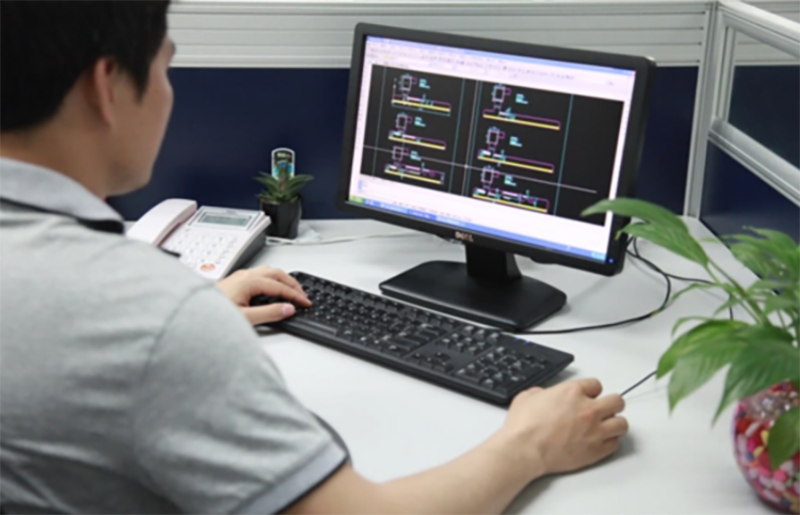
Our dedicated R&D department ensures product design and continuous innovation. Our technicians continuously design and develop products that meet customer and market requirements. Our laboratory provides extensive modern testing capabilities to elevate product performance development. We currently offer 20 series and over 500 varieties of products.

KR Valve Advanced Manufacturing Line

Systematic Production

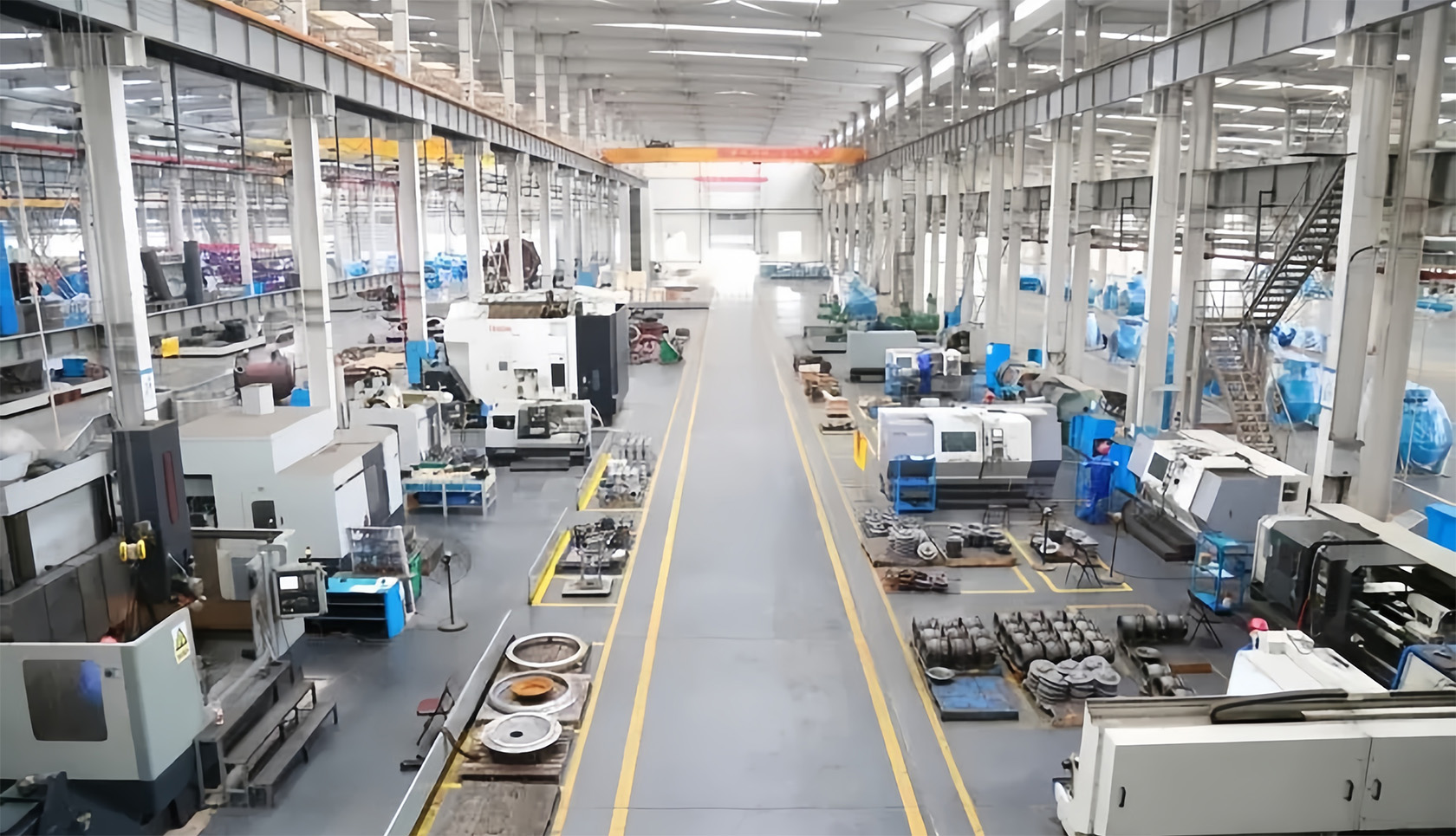
Our production department formulates and executes plans to ensure timely delivery according to customer specifications. All products are manufactured under strict supervision in accordance with the ISO 9001 quality management system. We utilize over 30 advanced production equipment units and update inventory monthly to exceed delivery expectations.

KR Valve Rigorous Testing Area

100% Quality Inspection

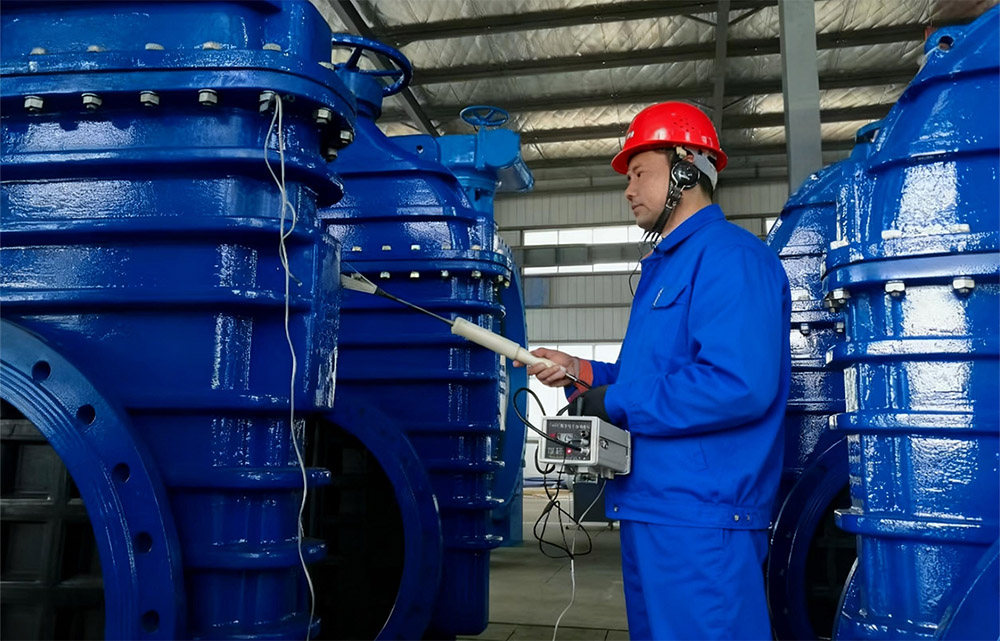
The inspection department ensures 100% testing of all valves before shipment. Zero leakage is our core production principle. Following strict international inspection standards, we conduct comprehensive testing on appearance, dimension deviations, shell thickness, and hydrostatic seat/shell pressure, issuing complete reports compliant with global standards.

Comprehensive Service Solutions for Argentine Infrastructure Projects

Providing direct factory support, engineering expertise, and customizable manufacturing configurations.

Brand & OEM Service

We supply under our independent registered brand 'KR' and provide specialized OEM manufacturing support for top-tier international valve labels.

Factory Capability

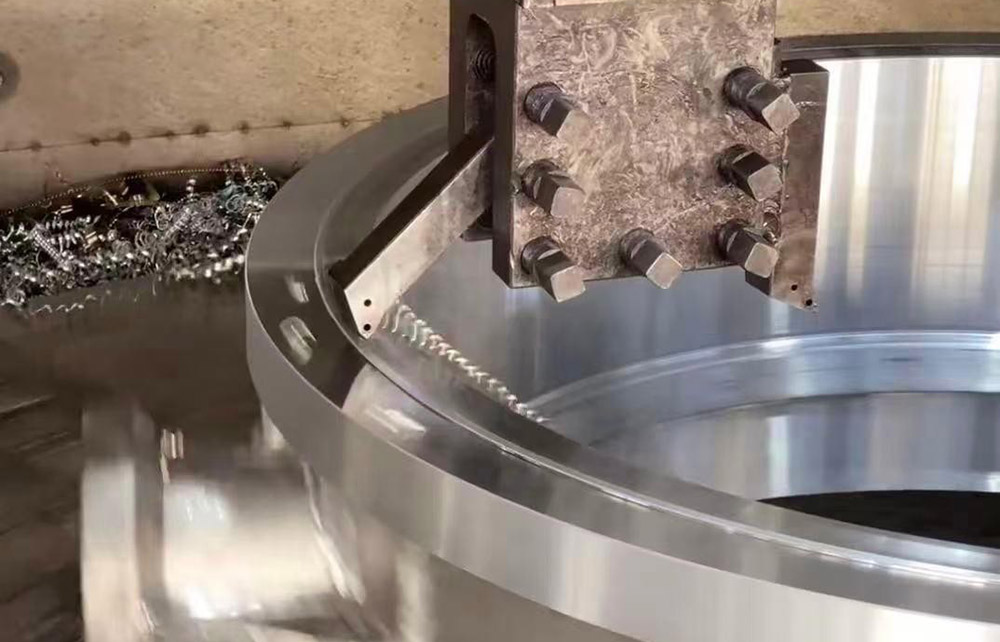
Our workshop features 15 advanced heavy machining lines, specialized assembly paths, and a highly experienced technical workforce.

Bespoke Customization

We carry 20 distinct valve series spanning over 500 different specifications, allowing us to easily handle non-standard custom parameters.

Quality Control

We maintain strict supervision over the metallurgical, machining, and coating phases of every component to guarantee a zero-defect product.

Competitive Pricing

By keeping the entire casting, engineering, and testing process under our control, we offer pricing that guarantees maximum savings.

Responsive Consultation

We provide full professional technical advice, pre-sales design alignment, and structured after-sales maintenance instructions.

The Chinese Factory Advantage: Manufacturing Efficiency & Technical Capabilities

In the highly competitive fluid control market, procurement teams in Argentina evaluate suppliers based on two primary parameters: technical reliability and commercial viability. Chinese manufacturers, specifically specialized groups like KR Valve, provide an unmatched combination of these factors. This advantage is rooted in vertical integration. From sand casting and foundry operations to precision CNC machining, multi-layer epoxy powder coating, and final shell/seat pressure testing, every stage of production is executed within our centralized facilities. This structure eliminates external supply chain disruptions and ensures that all ductile iron valves conform strictly to international benchmarks (such as EN 12266-1, API 598, and ISO 5208).

Furthermore, China's robust industrial ecosystem guarantees direct access to premium raw materials. For instance, the GGG50 ductile iron used in our valve bodies exhibits superior mechanical characteristics over grey iron, providing high tensile strength and great structural ductility. The chemical formulation of the iron is monitored in-house via optical emission spectrometers to guarantee that elongation values remain above 10% and tensile strength exceeds 500 MPa. Below is a comparative overview of the material performance profiles commonly specified for the Argentine water market:

Property / Parameter Ductile Iron (GGG50 / EN-GJS-500-7) Cast Iron (GG25 / EN-GJL-250) Carbon Steel (WCB / ASTM A216)
Tensile Strength (MPa) 500 min 250 min 485 min
Elongation (%) 7 - 12% < 1% (Brittle) 22% min
Impact Resistance High (Excellent for seismic zones) Very Low Excellent
Corrosion Resistance Excellent with Epoxy Coating Moderate Requires constant maintenance
Primary Application in AR Municipal Water, Main PRVs, Reservoirs Low-pressure Building Services High-temperature industrial steam

Localized Application Scenarios in Argentina's Industrial Sectors

Implementing specialized water control valves requires a deep understanding of local operating conditions. In Argentina, three major application areas require unique technical solutions:

1. Buenos Aires Municipal Distribution Network (Pressure Management)

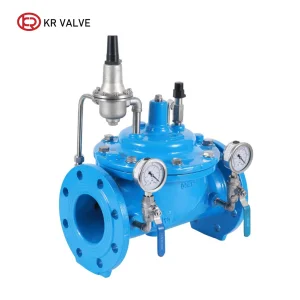
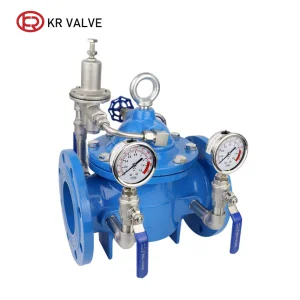
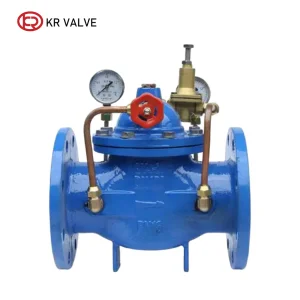
In municipal zones managed by ABSA and AySA, water mains frequently experience pressure spikes during low-demand night hours, leading to pipe failures. By implementing the 200X Pressure Reducing Valve, operators can automatically maintain a stable, lower downstream pressure regardless of upstream fluctuations. The spring-loaded pilot control system responds to minor variations in downstream pressure, shifting the main valve diaphragm position to adjust the flow rate, protecting aging pipe segments and minimizing physical leakage.

2. Mendoza & Pampas Irrigation Pipelines (Level & Flow Control)

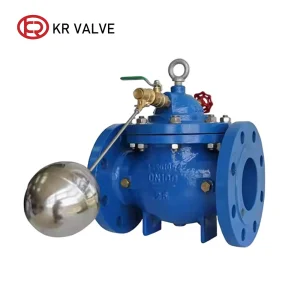
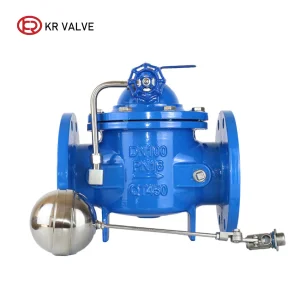
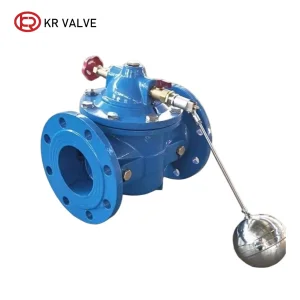
Agricultural cooperatives in Mendoza depend heavily on storage reservoirs fed by seasonal snowmelt. Standard manually operated gate valves frequently result in tank overflows or dry wells. Utilizing the 100X Remote Control Float Ball Valve allows operators to control water levels automatically. The pilot valve, mounted on the reservoir surface, closes as the water reaches its peak level, building pressure inside the main valve chamber, which forces the diaphragm closed. This self-contained hydraulic mechanism operates entirely on fluid pressure, eliminating the need for electric power in remote agricultural fields.

3. Mining and Petrochemical Operations in Neuquén & Santa Cruz

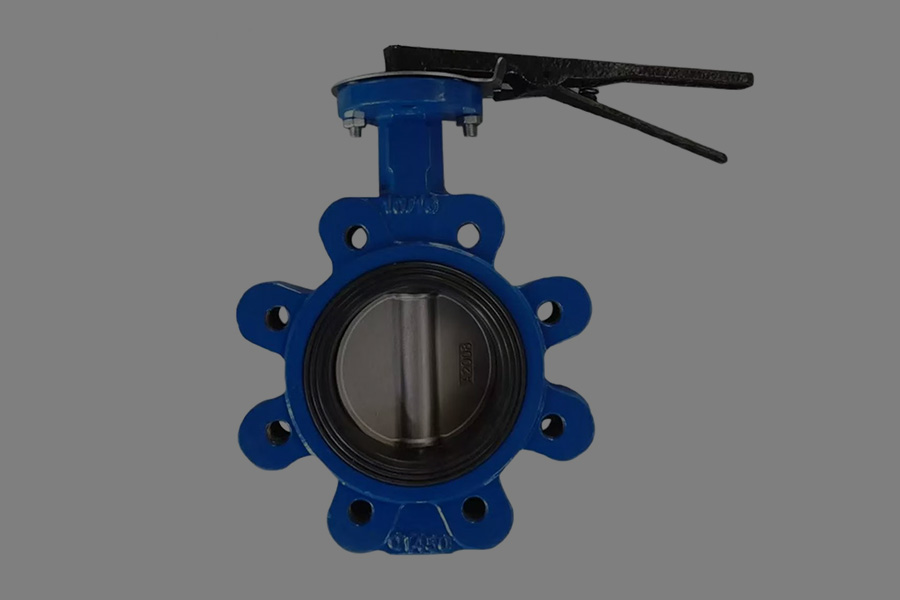
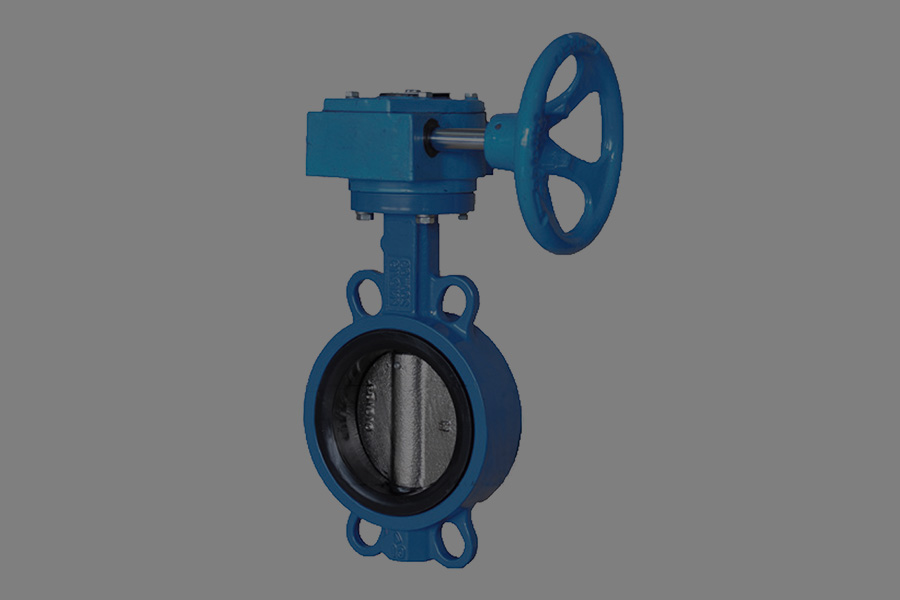
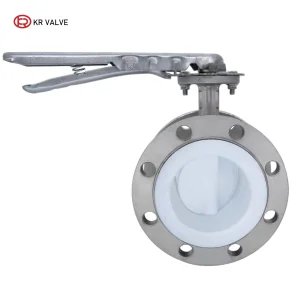
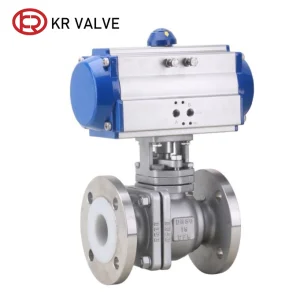
Mining operations require robust corrosion-resistant materials to handle industrial wastewater and process media. In these environments, standard valves quickly degrade. Our PTFE-lined butterfly and ball valves utilize CF8/CF8M stainless steel bodies coated with high-density fluorocarbon liners, preventing direct chemical contact with the metallic components and guaranteeing long-term operational safety under acidic or abrasive conditions.

Production and Testing Videos

Get a transparent look at our advanced manufacturing lines and hydrostatic test procedures.

KR Valve Automatic Mold & Casting Line
KR Valve Hydrostatic Pressure Testing

Global Collaboration Cases

KR Valve products are trusted in high-performance infrastructure projects across the globe.

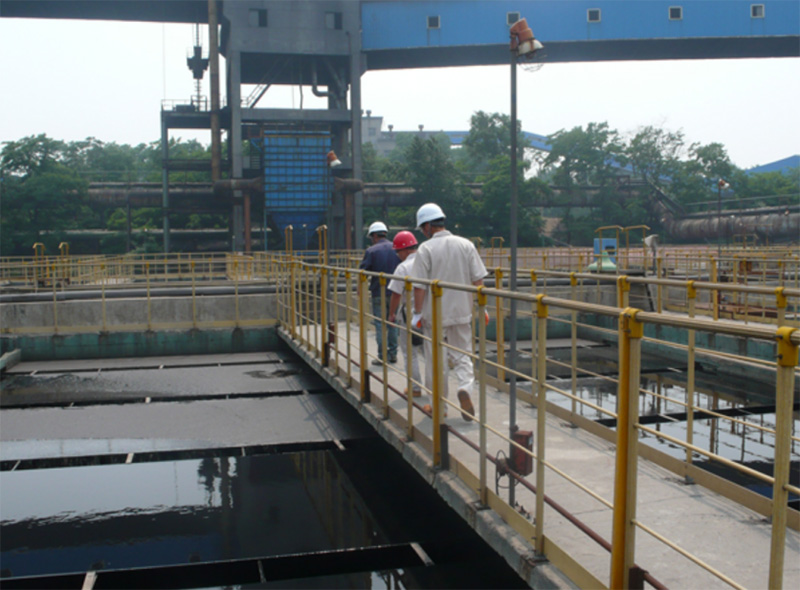
Sewage Treatment Project in Brazil

KR Supplied Various Water Control Valve To Sewage Treatment Project at Brazil

High-capacity flow control valves and heavy-duty check valves engineered to handle municipal sewage and wastewater treatment loops.

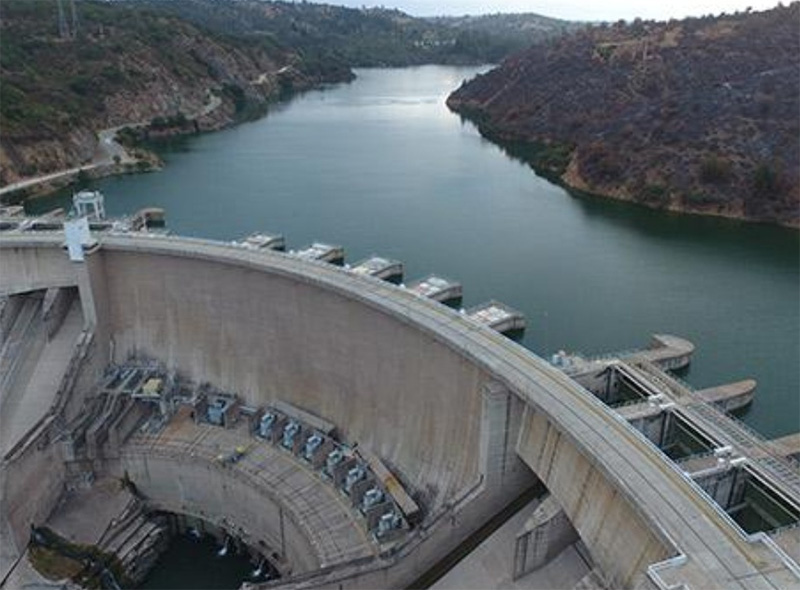
Dam Project in Chile

KR Supplied Various Water Control Valve To Dam Project at Chile

Reliable hydraulic control valves and high-pressure butterfly valves installed in major water retention and release systems.

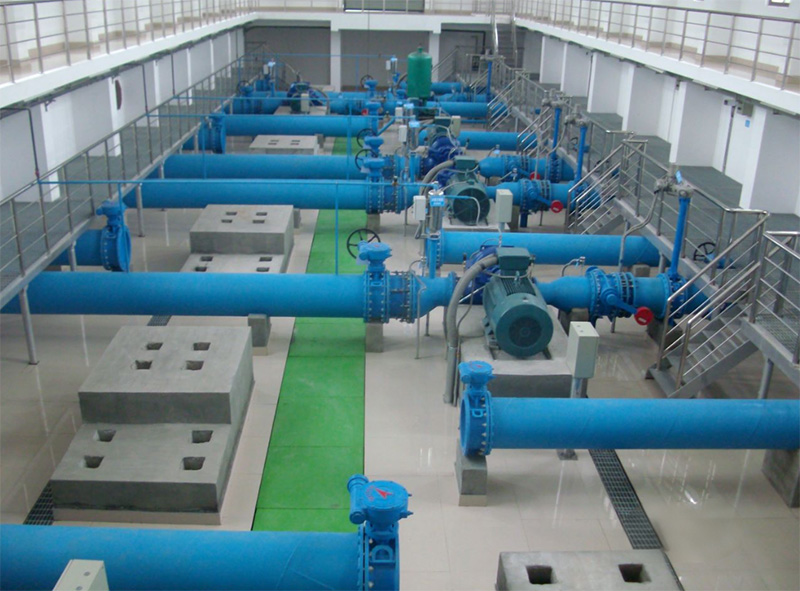
Waterworks at Italy

KR Supplied Many Big Size Butterfly Valve and Check Valve For Waterworks at Italy

Large diameter double eccentric butterfly valves and non-return valves serving metropolitan water distribution networks.

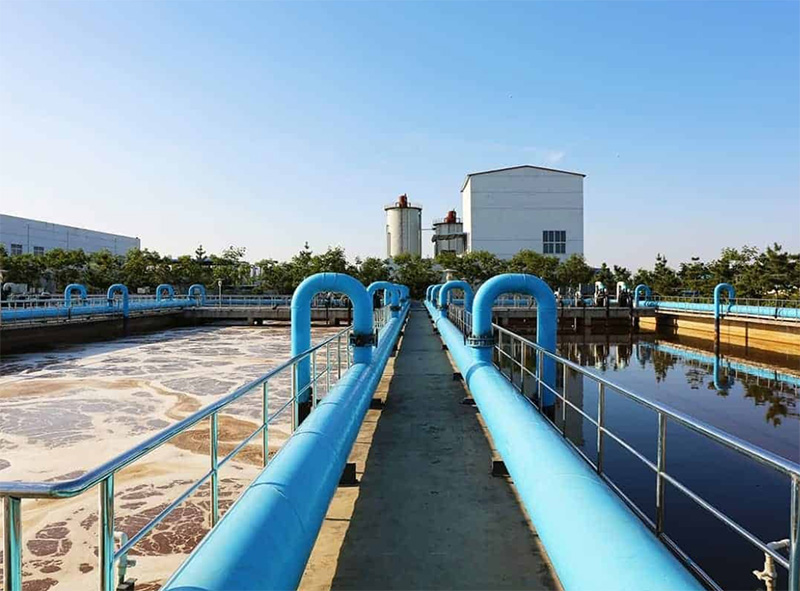
Sludge Plant in Indonesia

KR Supplied Butterfly Valve and Gate Valve For Sludge Plant at Indonesia

Specially configured resilient seat gate valves and wafer-type butterfly valves for thick slurry and sludge movement.

Chemical Plant in Vietnam

KR Supplied A Wide Range of Corrosion Resistant Valves to Chemical Plant at Vietnam

Premium grade PTFE lined butterfly and ball valves engineered to handle highly acidic media and aggressive chemicals.

Natural Gas Project at Russia

KR Supplied Many Ball Valve and Gate Valve For Natural Gas Project at Russia

High-pressure carbon steel ball valves and metal seated gate valves configured for demanding energy supply systems.

Frequently Asked Questions & Technical Support

Expert answers to common engineering and procurement questions for water control systems in Argentina.

What flange and design standards do KR Valves support for the Argentine market?
We manufacture valves to meet all major global standards. For the Argentine market, we commonly supply valves configured to standard EN 1092-2 PN10, PN16, and PN25 flange ratings, as well as ANSI/ASME B16.42 Class 150/300 configurations. Design specifications conform to BS 5163 for gate valves, EN 593/API 609 for butterfly valves, and EN 1567 / AWWA C530 for water control and pressure reducing systems.
How does a 200X Pressure Reducing Valve prevent water hammer in municipal networks?
The 200X PRV is equipped with a pilot loop that monitors downstream pressure. When downstream demand drops, the pressure rise forces the pilot valve to close slightly. This diverts water into the main valve diaphragm chamber, restricting the valve disc stroke and reducing downstream pressure. The pilot loop features a needle control valve that regulates the closing speed, preventing rapid closures that cause water hammer.
Why is GGG50 ductile iron preferred over GG25 cast iron in water distribution networks?
GGG50 (EN-GJS-500-7) ductile iron features spheroidal graphite, providing high tensile strength and flexibility. Under pressure surges, ground shifts, or seismic loads (common in western Argentine provinces like Mendoza), GG25 cast iron can crack due to its brittleness. GGG50 offers excellent impact resistance and ductility, reducing the risk of pipeline failures.
What thickness of epoxy coating is applied to protect against soil corrosion?
We apply a premium Fusion Bonded Epoxy (FBE) powder coating, electrostatically applied both internally and externally. The coating thickness is maintained at a minimum of 250 microns (up to 300 microns upon request) in accordance with the EN 14901 standard. This thick, pinhole-free barrier prevents aggressive soils and drinking water chlorine from corroding the cast body.
Does KR Valve support custom design requests and non-standard face-to-face dimensions?
Yes, we provide extensive customization support. Our design team can modify face-to-face dimensions (compliant with ISO 5752, DIN 3202, or custom municipal specifications), integrate stem extensions for buried installations, and offer specialized actuator configurations (such as electric, pneumatic, or solar-powered remote control).
What quality inspection reports are provided before shipment to Argentina?
Every shipment includes a Mill Test Certificate (MTC) to EN 10204 3.1, a complete Hydrostatic Testing Report (conforming to EN 12266-1 / ISO 5208 seat and shell tests), an Epoxy Coating Thickness and Adhesion Report, and a Dimensional Verification sheet.