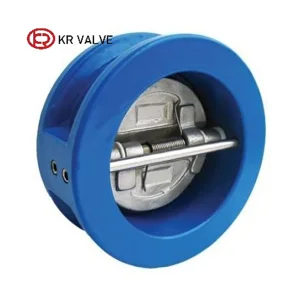
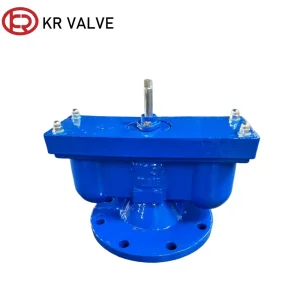
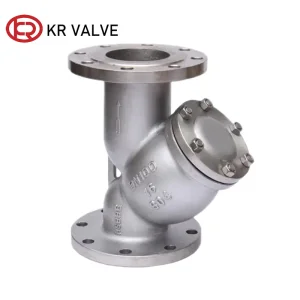
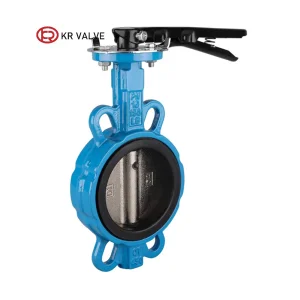
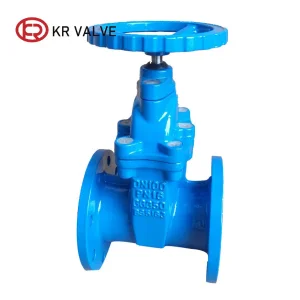
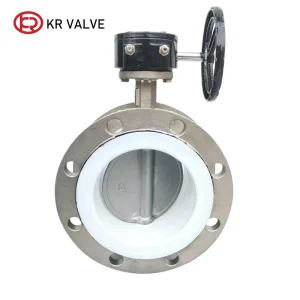
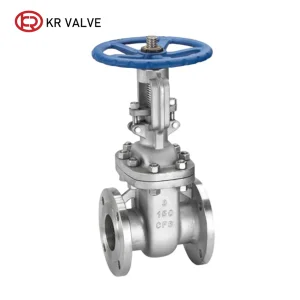
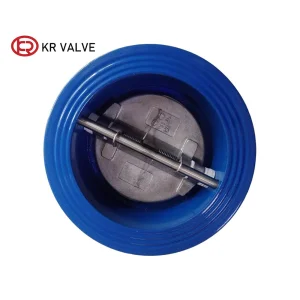
Explore our primary manufacturing line featuring advanced check, gate, strainers, and control valve selections.
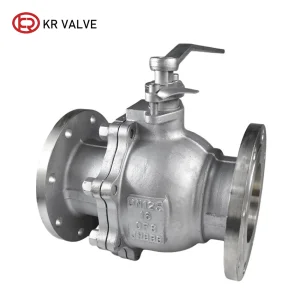
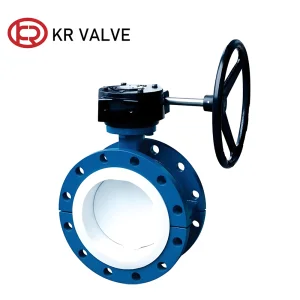
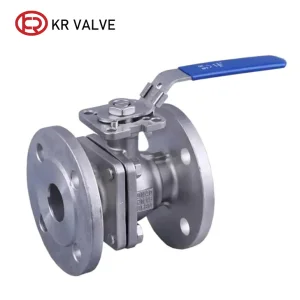
In demanding sectors such as mining, wastewater treatment, pulp and paper, and heavy chemical processing, standard control valves consistently fall short under corrosive, abrasive, and viscous slurry environments. Lug Knife Gate Valves represent the premium operational standard for isolating piping segments carrying solid-entrained media.
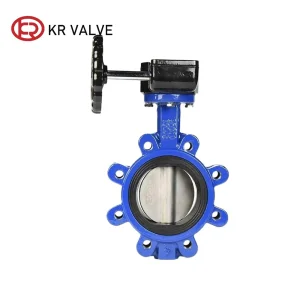
Unlike standard wafer designs, the lugged configuration features threaded bolt holes spanning the entirety of the valve body's perimeter, conforming to ASME B16.5 or EN 1092 standards. This design provides structural integrity, allowing for independent dead-end service downstream. The knife-like gate, typically cast from high-grade SS304, SS316, or Duplex Stainless Steel, features a beveled edge designed to slice cleanly through packed sludge, thick wood pulp, dry bulk powders, and crystalline slurries, assuring tight seal shut-offs and preventing inline flow jamming.
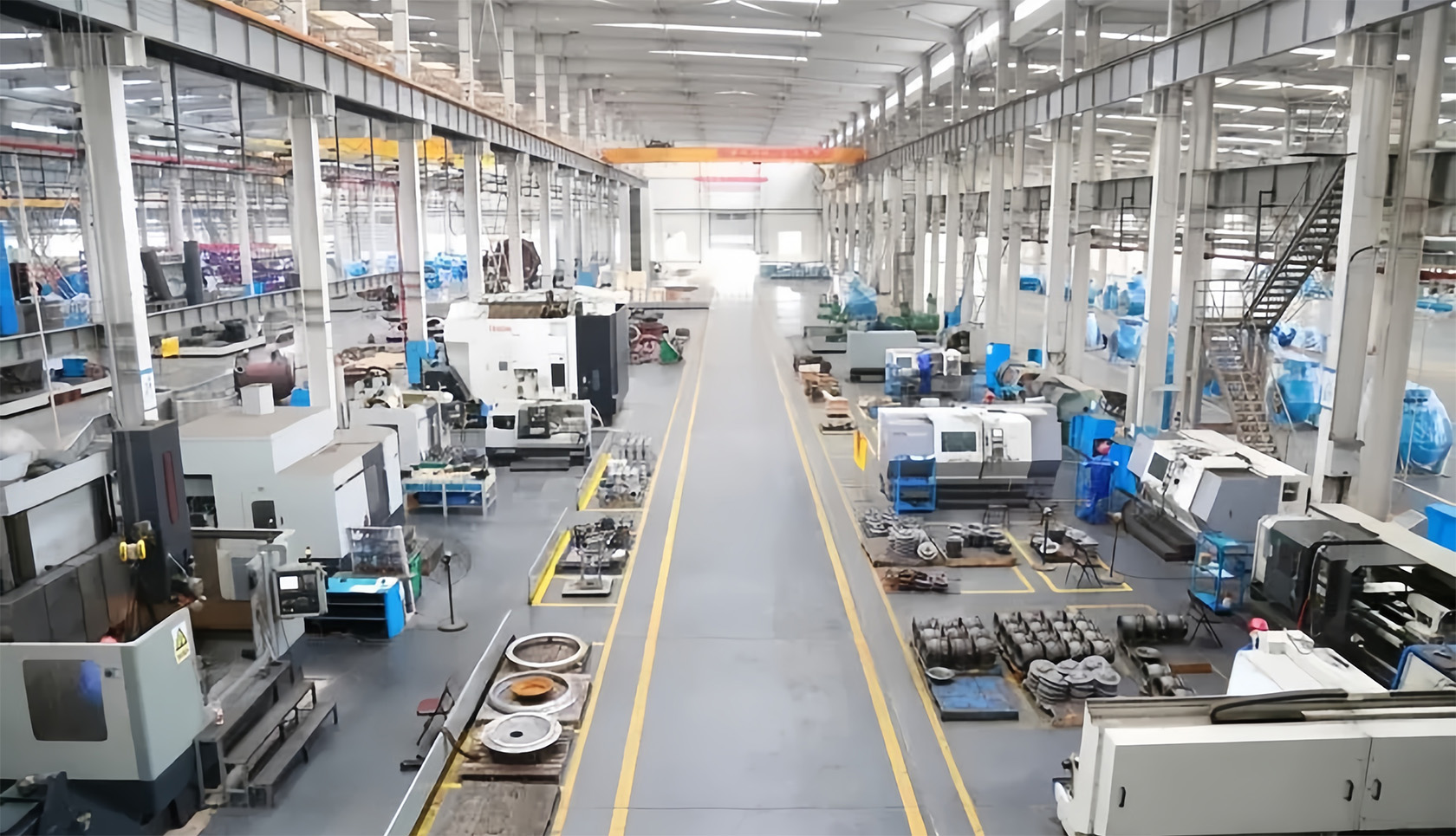
With over 20 years of experience, we provide specialized engineering solutions and high-quality industrial valve supplies globally.
KR is a premier manufacturer specializing in the research, development, and mass production of standard and customized valve components. Supporting a catalog of over 500 valve types—including butterfly valves, gate valves, check valves, and water control systems—our components serve dam projects, municipal water distribution, chemical facilities, and power plants across 50 countries and regions. Our quality control practices ensure that zero-leakage performance is achieved across critical industrial systems.
Pioneering advancements in materials science, automation integration, and heavy industry configurations.
Conventional gate valves only seal effectively in unidirectional flows. The industry is moving toward bidirectional resilient-seated knife gate valves that feature reinforced elastomer liners. This ensures a tight seal against backflows, securing process safety in varying flow networks.
The modernization of manufacturing facilities requires integration with smart control centers. Modern knife gate systems incorporate pneumatic, hydraulic, or electric actuators calibrated with remote position feedback systems and flow diagnosticians, lowering maintenance costs.
High-friction slurry pipelines cause rapid surface erosion. Modern valves utilize specialized wear coatings—such as Stellite hardfacing, Tungsten Carbide matrix overlays, and high-density PTFE liners—to enhance operational life by up to 300% under severe friction.
How engineering procurement managers mitigate risks and optimize total cost of ownership (TCO).
Procuring knife gate valves for large-scale operations demands strict compliance with global technical standards. Engineering buyers prioritize procurement partners who can prove consistent structural and material compliance, such as MSS SP-81 dimensions, ASME B16.34 wall thicknesses, and API 598 pressure test validations. Additionally, minimizing lead times via structured logistics routes reduces the risk of process downtime during critical facility maintenance.
KR optimizes these global sourcing channels by maintaining raw material inventories of ductile iron, carbon steel, and stainless steel alloys. This enables our CNC processing centers to execute short-cycle deliveries, satisfying the operational schedules of municipal infrastructure works and heavy industrial processing complexes.
Exemplifying rigorous engineering from raw metal selection to dynamic hydraulic testing.

Our engineering laboratory operates advanced CAD/CAM profiling software and finite element analysis (FEA) to evaluate flow characteristics and structural stress limits. This process helps us optimize valve designs, reducing flow resistance and preventing solids accumulation in the valve chest.
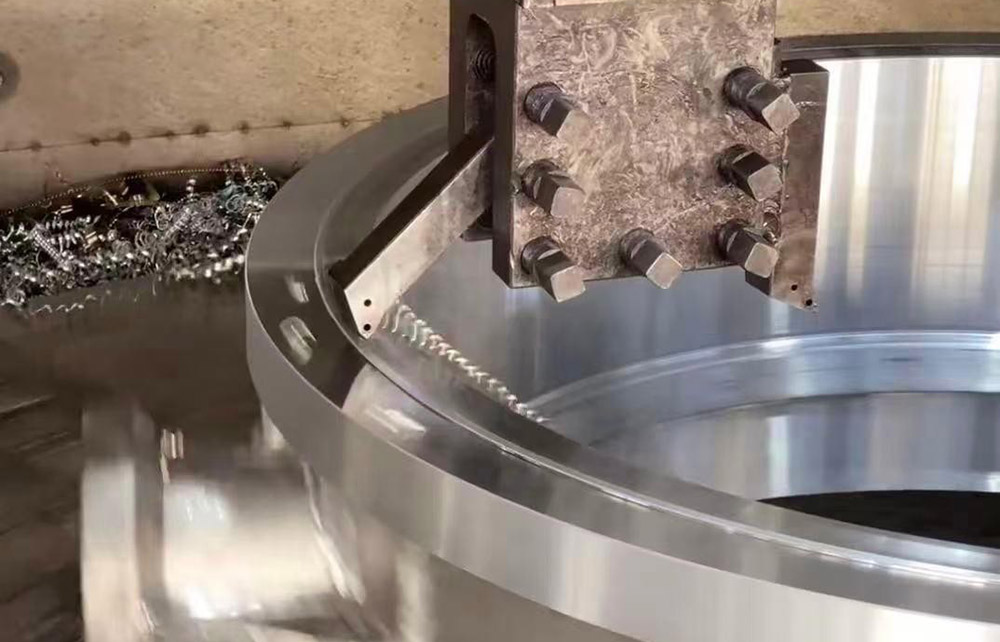
Utilizing high-precision machining centers, our production facilities process gates, stems, and body components to tight tolerances. Strict adherence to ISO 9001 guidelines ensures that our valve bodies assemble reliably under high-stress installations.
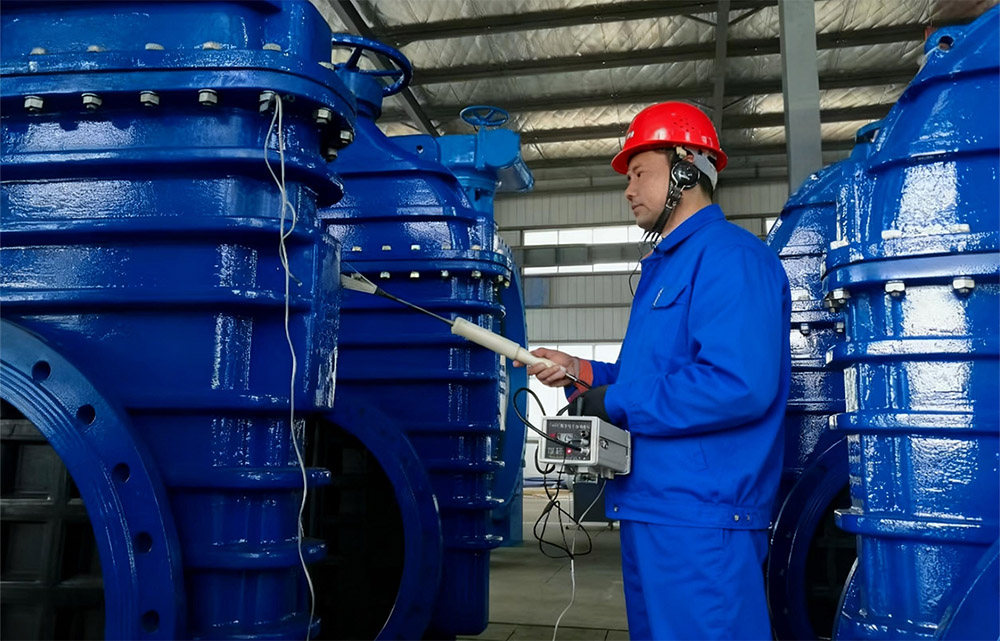
Every valve is subject to testing protocols. Seat and shell hydrostatic checks evaluate structural integrity under high pressure, verifying zero leakage and validating overall durability before the valve leaves our facility.
Proven performance across chemical processing, water distribution, municipal sewage, and heavy gas piping networks.
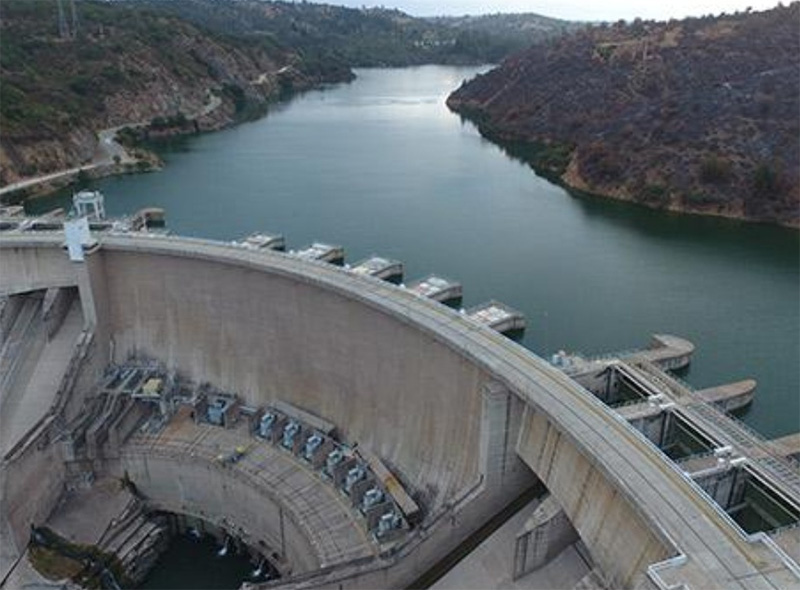
Supplied custom-engineered high-flow hydraulic control valves to control fluid flows under variable pressures, protecting downstream systems from water hammer.
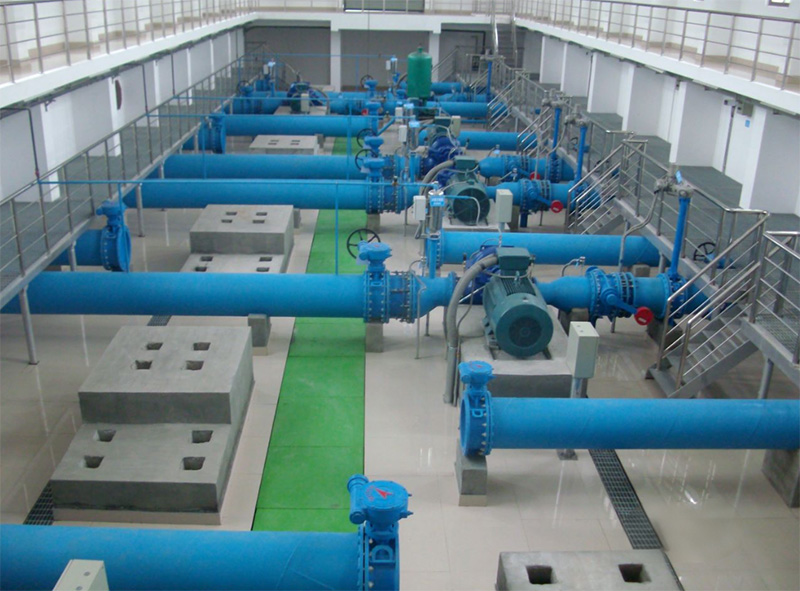
Delivered large-diameter butterfly and check valves to municipal water networks, ensuring low pressure drop and reliable flow control.
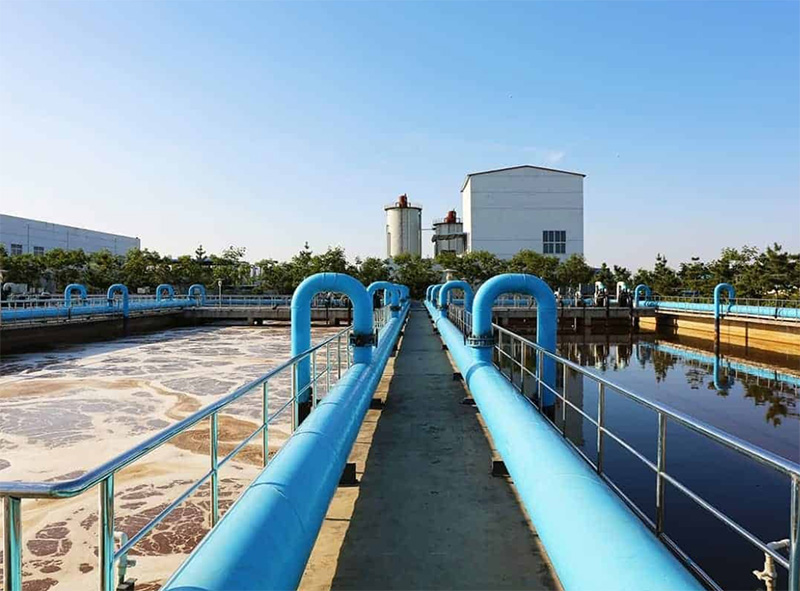
Supplied knife gate and butterfly valves to handle abrasive sludge lines, providing reliable isolation under high-solids conditions.
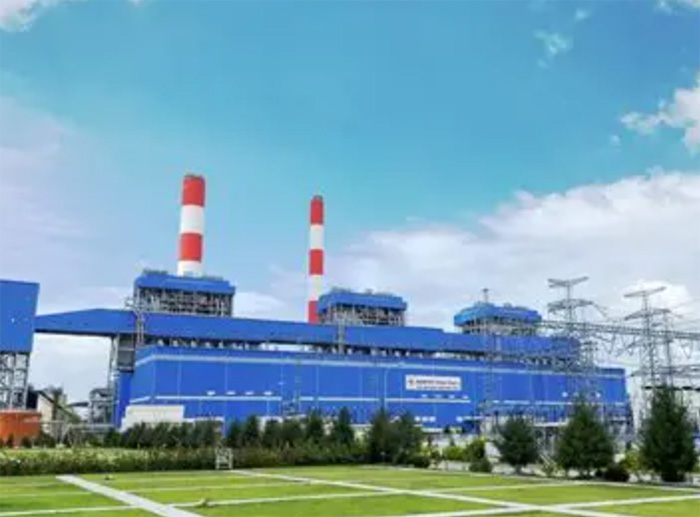
Manufactured corrosion-resistant alloy valves with specialized linings to withstand chemical media and aggressive processing conditions.
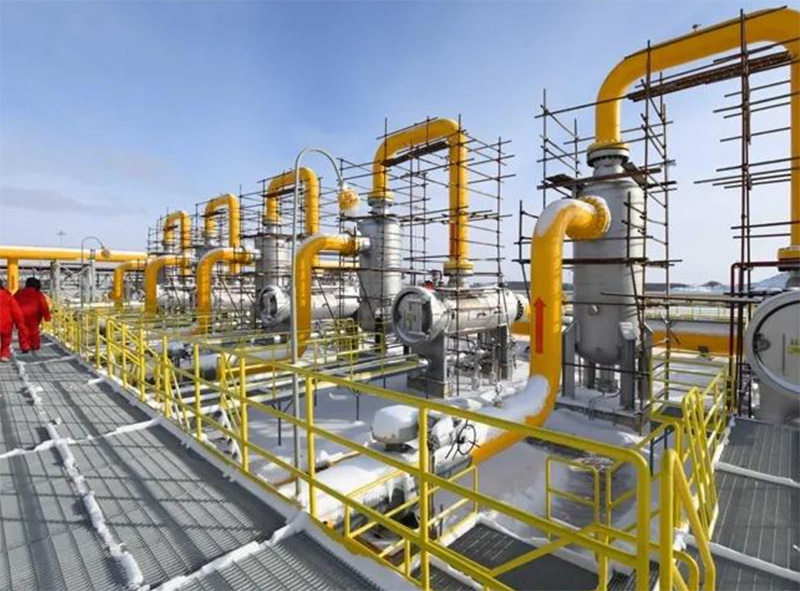
Supplied heavy-duty ball and gate valves engineered to perform in low-temperature environments, verifying long-term gas pipeline security.
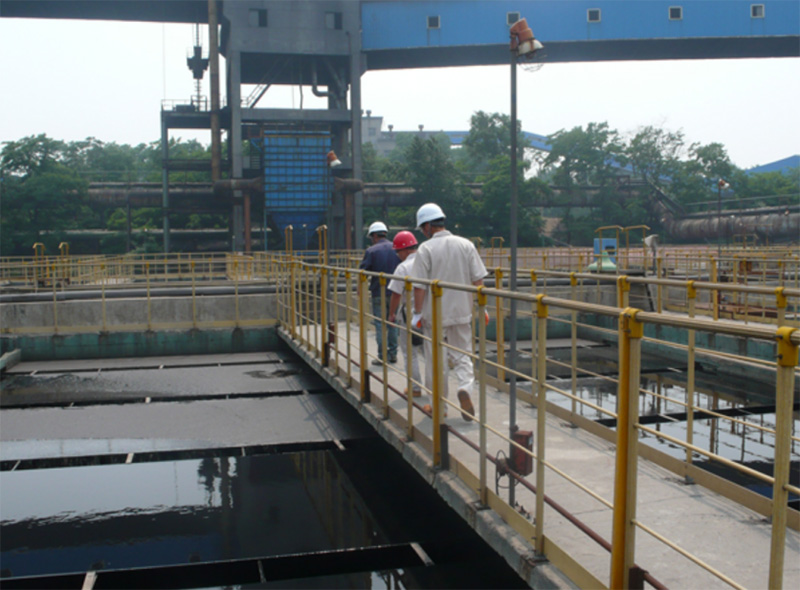
Delivered resilient-seated water control and check valves to sewage handling lines, helping limit biological build-ups and pipeline flow restrictions.
Observe our automated machinery and quality verification procedures firsthand.
Detailed answers to essential engineering queries regarding gate configurations, materials, and installations.
Contact our technical engineering department today to discuss your project requirements, material specs, and lead-time schedules.
Request a Customized Technical QuoteExplore our specialized valve options, designed for high-performance municipal, marine, and industrial applications.
 KR VAVLE