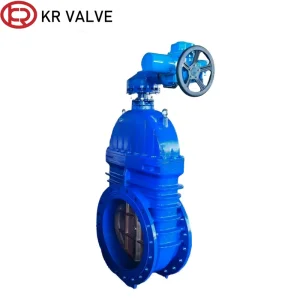
A deep dive into the $8.5 Billion global valve market and the shift toward zero-leakage resilient technology.
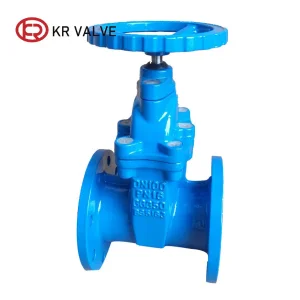
In the current industrial landscape, the Non-Rising Stem (NRS) Resilient Seat Gate Valve has become the gold standard for underground and space-constrained water distribution systems. As global urbanization reaches 56%, the demand for maintenance-free flow control in municipal pipelines has surged. Modern factories are now moving away from traditional metal-to-metal seating toward high-grade EPDM encapsulated wedges to prevent "sand-trap" leaks and corrosion.
The transition from traditional gate valves to resilient seat technology has reduced pipeline energy loss by approximately 12% globally. Manufacturers are seeing a 40% increase in specifications for BS5163 and DIN3352 standards in regions like the Middle East and SE Asia, where infrastructure longevity is prioritized over initial CAPEX.
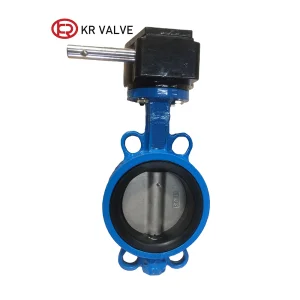
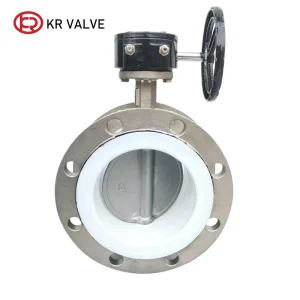
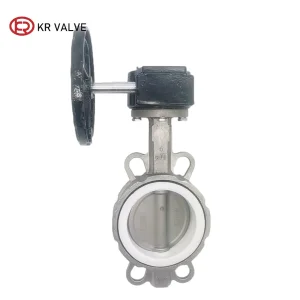
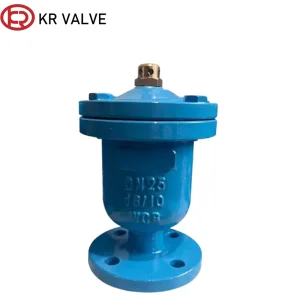
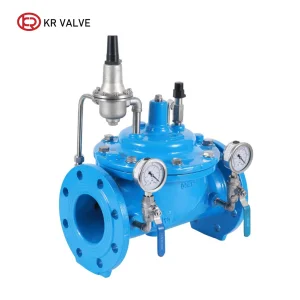
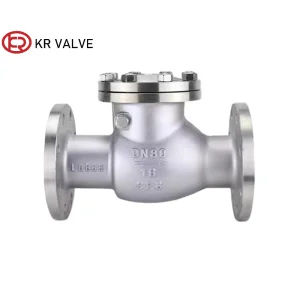
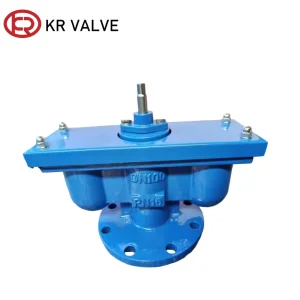
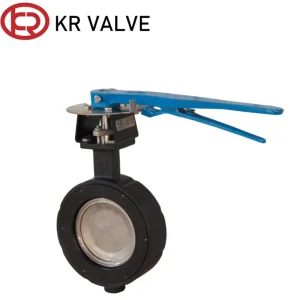
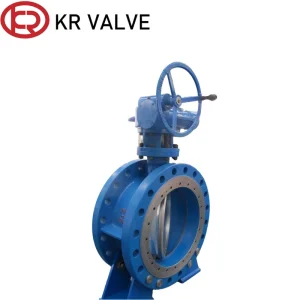
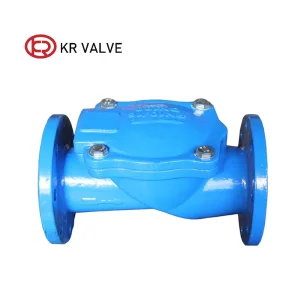
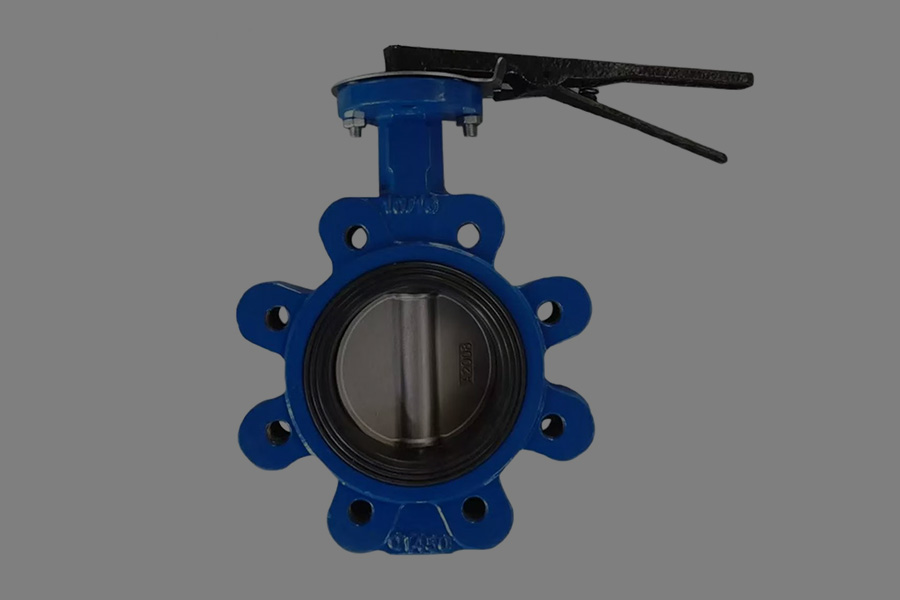
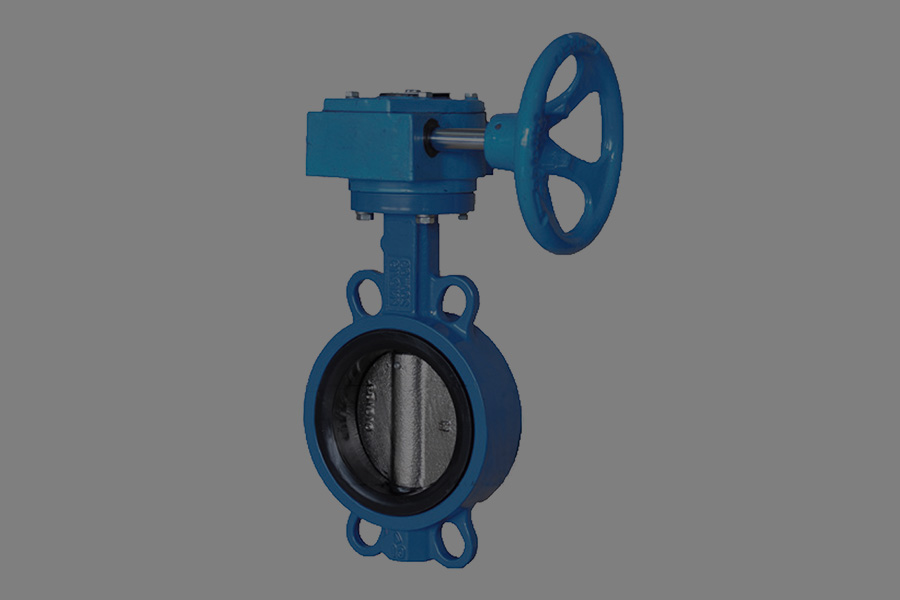
KR has more than 20 years of experience in producing standard and non-standard valves of various types. We supply a wide selection of over 500 valve products, including butterfly valve, gate valve, check valve, water control valve, as well as all their matching and accessory products. These products have applications in various industries such as water treatment, dam construction, commercial buildings, energy and heating, chemical engineering, etc. We have won high repeat purchase rates from customers with excellent product variety and quality.
Today, KR VALVE’s products have been exported to over 50 countries and regions in Europe, Asia, Africa, and Oceania, providing project construction and brand marketing services to thousands of customers.
Innovative manufacturing processes defining the next generation of flow control.
The future of NRS Gate Valves lies in digital twins and acoustic sensors. We are developing smart stem nuts that monitor torque and seat wear in real-time, allowing for predictive maintenance before a leak occurs.
Standard epoxy is evolving into Fusion Bonded Epoxy (FBE) with antimicrobial properties. This is critical for the "Potable Water 2030" initiatives in Europe, ensuring no leaching of chemicals into the water supply.
Transitioning to lead-free copper alloys for stem nuts and 100% recyclable ductile iron (GGG50). Our factories are targeting net-zero carbon casting processes by 2028.
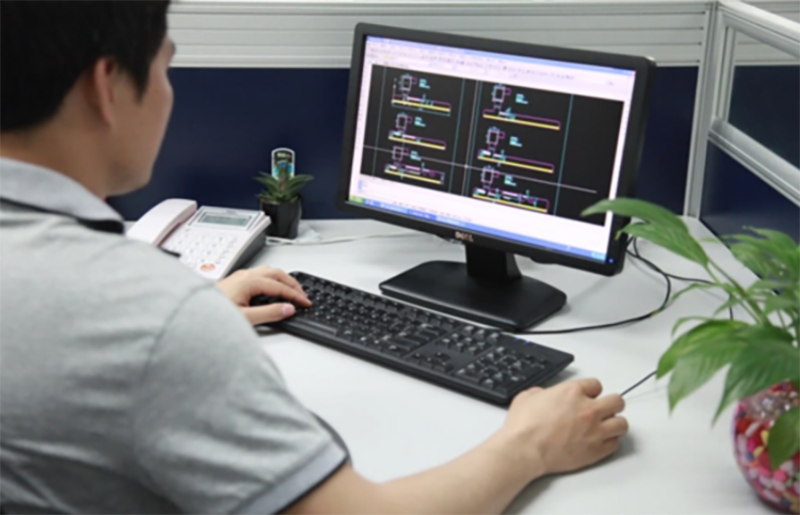
Our R&D department ensures continuous innovation. Technicians develop products meeting market requirements, utilizing modern lab testing to elevate performance across 20 series.
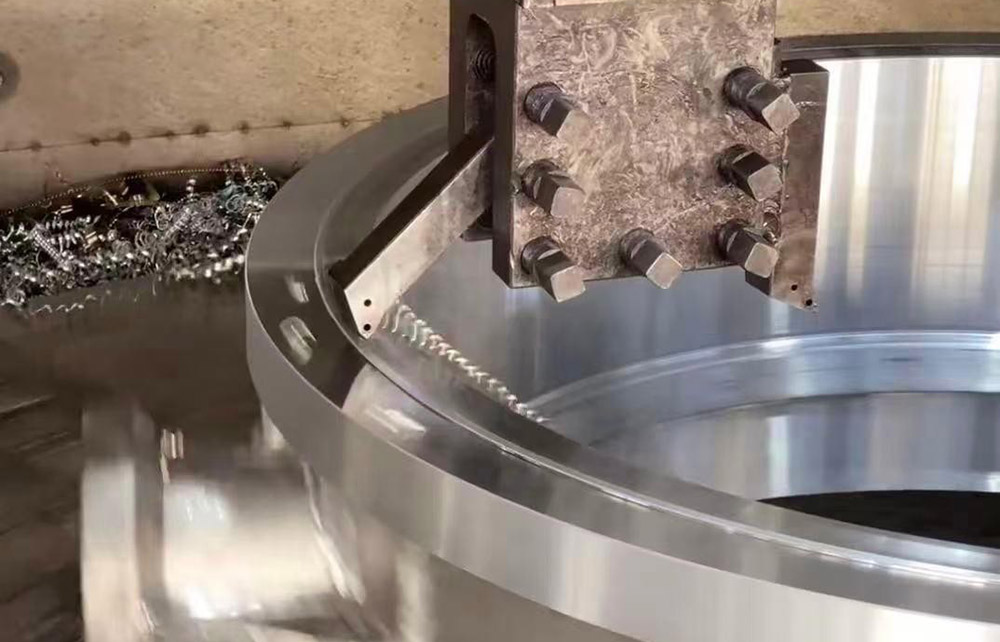
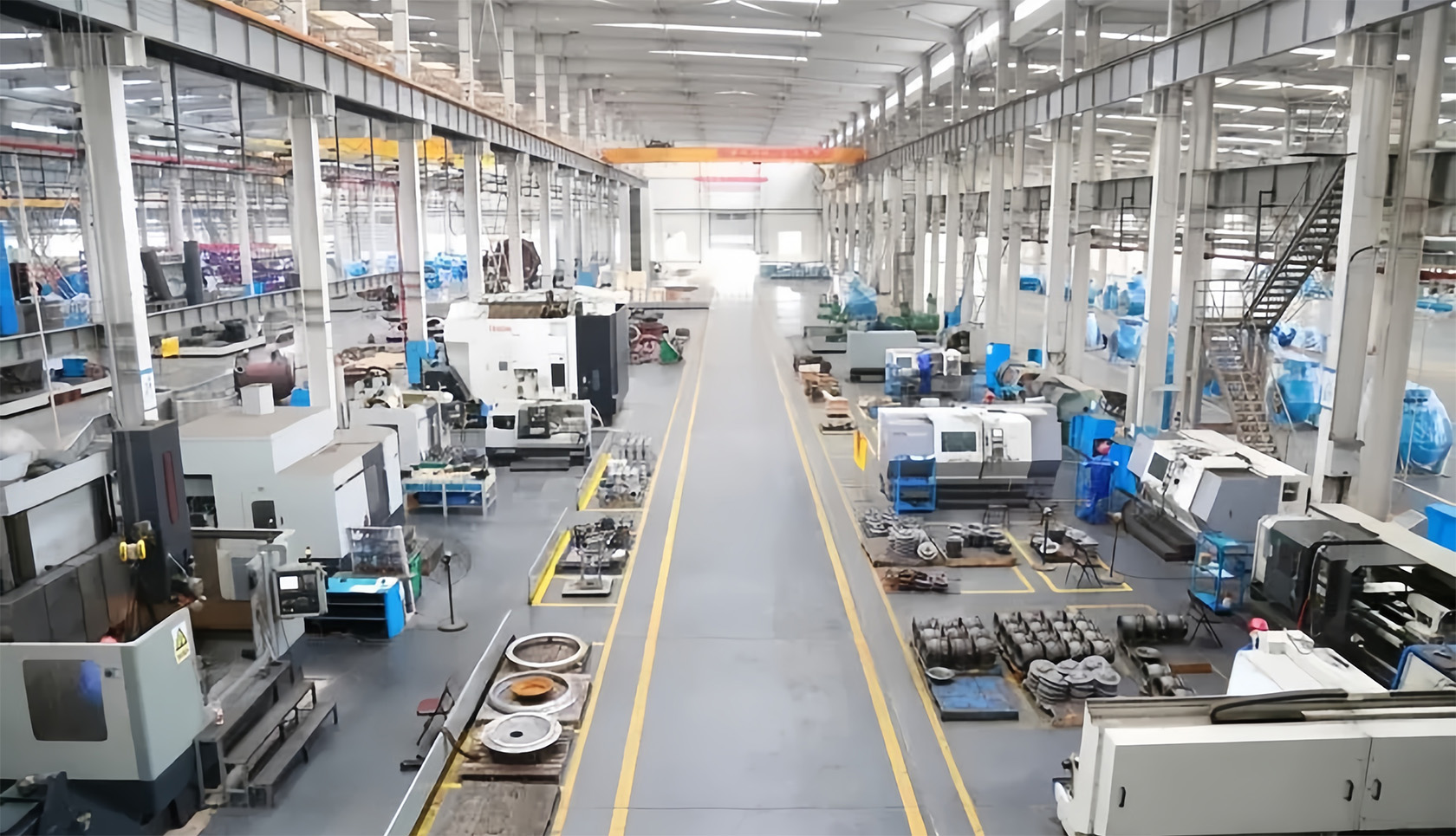
Operating under ISO-9001, our facility utilizes over 30 sets of advanced production equipment. Monthly inventory updates ensure timely delivery for global project demands.
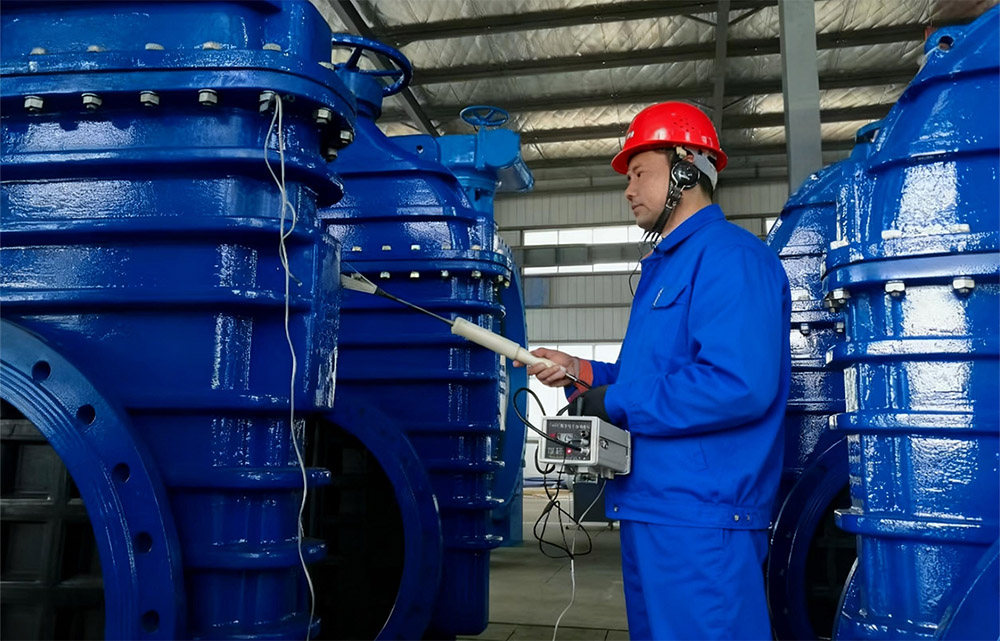
Zero leakage is our principle. Every valve undergoes 100% inspection for appearance, dimension, and pressure integrity according to international quality standards.
NRS Gate Valves tailored for diverse geographic and industrial challenges.
Designed for buried service with extension spindles. Ideal for urban networks in the UK (BS5163) and Germany (DIN3352).
UL/FM compliant gate valves with tamper switches for high-rise building safety systems in North America and Asia.
Equipped with NBR seats to resist oils and mild chemicals in sludge treatment facilities in Brazil and Italy.
Compact NRS design for mechanical rooms where vertical space is limited, common in Dubai and Singapore skyscrapers.
Witness our manufacturing excellence and global project impact.
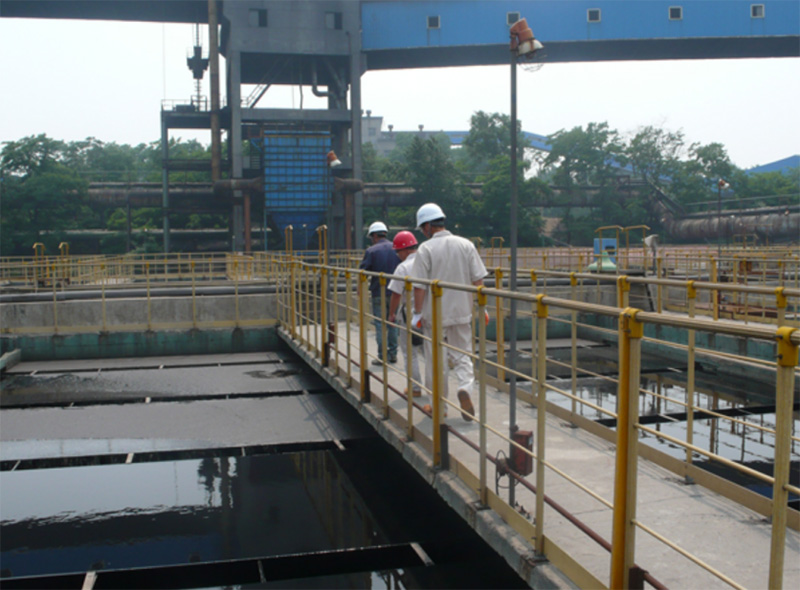
Supplied comprehensive water control valves for large-scale urban sanitation.
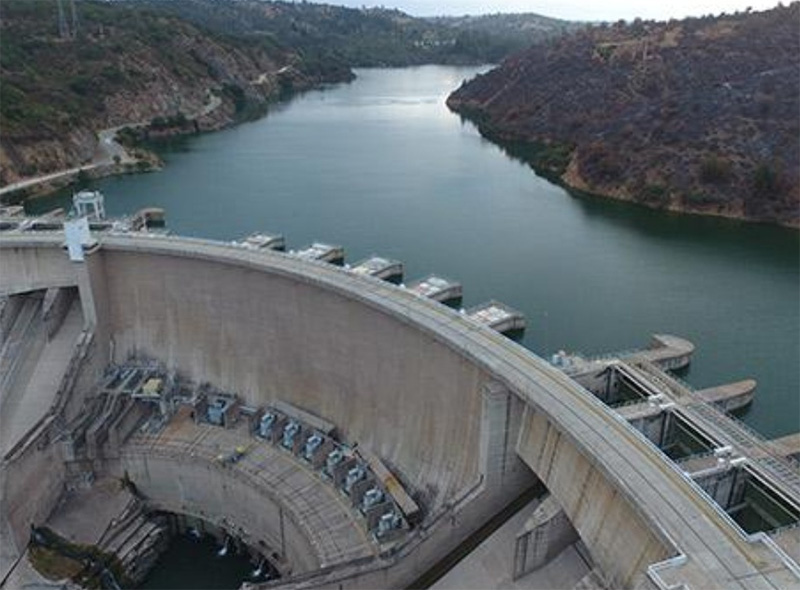
Hydraulic control solutions for remote mountainous hydroelectric sites.
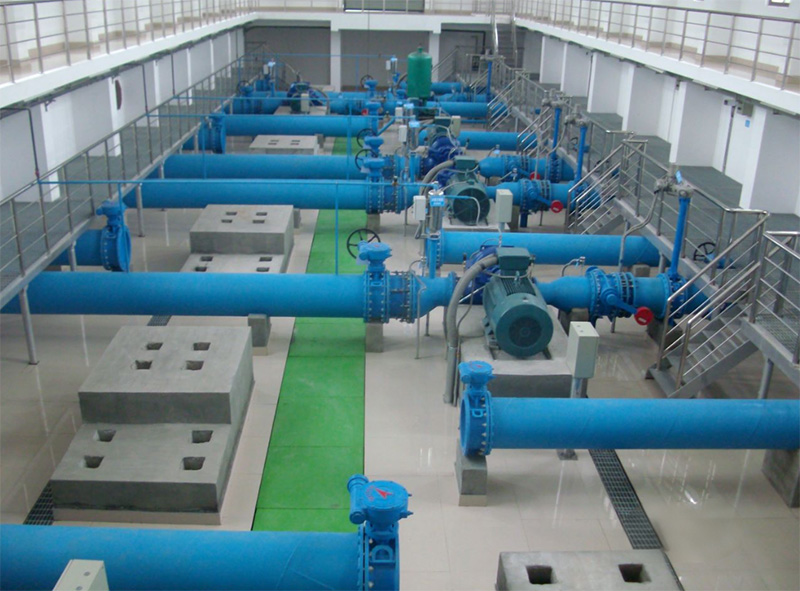
Large diameter butterfly and check valves for regional water distribution.
Integrating valves into holistic infrastructure ecosystems.
Combining our NRS Resilient Seat Gate Valves with PRVs (Pressure Reducing Valves) to automate pressure zones, reducing pipe bursts by up to 30%.
Customized material selection (SS316 stems, special coatings) to handle corrosive discharge in chemical plants while maintaining zero leakage.
High-flow capacity gate valves designed for instantaneous operation, ensuring critical water pressure is maintained during emergencies.
 KR VAVLE