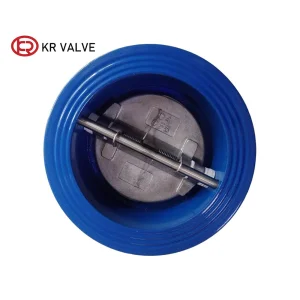
High-precision valve systems engineered for zero-leakage, longevity, and high structural integrity under severe working conditions.
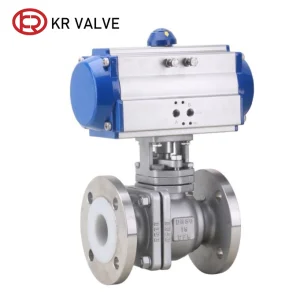
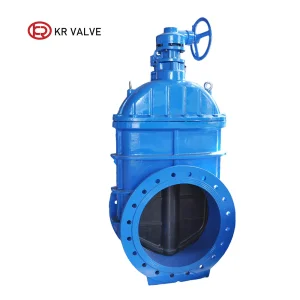
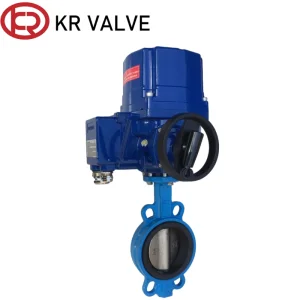
In mid-to-large-scale municipal infrastructure, heavy manufacturing, and raw chemical processing, the 10-inch (DN250) butterfly valve represents a critical sizing pivot. Functioning as a high-capacity flow regulator, this size class requires meticulous structural calculations to maintain low pressure drops, limit cavitation damage, and control dynamic torque characteristics under high-velocity regimes. For project engineers and industrial buyers, selecting the right OEM factory is not simply a matter of sourcing components; it is a critical process involving metallurgical assurance, hydraulic design refinement, and testing verification.
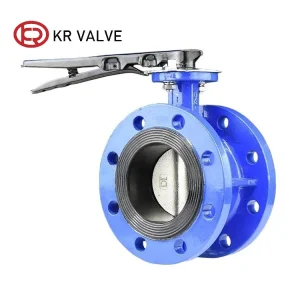
Depending on target operational pressures, thermal load envelopes, and fluid corrosivity, 10-inch butterfly valves are classified into three major engineering designs:
| Valve Type | Common Materials | Pressure Range | Primary Industrial Applications |
|---|---|---|---|
| 10" Concentric Resilient-Seated | Ductile Iron (GGG40), EPDM/PTFE Seat, CF8/CF8M Disc | PN10 / PN16 / Class 150 | Water Treatment, Desalination, HVAC, Food Processing |
| 10" Double Eccentric (High-Performance) | WCB Steel, CF8M Stainless, Reinforced PTFE Seat | PN16 / PN25 / Class 150/300 | Chemical Processing, Light Oil Refineries, Cooling Systems |
| 10" Triple Eccentric Metal Seat | A216 WCB, A351 CF8M, Stellite Faced Seats | PN25 / PN40 / Class 150/300/600 | Steam Networks, Petrochemical, Power Generation, Gas Lines |
The industrial landscape for flow-control solutions is experiencing a technological paradigm shift. Global regulations surrounding fugitive emissions (such as ISO 15848-1 and API 622) mandate that butterfly valve manufacturers optimize shaft sealing technology to prevent the escape of volatile organic compounds (VOCs). Additionally, the rise of the Industrial Internet of Things (IIoT) has driven the integration of intelligent electric actuators equipped with real-time diagnostic sensors. These units measure dynamic torque deviations, internal cycle wear, and thermal characteristics to predict maintenance intervals, preventing catastrophic downtime in critical processes.
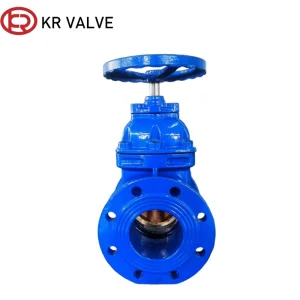
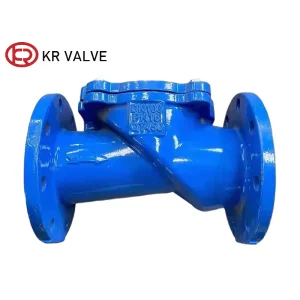
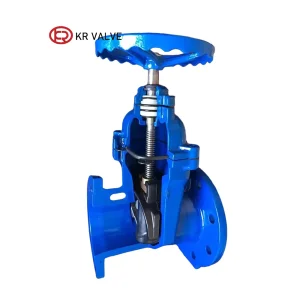
KR has more than 20 years of experience in producing standard and non-standard valves of various types. We supply a wide selection of over 500 valve products, including butterfly valve, gate valve, check valve, water control valve, as well as all their matching and accessory products. These products have applications in various industries such as water treatment, dam construction, commercial buildings, energy and heating, chemical engineering, etc. We has won high repeat purchase rates from customers with excellent product variety and quality.
Beyond product excellence, we are dedicated to creating a mutually beneficial partnership with every customer. We believe that reliable service is as crucial as superior products, and we strive to continuously optimize the customer experience to achieve long-term win-win cooperation. Today, KR VALVE’s products have been exported to over 50 countries and regions in Europe, Asia, Africa, and Oceania, providing project construction and brand marketing services to thousands of customers. We look forward to collaborating with you, leveraging our expertise, comprehensive product range, and unwavering commitment to quality and service to support your success.
Ensuring absolute performance validation from initial design optimization to hydrostatic and aerodynamic valve testing.
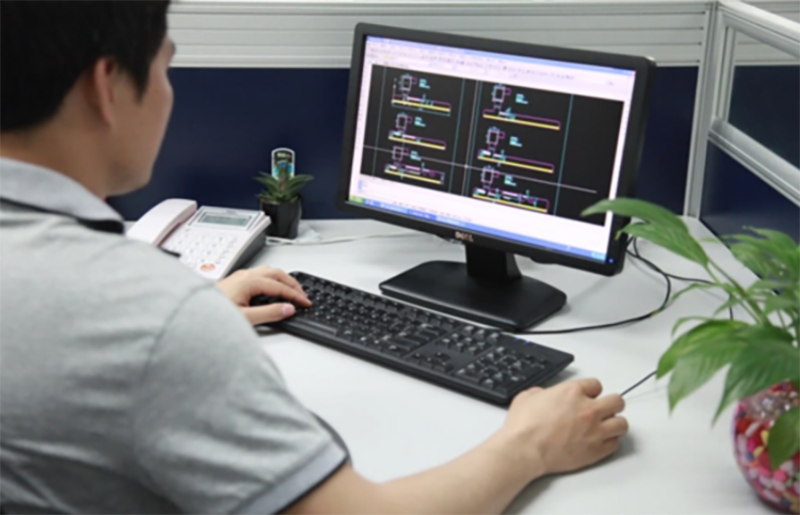
R&D department to ensure product design and continuous innovation. Our technicians continuously design and develop products that meet customer and market requirements, our lab provides extensive modern testing capabilities to elevate product performance development. We have 20 series and over 500 varieties of our products now.
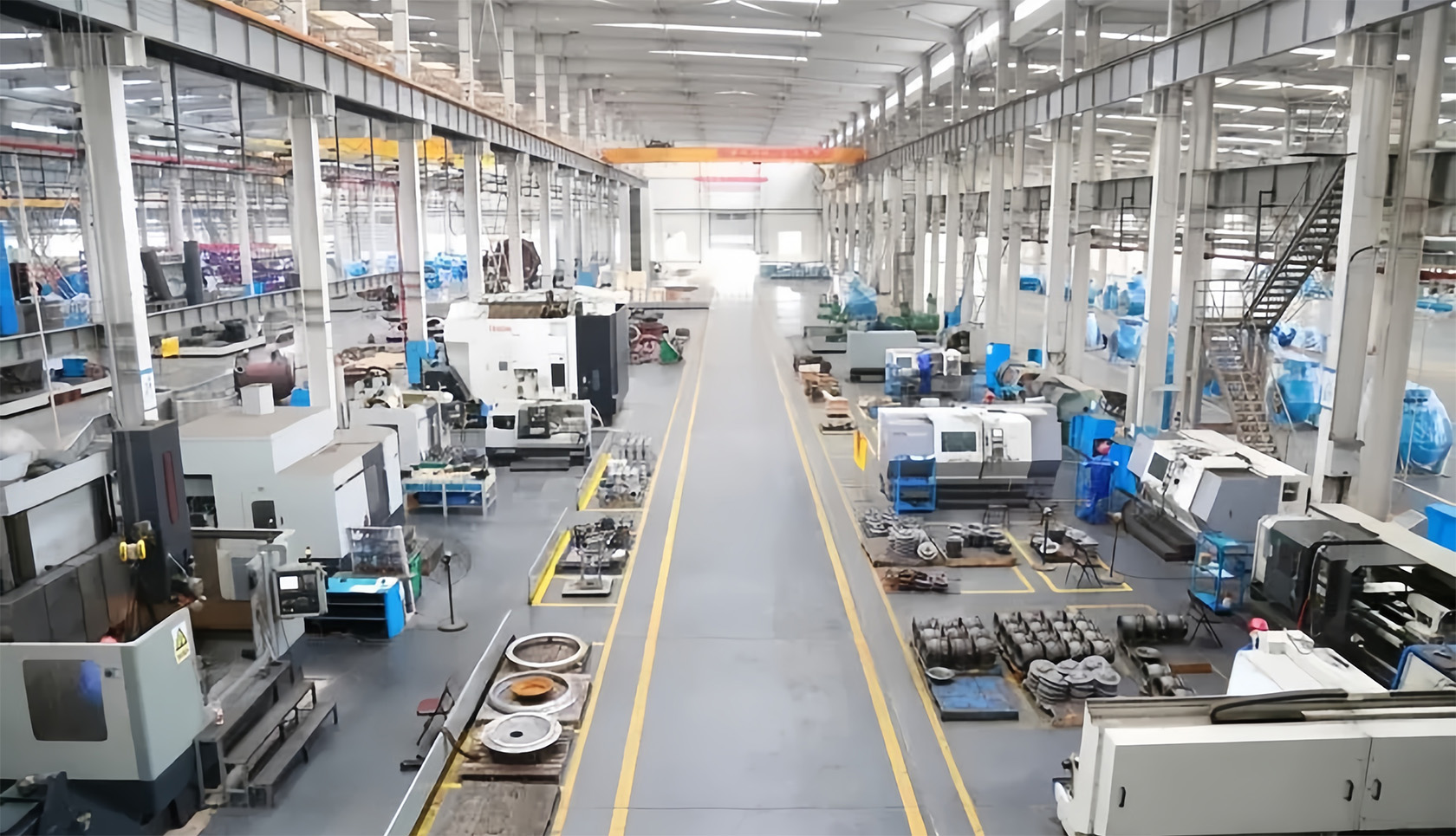
Production department formulates the production plan and produces according to the plan to ensure timely delivery according to customer requirements. Products are manufactured under strict supervision in accordance with the ISO-9001 quality management system. We have over 30 production equipment and update our inventory monthly to meet and exceed customer expectations for delivery.
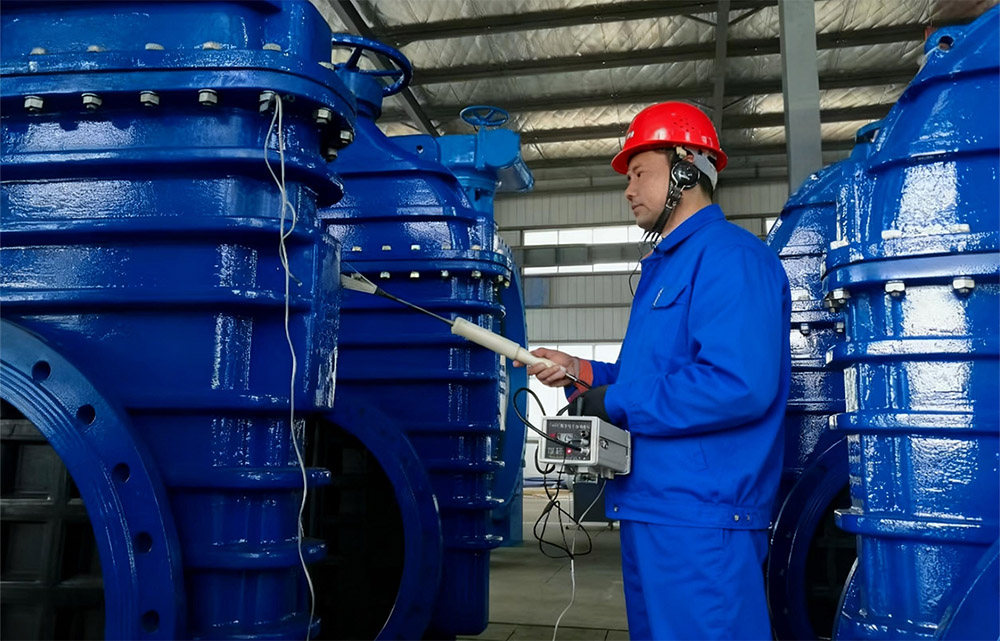
Inspection department to ensure 100% inspection quality of products. Zero leakage is our principle. According to international quality inspection standards, conduct a series of inspections on the appearance, size, pressure, etc. of the product and issue the report in compliance with international standards.
Mitigating risk and maximizing performance lifecycle in massive industrial fluid systems.
A key failure vector in high-flow pipelines is cavitation corrosion and stress cracks due to sub-standard alloys. Sourcing from factories that provide clear material test reports (MTRs to EN 10204 3.1) is critical. Make sure the carbon steel (WCB) and ductile iron (GGG40) components comply precisely with structural pressure boundary requirements.
Dynamic torque requirements change based on pipeline media, pressure differentials, and seat friction profiles. When designing automated layouts, specify the exact safety factor overhead (typically 20% to 30%) to ensure that electric, pneumatic, or hydraulic actuators operate reliably without stalling under peak hydrodynamic conditions.
Tailored engineering, rigorous material testing, and global logistics coordination built to optimize supply chain security.
We have our own independent brand ‘KR’ and also provide OEM services to our customers, we have established long-term relationship with many famous brand.
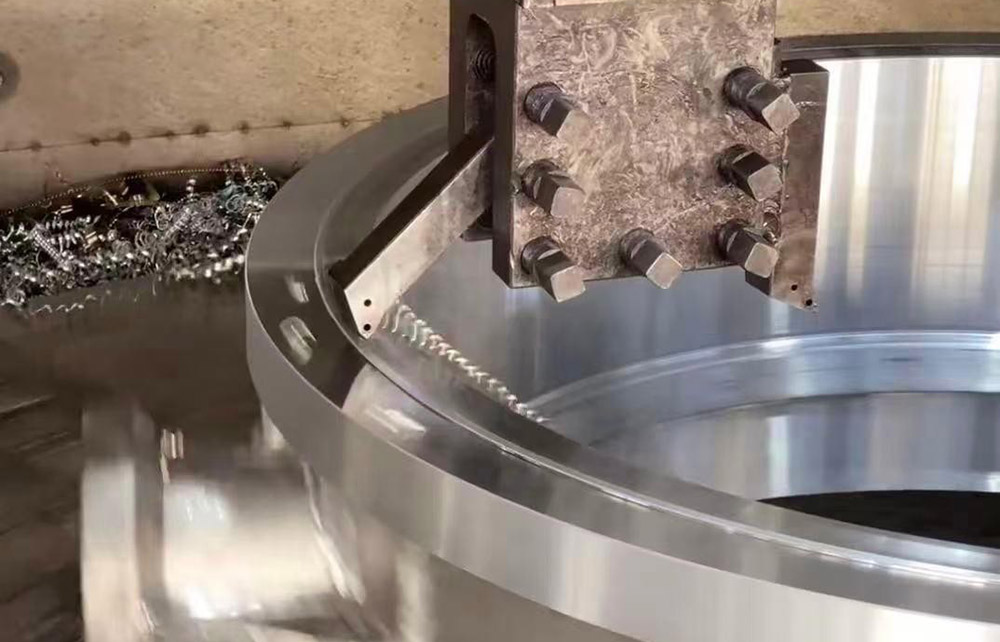
We have 15 machining machines and assembly line, and our workers are all experienced, ensuring precision engineering at every point.
We have 20 series and over 500 varieties of our products, supply international standard and non-standard customized products.
We strictly control the production of each component and assemble it into a perfect finished product, minimizing leakage points.

We have competitive price based on we strictly control every process of production by ourselves to maximize material and manufacturing efficiency.
We provide professional and complete pre-sales and after-sales service consultation, delivering 24/7 technical advice.
How KR Valve customizes 10" and large-scale valve architectures to resolve cross-sector flow control challenges.
In desalination plants and water distribution grids, corrosion is the primary failure vector. KR integrates heavy-duty EPDM soft seats with duplex stainless steel or Teflon-coated discs inside GGG40 bodies, ensuring long-term resistance to high salinity and chlorinated water.
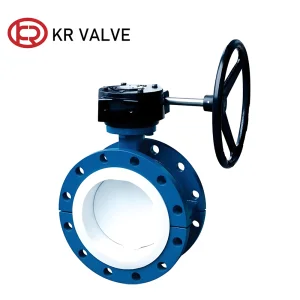
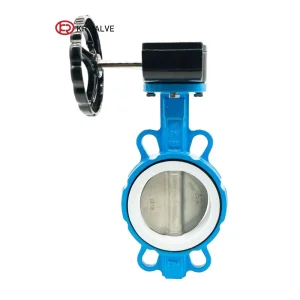
Managing corrosive acids, bases, and volatile solvents requires absolute isolation. Our split-body full PTFE-lined butterfly valves isolate fluid from the metal valve body, offering superior chemical resistance and zero-leakage safety boundaries.
District heating and industrial steam systems operate under continuous thermal cycles. KR High-Performance double-eccentric valves limit friction wear and handle rapid temperature fluctuations, preserving valve seal integrity under fluctuating loads.
Get a visual look into our production lines, testing laboratories, and machining operations.
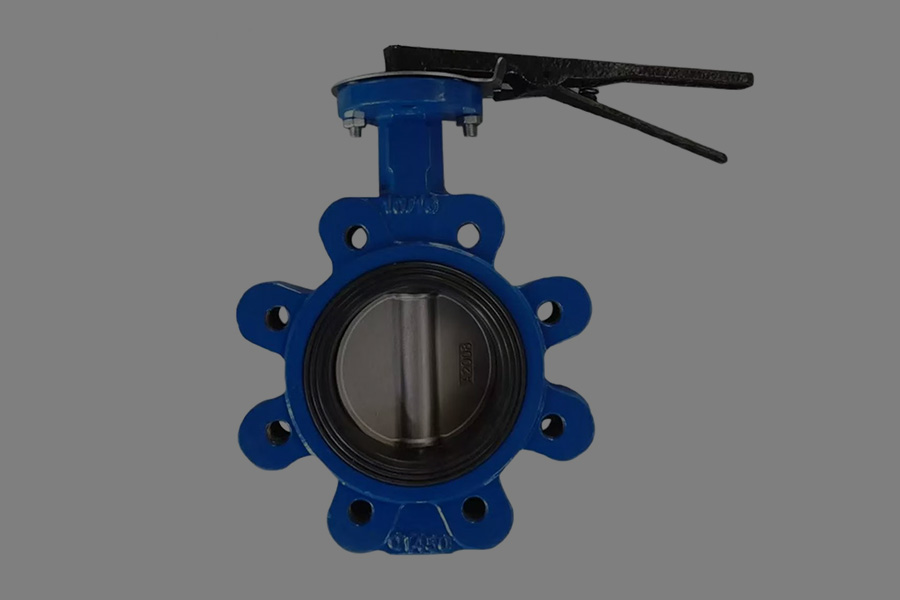
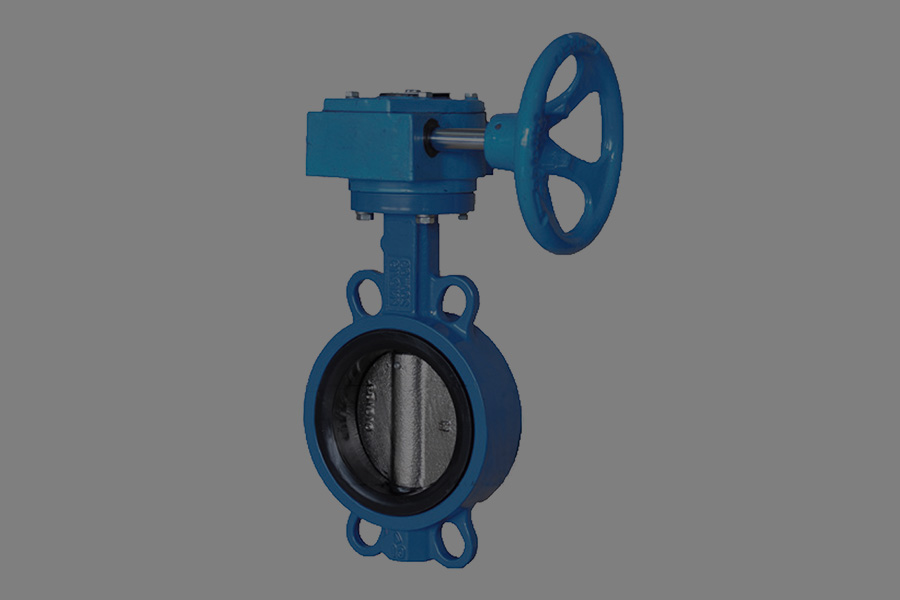
Review the comprehensive product ranges designed, manufactured, and inspected in-house by KR Valve.
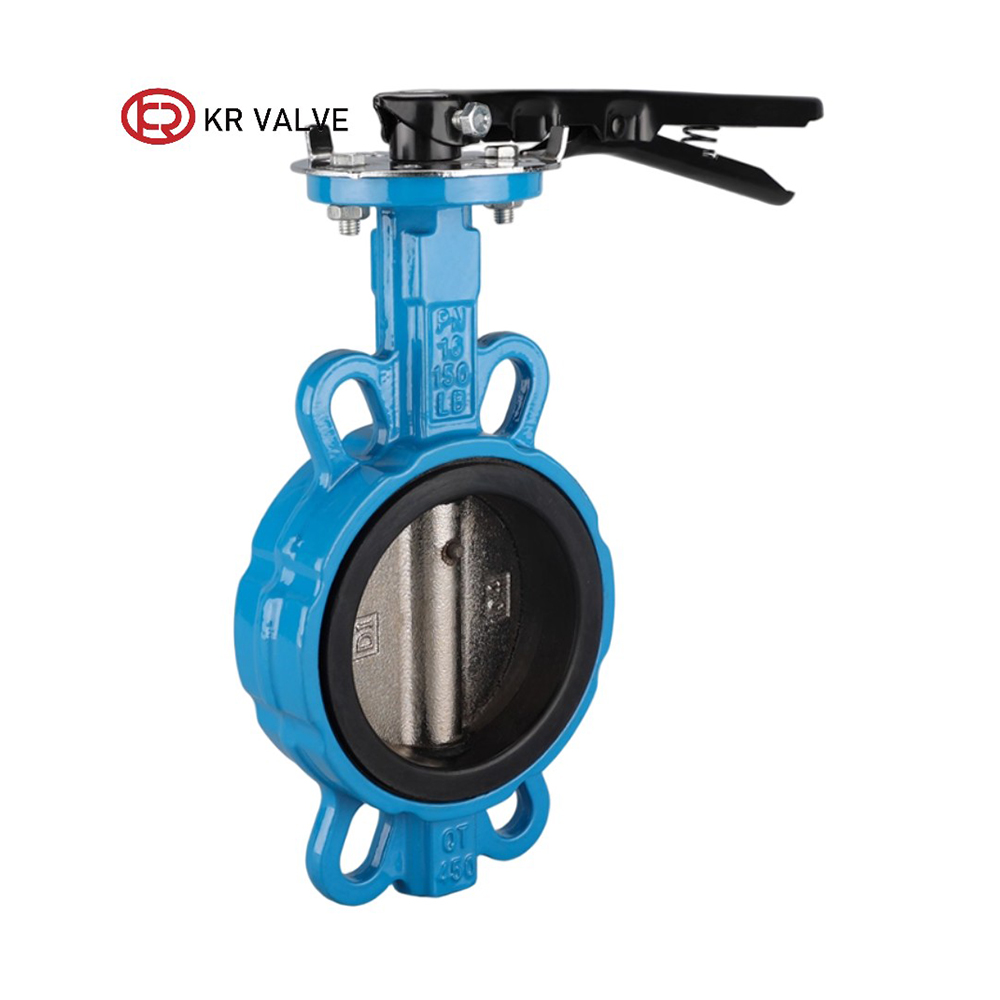
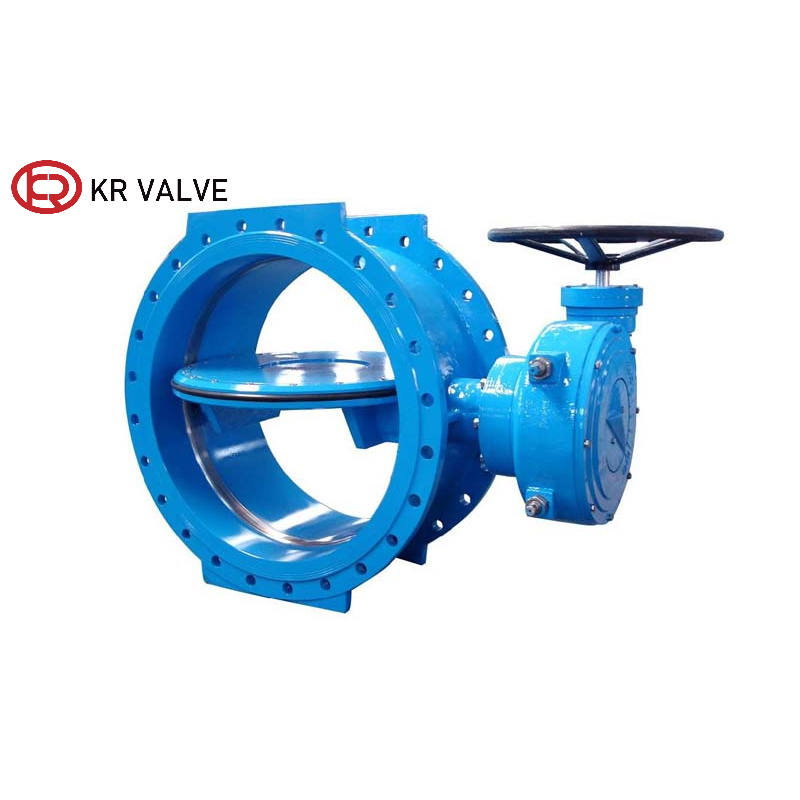
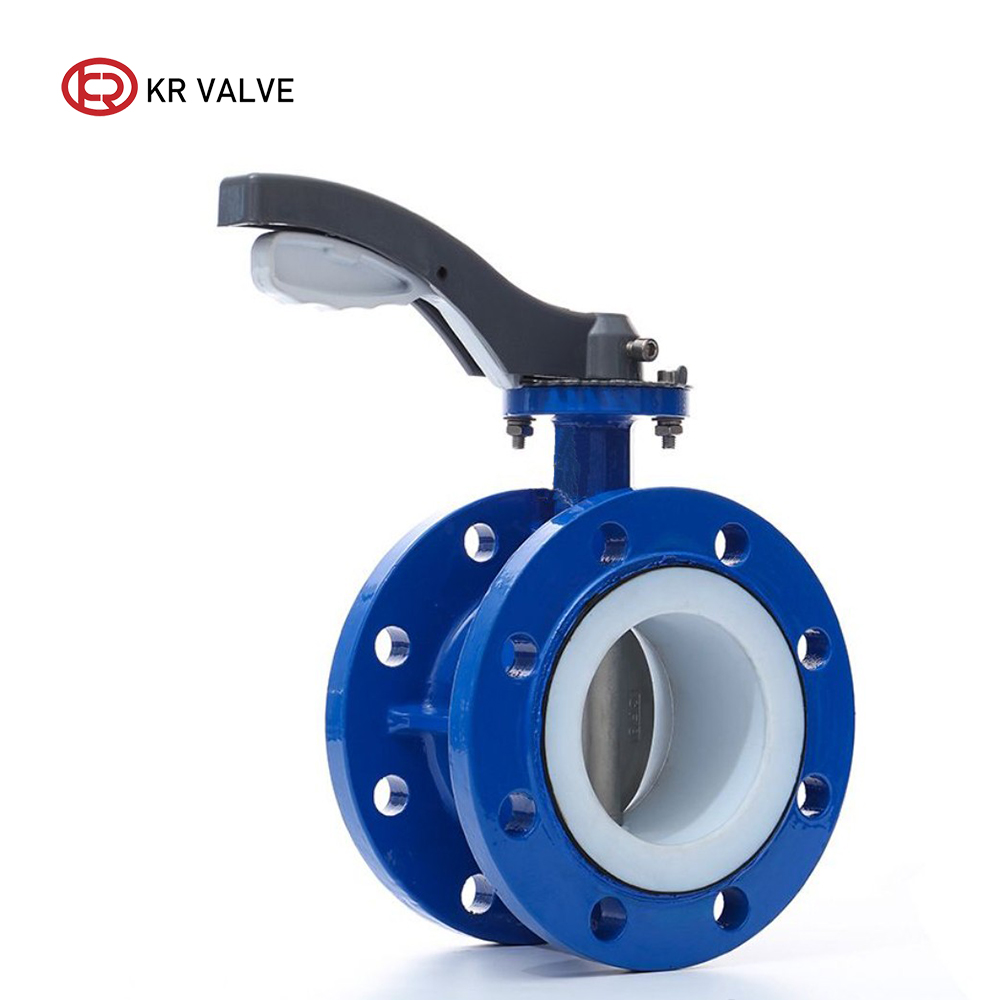
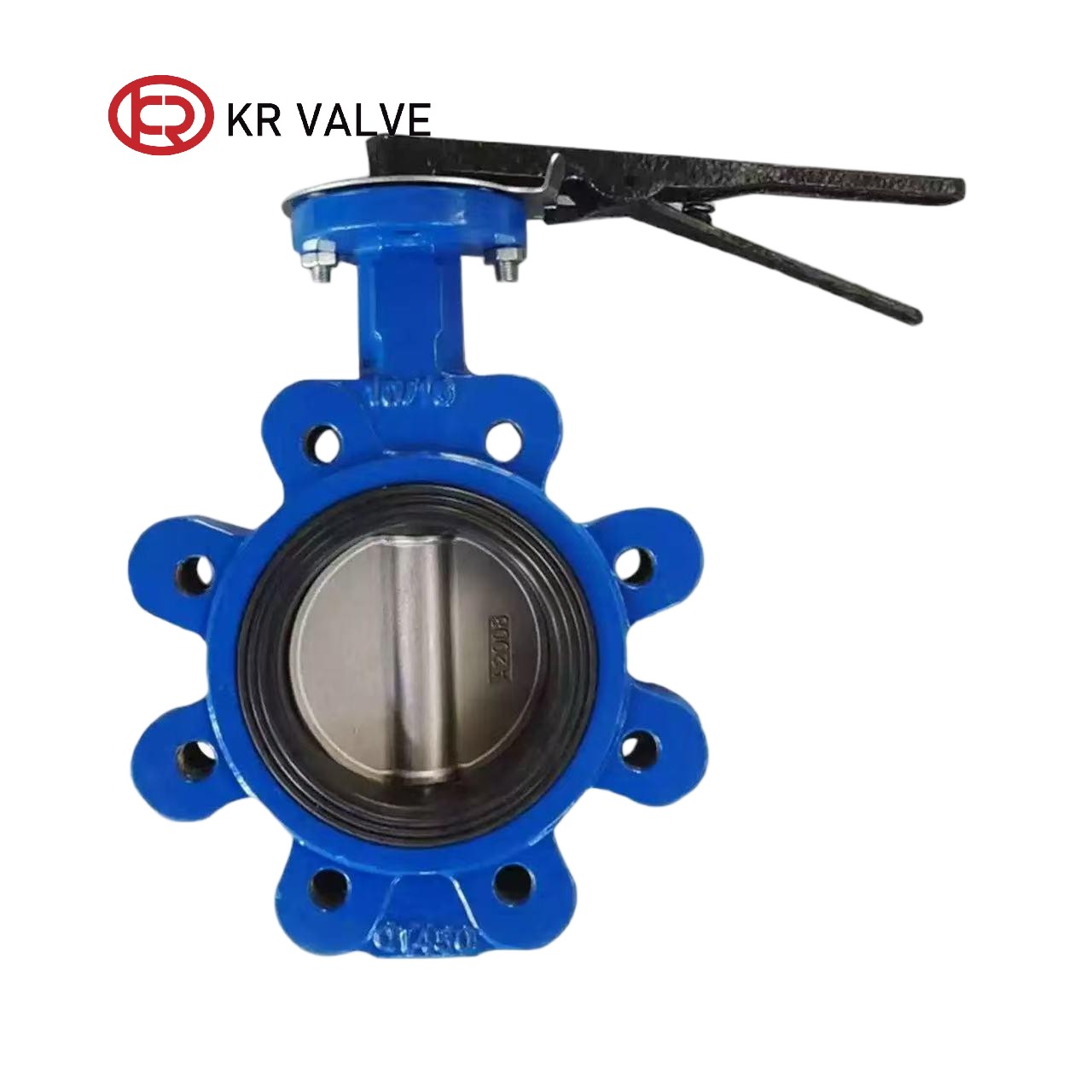
Highlighting real-world applications of KR Valve configurations engineered for international infrastructure programs.
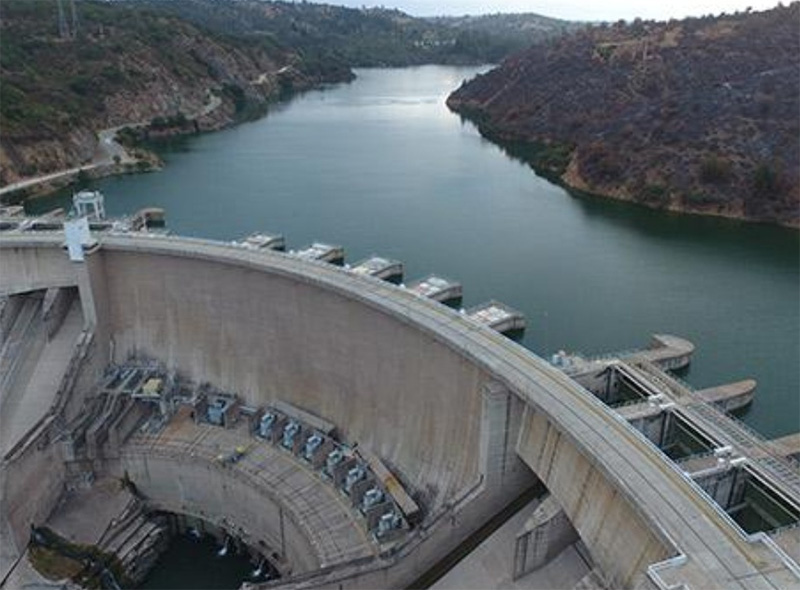
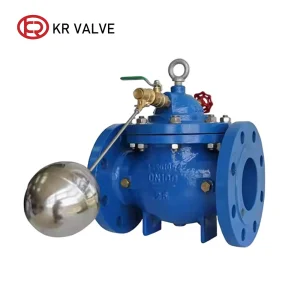
Supplied specialized high-pressure water control valves designed to withstand high hydraulic loads in critical dam control structures.
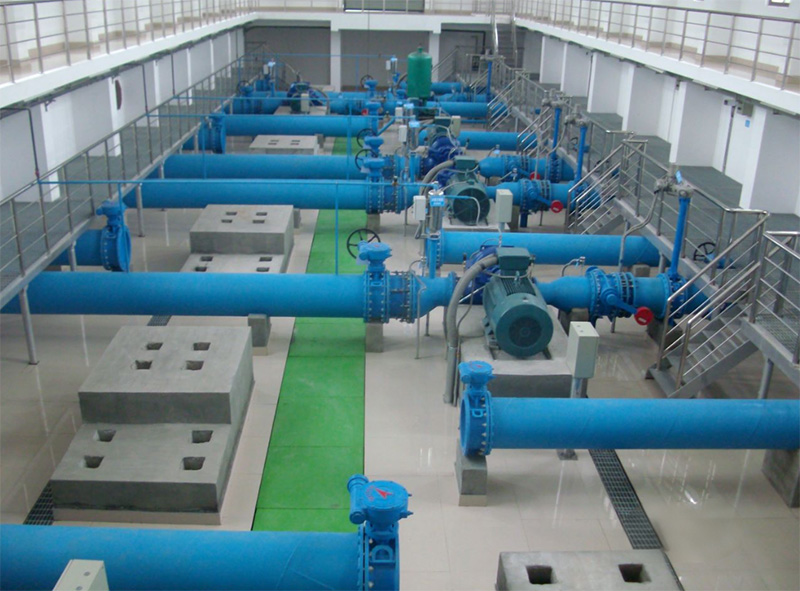
Delivered large-diameter butterfly valves and non-return check valves to ensure clean municipal water distribution across major Italian cities.
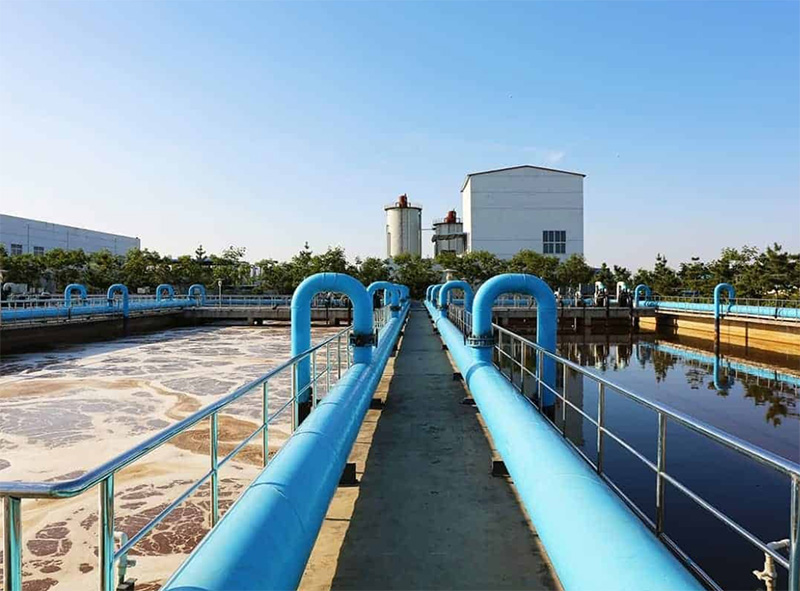
Integrated highly resistant resilient gate valves and wafer-type butterfly valves for handling high-solid slurries and organic matter.
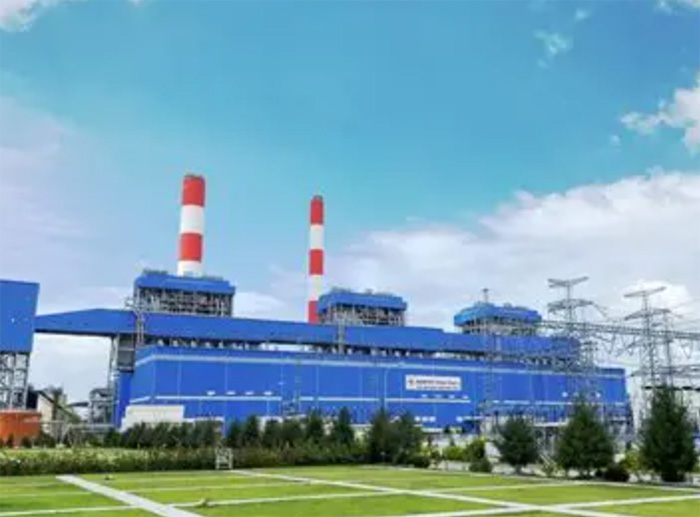
Provided high-durability, anti-corrosive, PTFE-lined valves to handle active chemical reactants and prevent leakage or toxic emission leaks.
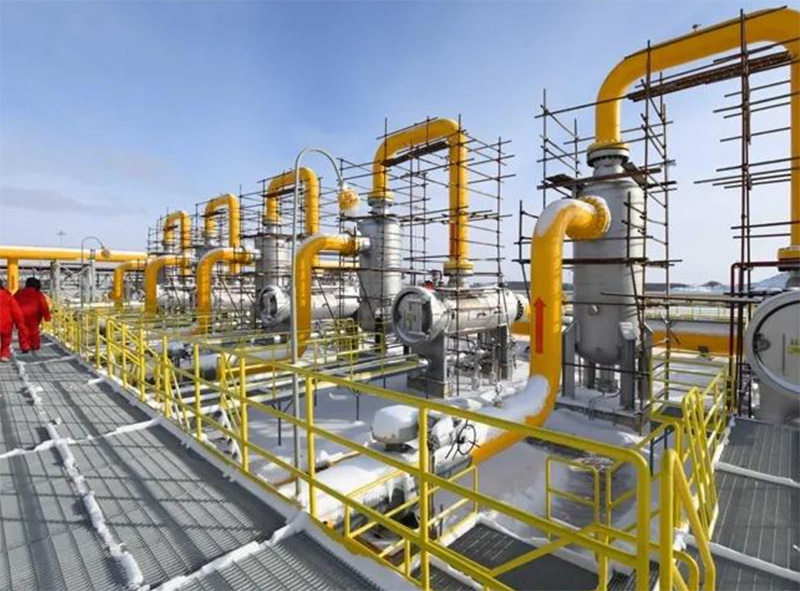
Engineered specialized heavy-wall steel gate valves and high-seal ball valves capable of structural integrity down to sub-zero climates.
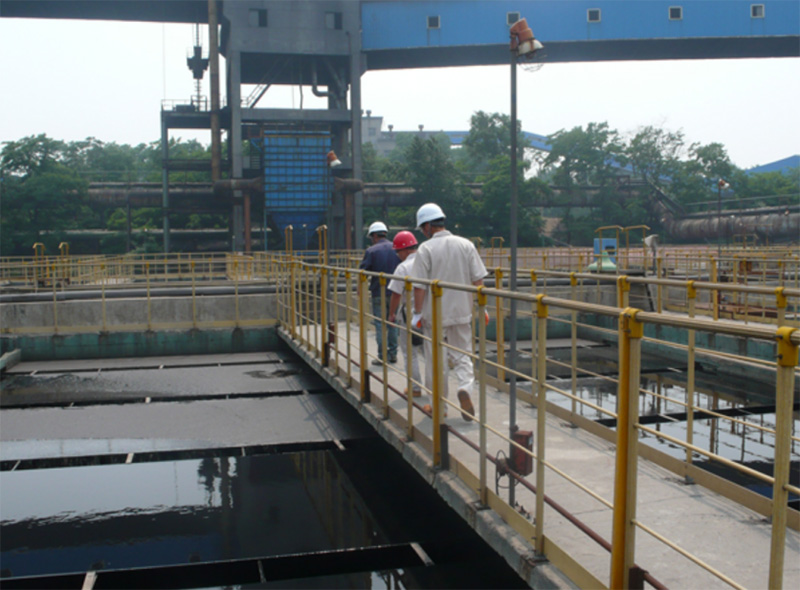
Optimized sewage flow efficiency by designing automatic control valves, gate valves, and non-slam check valves to mitigate water hammer damage.
As standard-issue pipelines migrate toward zero-carbon and high-efficiency architectures, industrial compliance demands are tightening. Valves must pass rigorous certification procedures to meet strict regional codes globally. Below is our operational blueprint mapping localized compliance to technical longevity:
Whether exporting to the European Union (CE PED certifications), North America (ANSI, AWWA, NSF/ANSI 61 for potable water), or standard British / Japanese configurations, our manufacturing lines adjust tooling to replicate compliance. This guarantees that flanges, bolt holes, face-to-face dimensions, and pressure classes line up seamlessly on-site, eliminating retrofit costs.
To resist rapid wear in sand-entrained fluid networks, we are currently testing carbon-infused polymer composites and alloy hardening procedures (such as satellite-overlays). This research helps us achieve a longer wear life, keeping critical components running smoothly over extended durations.
Get authoritative answers to core technical inquiries and fluid design calculations regarding 10" butterfly valves.
Full-spectrum check valves, gate valves, and pressure control solutions engineered for high operational life cycles.
 KR VAVLE