Industrial performance engineered by KR Valve Group - Direct Manufacturer & OEM Partner
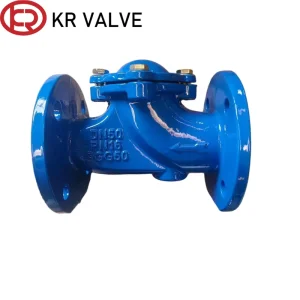
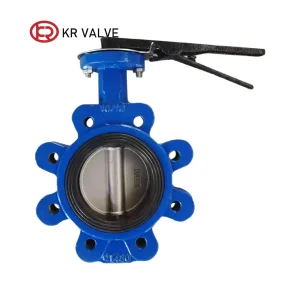
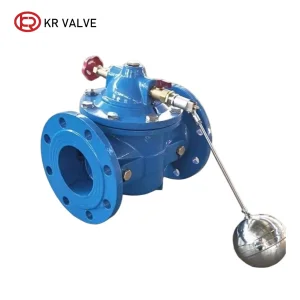
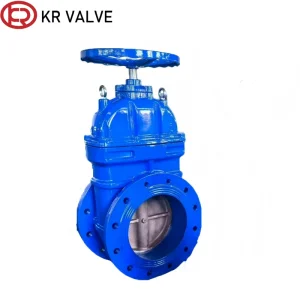
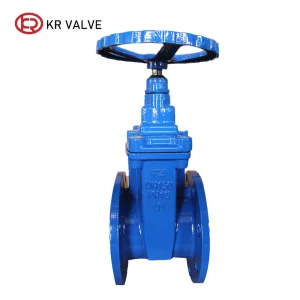
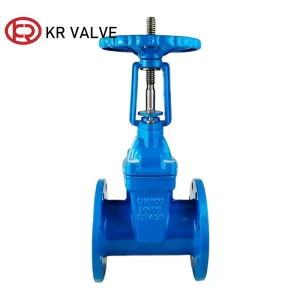
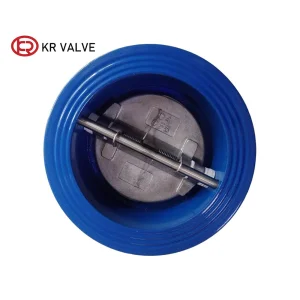
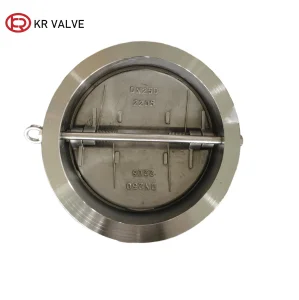
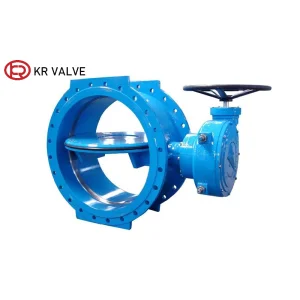
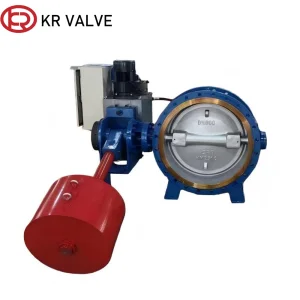
KR has more than 20 years of experience in producing standard and non-standard valves of various types. We supply a wide selection of over 500 valve products, including butterfly valve, gate valve, check valve, water control valve, as well as all their matching and accessory products. These products have applications in various industries such as water treatment, dam construction, commercial buildings, energy and heating, chemical engineering, etc. We have won high repeat purchase rates from customers with excellent product variety and quality.
Beyond product excellence, we are dedicated to creating a mutually beneficial partnership with every customer. We believe that reliable service is as crucial as superior products, and we strive to continuously optimize the customer experience to achieve long-term win-win cooperation.
Today, KR VALVE’s products have been exported to over 50 countries and regions in Europe, Asia, Africa, and Oceania, providing project construction and brand marketing services to thousands of customers. We look forward to collaborating with you, leveraging our expertise, comprehensive product range, and unwavering commitment to quality and service to support your success.
For high-integrity pipeline systems, the integrity of a valve is defined by its seal. While elastomeric (soft) seals operate effectively in low-pressure and low-temperature settings, aggressive applications call for metal-to-metal seating. Here, brass sealing plays a central role. Brass features high thermal conductivity, corrosion resistance, and low friction against steel or iron components, making it an excellent interface for gate, globe, and check valves. This whitepaper analyzes the engineering properties, chemical parameters, and application criteria that define the selection and application of brass seals.
Brass seals are not simply generic alloys; they are specialized materials engineered to resist dezincification, wear, and mechanical fatigue. In OEM valve production, we select alloys like lead-free DZR (Dezincification Resistant) brass or silicon-aluminum brass. Zinc enrichment in standard brass can lead to structural failure under corrosive conditions, especially when exposed to chlorinated municipal water or saline media. By maintaining zinc levels under strict thresholds and introducing inhibitors like arsenic or antimony, DZR brass maintains its structural integrity and mechanical properties over decades.
The sealing action of brass against cast iron or ductile iron is based on micro-deformation. When the gate of a valve is actuated downward, the ductile iron wedge—often lined with a brass seal ring—contacts the brass body seat ring. Under sealing load, the lower hardness of the brass relative to the iron allows microscopic irregularities on the contact surfaces to conform, creating a tight seal. Unlike synthetic elastomers, brass seats withstand high velocities, abrasive particles, and temperature spikes without degradation.
At KR Valve, we use CNC machining, automated hot pressing, and precision grinding to produce brass seals. The mating surfaces of the seat and wedge undergo a lapping process to achieve a surface roughness ($Ra$) below 0.4 microns. Following assembly, each valve is subjected to hydrostatic and pneumatic pressure testing in line with ISO 5208 and API 598. This process ensures the valve meets Class A bubble-tight requirements under pressure ratings from PN6 up to PN25.
Providing custom, high-precision OEM products from design through shipment
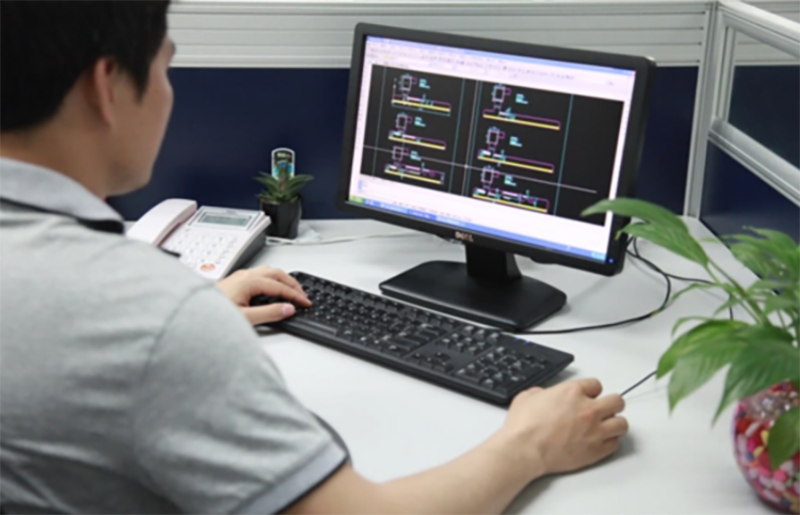
Our dedicated R&D department oversees product design and continuous innovation.
Our technicians design and develop products to meet customer specifications. The lab provides modern testing capabilities to verify product performance. Today, we offer 20 series and over 500 varieties of flow control products.
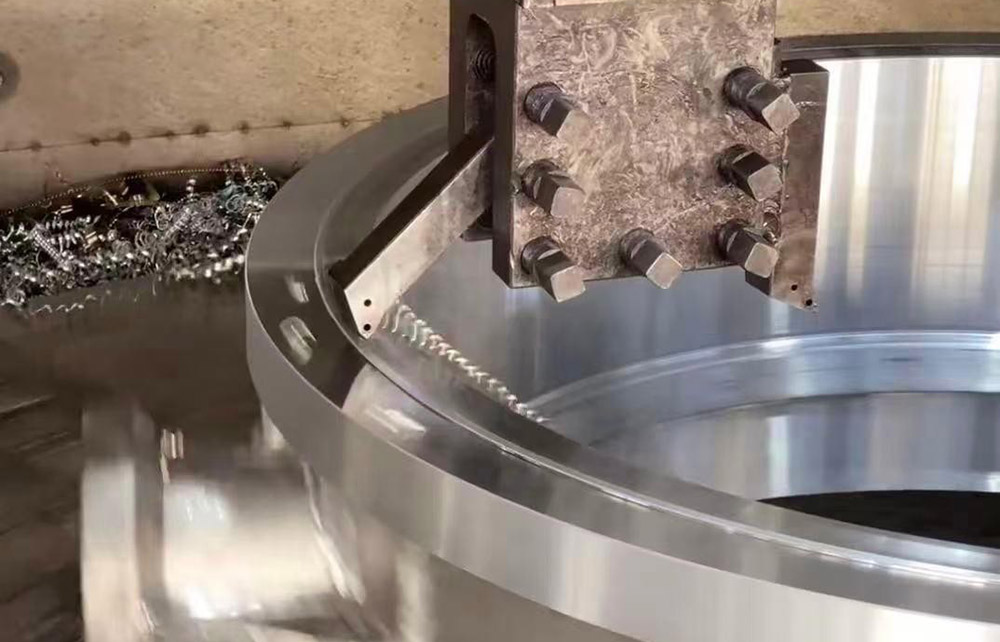
Our production department structures schedules to ensure timely delivery of custom orders.
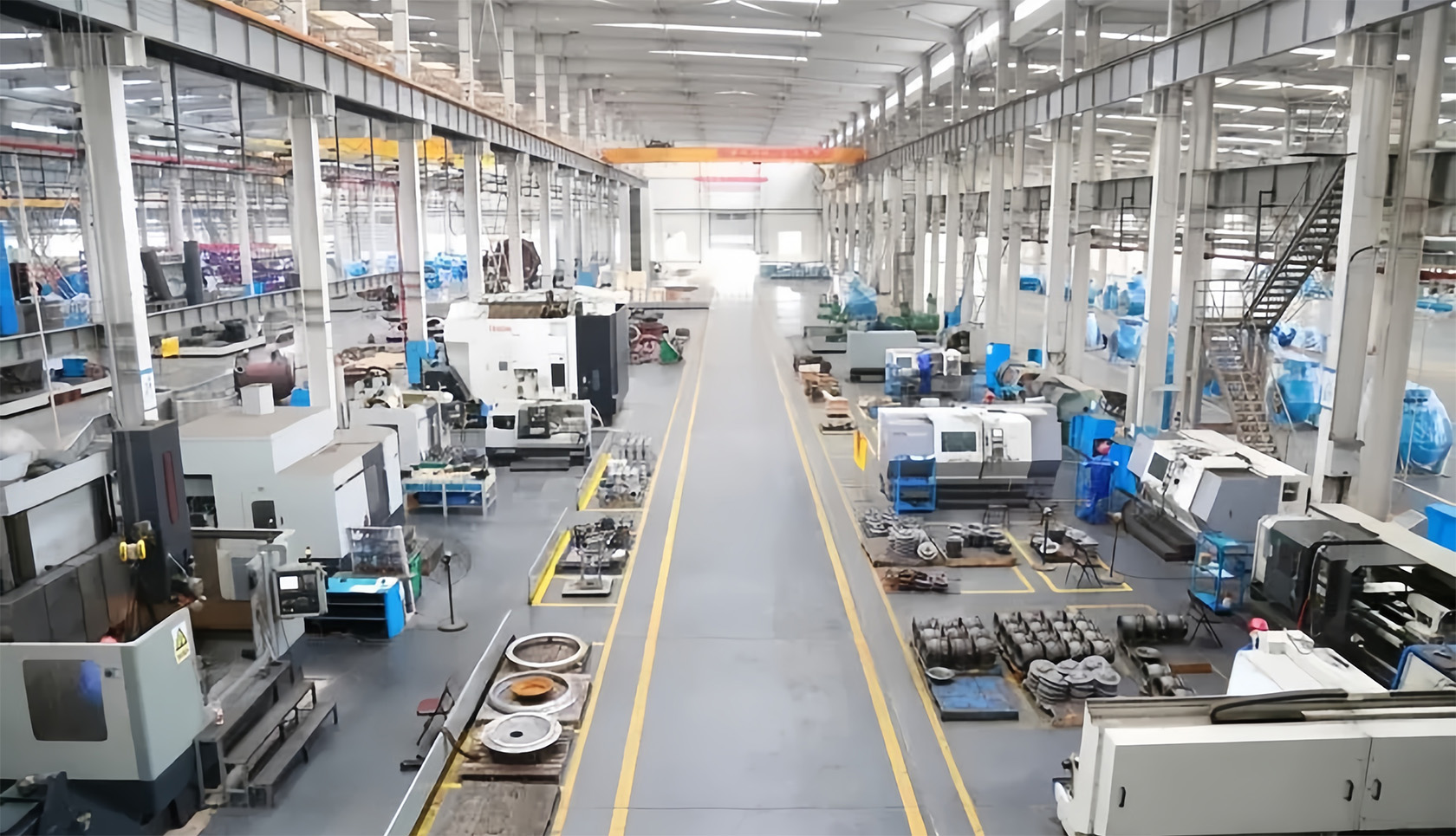
All products are manufactured under strict supervision in accordance with the ISO-9001 quality management system. With more than 30 modern production units, we manage inventory monthly to support reliable lead times.
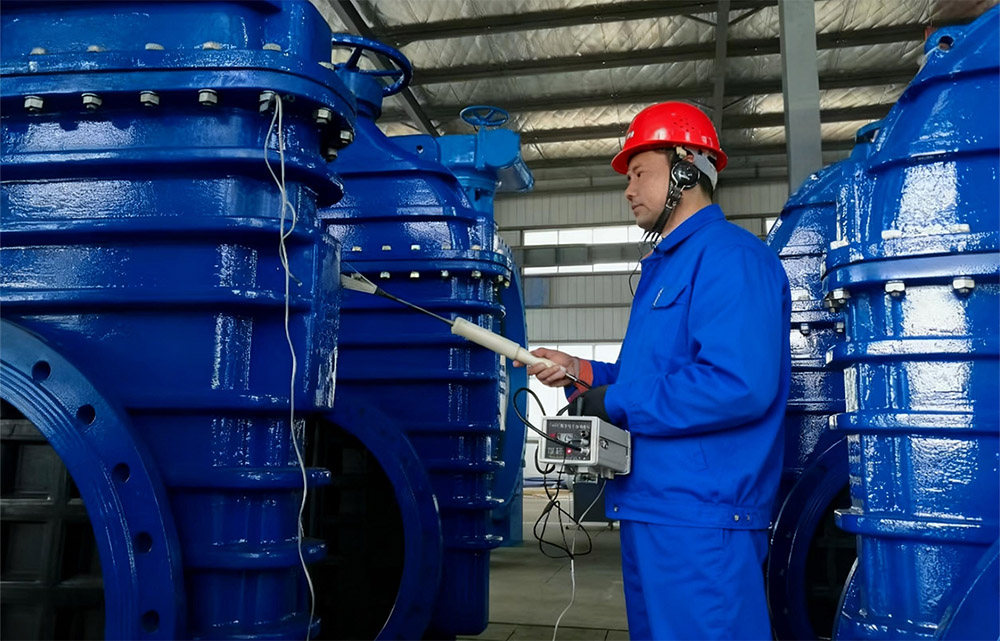
Our QC team performs 100% inspection of completed products to maintain our zero-leakage standards.
In accordance with international inspection standards, we evaluate dimensions, cosmetic appearance, hydrostatic seat seals, and shell pressures, issuing certified test reports for each production lot.
Supporting projects worldwide with reliable engineering, production, and support
In addition to our independent brand "KR", we offer comprehensive OEM services, establishing long-term partnerships with leading global brands.
Equipped with 15 CNC machining centers, automated test benches, and dedicated assembly lines staffed by experienced technicians.
Offering over 20 distinct series and 500 configurations, including standard models (DIN, ANSI, BS) and custom components.
We source certified raw materials and test every component throughout assembly to ensure reliable service under pressure.
Through in-house foundry management and efficient production scheduling, we provide competitive pricing without compromising quality.
Our engineering support team offers pre-sales consulting, technical drawing checks, installation guidance, and responsive after-sales service.
Take a virtual tour of our testing and production lines
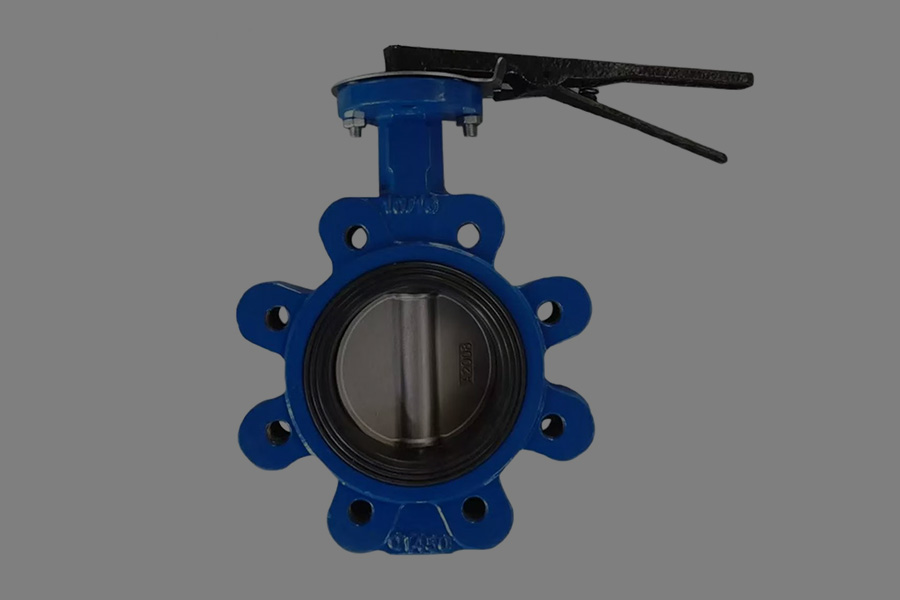
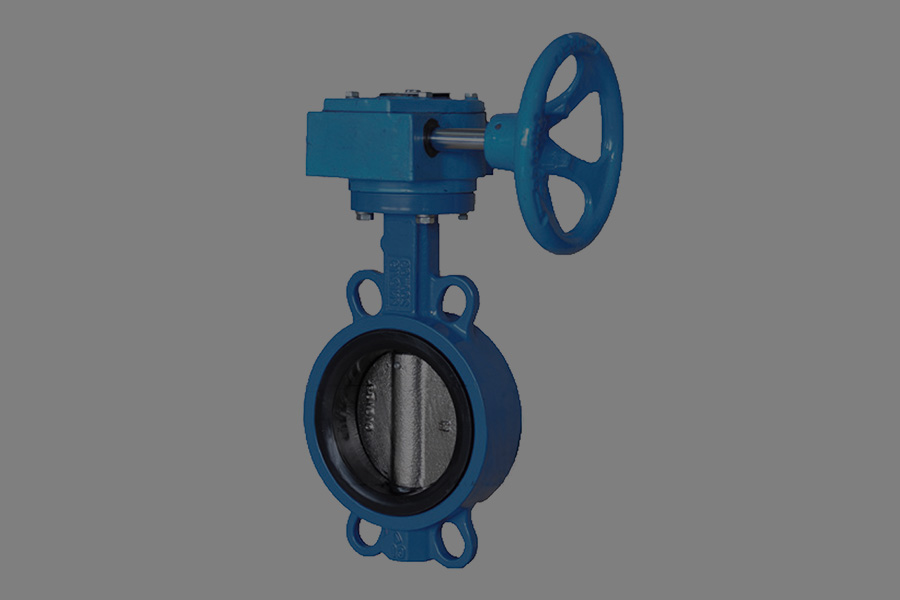
The global industrial valve market is moving toward strict emission controls and longer maintenance cycles. In this context, seal selection determines a system's reliability. Research shows that over 60% of pipeline failures stem from seal wear. Understanding the trade-offs between different sealing materials is key to selecting the right components for critical applications.
In high-pressure systems, fluid dynamics generate shear forces on the sealing seats. Elastomeric seals can suffer from extrusion and explosive decompression. Metal-to-metal seating, specifically using copper-based alloys like brass, avoids these issues. In addition, exposure to chlorinated drinking water can cause zinc to leach out of standard brass alloys (dezincification), leaving a porous, weak copper structure prone to leakage. Using stabilized, dezincification-resistant (DZR) brass alloys ensures structural integrity in municipal and brackish water systems.
To achieve Class A zero-leakage standards without using soft seals, the mating surfaces of the seat and disc must form a tight interface. We use precision CNC machining followed by planetary lapping to achieve a flat surface with a roughness value of $Ra \le 0.4\,\mu\text{m}$. During operation, the micro-hardness of the brass seat allows minor surface alignment, compensating for system deflections without galling the sealing faces.
When selecting seals for industrial pipelines, design engineers evaluate performance across temperature, pressure, durability, and chemical compatibility:
Our systems support major waterworks, power plants, and industrial installations worldwide
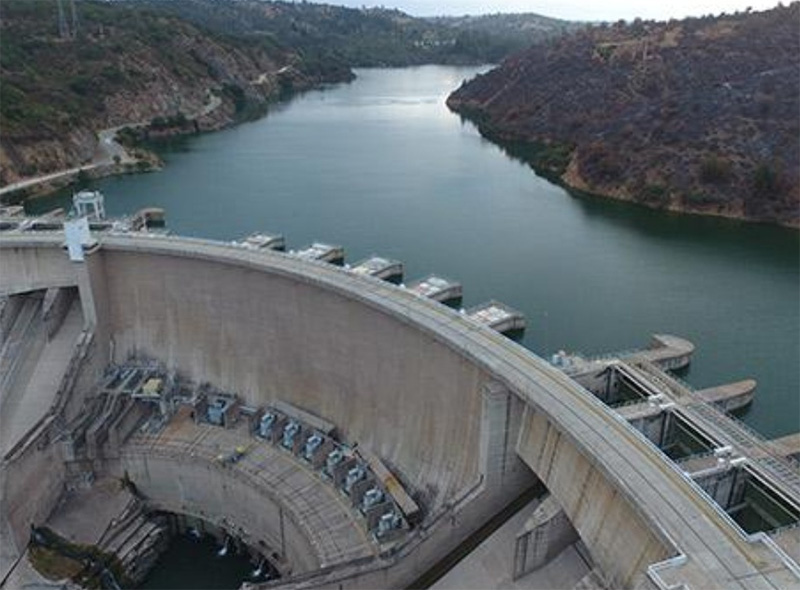
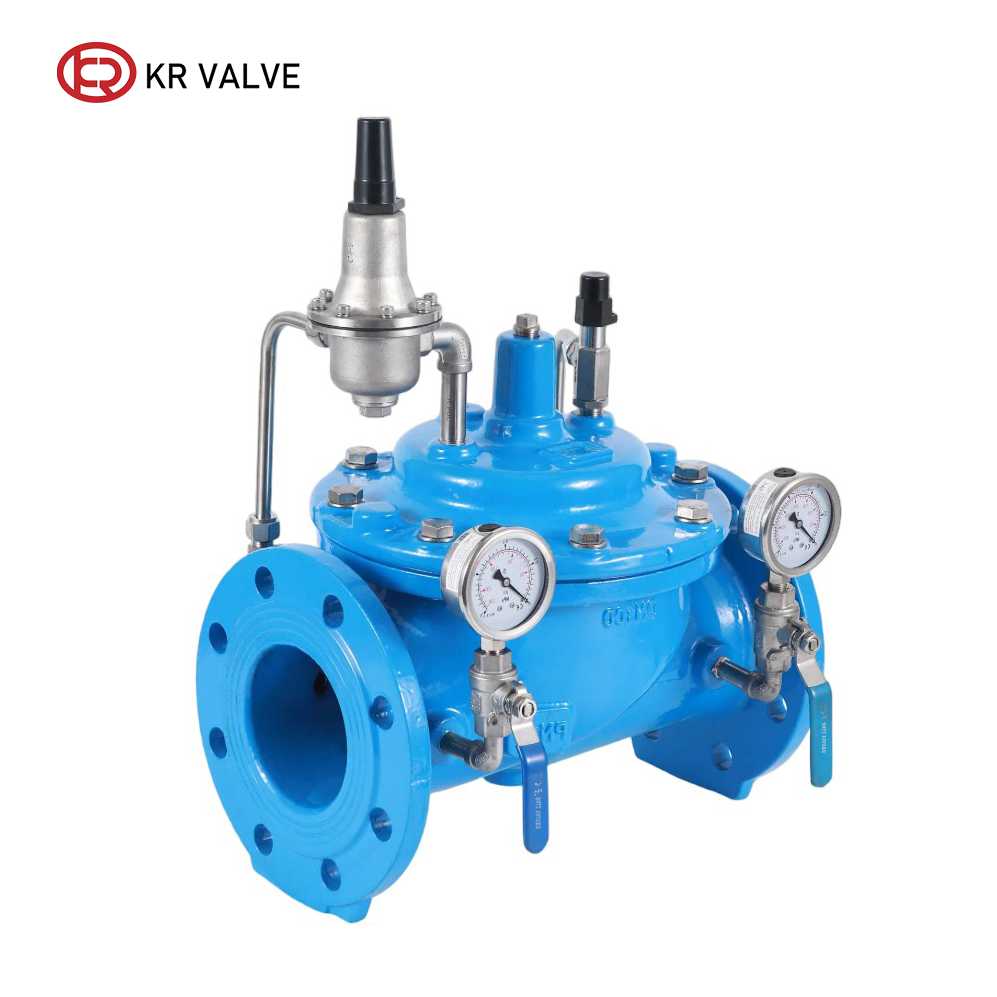
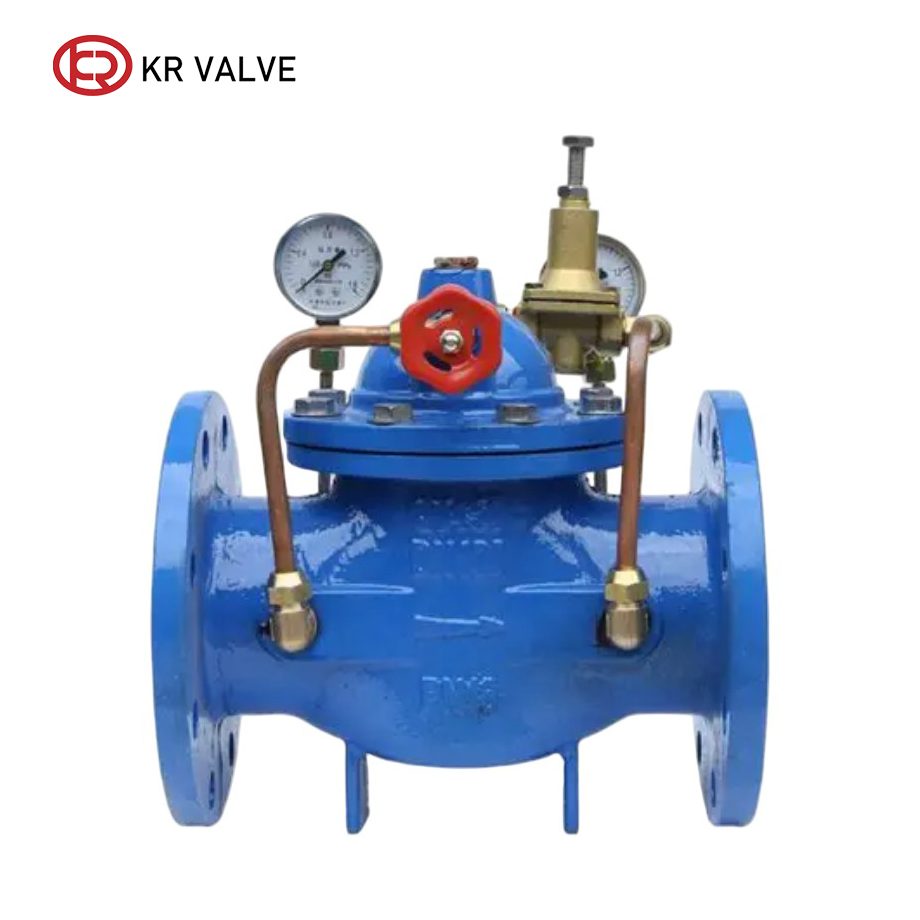
KR supplied custom water control valves designed to manage high pressure and flow rates in Chile's mountainous regions.
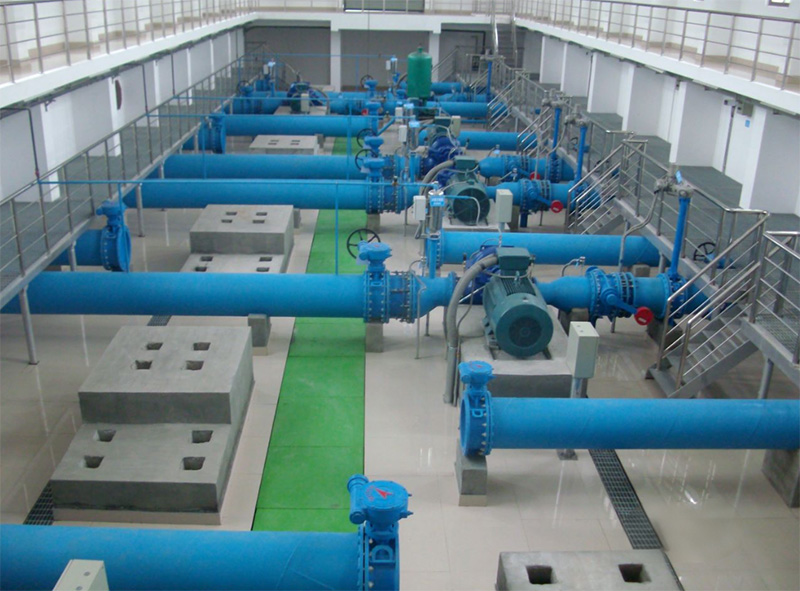
Delivered large-diameter double-eccentric butterfly valves and check valves with durable metal seats for Italian water grids.
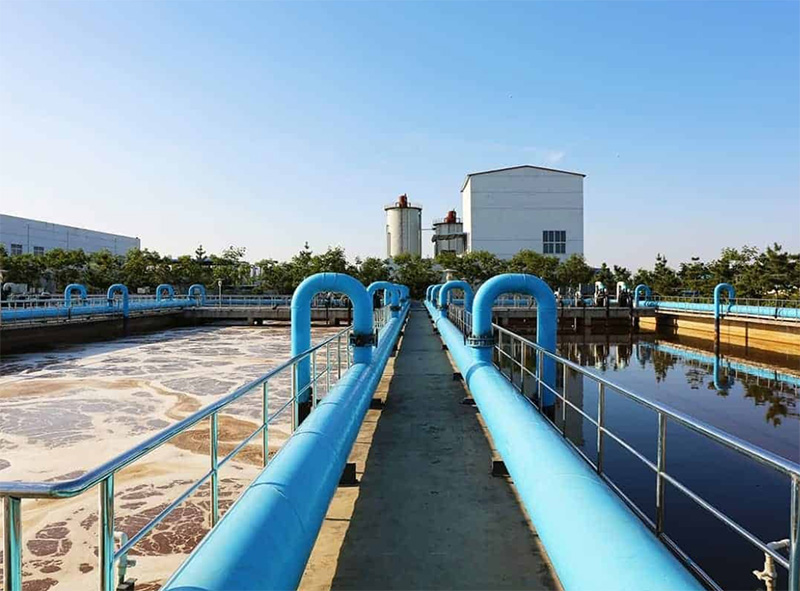
Provided heavy-duty resilient seated gate valves and butterfly valves for high-solids wastewater handling.
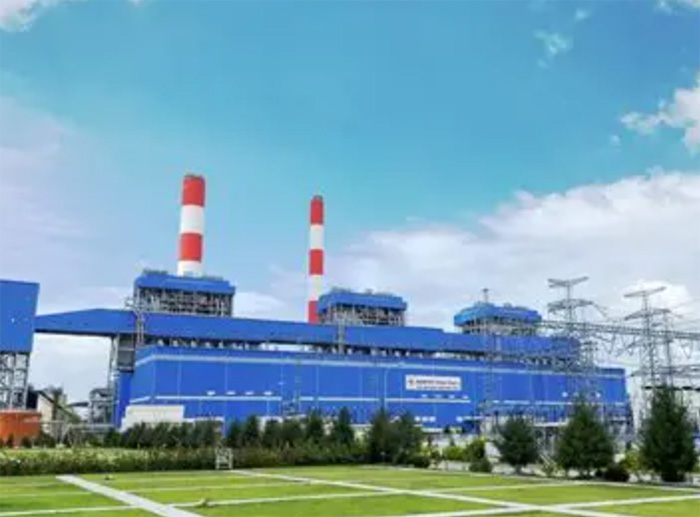
Supplied a range of corrosion-resistant valves, including stainless steel and lined butterfly valves, for acidic waste streams.
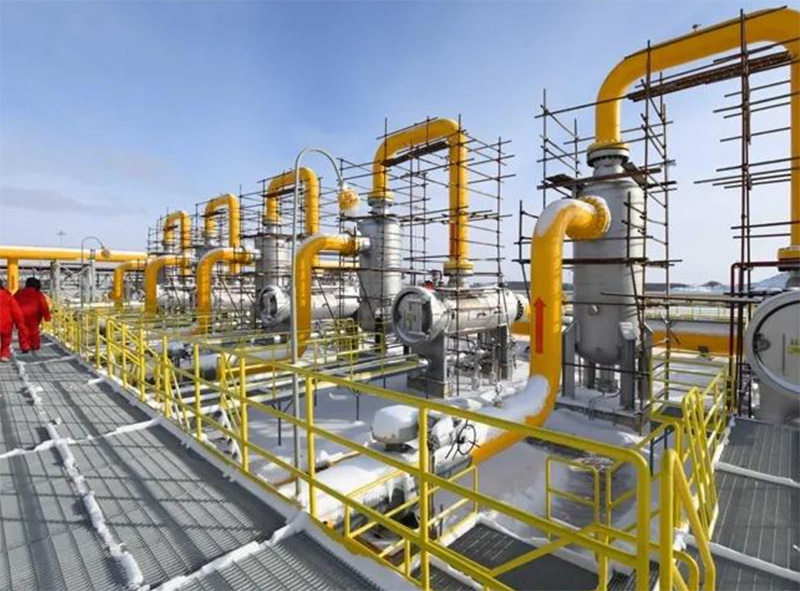
Provided heavy-wall cast carbon steel ball valves and gate valves engineered to perform in sub-zero ambient temperatures.
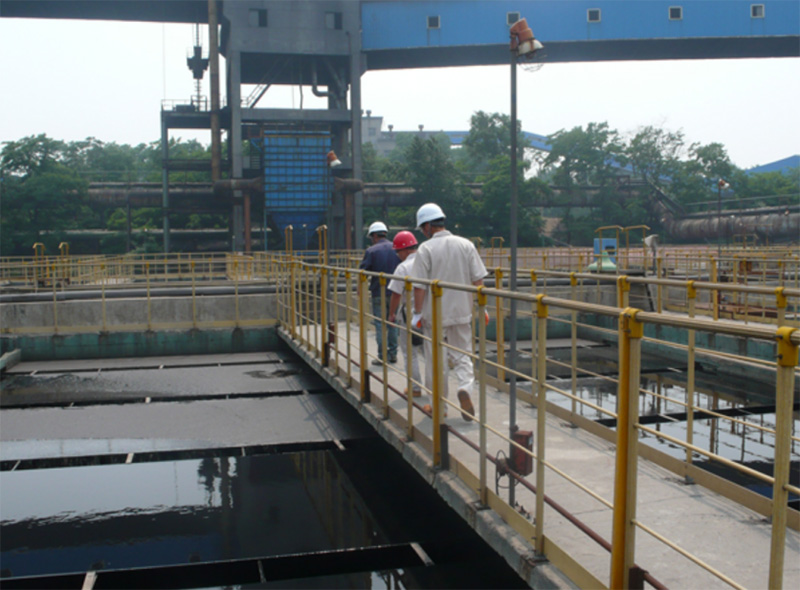
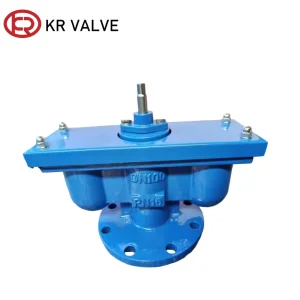
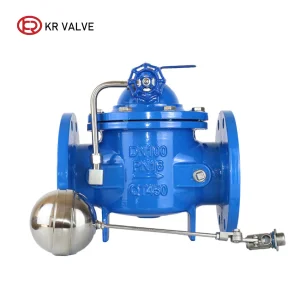
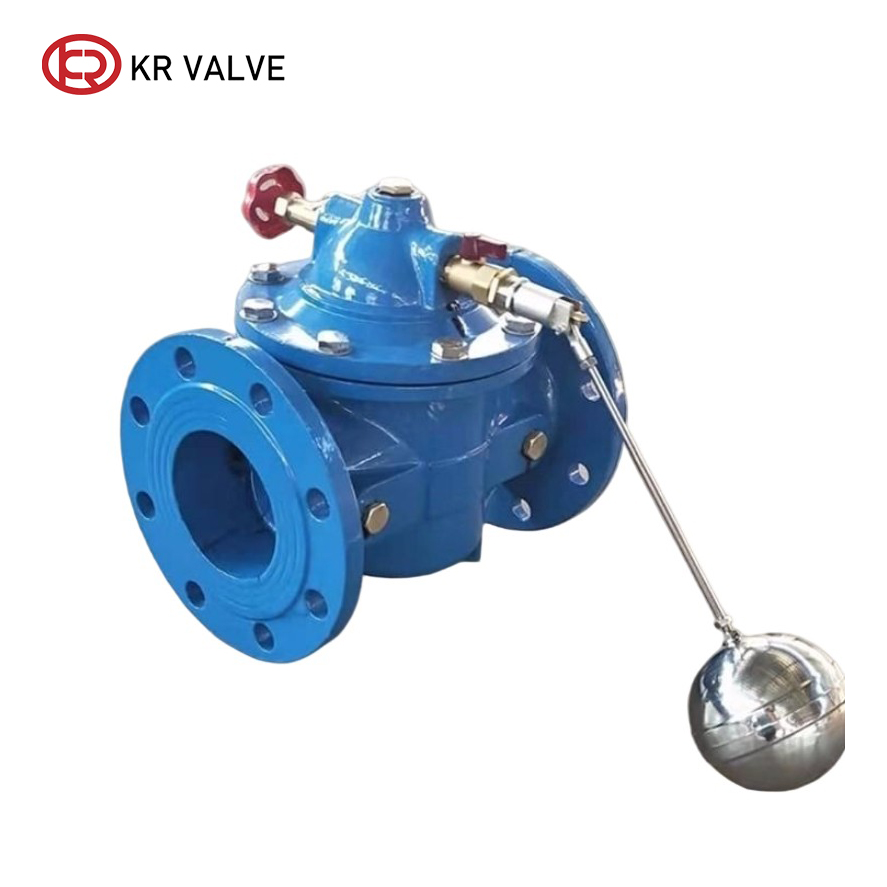
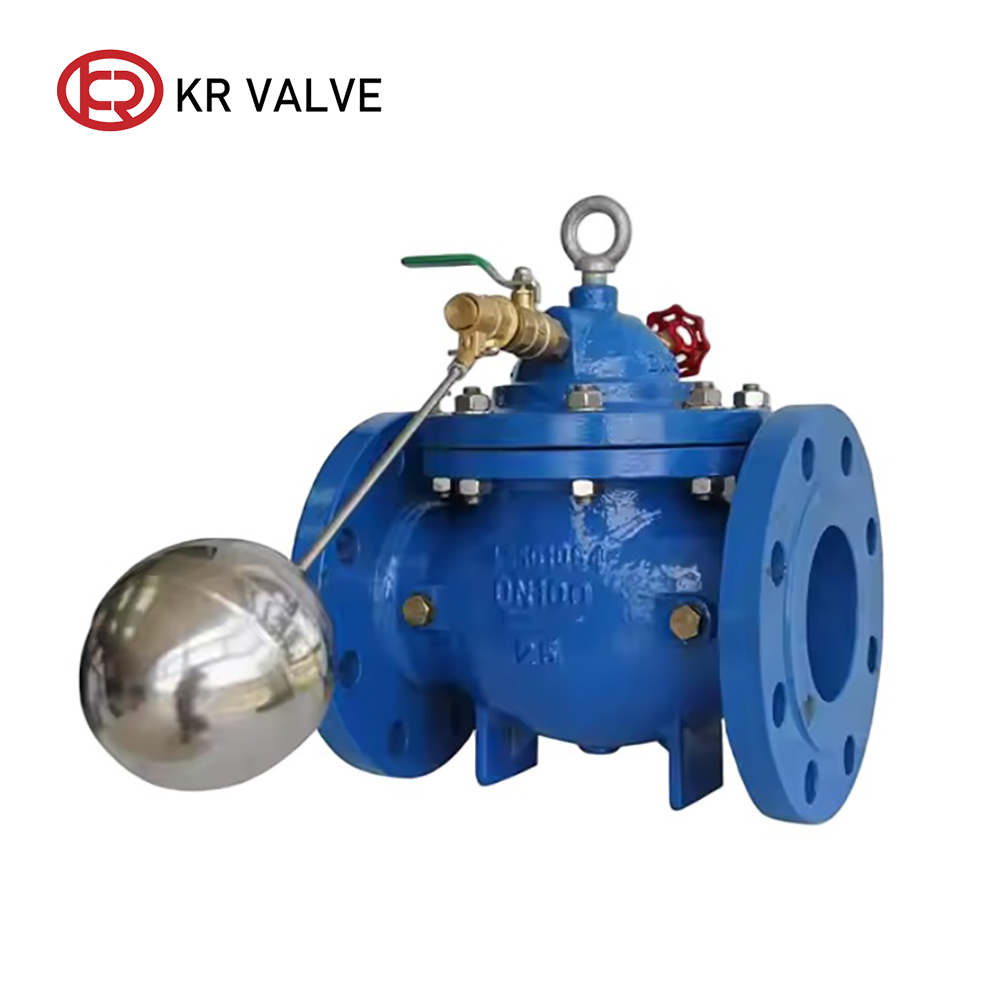
Supplied hydraulic water control valves, air release valves, and non-return valves to municipal treatment plants in Brazil.
Engineered to meet DIN, BS, and ASME standards for global operations
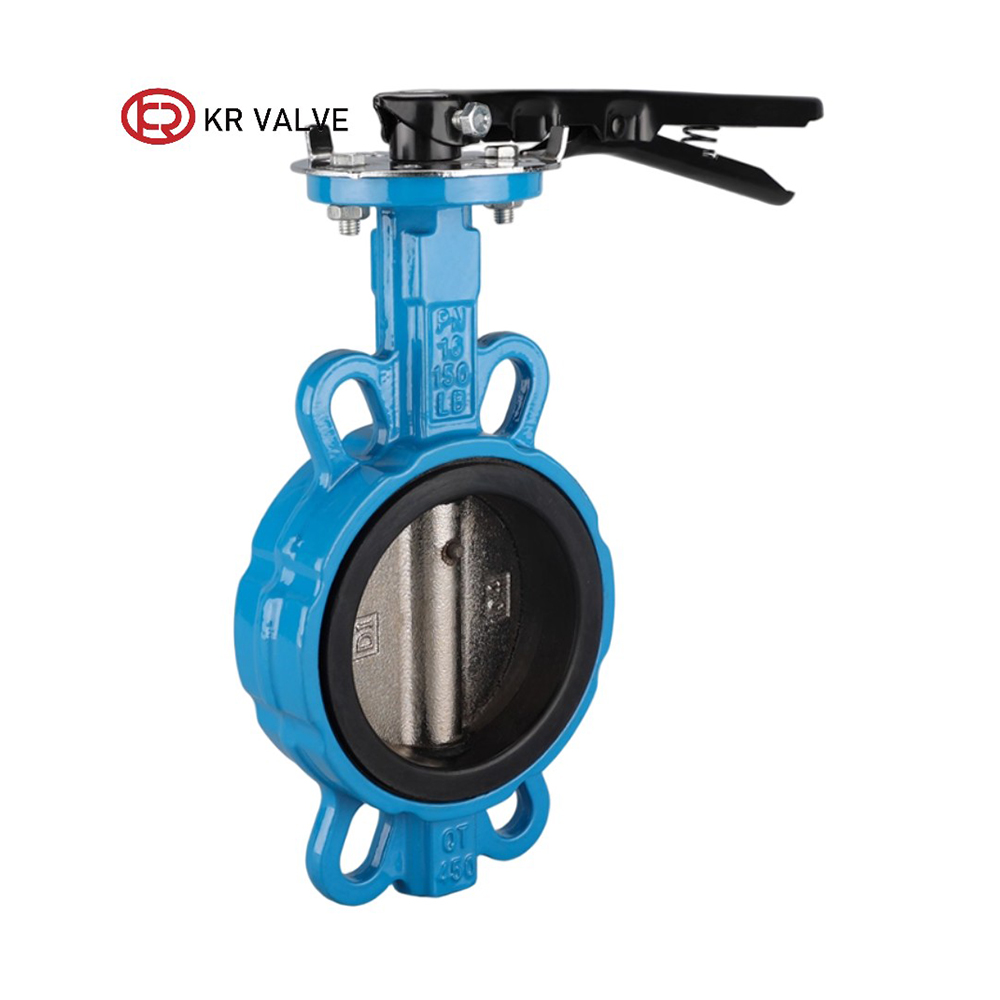
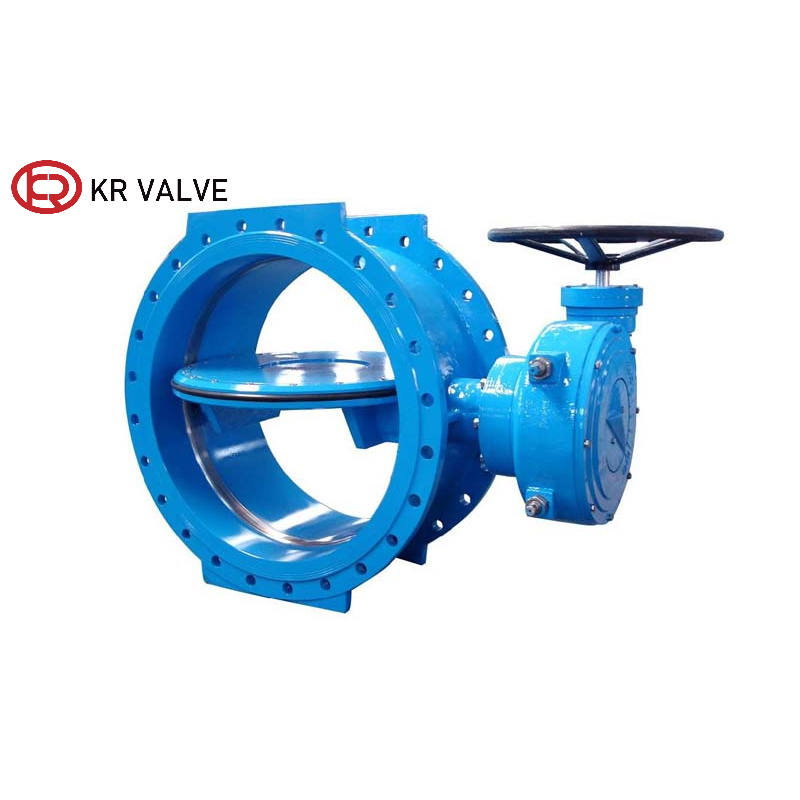
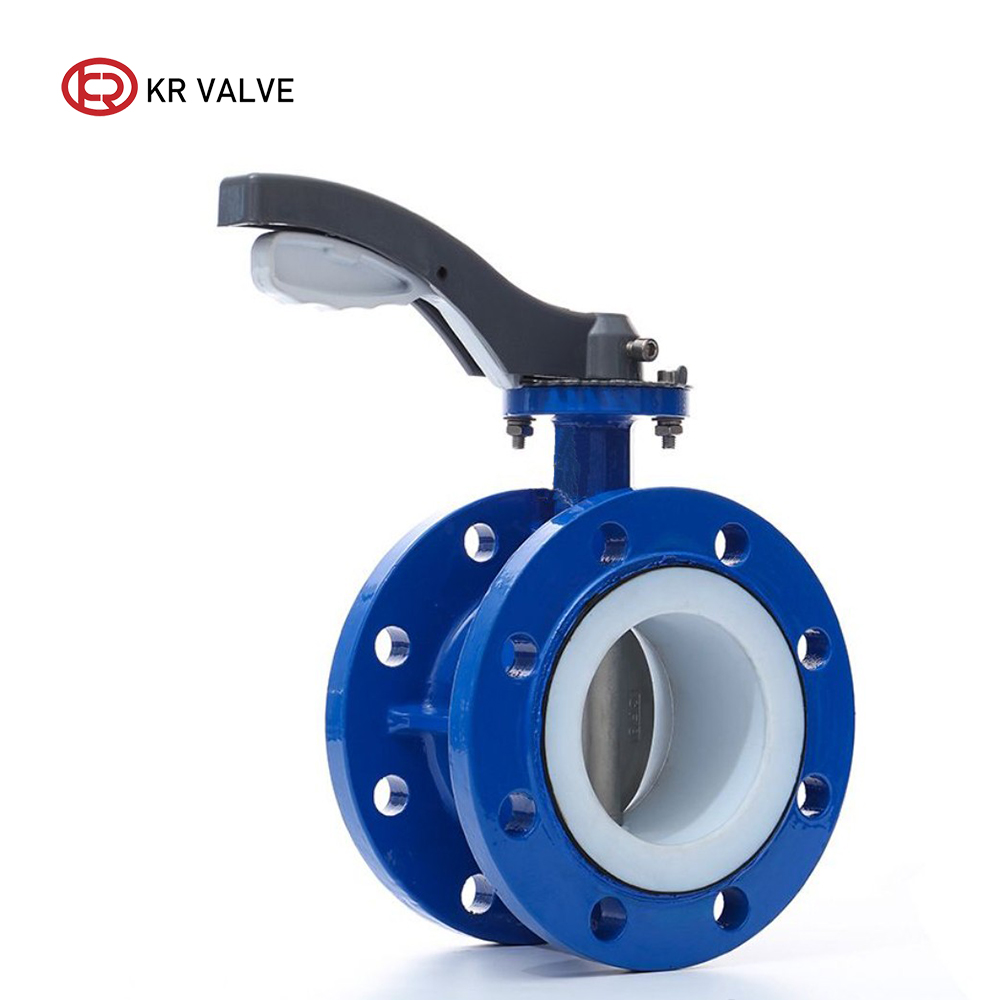
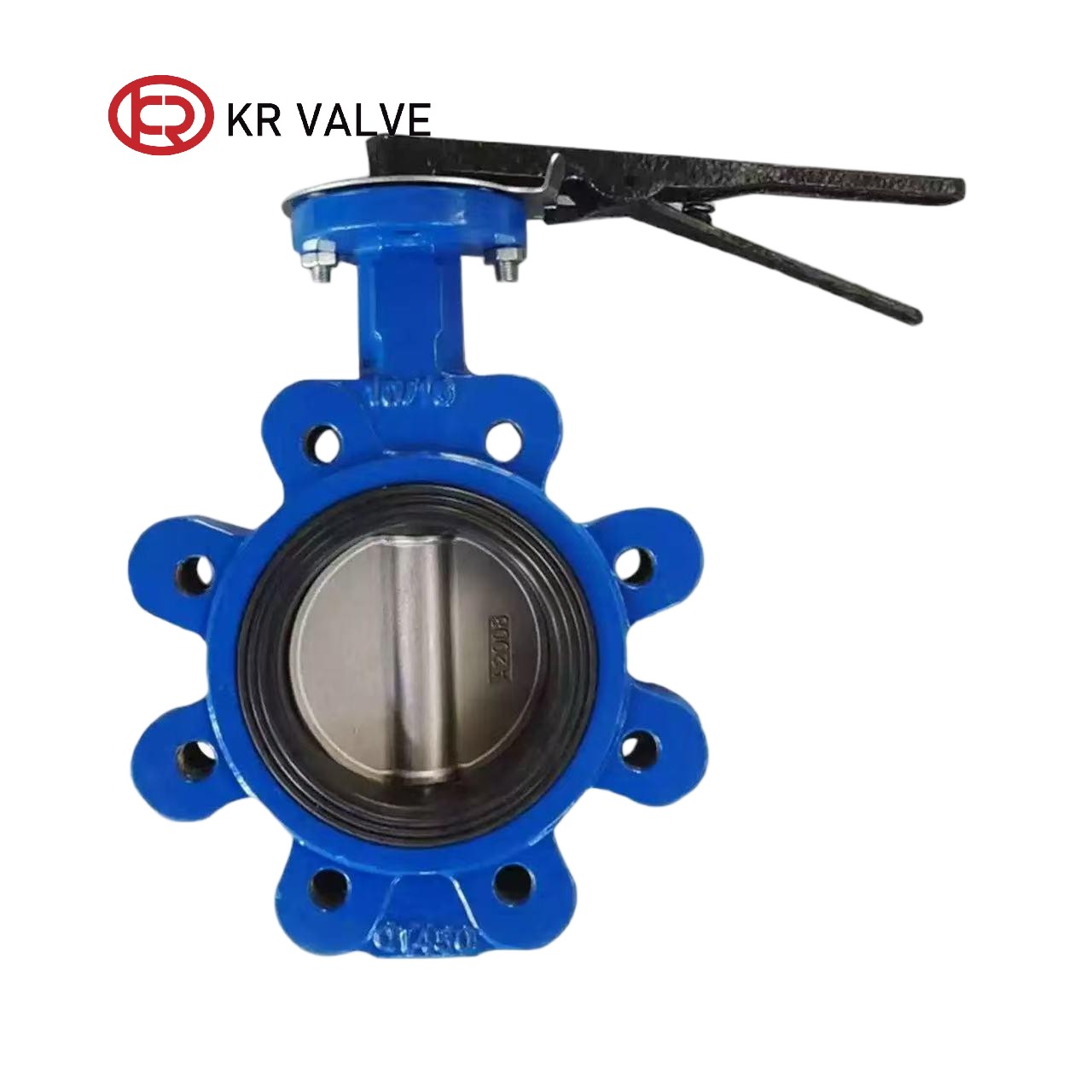
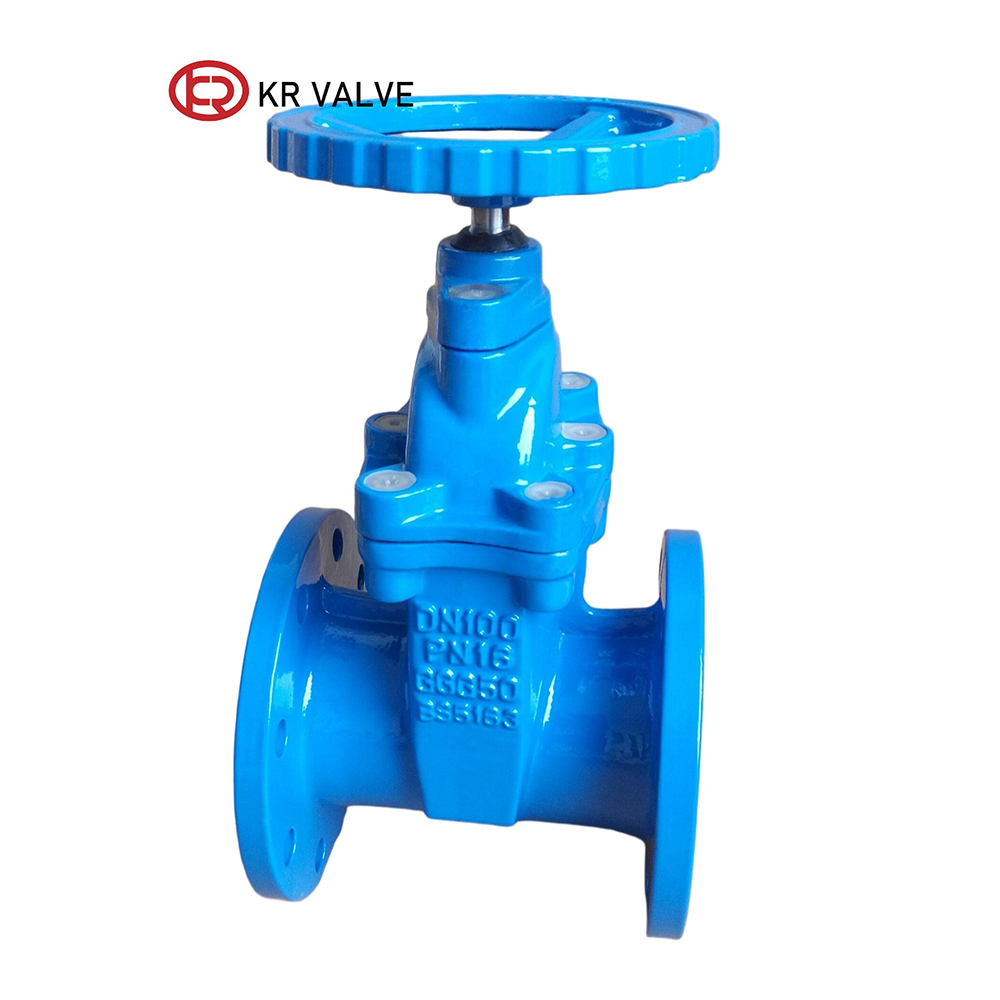
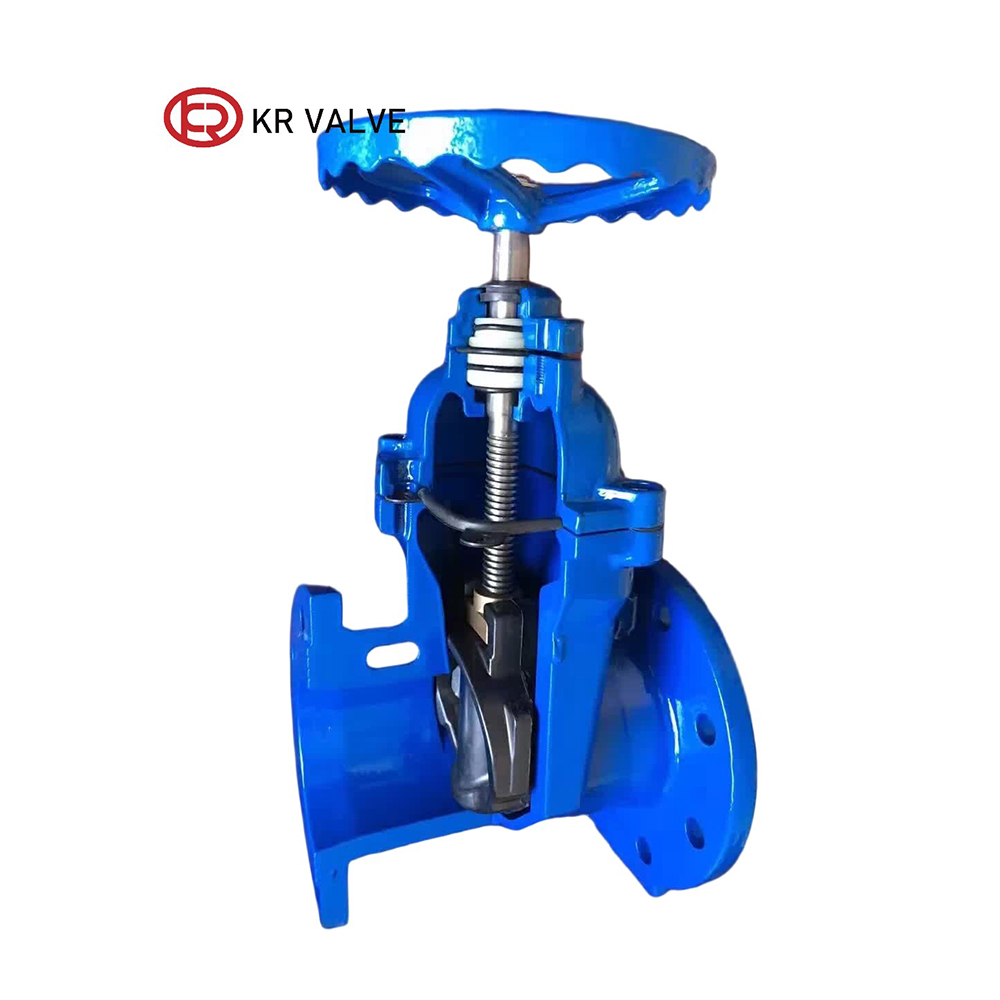
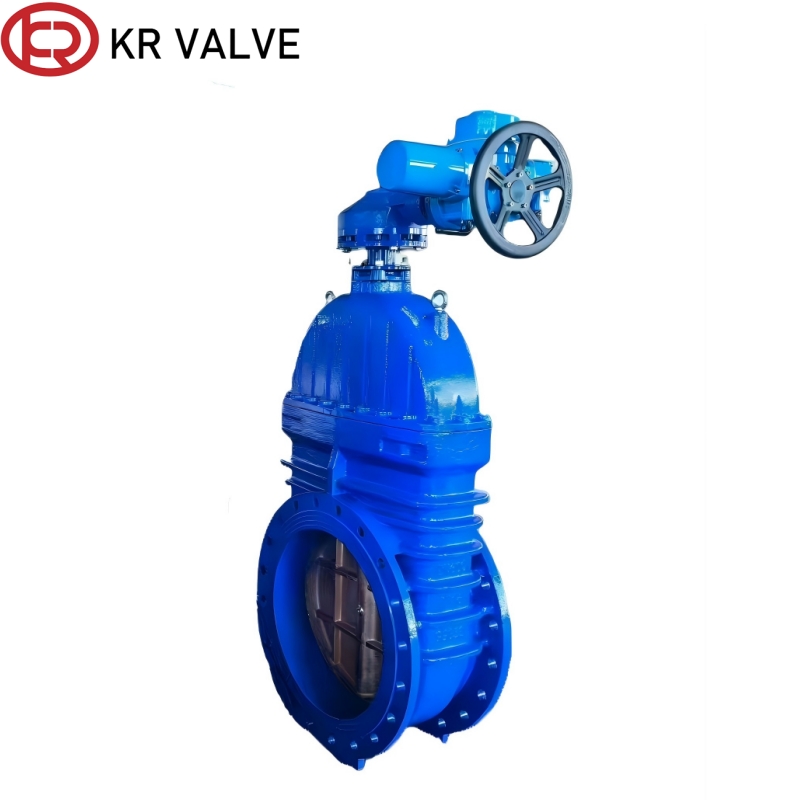
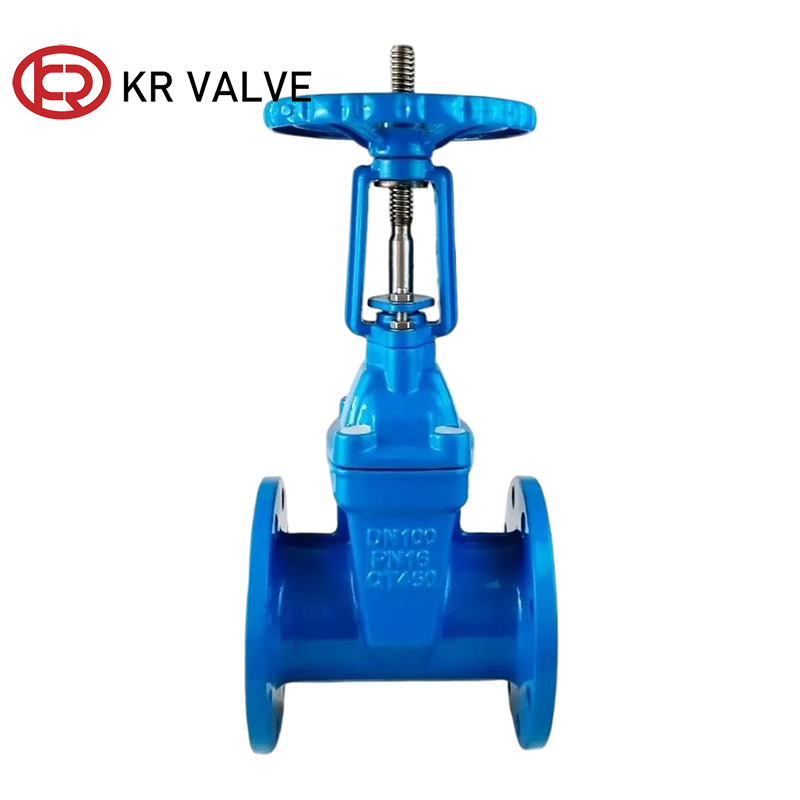
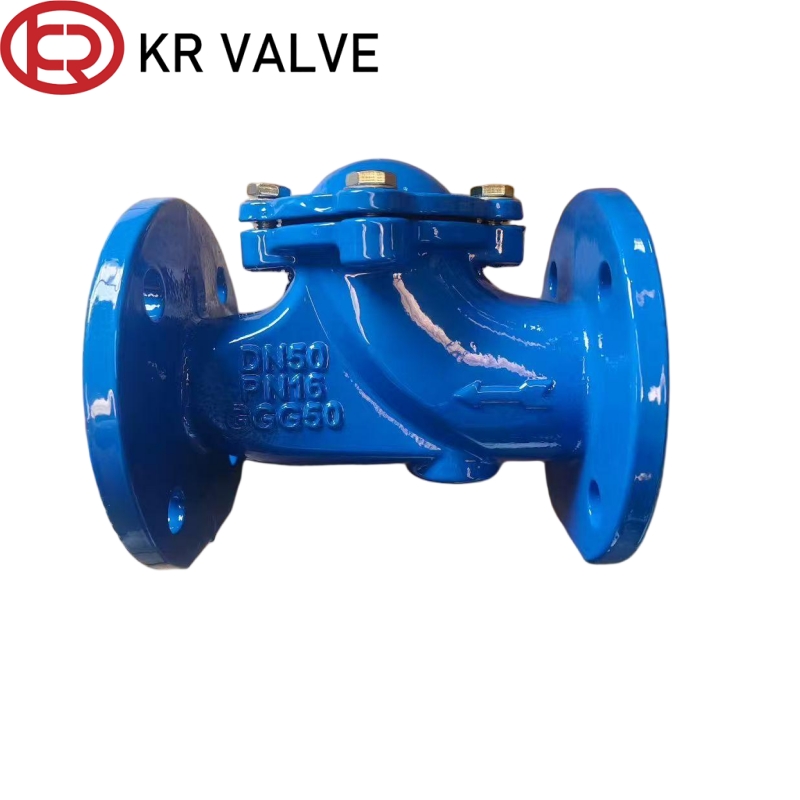
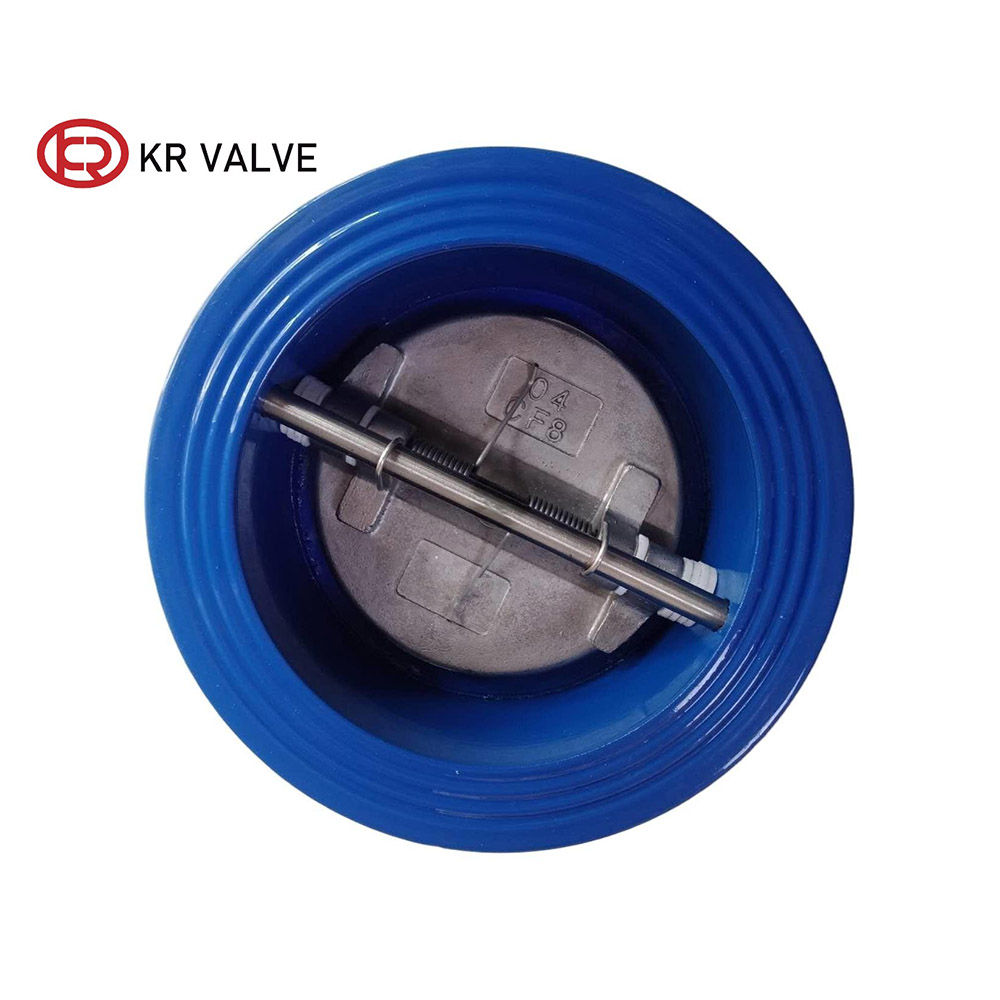
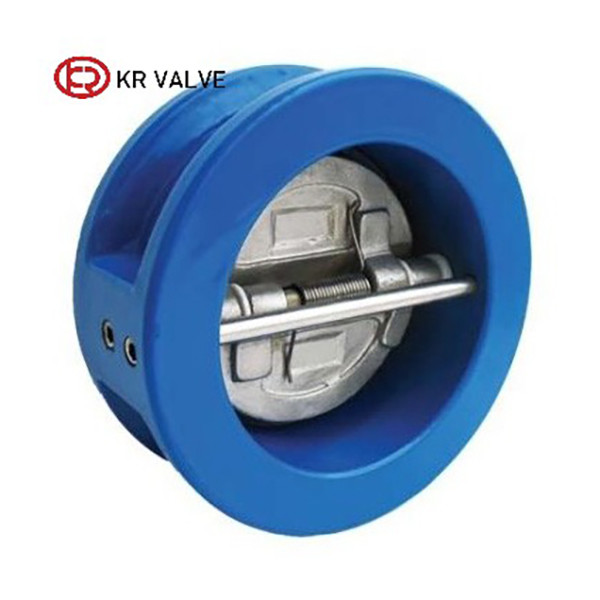
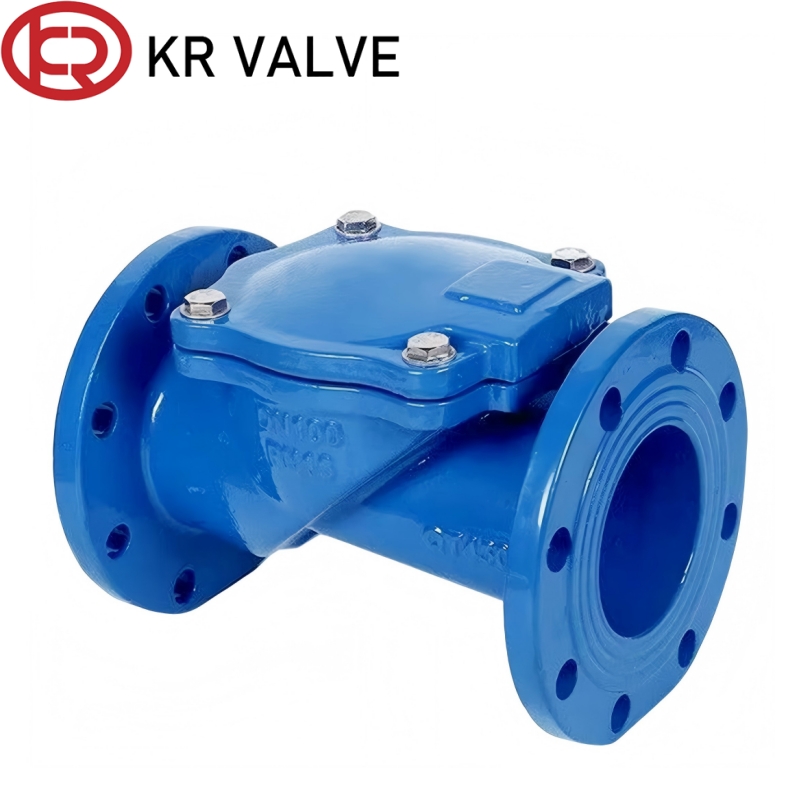
Technical guidance for system designers and procurement engineers
Explore our complete product catalog for municipal, chemical, and cooling applications
Contact our engineering and procurement team for technical consultation, detailed drawings, material certificates, and competitive pricing for your upcoming project.
Request Tech Specification & Quote KR VAVLE